Mine Action Weekly, 20 - 26 July 2026

From expanding contamination in Cambodia and Syria to major land release in Ukraine and Azerbaijan, this week's Mine Action Weekly newsletter underscore the scale and complexity of today's explosive ordnance challenge. The newsletter also examines new casualty data, emerging technologies, international cooperation, and growing recognition that mine action is essential not only for saving lives, but also for recovery, environmental stewardship, and long-term resilience.

Disclaimers:
This newsletter features news reports and articles from a variety of sources. Mention of these resources does not indicate agreement with or endorsement of the opinions of others. I do not claim responsibility or credit for these works, and do not vouch for the information contained in them.
This newsletter is created and managed in a personal capacity, independent of my professional affiliation with Fondation suisse de déminage (FSD).
🗞️ Weekly News Roundup
The weekly news roundup showcases a low-down of the top mine action news and insights from the past seven days.
1. EO Contamination, Clearance & Land Release
🇦🇫 Afghanistan: 56 mines, 12 mortar shells destroyed in Kunar mine-clearance operation
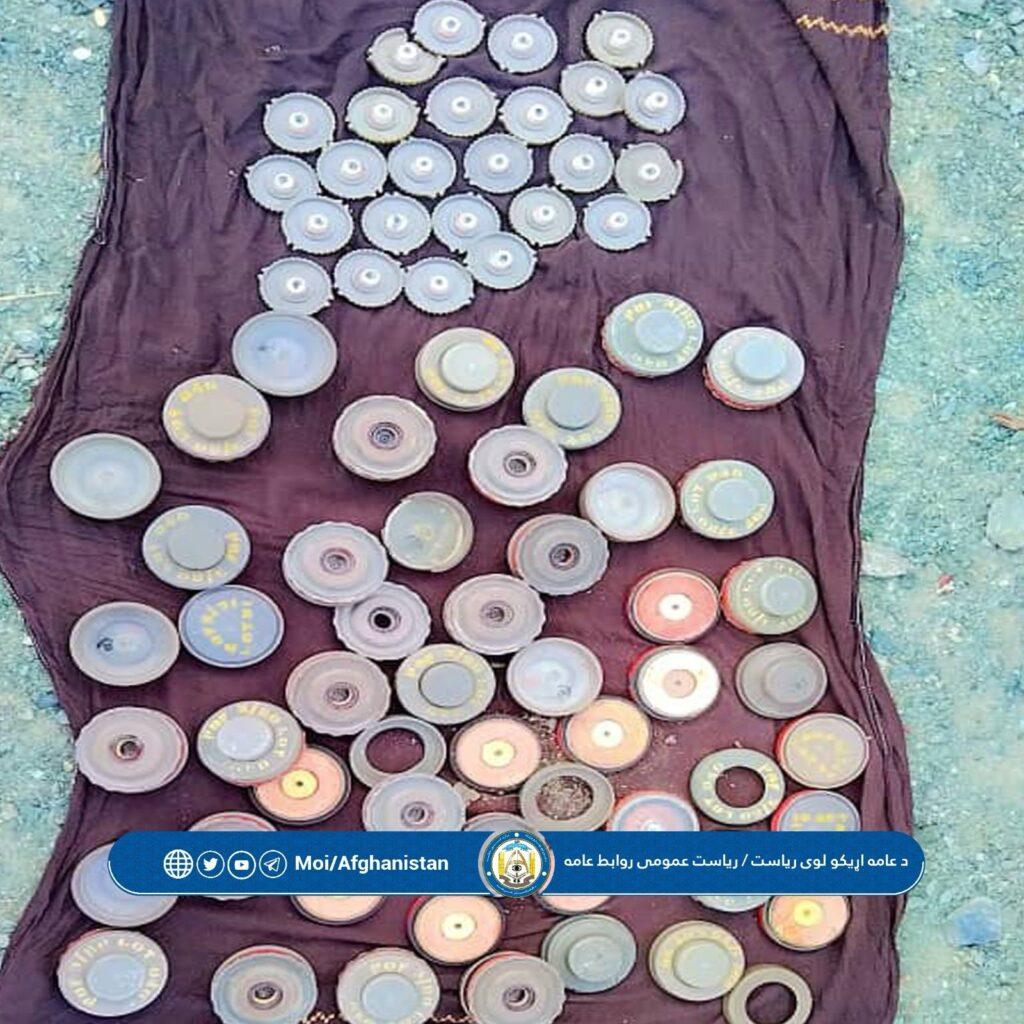
The Ministry of Interior says a police engineering team has discovered and destroyed 56 pressure mines and 12 mortar shells in Sarkano district of eastern Kunar province. The explosives were found during a mine-clearance operation in the Shunkari Valley, where they had been buried near the de facto boundary line.
🇦🇿 In Azerbaijan, no voice is louder than the landmines
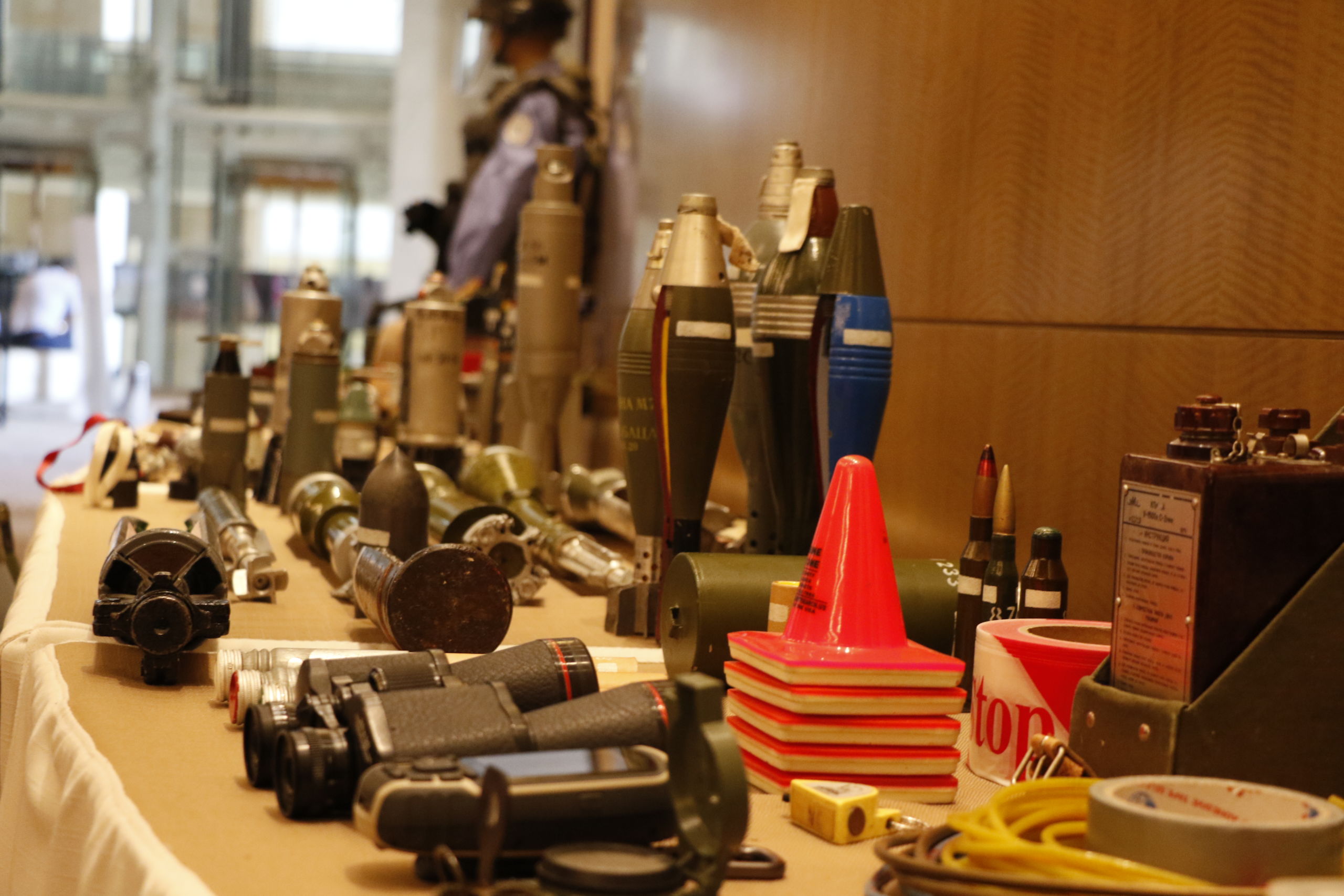
Heated discussions, meetings here and there, awareness efforts; and hearts yearning for their original homes, prevented from returning by an imminent danger lurking in wait: landmines. This is the situation in Azerbaijan, both officially and unofficially, as it struggles to remove hundreds of thousands of mines.
A total of 200 anti-personnel mines, 28 anti-tank mines, and 630 unexploded ordnances (UXOs) were detected and neutralised during mine-clearance operations carried out in Azerbaijan’s liberated territories from July 13 to 19, according to the Azerbaijan Mine Action Agency (ANAMA). The agency noted that 1959.5 hectares of land were cleared of mines and UXOs during the reporting period.
The Cambodian Mine Action Centre (CMAC) cleared 75,132 hectares of land contaminated by landmines, cluster munitions and unexploded ordnance (UXO) between January and June, achieving 82% of its annual target.
🇰🇭 Cambodia: Almost 4K sq km contaminated by unexploded Thai ordnance

One year after armed conflict along the Cambodia-Thailand border, Cambodian demining operators warn that explosive remnants of war left behind by the fighting continue to endanger civilians across seven provinces, with newly completed surveys identifying nearly 3,900 square kilometres of land contaminated by unexploded ordnance (UXO).
🇱🇾 Libya: Beyond the Battlefield: Addressing the Explosive Ordnance Crisis in Tigray

Tigray, located in northern Ethiopia and bordering Eritrea, was at the center of the armed conflict between the Ethiopian Federal Government and the Tigray Regional Government from 2020 to 2022. The conflict left a significant legacy of explosive ordnance contamination across northern Ethiopia. While the war affected Tigray, Afar, and Amhara regions, some of the most intense and prolonged fighting took place in Tigray, resulting in widespread contamination by landmines, unexploded ordnance (UXO), and explosive remnants of war (ERW).
🇰🇷 South Korea: North Korean land mines likely flowed south with runoff from monsoon rains

The South Korean government has warned that heavy monsoon rains may have washed landmines from the Demilitarized Zone into rivers flowing across the inter-Korean border. Some of the mines North Korea planted across its side of the heavily fortified border appear to have been displaced by flooding, Joint Chiefs of Staff spokesman Col. Jang Do-young said during a regular news briefing Thursday.
🇸🇸 South Sudan: UNMAS destroys explosive remnants of war across South Sudan with support from the Netherlands
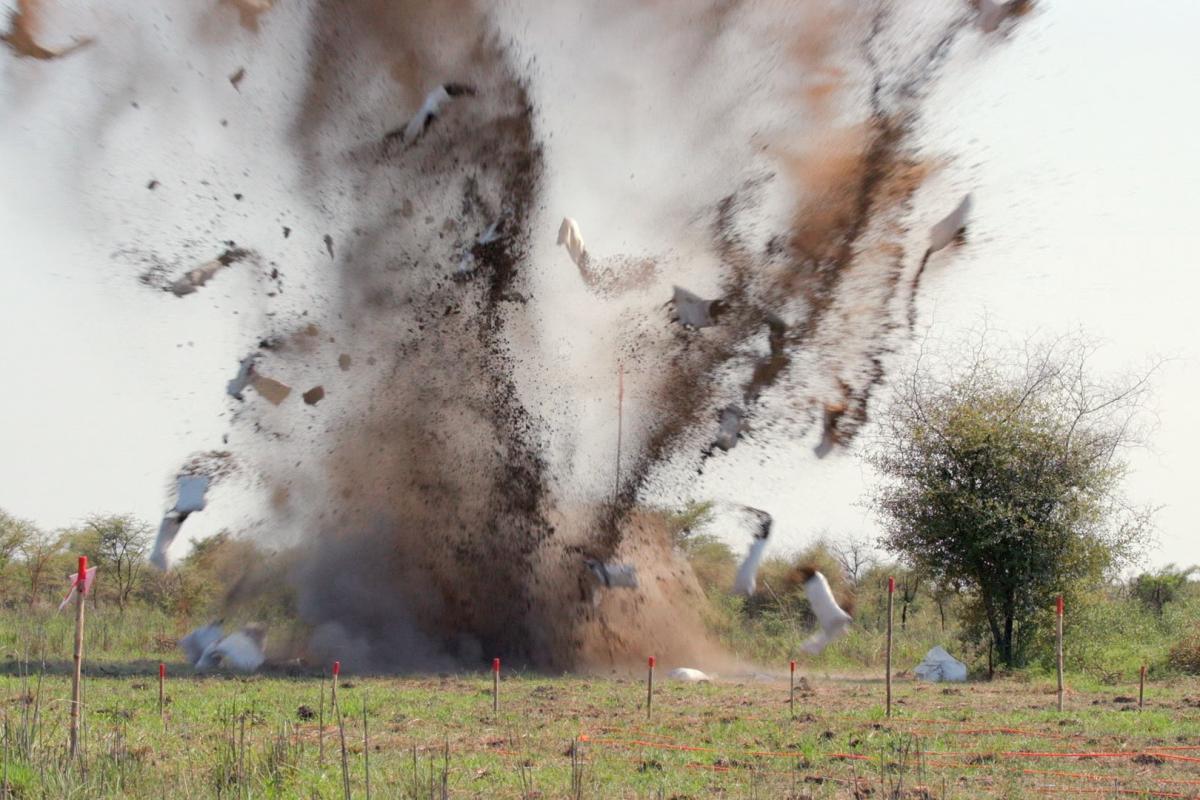
In coordination with national authorities, the United Nations Mine Action Service has destroyed more than 7.3 million items of small arms ammunition and 1.2 million explosive devices, including in Bilinyang where they conducted an extensive operation to clear the land so that communities can live without fear.
🇸🇾 Syria: War remnants contaminate most of Syria, ministry says
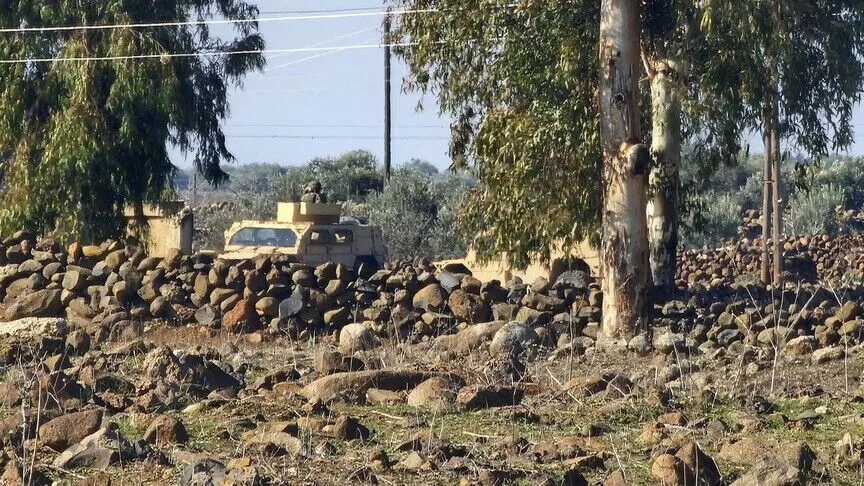
Around 80% of Syria remains contaminated by mines and unexploded ordnance left behind by years of conflict, despite ongoing nationwide clearance efforts, the Ministry of Emergency and Disaster Management said. War-remnants removal and mine-action teams conducted 981 unexploded ordnance clearance operations and 369 non-technical survey missions during the first half of 2026.
🇸🇾 Syria unveils plan to end camp-based displacement by 2027

The Syrian National Mine Action Center, working with the Ministry of Emergency and Disaster Management, continues to clear landmines and unexploded ordnance from former conflict areas to improve civilian safety and support recovery. Ongoing operations focus on reducing explosive hazards, restoring access to farmland and infrastructure, and enabling the safe return of displaced communities.
🇸🇾 Syria: Defense Ministry destroys landmines in western Damascus countryside

The Engineering Directorate at Syria’s Ministry of Defense, in cooperation with the Danish Refugee Council (DRC) and its Explosive Ordnance Disposal (EOD) program, destroyed a cache of landmines and unexploded ordnance collected from the towns of Kanaker, Zakia, Khan al-Shih and Darousha in the western countryside of Damascus.
🇹🇭 Thai Army removes 19 landmines following border explosion

Royal Thai Army Spokesperson Major General Winthai Suvaree provided an update on a July 17, incident in which a soldier was injured by a landmine in Kantharalak district, Sisaket province. He confirmed that explosive ordnance disposal teams have since secured the area and successfully cleared 19 additional mines. According to the Army, the site was a newly opened deployment area that may not have undergone a detailed mine survey. The area was reportedly not used by Cambodian forces during recent clashes. The mine involved appeared old and malfunctioned, but remained capable of causing injury.
🇺🇦 Ukraine: Operators return 16,400 hectares of farmland through state humanitarian demining program
According to the Ministry of Economy and Environment, within the framework of the state program to compensate for the cost of humanitarian demining, operators have returned 16,400 hectares of agricultural land to use, having concluded 100 contracts with a total value of more than 966 million UAH.
🇺🇦 Ukraine: Demining of 606 hectares of high-value agricultural land begins in Chornobaivka
Following the issuance of a work order by the Mine Action Center, clearance operations have commenced at a large site in the Chornobaivka Territorial Community, Kherson District, Kherson Region. The operations are being carried out by the UDS South Humanitarian Demining Department. The project also involves a subcontractor, Global Clearance Solutions Ukraine. The client is the Humanitarian Demining Center.
🇺🇦 🌊 Ukrainian Navy gains capability to command NATO maritime mine clearance forces for first time
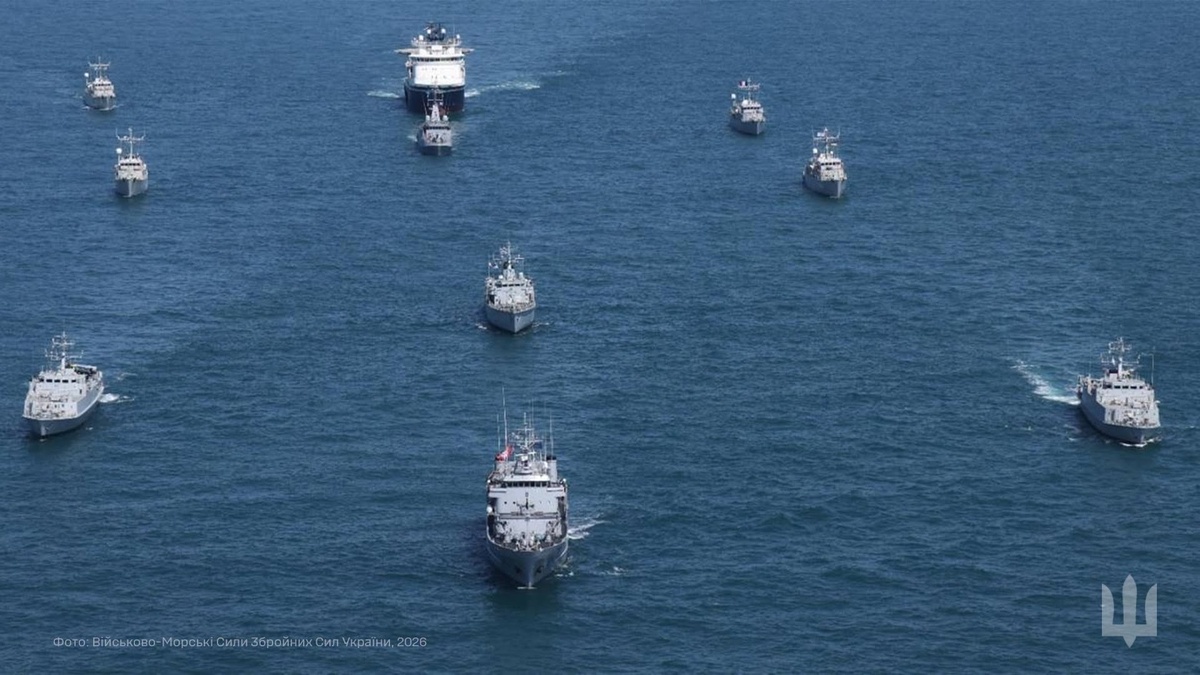
The Ukrainian Navy has for the first time achieved NATO-confirmed capability to command Alliance maritime mine clearance units after the Mine Action Headquarters successfully completed a NATO Level 2 (NEL-2) evaluation.
🇪🇭 Western Sahara: Sahrawi Expert: Resource exploitation linked to the continuation of occupation, maintains Moroccan military Berm, and war crimes in Western Sahara
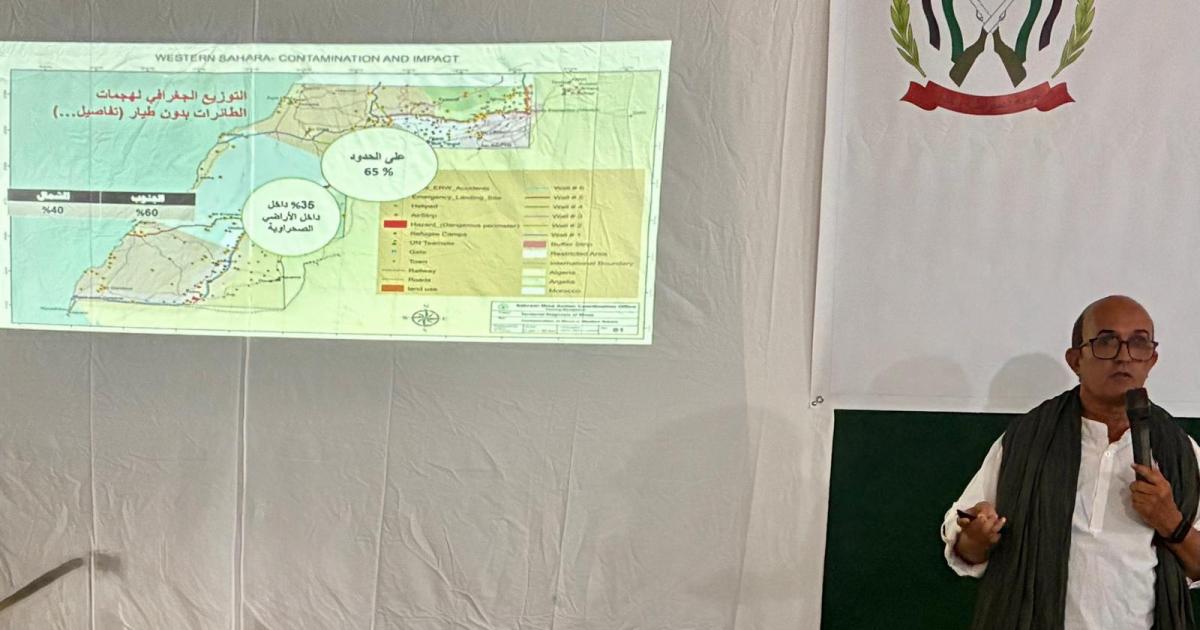
Speaking at an international conference on Western Sahara's natural resources, Gaithi Annah, Director of Operations at the Sahrawi Mine Action Coordination Office (SMACO), said landmine and unexploded ordnance contamination continues to kill civilians, restrict movement, and prevent access to land. He called for stronger international action to protect civilians, expand mine clearance, and uphold the Sahrawi people's rights under international law.
🇾🇪 Yemen: Masam destroys nearly 6,000 unexploded ordnance items in Yemen
The Saudi Masam mine clearance project has destroyed nearly 6,000 items of unexploded ordnance collected from Yemen’s western coast as part of efforts to protect civilians from the dangers of war remnants, it announced on Thursday. Masam said that its teams safely disposed of 5,977 items in the Bab Al-Mandab area of Taiz governorate after completing all required technical safety procedures.
Other EO Finds from Around the Globe:
🇽🇰 Kosovo: A citizen encounters five bombs in Junik, demining teams leave
🇱🇻 Latvia: Floods in Latvia uncover unexploded shell as museum collections suffer extensive damage
🇱🇧 Lebanon: After deployment in Zawtar al-Gharbiyeh, army destroys unexploded ammunition
🇵🇭 Philippines: Vintage bomb unearthed in Naga, Cebu amid road construction
🇵🇭 Philippines: Vintage World War II bomb unearthed at Talisay flood control site
🇵🇭 Philippines: Bataan police recovers 5 unexploded ordnance
🇺🇦 🌊 Ukrainian Navy neutralizes drifting mine near Odesa and secures sea lanes
🇺🇸 United States: Specialized Idaho National Guard soldiers deployed to assist on the Claremont Fire
2. Explosive Ordnance Risk Education (EORE)
🇱🇦 Laos: “I thought it was scrap metal”
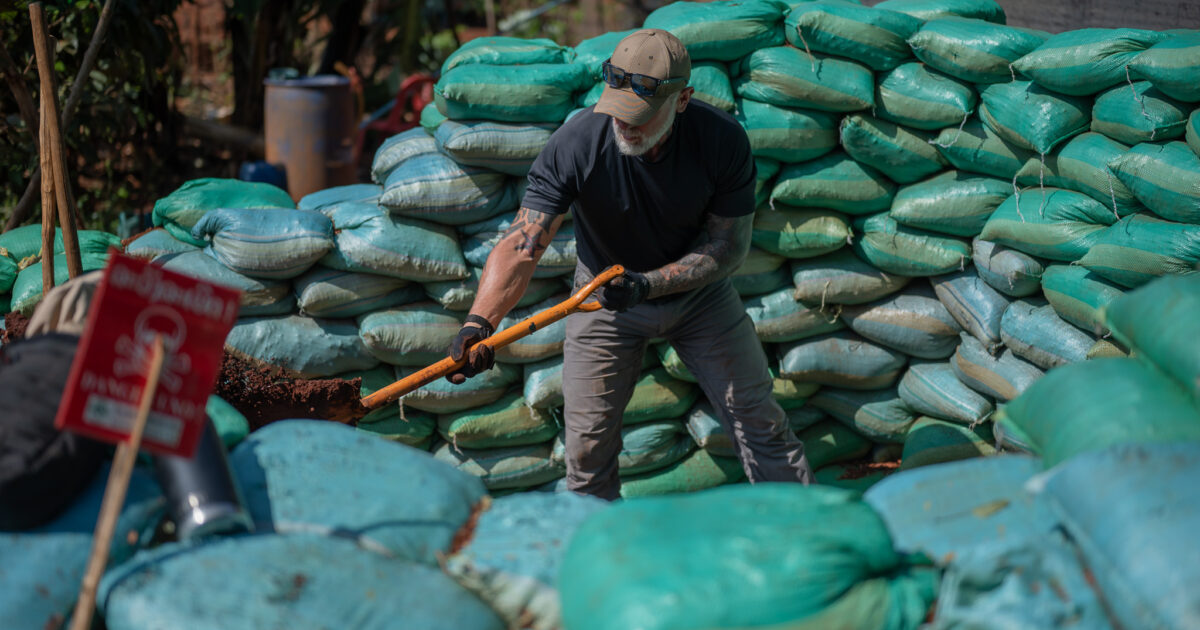
While preparing space for his son’s wedding celebration, Mr. Koi from Hinlath Village in Xanasomboun district, Lao PDR, discovered a buried item he thought could be sold as scrap metal. Instead, it was a live 100Ib incendiary bomb. After he attended the Norwegian People’s Aid (NPA) risk education session, he recognized the danger and reported it immediately. Watch this video to hear his story.
🇲🇱 Mali: Thousands in Central Mali Protected from Explosive Risks Amid Funding Crisis
While the number of displaced people in Mali is growing and funding is dwindling, DanChurchAid (DCA) Mali and its national partner, AAPPOR, continue to deliver support to tens of thousands of the most vulnerable among them with the support of the European Union. Almost 55,000 Malians have received lifesaving training on identifying and dealing with unexploded bombs – and now they are training others in their communities.
🇾🇪 Yemen: Project Masam intensifies mine risk awareness campaigns in scrap metal markets
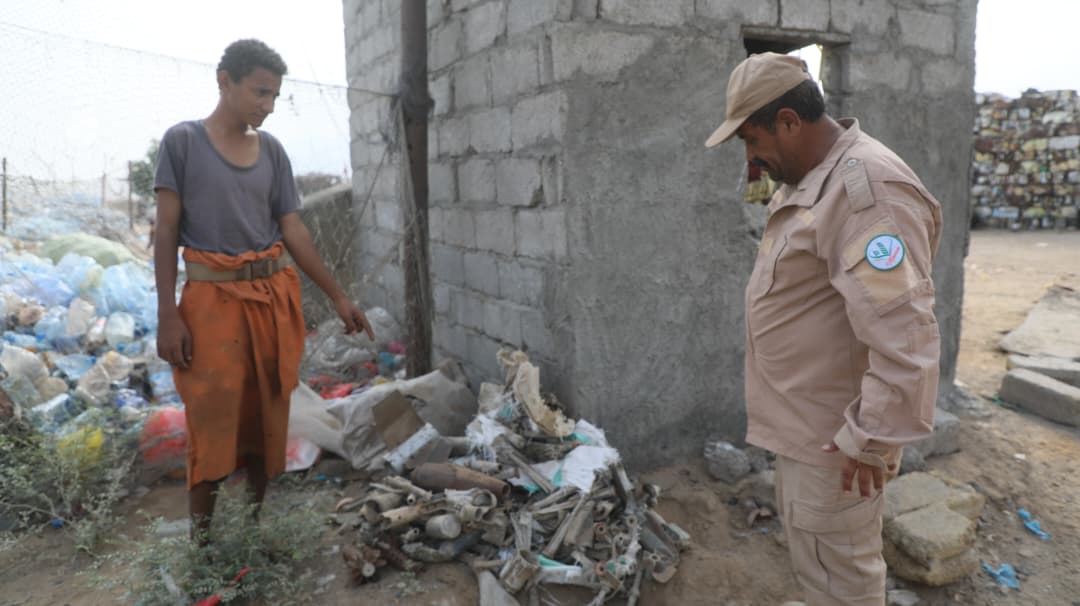
Project Masam has conducted a field inspection and mine risk awareness campaign at a scrap metal market in Hays District, Hudaydah Governorate, as part of its ongoing efforts to reduce the dangers posed by unexploded ordnance (UXO) and promote safe practices among workers operating in high-risk environments.
3. Accidents, Survivors, Victim Assistance
🇸🇾 Syria: Children bear heavy toll of Syria's landmine legacy
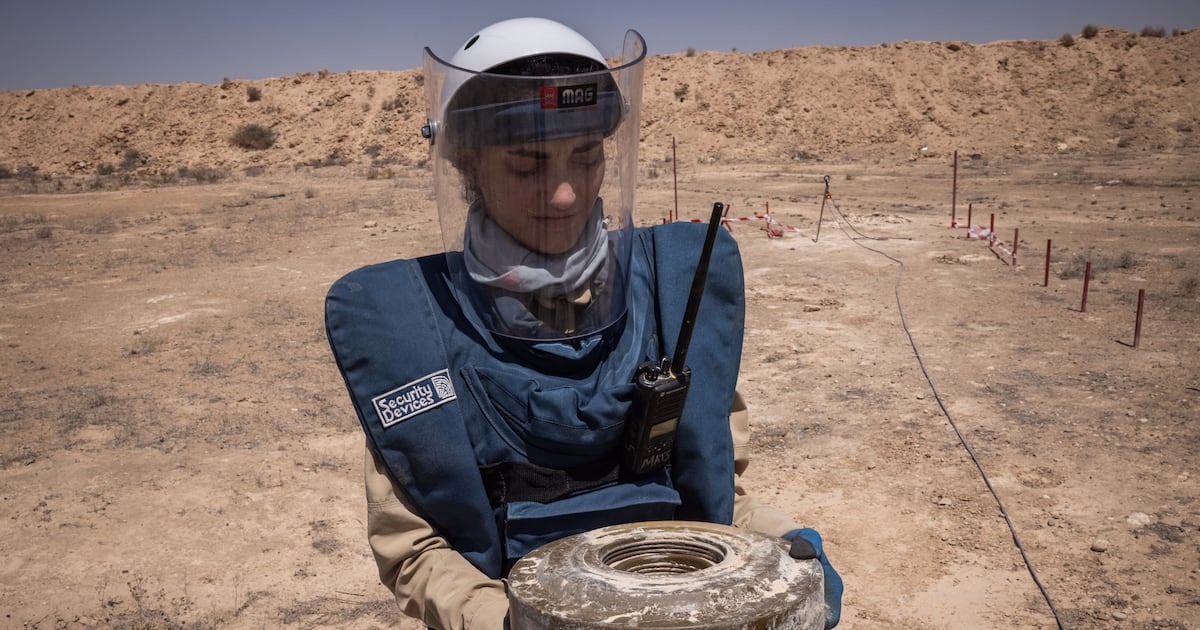
At least 800 people, almost a third of them children, have been killed by mines and unexploded devices since the collapse of the Assad regime in Syria in December 2024.Of the 2,300 people reported injured, 40 per cent were children, the Halo Trust has revealed. The British demining charity estimates the actual number is much higher due to underreporting, as an increasing number of Syrians return to their homes and land.
🇸🇾 Syria Mine Action AoR Situation Update No.8 (March - July 2026)

Explosive ordnance (EO) contamination remains one of the most significant protection, humanitarian, recovery and development challenges facing Syria. Between 1 March and 1 July 2026, 268 EO-related incidents were recorded nationwide, resulting in 452 casualties — 130 people killed and 322 injured.
🇺🇦 Ukraine: EOD specialists Maksym Movchan and Anatolii Radkovskyi killed during demining operations in Kharkiv region
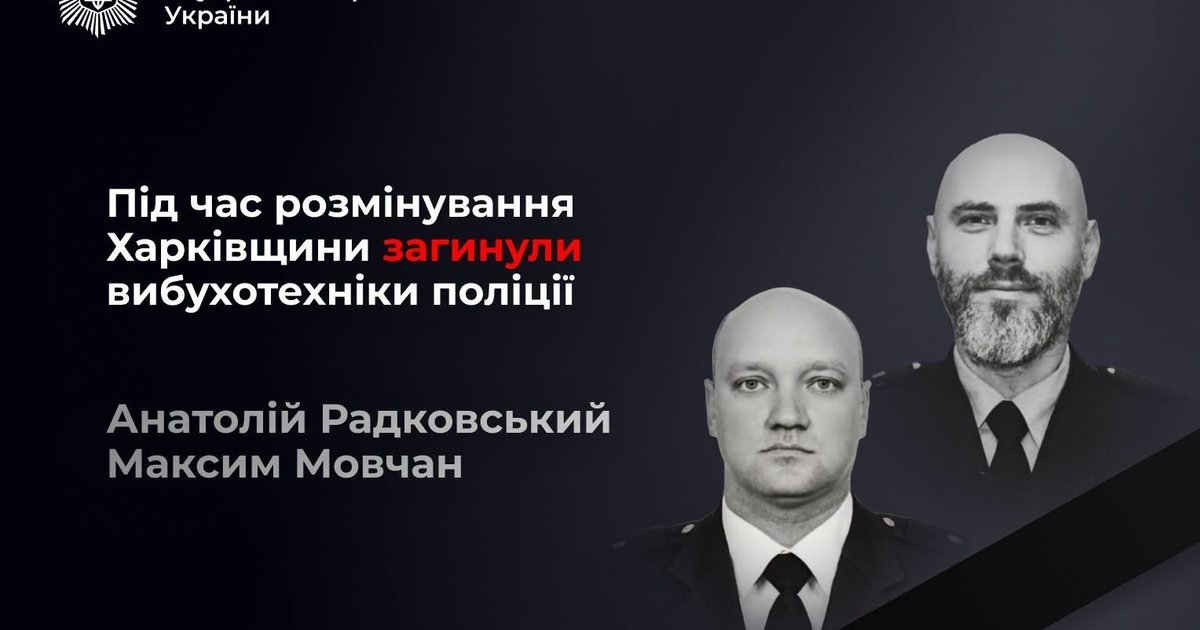
On 20 July, two EOD specialists from the National Police of Ukraine were killed while clearing mines in the Kharkiv region: Police Colonel Maksym Movchan, 39, and Police Lieutenant Colonel Anatolii Radkovskyi, 41. The Interior Ministry noted that both men had devoted more than 20 years to serving in the internal affairs agencies and the National Police of Ukraine.
Other EO Accidents from Around the Globe:
🇦🇫 Afghanistan: Ammunition explosion injures one in Kalbajar district
🇦🇿 Azerbaijan: Tractor driver injured in Jabrayil district mine explosion
🇦🇿 Azerbaijan: Two killed, 11 injured in mine explosions in Azerbaijan in 1H2026
🇱🇧 Lebanon: Two Lebanese paramedics wounded in landmine explosion
🇸🇾 Syria: Young man dies in explosion of landmine in Al-Raqqa
🇸🇾 Syria: Civilian killed and four others injured in explosion of war remnants in Aleppo and Al-Raqqa
🇸🇾 Syria: Old ordnance | Civilian killed and two others injured in Al-Raqqah countryside
🇸🇾 Syria: Residents of Ain Issa appeal for clearance of their villages from war remnants
🇾🇪 Yemen: Two Children Killed, Third Injured in Houthi Landmine Explosion in Al Bayda, Central Yemen
4. Advocacy, Policy, Conventions, Strategies and Standards
🇱🇦 Laos Steps Up Preparations for Cluster Munitions Review Conference
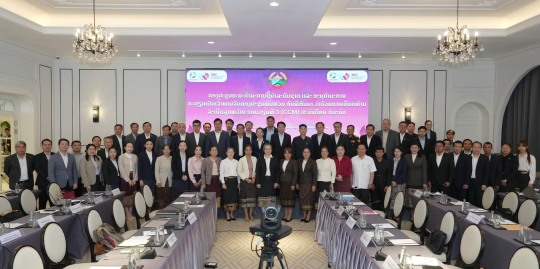
Laos has intensified preparations to host the 3rd Review Conference of the Convention on Cluster Munitions (3RC-CCM), with the National Committee for UXO Clearance convening a coordination meeting on July 23 to assess progress and ensure the event's successful organization.
🇺🇦 Ukraine: Why do Ukraine’s demining efforts matter beyond its borders? New study searches for answers
A new large-scale study of the results of mine-action work in Ukraine has been launched in Kyiv. It is run by the Tony Blair Institute for Global Change in partnership with the UN Development Program in Ukraine, with financial support from the Netherlands, the leading international partner in Ukraine's demining sector.
🌍 The Cost of Doing Nothing, and the Cost of Doing Too Much: Mine Action's Environmental Dilemma

Mine action is not as simple as "mines bad, clearing mines good." Every hectare we clear, and every hectare we choose not to clear, carries an environmental cost, and pretending otherwise does a disservice to the donors, governments and communities we serve. If we want mine action to take the environment seriously, we first have to be honest about the trade-offs, and about what taking it seriously would actually cost.
5. Stockpile Destruction, Demolition, WAM and Disarmament
6. Research, Innovation, Technology and Market Trends
🇩🇰 Denmark acquires remote-controlled mine clearance vehicles

The Danish Defence Acquisition and Logistics Organisation (FMI, Forsvarsministeriets Materiel- og Indkøbsstyrelse) has procured a number of mechanical mine-clearance vehicles for the Danish Armed Forces' heavy brigade. The vehicles are remote-controlled robots and will be delivered to the Engineer Regiment.
🇱🇹 Lithuanian Defense Startup Broswarm Bets Big on Peacetime Demining

Lithuanian deep-tech startup Broswarm has secured €800,000 (KES 115 million) in venture funding to accelerate the deployment of its drone-mounted radar system, a pioneering technology designed to detect buried landmines with unprecedented accuracy.
Senior UN mine action expert Paul Heslop argues that Ukraine is becoming a global hub for mine action innovation, integrating AI, drones, robotics, advanced sensors, and digital mapping to make clearance faster, safer, and more targeted. He contends that mine action should be measured not only by hectares cleared, but by its contribution to economic recovery, infrastructure, food security, and long-term resilience, positioning Ukraine to redefine global mine action practice.
The global market for demining and mine-clearance robots is projected to grow from USD 585 million in 2026 to USD 8.1 billion by 2036, driven by rising demand for safer, faster clearance of landmines and explosive ordnance. Growth is expected to be fuelled by increased adoption of autonomous and remotely operated systems by governments, armed forces, and humanitarian mine action operators.
Armament Research Services (ARES) has published a practical guide to crater analysis, explaining how investigators can use crater dimensions, shape, ejecta patterns, and fragmentation to estimate explosive charge size, identify likely munition types, and determine firing direction. The guide also introduces a crater analysis calculator and outlines the role of crater analysis in conflict damage assessment (CDA) and battlefield forensics.
7. Mine Action Assistance, Funding and Cooperation
Azerbaijan and Germany have agreed to continue cooperation in the field of mine clearance, reads the Joint Declaration on a Strategic Agenda for the Bilateral Partnership between the Federal Republic of Germany and the Republic of Azerbaijan, signed in Berlin on July 21, Report informs.
The United Nations Support Mission in Libya (UNSMIL) is seeking to draw on Tunisian expertise to strengthen Libya’s capacity in mine clearance and explosive ordnance disposal. The discussions came during a visit to the Tunisian Centre of Excellence for Countering Improvised Explosive Devices in Bizerte by the Deputy Special Representative of the UN Secretary-General and Resident Coordinator in Libya, Ulrika Richardson, accompanied by a delegation from the UN Mine Action Service.
🇸🇾 🇬🇧 Syrian, British officials discuss recovery, mine action in Damascus

Syrian Minister of Emergency and Disaster Management Raed al-Saleh met on Monday with the UK’s Chargé d’Affaires and Acting Special Representative to Syria, Barrie Peach, to discuss the government’s “Syria Without Camps” initiative, infrastructure rehabilitation, recovery efforts, and mine action.
🇺🇦 🇨🇦 Ukraine: Canadians Help Ukrainians Win the War Against Russia’s Landmines
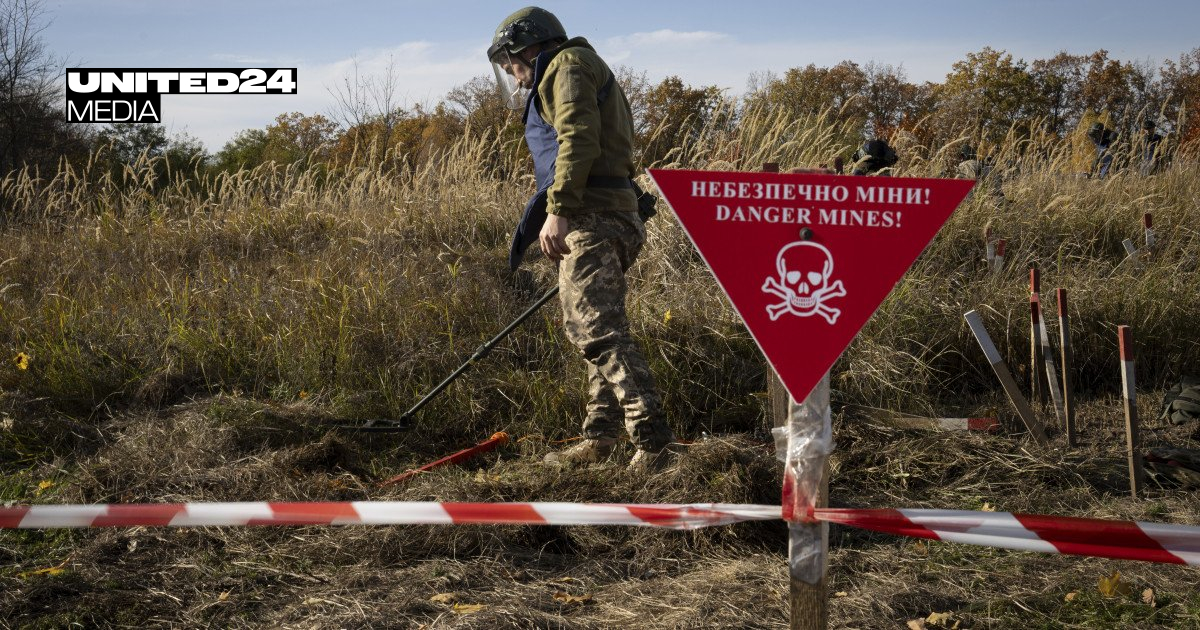
Canadian non-profit Mriya Aid is helping strengthen Ukraine's humanitarian demining capacity by funding International Mine Action Standards (IMAS)-compliant explosive ordnance disposal (EOD) training for Ukrainian personnel. Since 2022, the organisation has supported the development of skilled national deminers through international training and partnerships, helping Ukraine address one of the world's largest explosive ordnance contamination challenges.
8. Other News
🌍 What is a landmine?
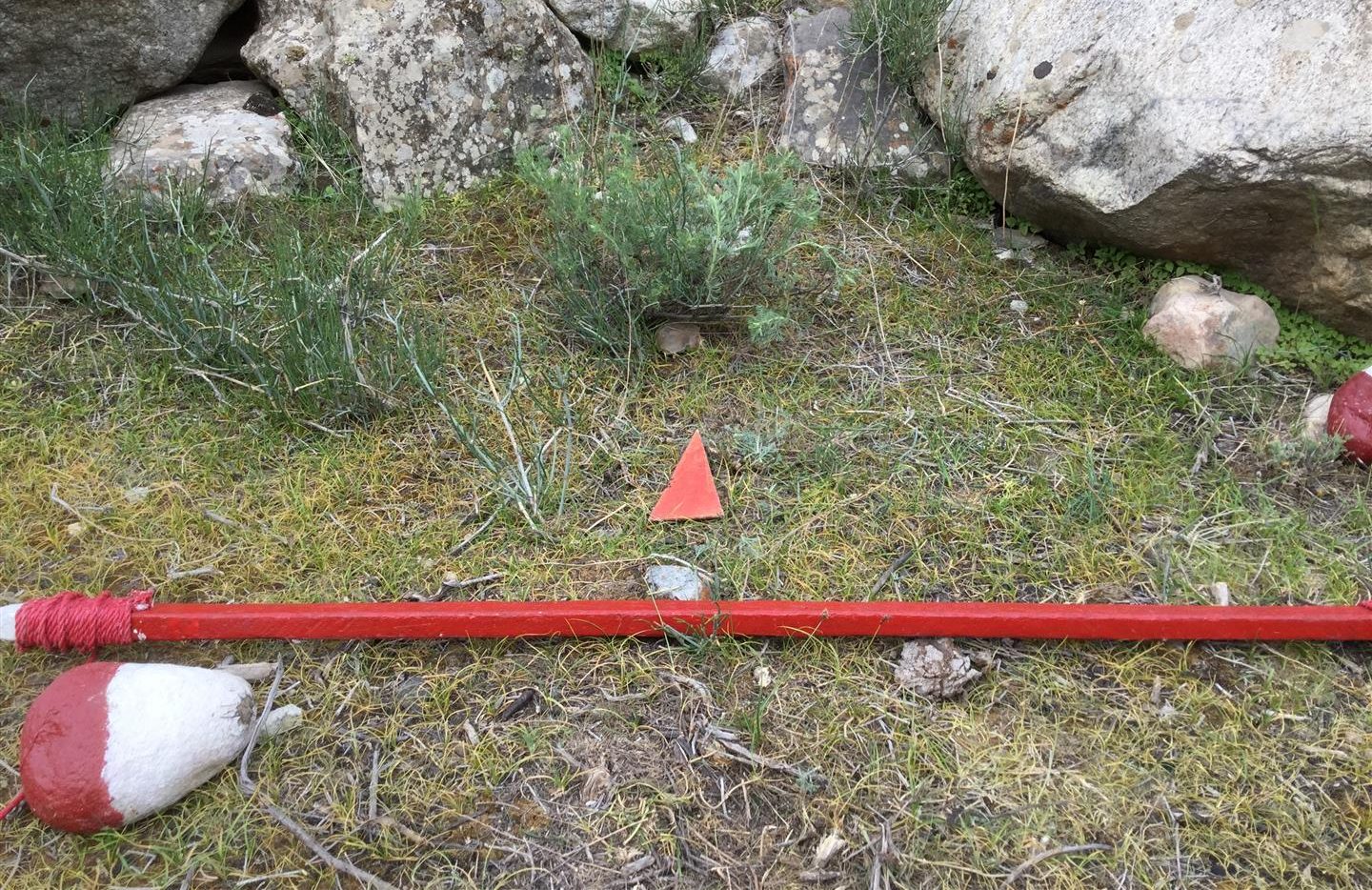
A landmine is a munition designed to be placed under, on or near the ground or other surface area and to be exploded by the presence, proximity or contact of a person or a vehicle (Ottawa treaty 1997). They are generally divided into two main categories: anti-personnel landmines and anti-vehicle landmines.
📅 Upcoming Events, Courses & Trainings
There are a number of interesting events for the mine action sector in the coming months, and some of the deadlines are approaching quickly.
The Environmental Issues and Mine Action (EIMA) Working Group Meeting will take place on 5 August 2026 at 2:00 pm (UK time), bringing together mine action practitioners to discuss the intersection of environmental protection and humanitarian action. The meeting will feature Isam Ghareeb, CEO of MILE Organization (Iraq), alongside a presentation of the 2026 EIMA Working Group survey results, followed by an open discussion on priorities and future activities. Register here.
Join the public PhD defence of Henrique Garbino on 4 September 2026, from 13:00–17:00, at Sverigesalen, Swedish Defence University, Stockholm. Henrique will defend his dissertation, Unearthing Restraint: The Use and Non-Use of Landmines by Armed Groups, which examines why armed groups sometimes choose to limit violence. Drawing on research from Colombia and the Philippines, the thesis offers new insights into the dynamics of restraint in armed conflict and the factors that shape landmine use and non-use. The event is open to the public. Learn more here.
Felix Connect is a dedicated networking event designed to bring together supporters, partners, and friends of Felix Fund - the bomb disposal charity. It’s a relaxed, welcoming space to connect, network, or simply catch up with familiar faces from across the EOD, Search, defence, and charity communities. The event will be held on 28 September in London. Learn more here.
The Mine Action: Innovation, Sustainability, and Global Partnerships speaker series is structured to address landmine and explosive remnants of war (ERW) challenges through a strictly humanitarian, civilian-protection-oriented framework, with clearly defined ethical, legal, and operational boundaries between humanitarian and military applications of technology. Dates are: FEB 19 | MAR 19 | APR 16 | MAY 21 | JUN 18 | JUL 16 | AUG 20 | SEP 17 | OCT 15 | NOV 19 | DEC 17. Time: 12:00 PM - 1:00 PM ET. Location: Virtual (Zoom Webinar). Register here.
The Geneva International Centre for Humanitarian Demining (GICHD)'s final IMSMA Global training course for 2026 is open for registration: 02 Nov 2026 - 06 Nov 2026 (Application deadline: 2 August 2026).
🔔 Always Stay in the Know – Never Miss an Update
This newsletter is subscribed to by over 3600+ dedicated readers on LinkedIn. To join this community of mine action professionals and supporters, go ahead and subscribe to the Mine Action Weekly newsletter. You can find all editions up to February 2026 on LinkedIn, and from March 2026 onwards here on Mine Action News.
Please reach out to me if there are any mine action news, journal articles, events, or updates that you would like to suggest for the next edition of Mine Action Weekly. You can find (and follow / connect with) me here. See you next Monday!


