Mine Action Weekly, 5 - 11 October 2026

This week’s Mine Action Weekly explores the human cost of explosive contamination and the challenges of turning cleared land into lasting recovery. From Gaza’s hazardous rubble and Yemen’s besieged deminers to Ukraine’s evolving clearance strategy, the edition highlights civilian protection, funding shortfalls and international cooperation. The newsletter also examine emerging detection technologies, AI-powered robotics, and efforts to strengthen national capacity and victim assistance.

Disclaimers:
This newsletter features news reports and articles from a variety of sources. Mention of these resources does not indicate agreement with or endorsement of the opinions of others. I do not claim responsibility or credit for these works, and do not vouch for the information contained in them.
This newsletter is created and managed in a personal capacity, independent of my professional affiliation with Fondation suisse de déminage (FSD).
🗞️ Weekly News Roundup
The weekly news roundup showcases a low-down of the top mine action news and insights from the past seven days.
1. EO Contamination, Clearance & Land Release
During the mine clearance operations carried out last week, 254 anti-personnel mines, 31 anti-tank mines, and 838 other unexploded ordnance items were discovered and neutralised. A total of 1,144.9 hectares of land was cleared of mines and unexploded ordnance during the past week.
🇰🇭 🇮🇳 Cambodia: India-backed project clears nearly 198,000 sq m of mine-contaminated land in Cambodia
Nearly 198,000 square metres of mine-contaminated land in Cambodia's Koh Kong province has been cleared and handed over to the local community under an India-backed project, benefiting around 134 families, according to authorities and media reports.
🇮🇶 Iraq: Kurdistan Mine Program 13 Years Ahead of Iraq's, Official Says
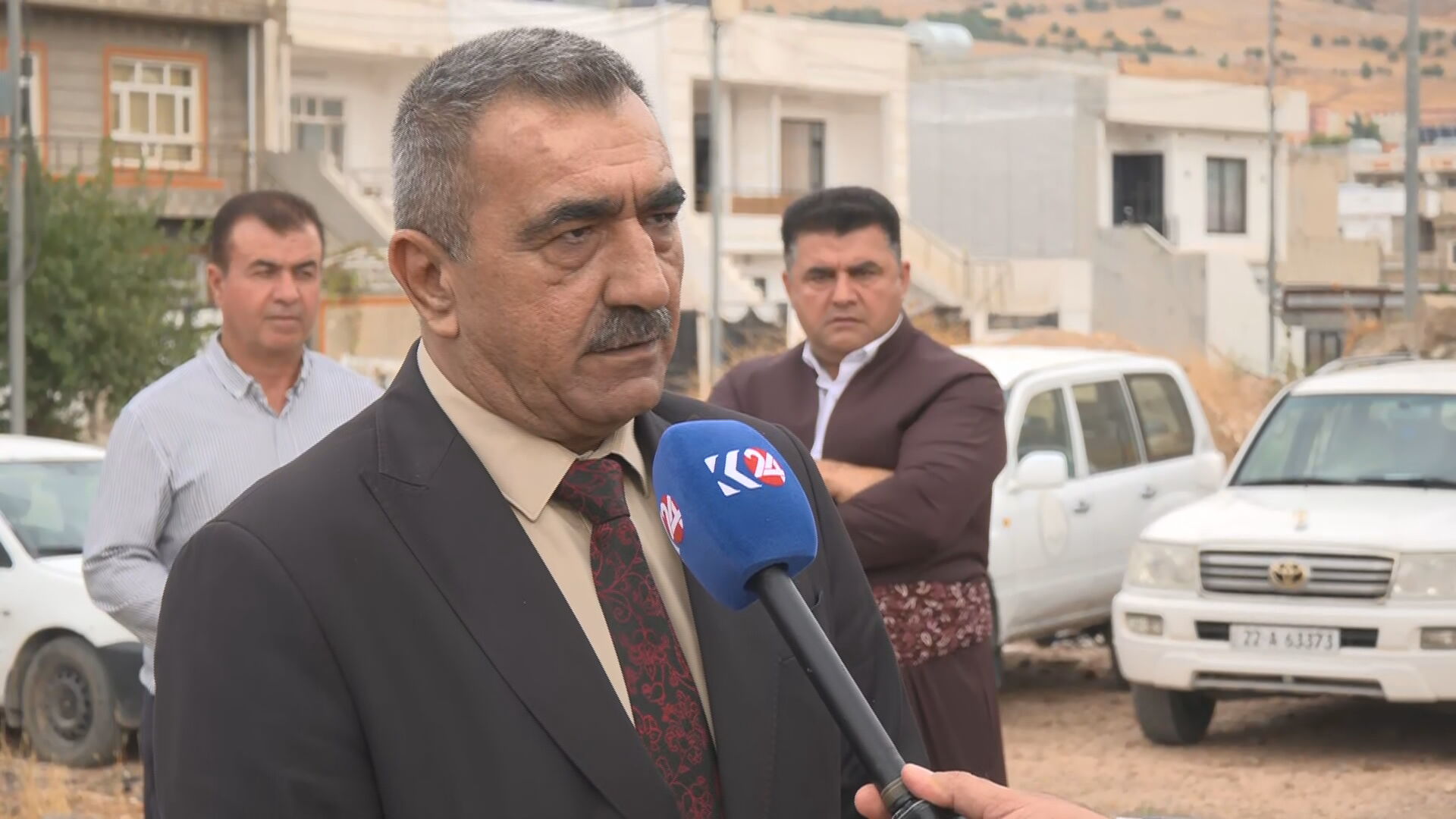
Jabar Mustafa, head of the Kurdistan Region Mine Action Agency, says 576 km² of the Region's 776 km² of contaminated land has been cleared, leaving around 200 km². The clearance deadline, originally 2018, now stands at 2028, which he does not expect to meet. He says neither the agreed 40% international nor 60% Iraqi government funding is reaching the Region.
🇮🇱 Israel: OpMS Completes Seabed UXO Survey at Haifa Port's Historic Breakwater
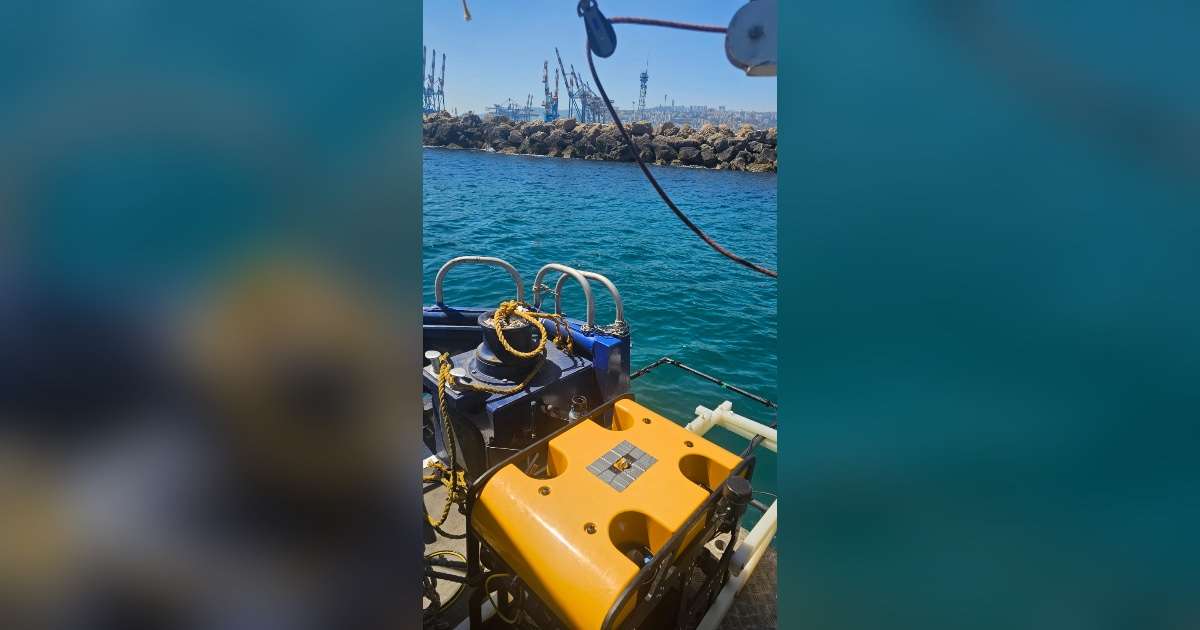
Israeli UXO firm OpMS has completed a seabed UXO survey at Haifa Port's British-built breakwater, dating from the early 1930s, under the supervision of the Israel National Mine Action Authority. The ROV-based electromagnetic survey is a mandatory step before rehabilitating about 1,200 m of breakwater at Haifa and 600 m at Carmel Port. No findings were reported.
🇱🇾 Libya: More Than 14,000 Derelict Explosives Cleared from Libyan City and Nearby Farmland
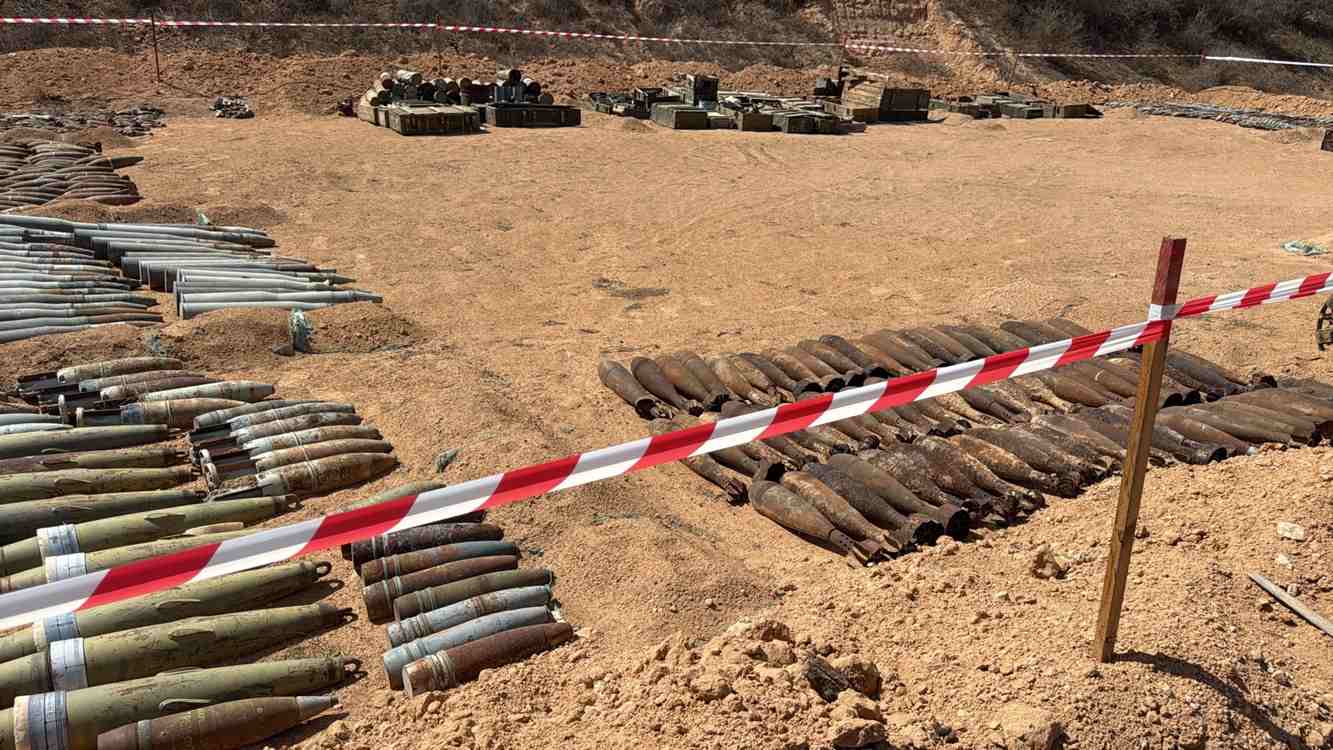
Implementing partners recovered 14,066 explosive ordnance items from Al-Sweihli Farm in Misratah between January and September 2026, according to a Libyan Peace Organization field report presented with UNSMIL. Assessments link a recent explosion in Al-Sikt and five similar blasts in four years to substandard ammunition storage. HALO Trust and the Libyan Peace Organization are delivering an Italian-funded risk education project. Read more here.
🇵🇸 Palestine: What Gaza's Rubble Reveals About the Scale, Dangers and Politics of Reconstruction
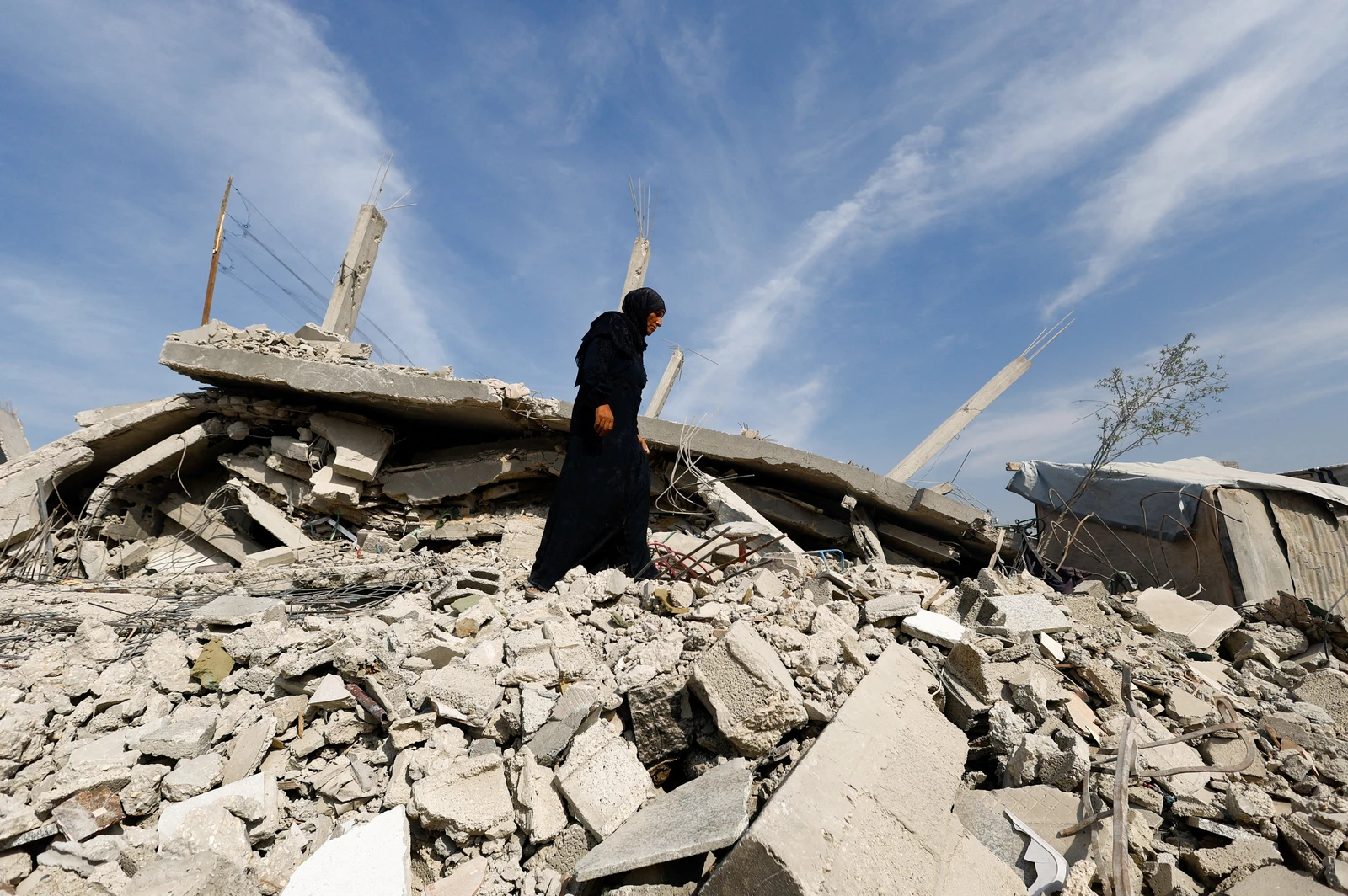
Arab News estimates some 7,000 tonnes of unexploded munitions lie within Gaza's roughly 61 million tonnes of rubble. UNMAS and partners have marked hundreds of aerial bombs, mortars, rockets and improvised devices, but capacity limits progress. Around 907,000 tonnes (1.5%) has been removed, and the UN estimates full clearance will take 7–14 years.
🇸🇩 Sudan: Deminers in Sudan Clear a Path to Recovery

In May 2026, with Sudan Humanitarian Fund support, the Danish Refugee Council delivered Sudan's first advanced ordnance disposal training since the war began in April 2023; 15 personnel from Sudanese mine action organisations and the National Mine Action Center completed the 25-day course. OCHA's feature profiles NUMAD deminers confronting explosive ordnance types previously unfamiliar in Sudan.
🇹🇯 Tajikistan: First Monitoring Visit under the New Mine Action Project in Tajikistan
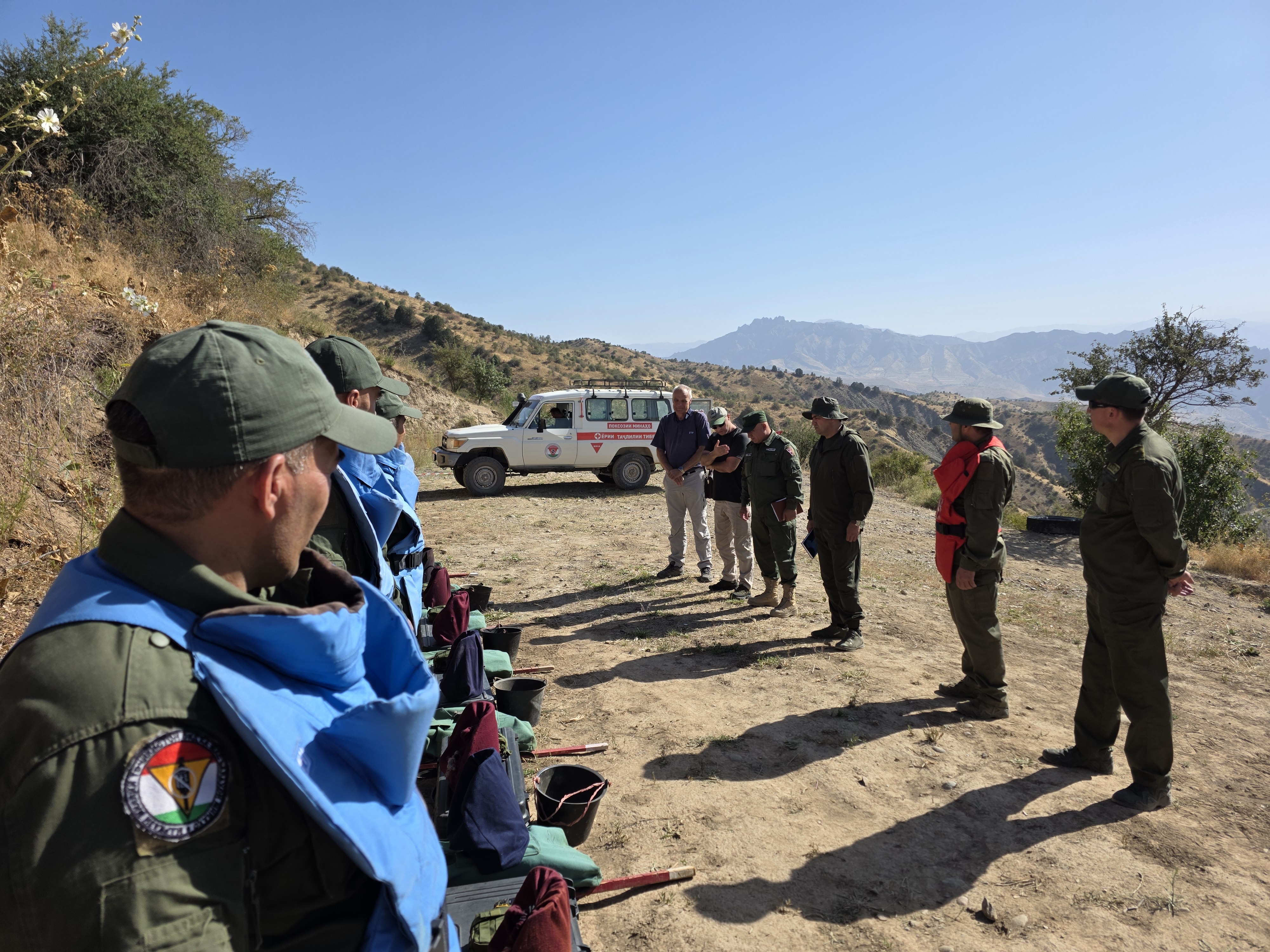
ITF has conducted its first monitoring visit (8–15 August) to a two-year, US-funded project with the Tajikistan National Mine Action Center running July 2026–June 2028. Three survey and demining teams are tasked to survey and release 383,000 m² and manually clear 225,000 m² of confirmed hazardous areas, alongside school-based EORE in four regions and support to victim assistance working groups.
🇹🇷 Turkish Troops Conduct Mine Clearance near Iraq Border
Special Mine Search and Clearance (ÖMAT) teams from the Turkish Army's 2nd Army Engineer Brigade are clearing mines and UXO around Kurudere, Kavuşak and Işıklı villages in Hakkari province's Çukurca district, near the Iraqi border. The villages were evacuated in 1995, and the operation aims to return the land to civilian use.
Ukraine continues to demine its 132,000 square kilometers of potentially hazardous territory. During the last month, Defense Ministry demining units cleared 1,347 hectares of that liberated territory: Ukraine surveyed and cleared 339.84 hectares of agricultural land, 21.31 kilometers of roads, 40.4 kilometers of railway tracks of mines and explosive remnants of war. In total, in September, demining specialists detected and destroyed 364 explosive devices.
🇺🇦 Ukraine: In Russia-occupied Oleshky, Ukrainians face hunger, drones and landmines

Civilians in Russian-occupied Oleshky, Kherson region, face severe food shortages and deadly risks from landmines and drones. Residents attempting to reach nearby shops have been killed or injured by mines, while an ambulance transporting a wounded man struck a mine en route to hospital. The crisis highlights how explosive contamination restricts humanitarian access, evacuation and access to essential services.
🇺🇦 Ukraine: In the Odesa region, 12,746 ‘Danger: Mines’ warning signs have been handed over to a border guard unit to mark areas that may be contaminated by explosive ordnance
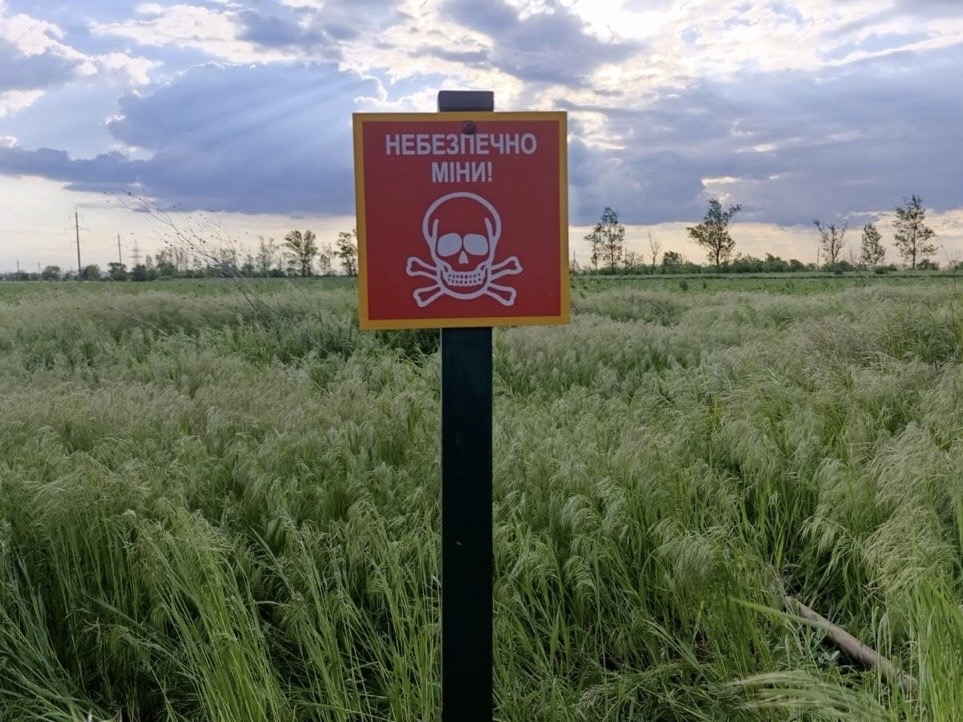
The Ukrainian Red Cross Mine Action Unit, with its Odesa regional branch, has handed 12,746 "Danger: Mines" warning signs to a border guard unit to mark areas in Odesa region that may be contaminated by explosive ordnance. The signs are intended to keep civilians out of hazardous areas and discourage them from approaching suspicious objects.
🇻🇳 Vietnam: Addressing the consequences of landmines: Land reclamation is not the ultimate goal

Decades after the war ended, unexploded ordnance and landmines remain a major obstacle to socio-economic development in many localities. Over the years, with the leadership and guidance of the Party, the State, the Ministry of National Defense, and the National Steering Committee for Overcoming the Consequences of Unexploded Ordnance and Chemical Warfare in Vietnam (Steering Committee 701), the work of investigating, surveying, and clearing unexploded ordnance has achieved many important results, gradually restoring safe land areas for the people and localities.
🇪🇭 Western Sahara: UN: Morocco Clears 268.97 Million Square Meters of Explosives in Western Sahara
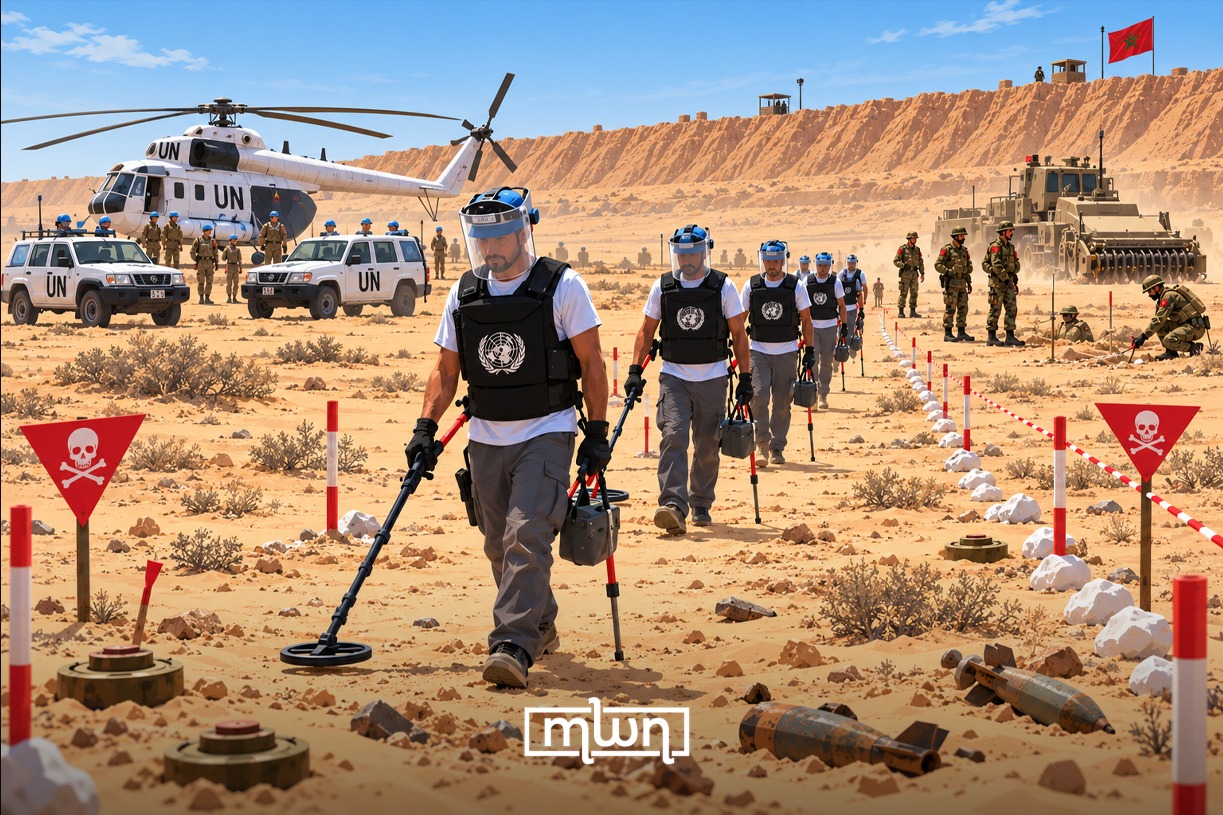
The UN Secretary-General's annual report on Western Sahara (1 October 2025–30 September 2026) states that Morocco's Royal Armed Forces cleared 268.97 million m² west of the berm, destroying 44 anti-personnel mines, five anti-tank mines and 264 explosive ordnance items. East of the berm, UNMAS cleared 1.79 million m² and destroyed 135 cluster munitions.
🇾🇪 Yemen: Project Masam Clears 1,291 Explosive Threats in Yemen during Second Week of October 2026
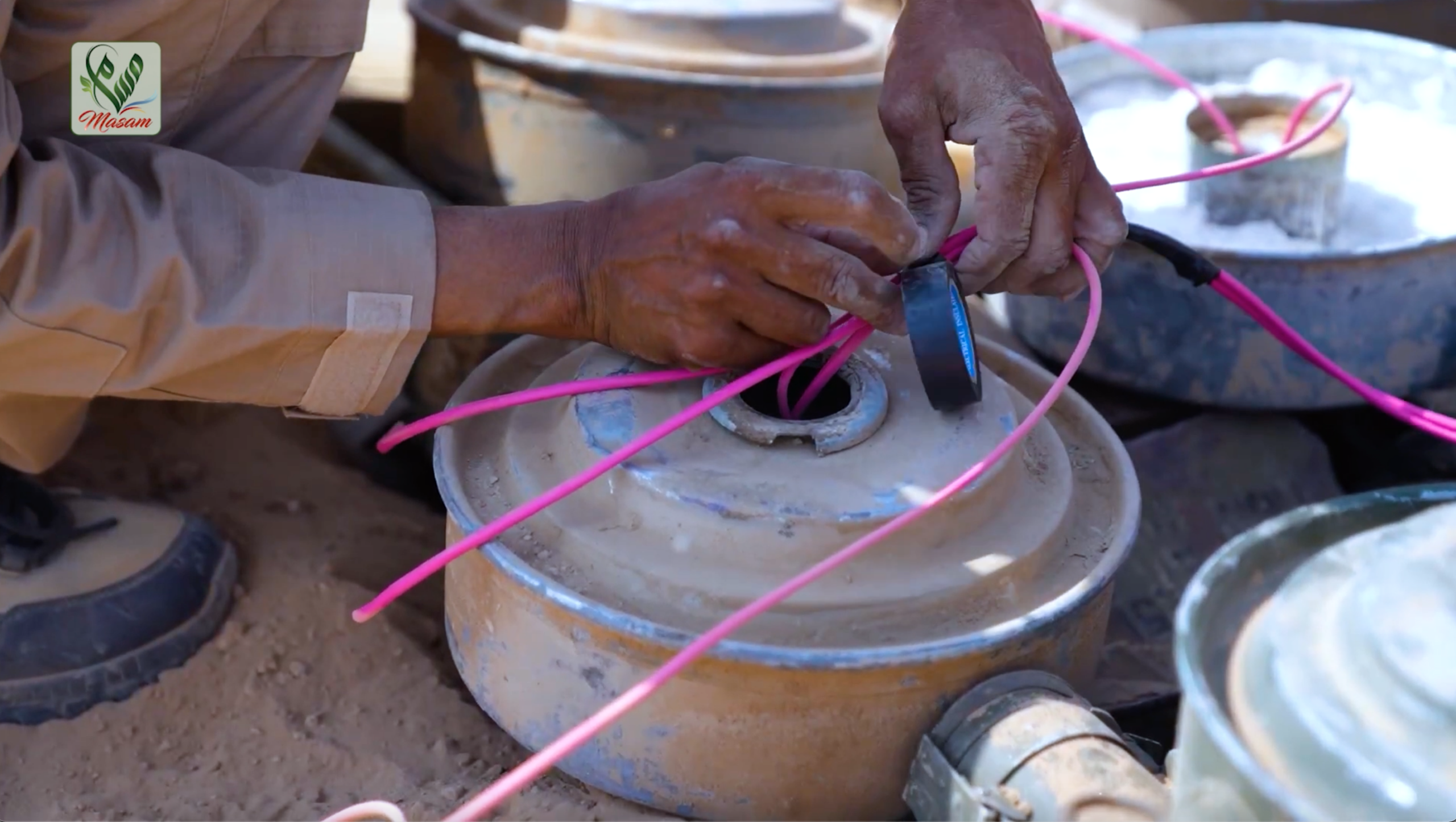
Project Masam cleared 1,291 explosive threats over 209,755 m² between 3 and 9 October: 10 anti-personnel mines, 26 anti-tank mines, 1,253 UXO and two IEDs, with Mukalla accounting for 1,015 UXO. October totals reached 2,547 items over 366,882 m², and cumulative clearance since mid-2018 stands at 596,036 items across 86,179,144 m².
🇾🇪 Yemen: Mine-Clearance Workers Trapped in Besieged Yemeni City of Taiz

About 30 HALO Trust staff are trapped in Taiz after Houthi forces besieged the city and cut routes to Aden following their takeover of Mokha. HALO has abandoned west-coast clearance projects and redeployed teams to Lahj and Al-Dhale. Country director Mara van der Kamp warns of new contamination; mines and ERW killed or injured 260 civilians in 2024.
Other EO Finds from Around the Globe:
🇨🇦 Canada: Suspected WWII Grenade Prompts Closure around Stratford Police Headquarters
🇮🇳 India: Five Landmines Found, Defused Along LoC In J&K's Poonch
🇰🇷 S. Korean Military Detonates Suspected N. Korean Land Mine Washed Ashore on West Coast
🇰🇷 South Korea: Suspected North Korean land mine found on Incheon beach
🇺🇦 Ukraine: Two More Unexploded Russian Iskander-M Ballistic Missiles Discovered in Kyiv
🇬🇧 United Kingdom: Metal Detector Find Prompts Bomb Disposal Visit in Ash Vale
2. Explosive Ordnance Risk Education (EORE)
The Cambodian Mine Action Centre (CMAC) and the Japan International Cooperation Agency (JICA) opened a regional workshop yesterday focusing on Explosive Ordnance Remnants of War Risk Education at the Technical Institute of Mine Action in Kampong Chhnang province.
KFOR's Joint Engineers, supported by Austrian and Romanian EOD teams from the Joint Logistic Support Group, delivered Explosive Hazard Awareness Training at UNMIK Headquarters in Pristina. The session combined a briefing on explosive threat management and safe response procedures, a static display of EOD equipment and a live demonstration on responding to IED threats and UXO hazards.
MAG is tendering for a national consultant to produce and deploy a digital EORE video campaign across the whole of Syria, primarily via Facebook and Instagram, funded by the Spanish Ministry of Foreign Affairs. The campaign aims to improve recognition of hazardous items and areas and promote safe behaviour. Submissions close by email at midnight on 21 October 2026.
🇾🇪 Yemen: Project Masam Raises Landmine Awareness among Al Dhale Students after Seven-Year-Old Girl Is Injured
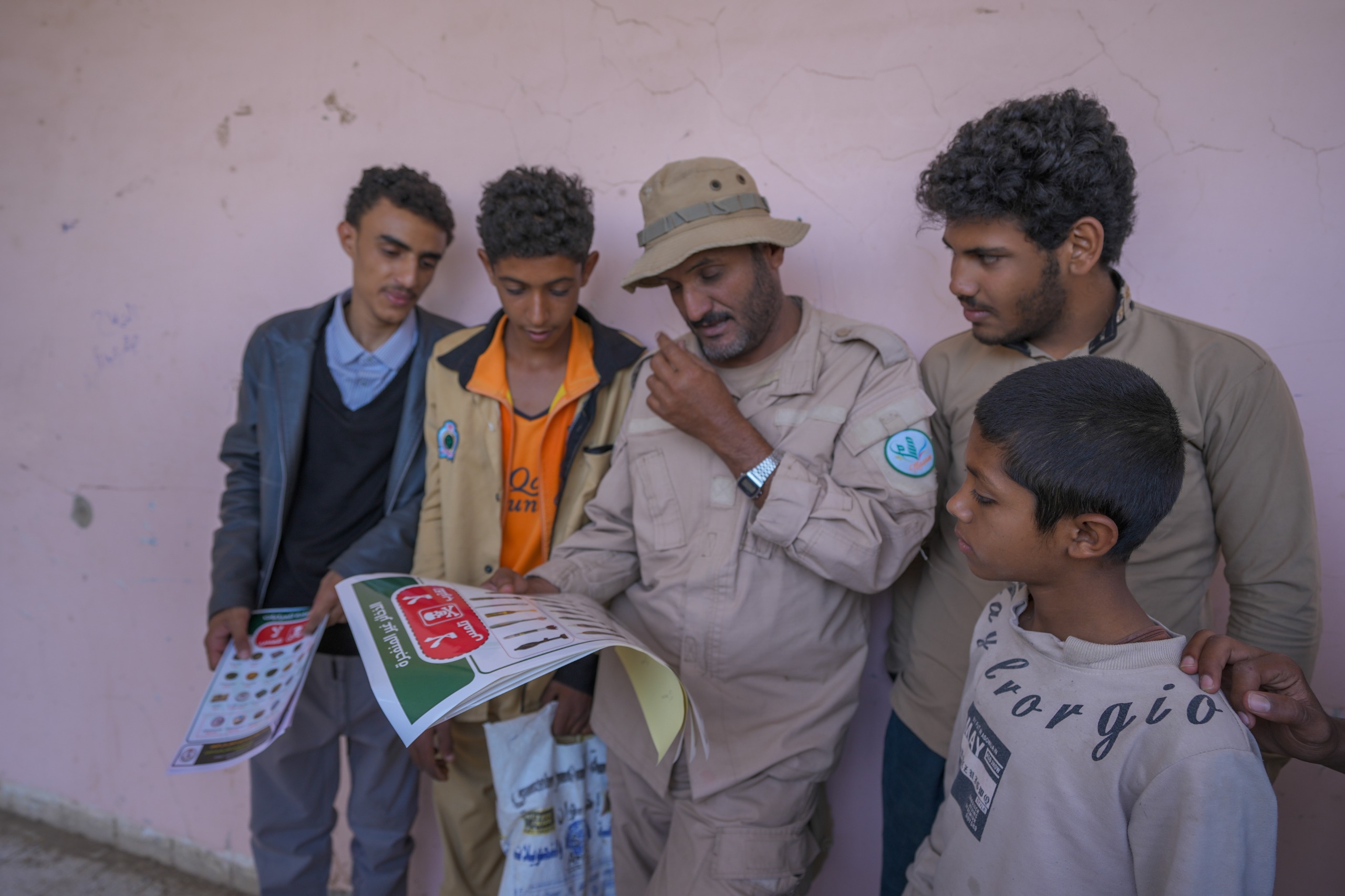
Project Masam's Team 18 held an EORE session at Huzam Basic Education School in Qatabah District, Al Dhale, after a projectile remnant injured a seven-year-old girl in Jalas on 4 October. Students reported seeing similar objects on farmland, roads and grazing areas, reflecting concern over new contamination from renewed fighting in 2026.
3. Accidents, Survivors, Victim Assistance
🇦🇫 Afghanistan: 78 Per Cent of Explosive Remnant Casualties Are Children amid Mine-Action Funding Shortfall
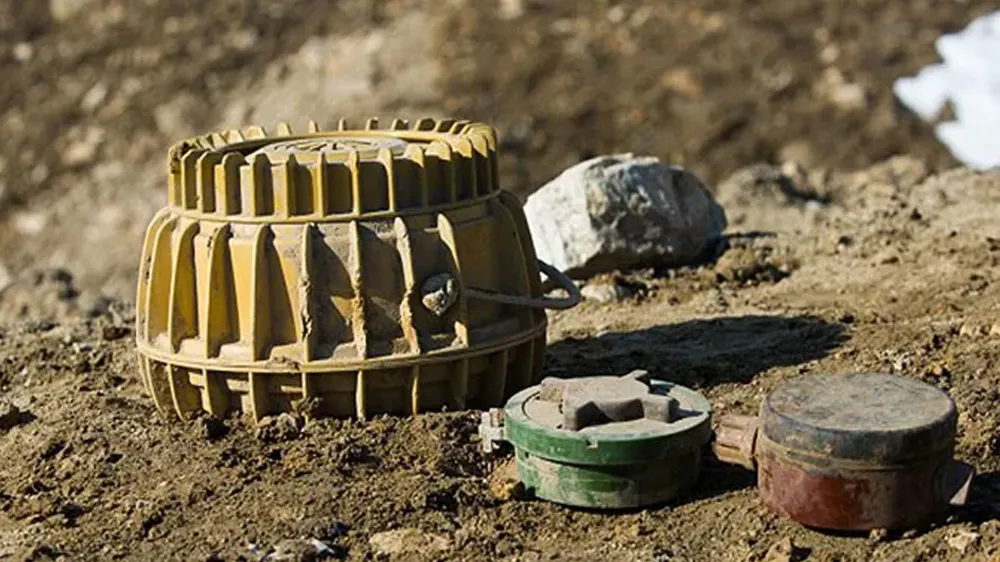
OCHA reports that children accounted for 78% of casualties from explosive remnants of war in Afghanistan between January and the end of August 2026. OCHA describes ERW as a daily threat to civilians, notes declining funding for mine action projects and warns that sustained financial support is needed to make communities safer.
🇲🇲 Myanmar: The lasting harm of landmines in Myanmar: reported civilian injuries and disability
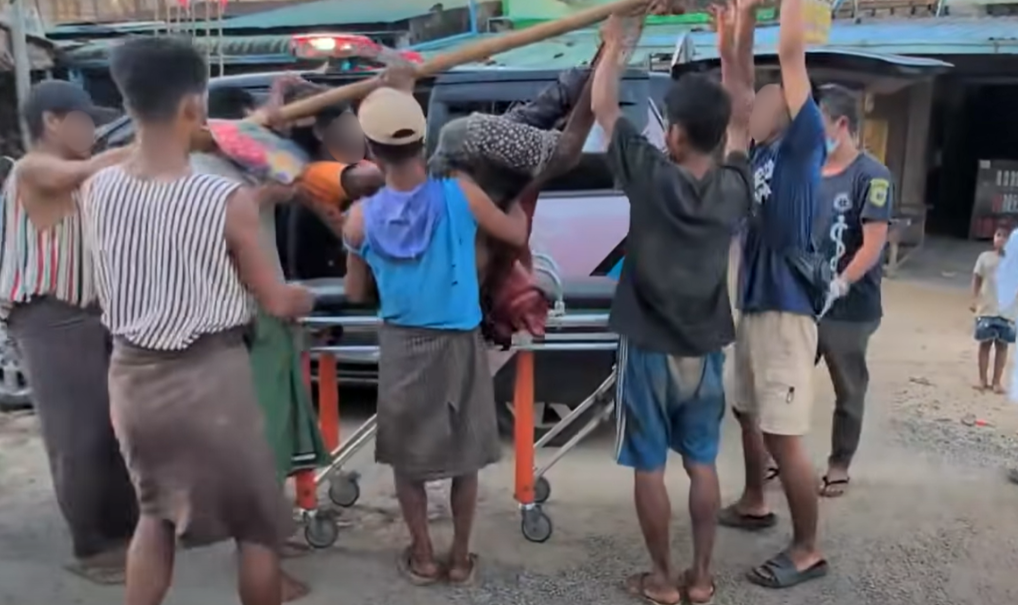
Landmines and other types of explosive remnants of war (ERW) continue to affect civilians across Myanmar, not only in areas of conflict but also elsewhere in everyday life. This includes roadsides, near homes, gardens, monasteries and public market areas. Moreover, the ramifications of these weapons extend far beyond the initial blast; alongside people being killed, many are left seriously injured and with consequences that may affect long-term impairment and disability-related needs.
🇰🇷 South Korea: Seoul Concludes North Korea Responsible for DMZ Land Mine Explosions

A joint JCS–UN Command investigation concluded on 5 October that North Korean plastic anti-personnel mines, planted about 10 m south of the MDL within the past 12 months, injured three South Korean soldiers in the western DMZ on 21 September, two seriously. Seoul demanded an apology and raised an Armistice violation at the UN on 8 October; Pyongyang rejected the findings.
Citing Cluster Munition Monitor 2026, SNHR reports that Syria recorded 68 casualties from cluster munition remnants in 2025, the highest of any country and nearly 58% of the 117 remnant casualties recorded worldwide. Syria's cumulative toll of 4,557 is second only to Laos. SNHR urges Syria to accede to the CCM and conduct a national survey.
🇸🇾 Syria: Two Children Injured over Bomb Explosion in Homs Countryside
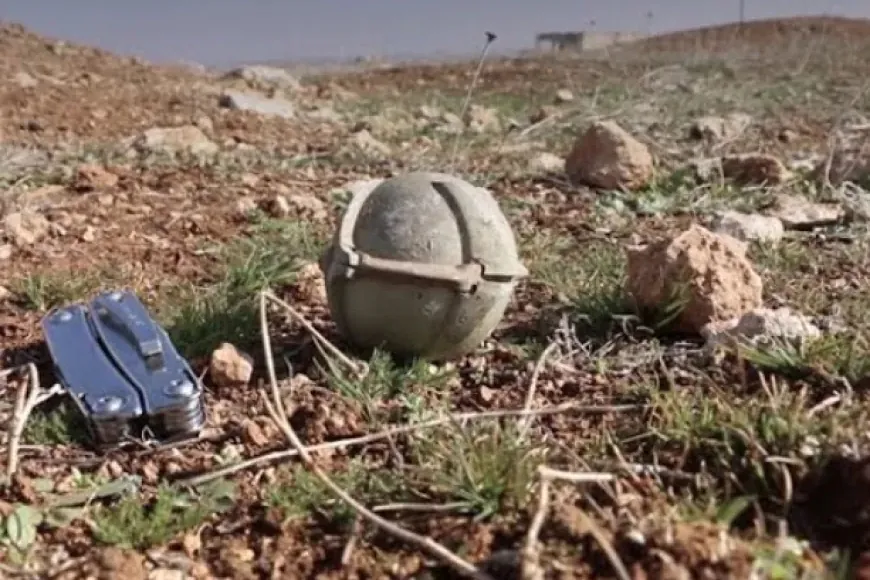
An old wartime bomb exploded inside an abandoned house in al-Fadiliyah village, in the Homs countryside near the Lebanese border, on 11 October, injuring two children. Citing the Syrian Observatory for Human Rights, the report states that war remnants and unexploded ordnance have killed 263 people and injured 410 in Syria since January 2026.
🇾🇪 Yemen: Abdullah Husaini’s story
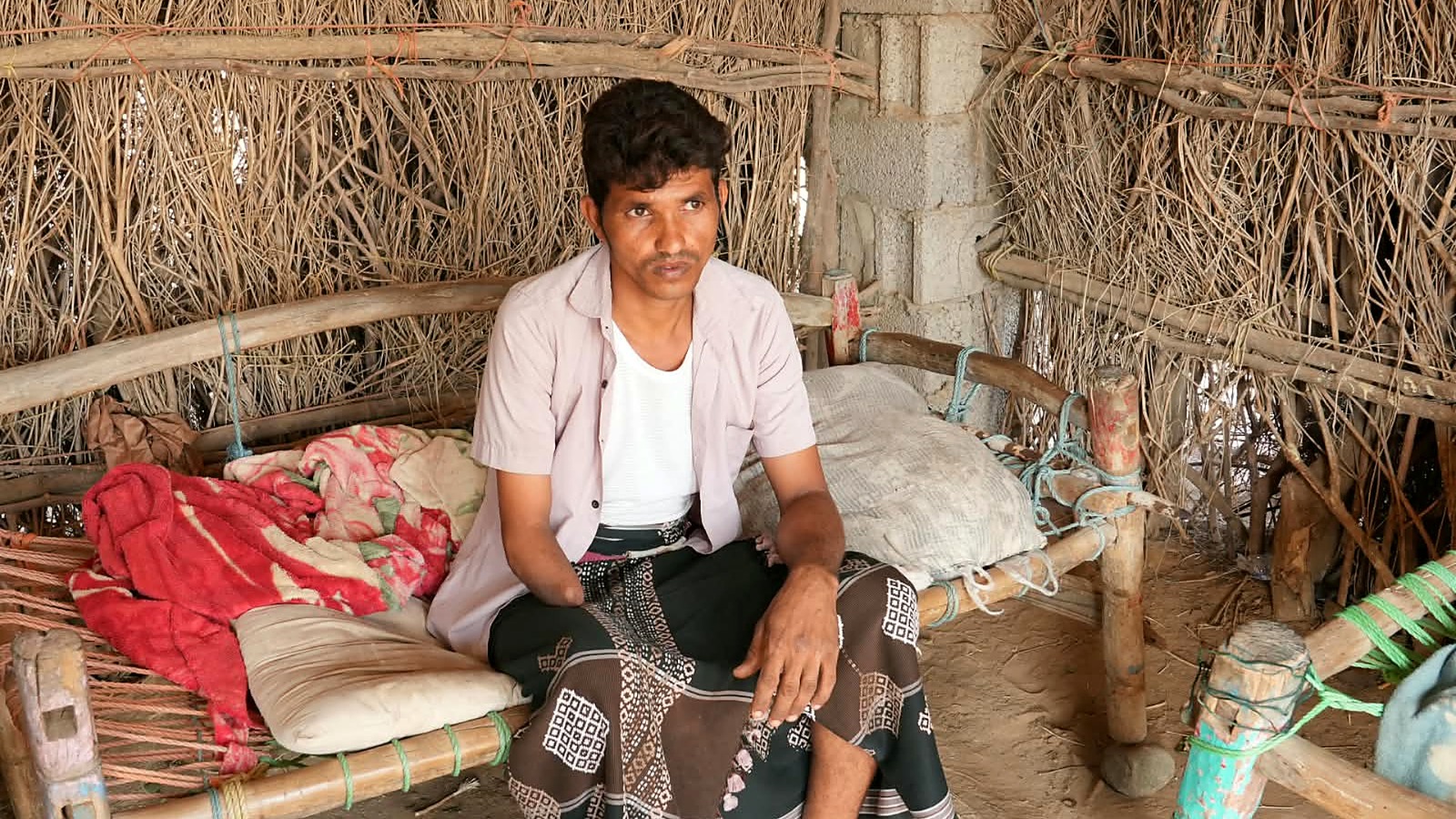
A farmer in northern Hajjah returned to his land after more than four years of displacement, only to lose his hand when an explosive item detonated as he ploughed. His experience illustrates the lasting impact of explosive contamination on livelihoods and safe returns.
Other EO Accidents from Around the Globe:
🇦🇿 Azerbaijan: 26-year-old resident grazing cattle in Jabrayil fell on a mine
🇦🇿 Azerbaijan: Second mine explosion in Jabrayil injures father of earlier victim
🇮🇳 India: 4 CRPF personnel injured in landmine blast in Chhattisgarh’s Sukma, shifted to Hyderabad
🇱🇦 Laos Continues to Grapple with the Explosive US Legacy from the Vietnam War
🇸🇾 Syria: Farmer injured in landmine explosion in Sweida Countryside
🇾🇪 Yemen: Ten-Year-Old Boy Killed by Houthi Landmine in Southern Hodeidah
4. Advocacy, Policy, Conventions, Strategies and Standards
North Korea's Foreign Ministry rejected on Tuesday blame from South Korea for a border landmine blast, and threatened its neighbour with "immediate and powerful counteraction" for any violation of territory.
🇰🇷 🇰🇵 South Korea calls DMZ mine-clearing operation ‘decisive’ response against Pyongyang
South Korea’s defence minister called the DMZ mine-clearing mission a “decisive” and unprecedented response to North Korea after a blast wounded three South Korean soldiers.
🇸🇾 🇪🇬 Syria takes part in regional workshop on explosive weapons in Cairo

Syria’s Ministry of Emergency and Disaster Management is taking part in a regional workshop on explosive weapons in populated areas, the Convention on Certain Conventional Weapons (CCW), and autonomous weapons systems, held at the headquarters of the League of Arab States in Cairo.
🇹🇭 🇰🇭 Thailand, Cambodia: Thai MP Rejects Cambodia Claims over MOU 44 at IPU Assembly

At the 153rd IPU Assembly in Arusha on 9 October, Cambodian Senate First Vice-President Ouch Borith raised the alleged use of cluster munitions and landmines, which Thailand treated as directed at it. Thai MP Thanarat Chongsuttanamanee replied that Thailand adheres to international humanitarian law and called for an independent, impartial fact-finding process applying equal standards to all sides.
Ukraine's Cabinet of Ministers has adopted a single mandatory procedure for annual humanitarian demining planning. The Mine Action Centre drafts the plan by 10 December and the National Mine Action Authority approves it by 30 December, with public lists of survey, clearance and quality-control areas within 30 days. Underperforming operators get 15 days to remedy shortfalls or may be replaced.
🇺🇸 United States: US Supreme Court Hears Challenge to Air Force UXO Detonations in Guam

The US Supreme Court heard arguments on 7 October in Prutehi Guahan's challenge to US Air Force open detonation of UXO at Tarague Beach, Guam, in use since 1982. The group argues the National Environmental Policy Act applies to the Air Force's 2021 permit application; the Air Force says the Resource Conservation and Recovery Act displaces it. The site sits above an aquifer supplying over 80% of residents' drinking water.
Yemen's Sana'a-based National Human Rights Authority has condemned the killing of civilians in the Bani Khatab villages of Abs District, Hajjah Province, which it attributes to Saudi use of internationally banned cluster munitions, describing it as a crime against humanity. The report was carried by Iranian state outlet Pars Today, citing IRNA.
“On 6 October, the resolution entitled “The impact of anti-personnel mines on the full enjoyment of all human rights: Strengthening victim assistance,” co-sponsored and actively promoted by Azerbaijan, was adopted within the framework of the 63rd Session of the UN Human Rights Council held in Geneva,” Azerbaijan’s Foreign Ministry said.
🌍 The Fighting between Armenians and Azerbaijanis Has Stopped, but Landmines Keep Killing and Maiming People in the South Caucasus
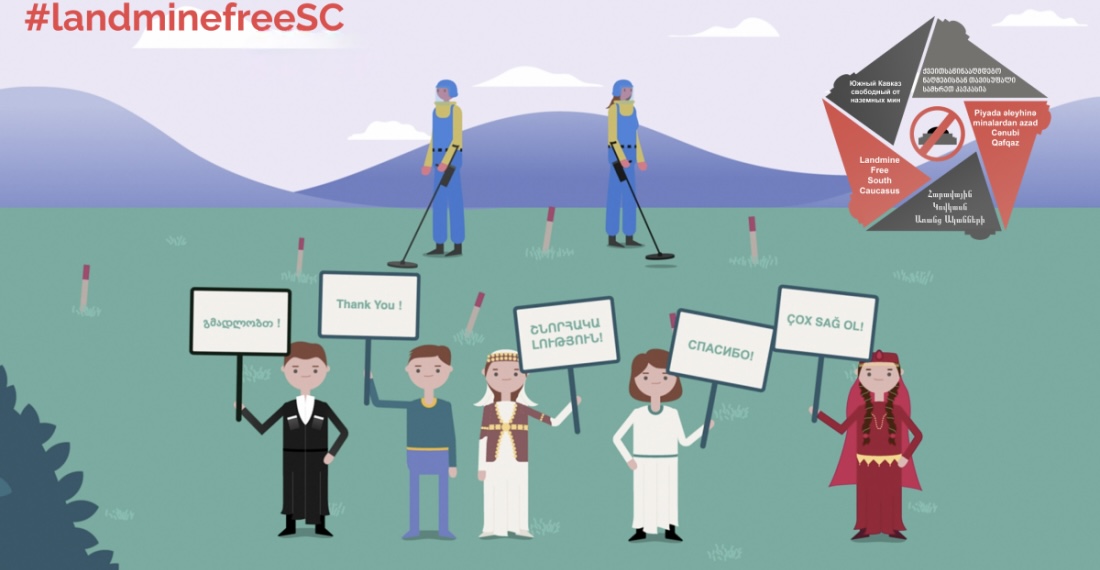
In an opinion piece, Dr Dennis Sammut of LINKS Europe argues that landmines still kill and maim people in the South Caucasus almost daily despite the end of fighting. LINKS Europe will continue its Landmine Free South Caucasus campaign from October to December 2026 without the EU co-funding it received in 2018–2024. He urges collaborative clearance as a confidence-building measure.
5. Stockpile Destruction, Demolition, WAM and Disarmament
6. Research, Innovation, Technology and Market Trends
🇦🇺 Australian company makes mine detection breakthrough
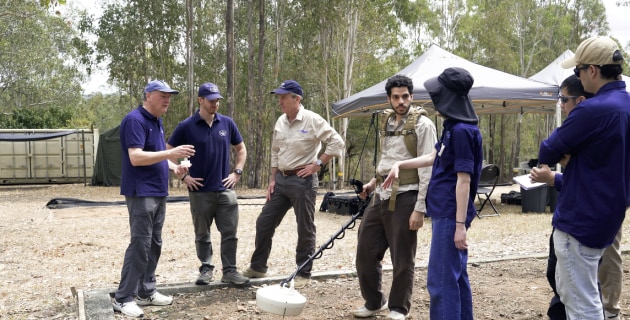
Australian company MRead has successfully completed field trials of its next-generation MineReader RDX hand held detector (HHD). While traditional mine detection commonly relies on electromagnetic induction (EMI) to identify metal, MineReader uses Magnetic Resonance (MR) technology developed from more than two decades of CSIRO research to detect the molecular signature of explosive compounds.
HMGCC Co-Creation, via Innovate UK Business Connect, is offering up to £60,000 (ex VAT) across up to two proposals for machine-learning tools that identify and label electronic components in X-ray images for bomb disposal, reaching a TRL 5 demonstrator within 12 weeks. Clarification questions are due 16 October and applications close 29 October 2026.
🇺🇸 United States: Minerva Humanoids Raises $10M for Robots That Do Bomb Disposal and Rig Work

San Francisco start-up Minerva Humanoids has raised about US$10 million in pre-seed funding led by General Catalyst for "Roger", a semi-autonomous humanoid robot operated via VR headset. Target uses include explosive ordnance disposal, offshore rigs and hazmat response; the company argues EOD needs two-handed dexterity that tracked, single-arm systems lack. First paid pilots begin this autumn.
Unmanned aerial systems collect data during Technical Concept Experiment 26.2 at Marine Corps Base Camp Pendleton, Calif., Sept. 24, 2026. The two-week data collection event and concept experiment integrated unmanned systems, machine-learning-based analytics and artificial intelligence-supported technologies in controlled minefield scenarios to gather data on mine and improvised explosive device detection, neutralization, marking and reporting.
🇺🇸 🇺🇦 United States, Ukraine: Safe Pro Awarded New AI Subcontract and Launches "SPAI Ground Truth" for Next-Gen Ground Intelligence

Safe Pro Group has received an initial order from a new US government prime contractor for its AI threat-detection software and launched SPAI Ground Truth, a five-component suite fusing aerial and ground drone data to identify over 150 explosive threat types. The company cites 3.1 million drone images processed, 58,526 confirmed detections and more than 39,777 acres mapped in Ukraine.
🌍 The Mine Detection System Market Size is Projected to Grow to $7.62 Billion with Increasing Demand
The mine detection system market is experiencing significant growth as global security concerns and technological advancements drive demand for more effective mine clearance solutions. This sector is evolving rapidly, incorporating cutting-edge technologies to enhance safety and operational efficiency across military and homeland security applications. Below is a detailed overview of the market's current size, key growth drivers, major players, and emerging trends.
🌍 How rats were trained to clear landmines

In 2004, the world's first team of mine-detecting rats passed accreditation tests, opening the way for them to be used in humanitarian demining operations. The project was the brainchild of Belgian researcher Bart Weetjens, who was inspired to tackle the global landmine crisis after seeing Princess Diana walk through a minefield in Angola in 1997.
7. Mine Action Assistance, Funding and Cooperation
🇦🇿 Azerbaijan, Israel mull co-op in combating landmine threat
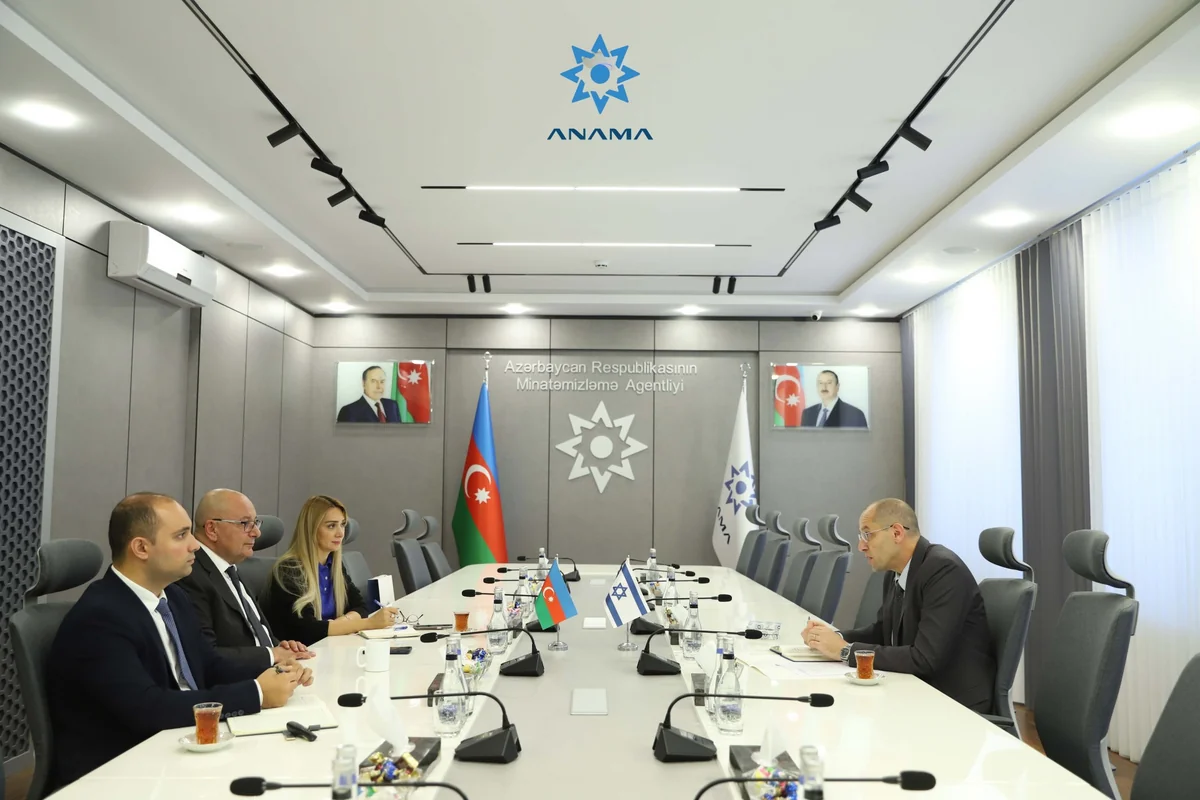
Azerbaijan and Israel have discussed cooperation in combating the mine threat. The discussions took place during a meeting between the Chairman of the ANAMA Board, Vugar Suleymanov, and the Israeli Ambassador to Baku, Ronen Krausz. The ambassador was informed about the scale of the existing mine problem in Azerbaijan and the progress of humanitarian demining activities carried out to eliminate this problem.
🇫🇷 🇸🇾 France, Syria: ITF at the 7th French National Humanitarian Conference in Paris
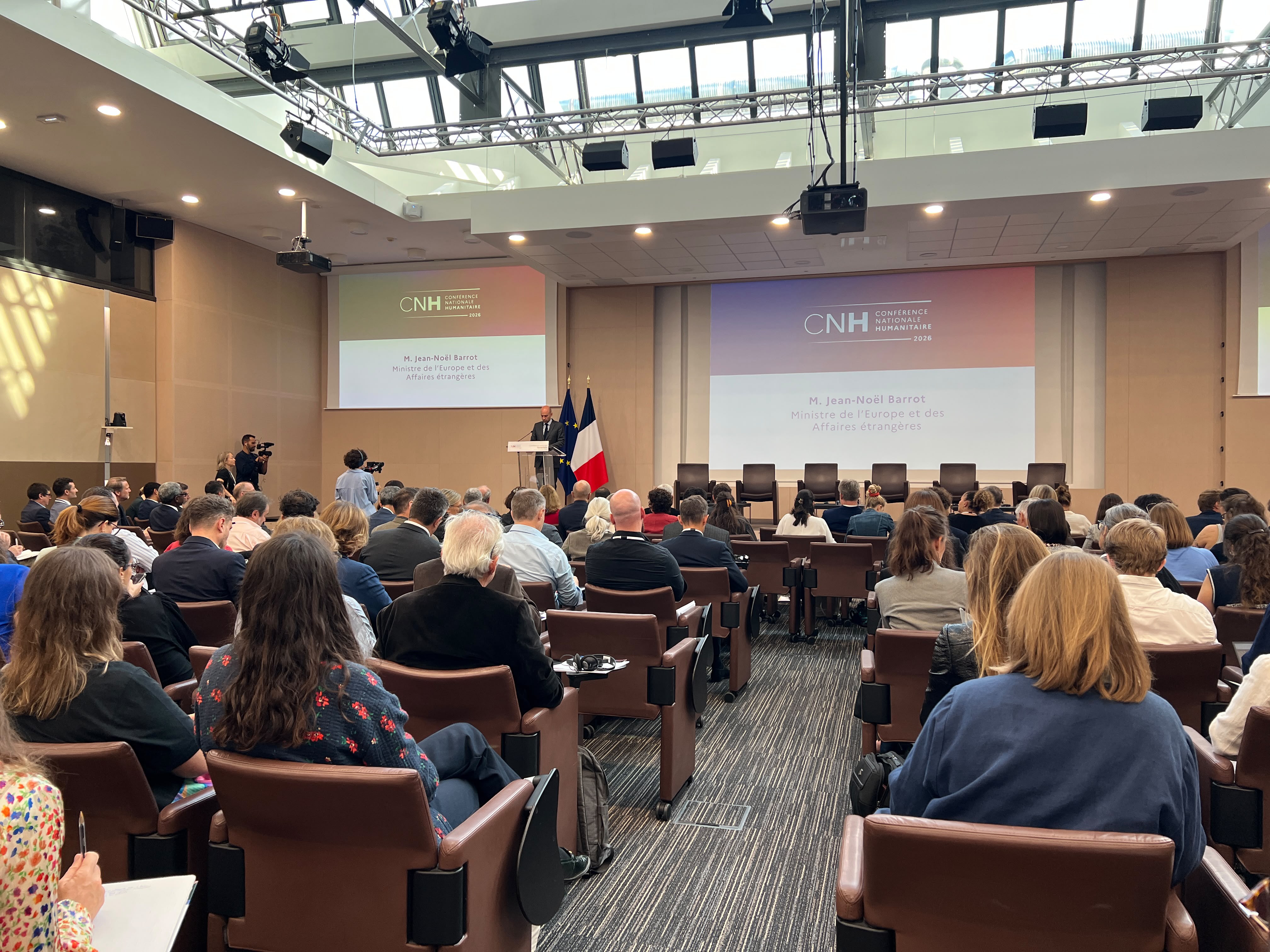
ITF attended the 7th French National Humanitarian Conference in Paris on 6 October, organised by the French foreign ministry, covering protection of civilians and aid workers, aid reform, localisation and financing models. ITF met ministry officials about its Syria mine action programme, implemented with local partner Reachout and co-financed by Slovenia and Korea.
🇬🇪 🇺🇦 Georgia, Ukraine: Art, Memory and Demining: Ukrainian Artist to Bring Pirosmani-Inspired Project to Georgia

London-based Ukrainian artist Sima Vassilieva, from Kramatorsk, will hold "Pirosmani: Once Again!", an exhibition and charity auction with a parallel online silent auction, at Kiketi Farm near Tbilisi on 18 October 2026. Proceeds will support the GRACE Foundation's humanitarian demining and land restoration work in Ukraine.
🇱🇦 🇯🇵 Laos: Japan Supports Laos' Cluster Munitions Conference through Counterpart Fund
Japan supported Laos's hosting of the Third Review Conference of the Convention on Cluster Munitions (Vientiane, 14–18 September 2026) through its Counterpart Fund. The support helped Laos prepare for and convene the conference and fulfil its role as host and President, and is described as strengthening national UXO and mine action capacity.
8. Other News
UNDP Programme Analyst Daiki Hayashi describes efforts to strengthen humanitarian mine action in Sri Lanka through a project supporting women deminers in the Northern and Eastern Provinces. Activities include improving protective equipment and sanitation, coordinating training and explosive ordnance risk education, and assessing demining technology and operator capacity. Hayashi emphasises the importance of field-level consultation, cross-sector coordination and sustained funding to strengthen national mine-action capacity.
🇾🇪 Yemen: Project Masam Highlights Mine Action’s Role in Community Recovery

Abdulsalam Alsaudi argues that Project Masam’s work extends beyond removing landmines and explosive remnants of war: it restores access to homes, roads and agricultural land while enabling displaced families to return. He also stresses the importance of explosive ordnance risk education in preventing civilian casualties and making recovery sustainable.
🎥 Video
After stepping on a mine in Afghanistan and being medically retired, Ryan Hendrickson needed a new purpose. He found one clearing mines in Ukraine.
📅 Upcoming Events, Courses & Trainings
There are a number of interesting events for the mine action sector in the coming months, and some of the deadlines are approaching quickly.
States Parties to the Anti-Personnel Mine Ban Convention will meet in Geneva from 30 November to 4 December 2026 for the Twenty-Third Meeting of the States Parties, reviewing implementation of the Siem Reap-Angkor Action Plan, Article 5 clearance obligations and compliance issues. Learn more here.
The Mine Action: Innovation, Sustainability, and Global Partnerships speaker series is structured to address landmine and explosive remnants of war (ERW) challenges through a strictly humanitarian, civilian-protection-oriented framework, with clearly defined ethical, legal, and operational boundaries between humanitarian and military applications of technology. Dates are: FEB 19 | MAR 19 | APR 16 | MAY 21 | JUN 18 | JUL 16 | AUG 20 | SEP 17 | OCT 15 | NOV 19 | DEC 17. Time: 12:00 PM - 1:00 PM ET. Location: Virtual (Zoom Webinar). Register here.
🔔 Always Stay in the Know – Never Miss an Update
This newsletter is subscribed to by over 3600+ dedicated readers on LinkedIn. To join this community of mine action professionals and supporters, go ahead and subscribe to the Mine Action Weekly newsletter. You can find all editions up to February 2026 on LinkedIn, and from March 2026 onwards here on Mine Action News.
Please reach out to me if there are any mine action news, journal articles, events, or updates that you would like to suggest for the next edition of Mine Action Weekly. You can find (and follow / connect with) me here. See you next Monday!


