Mine Action Weekly, 12 - 18 October 2026
This week’s Mine Action Weekly explores the scale and complexity of explosive contamination, from Afghanistan’s milestone in Bamiyan to the growing threat posed by drone warfare in Ukraine and maritime mines in the Strait of Hormuz. The edition examines technological breakthroughs, climate-related risks and international cooperation, while highlighting the people whose work makes land safe, restores livelihoods and enables communities to rebuild.

Disclaimers:
This newsletter features news reports and articles from a variety of sources. Mention of these resources does not indicate agreement with or endorsement of the opinions of others. I do not claim responsibility or credit for these works, and do not vouch for the information contained in them.
This newsletter is created and managed in a personal capacity, independent of my professional affiliation with Fondation suisse de déminage (FSD).
🗞️ Weekly News Roundup
The weekly news roundup showcases a low-down of the top mine action news and insights from the past seven days.
1. EO Contamination, Clearance & Land Release
🇦🇫 Afghanistan: ANDMA declares Bamiyan cleared of mines, unexploded ordnance

Bamiyan province has been declared completely cleared of mines and unexploded ordnance after 36 years of demining work, the Taliban-run Afghanistan National Disaster Management Authority said on Thursday, marking a significant milestone in efforts to address decades of explosive contamination in the country.
🇩🇿 Algeria: PSC congratulates Algeria clearing its territory of anti-personnel mines

The African Union Peace and Security Council congratulated Algeria on clearing all anti-personnel mines from its territory. It encouraged Algeria to share its experience with other African states still affected by mines.
🇦🇿 Azerbaijan: Demining operations continue across 13 districts of Azerbaijan

ANAMA reported that between 5 and 11 October, teams neutralised 327 anti-personnel mines, 34 anti-tank mines and 624 UXO, a total of 985 items, and cleared 1,239.1 ha. The work covered 13 districts.
🇮🇶 Iraq: Clearing the way for the Baiji–Baghdad express
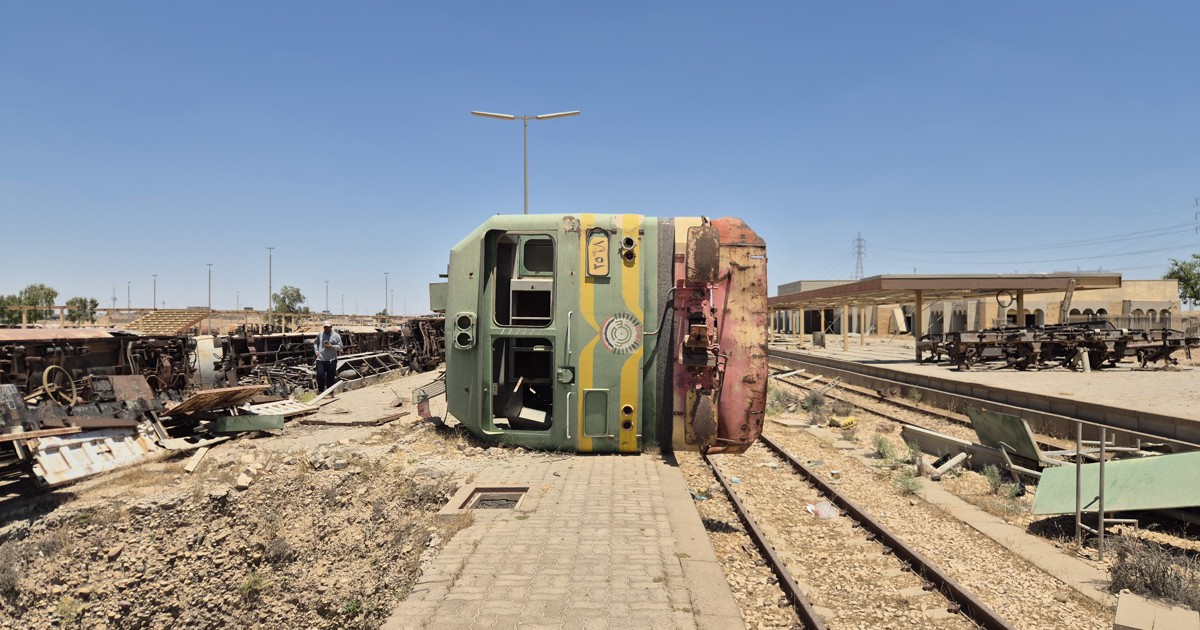
The HALO Trust has cleared a strategic railway yard in Baiji, an industrial town between Baghdad and Mosul ravaged by fighting. The restoration will allow goods in and out of the town, and bring much needed relief to the socially and economically devastated area.
🇱🇧 Lebanon: HI clears unexploded ordnance in the Bekaa Valley
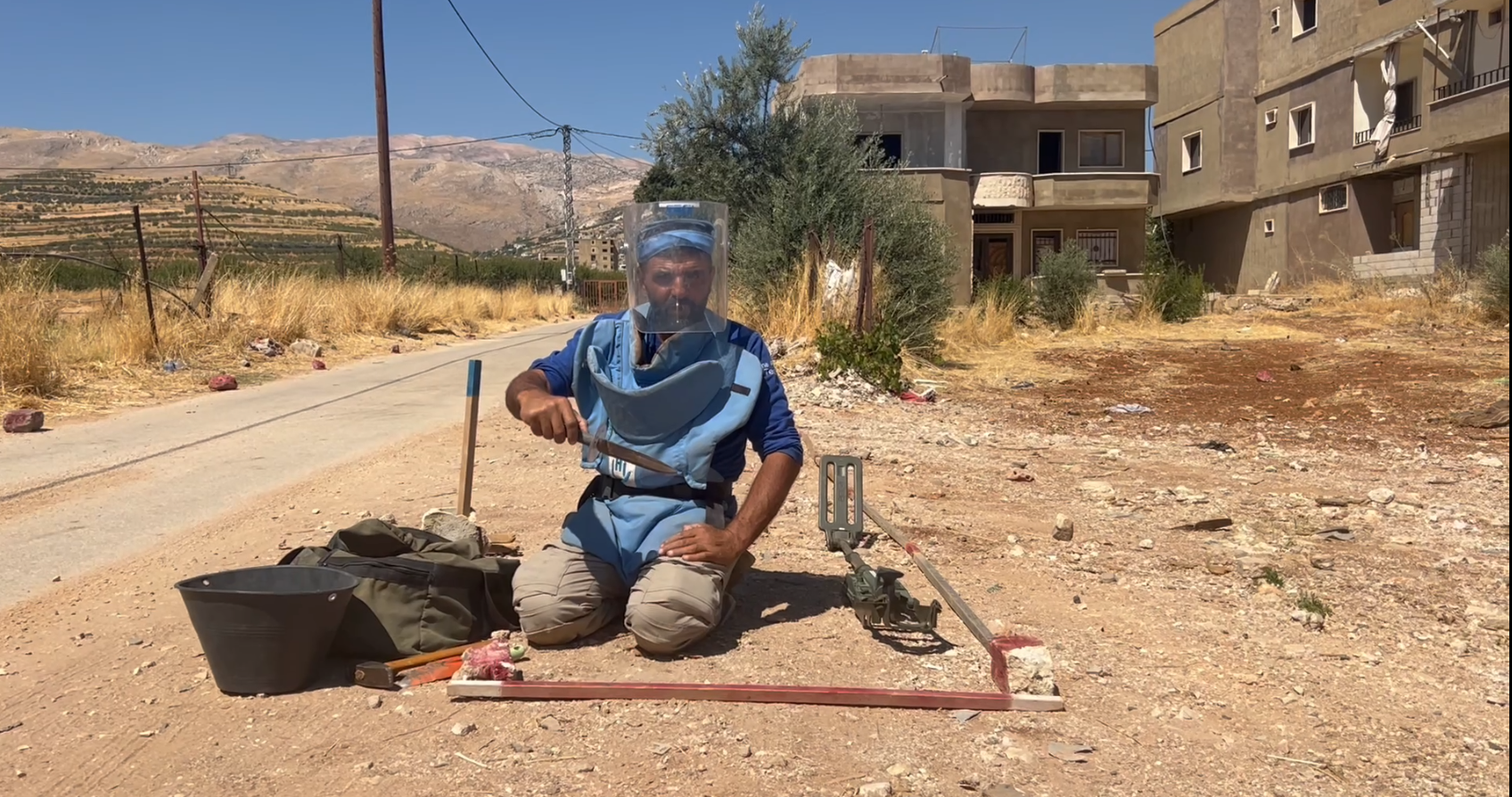
The Bekaa region, largely rural and located east of Beirut, has been hit by Israeli army bombardments since 2023, leaving vast areas contaminated by explosive remnants of war. HI deminers are currently working in the village of Nabi Ayla.
🇵🇭 Philippines: 93 WW2 explosives found in Sulu junk shop
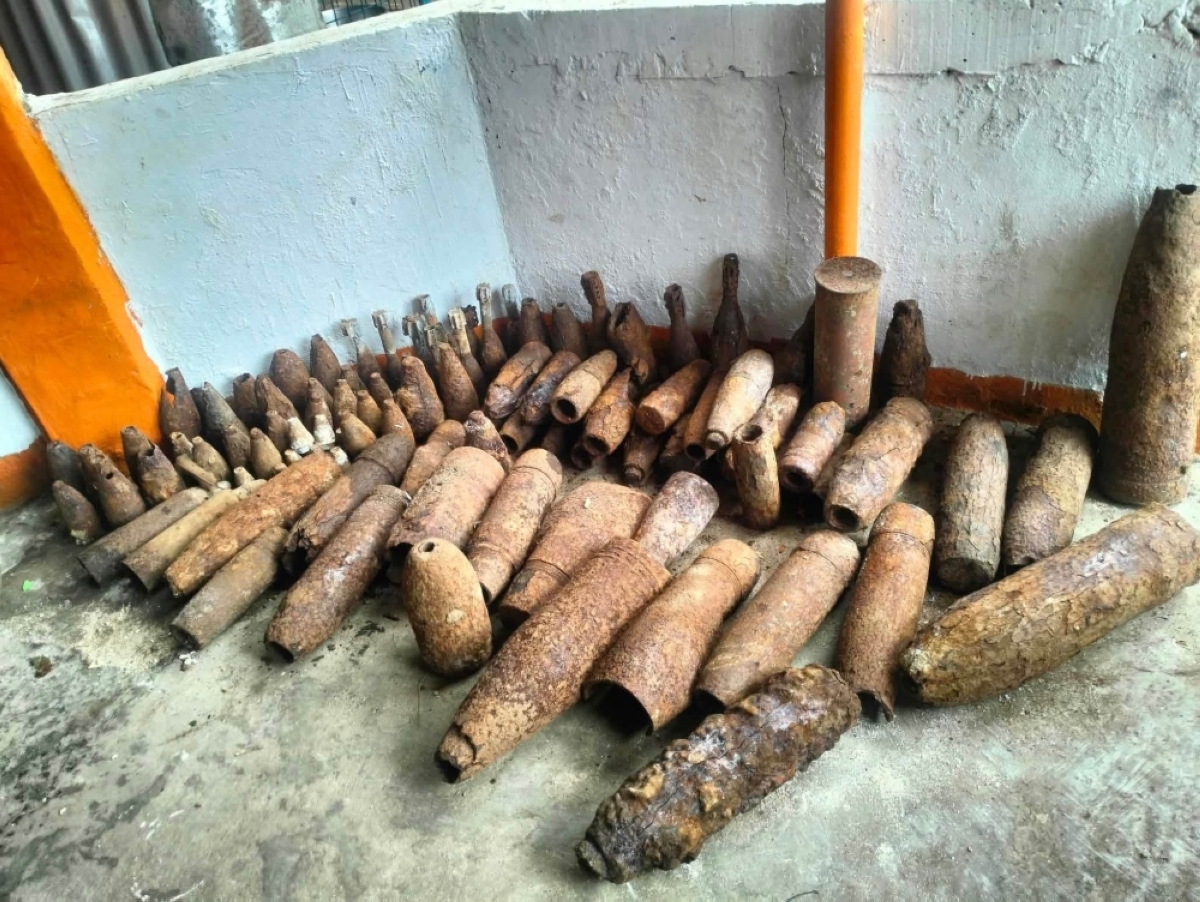
Philippine Coast Guard (PCG) District Southwestern Mindanao personnel and explosive experts recovered 93 pieces of assorted unexploded ordnance, including a massive 500-pound World War II-era bomb, during a retrieval operation at a junk shop in Sulu, Jolo on Monday.
🇸🇸 South Sudan: From Fear to Farming: Cleared Land in Bilinyang Helps IDPs and Their Families Rebuild Their Lives
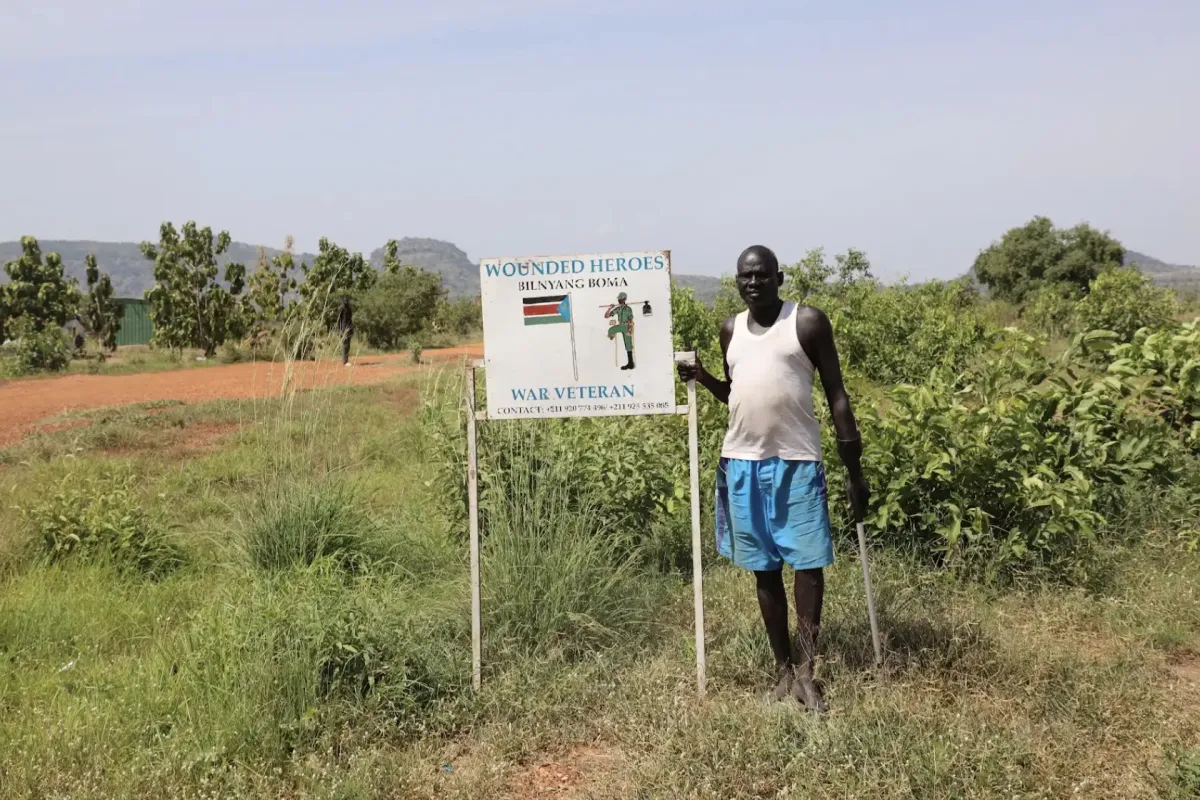
In Bilinyang Payam, South Sudan, UNMAS teams cleared land previously contaminated by explosive ordnance, removing 51 anti-tank mines, 36 items of unexploded ordnance and seven items of small-arms ammunition. The released land is now supporting farming, settlement and income generation for displaced people and host communities.
🇱🇰 Sri Lanka: Clearing the final 21km²: MAG Ambassador Rosamund Pike visits Sri Lanka
MAG Ambassador Rosamund Pike visited northern Sri Lanka to witness clearance operations and meet mine survivors and local deminers. More than one million landmines have been cleared nationwide, including 103 km² by MAG, enabling displaced families to return home. However, over 21 km² remain contaminated across 11 districts, requiring sustained funding to complete clearance and protect future generations.
🇸🇾 Syria: ‘A single wrong step’: Women deminers reach where men cannot to protect children in Syria
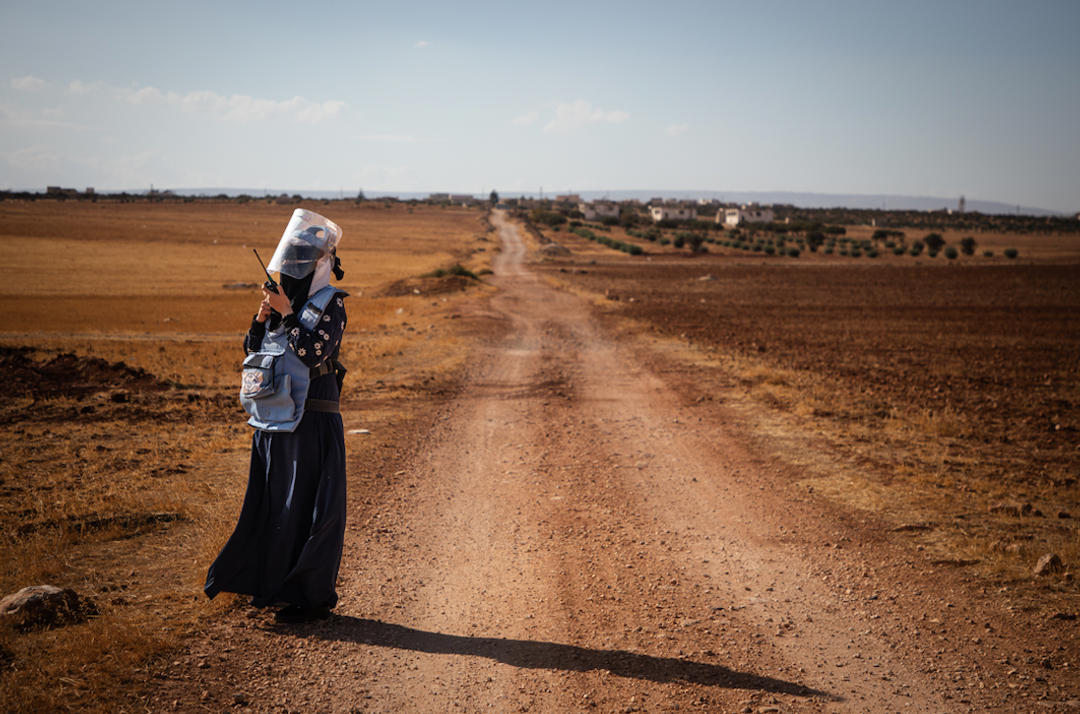
Areej Ali highlights the growing role of women in Syria’s mine-action response, with 31 women working in operational demining roles for The HALO Trust in Idlib. Beyond clearance, women can access households and educate women and children in conservative communities. The feature also illustrates how contamination prevents farmers from accessing land and threatens civilians returning to their homes.
Defense Ministry mine-clearance teams have begun clearing unexploded ordnance and explosive remnants of war from al-Hamamiyat (northern Hama countryside, central Syria) and its surrounding areas, responding to residents’ demands and seeking to reduce threats to their safety.
🇺🇦 Ukraine is littered with landmines on a scale last seen in Vietnam. How can they be removed?
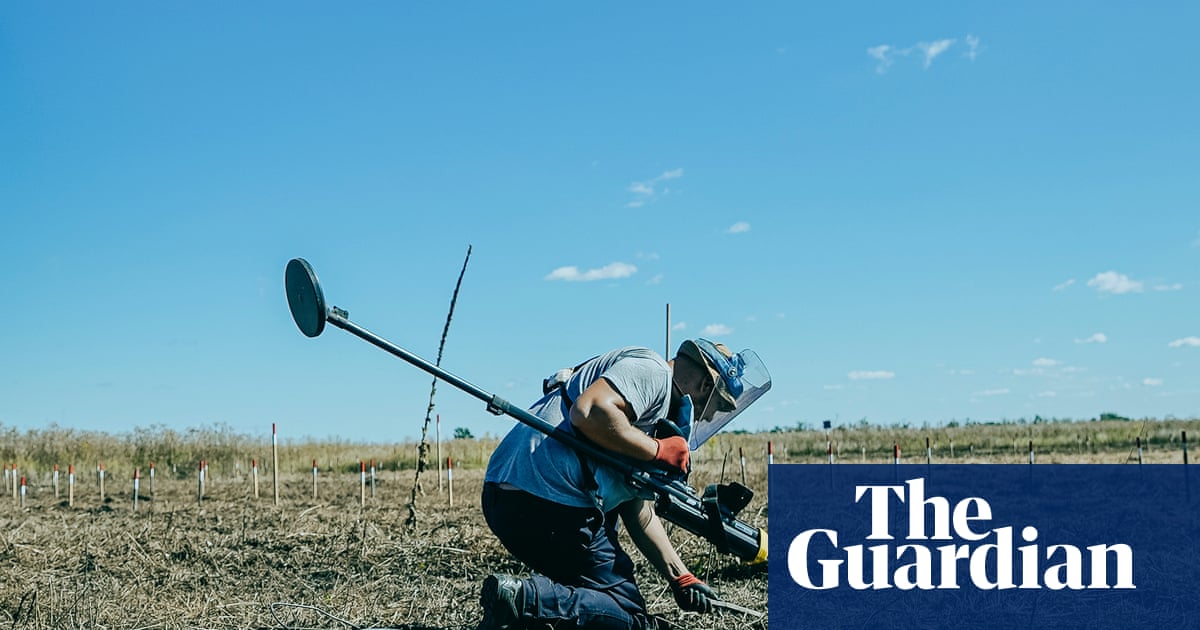
HALO spent nearly £50 million in Ukraine in the year to March 2025, against a state budget of £28.6 million for clearing agricultural land. Drone attacks and POM-3 mines keep teams out of some villages entirely. HALO is trialling AI image analysis, ground-penetrating radar and the remotely operated DMR-7, which cuts excavation of a suspect point from 45 minutes to five.
🇺🇦 Ukraine: Drone Warfare Could Leave Ukraine With Vietnam-Scale Explosive Hazards
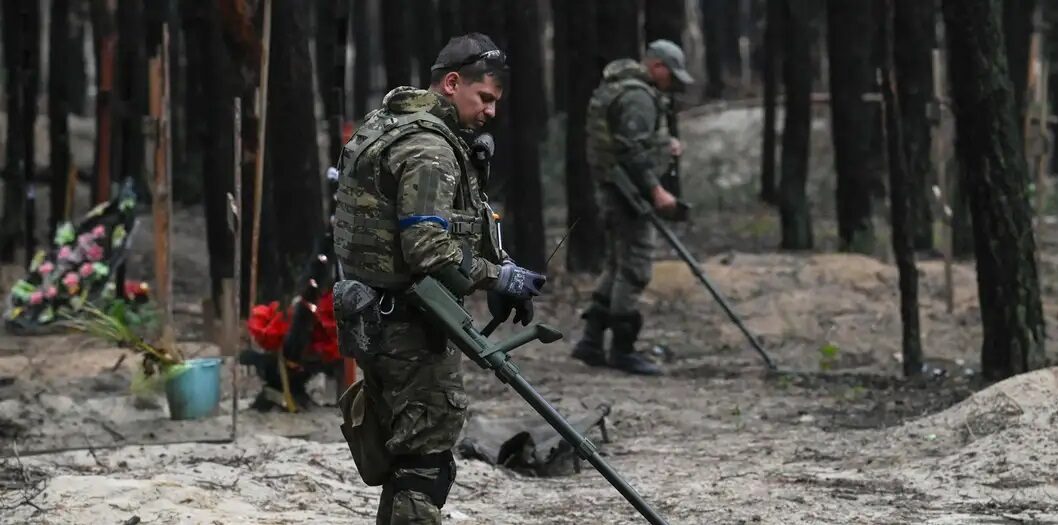
Drone warfare could leave Ukraine facing explosive contamination on a scale not seen since US cluster bombing along the Ho Chi Minh trail during the war in Vietnam, a UN mine action adviser told The Guardian. The growing use of drone-delivered munitions by both Kyiv and Moscow is spreading unexploded ordnance across more territory, creating hazards that can kill and injure civilians for decades.
🇺🇦 Ukraine: More than 20,000 hectares of farmland have been cleared of mines in Ukraine
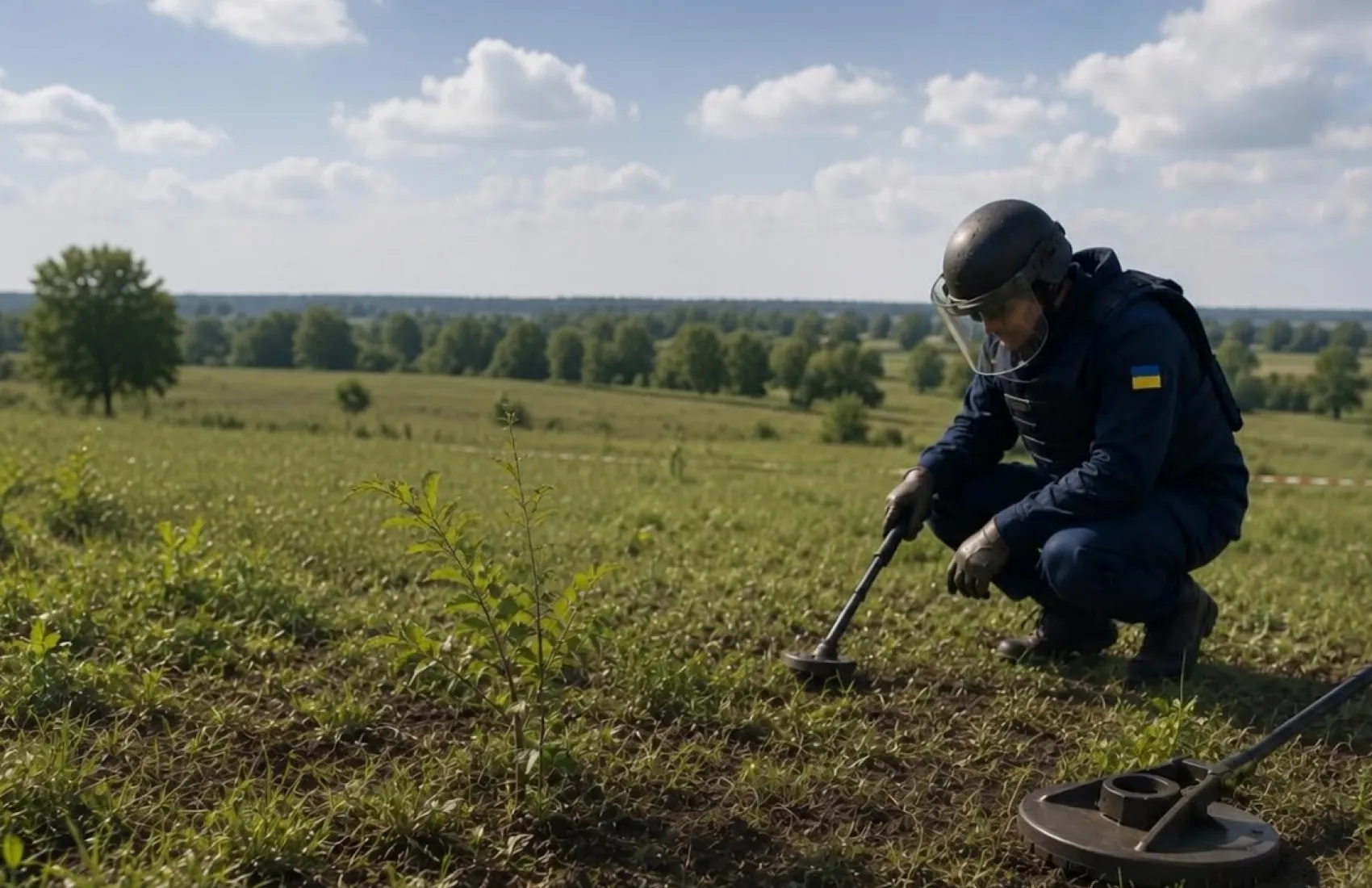
Over two years, mine-action operators have cleared more than 20,000 hectares of agricultural land under Ukraine’s state-funded Humanitarian Demining programme, through 106 contracts worth UAH 1.22 billion. The Humanitarian Demining Center has signed 175 contracts covering nearly 34,000 hectares, with 40 contracts currently underway. Supported by the EU’s Ukraine Facility, the programme is complemented by new cooperation with Syria and Azerbaijan on clearance and technical expertise.
🇺🇦 Ukraine: Over 70% of liberated Kherson region cleared of mines

Ukraine has cleared more than 507,000 hectares, or 74% of the liberated part of Kherson region, of mines and other explosive hazards. During the latest reporting week, EOD teams surveyed a further 760 hectares on the right bank and destroyed nearly 600 explosive items. Clearance progress is supporting the eventual safe return to agricultural use and community recovery.
🇻🇳 Vietnam: Acceptance testing of bomb and mine clearance work in Thang Mo commune

On October 13th, the 2nd Military Region, in coordination with relevant agencies and units, organised a conference to inspect the completed work and hand over the site where bomb and unexploded ordnance clearance had been carried out in Thang Mo commune.
🇻🇳 Vietnam: Mine clearance completed on over 300 hectares of land in Lao Cai

Officers and soldiers of the 543rd Engineering Brigade (Military Region 2) have just completed the clearance of bombs, mines, and unexploded ordnance over an area of 300 hectares in Lao Cai, ensuring absolute safety for personnel and equipment. Each cleared area contributes to reducing the risk of bomb and mine accidents, creating conditions for local production development and stabilizing the lives of the people.
🇾🇪 Yemen: Project Masam clears 3,542 explosive threats in Yemen so far in October 2026
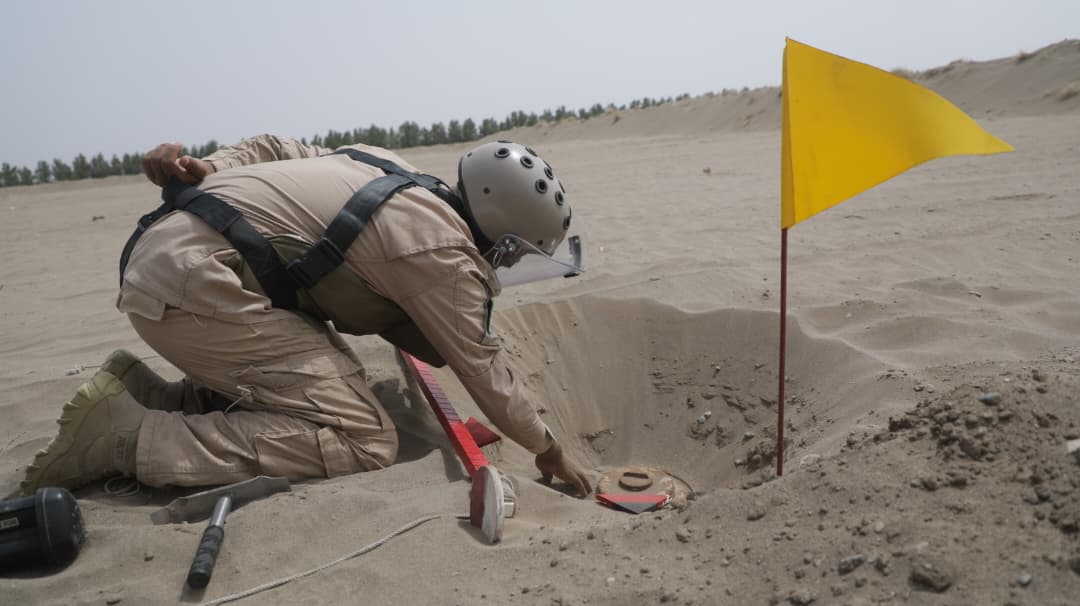
Project Masam demining teams have cleared 3,542 landmines and other explosive threats across Yemen during the first three weeks of October 2026, as humanitarian Mine Action operations continue across multiple governorates. The October total so far comprises 74 anti-personnel mines, 106 anti-tank mines, 3,356 items of unexploded ordnance (UXO) and six improvised explosive devices (IEDs). Project Masam teams have also cleared 501,985 square metres of land so far this month.
🌍 Landmines: the weapon that never stops

From ancient China to modern Israel, the landmine remains one of warfare's cruelest inventions—a weapon that cannot tell a soldier from a child, and stays deadly long after the fighting ends
🌊 🇮🇷 Another Tanker Catches Fire in Strait of Hormuz after Hitting Sea Mine
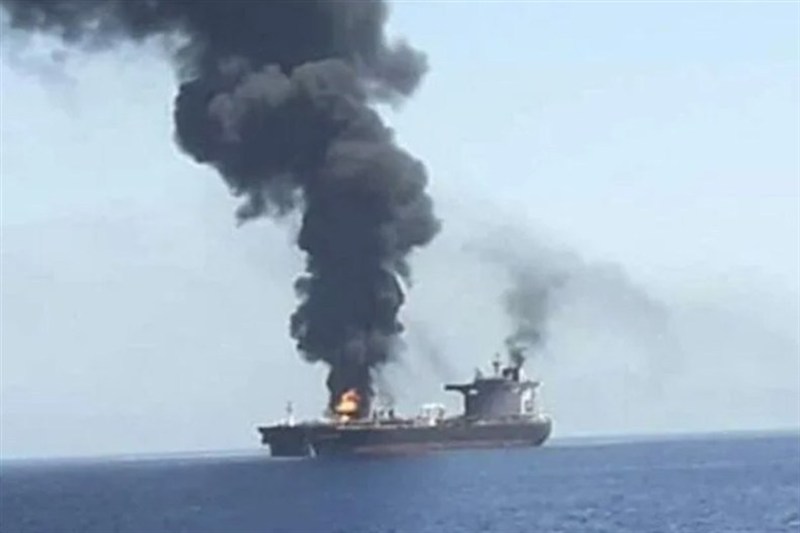
The IRGC Navy’s public relations office said on Sunday night that a shuttle-type oil tanker carrying 750,000 barrels of crude oil attempted to pass through an unauthorized route on Sunday afternoon, disregarding warnings and alerts issued by the force. The tanker struck a sea mine, triggering an explosion and a severe fire, the statement said.
🌊 🇮🇷 Iran's Guards Say Tanker Exploded after Hitting Mine in Strait of Hormuz
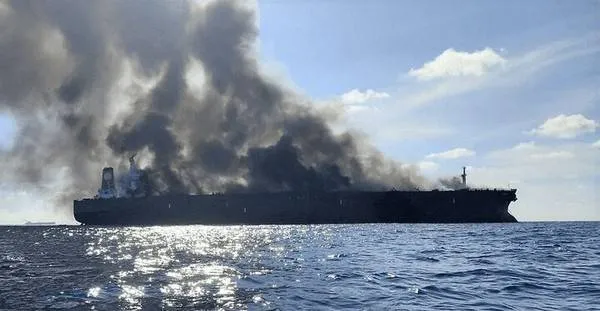
Iran's Revolutionary Guards said on Saturday that an oil tanker had exploded and caught fire after hitting a naval mine while transiting the Strait of Hormuz. The report said the tanker was carrying over 2 million barrels of crude oil and was attempting to transit the strategic waterway through a route unauthorised by Iran, according to Reuters.
Other EO Finds from Around the Globe:
🇵🇱 Poland: 3,000 people evacuated in Wrocław over 250-kg bomb
🇺🇦 Ukraine: Bomb disposal experts recover 90-kg Russian drone warhead from premises of house in Kyiv
🇬🇧 United Kingdom: Suspected unexploded shell discovered in Llanelli as roads closed
🇬🇧 United Kingdom: Taunton park cordoned off by police after First World War explosive found
🇺🇸 United States: Texas man finds live World War II grenades in box he bought at estate sale
🇺🇸 United States: Bald Head discovery may be unexploded ordnance
2. Explosive Ordnance Risk Education (EORE)
🇮🇱 Israel: IDF Home Front Command expands public awareness campaign on danger of unexploded ordnance
The IDF Home Front Command is expanding its public awareness campaign on the dangers of unexploded ordnance. The move follows the 12 October blast on the Ramim Ridge, attributed to a Hezbollah cluster submunition, which killed a ninth-grade student. Separately, an INSS analysis called for systematic surveys of vegetated areas, warning signs and fencing.
🇬🇪 Georgia: Medical Students stand for a Landmine Free South Caucasus
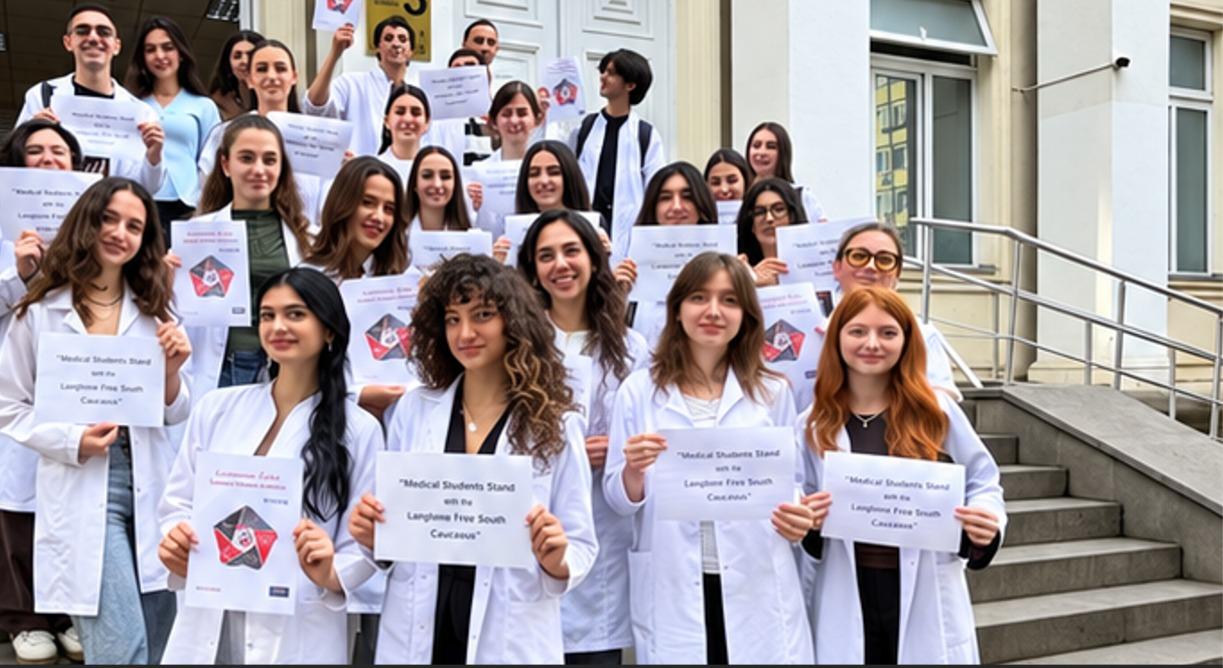
On 16 October in Tbilisi, LINKS Europe ran an interactive session with medical students as part of its Landmine Free South Caucasus 2026 campaign, which began in 2018. The session covered the impact of mines and ERW in Armenia, Azerbaijan and Georgia, focusing on the Red Bridge minefield where the three countries' borders meet.
Children in the Tamil North are being taught at school to recognise grenades and anti-tank mines left over from the armed conflict, the British actor Rosamund Pike has said after visiting minefields where displaced families are still waiting for their land to be made safe 17 years after the war ended.
3. Accidents, Survivors, Victim Assistance
🇱🇰 Sri Lanka: Rosamund Pike Calls for Landmine Clearance in Sri Lanka After Meeting Survivor

In a personal social media reflection following her visit to Sri Lanka alongside MAG, Rosamund Pike detailed her encounter with Victoria, a survivor who suffered life-altering injuries as a teenager after unknowingly interacting with an explosive device while gathering firewood. “During my recent visit to Sri Lanka with Mines Advisory Group, I had the privilege of meeting Victoria,” Pike shared.
The Syrian Observatory for Human Rights (SOHR) has documented the death of 52 explosive ordnance disposal specialists and military and security personnel and injury of 62 others due to explosions of explosive remnants of war (ERW) in different Syrian provinces.
🇺🇦 Ukraine: Russia's Retreat Leaves a Hidden Battlefield—1,739 Ukrainian Civilians Killed or Injured
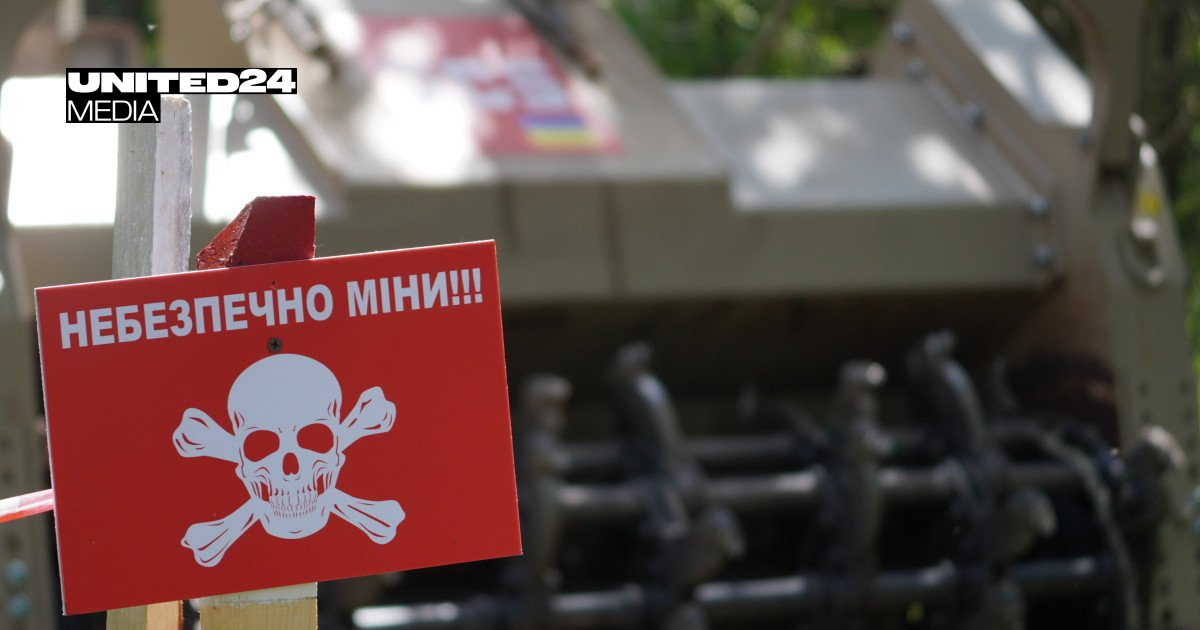
Since February 2022, mines and ERW have killed or injured 1,739 Ukrainian civilians, including 178 children, according to Ukraine's Main Directorate for Mine Action, Civil Protection and Environmental Safety. The victims include 306 farmers, 170 pensioners, 166 critical infrastructure workers and 112 drivers. The data feeds into victim assistance, EORE, blast-injury care and war-crimes proceedings.
An explosive device detonated during a demining operation near Bobrovyi Kut in the Kherson region. The Kherson Regional Police reported the incident. Two State Emergency Service workers were injured as a result of the explosion.
🇾🇪 Yemen: Landmines Kill and Injure 9,584 People in Yemen, Children Among Worst Affected

According to figures attributed to Yemen’s Ministry of Human Rights and the Masam demining project, landmine incidents killed 4,501 people and injured 5,083 between 2014 and 2025. The victims included 979 children killed and 1,213 injured, while 338 women were killed and 381 injured.
Other EO Accidents from Around the Globe:
🇮🇶 Iraq: 1991 Gulf War landmine injures three Iraqi oil workers
🇮🇶 Iraq: Two Iraqi soldiers killed in mine explosion in Kirkuk
🇮🇱 Israel: 1 killed, 24 injured in unexploded ordnance blast near Israel-Lebanon border
🇱🇧 Lebanon: Mine blast kills orchard owner as Israeli artillery shells southern Lebanon
🇵🇰 Pakistan: Four men killed in landmine explosion near LoC in Azad Kashmir
🇸🇾 Syria foils suspected Daesh plot as landmine blast kills soldier
🇸🇾 Syrian army engineer martyred, another seriously wounded in Tanf
🇺🇦 Ukraine: Russian Mine Explosion in Kherson Leaves 66-Year-Old Man Seriously Injured
🇺🇦 Ukraine: Russian cluster munitions kill family of three in Donetsk region
🇾🇪 Yemen: Three killed in shelling, unexploded ordnance explosion in Yemen
4. Advocacy, Policy, Conventions, Strategies and Standards
The photo exhibition highlighted the landmine issue not merely as a consequence of the former conflict with Armenia, but as one of the greatest humanitarian obstacles to normal life, social recovery, and the establishment of a peaceful future in Azerbaijan.
The Mine Action Directorate confirmed on Wednesday that priority in clearance operations is given to residential and populated areas, as well as those near population centers. It also outlined the mechanism for handling lands designated for investment and economic projects, particularly oil exploration zones.
🇵🇱 🇫🇮 Poland, Finland: ICBL Calls on Global Leaders to Prevent Renewed Production of Antipersonnel Mines by Poland and Finland

The International Campaign to Ban Landmines (ICBL) has written to senior United Nations officials, heads of humanitarian organizations, and foreign ministers, urging them to intervene as Poland and Finland move towards renewed production and potential use of antipersonnel mines following their withdrawal from the Mine Ban Treaty.
🇰🇷 South Korea: UN envoy criticized over response to DMZ land mine blast

Opposition lawmakers criticized South Korea's United Nations ambassador for not pursuing Security Council action after a North Korea-planted mine injured three soldiers.
🇸🇾 Syria: The Legacy of Landmines and Cluster Munitions in Syria: What Does the 2026 Global Report Say?
Citing the Cluster Munition Monitor 2026, SNHR notes that Syria accounted for 68 of the 117 cluster-remnant casualties recorded worldwide in 2025, the highest of any country. Contamination is estimated at 10–99 km² and has never been comprehensively surveyed. In the first half of 2026, Syria's Emergency Ministry carried out about 981 UXO clearance operations and 369 non-technical surveys.
🇺🇸 🌍 U.S. Policy Haunted the Cluster Munition Convention Review Conference (Opinion)

No US diplomats attended the CCM Third Review Conference in Vientiane, even as observers. Thailand told the conference it had used DPICMs against Cambodia in 2025, and Timor-Leste committed to accession. The author notes that the US provided over $23 million, about 73% of Laos's 2024 mine action funding, and urges Washington to join the CCM.
The Seventh Review Conference of the High Contracting Parties to the Convention on Certain Conventional Weapons (CCW) will take place from 16 to 20 November 2026 at the Palais des Nations in Geneva. It will be presided by H.E. Mr. Julien Thöni, Permanent Representative of Switzerland to the Conference on Disarmament.
5. Stockpile Destruction, Demolition, WAM and Disarmament
6. Research, Innovation, Technology and Market Trends
🇦🇺 Australia: New Australian Mine Detector Skips the Metal and Detects the Explosive Itself
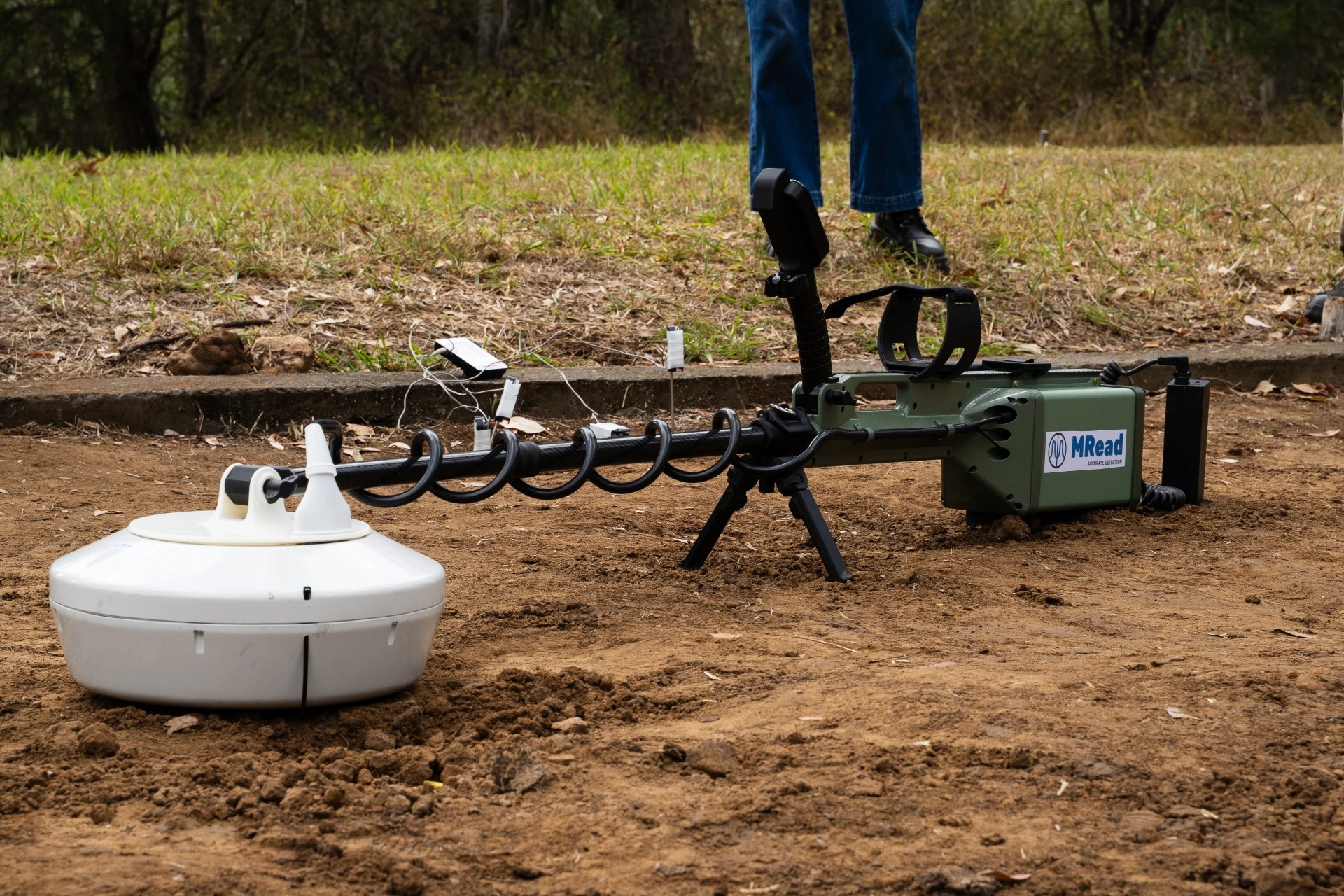
A new mine detector tested in Brisbane, Australia, takes a different approach to finding landmines by detecting the explosive compound itself rather than relying on the mine’s casing or metallic components. Called “MineReader RDX,” the system developed by deep-tech firm MRead is designed to watch for the distinct signature of RDX, a commonly used military explosive.
🇺🇦 🌊 Ukraine Trains With SeaFox Underwater Drones for the Black Sea Mine-Clearing Mission Ahead
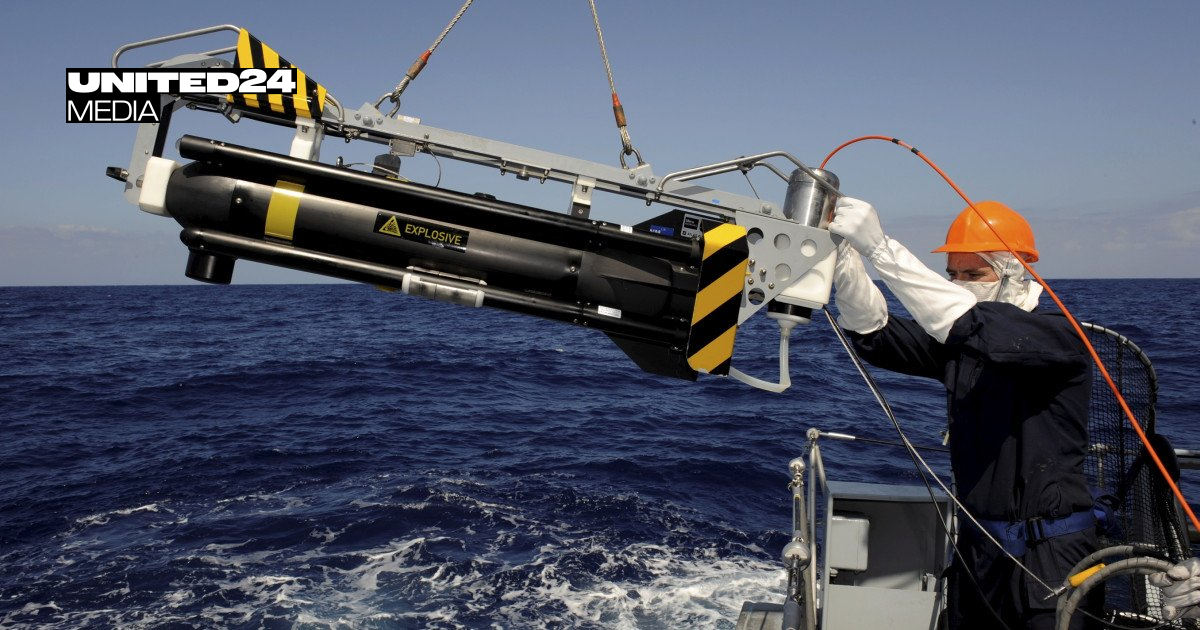
Crews from Ukraine's Sandown-class minehunters, including Cherkasy, trained in UK waters under Operation Interflex Maritime. A camera- and sonar-equipped SeaFox I located a practice mine, and a SeaFox C carrying about 1.5 kg of explosives destroyed it. The training prepares Ukraine for Black Sea mine clearance that could take years once fighting ends.
🇺🇦 Ukraine: Why Clearing Ukraine's Landmines Will Take Decades Without A Tech Revolution
Noah Sanders examines how Ukraine’s vast explosive contamination could take decades to clear without technological advances. Remote-controlled machinery, drones and AI-assisted analysis of aerial imagery can help identify hazards, reduce manual excavation and improve deminer safety. However, fragmented governance, uneven access to technology and regulatory bottlenecks continue to limit progress, highlighting the need to combine innovation with better coordination and data sharing.
🇺🇦 Ukraine: AI and Drones Deployed to Clear Mines... "Ukraine Is at the Forefront of Demining"

Ukraine is expanding the use of drones, artificial intelligence and remote-controlled machinery to improve mine detection and clearance. The HALO Trust is testing the DMR-7, which can reportedly reduce a digging task from 45 minutes to around five. AI analysis of drone and satellite imagery, ground-penetrating radar and explosive-detection technologies are also being introduced. However, uneven technology adoption and fragmented administrative responsibilities continue to constrain progress.
🇺🇸 🌊 United States: Washington's Counter-Mine Wakeup Call (Opinion)

Three FDD analysts argue that Iran's mining of the Strait of Hormuz has exposed gaps in US Navy mine countermeasures. CENTCOM cleared the shipping lanes in late August, but 200–800 Iranian mines may remain. Only four of 14 Avenger-class ships are still active. The authors urge funding for unmanned mine countermeasure systems at scale.
🇺🇸 United States: Mine hunting goes remote as the Navy replaces minesweepers with robots
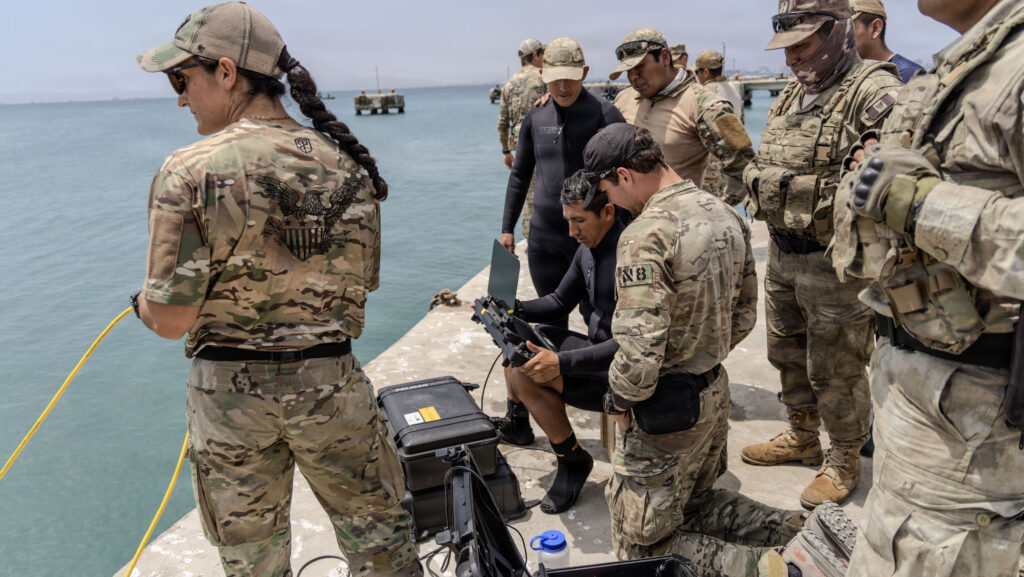
Maritime mines are a concern for the US and its allies in a number of regions, including the Strait of Hormuz and the South China Sea. In addition to being a threat to military vessels, mines can slow or halt commercial traffic through important trade and oil routes. Breaking Defense spoke with Bryan Clark, director of the Hudson Institute’s Center for Defense Concepts and Technology, on the threat of mines, how they can be neutralized and the role of remote mine hunting in keeping personnel out of harm’s way.
🌍 Global: Beyond A Legacy Of War: Integrating Mine Action Into Climate Security – Analysis
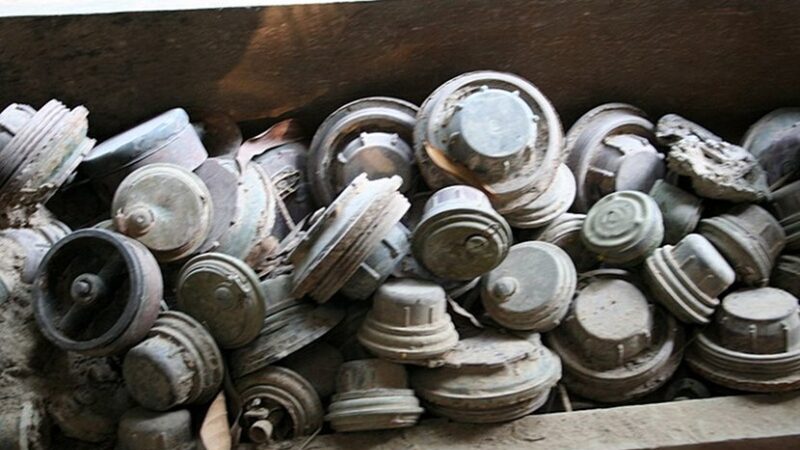
SIPRI researchers note that the 6,279 mine and ERW casualties recorded in 2024 were the highest since 2020, and that 100 million people live in contaminated areas. Floods, erosion and vegetation growth shift mines and shorten clearance windows, as seen after the Kakhovka Dam collapse and in floods in Tajikistan. They call for joint mine action and climate planning.
7. Mine Action Assistance, Funding and Cooperation
German support since 1993 has cleared more than 58 km² in Cambodia, removing 31,783 anti-personnel mines, 427 anti-tank mines and 73,349 ERW items. About 500,000 people have benefited. German Ambassador Silke Röfer met CMAA First Vice-President Ly Thuch and said she was interested in community-based risk education.
🇰🇬 🇹🇯 Kyrgyzstan: Specialists from Kyrgyzstan completed mine clearance training in Tajikistan

In Tajikistan, a three-week training course on the disposal of explosive devices has been completed, with the participation of 18 specialists from Kazakhstan, Kyrgyzstan, Tajikistan, Turkmenistan, and Uzbekistan. The training was conducted under the auspices of the OSCE Program Office in Dushanbe and in cooperation with the Ministry of Defense of Tajikistan.
🇱🇧 🇩🇪 Lebanon: Germany provides €5 million to strengthen long-term stability and recovery in Lebanon
New contribution doubles Germany’s support through UNDP programme, helping remove rubble and explosive ordnance, while sustaining the wellbeing of Lebanese Armed Forces personnel and families.
🇱🇰 🇺🇸 Sri Lanka: U.S. Support Essential to Completing Sri Lanka's Mine Action Programme
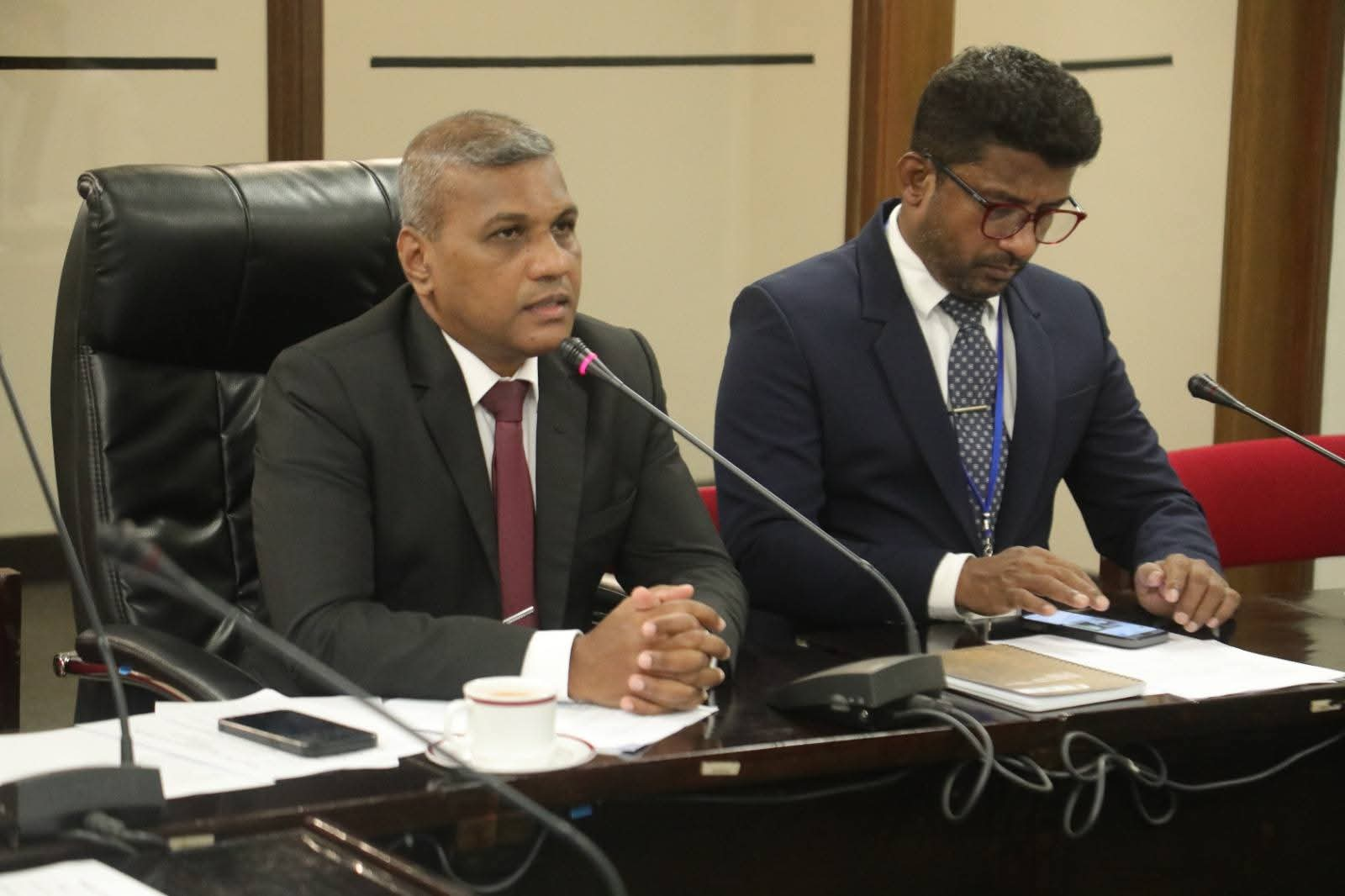
On 13 October, Minister Dr Susil Ranasinghe met a US delegation that included Congressional staff, HALO USA, HALO Sri Lanka and the Eleanor Crook Foundation. He said continued US financial and technical support is essential to completing the programme. The US has allocated USD 8.5 million for mine action in Sri Lanka in 2026, and about 20.51 km² still requires clearance.
🇸🇾 🇺🇳 Syria, UNMAS discuss coordination on demining

Qutaiba Kadish, director of the International Cooperation Department at the Ministry of Foreign Affairs and Expatriates, met Sunday with Kazumi Ogawa, director of the United Nations Mine Action Service (UNMAS), to discuss the agency’s work in Syria and ways to strengthen coordination.
🇺🇦 Ukraine: Quest Completed: $103,710 Raised by Stalkers Worldwide to Help Demine Chornobyl Exclusion Zone

The S.T.A.L.K.E.R. 2 × UNITED24 fundraiser has closed after raising $103,710 to clear mines and UXO from the Chornobyl Exclusion Zone. Game developer GSC Game World ran the campaign as a raffle of exclusive collectibles, including items made from the remains of an intercepted Russian helicopter. It is an unusual example of crowd-sourced funding for clearance.
The Demining Capability Coalition, led by Lithuania and Iceland with 23 members, delivered another batch of Ukrainian-made Inguar-3 MRAPs to the Support Forces' 1230th Engineering-Technical Regiment. The vehicles are rated to withstand an 8 kg mine blast. Members contributed about €150 million in 2024–2026, and the coalition plans to spend at least €165 million in 2026.
Interior Minister Ivan Vyhivskyi and Peter Wagner, director of the European Commission’s Service for Foreign Policy Instruments, discussed cooperation on mine action, emergency response to crises, border security and critical infrastructure protection.
8. Other News
After nearly 30 years at the forefront of the organisation, Hansjörg Eberle, the co-founder and Executive Director of FSD, will retire at the end of 2026. Matt Wilson, who is currently FSD’s Chief Operating Officer (COO), will succeed him on 1 January 2027.
🎥 Videos
Into the Fire follows an all-female team of Yazidi mine clearers in Iraq, working to rid the land of IEDs left behind by ISIS and to heal themselves in the process.
Ukrainian sailors are preparing for a mission that could take years to complete – clearing Russian sea mines from the Black Sea once the war ends.
📅 Upcoming Events, Courses & Trainings
There are a number of interesting events for the mine action sector in the coming months, and some of the deadlines are approaching quickly.
States Parties to the Anti-Personnel Mine Ban Convention will meet in Geneva from 30 November to 4 December 2026 for the Twenty-Third Meeting of the States Parties, reviewing implementation of the Siem Reap-Angkor Action Plan, Article 5 clearance obligations and compliance issues. Learn more here.
The Mine Action: Innovation, Sustainability, and Global Partnerships speaker series is structured to address landmine and explosive remnants of war (ERW) challenges through a strictly humanitarian, civilian-protection-oriented framework, with clearly defined ethical, legal, and operational boundaries between humanitarian and military applications of technology. Dates are: FEB 19 | MAR 19 | APR 16 | MAY 21 | JUN 18 | JUL 16 | AUG 20 | SEP 17 | OCT 15 | NOV 19 | DEC 17. Time: 12:00 PM - 1:00 PM ET. Location: Virtual (Zoom Webinar). Register here.
🔔 Always Stay in the Know – Never Miss an Update
This newsletter is subscribed to by over 3600+ dedicated readers on LinkedIn. To join this community of mine action professionals and supporters, go ahead and subscribe to the Mine Action Weekly newsletter. You can find all editions up to February 2026 on LinkedIn, and from March 2026 onwards here on Mine Action News.
Please reach out to me if there are any mine action news, journal articles, events, or updates that you would like to suggest for the next edition of Mine Action Weekly. You can find (and follow / connect with) me here. See you next Monday!