Mine Action Weekly, 19 - 25 October 2026

This week’s Mine Action Weekly examines the widening gap between mine action’s humanitarian mission and growing security pressures. From Finland’s plans to acquire one million anti-personnel mines to funding cuts threatening clearance worldwide, the edition highlights the stakes for civilians and deminers alike. It also explores technological innovation, land release, survivor support and international cooperation to build safer, more resilient communities.

Disclaimers:
This newsletter features news reports and articles from a variety of sources. Mention of these resources does not indicate agreement with or endorsement of the opinions of others. I do not claim responsibility or credit for these works, and do not vouch for the information contained in them.
This newsletter is created and managed in a personal capacity, independent of my professional affiliation with Fondation suisse de déminage (FSD).
🗞️ Weekly News Roundup
The weekly news roundup showcases a low-down of the top mine action news and insights from the past seven days.
1. EO Contamination, Clearance & Land Release
🇦🇿 Azerbaijan: ANAMA: More than 1,400 hectares of land cleared of mines last week
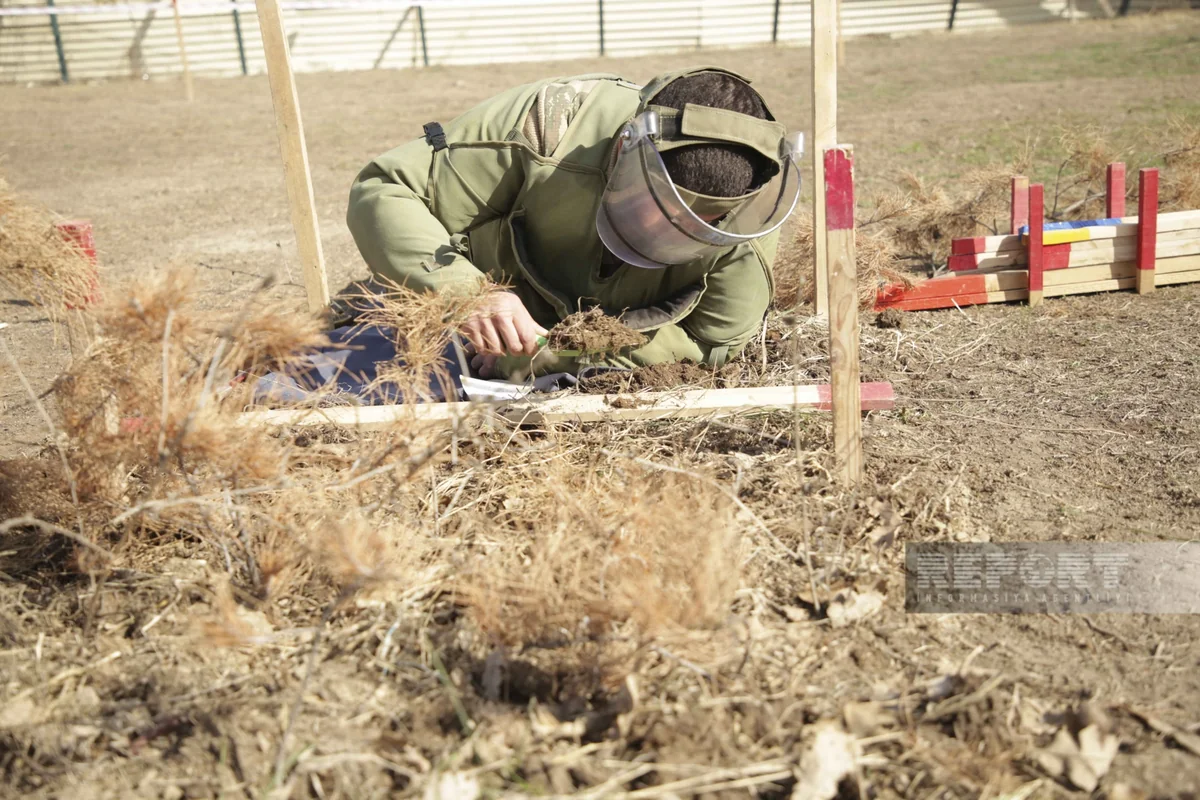
Between 12 and 18 October, 66 anti-tank mines, 188 anti-personnel mines and 631 items of UXO were detected and neutralised in Azerbaijan's liberated territories, and 1,420.9 hectares were cleared. The work was carried out by ANAMA, the Ministry of Defence, the Ministry of Emergency Situations, five local organisations and one NGO.
Landmine and explosive remnants of war casualties fell 6% in the first nine months of the year, official data showed. Figures from the Cambodian Mine Action and Victim Assistance Authority recorded 32 casualties between January and September, compared with 34 during the same period last year. Spokesman Lang Kosal said seven people were killed, 17 injured and eight suffered amputations. Victims comprised 22 men, six boys, two women and two girls.
🇫🇮 Finland plans to buy one million landmines for €100 million

Finland plans to buy one million anti-personnel mines for about €100 million, Colonel Riku Mikkonen of the Finnish Army Command told STT, with procurement contracts by the end of 2027 and domestic production by 2028. Finland's withdrawal from the Ottawa Convention, announced in April 2025, took effect in January 2026.
🇱🇦 Laos: Consequences of a War It Never Joined: How Laos Continues to Reel from the Vietnam War 50 Years Later

Laos was officially neutral. Yet between 1964 and 1973, the U.S. conducted roughly 580,000 bombing missions over the country, dropping more than two million tons of ordnance. Today, unexploded ordnance (UXO) remains scattered across Lao communities, restricting access to agricultural land and hindering economic development. These bombing campaigns resulted in Laos’ tragic distinction as the “most bombed country on Earth” per capita.
🇰🇵 🇰🇷 North Korea has planted nearly 1 million land mines in DMZ since 2024: military
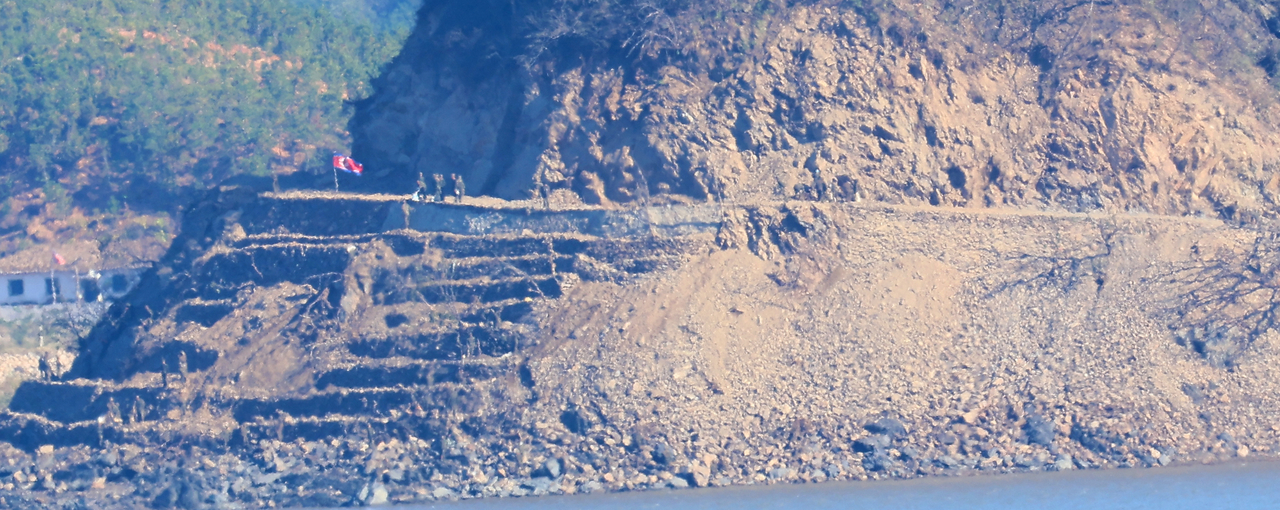
South Korean military data shared with parliamentary intelligence and defence committees estimate that North Korea has laid about 960,000 mines in the DMZ since 2024, after Pyongyang redefined inter-Korean ties as relations between "two hostile states". The estimate follows the 21 September blast in which a North Korean mine south of the Military Demarcation Line seriously injured a South Korean soldier.
🇸🇾 Syria: Coming home to Hamameyat

MAG describes contamination in Hamameyat, Hama governorate, including anti-personnel and anti-vehicle mines, UXO, cluster munition remnants and booby traps, with residents reporting deaths, injuries and livestock losses. MAG began operating there earlier in 2026, running surveys and risk education and identifying several hazardous areas requiring further action.
Syria’s Ministry of Emergency and Disaster Management has removed approximately 3.5 million cubic meters of rubble out of an estimated 40 million nationwide. It aims to remove more than eight million cubic meters by the end of 2027, the ministry’s media and communications department told Enab Baladi.
The farmer cleared mines from his land in Al-Qasimiyah to prepare it for cultivation, without protective measures or equipment. The incident raises concerns over the lack of safe clearance mechanisms for farmland contaminated by mines and war remnants.
🇸🇾 Syria: Humanity & Inclusion Launches Multi-Sector Humanitarian Initiative to Strengthen Resilience and Access to Essential Services in Syria
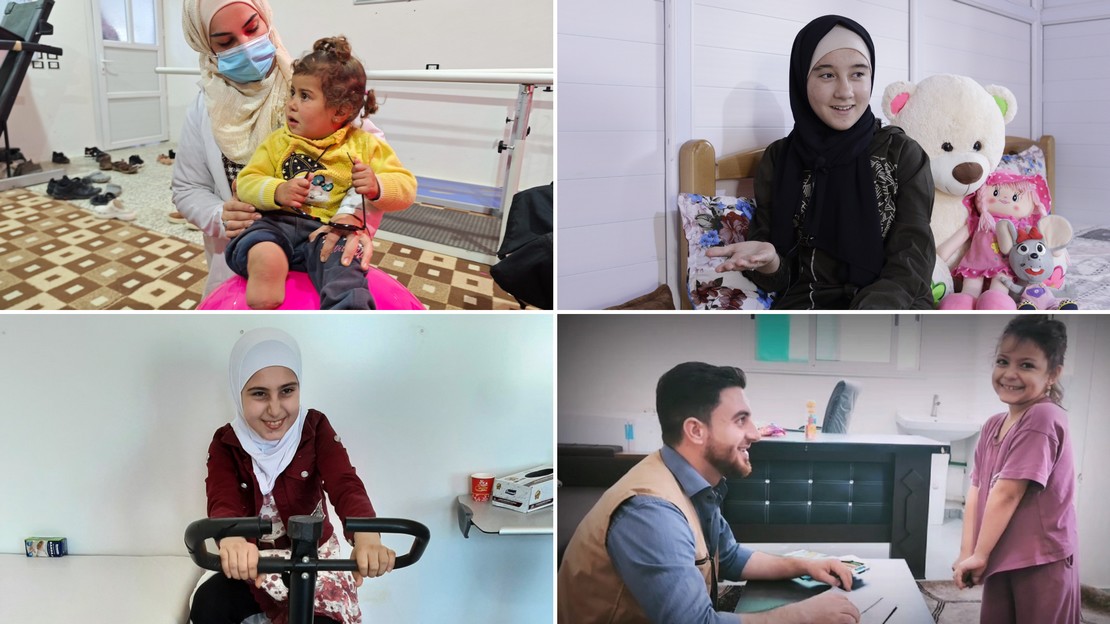
Humanity & Inclusion (HI), with the support of the European Union, has launched a new 24-month humanitarian action aimed at addressing critical gaps in disaster preparedness, health, education, and mine action across Syria.
🇺🇦 Ukraine update: Helping reclaim the land

Since February 2022, HALO has released nearly 6,000 acres in Ukraine, about 45% of it agricultural land: 2,437 acres for natural resource access, 2,242 for agriculture, 370 for homes and 116 for critical infrastructure. GlobalGiving also supported four Train the Trainer sessions for 75 teachers from five regions.
🇺🇦 Ukraine: Demining, assistance and free choice of evacuation direction: how the new agreements regarding Oleshky will be implemented

According to Ukrainian Ombudsman Dmytro Lubinets, a ceasefire begins at 03:00 Kyiv time on 27 October so that the road to occupied Oleshky can be demined, allowing food, water, medicines and hospital equipment to reach residents.
🇻🇳 Vietnam: Military engineers are silently 'reviving' these lands

Although the war is long over, the risk of insecurity due to bombs, mines, and unexploded ordnance remaining in Military Region 1 remains high. For the 575th Engineering Brigade, officers and soldiers silently and tirelessly search for and dispose of bombs and mines, ensuring safety in every area and protecting the peaceful lives of the people.
🇾🇪 Yemen: Project Masam clears 4,474 explosive threats in Yemen so far in October 2026
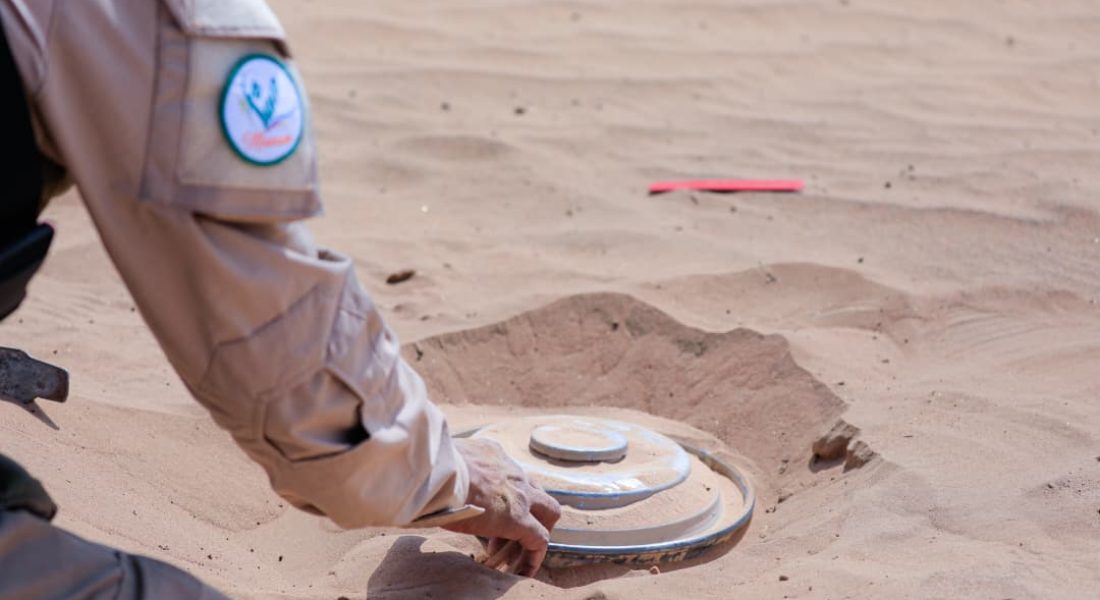
Between 17 and 23 October, Project Masam cleared 932 items (62 anti-tank mines, 854 UXO and 16 IEDs) across 188,946 m², bringing the October total to 4,474 items: 74 anti-personnel mines, 168 anti-tank mines, 4,210 UXO and 22 IEDs over 690,931 m². Mechanical clearance is suspended in Midi and northern Hajjah due to the security situation.
🇾🇪 Yemen: Project Masam clears 487 explosive threats from farmland in Yemen’s Midi region
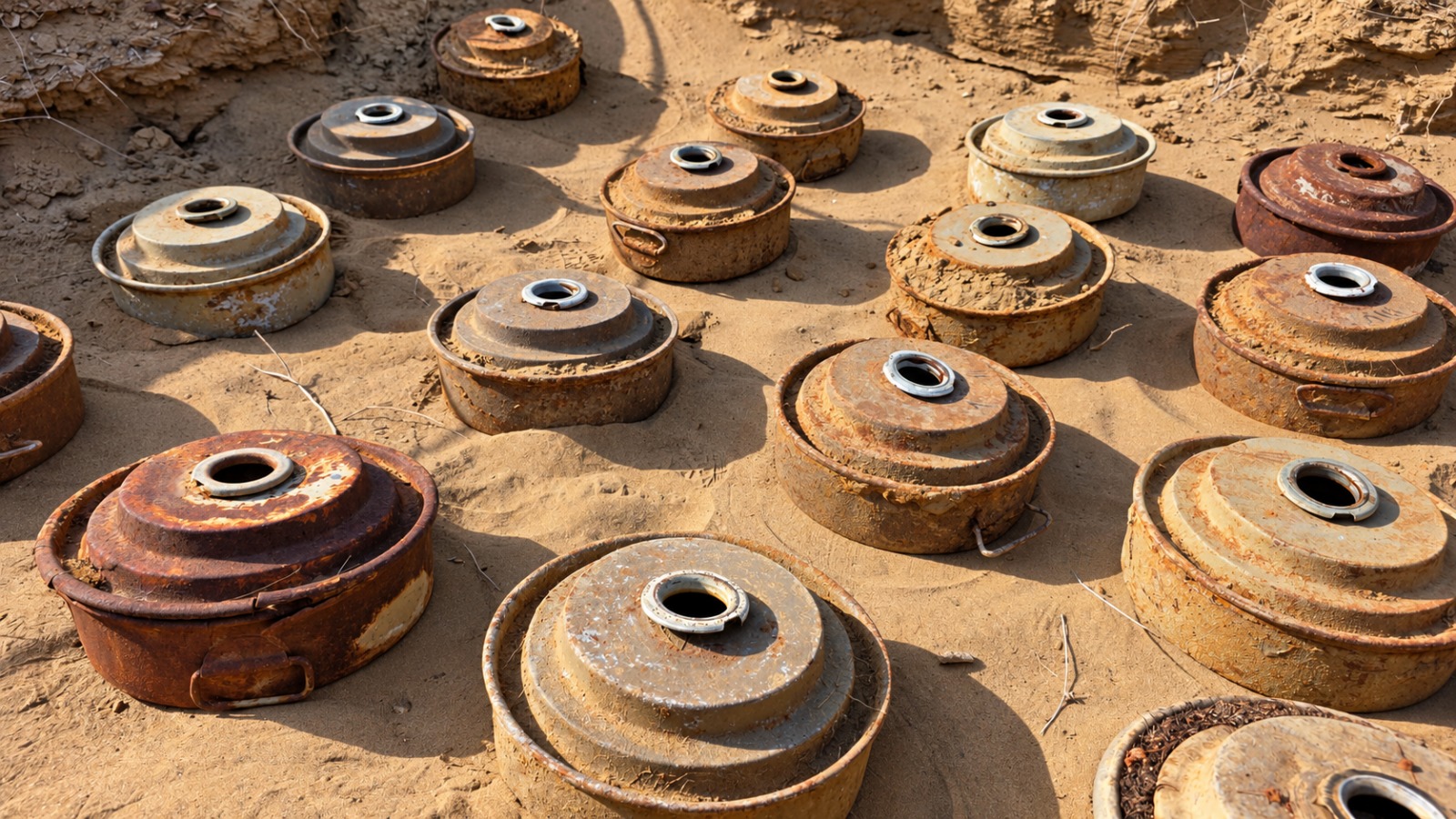
Project Masam teams have removed 487 landmines, improvised explosive devices (IEDs), unexploded ordnance (UXO) and other explosive threats from farmland and grazing areas around Al-Makhazin village in Midi District, northern Hajjah Governorate. The clearance is helping reduce risks to farmers, herders and people travelling through areas affected by extensive explosive contamination.
🇾🇪 Yemen: Halo Trust demining workers still trapped by Houthi siege in Taiz
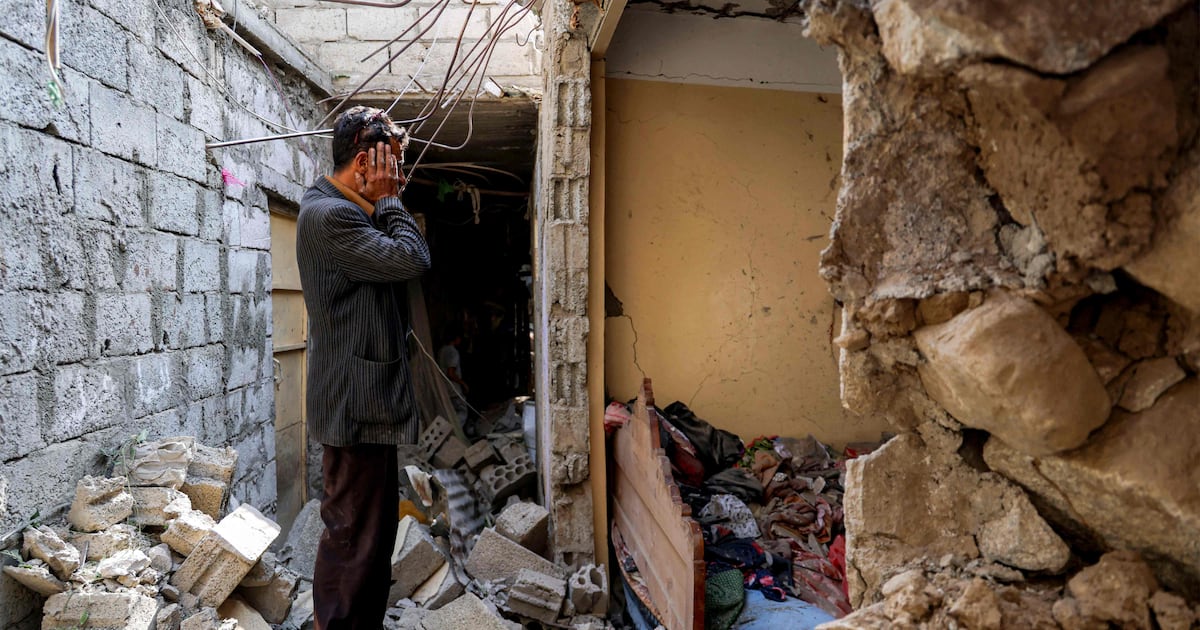
About 30 deminers from the Halo Trust remain among hundreds of thousands of civilians stuck in the besieged Yemeni city of Taiz, the organisation said on Wednesday. Houthi rebels have encircled the government-held city as the two sides fight for control. The blockade has effectively severed the last route through the mountains connecting the city to the interim capital of Aden, the trust said. Taiz region is heavily contaminated by mines, it added.
🇾🇪 Yemen escalation deepens humanitarian crisis as displacement, hunger and explosive contamination spread
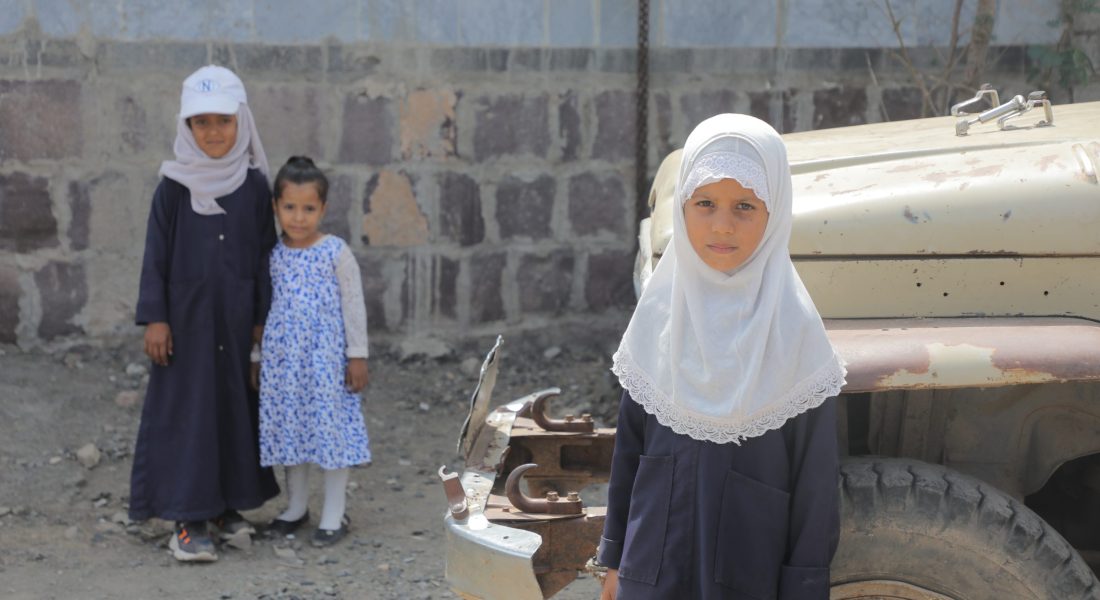
Renewed fighting in Yemen is placing civilians under mounting pressure, with displacement, hunger and reduced access to healthcare and water now compounded by the renewed threat of landmines and IEDs in areas affected by shifting frontlines.
Zimbabwe has cleared 97% of the contamination inherited at independence in 1980, leaving about 8.1 km². The completion target is now December 2030, after the December 2025 deadline was missed mainly because of funding gaps. The army's National Mine Clearance Unit is government-funded, while HALO, MAG and NPA operate with UK, US and Japanese backing.
Zimbabwe’s decades-old landmine contamination continues to threaten lives, livestock and livelihoods, as survivors face lasting physical, psychological and economic consequences. Through Project RECLAIM, Mines Advisory Group (MAG) has cleared more than 80,000 m² in Mudzi, destroying nearly 700 landmines, while The HALO Trust has cleared almost 93,000 m² in Rushinga, destroying over 1,800 mines. Funded by Japan and UNDP, the project aims to restore safe access to agricultural land and protect border communities.
🌊 🇺🇸 U.S. Central Command says Strait of Hormuz shipping routes remain clear of Iranian mines

The main shipping routes through the Strait of Hormuz remain clear of Iranian sea mines, U.S. Central Command commander Adm. Brad Cooper said during an October 25 visit. CENTCOM said its forces had supported more than 3,000 commercial vessel transits over the past six months and helped Gulf partners export more than 1.5 billion barrels of crude oil since summer.
🌊 🇮🇷 Supertanker exploded after hitting mine in Hormuz: IRGC Navy
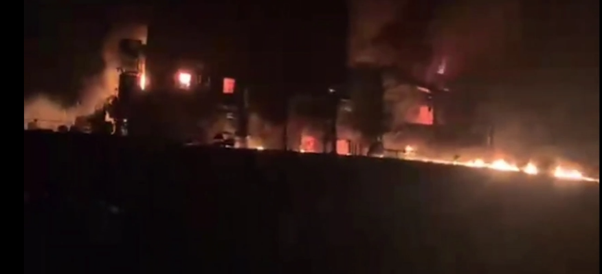
A “supertanker” carrying more than two million barrels of crude oil caught fire after reportedly hitting a naval mine while attempting to cross the Strait of Hormuz, Iran’s Islamic Revolutionary Guard Corps Navy (IRGCN) said on Saturday.
Other EO Finds from Around the Globe:
🇦🇿 Azerbaijan: Working Group on mine and unexploded ordnance clearance holds meeting in Jabrayil
🇮🇳 India: 50-year-old unexploded 1971 war shell defused in Balurghat
🇮🇶 Iraq: Decade-old unexploded missiles destroyed in Al-Anbar
🇰🇷 South Korea: Anti-personnel mine believed washed down from North Korea found
🇬🇧 United Kingdom: Bristol cordon as bomb squad investigate 'suspicious' item
🇾🇪 Yemen: Project Masam responds to UXO reports and new minefield in Yemen's Hajjah
2. Explosive Ordnance Risk Education (EORE)
🇦🇿 Azerbaijan: More than 690 people attend mine safety awareness events in liberated territories
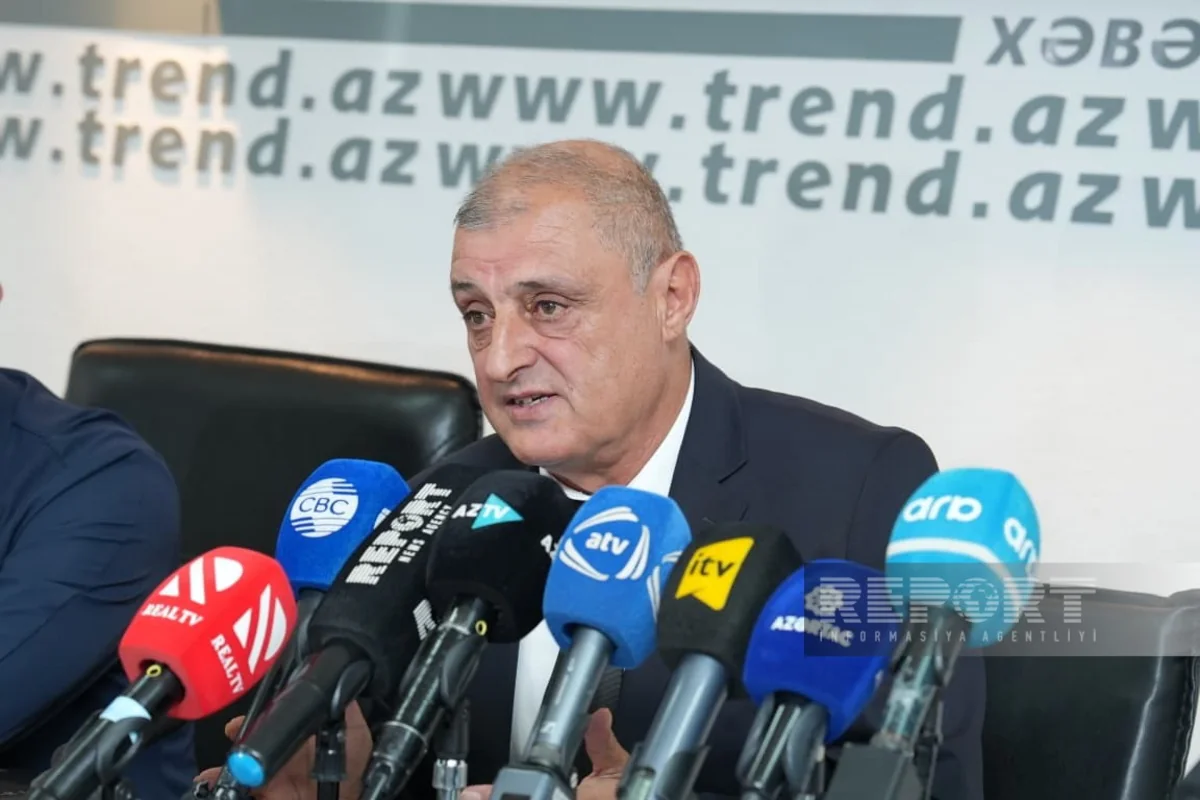
A total of 691 people attended mine safety sessions in Kalbajar, Shusha, Jabrayil, Khojavand and other areas under a grant from the Agency for State Support to NGOs and the Karabakh Revival Fund, in partnership with ANAMA. The Azerbaijan Campaign Against Mines says 73 people have been killed and 441 injured since the Second Karabakh War.
The Ministry of Social Welfare, Relief and Resettlement opened a three-day course on explosive ordnance dangers and disability, running 19–21 October at the Department of Rehabilitation. Forty ministry officers and representatives of 19 organisations and departments took part; Union Minister Dr Ko Ko Lwin gave the opening address.
🇵🇸 Palestine: Inside a Gaza refugee camp: Teaching families to stay safe from unexploded bombs
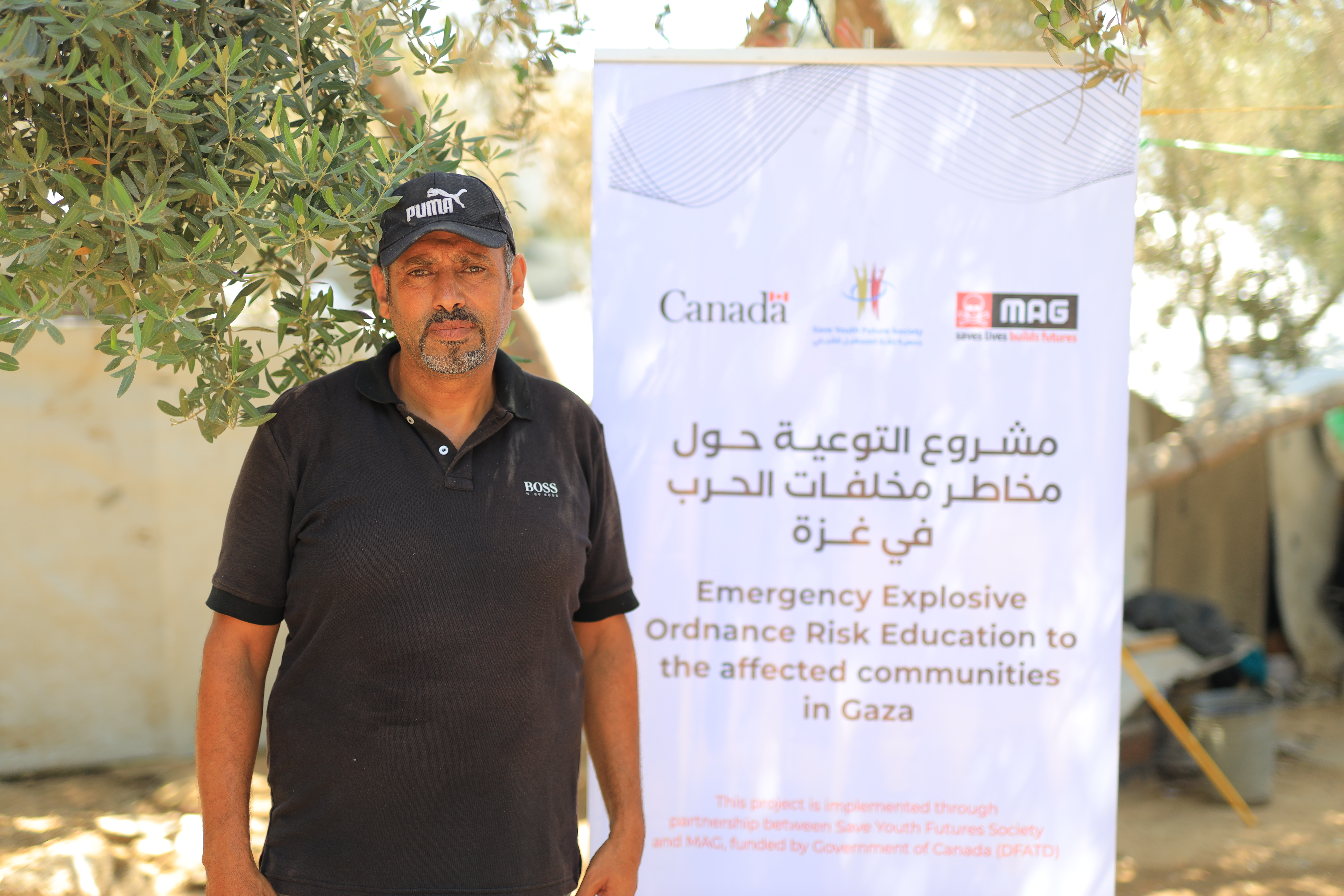
MAG and Save Youth Future Society deliver risk education and psychosocial support at the Love and Giving Camp in Al-Zawaida, home to around 160 mostly displaced families. Across Gaza, about 20 MAG teams with more than 60 staff have delivered nearly 40,000 sessions. Some adults assume UXO is harmless or try to sell it for scrap.
3. Accidents, Survivors, Victim Assistance
🇧🇦 Bosnia and Herzegovina: Five Mine Survivors in Bosnia and Herzegovina Become Certified Beekeeping Instructors
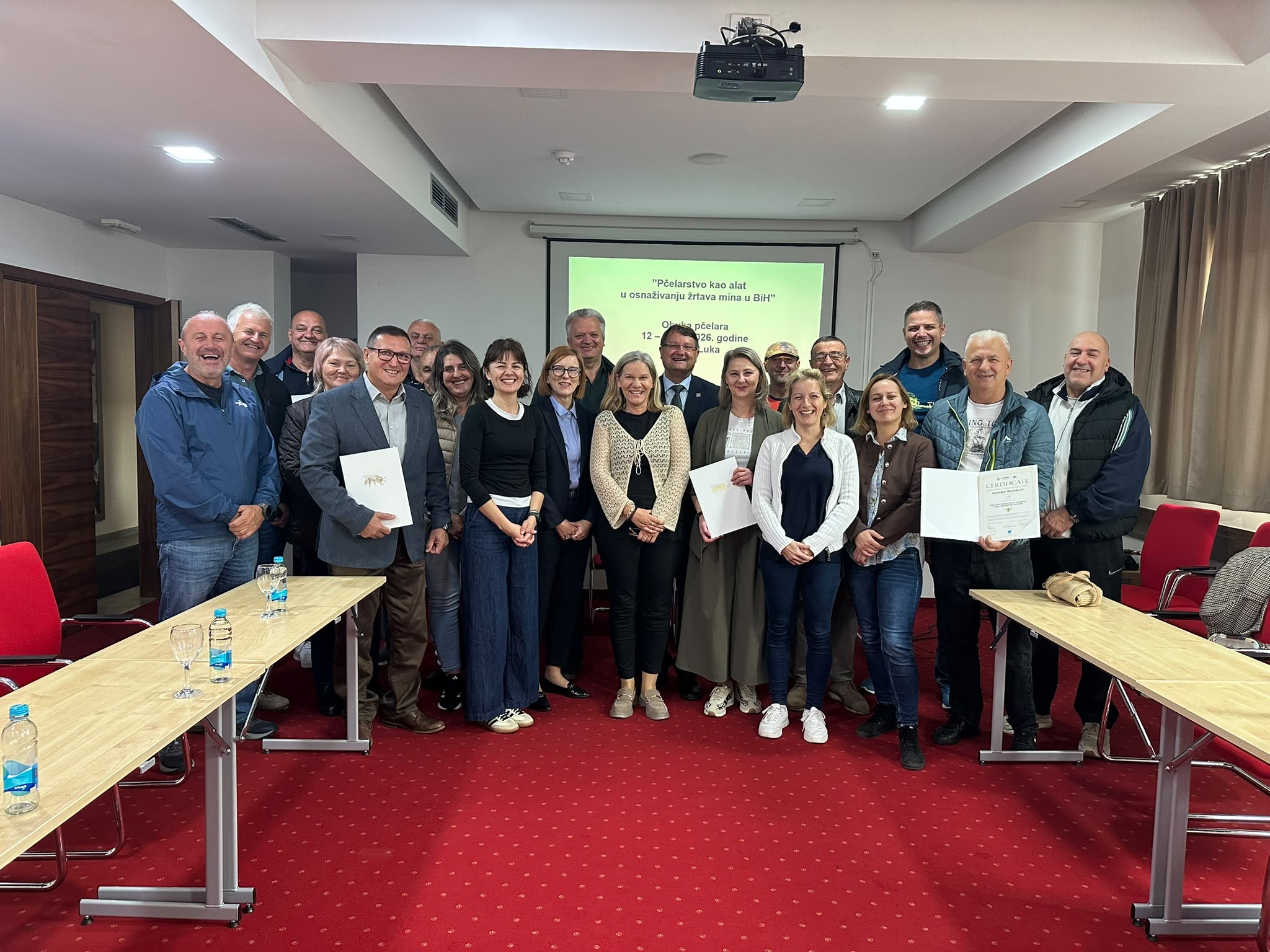
Five mine survivors completed a two-year Train the Trainers programme and were certified as beekeeping instructors at a ceremony in Banja Luka on 12–16 October. The six-year project is run by ITF with the UDAS Amputee Association, the Beekeeping Academy of Slovenia and the Agricultural Institute of Slovenia, funded by Slovenian Aid.
🇸🇾 Syria: Two Syrian army soldiers injured in landmine blast in northern Raqqa

Two Syrian Arab Army military engineering personnel were injured, one seriously, when a landmine left behind by the ousted regime exploded during clearance operations in Ain Issa town in northern Raqqa countryside, the Defense Ministry said.
Mines and unexploded ordnance continue to endanger children across Syria, including during everyday activities such as tending livestock or playing in abandoned buildings. The Syrian Observatory for Human Rights (SOHR) has documented four children killed and seven injured by war remnants since the beginning of October. The incidents occurred in rural Hama, Al-Raqqah, Rif Dimashq, Homs and Daraa.
🇻🇳 Vietnam: Bringing online public services to landmine victims and people with disabilities

On October 21st, in A Luoi 1 commune, the Vietnam Association for Mine Action Support, in collaboration with the United Nations Development Programme in Vietnam and the People's Committee of A Luoi 1 commune, held the opening ceremony of a training program under the project "Inclusive Digital Access to Public Services for Mine Victims, People with Disabilities, and Other Vulnerable Population Groups".
🇾🇪Yemen Landmines Kill 4,501 People, Including Hundreds of Children and Women

Figures attributed to Yemen's Ministry of Human Rights record 4,501 people killed and 5,083 injured by landmines between 2014 and 2025, a total of 9,584 casualties. They include 979 children killed and 1,213 injured, and 338 women killed and 381 injured.
🇾🇪 Yemen: Mohammed Saghir Zein’s story
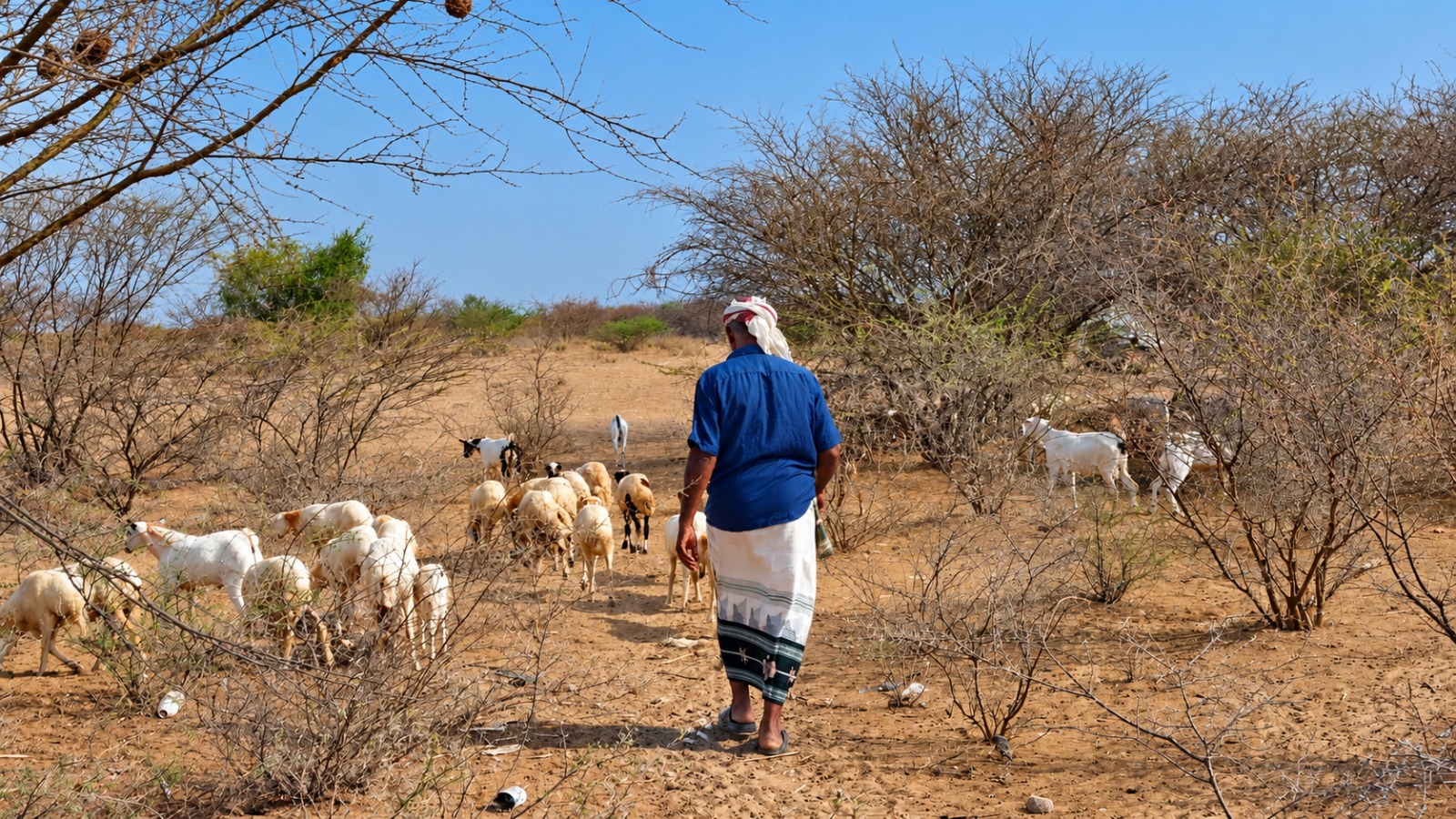
In northern Hajjah Governorate, 56-year-old Mohammed Saghir Zein returned to his village hoping to rebuild his livelihood through farming and livestock herding. Soon after, a landmine killed his daughter and traumatised her surviving sister; further explosions killed 18 sheep and six cows. Project Masam continues surveying and clearing contaminated farmland, grazing areas and community routes to support safer returns.
Other EO Accidents from Around the Globe:
🇮🇷 Iran: Three People Injured in Landmine Explosion in Sarpol-e Zahab
🇳🇬 Nigeria: 8 soldiers killed as patrol vehicle hits landmine in Borno
🇸🇾 Syria: Nine-year-old child killed over landmine explosion in Raqqa countryside
🇸🇾 Syria: Young man killed in cluster munition explosion in Quneitra countryside
🇸🇾 Syria: Woman killed in Al-Gharrah village in Jabal Abdalaziz area, south-western Al-Hasakh
4. Advocacy, Policy, Conventions, Strategies and Standards
Azerbaijan told the UN General Assembly that more than 13% of its territory remains contaminated by unexploded ordnance, threatening residents returning to formerly occupied areas. First Secretary Shahriyar Hajiyev reported 443 mine victims since 2020, highlighting the need for stronger national mine-action capacity, international support, and improved rehabilitation and social inclusion for survivors with disabilities.
🇪🇺 European Union: Landmines present to the European Union both a contradiction and a dilemma

Eliminating landmine contamination worldwide is one of the EU’s main soft power postures, and it basks in its record as the biggest funder of anti-landmine action in the world. But the fact that 5 of its 27 member states have now left the Ottawa Treaty dents the EU moral high ground. It is a contradiction that is too big and important to be ignored.
🇫🇮 Finland: Norwegian People's Aid condemns Finland's plans to acquire one million anti-personnel mines
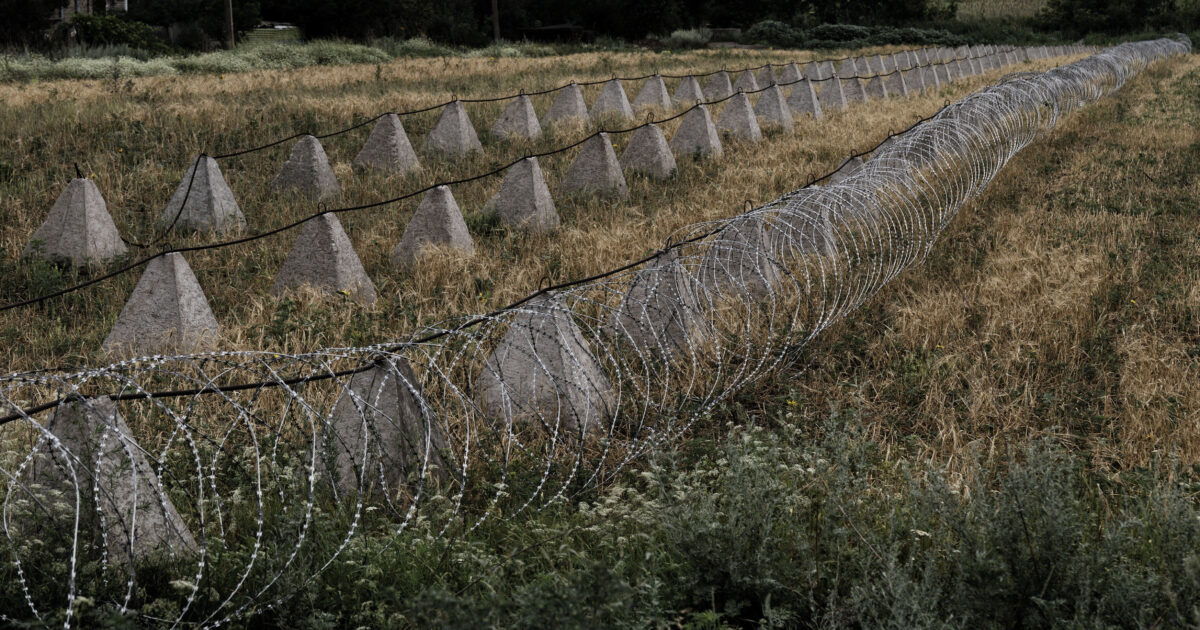
NPA argues that anti-personnel mines cannot distinguish between civilians and combatants, so the plan would raise the risk to Finland's own population rather than strengthen security. It calls the treaty withdrawal unwise, says the weapons have very limited military utility, and urges Finland to abandon the plan.
🇫🇮 🇵🇱 Finland's plan to acquire one million landmines threatens to reverse decades of humanitarian progress

Finland plans to spend approximately €100 million acquiring up to one million anti-personnel mines, with domestic production targeted by 2028, following its withdrawal from the Ottawa Convention in January 2026. Iain Overton of Action on Armed Violence warns that the move risks reversing decades of humanitarian progress. He notes that civilians accounted for over 90% of recorded mine and explosive-remnant casualties in 2024 and calls on Finland and Poland to abandon their plans.
🇮🇹 Italy: UN First Committee: Italy Reaffirms the Centrality of International Humanitarian Law and Conventional Disarmament
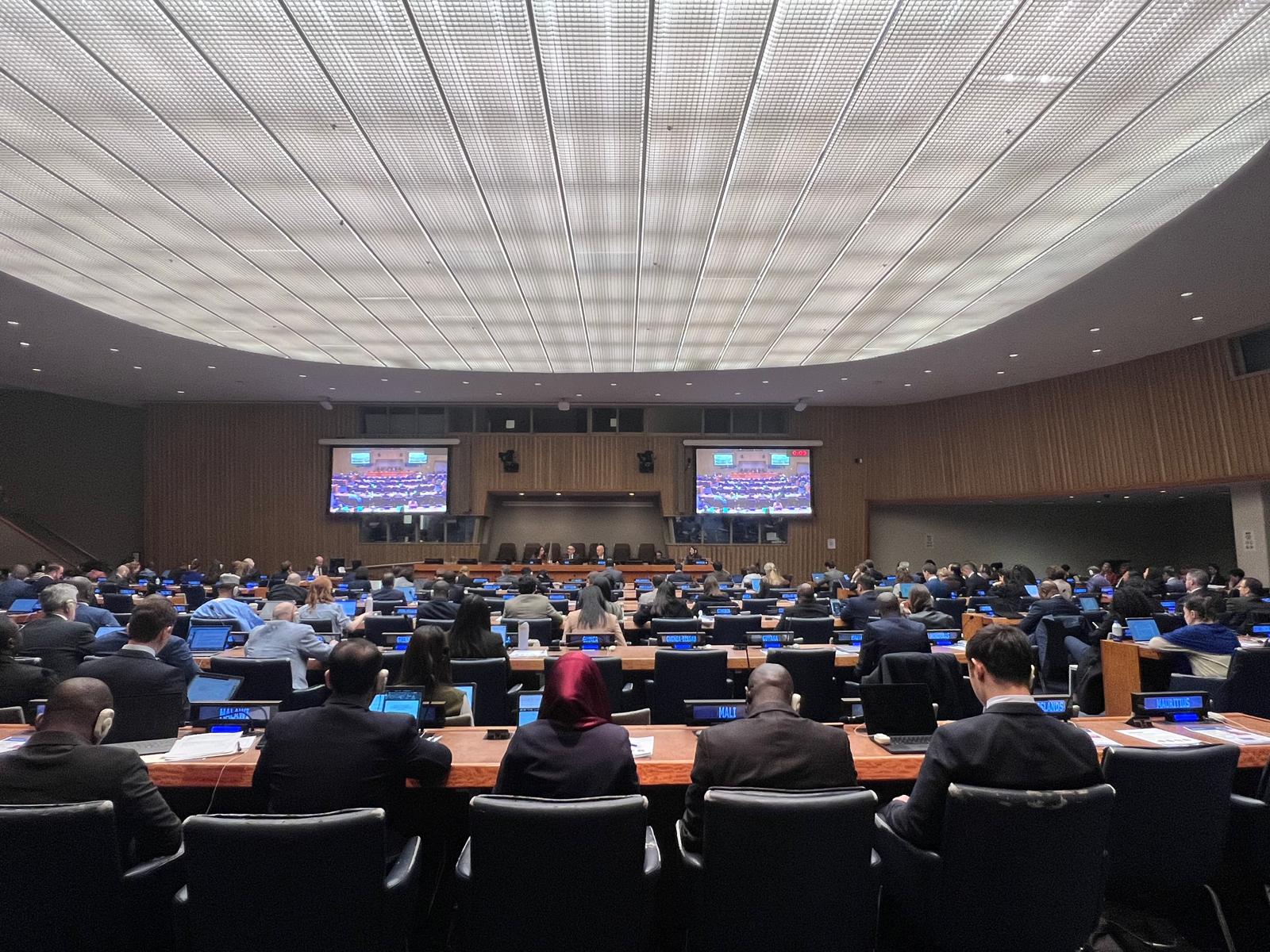
On 22 October, during the debate on Cluster IV of the First Committee of the UN General Assembly, the Permanent Representative to the Conference on Disarmament, Ambassador Marchegiani, reaffirmed the central importance of international humanitarian law and the protection of civilians, expressing concern over the renewed use of anti-personnel mines and cluster munitions.
Seoul will write to the UN Security Council president demanding an apology over the 21 September DMZ mine blasts that injured three South Korean soldiers, two seriously. The military concluded North Korean troops planted the mines south of the Military Demarcation Line, in violation of the Armistice Agreement; Pyongyang denies responsibility.
🇺🇦 Ukraine: MFA calls for tougher sanctions against Russia following cluster-munition ballistic missile strike

Ukraine's Foreign Ministry said a Russian ballistic missile carrying a cluster warhead struck Kyiv's historic centre on 22 October, near the Holy Presentation Monastery and the Kyiv-Pechersk Lavra, a UNESCO World Heritage Site, damaging monastery and residential buildings. The ministry called it a war crime and urged partners to tighten sanctions on Russia.
5. Stockpile Destruction, Demolition, WAM and Disarmament
Five explosions have hit weapons and ammunition storage sites across Syria since early September, killing 37 people and injuring around 27, according to the Syrian Observatory for Human Rights (SOHR). Others were reported missing, while human remains were also recovered. Despite the scale of the losses, major questions remain unanswered about the causes of the explosions, the findings of investigations, the weapons and ammunition destroyed and the financial cost.
6. Research, Innovation, Technology and Market Trends
🇦🇺 Australia's MRead Unveils Technology to Detect Landmines by Their Explosives

MRead's MineReader RDX, based on CSIRO research, uses magnetic resonance to detect the radio-frequency response of nitrogen nuclei in RDX rather than metal casings. Developers report detection of about 50 g at depths of up to 13 cm. It is designed for wet, mineralised soil and metallic clutter, with TNT detection planned.
🇬🇧 United Kingdom: Front-line support: how UK industry is helping tackle Ukraine's landmine challenges

Pearson Engineering describes supplying Ukraine's armed forces since 2022 with mine ploughs, route-proving rollers, MineWolf MW370 platforms and integration kits, largely through the UK MoD's Taskforce Kindred. Its partnership with Ukrainska Bavovna now includes a licensing agreement for repair, maintenance and training.
7. Mine Action Assistance, Funding and Cooperation
“Every mine-cleared area opens up opportunities for housing, farming, infrastructure development and community life. Azerbaijan’s designation of mine action as its 18th National Sustainable Development Goal is a testament to this,” said Dmytro Shlapachenko, UN Resident Coordinator in Azerbaijan. “Our cooperation must also extend to mine action and the broader needs of affected communities,” he added.
🇰🇭 🇭🇷 Cambodia, Croatia Foster Demining Cooperation

CMAA First Vice President Ly Thuch met Croatian Foreign Minister Gordan Grlić Radman in Phnom Penh on 19 October; the two sides plan training exchanges, demining site visits and stronger victim support. Croatia declared itself mine-free after 31 years and 107,000 mines destroyed; Cambodia aims to be mine-impact-free by 2035.
The Cambodian Mine Action Centre (CMAC) has expressed its appreciation to Germany and Vallon GmbH for their continued support for Cambodia’s mine action sector, as the company handed over demining equipment to strengthen efforts to clear landmines and explosive remnants of war (ERW) across the country.
🇭🇷 🇦🇿 Croatia ready to support Azerbaijan in mine clearance
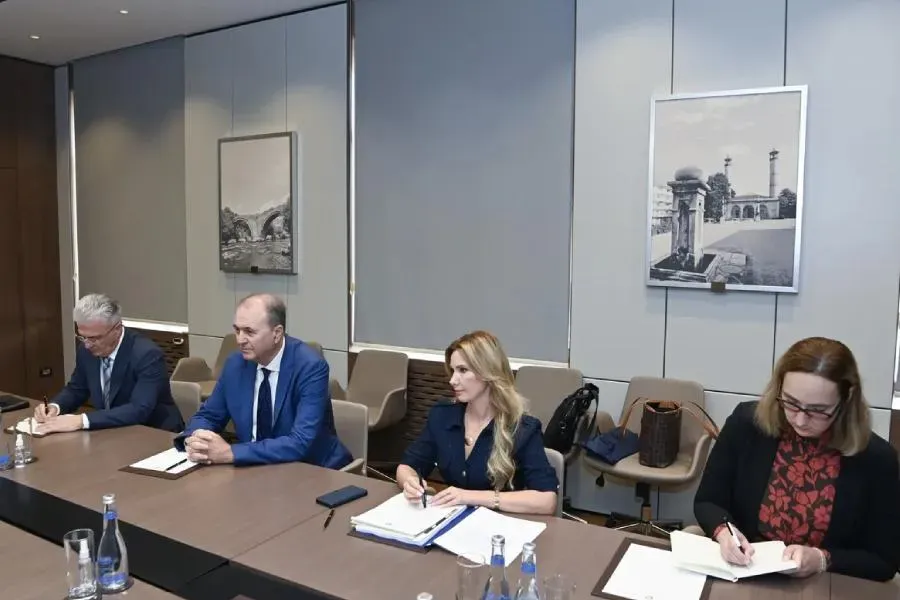
Croatia has completed its mine-clearance operations, and Zagreb is ready to support Azerbaijan in this field. The Croatian State Secretary for Political Affairs at the Ministry of Foreign and European Affairs Frano Matušić stated this during a meeting with Azerbaijani Foreign Minister Jeyhun Bayramov.
UN Deputy Special Representative Ebrima Ceesay visited CAR's National Mine Action Authority (ANLAM) and small-arms commission in Bangui on 21 October. UNMAS has provided ANLAM, created in September 2025, with infrastructure, vehicles and demining equipment, supporting validation of the 2026–2031 national strategy. ANLAM still needs staff, training and a presence beyond Bangui.
🇸🇾 🇺🇳 Syria: Syria, UN discuss expanding cooperation on mine clearance

Emergency and Disaster Management Minister Raed al-Saleh met UNMAS Director Kazumi Ogawa and UNMAS Syria programme head Joseph McCartan in Damascus on 22 October. Talks focused on national capacity, technical training, civilian protection, a national strategic mine action plan and the coordinating role of the National Mine Action Center.
Building on the ‘One Strategy, Three Allocations’ approach established through RA1, CERF UFE and SA11, this US$107 million Reserve Allocation (US Allocation Tranche II) will provide focused, life-saving and life-sustaining assistance in areas where humanitarian needs, persistent service and coverage gaps, return movements and operational feasibility converge. The allocation will prioritize mine action, debris removal, health, food security, agriculture and livelihoods, and WASH basic services and infrastructure.
🇺🇦 Ukraine: A Wine with a Mission: SHABO Winery and SPYRT Worldwide Launch Rosé's Rosé to Support Lifesaving Mine Detection Dogs

SHABO Winery will donate 10% of global sales of its 2025 Rosé's Rosé to the Marshall Legacy Institute's mine action work in Ukraine, including its mine detection dog programme.
🇺🇦 🇬🇪 Ukraine: Tbilisi Gala Brings Georgian and Ukrainian Communities Together to Support Demining

An 18 October gala near Tbilisi, centred on a charity auction by Ukrainian artist Sima Vassilieva, raised funds for the GRACE Foundation's humanitarian demining in Ukraine. The online auction has been extended to 18 November.
🇺🇸 🌍 United States: Trump’s Anti-DEI Agenda Threatens to Slash Land Mine Disposal Efforts Globally

Norwegian People’s Aid (NPA) will forgo NOK 400 million (approximately US$42 million) in US funding rather than accept new restrictions on diversity, equity and inclusion. The shortfall represents around 40% of its mine-action budget across 20 countries. NPA expects 1,700 job losses globally, has halted field operations in Laos, and anticipates major impacts in Cambodia, Vietnam and Palau, threatening explosive ordnance clearance and survey activities.
8. Other News
During Exercise Keris Woomera 2026 in East Java, Australian Army engineers trained alongside Indonesian Armed Forces explosive ordnance disposal specialists. Australian personnel shared techniques for urban searches, building clearance and identifying explosive threats, while Indonesian counterparts demonstrated their EOD vehicle, booby-trap handling methods and practical experience with live unexploded ordnance. The exchange strengthens technical capabilities and bilateral cooperation in explosive hazard response.
🇦🇺 Australia: Royal Australian Navy in transition from crewed to uncrewed mine clearance, says chief of navy
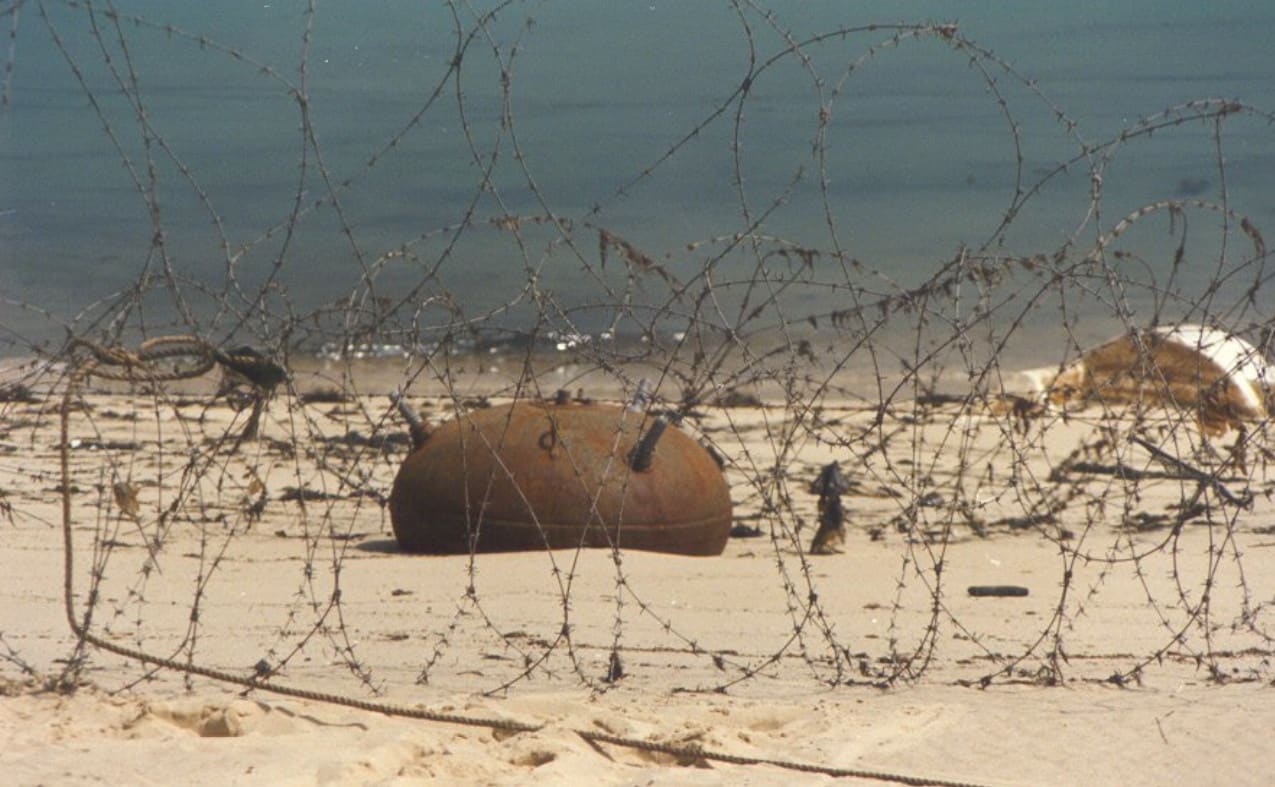
Chief of Navy VADM Matt Buckley said the RAN is mid-transition from crewed to uncrewed mine countermeasures. Four Huon-class minehunters have been retired, leaving HMAS Diamantina and HMAS Yarra in service; the government says mine hunting continues through a mix of crewed and uncrewed platforms.
🇳🇿 🇦🇺 New Zealand and Australian ammunition technicians share high-risk skills
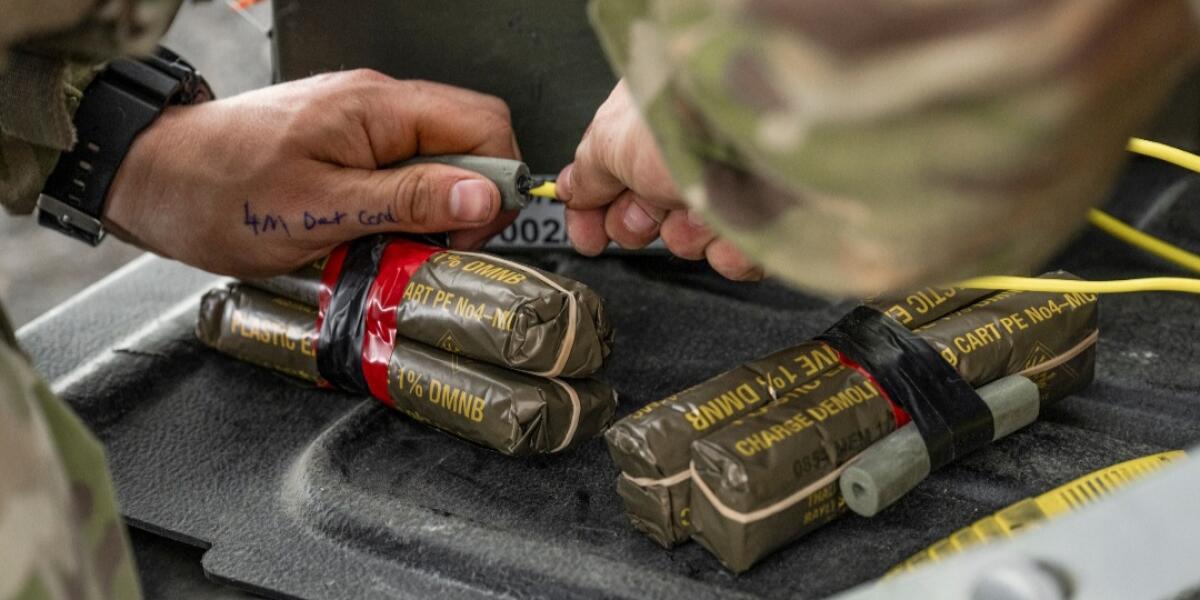
The technicians from the New Zealand Defence Force (NZDF) and Australian Defence Force (ADF) took part in Exercise Safe Step in Waiouru this month as part of the leadup to next year’s multi-national Exercise Talisman Sabre in Australia. The high-stakes work can involve lying flat on the stomach, meticulously searching with fingertips for buried unexploded artillery projectiles or aerially delivered cluster bombs.
🇰🇷 South Korea: Agencies Hesitate to Investigate President Lee's DMZ Landmine Case

It was confirmed on the 18th that the police had initially attempted to postpone the investigation of the complainants in a case where a civic group filed a complaint against President Lee Jae Myung on charges including general treason related to a landmine explosion in the Demilitarised Zone (DMZ), but proceeded as scheduled after receiving protests from the civic group.
🇰🇷 South Korea: Exclusive: DMZ Mine Clearance Troops Get 3,000 Won Daily, No Hazard Pay

The daily allowance for soldiers involved in clearing search routes in unidentified minefields within the Demilitarized Zone (DMZ) has been revealed to be approximately 3,000 Korean won (approx. USD 2.25). The DMZ is estimated to contain around 2 million mines scattered since the Korean War, with North Korea having buried hundreds more south of the Military Demarcation Line (MDL) since 2024. Calls are growing for appropriate compensation for troops deployed in high-risk operations.
🇺🇸 United States: Navy offers explosive ordnance disposal warfare officers up to $100,000 in bonuses
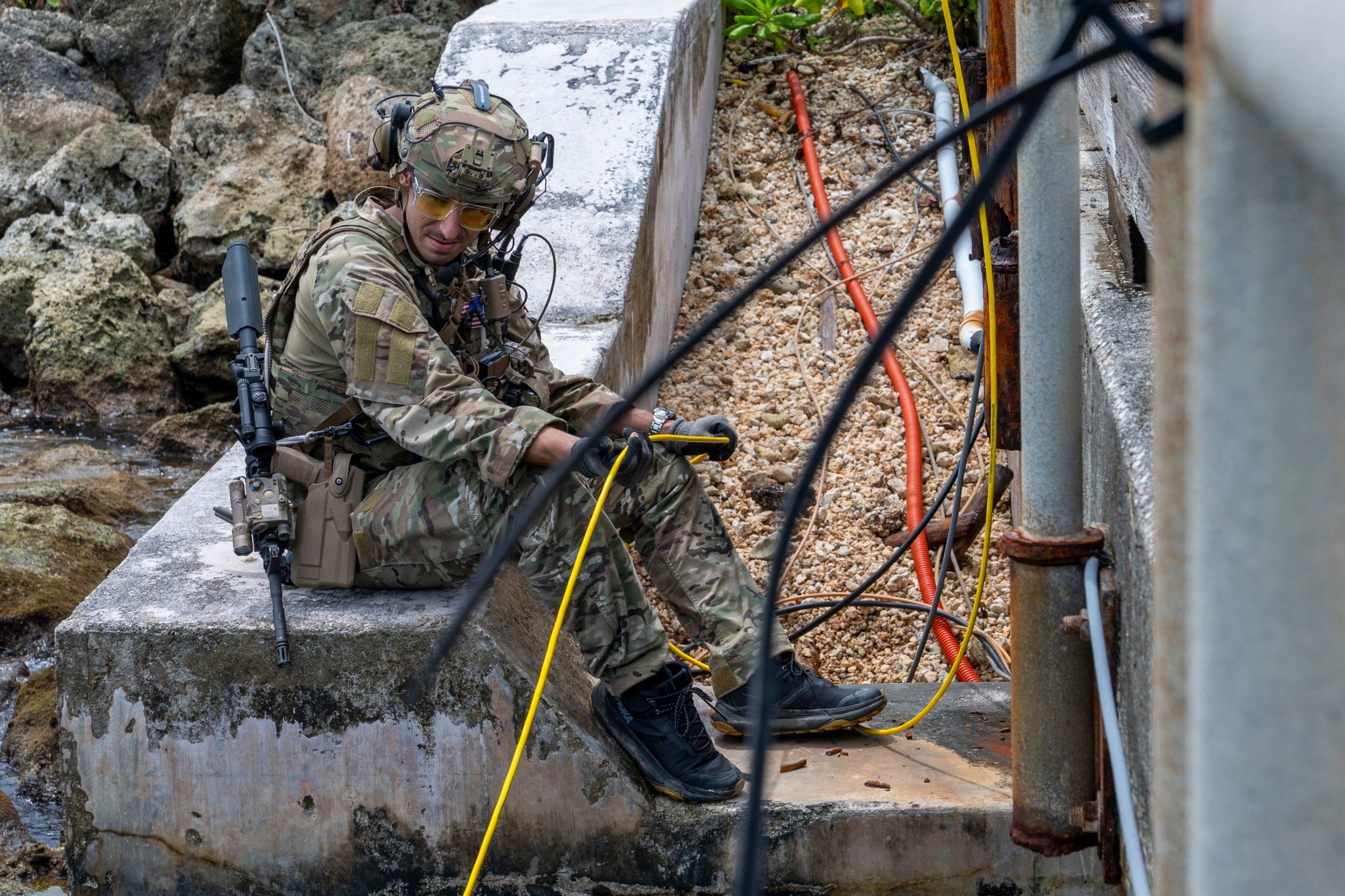
The U.S. Navy announced Tuesday that it is offering sizable financial incentives to service members who neutralise explosive devices in a bid to retain their services. Explosive ordnance disposal warfare lieutenants with six years of commissioned service and lieutenant commanders with 10 years of commissioned service are eligible for bonuses of up to $100,000.
This assessment examines how gender, diversity, equality, and inclusion (GDEI) are reflected in Viet Nam’s mine action response across governance, regulation, operations, employment practices, and community-facing activities. The objective is to identify strengths, gaps, and opportunities to further align mine action practice with national legislation and policy commitments on equality and non-discrimination, as well as with relevant international standards, while remaining realistic about institutional mandates and operational contexts.
🇻🇳 Vietnam: Flowers on the Lach Bang Waves (Part 2): The only female member of the suicide bomber team for bomb and mine clearance

At the Lạch Bạng estuary, the young women of Hải Bình, in the past, dedicated their youth to transporting ammunition to Hòn Mê Island, facing unexploded bombs, and preparing meals for the soldiers. Each woman had her own job and life story, contributing to the preservation of their village and sea during the war years. Today, with their hair graying, their stories transport us back to a time of courageous and loving youth. From these simple lives, the beauty of the women of the coastal village continues to radiate, like flowers on the waves of Lạch Bạng.
🎥 Videos
'Land and Memory: Living with UXO in Lao PDR' brings together the work of five Lao artists who explore the relationship between people, land, memory, and resilience in communities affected by unexploded ordnance (UXO).
The HALO Trust is already applying advanced tools to locate minefields with greater precision, improve detection rates and accelerate safe excavation. To accelerate the development, the HALO Trust launched the Technology Accelerator Fund.
MAG Ambassador Rosamund Pike recently travelled to Sri Lanka to see MAG's work clearing landmines. Just 21km² of contaminated land remains before Sri Lanka can become landmine-free.
📅 Upcoming Events, Courses & Trainings
There are a number of interesting events for the mine action sector in the coming months, and some of the deadlines are approaching quickly.
States Parties to the Anti-Personnel Mine Ban Convention will meet in Geneva from 30 November to 4 December 2026 for the Twenty-Third Meeting of the States Parties, reviewing implementation of the Siem Reap-Angkor Action Plan, Article 5 clearance obligations and compliance issues. Learn more here.
The Mine Action: Innovation, Sustainability, and Global Partnerships speaker series is structured to address landmine and explosive remnants of war (ERW) challenges through a strictly humanitarian, civilian-protection-oriented framework, with clearly defined ethical, legal, and operational boundaries between humanitarian and military applications of technology. Dates are: FEB 19 | MAR 19 | APR 16 | MAY 21 | JUN 18 | JUL 16 | AUG 20 | SEP 17 | OCT 15 | NOV 19 | DEC 17. Time: 12:00 PM - 1:00 PM ET. Location: Virtual (Zoom Webinar). Register here.
🔔 Always Stay in the Know – Never Miss an Update
This newsletter is subscribed to by over 3700+ dedicated readers on LinkedIn. To join this community of mine action professionals and supporters, go ahead and subscribe to the Mine Action Weekly newsletter. You can find all editions up to February 2026 on LinkedIn, and from March 2026 onwards here on Mine Action News.
Please reach out to me if there are any mine action news, journal articles, events, or updates that you would like to suggest for the next edition of Mine Action Weekly. You can find (and follow / connect with) me here. See you next Monday!


