Mine Action Weekly, 18 - 24 May 2026

From billion-dollar demining challenges in Ukraine to rising maritime mine tensions in the Strait of Hormuz, this week’s edition of the Mine Action Weekly newsletter explores how explosive ordnance continues shaping conflict, recovery, trade, and civilian life worldwide. We also examine new technologies, funding initiatives, survivor assistance gaps, and the evolving political and humanitarian dimensions of mine action across multiple regions.

Disclaimers:
This newsletter features news reports and articles from a variety of sources. Mention of these resources does not indicate agreement with or endorsement of the opinions of others. I do not claim responsibility or credit for these works, and do not vouch for the information contained in them.
This newsletter is created and managed in a personal capacity, independent of my professional affiliation with Fondation suisse de déminage (FSD).
🗞️ Weekly News Roundup
The weekly news roundup showcases a low-down of the top mine action news and insights from the past seven days.
1. EO Contamination, Clearance & Land Release
🇦🇿 Azerbaijan: ANAMA: 57 mines and 378 UXOs neutralised in liberated territories
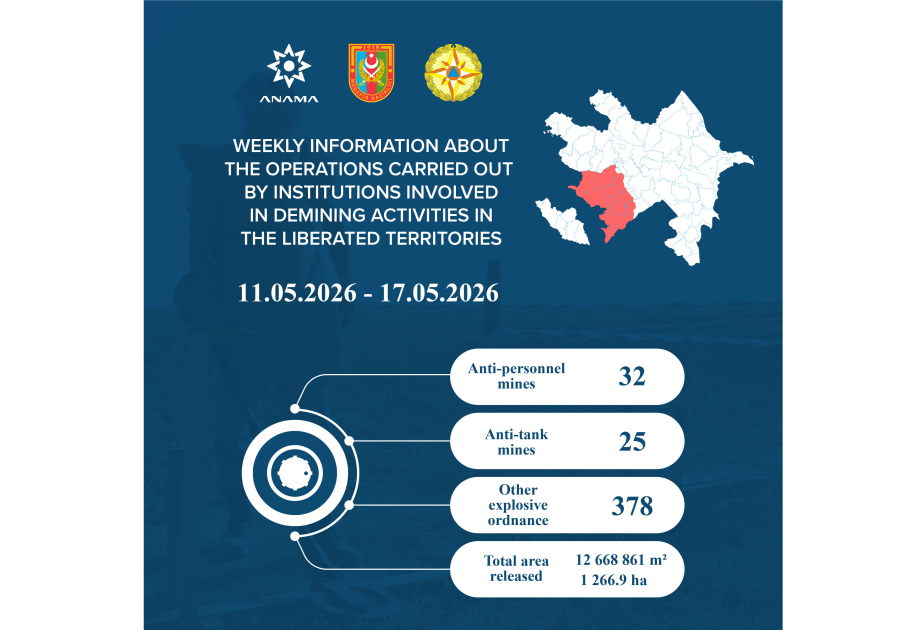
During mine-clearance operations carried out in the liberated territories from May 11 to 17, a total of 32 anti-personnel mines, 25 anti-tank mines, and 378 unexploded ordnances (UXOs) were detected and neutralised, according to a statement by the Azerbaijan Mine Action Agency (ANAMA). The agency noted that a total of 1,266.9 hectares of territory were cleared of mines and UXOs during the reporting period.
According to the Mine Action Agency of Azerbaijan, in 2025, a total of 69,205 hectares (171,000 acres) of land have been cleared, during which 52,393 pieces of unexploded ordnance, 4,963 anti-personnel mines, and 1,861 anti-tank mines were detected and removed.
🇦🇿 Azerbaijan: 17 Azerbaijani families returned to Khojavend
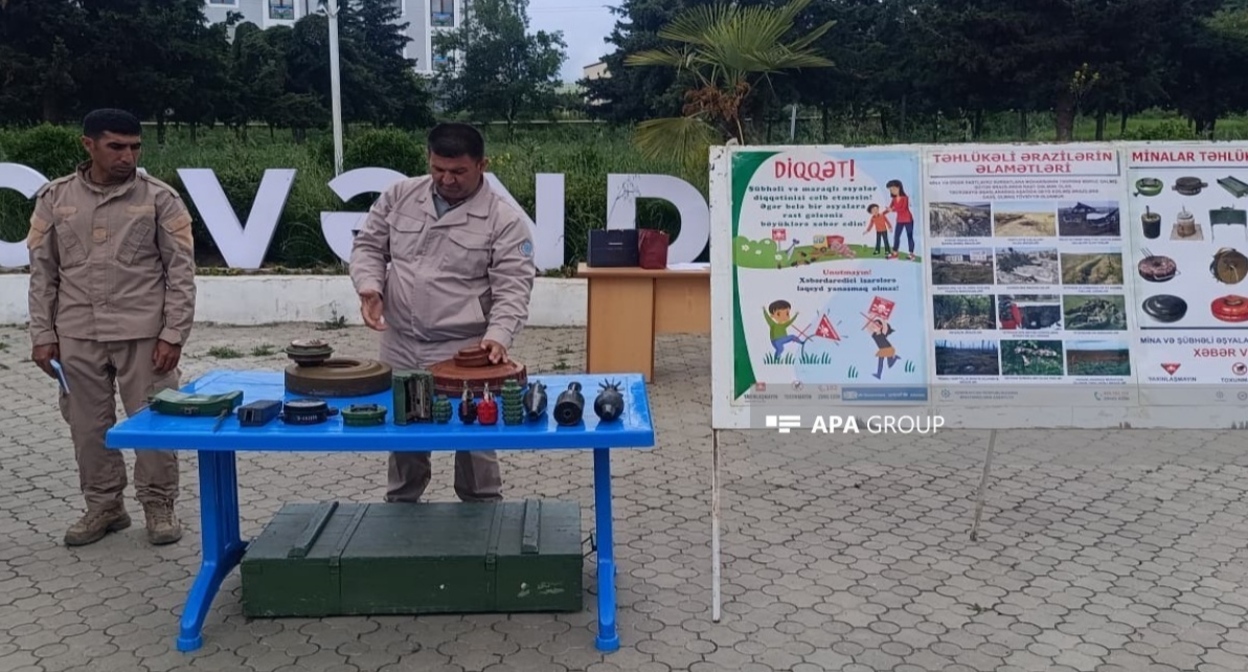
Villages of Karabakh and Eastern Zangezur, where residents are returning, has been completely cleared of mines, but dangerous zones remain outside populated areas, experts explained.
🇦🇿 🇺🇳 Azerbaijan: UN official: Demining will take a long time
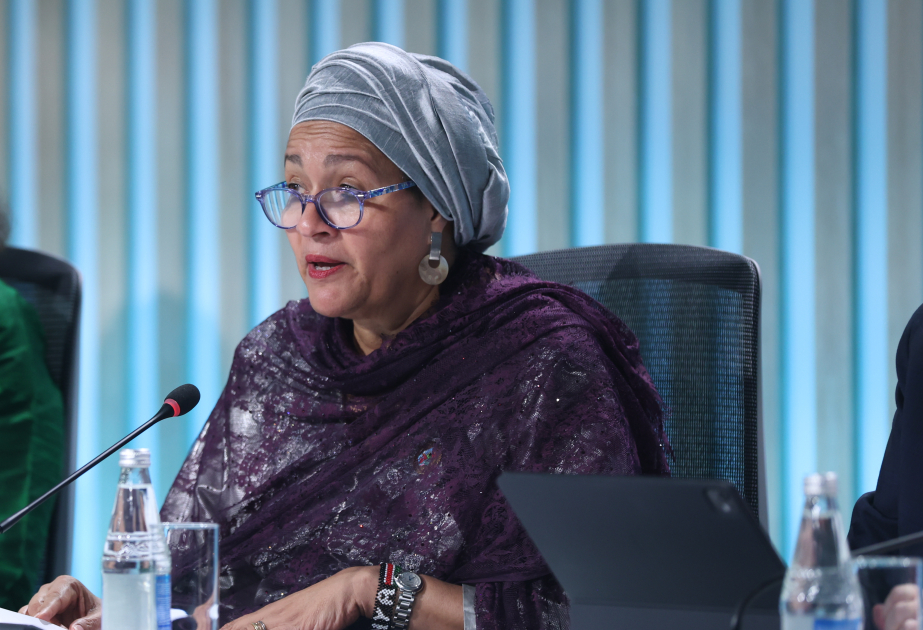
“As the United Nations, we are currently supporting the demining process in Azerbaijan,” said Amina Mohammed, Deputy Secretary-General of the United Nations, at the official closing press conference of the 13th Session of the World Urban Forum (WUF13). She noted that demining is an important process and will take a long time.
Mine contamination challenge is no longer defined solely by the remnants of past conflicts, as newly emerging explosive hazards and difficult-to-access border areas increasingly complicate the country’s path toward becoming mine-free.
UNDP Cambodia’s “Clearing for Results Phase V” programme supports humanitarian mine action and socio-economic recovery in mine-affected communities. Implemented with the Cambodian Mine Action and Victim Assistance Authority, the initiative focuses on land release, explosive ordnance risk education, victim assistance, gender inclusion, national capacity strengthening, and improving rural livelihoods through safe land access.
🌊 🇫🇷 France says no evidence yet of mines in Hormuz as Iranian Regime warns wider war risk
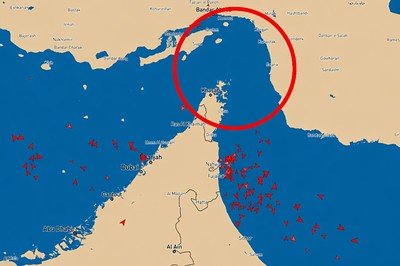
France has said it does not currently have confirmation that naval mines have been laid in the Strait of Hormuz, while warning that preparations are underway for possible mine clearing operations in the strategic waterway.
🇮🇳 India: Demining operations intensify in chhattisgarh following Naxal-free India declaration

Following the Central Government’s declaration of a “Naxal-free India” on January 31, 2026, security forces have accelerated demining operations throughout Chhattisgarh’s previously insurgency-affected regions. The efforts aim to restore normalcy and guarantee safe civilian movement.
🇱🇾 Libya: Land Release in a Divided Country: How Political Fragmentation is Undermining Mine Action Efforts in Libya

Ibrahim Alghadamsi examines how Libya’s political fragmentation is complicating humanitarian mine action and land release efforts. Competing authorities, fragmented security structures, inconsistent coordination, and limited institutional capacity continue hindering survey, clearance, accreditation, and prioritisation processes. The piece highlights operational challenges facing LibMAC, UNMAS, and humanitarian operators attempting to safely release land amid instability and ongoing explosive ordnance contamination.
🇳🇬 Nigeria: How unexploded bombs still threaten Nigerians 56 years after civil war
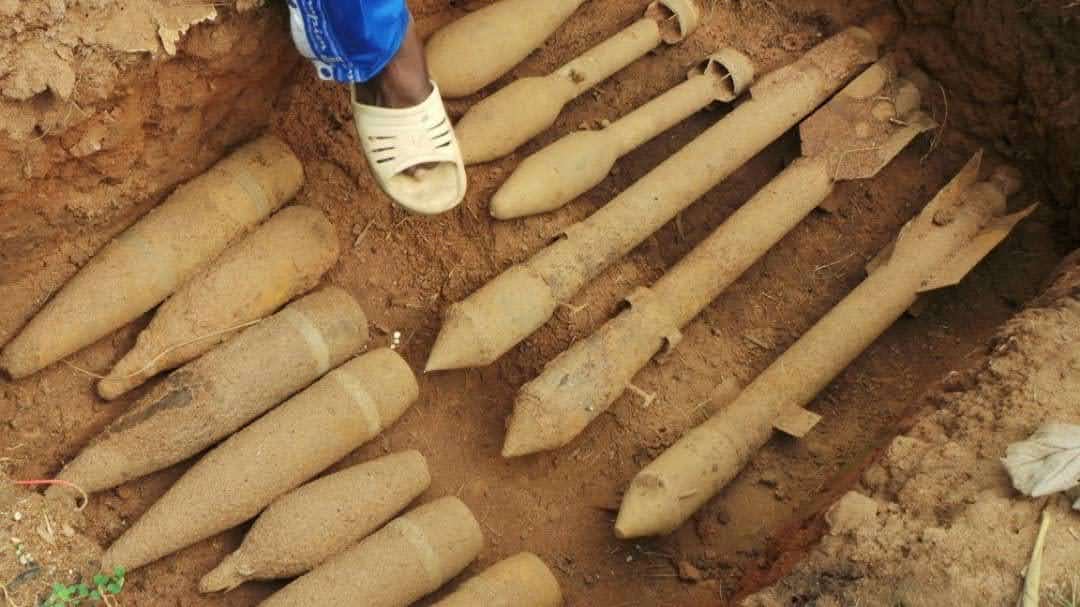
Fifty-six years after the Nigerian Civil War, more than 1,600 live bombs recovered from old battlefields remain in storage, posing a constant threat to communities in the southeast and beyond.
The article argues that Israel is using mine-removal operations — carried out through commercial contracts along its “borders” with Syria — as a preliminary step within a strategy to entrench regional control.
🇺🇦 🇺🇳 Ukrainian border guards destroy Russian positions, demine routes north of Kharkiv oblast
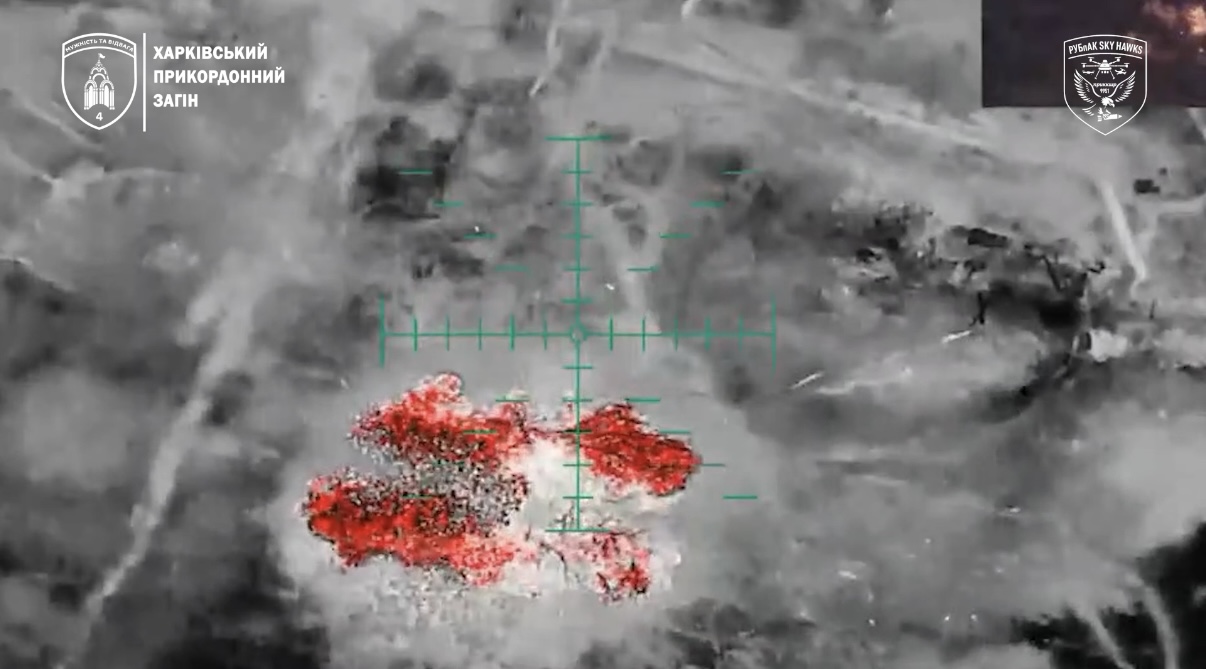
Drone operators of the Kharkiv Border Detachment destroyed shelters on Russian positions and remotely deminined the logistics routes used by Ukrainian military to make transportation safer.
🇺🇦 🇺🇳 Ukraine: UN is helping farmers regain safe access to agricultural land in Khersonska oblast

To help Ukrainian farming communities safely return to agricultural production, the Food and Agriculture Organization of the United Nations (FAO) and the United Nations Office for Project Services (UNOPS) have launched a new joint project, funded through the Ukraine Community Recovery Fund (UCRF). The project will support the analysis of contaminated agricultural land to identify where clearance is most urgently needed to enable the fastest and most effective recovery of agricultural production.
Ukrainian officials estimate that humanitarian demining across Ukraine may require more than USD 11 billion due to widespread contamination from mines and unexploded ordnance. Authorities highlighted the enormous scale of technical survey, clearance, and land release operations needed to restore agricultural production, civilian safety, infrastructure, and economic recovery in war-affected regions.
Deputy Economy Minister Ihor Bezkaravainyi stated that Ukraine requires approximately USD 11 billion for humanitarian demining due to widespread contamination from mines and unexploded ordnance. Ukrainian authorities estimate that around 139,000 square kilometres remain potentially hazardous, with clearance efforts prioritising farmland, infrastructure, settlements, and economic recovery in regions affected by Russia’s invasion.
🇺🇦 Ukraine: The most mined area on the planet

LIGA.net examines the immense scale of humanitarian demining in Ukraine, where contamination from mines and explosive remnants of war continues threatening civilians, agriculture, infrastructure, and economic recovery. Ukrainian authorities and humanitarian operators estimate clearance could cost more than USD 27 billion and extend into the next decade, while new technologies, international partnerships, and private-sector involvement increasingly shape national mine action efforts.
🇬🇧 🌊 United Kingdom: Britain's navy prepares to clear mines in the Strait of Hormuz while waiting for a peace deal

The Royal Navy is preparing for a potential mine-clearing deployment in the Strait of Hormuz amid ongoing regional tensions involving Iran. British forces aboard RFA Lyme Bay are reportedly on standby for maritime mine countermeasure operations, including the use of sonar drones and remotely operated systems, while awaiting a political agreement before deployment proceeds.
🇾🇪 Yemen: Saudi Masam project clears 2,285 explosive devices in Yemen
Members of Saudi Arabia’s Masam project removed 2,285 explosive devices from various regions of Yemen last week. These include 1,964 unexploded ordnances, 172 anti-tank mines, 145 anti-personnel mines, and four improvised explosive devices.
🌍 Taylor Swift, Earthquakes, and Land Mines?

McGill University’s Office for Science and Society highlighted APOPO’s use of trained HeroRATs for humanitarian mine action and urban search and rescue. The piece explains how the Belgian NGO trains African giant pouched rats to detect TNT and landmines efficiently, helping accelerate clearance operations in contaminated areas while reducing reliance on conventional metal detectors.
🌍 Escalation by Accident: The Strategic Risks of Stray Munitions

The commentary examines how stray missiles, drones, naval mines, and unexploded ordnance can trigger unintended escalation during armed conflicts. Drawing on recent incidents linked to maritime security and regional warfare, the discussion highlights risks posed by misidentification, accidental strikes, and explosive remnants of war, while emphasising the importance of clearance operations, communication channels, and escalation management mechanisms.
🌊 🇺🇸 U.S. intel assessment says military identified at least 10 mines in Strait of Hormuz
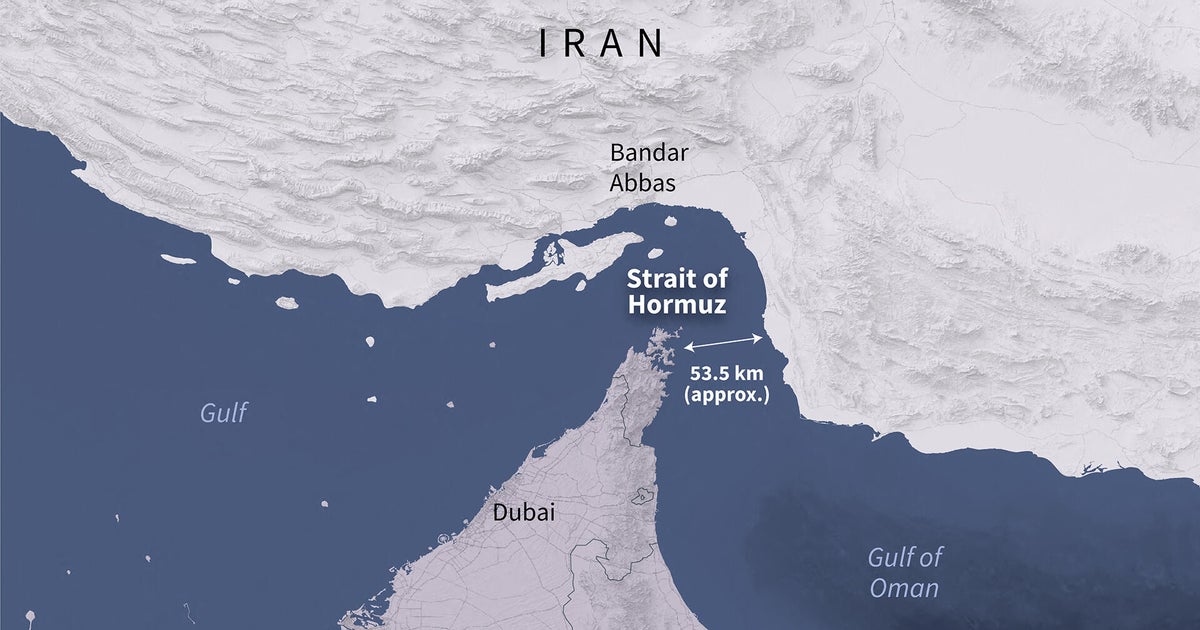
A recent American intelligence assessment showed that U.S. forces have identified at least 10 mines in the Strait of Hormuz, according to U.S. officials with knowledge of the matter.
🌊 Defence firms prepare uncrewed systems for Strait of Hormuz mine clearance

Defence companies and marine contractors are preparing to deploy uncrewed mine-clearing systems in and around the Strait of Hormuz, as efforts to reopen the vital shipping lane accelerate and draw attention to a new generation of naval drones.
🌍 Restoring access to sports and recreational spaces

FSD highlighted the importance of restoring safe access to sports and recreational spaces in communities affected by conflict and explosive ordnance contamination. The organisation emphasised that humanitarian demining supports not only physical safety and land release, but also psychological recovery, social cohesion, and the return of normal community life, particularly for children and young people in post-conflict environments.
Other EO Finds from Around the Globe:
🇩🇪 Germany: 59 unexploded World War II shells found in Berlin forest
🇮🇳 Indian Army neutralises World War II unexploded bombs in Assam
🇰🇼 Kuwait: Blast sounds expected as Kuwait military disposes of unexploded ordnance in the north
🇷🇴 Romania finds unexploded projectile in village near Ukraine border
🇺🇦 Ukraine: An unexploded missile warhead was neutralized in Kyiv following a Russian attack
🇬🇧 United Kingdom: Unexploded ordnance discovered in Whalsay
🇬🇧 United Kingdom: Suspected unexploded ordnance in Whalsay revealed to be part of a motor, says police
🇬🇧 United Kingdom: Bomb squad destroys hand grenade found in garden in Renfrew
🇺🇸 United States: Camp Lejeune warns public to stay off Browns Island due to unexploded ordnance
2. Explosive Ordnance Risk Education (EORE)
🇪🇭 Western Sahara: African Union delegation attends awareness training sessions by Sahrawi Women’s Mine Action Team
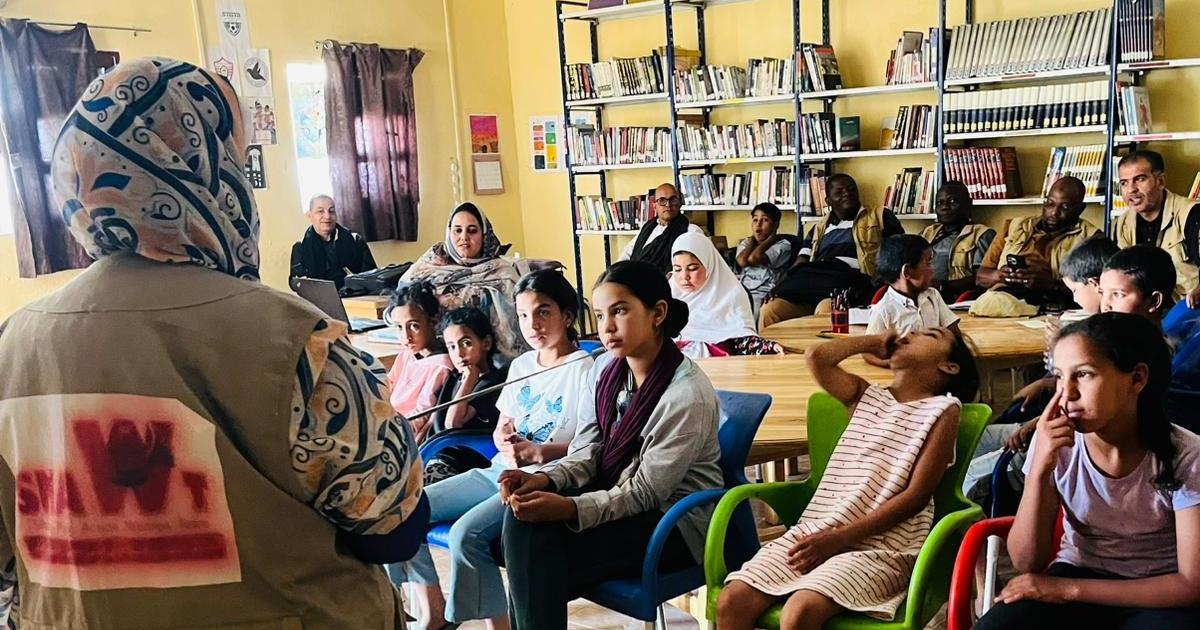
An African Union delegation of mine action experts, accompanied by a representative of the Sahrawi Office for the Coordination of Mine Action (SMACO), attended an awareness training session delivered by the Sahrawi Women’s Mine Action Support Team (SMAWT)
3. Accidents, Survivors, Victim Assistance
🇦🇿 Azerbaijan: Among landmine victims in Azerbaijan, 362 are children and young people, while 38 are women
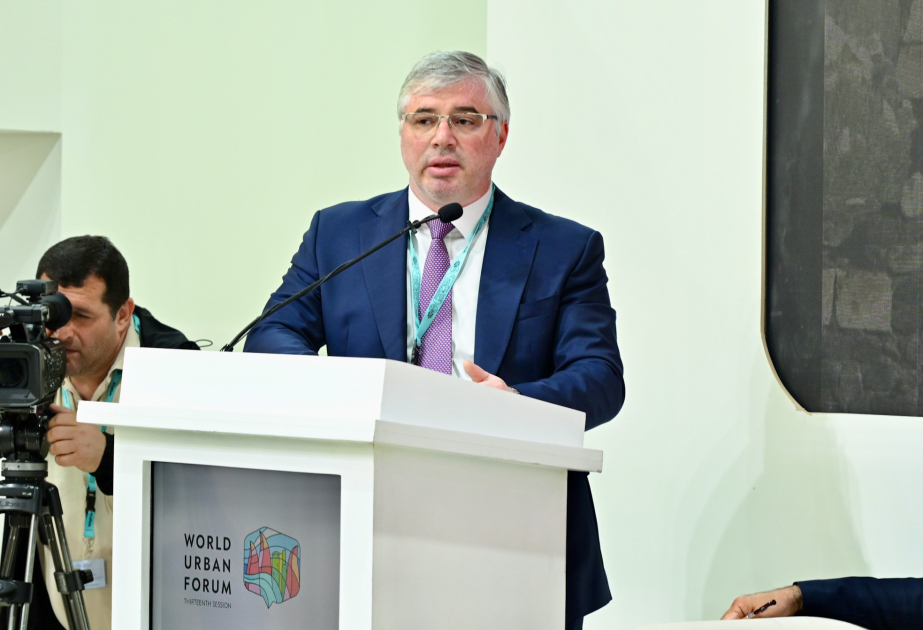
From 1991 to November 10, 2020, mines injured 2,418 people and killed 530, while cluster munitions caused 131 casualties, including those injured or killed. From November 10, 2020, to May 22, 2025, mines injured 352 people and killed 73. Overall, the number of mine victims exceeds 3,500, including 362 children and young people and 38 women.
🇸🇾 Syria: Longtime Suffering, “Sharp” Drop in Support, Quneitra Pays Twice for Landmines

Enab Baladi reports that mine victims in Syria’s Quneitra governorate face worsening hardship amid declining humanitarian support. Local associations and the Syrian Arab Red Crescent warned that landmine contamination continues causing casualties and long-term disabilities, while reduced funding, missing prosthetics services, and limited rehabilitation assistance leave affected civilians struggling to access care and livelihoods.
🇪🇭 Western Sahara: AU delegation of experts in Mine Action reviews the experience of the Sahrawi Association of Mine Victims
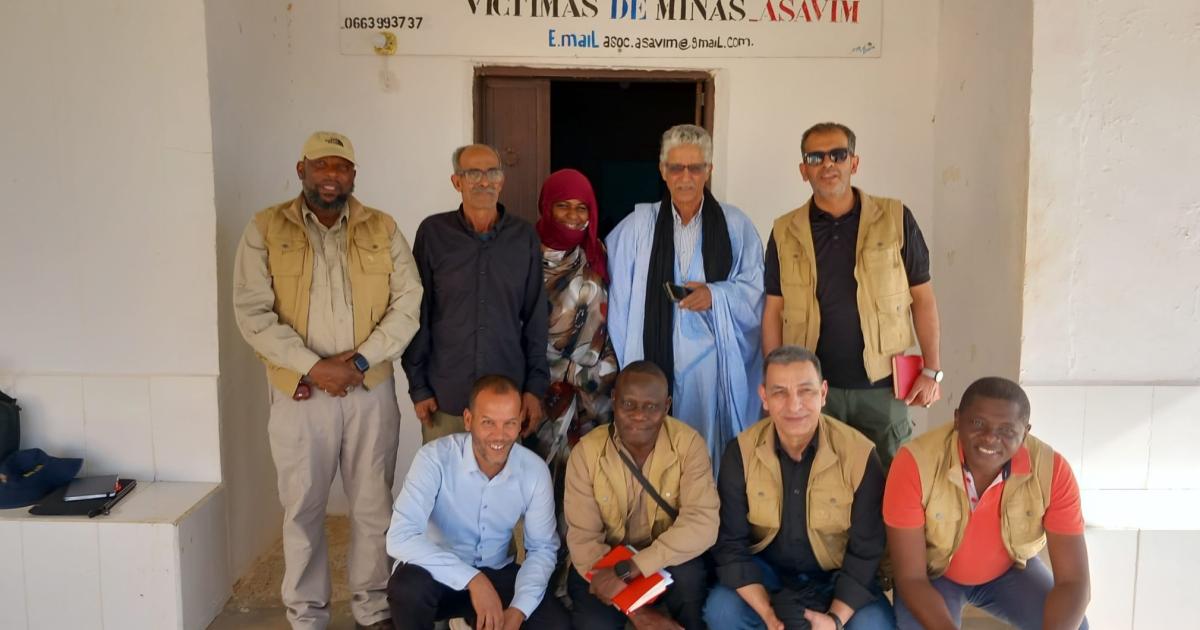
The Sahrawi Association of Victims of Landmines (ASAVIM) received yesterday evening at its headquarters a delegation from the African Union composed of experts specialised in landmines and explosive remnants of war (ERW), as part of a visit aimed at assessing the situation of victims and the efforts undertaken in this field.
Other EO Accidents from Around the Globe:
🇲🇲 Myanmar: Local Man Loses Leg After Stepping on Landmine in Myebon
🇸🇾 Syria: A grieving father buries his 6-year-old after a land mine kills 3 children in Syria's Idlib
🇸🇾 Syria: Man, killed, his wife seriously injured by landmine explosion in rural Hama
🇸🇾 Syria: Old ordnance | Child killed and three others injured in Daraa countryside
🇸🇾 Syria: Old ordnance | Young man loses his leg in Aleppo countryside
🇸🇾 Syria: Member of Border Security Forces in landmine explosion
🇸🇾 Syria: Old ordnance | Child killed and four others injured in Idlib countryside
🇸🇾 Syria: Old ordnance | Young man killed and his wife loses her feet in Hama countryside
🇸🇾 Syria: Two children injured in explosion of cluster grenade in Daraa
🇸🇾 Syria: Old ordnance | Three children from the same family were seriously injured in Homs
🇸🇾 Syria: Member killed and another injured in explosion of landmine in Al-Suwaidaa desert
🇸🇾 Syria: Landmine explosion inside water well claims lives of four children in Idlib countryside
🇸🇾 Syria: Landmine blast injures woman and three children in Homs
🇺🇦 Ukraine: In Kherson, two police bomb technicians were injured during demining
4. Advocacy, Policy, Conventions, Strategies and Standards
🇱🇧 Lebanon Joins Global Anti-Landmine Treaty
Lebanon decision marks a significant milestone in reinforcing the global norm against a weapon rejected for decades by the international community.
🇲🇱 Mali: Cluster Munition Coalition Statement on Alleged Use of Cluster Munitions in Mali

The Cluster Munition Coalition (CMC) is deeply concerned by reports alleging the use of cluster munitions by Malian or Russian forces operating in northern Mali. Unverified reports circulating in recent days allege that cluster munitions were dropped at least twice in Tomboctou and Kidal regions of Mali.
🌍 Development vs Defence is the wrong debate

James Denselow of The HALO Trust argues that defence, diplomacy, and development should be viewed as interconnected rather than competing priorities. Writing after the Global Partnerships Conference in London, he highlights how landmines and unexploded ordnance continue obstructing recovery in countries including Ukraine and Syria, stressing that mine action is fundamental to post-conflict stability, humanitarian recovery, agricultural restoration, and civilian protection.
Despite the promise of artificial intelligence and machine learning for humanitarian mine action, there are few papers that outline concrete, operationally grounded opportunities for its use. Drawing on interviews with staff from The HALO Trust, this paper presents a series of practical scenarios where AI can support mine action activities across location, detection, excavation, and information management.
🌍 New Approaches, Old Networks: A Reflection on Capability and Mine Action

The reflection examines how humanitarian mine action organisations are adapting to rapidly evolving conflict environments through new technologies, partnerships, and operational models while still relying heavily on longstanding professional networks and institutional relationships. The discussion highlights capability development, localisation, innovation, and coordination challenges shaping contemporary mine action responses in complex humanitarian and post-conflict settings.
🌍 Advancing Humanitarian Disarmament in Challenging Times: A
Campaigners Guide
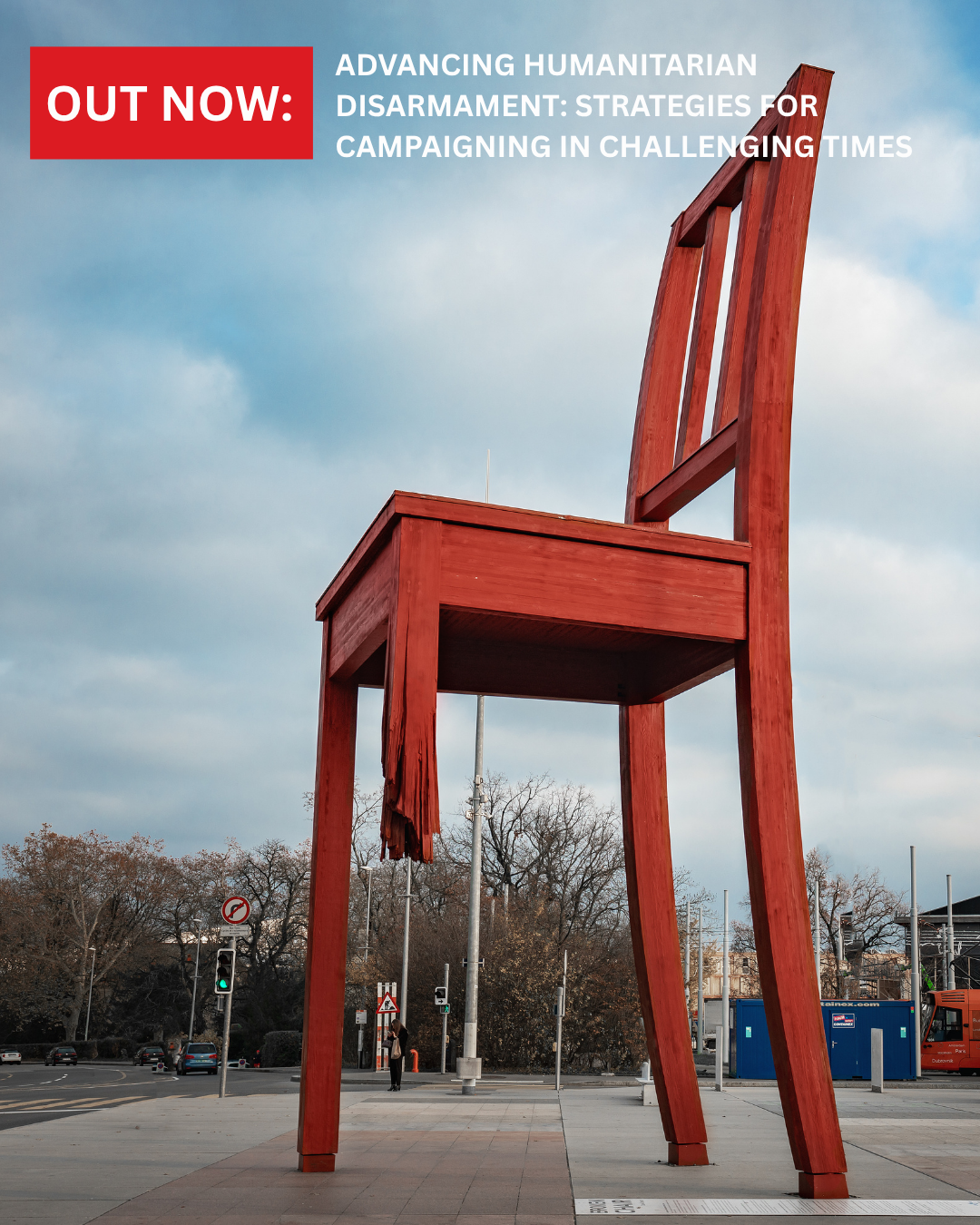
In the face of rising armed conflicts, shifting geopolitical landscape, and growing disregard for international law, humanitarian disarmament campaigners remain steadfast in their people-centered efforts to prevent and remediate arms-inflicted human and environmental harm. A new 20-page guide published by IHRC equips campaigners with concrete strategies for meeting today’s challenges through messaging, partnerships, and advocacy.
5. Stockpile Destruction, Demolition, WAM and Disarmament
6. Research, Innovation, Technology and Market Trends
🇮🇳 India: Defence Ministry Issues Tender for Advanced Mine Detectors
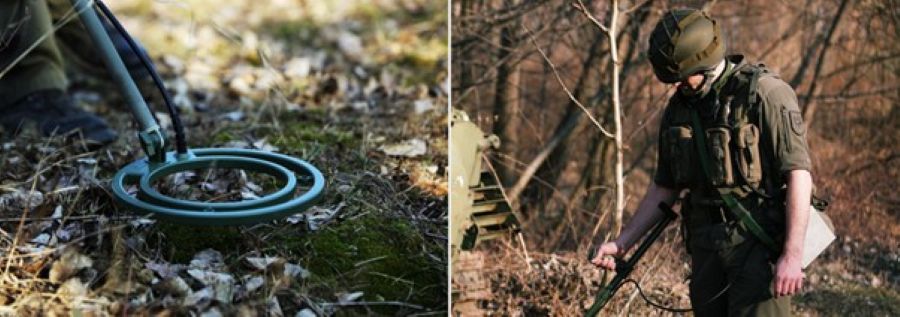
The Ministry of Defence has issued a tender worth nearly Rs 290 crore for the procurement of 386 next-generation mine detectors designed to identify both metallic and non-metallic explosives, marking a significant upgrade in the Indian Army’s counter-mine and route-clearance capability.
🇺🇦 Ukraine: MoD to use drones, magnetometers for mine clearance
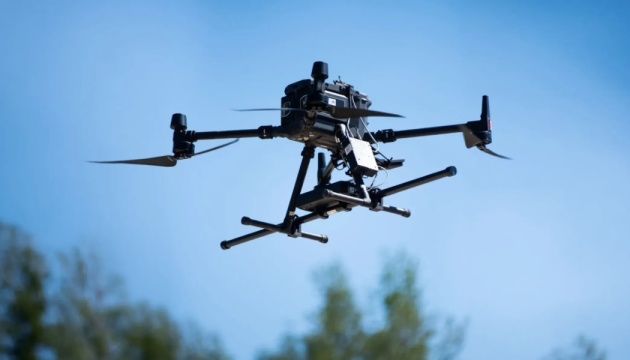
Ukraine’s Ministry of Defence announced plans to expand the use of drones equipped with magnetometers for mine detection and humanitarian demining tasks. The initiative aims to improve operational efficiency, reduce risks to deminers, accelerate technical survey, and support the clearance of contaminated land affected by Russia’s full-scale invasion. Read more here.
Ukraine’s Ministry of Economy announced that Ukrainian demining equipment manufacturers gained access to Japanese and Cambodian markets through cooperation with Japan. Officials said the initiative supports exports of Ukrainian mine action technologies, strengthens international cooperation, and promotes Ukraine’s growing humanitarian demining industry and technical expertise abroad.
Ukraine is developing its first formal guidance for demining forested areas contaminated by mines and unexploded ordnance. Ukrainian officials and mine action specialists highlighted the complexity of woodland clearance, where dense vegetation, wildfire risks, and difficult terrain complicate technical survey, explosive ordnance disposal, and safe land release operations.
🇺🇦 🇨🇦 Ukraine's Defence Ministry reveals specifications of Canadian Roshel Senator vehicles used for mine clearance

Ukraine's Ministry of Defence has revealed detailed specifications of the Canadian-made Roshel Senator mine-resistant ambush protected (MRAP) vehicle, a new batch of which has been delivered to humanitarian mine clearance units.
7. Mine Action Assistance, Funding and Cooperation
🇦🇿 🇪🇺 Azerbaijan: EU ambassador: Negotiations underway on new project aimed at strengthening ANAMA’s capabilities

“We are trying to bring European experience and best practices in the field of demining to the region," Marijana Kujundzic, Head of the Delegation of the European Union to Azerbaijan, said at the event titled “Post-Conflict Urban Reconstruction: The Crucial Role of Humanitarian Demining Activities” held within the framework of WUF13.
The Japanese government has agreed to provide Cambodia with an additional ¥1.7 billion (approximately $11 million) in grants to support the Cambodian Mine Action Centre (CMAC) through Phase III of the Integrated Mine Clearance and Victim Assistance Project.
🇰🇭 🇬🇧 Cambodia: UK Commits $2.17M To Cambodia Mine Clearance Efforts As Demining Supports Investment And Rural Growth

The UK government has announced a new £1.6 million ($2.17 million) funding package to support mine clearance and explosive ordnance risk education in Cambodia, with the initiative also expected to unlock broader economic and investment opportunities across affected provinces.
🇪🇹 🇫🇷 Ethiopia: EOD equipment to support humanitarian mine action in Ethiopia

On 6 May 2026, Humanity & Inclusion (HI) officially handed over specialised EOD equipment to the Ethiopian Mine Action Office (EMAO) in Addis Ababa to support humanitarian mine action operations across Ethiopia. Funded by the French Crisis and Support Centre (CDCS), with the support of the French Embassy in Ethiopia, the new metal detectors and protective equipment will help strengthen operational readiness and enhance the capacity of national mine action teams to safely address explosive ordnance threats affecting communities across the country.
🇵🇬 🇺🇸 Papua New Guinea: U.S and PNG sign MOA to remove unexploded ordnance from East New Britain

A Memorandum of Agreement (MOA) was signed on Friday May 15, 2026, between East New Britain (ENB) Governor Michael Marum, and William Hunter of The HALO Trust, acting under a U.S. government grant, to address the migration of unexploded ordnance in ENB. The agreement outlines how The HALO Trust will implement the $11.5 million (K47.2 million) from the U.S. government to address unexploded ordnance (UXO) left over from WWII and enhancing reporting and tracking of UXO.
🇹🇭 🇪🇺 Thailand: Acting Director-General of the Department of European Affairs meets with the Director-General of the Thailand Mine Action Center on Thailand - EU cooperation in humanitarian demining
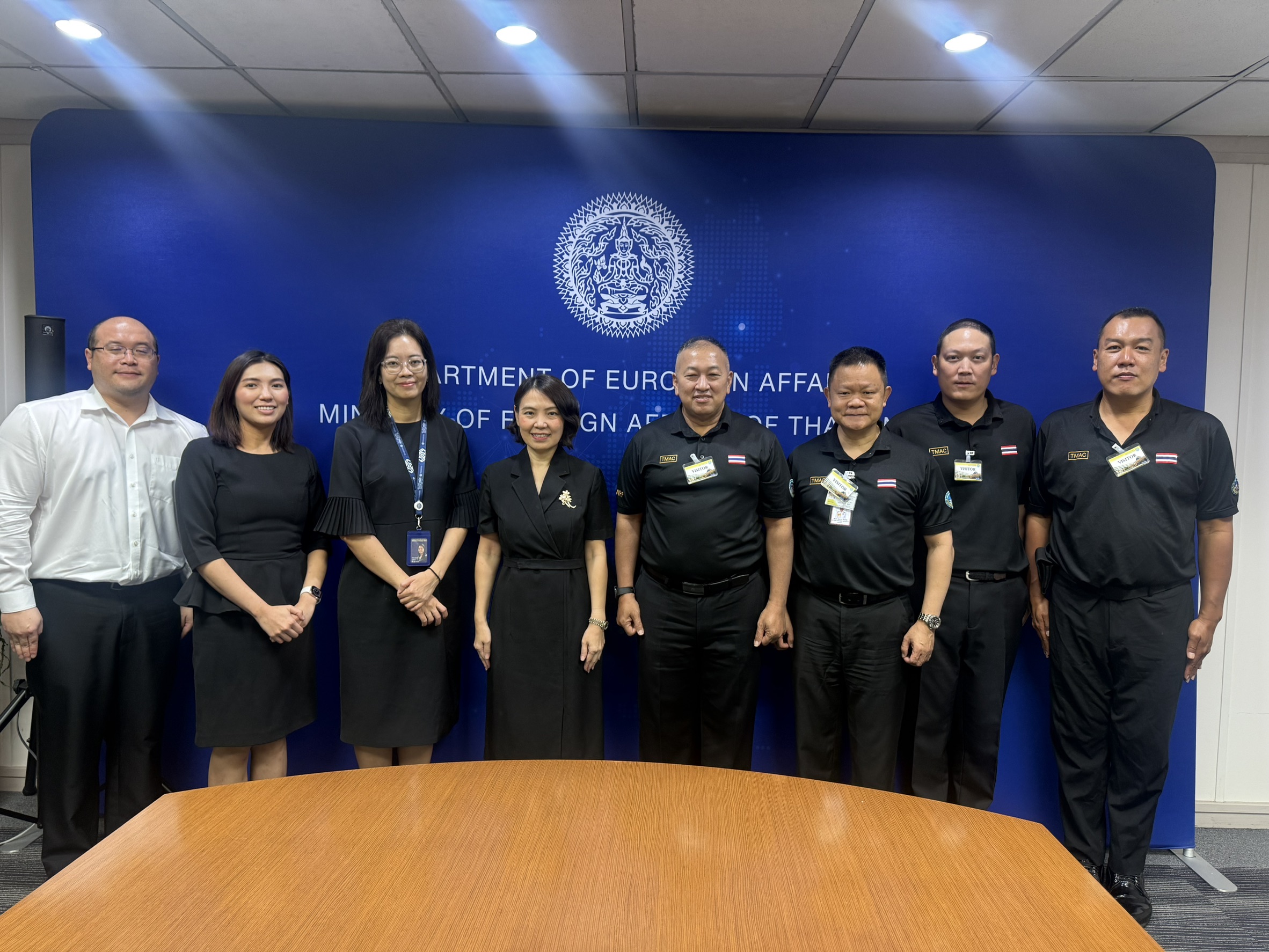
On 20 May 2026, Ms. Somrudee Poopornanake, Acting Director-General of the Department of European Affairs, met with General Rangpiracht Yamkaesorn, Director-General of the Thailand Mine Action Center (TMAC), to discuss cooperation on humanitarian demining with the European Union and the Geneva International Centre for Humanitarian Demining.
🇺🇦 Ukraine: Rebuilding Ukraine: Norway to fund land restoration after demining in six Mykolaiv region communities

The Food and Agriculture Organization (FAO), with funding from the Government of Norway and in cooperation with Ukraine’s Ministry of Economy, Environment and Agriculture, will support farmers in six Mykolaiv region communities after humanitarian demining. Farmers will receive vouchers worth USD 2,000–6,000 to restore agricultural production on land returned to use after clearance operations.
8. Other News
🎥 Videos
In Gaza, UNMAS reaches marginalised communities with support from UK Foreign, Commonwealth and Development Office.
High-ranking UK military personnel have added their names to a letter warning the prime minister against cuts to foreign aid, which are “disastrous” and “short-sighted,” says retired major general and CEO of Halo Trust James Cowan.
📅 Upcoming Events, Courses & Trainings
There are a number of interesting events for the mine action sector in the coming months, and some of the deadlines are approaching quickly.
Organised under the Mine Action Innovation Hub, the Innovation Session 2026: Mine Action in Urban Areas is a three-day, in-person event bringing together mine action practitioners, national authorities, debris management and recovery actors, urban planners, researchers, technology providers, and donors. Applications to participate in the Innovation Session are now open until 17 July 2026.
Felix Connect is a dedicated networking event designed to bring together supporters, partners, and friends of Felix Fund - the bomb disposal charity. It’s a relaxed, welcoming space to connect, network, or simply catch up with familiar faces from across the EOD, Search, defence, and charity communities. The event will be held on 28 September in London. Learn more here.
The Mine Action: Innovation, Sustainability, and Global Partnerships speaker series is structured to address landmine and explosive remnants of war (ERW) challenges through a strictly humanitarian, civilian-protection-oriented framework, with clearly defined ethical, legal, and operational boundaries between humanitarian and military applications of technology. Dates are: FEB 19 | MAR 19 | APR 16 | MAY 21 | JUN 18 | JUL 16 | AUG 20 | SEP 17 | OCT 15 | NOV 19 | DEC 17. Time: 12:00 PM - 1:00 PM ET. Location: Virtual (Zoom Webinar). Register here.
The Geneva International Centre for Humanitarian Demining (GICHD)'s final IMSMA Global training course for 2026 is open for registration: 02 Nov 2026 - 06 Nov 2026 (Application deadline: 2 August 2026).
🔔 Always Stay in the Know – Never Miss an Update
This newsletter is subscribed to by over 3500+ dedicated readers on LinkedIn. To join this community of mine action professionals and supporters, go ahead and subscribe to the Mine Action Weekly newsletter. You can find all editions up to February 2026 on LinkedIn, and from March 2026 onwards here on Mine Action News.
Please reach out to me if there are any mine action news, journal articles, events, or updates that you would like to suggest for the next edition of Mine Action Weekly. You can find (and follow / connect with) me here. See you next Monday!


