Mine Action Weekly, 27 July - 2 August 2026

This week’s edition of the Mine Action Weekly newsletter highlights how humanitarian mine action continues to evolve amid shifting conflicts and recovery efforts. From flood-driven explosive ordnance risks in Afghanistan and renewed contamination along the Cambodia–Thailand border to Ukraine’s investment in quality management and innovative detection technologies, the stories underscore the sector’s dual focus on protecting lives today while strengthening safer, more resilient recovery for the future.

Disclaimers:
This newsletter features news reports and articles from a variety of sources. Mention of these resources does not indicate agreement with or endorsement of the opinions of others. I do not claim responsibility or credit for these works, and do not vouch for the information contained in them.
This newsletter is created and managed in a personal capacity, independent of my professional affiliation with Fondation suisse de déminage (FSD).
🗞️ Weekly News Roundup
The weekly news roundup showcases a low-down of the top mine action news and insights from the past seven days.
1. EO Contamination, Clearance & Land Release
🇦🇫 Afghanistan: UN Warns of Possible Landmine Movement Amid Heavy Rain and Flash Floods in Afghanistan
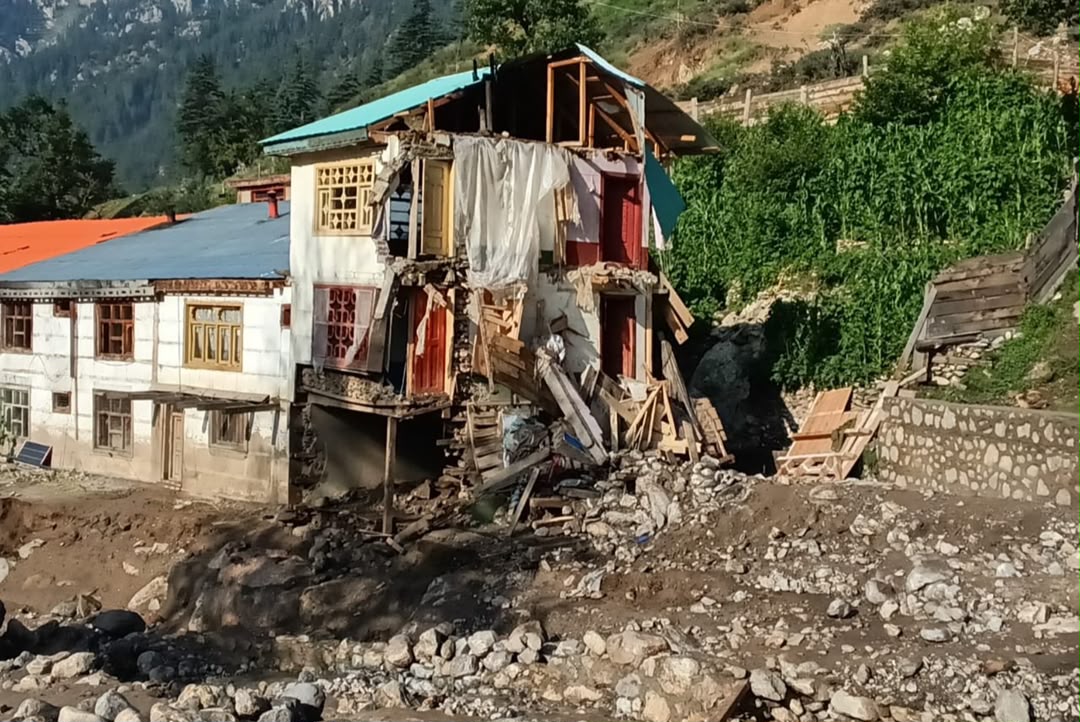
The United Nations Office for the Coordination of Humanitarian Affairs (OCHA) has reported that heavy rains and flash floods in several Afghan provinces have claimed lives and caused extensive damage. The agency has warned of the potential displacement of landmines and unexploded ordnance left over from years of conflict, a situation that could increase the risk of explosions and casualties for residents of affected areas and aid workers.
🇰🇭 Cambodia Links Mine Clearance With Agriculture to Boost Livelihoods

The Cambodian Mine Action and Victim Assistance Authority (CMAA) and the Ministry of Agriculture, Forestry and Fisheries have signed a cooperation agreement to promote agricultural production on demined land, aiming to improve rural livelihoods and strengthen food security.
The Cambodian Mine Action Centre (CMAC) warned that the contamination remains one of the biggest obstacles to reconstruction and the safe return of displaced communities, despite a ceasefire that has been in effect for more than six months.
The Cambodian Mine Action Centre (CMAC) recovered more than 26,900 pieces of underwater unexploded ordnance (UXO) and over 276 tonnes of war debris from riverbeds between 2023 and yesterday, officials said.
🇰🇭 Cambodia Warns of New Humanitarian Risks After Border Conflict

Cambodia has warned that the border conflict with Thailand could create new humanitarian challenges by adding to the country's decades-long burden of landmines and unexploded ordnance, even as it works toward becoming mine-free by 2030.
🇱🇧 Lebanon: Peacekeepers help make routes safer by neutralizing explosive hazards
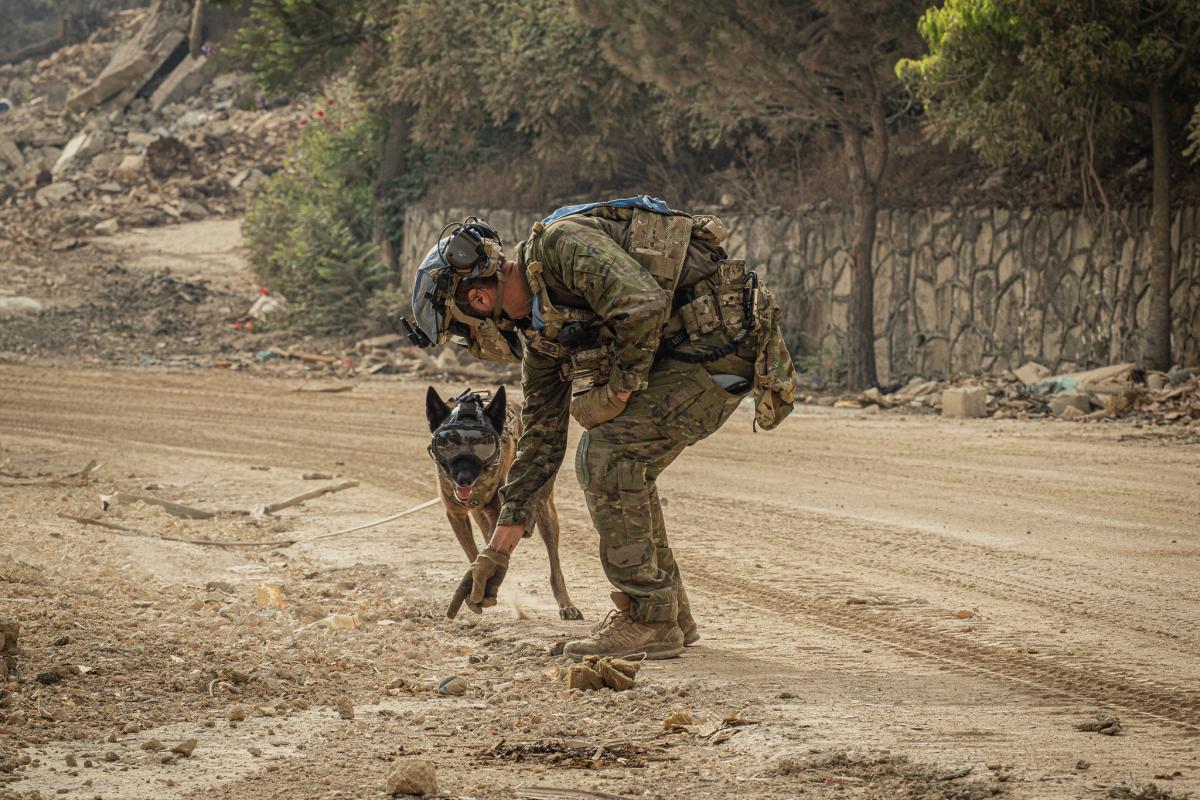
As UNIFIL expands its operational activities following the reduction in violence in southern Lebanon, peacekeepers continue to encounter explosive hazards left behind by the conflict. Supporting patrols and checks of routes used by peacekeepers, UNIFIL’s Explosive Ordnance Disposal (EOD) specialists help make key routes safer, allowing peacekeepers to carry out their tasks more safely while reducing risks that could also affect local communities as they gradually return.
Authorities have safely recovered and secured a cache of unexploded war remnants discovered south of Zawiya, following a report from a local resident. The Criminal Investigation Department’s Western Region explosives disposal team removed SPG rounds, 80 mm and 120 mm mortar shells, 155 mm artillery charges, a naval munition, two RPG rounds, and 15 rounds of 14.5 mm ammunition. The explosives were transferred to designated storage facilities for safe disposal to ensure public safety.
🇲🇲 Myanmar: AA Clears 67 M-14 Landmines Near Muslim Villages in Maungdaw
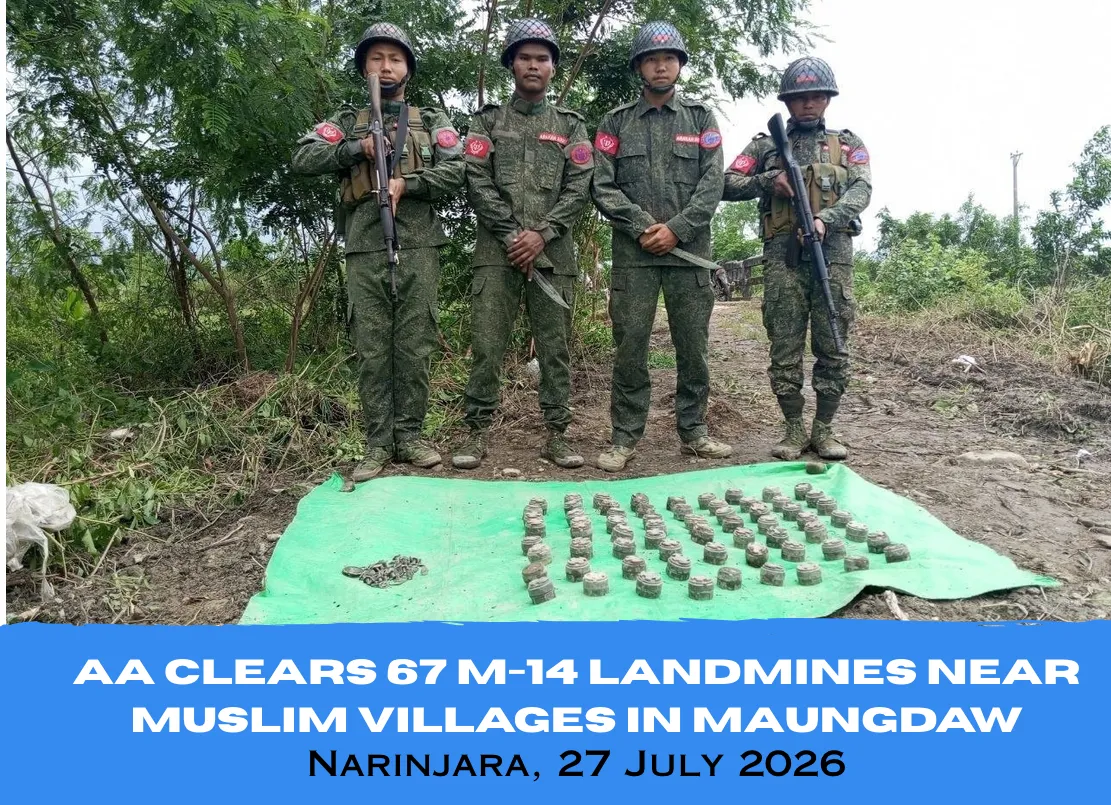
On July 25, the Arakan Army’s (AA) Mine Clearance Team successfully removed 67 M-14 landmines from roadsides in Maungdaw Township. The clearance took place along critical village access routes connecting the Muslim communities of Zula, Horitala, Italia, and Zaintila. Local news sources, including APM, report that the explosives were planted by the former Burmese military Junta and militant groups.
🇵🇸 Palestine: Mine Action in the Occupied Palestinian Territory: Stories of Hope

Over the past two and a half years, explosive ordnance contamination across the Occupied Palestinian Territory has proliferated. Aside from the threat to life and limb, the presence of explosive ordnance shrinks the already restricted space available for humanitarian and civilian activities. Since the escalation of hostilities in October 2023, humanitarian mine action partners have worked with communities and humanitarian partners to minimize the impact of explosive ordnance contamination.
Since 2019, under the Defence Cooperation Program, ADF personnel have been posted to Solomon Islands to advise RSIPF about explosive ordnance disposal (EOD) and coordinate ADF EOD training teams.
🇸🇧 Solomon Islands: The hidden threat of unexploded WWII bombs in the Solomons

The War Below: Restoring Hope in the Solomon Islands is a new documentary screening at the Doc Edge Festival which exposes the danger of unexploded Second World War bombs in the country. They were left behind after the fighting by Japan and the Allies, including New Zealand and Australia.
🇪🇸 Spain: Old wartime shells are hindering firefighting efforts in Spain
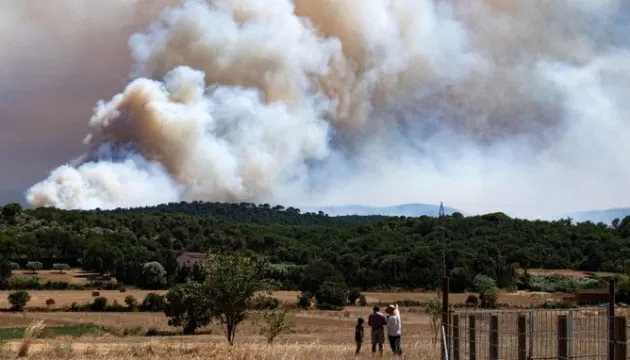
Firefighters in eastern Spain, who are battling massive wildfires, are facing an additional threat. Their efforts are being hampered by unexploded ordnance left over from the 1936–1939 Civil War. Due to the risk of explosions, experts are forced to proceed with greater caution, which complicates firefighting efforts in the affected areas.
🇸🇾 Syrian crews extinguish Latakia forest fire sparked by mine-clearing blast
Syrian Civil Defense teams extinguished a large forest fire on Tuesday in Latakia province after more than 10 hours of work in what firefighters described as extremely hazardous conditions. The blaze began in the village of Kabineh during a mine-clearing operation by Syrian Defense Ministry engineering units, killing one worker and injuring another.
🇸🇾 Syria: Mine-clearing teams begin operations on Zarghan–Tel Tamr line

Mine-clearing teams have commenced operations along the Zarghan–Tel Tamr line. This initiative aims to clear mines and remnants of war and secure the area, thereby helping to create the necessary conditions to facilitate the return of displaced persons from Serêkaniyê to their home areas.
🇸🇾 Syria: Roads leading to Serê Kaniyê near reopening

The main roads leading to the city of Serê Kaniyê are close to reopening, as mine clearance operations enter their final stages. The move is expected to pave the way for the resumption of civilian movement and help create the conditions necessary for residents to return to their home areas. Read more here.
🇹🇭 Thailand: Navy clears 60% of mine-infested areas
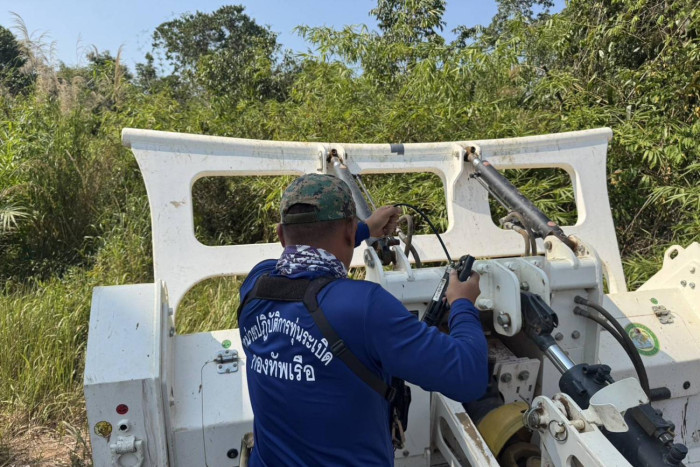
The Royal Thai Navy (RTN) has cleared more than 60% of targeted mine-infested areas in Trat province as part of its humanitarian demining operations. The operations aim to improve safety for military personnel and civilians, while allowing communities along the border to safely return to and use affected areas.
🇺🇦 Ukraine: Quality as a Priority: Ukrainian Specialists Adopt Croatia’s Experience in Mine Action
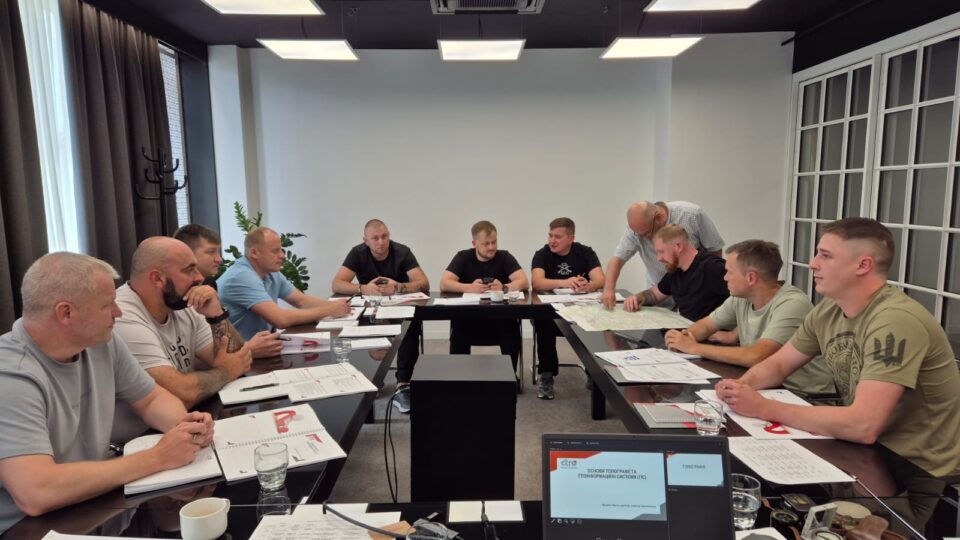
Representatives of the Ministry of Defence of Ukraine completed specialised Quality Management Training at Croatia's Mine Action Centre – Centre for Testing, Development and Training (HCR-CTRO). The programme focused on quality assurance, quality control, risk management, and implementation of international mine action standards, helping strengthen Ukraine's humanitarian demining system through the adoption of Croatian best practices.
🇺🇦 🌊 Ukraine: Zelenskyy Praised Ukrainian Mine-Clearing Units in Portsmouth After Sea Breeze Exercises
During a visit to Portsmouth, the President of Ukraine, Volodymyr Zelensky, together with the Prime Minister of the United Kingdom, Andy Burnham, spoke with Ukrainian and British sailors who took part in the multinational Sea Breeze exercises. The head of state noted the adequate level of training of Ukrainian units in naval mine clearance.
🇺🇦 Ukraine Demining Efforts Restore Farmland and Create Jobs in Mykolaiv Oblast
The removal of landmines and unexploded ordnance in Ukraine is helping communities restore agricultural production, rebuild livelihoods and create new employment opportunities. In Mykolaiv Oblast, humanitarian demining efforts supported by the Danish Refugee Council (DRC) are allowing farmers to safely return to their fields while opening new career pathways in the growing mine action sector.
The Navy is actively working to assess how mine countermeasures can operate in contested environments more quickly, safely and with better strategic decision-making, said Cmdr. Joseph Bubulka, head of the mine warfare branch in the Office of the Chief of Naval Operations for Expeditionary Warfare.
As part of efforts to clear unexploded ordnance (UXO) and address the consequences of war in border areas of four provinces of Tuyen Quang, Lao Cai, Lai Chau, and Dien Bien in the 2025-2027 period, units of Military Region 2 have so far cleared nearly 4,800 hectares. Clearance operations have been carried out in strict accordance with technical procedures and regulations, with safety ensured throughout.
🇾🇪 Yemen: Saudi project clears 1,448 explosive devices in Yemen
Teams working on Saudi Arabia’s Masam project removed 1,448 explosive devices from various regions of Yemen last week. The devices included 1,310 unexploded ordnances, 83 anti-tank mines, 38 improvised explosive devices, and 17 anti-personnel mines.
🇾🇪 Yemen: Project Masam clears 7,101 explosive items in Yemen during July 2026
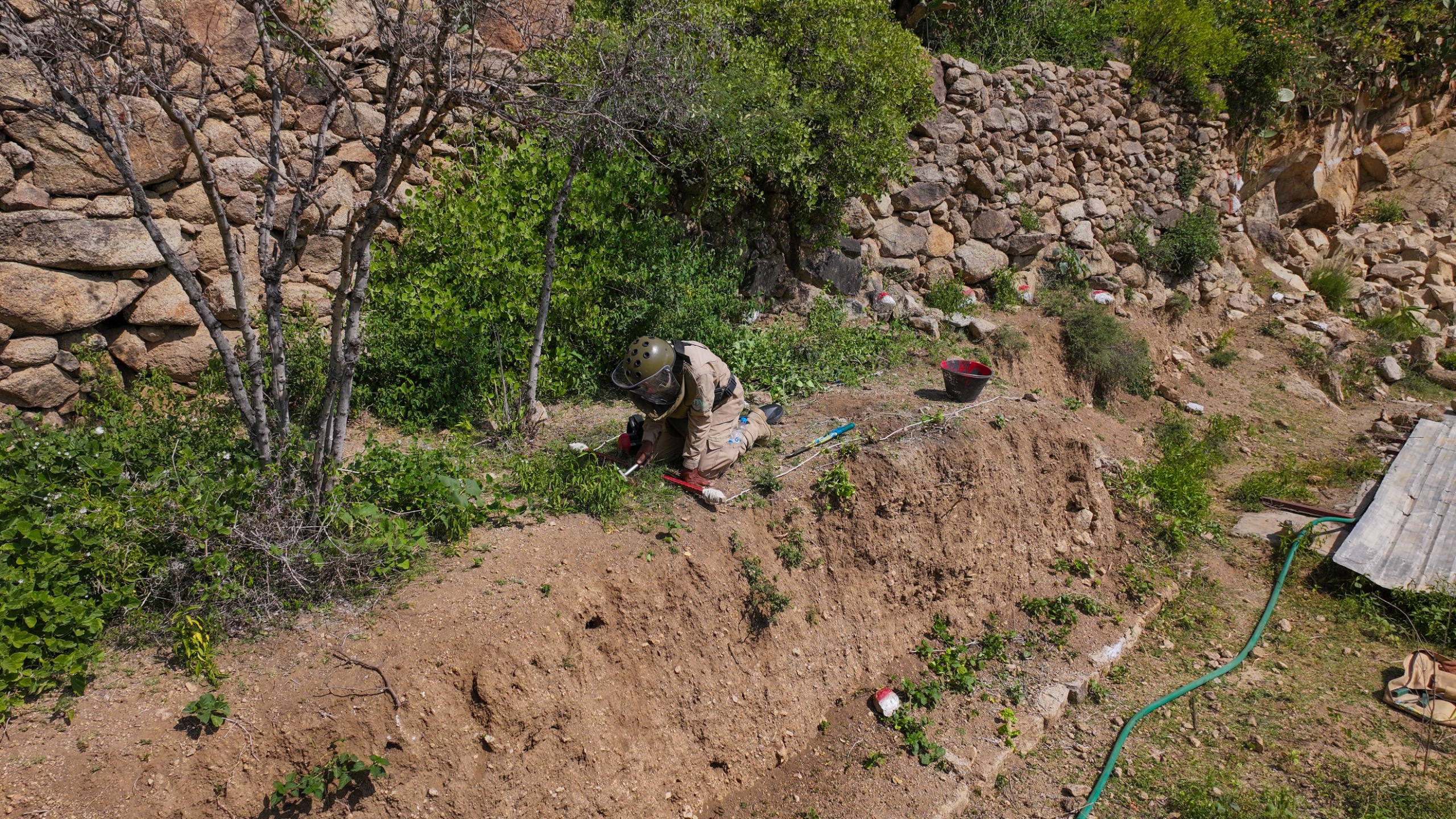
Project Masam demining teams have cleared 7,101 landmines and other explosive hazards across Yemen during July 2026, continuing efforts to reduce explosive threats and protect civilians in contaminated areas. According to the latest operational figures, the items removed include 89 anti-personnel mines, 393 anti-tank mines, 6,556 items of unexploded ordnance (UXO), and 63 improvised explosive devices (IEDs). During the same period, Project Masam teams cleared 1,659,696 square metres of land, making it safe for civilian use.
Other EO Finds from Around the Globe:
🇮🇪 Ireland: Controlled explosion carried out on grenade found in residential area in Co Galway
🇮🇹 Italy: Tourist Finds Hand Grenade at Lake Maggiore – Bomb Squad Dispatched
🇬🇧 United Kingdom: Grays beach emergency response over suspected ordnance
🇬🇧 United Kingdom: Historic ordnance found in Burry Port garden prompts road closure
🇬🇧 United Kingdom: Residents evacuated after Second World War device found in Oldbury
🇺🇸 United States: Historical item found during Grand Strand beach renourishment project
2. Explosive Ordnance Risk Education (EORE)
🇱🇧 Lebanon: Workshop Trains Journalists on Explosive Ordnance Risks Across Lebanon
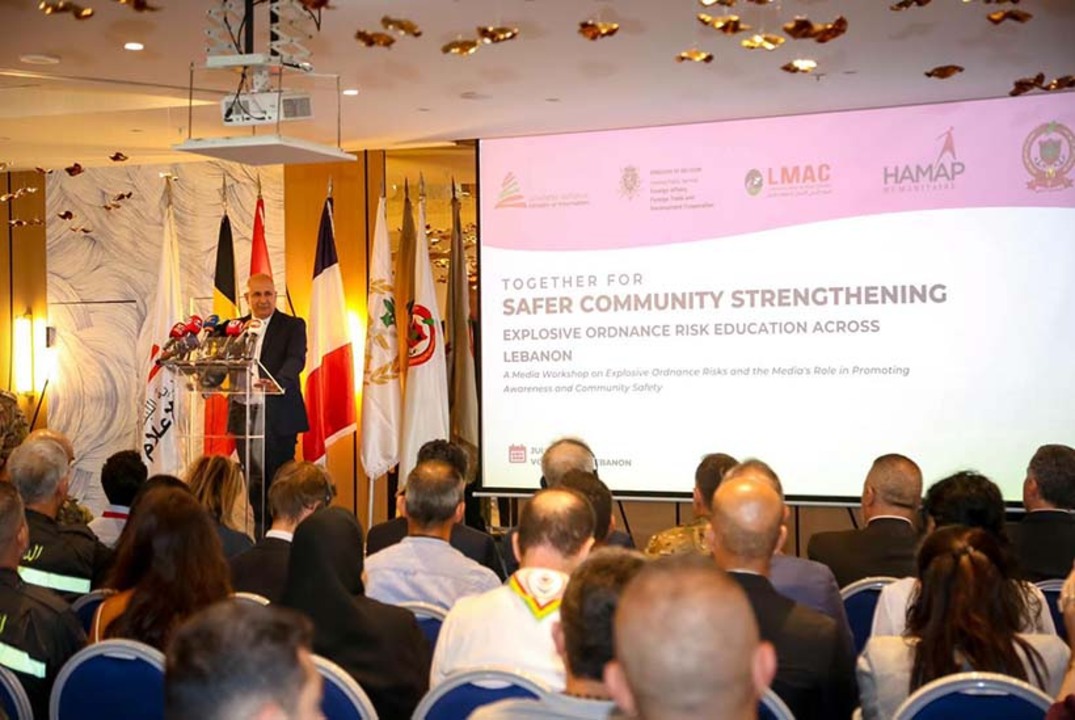
Lebanon’s Civil Defence held a workshop in Beirut titled "Together for a Safer Community: Strengthening Awareness of Explosive Ordnance Risks Across Lebanon," in cooperation with the Ministry of Information, the Belgian Embassy and the Lebanese Mine Action Center.
🇲🇼 Malawi: ‘Stay away or risk your life’ — Minister’s chilling warning over unexploded army bombs

Malawi’s Minister of Defence Feston Kaupa issued a stark warning to anyone living near barracks and training grounds, urging them not to trespass, cultivate the land, or touch any suspicious objects they might stumble upon — with unexploded ordnance posing a serious and potentially fatal risk.
3. Accidents, Survivors, Victim Assistance
🇦🇿 Azerbaijan: Landmine Explosion Injures Demining Specialist in Azerbaijan
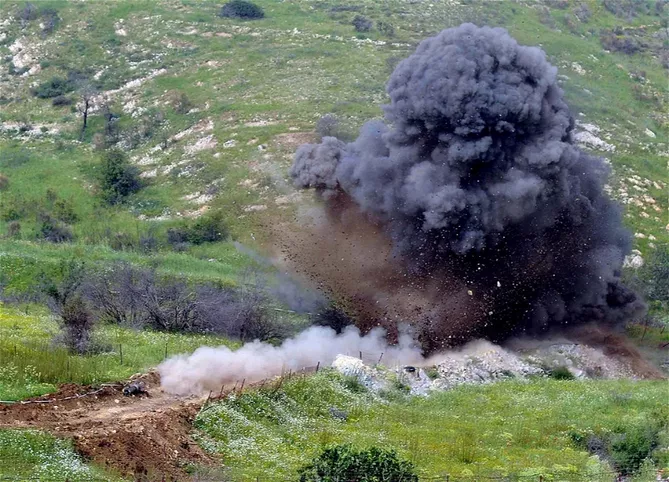
A demining specialist working on humanitarian mine clearance operations was injured in a landmine explosion in Azerbaijan's Khojavend district. The incident occurred on August 2, when Ahad Ahadov, 41, was carrying out official duties in territory liberated from occupation. He stepped on an anti-personnel landmine, sustaining injuries of varying severity, the Mine Action Agency of the Azerbaijan Republic (ANAMA) reports.
During July, the Syrian Observatory for Human Rights documented a series of incidents caused by landmine explosions, either during demining and clearance operations or while people were moving through areas contaminated with unexploded ordnance. These incidents left six fatalities and six other injured people among explosive ordnance disposal specialists and military and security personnel.
🇸🇾 Syria: Abdul Majid took the risk of removing a landmine himself
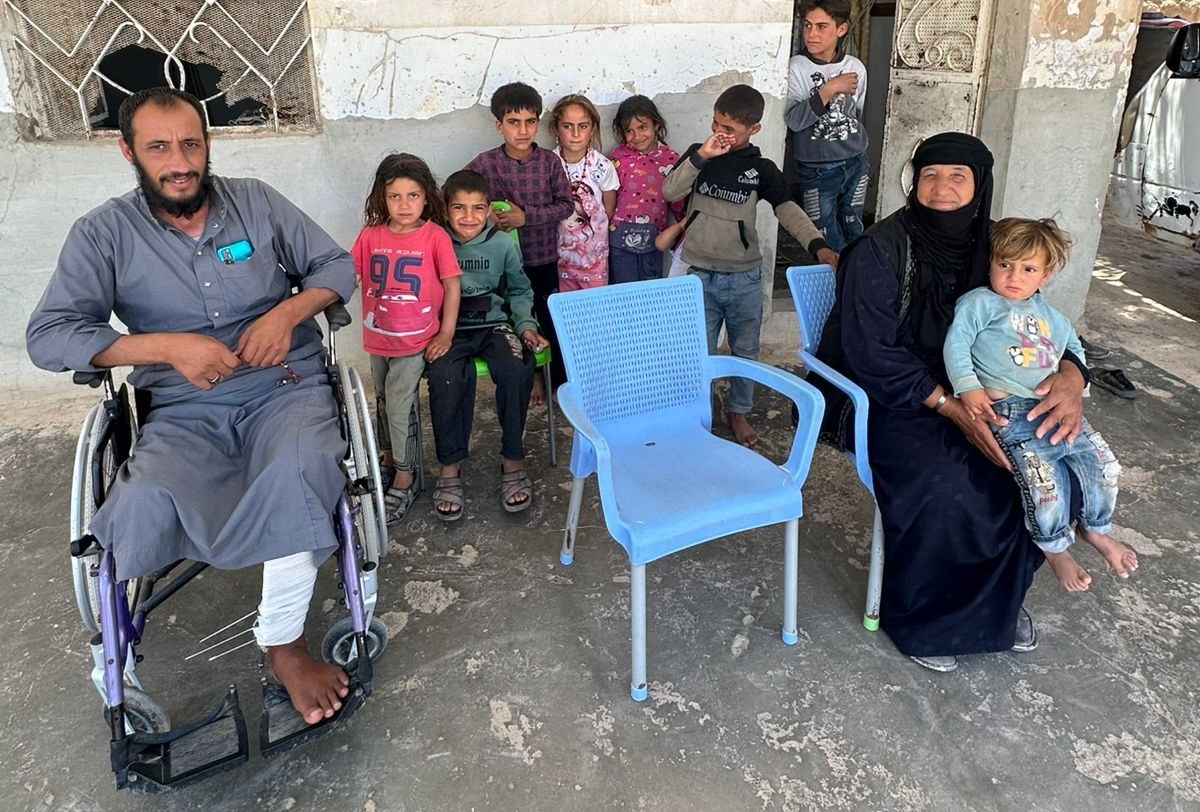
Humanity & Inclusion (HI) shares the story of Abdul Majid, who lost a leg after attempting to remove a landmine himself upon returning to his village. His experience highlights the desperation of communities living without timely mine clearance, the continuing risks posed by explosive ordnance in returning areas, and the urgent need for clearance, risk education, and rehabilitation services.
🇹🇭 Thai soldier loses foot to landmine in Sa Kaeo

A Thai soldier lost his foot when he stepped on a landmine during a clearance mission in Ban Nong Chan village of Khok Sung district in Sa Kaeo province late Wednesday morning. The First Army Area identified the injured soldier as Sgt Maj Udomsak Nuekman, a 44-year-old technical surveyor with the Thailand Mine Action Center. He lost his left foot and also suffered shrapnel wounds in his left arm.
Other EO Accidents from Around the Globe:
🇦🇫 Afghanistan: 1 Child Killed, 1 Injured in Unexploded Ordnance Blast in Nangarhar
🇧🇩 🇲🇲 Bangladesh, Myanmar: Man loses foot in landmine blast along Bandarban border
🇮🇳 India: ‘Accidental’ landmine blast injures two Jawans of Army patrol in Jammu&Kashmir
🇲🇲 Myanmar: One Rakhine IDP Woman Killed, Another Injured in Ayeyarwady Division Landmine Accident
🇸🇴 Somalia: Eight Soldiers Killed in Landmine Blast in Puntland’s Bari Region
🇸🇾 Syria: Young man injured in landmine blast near Tel al-Laban
🇸🇾 Syrian soldier martyred, another wounded in Latakia landmine blast
🇸🇾 Syria: Landmine explosion | Child injured in northern Al-Raqqah
🇸🇾 Syria: Old ordnance | Young man seriously injured in Tal Tamer countryside
🇸🇾 Syria: War ordnance casualties in July 2026 | 20 civilians killed and 30 others injured in transitional government-controlled areas
🇸🇾 Syria: Young man dies in explosion of war remnants while herding sheep east of Deir Ezzor
🇾🇪 Yemen: After A Fatal Explosion in Hudaidah… Calls to Intensify Awareness of The Dangers of Unexploded Ordnance
🇾🇪 Yemen: 3 Children Survive Attempt to Handle Houthi Landmine in Marib
🌊 Mine Detonates in Strait of Hormuz as Iran-Oman Safety Talks Inch Forward
🌊 Oil tanker explodes in Strait of Hormuz after hitting naval mine
4. Advocacy, Policy, Conventions, Strategies and Standards
Thailand has been urged to conduct all humanitarian landmine clearance activities strictly within its own territory and in accordance with existing bilateral agreements, after Thai Prime Minister Anutin Charnvirakul pledged greater government support for demining operations along the border.
The UN Support Mission in Libya and the Libyan Mine Action Centre have held a meeting in Tripoli with implementing partners to review progress and address operational challenges in clearing explosive remnants of war.
5. Stockpile Destruction, Demolition, WAM and Disarmament
🇰🇷 South Korea: White phosphorus leak reported inside US airbase in South Korea, safety ministry says

South Korean authorities ordered brief neighborhood evacuations on Tuesday after a leak of white phosphorus inside the US Osan Air Base south of Seoul, the Safety Ministry said. No casualties were reported, and the evacuation notice for residents was lifted after about half an hour, as South Korean fire authorities and US forces carried out decontamination work, Yonhap news agency reported.
6. Research, Innovation, Technology and Market Trends
🇵🇱 Poland: Secretly Polish: Józef Kosacki – inventor of the mine detector

With Russia’s war in Ukraine forcing Western countries to rethink their aversion to the indiscriminate weapons, landmine detection and removal methods will likely be given renewed attention in infantry strategic planning across Europe. What may surprise many, however, is that the man who invented the portable landmine detector was a Pole: Józef Kosacki. Kosacki was born in 1909 in the northeastern Polish town of Łapy in what was then part of the Russian Empire. He began studying at the Warsaw University of Technology in 1928, ten years after Poland regained its independence.
🇷🇺 Russia: "Ruka" Deployed for Demining: Military Showcases New Robot with 40 kg Manipulator
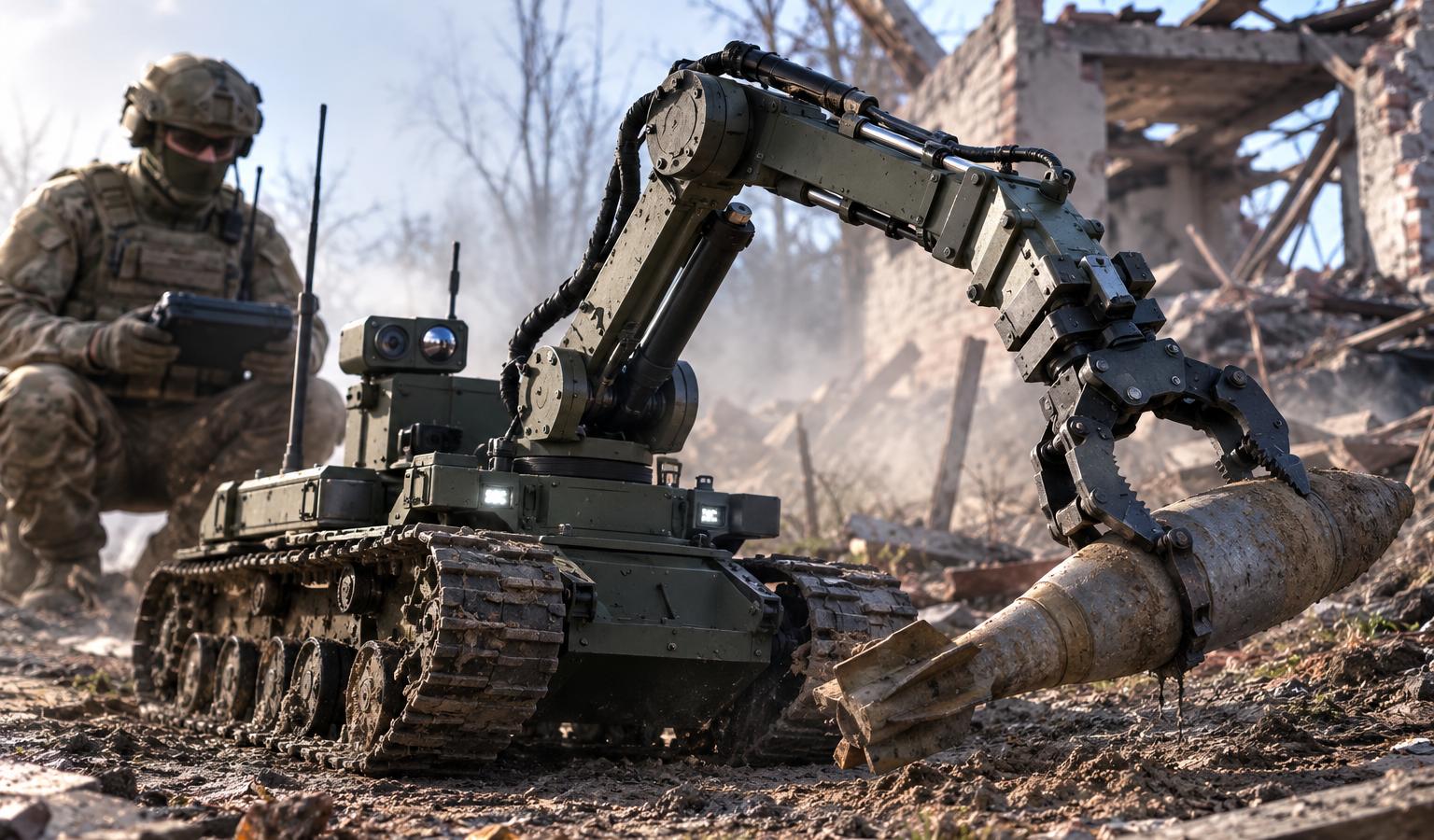
Specialists from the 45th Separate Guards Engineering Brigade have created the RTK-300 "Ruka" robotic complex, designed for remote work with unexploded ordnance and other dangerous objects. The machine is controlled from a safe distance, which reduces risks during engineering operations.
🇷🇺 Russia: Supersonic wedge against mines: Russian engineers invent a way to neutralize explosives without sappers
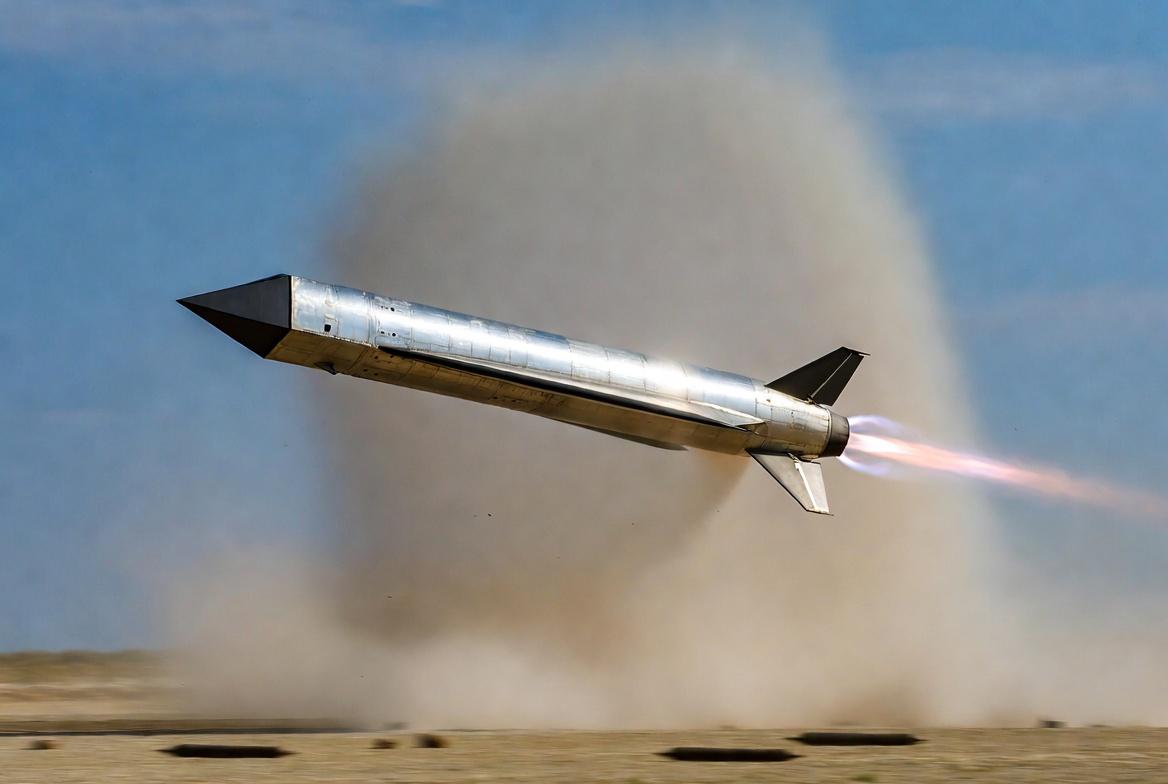
A group of four Russian engineers has developed and patented an aircraft for deactivating explosive devices installed on the ground, according to a publication in the Rospatent database. The invention is designed for remote impact on explosive objects and can be used for demining territories. The apparatus is a solid-fuel jet aircraft with a rectangular wedge-shaped fairing and a stabilization system. When flying at supersonic speed, it creates a leading pressure wave that propagates to the ground surface. This pressure activates the initiators of mechanical explosive devices, neutralizing them without physical contact.
🇺🇦 Ukraine: After the Bomb Squads, the Labs: How Ukraine Will Test Soil in Demined Areas

Simply clearing the land of mines is not enough to return it to farmers immediately. After clearing the area of mines and other explosive hazards, it is necessary to test the soil and confirm that the land can be safely used for agriculture. The Ministry of Economy and Environment of Ukraine reported on the results of working meetings with JICA representatives.
🌍 Global: HeroRATs Continue Transforming Humanitarian Demining

APOPO's HeroRATs use their exceptional sense of smell to detect TNT, enabling deminers to locate landmines quickly and safely. Too light to trigger anti-personnel mines, the trained African giant pouched rats have helped accelerate clearance operations in countries including Mozambique, demonstrating how innovative animal-assisted detection can complement conventional humanitarian demining methods.
🌊 Drones may be involved in mine clearance in the Strait of Hormuz

Defense companies and naval contractors are developing unmanned mine-clearing systems for the Strait of Hormuz. The United States claims that Iran has placed a small number of mines in the area. For example, the Magura drones that sank Russian ships in the Black Sea can tow sonar systems or carry small mine-sweeping drones.
7. Mine Action Assistance, Funding and Cooperation
The Embassy of India in Phnom Penh and the Cambodian Mine Action and Victim Assistance Authority (CMAA) signed a memorandum of understanding (MoU) yesterday to launch a new humanitarian demining project in Pursat province, reinforcing the two countries’ partnership in clearing landmines and supporting affected communities.
🇸🇸 🇯🇵 South Sudan: Japan donates vehicles, equipment to boost demining efforts
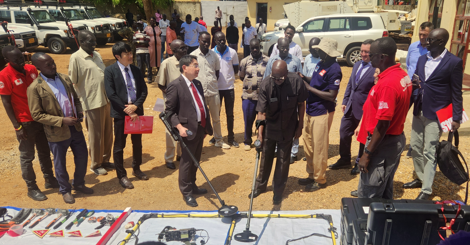
The Government of Japan on Tuesday handed over seven vehicles, 12 motorcycles and other communication and operational equipment to South Sudan’s National Mine Action Authority (NMAA) to strengthen the country’s capacity to clear landmines and unexploded ordnance and expand life-saving risk education. Read more here.
🌍 MAG partners with Government of Norway to expand global humanitarian mine action
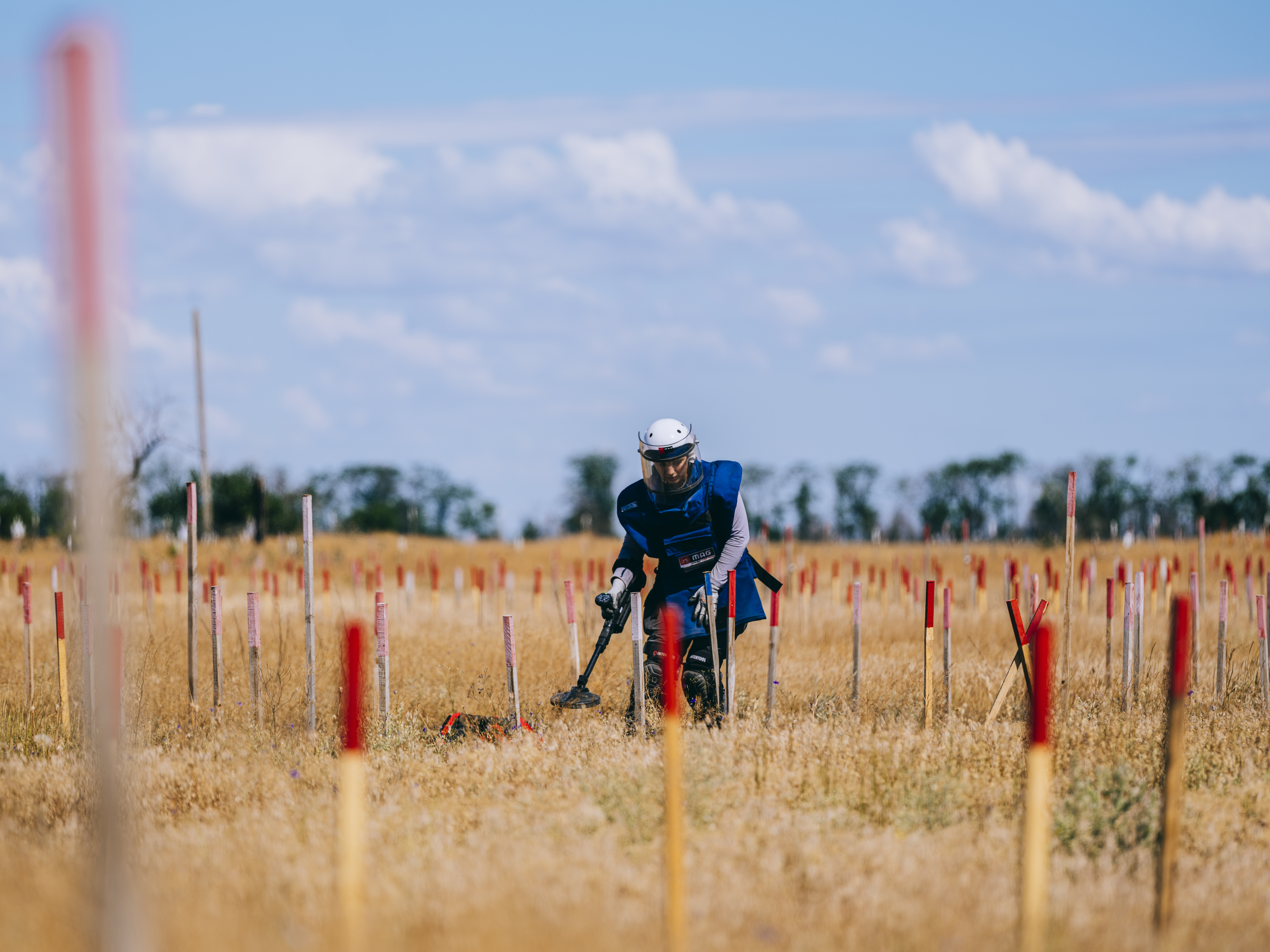
MAG has signed a new funding agreement with the Government of Norway’s Agency for development cooperation (Norad) under its ‘Humanitarian mine action and protection against explosive weapons: global’ programme.
8. Other News
The short documentary "Step" (Addım), produced by the "Gilavar Photo Club" Public Union, has been chosen for the official screening program under the documentary category at the "Dreamz Catcher" International Film Festival in India. The film centers on Hasanali Alizade, who suffered severe injuries in a landmine explosion. Through his personal narrative, the documentary highlights the enduring human cost of landmine incidents and underscores the post-conflict humanitarian challenges facing the region.
🇯🇴 Jordan: Army chief briefed on Royal Engineering Corps Directorate's efforts at handling unexploded ordnance

Chair of the Joint Chiefs of Staff Major General Yousef Huneiti visited the Royal Engineering Corps Directorate on Sunday. Huneiti received a briefing from the Director of the Royal Engineering Corps on the Directorate's operational efforts in dealing with unexploded ordnance resulting from missile and drone strikes.
🎥 Video
The War Below: Restoring Hope in the Solomon Islands is a new documentary screening at the Doc Edge Festival which exposes the danger of unexploded Second World War bombs in the country.
📅 Upcoming Events, Courses & Trainings
There are a number of interesting events for the mine action sector in the coming months, and some of the deadlines are approaching quickly.
The Environmental Issues and Mine Action (EIMA) Working Group Meeting will take place on 5 August 2026 at 2:00 pm (UK time), bringing together mine action practitioners to discuss the intersection of environmental protection and humanitarian action. The meeting will feature Isam Ghareeb, CEO of MILE Organization (Iraq), alongside a presentation of the 2026 EIMA Working Group survey results, followed by an open discussion on priorities and future activities. Register here.
Join the public PhD defence of Henrique Garbino on 4 September 2026, from 13:00–17:00, at Sverigesalen, Swedish Defence University, Stockholm. Henrique will defend his dissertation, Unearthing Restraint: The Use and Non-Use of Landmines by Armed Groups, which examines why armed groups sometimes choose to limit violence. Drawing on research from Colombia and the Philippines, the thesis offers new insights into the dynamics of restraint in armed conflict and the factors that shape landmine use and non-use. The event is open to the public. Learn more here.
Felix Connect is a dedicated networking event designed to bring together supporters, partners, and friends of Felix Fund - the bomb disposal charity. It’s a relaxed, welcoming space to connect, network, or simply catch up with familiar faces from across the EOD, Search, defence, and charity communities. The event will be held on 28 September in London. Learn more here.
The Mine Action: Innovation, Sustainability, and Global Partnerships speaker series is structured to address landmine and explosive remnants of war (ERW) challenges through a strictly humanitarian, civilian-protection-oriented framework, with clearly defined ethical, legal, and operational boundaries between humanitarian and military applications of technology. Dates are: FEB 19 | MAR 19 | APR 16 | MAY 21 | JUN 18 | JUL 16 | AUG 20 | SEP 17 | OCT 15 | NOV 19 | DEC 17. Time: 12:00 PM - 1:00 PM ET. Location: Virtual (Zoom Webinar). Register here.
🔔 Always Stay in the Know – Never Miss an Update
This newsletter is subscribed to by over 3600+ dedicated readers on LinkedIn. To join this community of mine action professionals and supporters, go ahead and subscribe to the Mine Action Weekly newsletter. You can find all editions up to February 2026 on LinkedIn, and from March 2026 onwards here on Mine Action News.
Please reach out to me if there are any mine action news, journal articles, events, or updates that you would like to suggest for the next edition of Mine Action Weekly. You can find (and follow / connect with) me here. See you next Monday!


