Mine Action Weekly, 13 - 19 July 2026

This week’s Mine Action Weekly examines major developments across the mine action sector, from Azerbaijan’s large-scale clearance efforts and Cambodia’s land release progress to Ukraine’s humanitarian demining reforms and emerging technologies. The newsletter highlight evolving explosive ordnance challenges, including climate-related displacement of hazards, legacy contamination, civilian casualties, and international cooperation supporting safer recovery and reconstruction.

Disclaimers:
This newsletter features news reports and articles from a variety of sources. Mention of these resources does not indicate agreement with or endorsement of the opinions of others. I do not claim responsibility or credit for these works, and do not vouch for the information contained in them.
This newsletter is created and managed in a personal capacity, independent of my professional affiliation with Fondation suisse de déminage (FSD).
🗞️ Weekly News Roundup
The weekly news roundup showcases a low-down of the top mine action news and insights from the past seven days.
1. EO Contamination, Clearance & Land Release
The Azerbaijan National Agency for Mine Action (ANAMA) has cleared 357.4 hectares in the liberated areas of the Gazakh district since operations began in April 2024. Demining teams have discovered and destroyed 1,154 anti-personnel mines, 146 anti-tank mines, and 62 other explosive devices, supporting border security, the safe return of residents, and post-conflict recovery.
🇰🇭 Cambodia: Flood-Affected Communities Urged to Watch for Displaced Mines and UXO
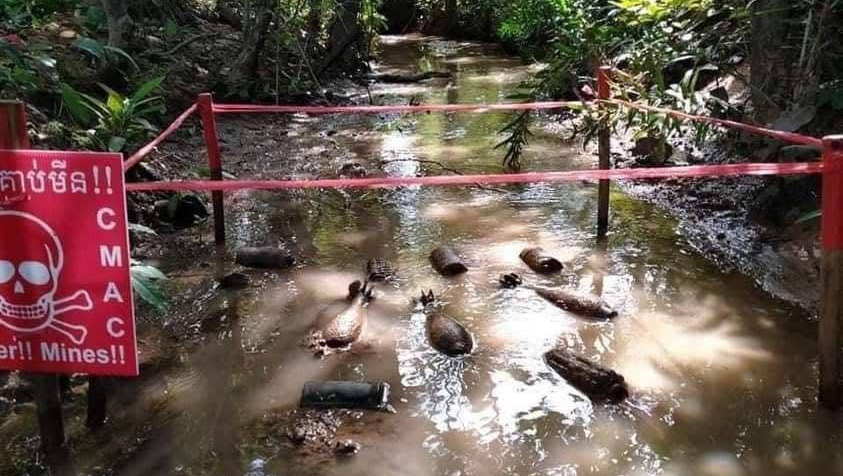
Cambodia's mine action authorities are warning flood-affected communities, particularly in border areas, to avoid and report mines, cluster munitions and UXO that may be exposed or displaced by floodwaters.
The Cambodian Mine Action Centre (CMAC) cleared 75,132 hectares of land contaminated by landmines, cluster munitions and unexploded ordnance (UXO) between January and June, achieving 82% of its annual target.
🇪🇹 Ethiopia: HALO conducts Ethiopia’s first accredited landmine demolitions in major safety milestone
The HALO Trust has successfully conducted its first field demolitions in Ethiopia following official accreditation by the Ethiopian Mine Action Office. This critical milestone represents a massive step forward in clearing explosive remnants of war and restoring safety to conflict-affected regions, particularly in the Western Afar area.
🇩🇪 Germany: Unexploded Munitions Hamper Efforts to Fight Forest Fire

A wildfire in Müritz National Park, northern Germany, has been difficult to contain because buried unexploded munitions from a former military training area prevent firefighters from approaching the flames. Emergency crews must maintain a 1-kilometre safety distance, limiting direct firefighting efforts and highlighting the long-term challenges posed by legacy explosive contamination.
🇮🇶 Iraq has cleared more than 4,000 square kilometers of mine-contaminated land
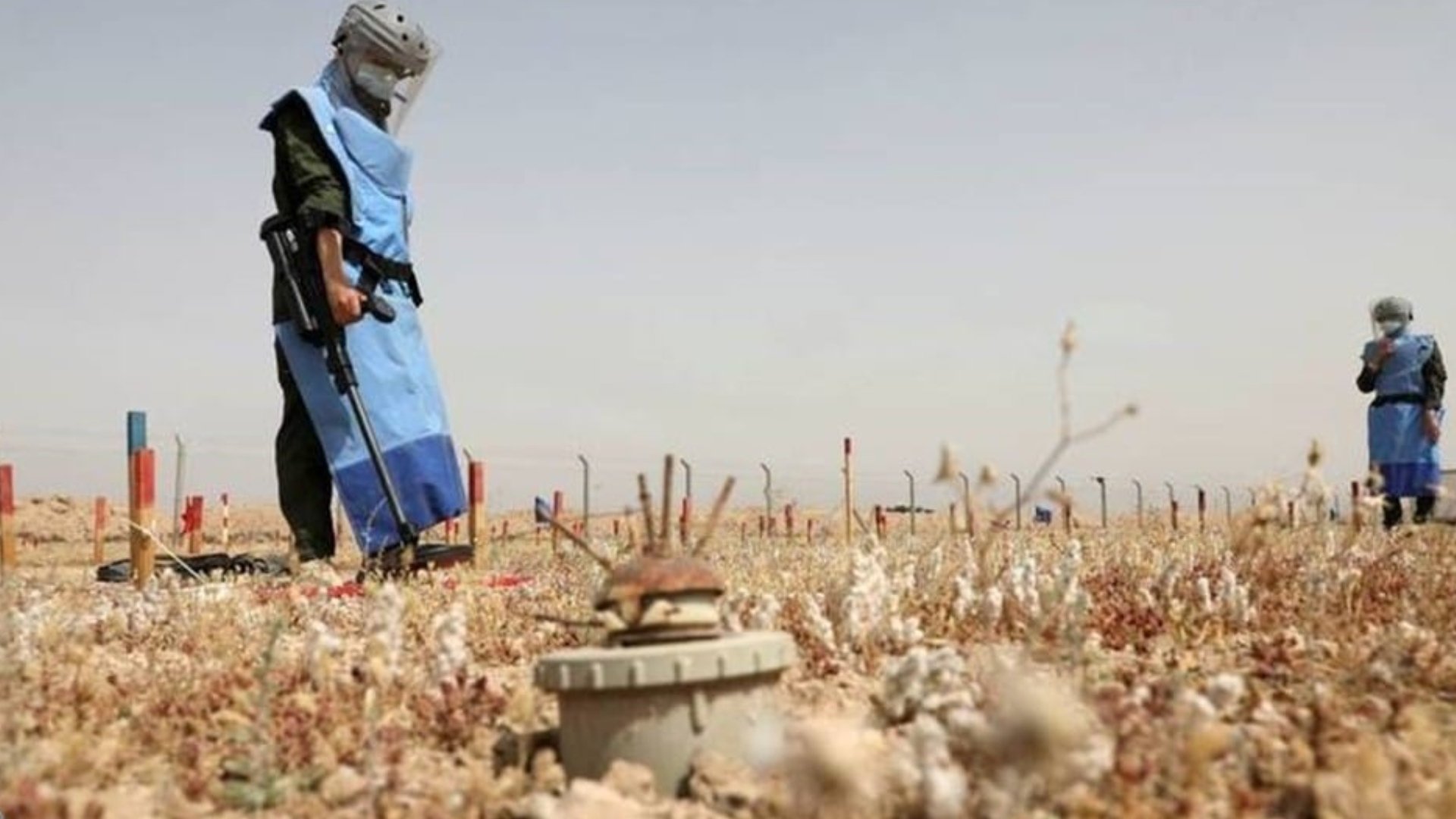
Iraq has cleared more than 4,000 square kilometers of land contaminated by mines since 2003, leaving about 2,738 square kilometers still requiring clearance, the Ministry of Environment said Tuesday, while denying reports that it has contracted companies to carry out demining work.
🇯🇵 Japan MSDF conducts mine disposal drill off Aomori Prefecture

Japan continues to address the legacy of wartime unexploded ordnance, with old bombs and other munitions still discovered during construction and other activities. Recent incidents highlight the challenges of safely handling ageing explosives, which can remain dangerous decades after conflicts end and require specialised disposal expertise.
🇯🇵 🇺🇸 Japan: U.S. Marines Use M110 Sniper Rifles to Neutralize Explosive Threats in Japan
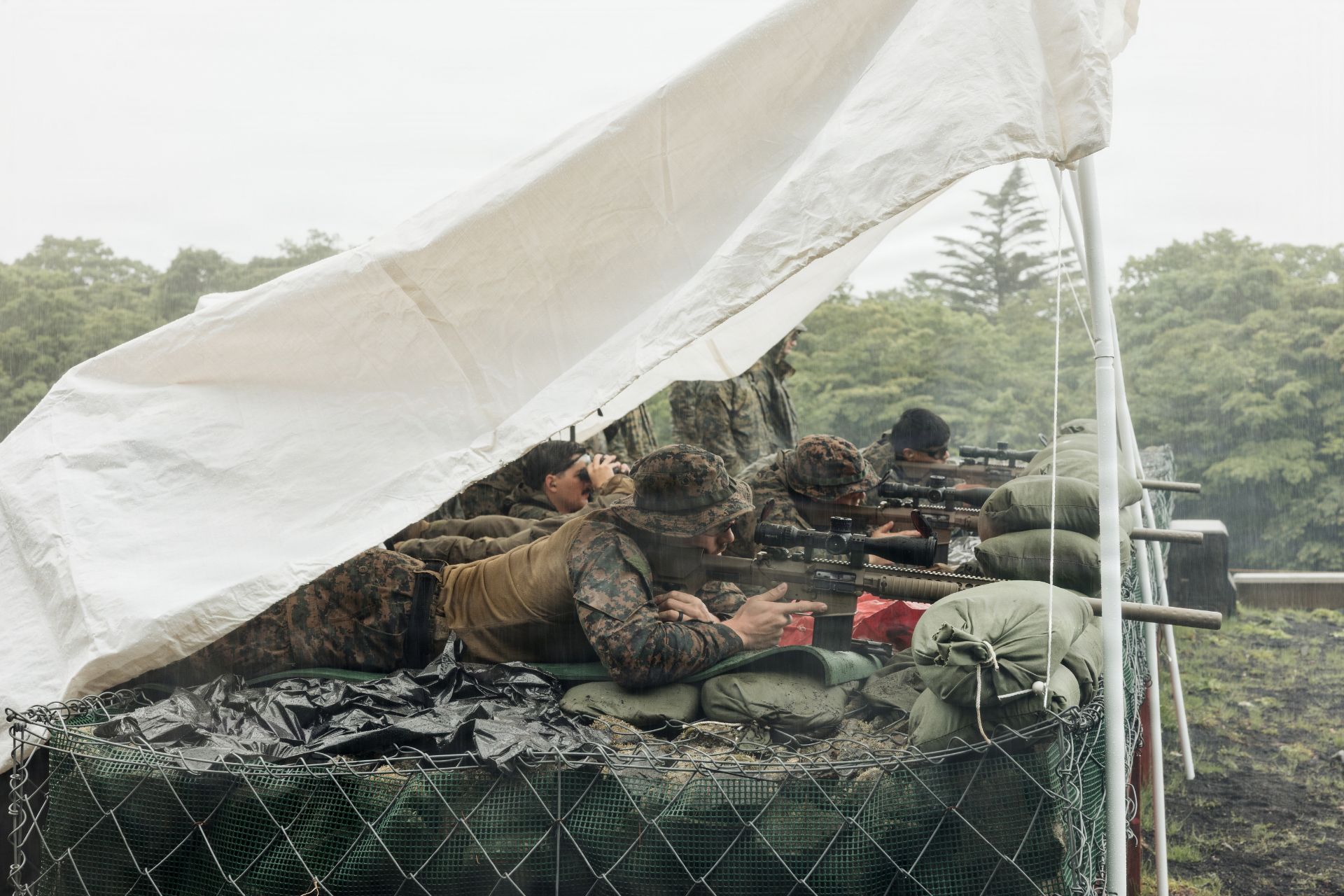
U.S. Marines used M110 Semi Automatic Sniper System (SASS) rifles during Explosive Ordnance Disposal (EOD) training at Camp Fuji, Japan, to conduct Stand off Munitions Disruption (SMUD) against explosive hazards. The exercise highlights a specialized capability that helps forward-deployed EOD teams neutralize dangerous munitions from a safer distance.
🇸🇧 Solomon Islands: Balancing Safety and Sport Amid Ongoing UXO Threat
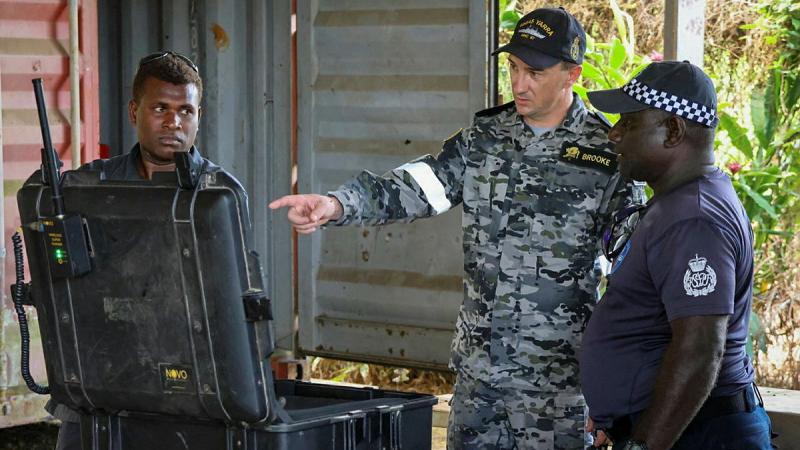
The Royal Solomon Islands Police Force (RSIPF) Explosive Ordnance Disposal (EOD) Unit continues to manage one of the Pacific’s most significant explosive remnants of war challenges, disposing of hundreds of unexploded ordnance items each year. During a visit to the Hells Point EOD facility, Royal Australian Navy personnel observed RSIPF procedures for identifying, assessing, and safely disposing of WWII-era munitions.
🇸🇾 Syria: Upcoming meetings discuss mechanism for Serêkaniyê people’s return

The Committee for Displaced Persons from Sere Kaniye confirmed that meetings to discuss the mechanism for the return of displaced persons will commence immediately after mine clearance operations are completed and roads leading to the city are opened—a step paving the way for the implementation of a plan for the safe return of those forcibly displaced.
🇹🇭 Thailand: Army clears Kantharalak border area after soldier injured by old landmine
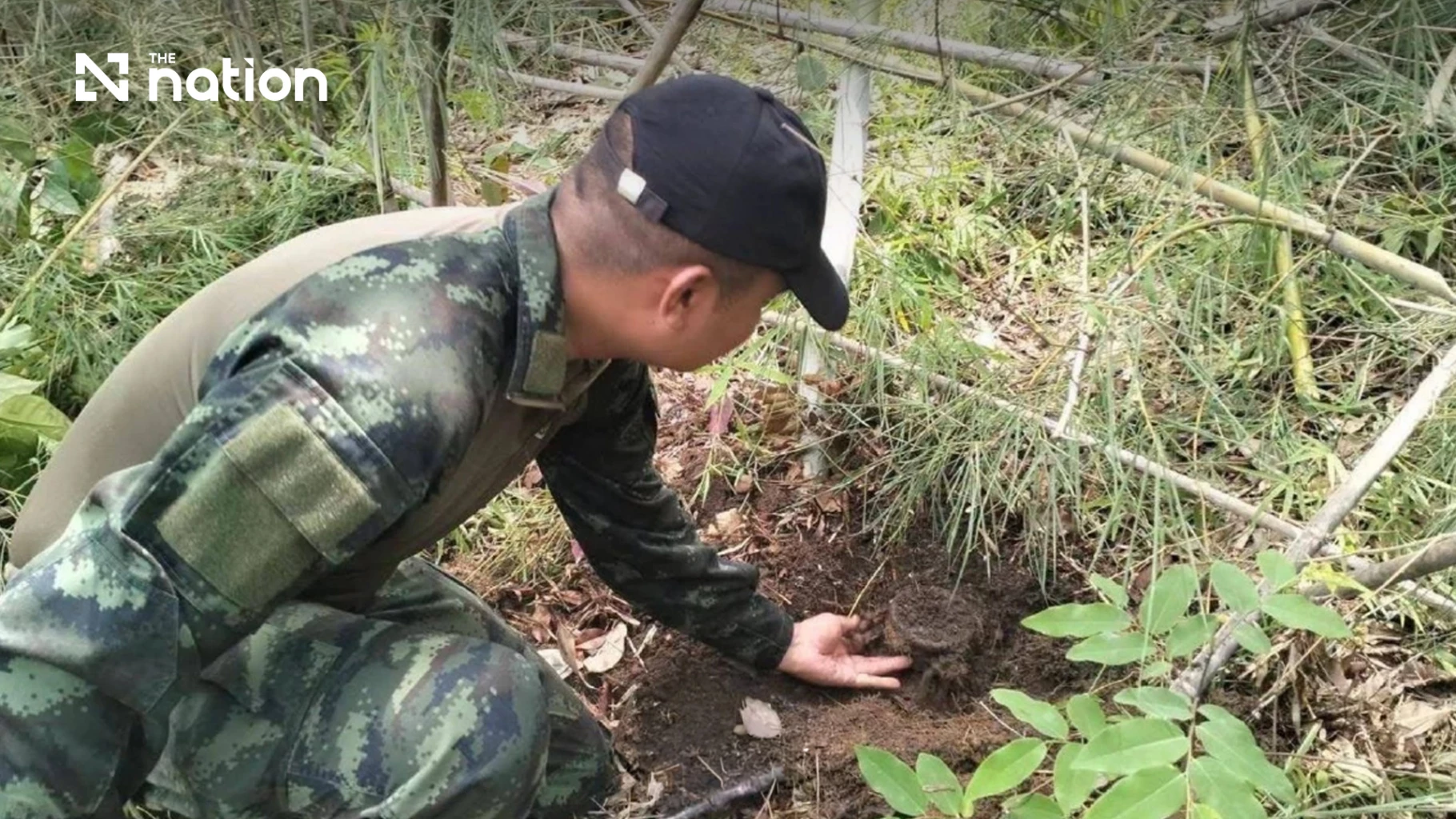
The Royal Thai Army says engineers and humanitarian mine-clearance teams have made the Kantharalak border area safe after finding 19 old PMN-1 landmines following a soldier’s injury.
🇺🇦 Ukraine: A Footballer’s Dream, and the War That Took It

MAG (Mines Advisory Group) shares the story of a young Ukrainian footballer whose ambitions were disrupted by war and explosive hazards. The conflict forced him to leave behind his sporting dreams, while MAG’s work in Ukraine focuses on clearing landmines and unexploded bombs, delivering risk education, and helping communities safely rebuild their lives.
🇬🇧 United Kingdom: Bomb disposal experts may face 'busiest year ever'
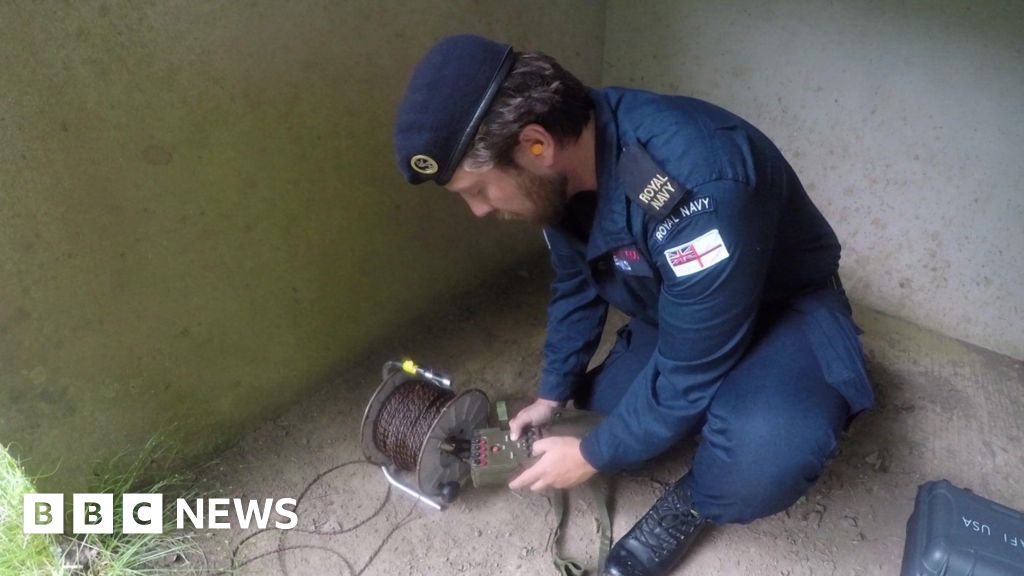
Royal Navy bomb disposal teams in southwest England expect more discoveries of legacy unexploded ordnance as construction and development projects expose wartime contamination. Bravo Diving Unit 1 responded to 54 incidents in the first six months of 2026, including German bombs found in Plymouth and Exmouth, highlighting the enduring challenge of safely managing World War Two explosive remnants.
🇺🇸 United States: Firefighters Stand Down Due to Threat of Unexploded Ordnance at Claremont Fire

Firefighters battling the Claremont Fire in the Boise Foothills, Idaho, were temporarily withdrawn from hazardous areas after officials determined that heat from the wildfire increased risks from buried unexploded ordnance (UXO) left from past military activities. The U.S. Army Corps of Engineers advised fire managers on the heightened danger, requiring crews to reassess tactics and maintain safety buffers while continuing suppression efforts.
🇾🇪 Yemen: Saudi MASAM Project Destroys Thousands of Mines and Explosive Remnants of War
The Saudi-led MASAM project has removed more than 4,500 mines and explosive remnants of war in Yemen, including anti-personnel mines, anti-tank mines, and unexploded ordnance. The project continues clearance operations, explosive ordnance disposal, and risk reduction activities to protect civilians and support the recovery of communities affected by years of conflict.
🇿🇼 Zimbabwe: Lethal legacy of landmines in Zimbabwe's soil

As a US aid suspension halts Zimbabwe's landmine clearance operations, specialist deminers are losing their livelihoods. Meanwhile, with global attention elsewhere, ordinary people still face a deadly threat under their feet.
🌍 APOPO says its HeroRATS have helped detect more than 155,000 landmines and other explosives
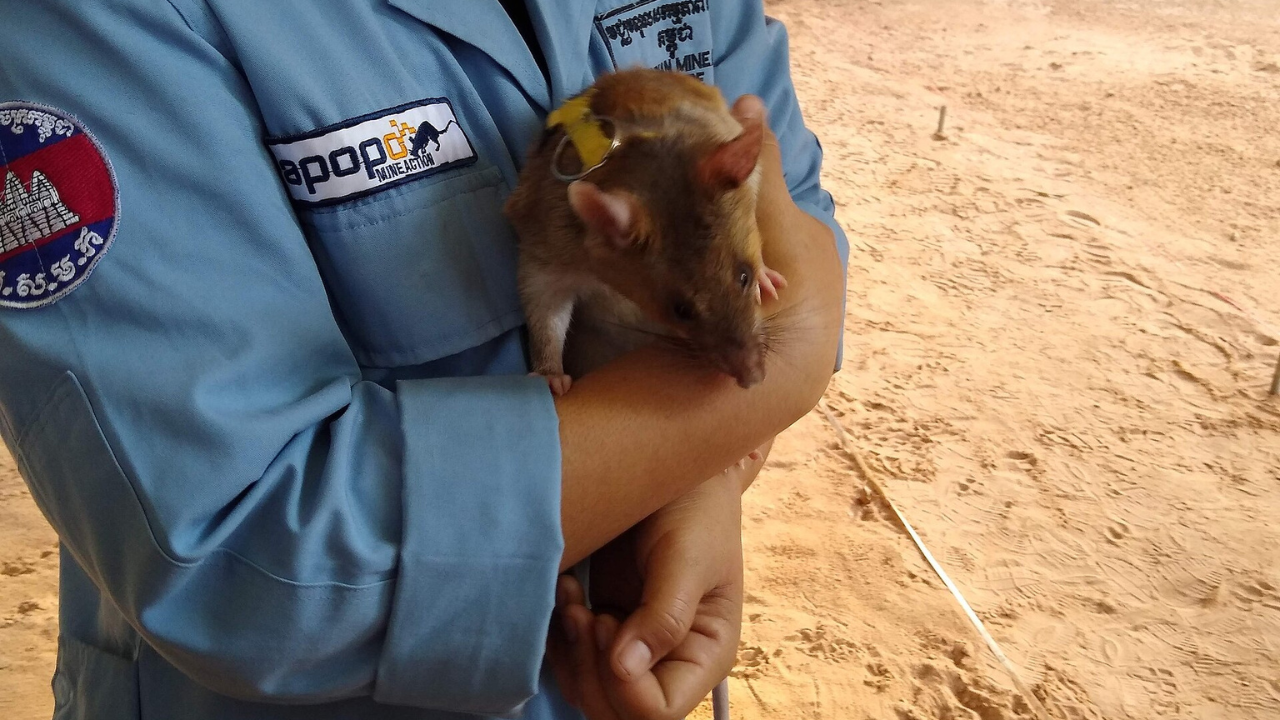
APOPO's trained HeroRATs—giant African pouched rats—have detected more than 155,000 landmines and explosive hazards across Angola, Cambodia, and Mozambique since the programme began in the 1990s. Trained to detect TNT using their exceptional sense of smell, the rats are light enough not to trigger anti-personnel mines and can search contaminated land far faster than conventional manual methods, making them a valuable asset in humanitarian mine action.
🌊 Over 20 Countries Launch Sea Breeze Naval Exercise With Ukrainian Minehunters in UK
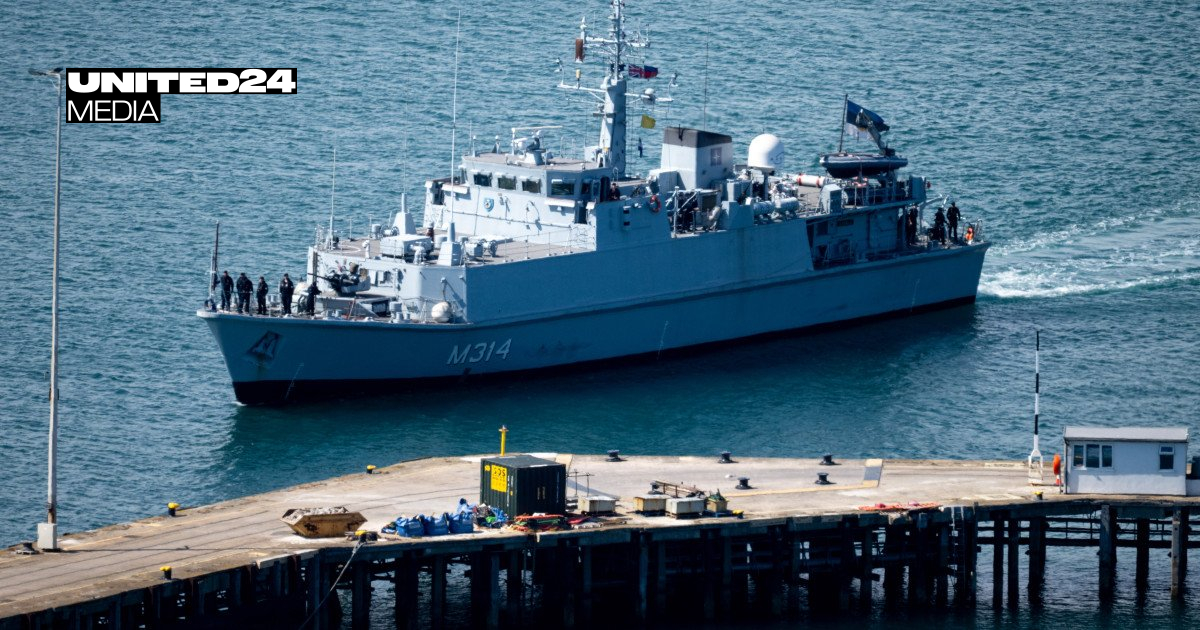
The maritime phase of the annual multinational Sea Breeze military exercise has begun in Portland, UK, bringing together over 20 countries. The list of participating nations includes Bulgaria, Denmark, Estonia, France, Georgia, Greece, Latvia, Poland, Spain, Sweden, Turkey, Ukraine, the United Kingdom, and the United States, as well as the NATO Allied Maritime Command (MARCOM).
🌊 Maritime Security: Reopening the Strait of Hormuz Requires More Than Mine Clearance
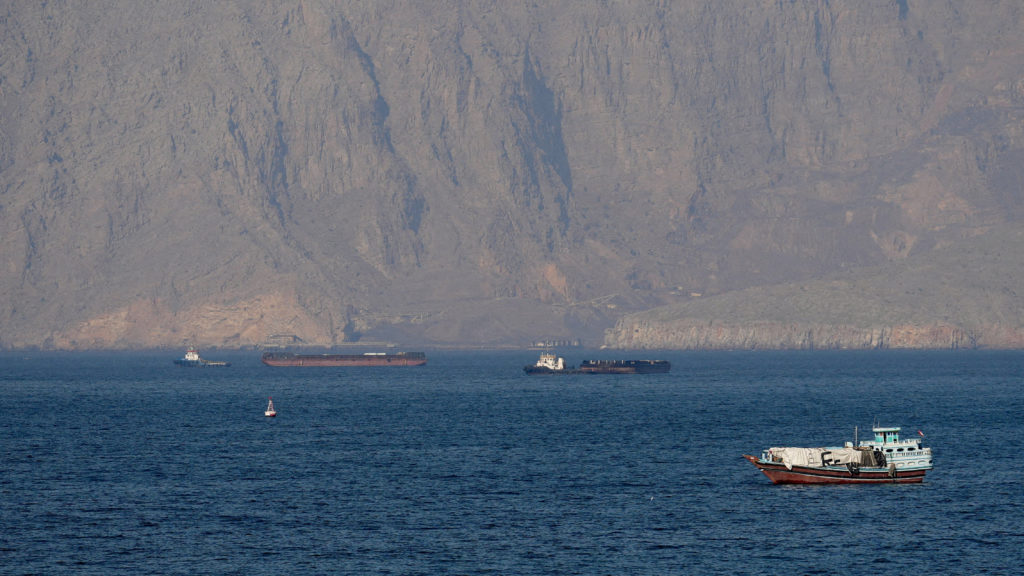
Naval mine clearance is only one element of restoring safe navigation through the Strait of Hormuz. Military experts note that even if sea mines are removed, commercial shipping remains vulnerable to coastal missiles, drones, fast attack craft, and ongoing security threats, requiring sustained naval protection before shipping companies regain confidence to return.
Other EO Finds from Around the Globe:
🇦🇫 Afghanistan: 25 Unexploded Artillery Shells Found Beneath House in Baghlan, Safely Removed
🇱🇾 Libya: Tripoli International Airport administration denies landmine explosion at airport
🇳🇱 Netherlands: Low water levels expose unexploded WWII bombs in Dutch rivers, sparking safety concerns
🇬🇧 United Kingdom: The search for more unexploded bombs begins in Plymouth
🇺🇸 United States: Unexploded bazooka round detonated at California beach
🇻🇳 Vietnam: Unexploded wartime artillery shell safely removed from Quang Tri construction site
2. Explosive Ordnance Risk Education (EORE)
🇨🇦 Canada: Police Warn Public Not to Bring Unexploded WWII Grenades to Stations
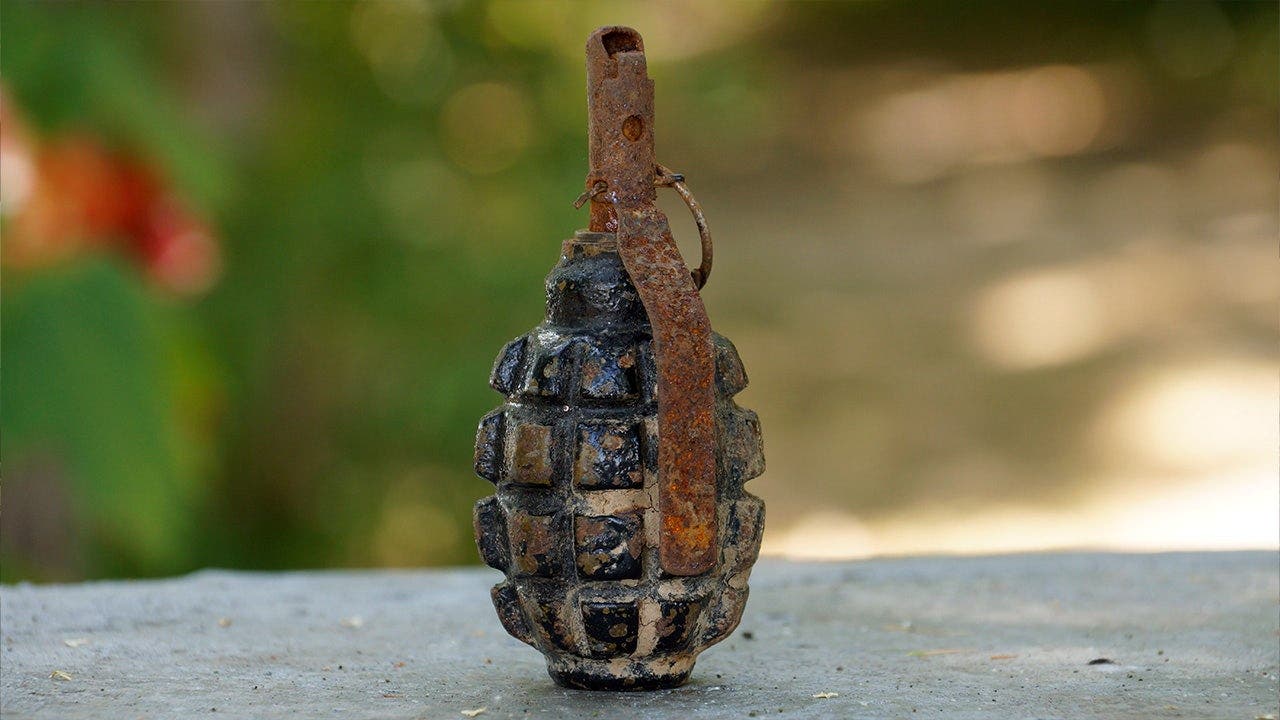
The Ontario Provincial Police (OPP) reminded residents not to transport suspected unexploded ordnance after a person brought a WWII-era grenade to an Ottawa police station for disposal. Authorities advised the public to leave explosive items where they are and contact police, who will coordinate safe removal by specialist explosive disposal units.
3. Accidents, Survivors, Victim Assistance
🇦🇫 Afghanistan: Grieving Mother Campaigns to Save Children from Landmines After Losing Three Sons

After losing three sons and three other children in a landmine explosion in Bamiyan Province, Mah Bibi has dedicated herself to raising awareness of explosive hazards in her community. Her story highlights Afghanistan's continuing landmine crisis, where children account for nearly four in five casualties, and the urgent need for sustained funding for mine action, risk education, clearance, and victim assistance.
🇧🇩 Bangladesh: After Losing a Leg to a Landmine, Hope Returns
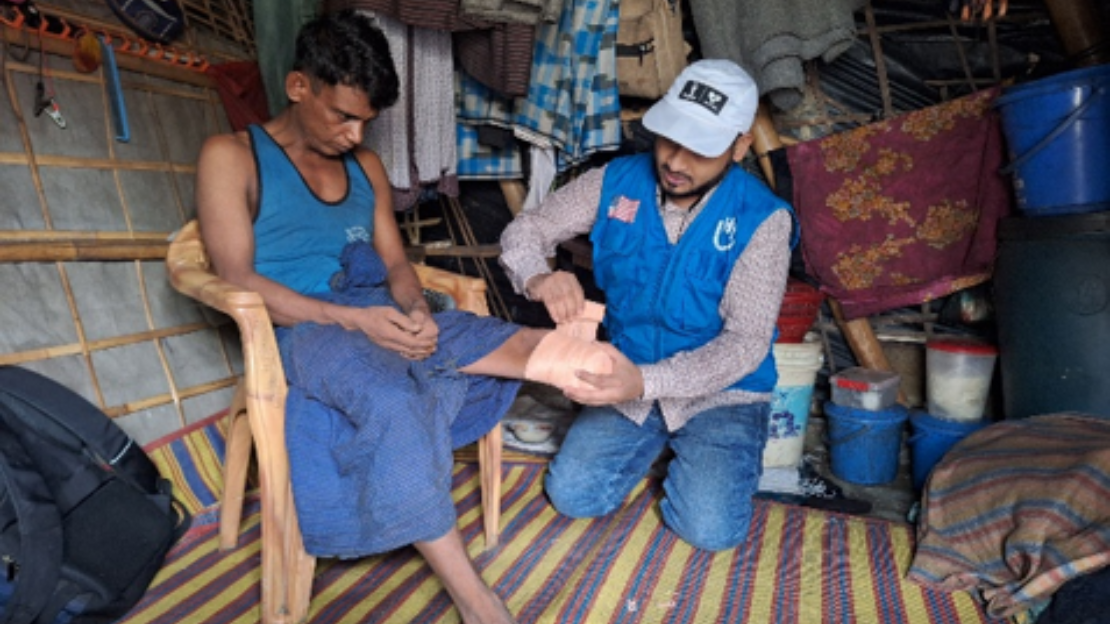
After losing his leg to a landmine while fleeing Myanmar, Rohingya refugee Md. Abul Kalam rebuilt his life in Bangladesh with comprehensive rehabilitation from Humanity & Inclusion, regaining mobility, confidence, and independence.
🇸🇾 Syria: Explosive ordnance continues to injure and kill civilians in Deir Ez-Zor while access to healthcare remains limited

One year after Médecins Sans Frontières/Doctors Without Borders (MSF) began supporting emergency services at Deir Ez-Zor National Hospital (DNH), hundreds of people injured by explosive ordnance have been treated at the hospital, highlighting the devastating and ongoing impact of contamination left behind by years of conflict.
The State Emergency Service of Ukraine (SESU), in partnership with UNDP Ukraine, the VOVCHOK Civil Protection Faculty, and with support from the Government of the Netherlands, completed a Tactical Emergency Casualty Care (TECC) Training of Trainers programme. A total of 113 SESU instructors were trained and equipped with 25 medical training kits, strengthening the safety and emergency medical response capacity of humanitarian demining personnel operating in explosive ordnance-contaminated areas.
🇾🇪 Yemen: More children killed by landmines and other UXOs in first half of this year than all of 2025

A new Save the Children analysis found that more children in Yemen were killed by landmines and other unexploded ordnances (UXOs) in the first six months of this year than in all of 2025, underscoring the urgent need to protect children and clear deadly remnants of war.
Other EO Accidents from Around the Globe:
🇦🇫 Afghanistan: One Killed in Landmine Blast in Balochistan’s Dera Bugti
🇮🇶 Iraq: US Service Member Killed in Iraq Defusing Unexploded Iranian Drone
🇸🇾 Syria: Father, child killed in landmine explosion in Raqqa countryside
🇸🇾 Syria: Young man killed by landmine explosion in Damascus countryside
🇸🇾 Syria: Landmine explosion | Civil defence volunteer killed and another injured in northern Aleppo
🇸🇾 Syria: Old ordnance | Two civilians killed and one injured in eastern Aleppo countryside
🇸🇾 Syria: Explosion of war remnants injure worker removing rubble in Aleppo
🇸🇾 Syria: 1 killed, 2 injured in landmine explosion in northern Aleppo countryside
🇹🇭 Thailand: Two soldiers injured after stepping on old landmine in Si Sa Ket
🇾🇪 Yemen: 2 Children Injured by Houthi Landmine Explosion in Al-Bayda
🇾🇪 Yemeni Man Injured by Houthi Landmine Explosion East of Sana’a
4. Advocacy, Policy, Conventions, Strategies and Standards
Azerbaijan National Agency for Mine Action (ANAMA) continues to lead one of the world's largest humanitarian demining programmes, having cleared nearly 249,000 hectares and neutralised more than 236,000 mines and explosive hazards by early 2026. Despite significant progress, landmine contamination remains the greatest obstacle to reconstruction, agriculture, and the safe return of displaced communities, with full clearance expected to take decades and require sustained international support.
The Azerbaijan National Agency for Mine Action (ANAMA) will host an international mine action conference in September to highlight the scale of explosive ordnance contamination in Azerbaijan and discuss ongoing clearance challenges. The event will bring together governments, international organisations, donors, and mine action experts to strengthen cooperation and share experiences in humanitarian demining.
🇦🇿 Azerbaijan: Vugar Suleymanov: Our main goal is to raise international awareness of the mine problem
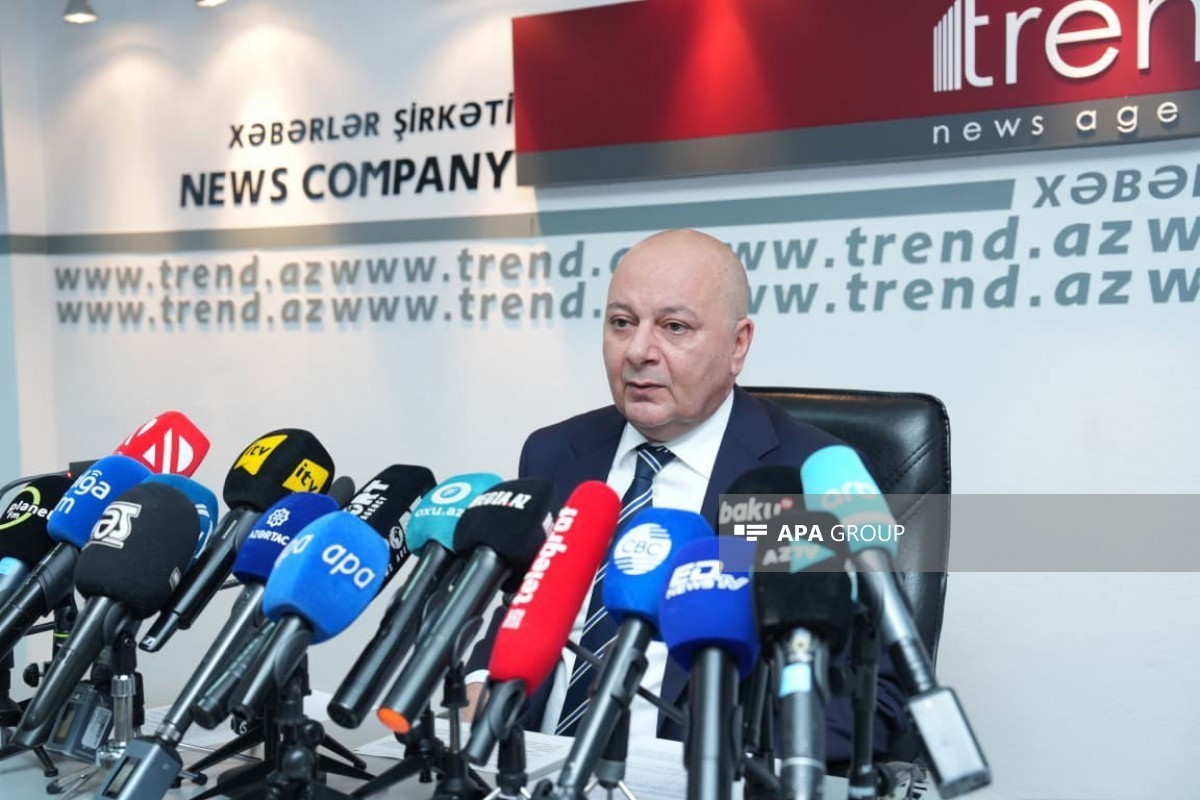
The main goal of our international cooperation is to raise international awareness of Azerbaijan's mine problem, Chairman of the Board of the Azerbaijan Mine Action Agency (ANAMA) Vugar Suleymanov said.
At a humanitarian demining forum in Dnipro, participants called for urgent legislative and institutional reforms to improve Ukraine's mine action system. Organised by the Coordination Humanitarian Center with INTERSOS and support from the Italian Agency for Development Cooperation (AICS), the forum focused on strengthening governance, prioritisation, coordination, workforce capacity, and the use of new technologies to accelerate humanitarian demining.
🇺🇦 Ukraine: NIBULON certified to conduct underwater demining operations

NIBULON has received certification in two additional areas of mine action — underwater demining and mine risk education for communities on the dangers posed by landmines and explosive remnants of war.
5. Stockpile Destruction, Demolition, WAM and Disarmament
6. Research, Innovation, Technology and Market Trends
🇦🇿 Azerbaijan: ANAMA Studies AI Applications in Mine Action
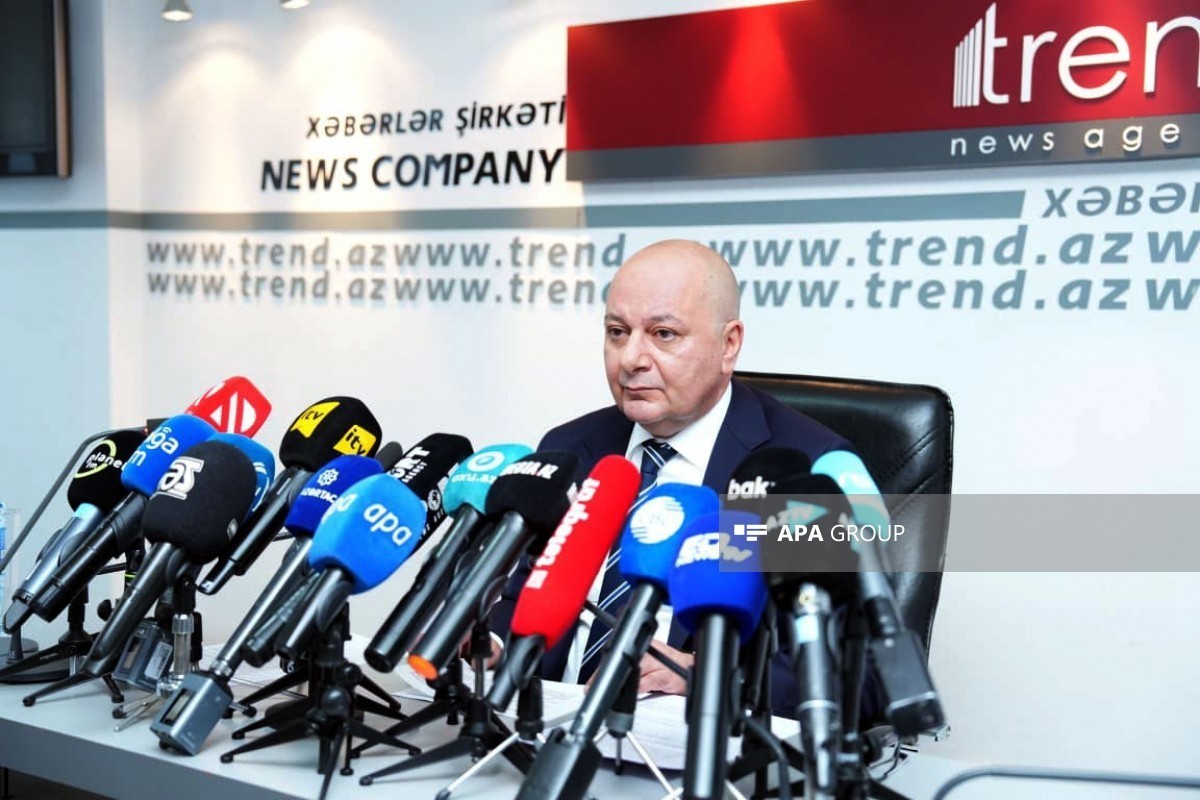
The Azerbaijan Mine Action Agency (ANAMA) is exploring the use of artificial intelligence and new technologies to strengthen humanitarian demining operations. ANAMA Chairman Vugar Suleymanov said the agency is researching innovative equipment and approaches, while noting that current clearance still relies largely on established methods such as manual demining, mechanical assets, and mine detection dogs. ANAMA continues to pursue technology-driven improvements to increase the safety and efficiency of mine action.
🇯🇵 Japan: ATLA Seeking Mid-Sized Attack and Mine-Clearing UGVs

Japan’s Acquisition, Technology & Logistics Agency (ATLA) is seeking private-sector input on procuring medium-sized “general-purpose” unmanned ground vehicles (UGVs), both an attack-configured variant and a mine-clearing variant.
🇺🇦 Ukraine: The military demonstrated how the MV-4 Scorpion lightweight robotic mine-clearing system works

The military demonstrated the operation of the Croatian-made MV-4 Scorpion light robotic complex, which is used for humanitarian and military demining. It is noted that the first MV-4 Scorpion complexes appeared in Ukraine in 2023. After successful experience of their use, the production of equipment was localized directly in Ukraine.
🇺🇸 United States: Maritime Security: Autonomous Undersea Systems Could Transform Mine Warfare

Advances in autonomous underwater vehicles (AUVs) and artificial intelligence are reshaping naval mine countermeasures by enabling faster detection, mapping, and neutralisation of underwater threats while reducing risks to personnel. The US Navy and Defense Innovation Unit (DIU) are seeking next-generation autonomous mine-hunting technologies capable of operating from unmanned platforms, particularly to address challenges such as securing strategic waterways like the Strait of Hormuz.
7. Mine Action Assistance, Funding and Cooperation
China has donated two X-ray devices to Azerbaijan to support the country's mine clearance operations, Chairman of the Azerbaijan National Agency for Mine Action (ANAMA) Vugar Suleymanov said. He noted that the devices represent the latest demining technologies and are used during clearance operations in confined spaces.
🇵🇸 🇬🇧 Palestine: UK Supports Lifesaving Humanitarian Mine Action Response
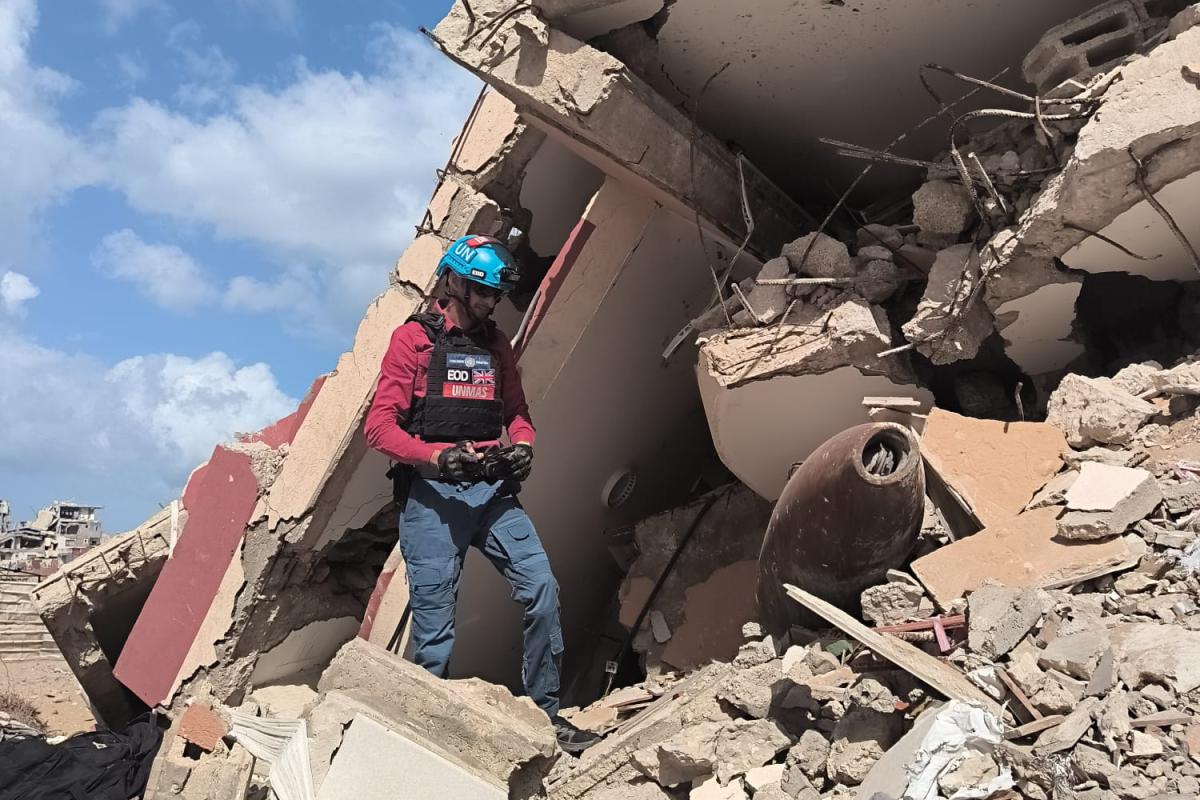
The United Kingdom has provided £1 million to support the United Nations Mine Action Service (UNMAS) in Gaza, helping identify explosive ordnance threats and reduce risks to civilians and humanitarian workers. The funding will support assessments, marking and cordoning of hazardous areas, enabling safer delivery of aid, reconstruction of essential infrastructure, and early recovery activities.
🇺🇦 🇸🇾 Ukraine and Syria to Cooperate on Humanitarian Demining

Ukraine's Cabinet of Ministers has approved a draft agreement with the Syrian government to cooperate on humanitarian demining and broader mine action. The agreement will facilitate the sharing of Ukraine's expertise, technologies, and institutional experience in addressing explosive ordnance contamination, with Deputy Minister Ihor Bezkaravainyi authorised to sign on Ukraine's behalf.
8. Other News
🎥 Videos
The Veterans and Ex-Combatants Benefits Administration Institute (INABVE) of El Salvador is organizing and hosting the Regional Stakeholder Dialogue on sustainable capacities to address residual contamination and strengthen victim assistance in the Americas, on 5-7 May 2026.
📅 Upcoming Events, Courses & Trainings
There are a number of interesting events for the mine action sector in the coming months, and some of the deadlines are approaching quickly.
Join the public PhD defence of Henrique Garbino on 4 September 2026, from 13:00–17:00, at Sverigesalen, Swedish Defence University, Stockholm. Henrique will defend his dissertation, Unearthing Restraint: The Use and Non-Use of Landmines by Armed Groups, which examines why armed groups sometimes choose to limit violence. Drawing on research from Colombia and the Philippines, the thesis offers new insights into the dynamics of restraint in armed conflict and the factors that shape landmine use and non-use. The event is open to the public. Learn more here.
Felix Connect is a dedicated networking event designed to bring together supporters, partners, and friends of Felix Fund - the bomb disposal charity. It’s a relaxed, welcoming space to connect, network, or simply catch up with familiar faces from across the EOD, Search, defence, and charity communities. The event will be held on 28 September in London. Learn more here.
The Mine Action: Innovation, Sustainability, and Global Partnerships speaker series is structured to address landmine and explosive remnants of war (ERW) challenges through a strictly humanitarian, civilian-protection-oriented framework, with clearly defined ethical, legal, and operational boundaries between humanitarian and military applications of technology. Dates are: FEB 19 | MAR 19 | APR 16 | MAY 21 | JUN 18 | JUL 16 | AUG 20 | SEP 17 | OCT 15 | NOV 19 | DEC 17. Time: 12:00 PM - 1:00 PM ET. Location: Virtual (Zoom Webinar). Register here.
The Geneva International Centre for Humanitarian Demining (GICHD)'s final IMSMA Global training course for 2026 is open for registration: 02 Nov 2026 - 06 Nov 2026 (Application deadline: 2 August 2026).
🔔 Always Stay in the Know – Never Miss an Update
This newsletter is subscribed to by over 3600+ dedicated readers on LinkedIn. To join this community of mine action professionals and supporters, go ahead and subscribe to the Mine Action Weekly newsletter. You can find all editions up to February 2026 on LinkedIn, and from March 2026 onwards here on Mine Action News.
Please reach out to me if there are any mine action news, journal articles, events, or updates that you would like to suggest for the next edition of Mine Action Weekly. You can find (and follow / connect with) me here. See you next Monday!


