Mine Action Weekly, 8 - 14 June 2026

From Croatia’s declaration as mine-free after three decades of work to mounting concerns over mines in the Strait of Hormuz, this week’s stories in the Mine Action Weekly newsletter reveal how mine action sits at the crossroads of humanitarian recovery, international security, and innovation. Explore developments from Ukraine, Syria, Laos, Sri Lanka, and beyond as the sector continues to shape lives, livelihoods, and geopolitics worldwide.

Disclaimers:
This newsletter features news reports and articles from a variety of sources. Mention of these resources does not indicate agreement with or endorsement of the opinions of others. I do not claim responsibility or credit for these works, and do not vouch for the information contained in them.
This newsletter is created and managed in a personal capacity, independent of my professional affiliation with Fondation suisse de déminage (FSD).
🗞️ Weekly News Roundup
The weekly news roundup showcases a low-down of the top mine action news and insights from the past seven days.
1. EO Contamination, Clearance & Land Release
🇧🇩 Bangladesh: Myanmar border mines threaten Bangladesh security

Bangladeshi security officials have raised concerns over landmines laid along the Myanmar-Bangladesh border, warning that shifting terrain, flooding, and instability in Myanmar increase risks to border communities and security forces. Experts have called for stronger border monitoring and bilateral or international efforts to address the growing mine threat in the region.
🇭🇷 Croatia: It took 30 years, but now this corner of Europe is finally mine-free
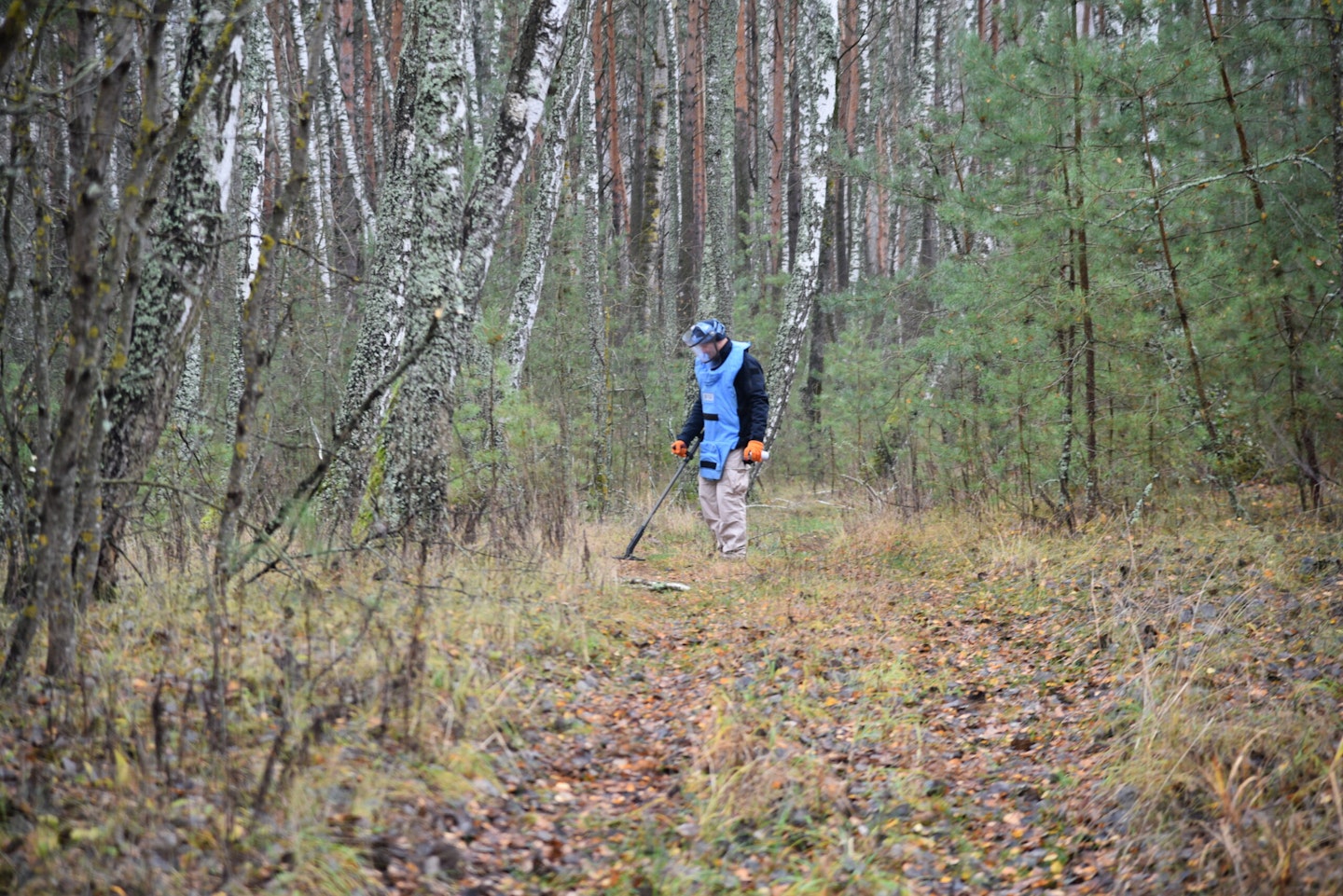
The Swiss humanitarian demining organisation FSD (Fondation suisse de déminage) highlighted how decades of mine action have helped Croatia become landmine-free. Since the Croatian War of Independence, nearly 107,000 landmines and 407,000 items of unexploded ordnance have been removed nationwide. The story focuses on the village of Kusonje, where FSD began clearance work in 1998, illustrating both the long-term impact of explosive contamination and the decades of survey, land release, and clearance required to restore safe access to communities and farmland. (Article in Danish.)
🇮🇳 🌊 India: Onassis VLCC sailed for four days with Iranian missile lodged in fuel tank

A laden Greek VLCC crossed the Arabian Sea with an unexploded missile lodged in its fuel tank late last month. The 318,800-dwt Olympic Life (built 2019) was attacked by Iran on 26 May, but the missile remained stuck deep within its hull. The projectile “penetrated the vessel’s hull, traversed multiple structural compartments and was lodged inside a fuel tank”, the Indian Navy said on Thursday. India disclosed the incident after its specialists managed to extract the missile, along with associated debris.
🇮🇷 Iran sealed uranium cache and placed mines amid fears of US operation to seize material

In recent weeks, Iran has dramatically escalated efforts to seal off its cache of near bomb-grade uranium, deliberately collapsing tunnels and booby-trapping entrances with explosive mines, according to five sources familiar with US intelligence.
🇮🇶 Iraq: Mine Action Agency announces major clearance operations in Duhok and Erbil
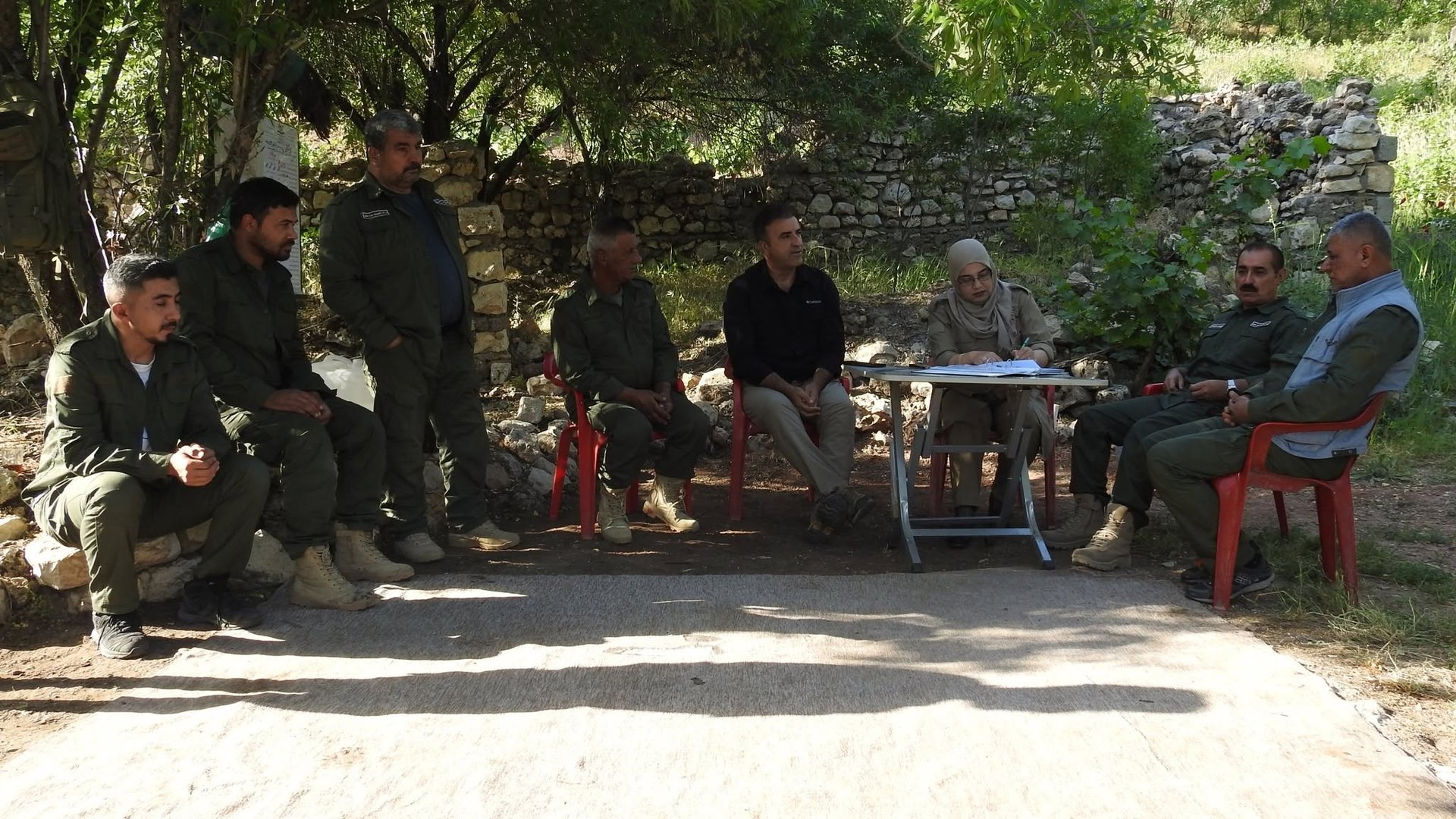
The Kurdistan Region’s Mine Action Agency has cleared nearly 20,000 square meters of land in Duhok governorate and destroyed more than 5,000 items of unexploded ordnance in Erbil governorate in two separate operations. The Kurdistan Region remains heavily contaminated by landmines, a legacy of the Iran-Iraq War, Kurdish-Baathist conflicts and later instability, with unexploded ordnance continuing to endanger rural communities and livelihoods.
Japan’s Foreign Minister Toshimitsu Motegi has indicated that Tokyo may consider deploying its Self-Defence Forces for minesweeping operations in the Strait of Hormuz, but only if a ceasefire is reached in the ongoing conflict involving Iran, US and Israel. Speaking on a television programme, Mr Toshimitsu said Japan’s minesweeping technology is among the best in the world, adding that if a ceasefire is in place and mines become an obstacle, the country may consider its role.
🇱🇦 Laos: Making land safe in Laos
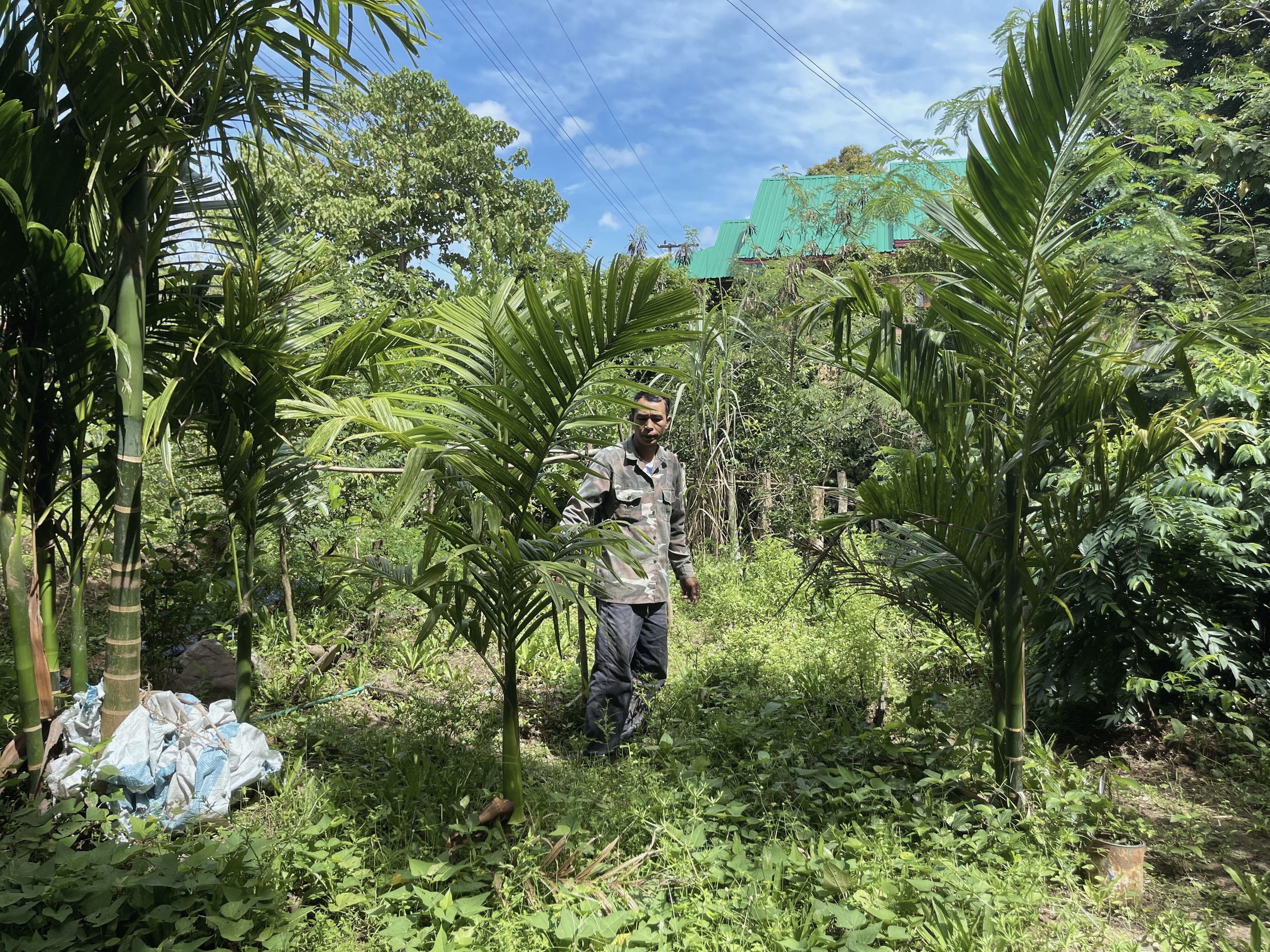
The article highlights the ongoing efforts of MAG (Mines Advisory Group) to clear unexploded ordnance in Laos, the world’s most heavily bombed country per capita. More than five decades after the conflict ended, communities continue to face risks from cluster munition remnants and other explosive hazards. MAG’s work focuses on survey, clearance, explosive ordnance risk education, and supporting safe access to land for farming, infrastructure, and community development, helping families reclaim land and improve their livelihoods.
Handicap International (HI) has cleared more than 260,000 square metres of farmland in Laos contaminated by unexploded ordnance, helping communities safely return land to agricultural use. The project has reduced risks to local residents, improved food security and livelihoods, and forms part of broader efforts to address the long-lasting humanitarian impact of decades-old explosive remnants of war.
Myanmar military engineering units conducted mine clearance operations along the Chaungu–Yesagyo route in Magway Region as part of efforts to restore security and enable displaced residents to return home. The operation focused on removing landmines and explosive hazards from roads and surrounding areas to improve civilian access and movement.
🇷🇺 Russian Army Revives Decommissioned Mine Based on 1930s Soviet Design
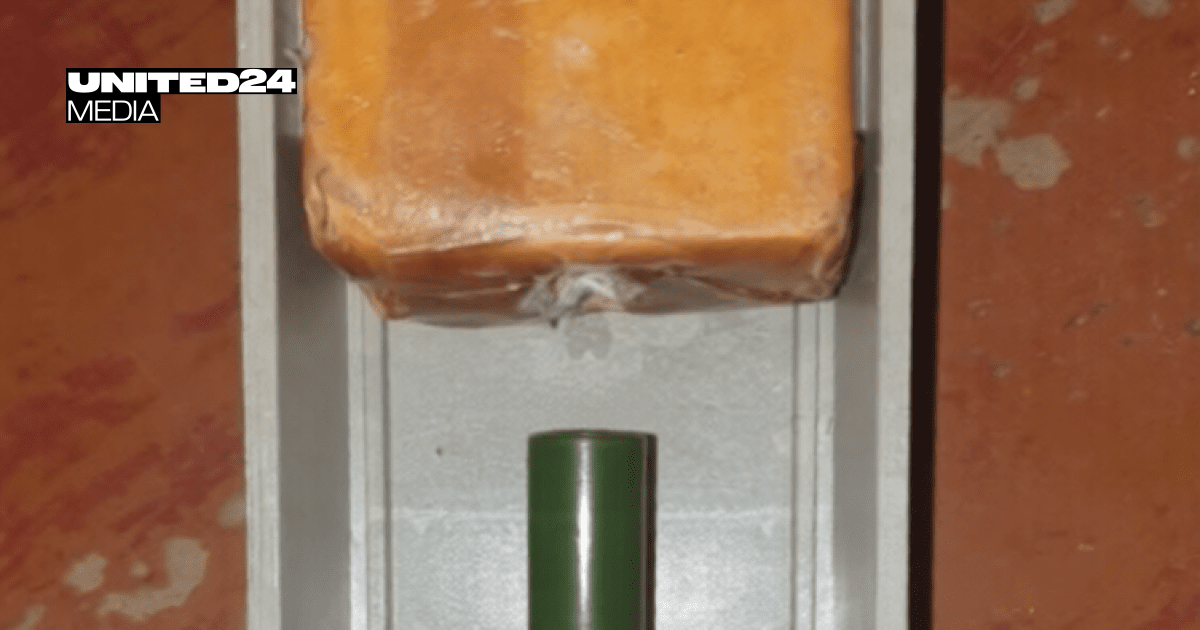
Russian forces have revived a pressure-trigger anti-personnel landmine design that was officially decommissioned nearly eight decades ago. The weapon in question is a modernised iteration of the Soviet-era PMD-6 mine, which originally entered service in the 1930s before being phased out in 1949. While data indicates that mass production of these revived weapons began roughly a year ago, details about their exact technical layout remained scarce until a batch was recently captured and analyzed on the Sumy front.
🇱🇰 Sri Lanka’s war beneath the soil
The article examines the long-term legacy of landmine contamination in northern Sri Lanka, highlighting the work of the HALO Trust as one of the country's principal demining organisations. Despite significant progress since the end of the civil war, more than 21 km² of contaminated land remains nationwide. HALO has cleared or released over 150 km² of land, employs a workforce that is 43% female, and continues clearance, survey, and community engagement activities. The article also explores the complex operational, bureaucratic, environmental, and funding challenges facing mine action efforts, warning that reduced donor support threatens Sri Lanka’s goal of becoming mine-free by 2028.
🇸🇾 Syria: Good news story from northeast Syria: How mine action is helping families rebuild their lives
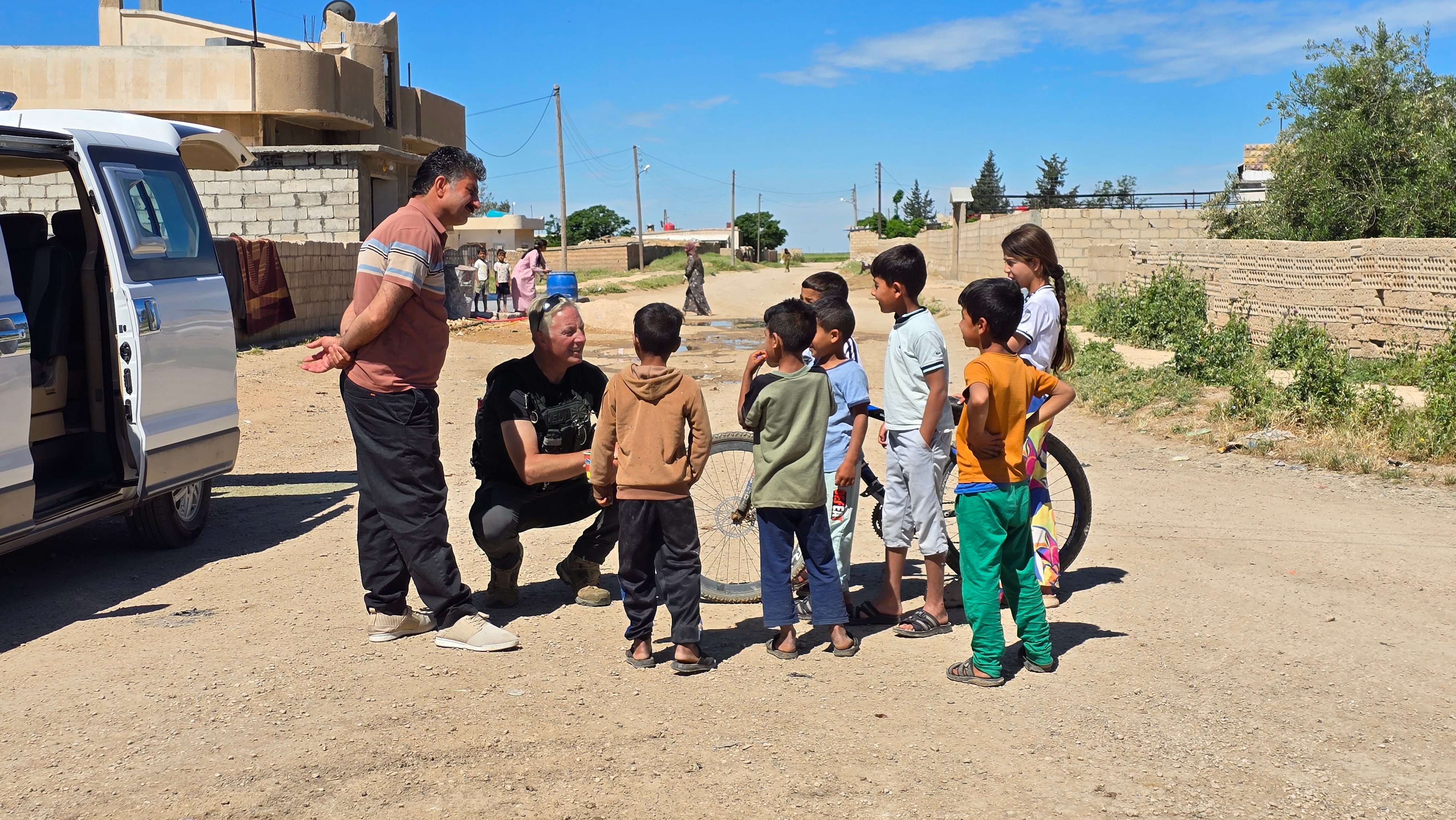
Mine action activities in northeast Syria are enabling displaced families to safely return home and rebuild their lives after years of conflict. Through clearance of landmines and explosive remnants of war, communities are regaining access to homes, farmland, schools, and essential services. Supported by ITF Enhancing Human Security and its partners, these efforts are reducing casualties, restoring livelihoods, and helping create the conditions for long-term recovery and stability.
Turkish Foreign Minister Hakan Fidan stated that Turkey is prepared to contribute to potential mine-clearing operations in the Strait of Hormuz if required. The remarks come amid concerns over maritime mine threats affecting one of the world’s most important shipping routes. Turkey indicated that its participation would support international efforts to ensure freedom of navigation, maritime security, and the safe passage of commercial vessels through the strategically vital waterway.
Ukraine is becoming one of the most significant innovation environments for mine action in the world, writes Paul Heslop, UN RCO Senior Mine Action expert in Ukraine. What is emerging here is not just a large-scale clearance challenge, but a live testing ground for new approaches that could reshape how contamination is detected, managed, and cleared globally.
🇺🇦 Ukraine: From Clearance to Outcomes: Rethinking Mine Action in Ukraine

A new article from UNMAS Ukraine explores the importance of looking beyond clearance outputs to outcomes: safer communities, restored livelihoods, renewed economic activity, and sustainable recovery. As Ukraine continues to address contamination on an unprecedented scale, mine action is evolving to better understand and demonstrate its impact on people and communities. The article highlights how outcome-focused approaches can help prioritise resources, strengthen national ownership, and maximise the benefits of mine action for recovery and development.
🇺🇦 🇷🇺 🇺🇳 Ukraine: IAEA monitors demining near Zaporizhzhia Nuclear Power Plant ahead of power line repairs

The International Atomic Energy Agency (IAEA) has begun monitoring demining operations around the Zaporizhzhia Nuclear Power Plant under a localized ceasefire agreed by Russia and Ukraine. The clearance is a prerequisite for repairing the damaged 750-kV Dniprovska power line, a critical step in restoring the plant’s external power supply and reducing nuclear safety risks.
🇺🇸 🌊 United States: Trump to discuss demining efforts at G7 as confidence grows for Iran war deal

US President Donald Trump is expected to discuss plans to clear naval mines from the Strait of Hormuz at the G7 summit as optimism grows for a ceasefire agreement with Iran. Britain and France may support demining operations, while Pakistan has indicated a deal could be reached within 24 hours, followed by technical negotiations.
🇻🇳 Vietnam: Farming with confidence
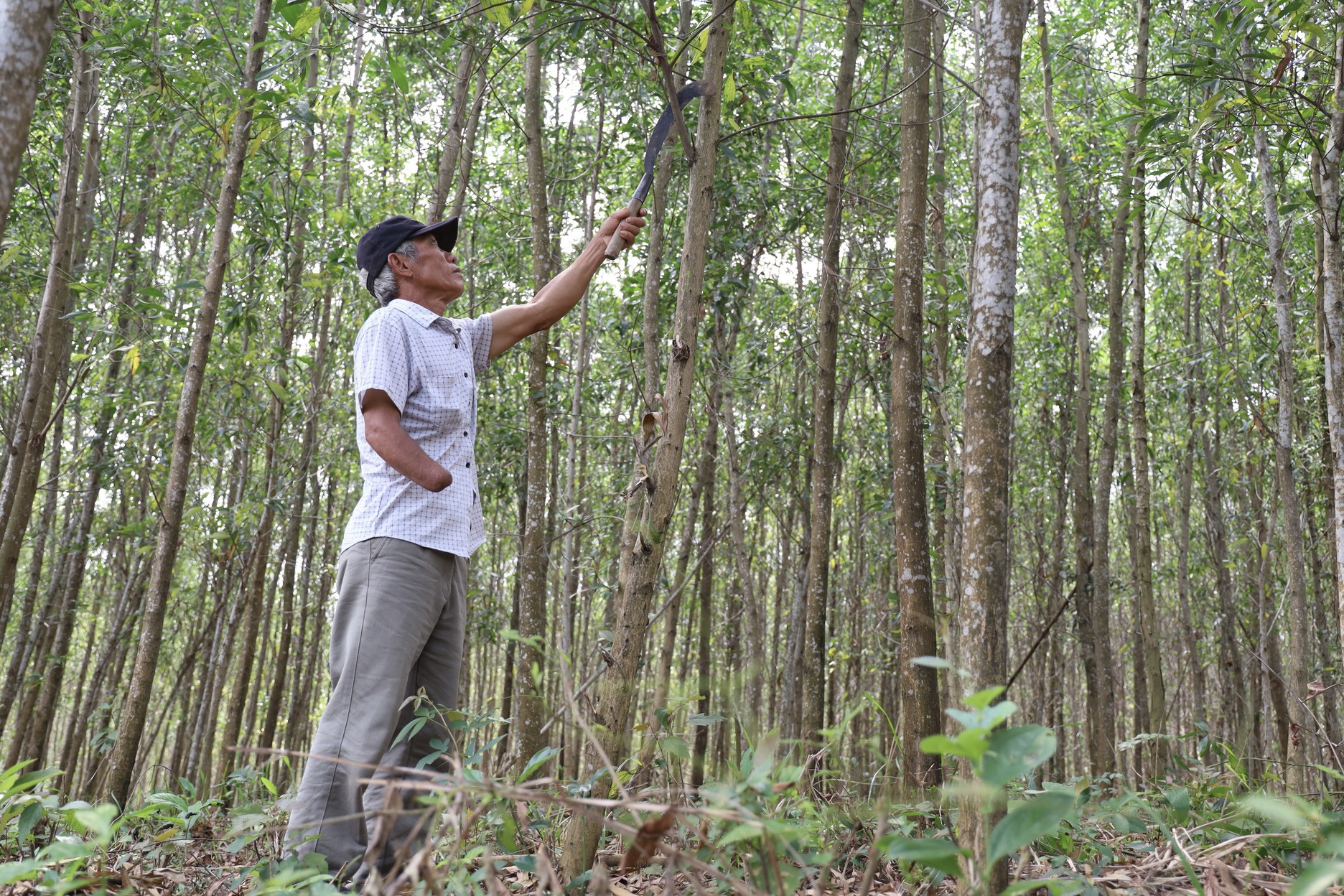
MAG (Mines Advisory Group) is helping communities in central Vietnam safely return contaminated land to productive use. Through survey and clearance operations, MAG removes unexploded ordnance left from decades of conflict, allowing farmers to cultivate land without fear of accidents. The story emphasizes the direct link between mine action and livelihoods, showing how cleared land improves agricultural productivity, household income, and long-term community resilience.
🇾🇪 Yemen: Masam project destroys 1,354 land mines, war remnants in Yemen
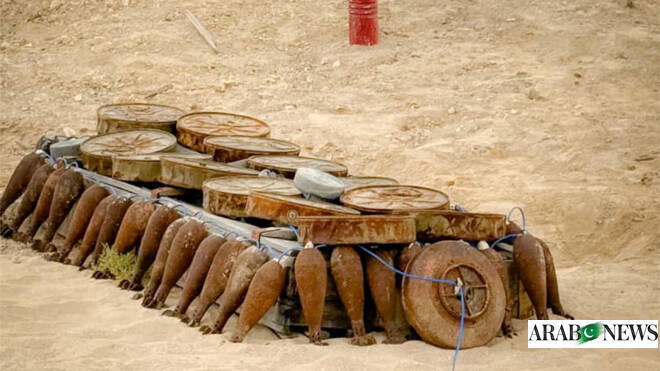
The Masam Project for Landmine Clearance in Yemen, working in cooperation with the Executive Mine Action Center (YEMAC) in Mukalla, destroyed 1,354 landmines and explosive remnants of war in Hadramout governorate. The demolition included anti-personnel and anti-vehicle mines, mortar rounds, artillery ammunition, grenades, and fuzes. It was the eighth such operation in Hadramout since January 2026, during which Masam teams have destroyed 15,463 landmines, improvised explosive devices, and unexploded ordnance.
🌍 Before Recovery Comes Landmine Clearance: Getting to Know the Work of UNMAS and UNOPS

The United Nations Mine Action Service (UNMAS) and the United Nations Office for Project Services (UNOPS) highlighted the critical role of mine action in enabling post-conflict recovery. Working in countries affected by landmines and explosive remnants of war, UNMAS coordinates mine action policy and programmes while UNOPS delivers operational support, including survey, clearance, explosive ordnance risk education, and capacity development. The piece emphasises that safe returns, reconstruction, economic recovery, and humanitarian access often depend on mine action being conducted before broader recovery efforts can begin.
🌍 From Bosnia to Ukraine: Thirty Years of Mine Action

INTERSOS reflects on three decades of humanitarian mine action, drawing lessons from operations in Bosnia and Herzegovina and applying them to current challenges in Ukraine. The organisation highlights the long-term humanitarian, social, and economic impacts of explosive ordnance contamination, emphasizing the importance of survey, clearance, risk education, victim assistance, and sustained international support to help affected communities recover and rebuild safely after conflict.
Other EO Finds from Around the Globe:
🇮🇳 India: Army Neutralises 42 Unexploded Shells Near LoC in Poonch
🇮🇳 Indian Army Safely Defuses 1962-Era Unexploded Mortar Shell In Arunachal's Tawang
🇮🇱 Israel: Police defusing unexploded missile interceptor found near Yokneam
🇱🇧 Lebanese Army Disarms Unexploded Bomb and Recovers Israeli Drone
🇲🇾 Malaysia: Unexploded ordnance near Pulau Mamutik detonated safely, says Eastern Fleet Command
🇬🇧 United Kingdom: Porthcawl beach evacuated for controlled explosion
🇬🇧 United Kingdom: Southampton's biggest unexploded bomb at the Bargate
🇻🇳 Vietnam: Two wartime bombs safely disposed of in Quang Tri
2. Explosive Ordnance Risk Education (EORE)
🇸🇾 🇪🇺 Syria: Growing among landmines: safeguarding children in northwest Syria

Children in northwest Syria continue to face daily risks from landmines and unexploded ordnance left behind by years of conflict. Supported by the European Union, humanitarian organisations are conducting explosive ordnance risk education, community awareness campaigns, and child-focused protection activities to reduce casualties and help communities live more safely amid widespread contamination.
3. Accidents, Survivors, Victim Assistance
🇦🇿 Azerbaijan: Land mines killed 73 Azerbaijanis since 2020 war, official says
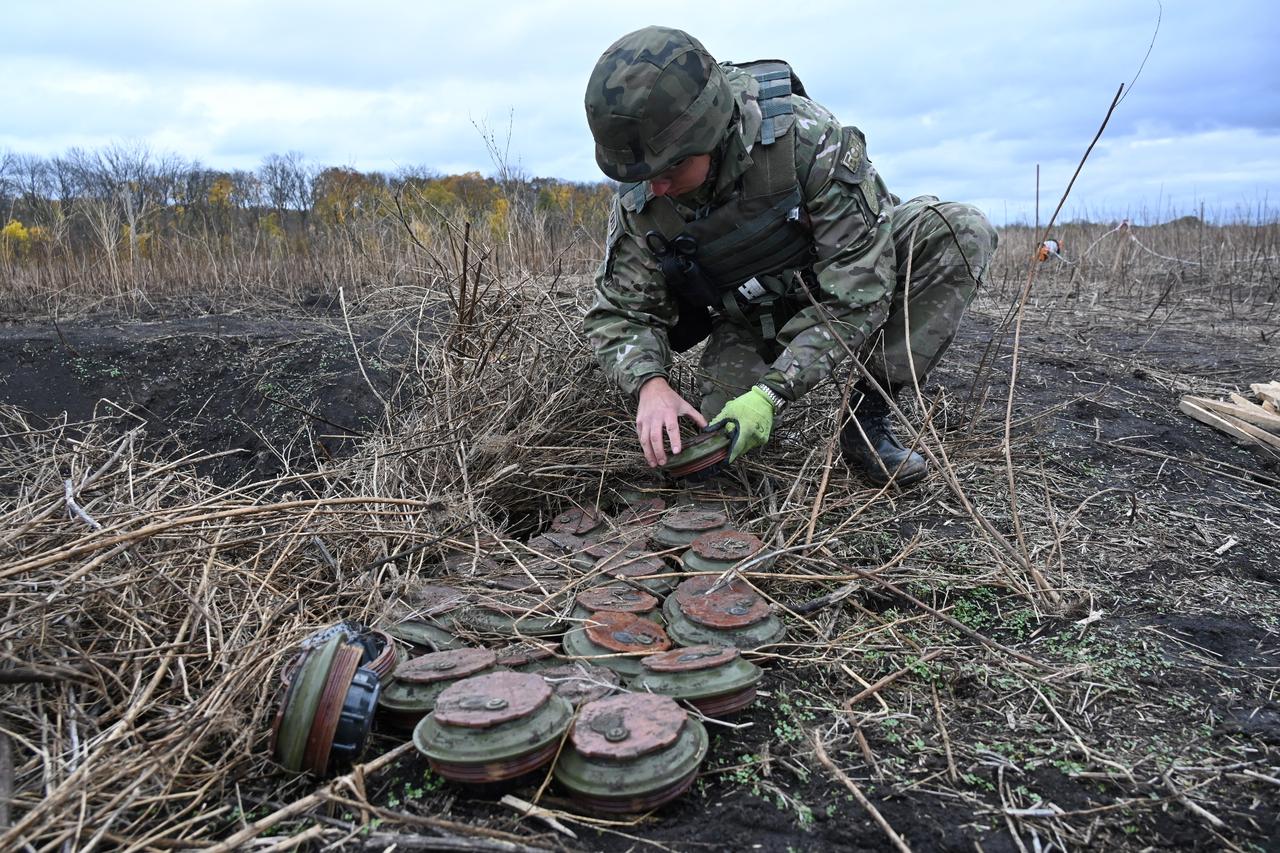
The Azerbaijan National Agency for Mine Action (ANAMA) reported that landmines and explosive remnants of war have killed 73 people and injured hundreds more in Azerbaijan since the end of the 2020 conflict. ANAMA stated that contamination remains a major obstacle to reconstruction, resettlement, and economic recovery in Karabakh and East Zangezur, despite ongoing survey and clearance operations conducted with national and international partners.
Bu Ri lost a leg to a mine in Myanmar decades ago. More recently, six other members of his family have suffered a similar fate or worse, in a sign of the devastation wreaked by civil war. Read more here.
Six-year-old Mahmoud was severely injured after picking up a cluster munition he mistook for a toy shortly after his family returned to their home in Syria. His story illustrates the ongoing danger posed by landmines and explosive remnants of war in areas where fighting has ended. Handicap International (HI) continues to support affected communities through risk education, victim assistance, and advocacy for greater clearance efforts to make return areas safe for civilians.
Other EO Accidents from Around the Globe:
🇦🇫 Afghanistan: One child killed, six injured as two unexploded devices go off in Southern Afghanistan
🇦🇫 Afghanistan: Artillery Shell Explosion in Paktika Claims Seven Lives
🇧🇩 Bangladesh: Rohingya refugee killed in landmine blast near Bangladesh border
🇮🇳 India: Two Soldiers Killed in Accidental Blast Near LoC in North Kashmir
🇮🇳 India: Forest fire along LoC triggers land mine explosions in Rajouri
🇮🇷 Iran: A 21-Year-Old Resident of Saqqez Killed by a Landmine Left Over from the Iran-Iraq War
🇱🇧 Lebanon: Man injured in landmine explosion near Lebanese-Syrian border in Akkar
🇳🇬 Nigeria: 10 killed in landmine explosion on road in Nigeria
🇳🇬 Nigeria: Police Recover Nine Additional Bodies After Landmine Explosion in Zamfara
🇸🇾 Syria: Old ordnance | Young man injured in Al-Hasakah countryside
🇺🇦 Ukraine: Drone Strike Kills Ukrainian Deminer During Mine Clearance Operation in Kharkiv Region
🇺🇦 Ukraine: Two people were blown up by a land mine in the Oleshky community; one person is dead
4. Advocacy, Policy, Conventions, Strategies and Standards
🇱🇧 Lebanon: Anti-personnel mines: Lebanon accedes to the Convention

Lebanon has formally acceded to the Anti-Personnel Mine Ban Convention (Ottawa Treaty), becoming a State Party to the treaty prohibiting the use, stockpiling, production, and transfer of anti-personnel mines. The move was welcomed by the international mine action community, including the Lebanon Mine Action Center (LMAC), which coordinates national mine action efforts. Accession reinforces Lebanon’s commitment to civilian protection, humanitarian disarmament, and long-term efforts to address landmine contamination affecting communities across the country.
🇺🇦 Ukraine: Cabinet Authorizes Humanitarian Demining of Forests

Ukraine’s Cabinet of Ministers has approved procedures allowing humanitarian demining operators to conduct clearance activities in forested areas. The decision expands the scope of humanitarian mine action beyond agricultural land and settlements, addressing contamination in forests affected by the war. The measure is intended to support safe public access, environmental management, forestry activities, and broader recovery efforts in mine-affected regions.
🇾🇪 Yemen: German Ambassador: MASAM Plays Vital Role in Protecting People from Mine Risks in Yemen

The German Ambassador to Yemen, Thomas Schneider, has stressed the importance of the MASAM Project for Landmine Clearance in Yemen, commending its efforts to protect civilians and mitigate daily life-threatening risks. Schneider expressed his support for the project's activities due to their paramount importance in protecting the population and mitigating the risks that threaten lives on a daily basis.
Handicap International (HI) warns that the global norm against anti-personnel mines is under increasing pressure due to renewed mine use in ongoing conflicts and the withdrawal of several states from the Anti-Personnel Mine Ban Convention (Ottawa Treaty). HI calls on governments to publicly reaffirm their commitment to the treaty, strengthen diplomatic engagement with withdrawing states, reinforce the international stigma against anti-personnel mines, and prevent any new use, production, or transfer of these weapons. The organization also urges parliamentarians and civil society to hold governments accountable and amplify the voices of survivors and affected communities in defending one of the world's most successful humanitarian disarmament treaties.
🌍 A Reform Roadmap for Humanitarian Mine Action

The author proposes a reform agenda for the humanitarian mine action sector, arguing that organisations and donors should place greater emphasis on outcomes, efficiency, innovation, and local ownership. The commentary discusses challenges related to funding models, prioritisation, performance measurement, and institutional incentives, while calling for reforms that better align mine action activities with the needs of affected communities and broader recovery objectives.
🌍 Harbour Energy and The HALO Trust expand partnership
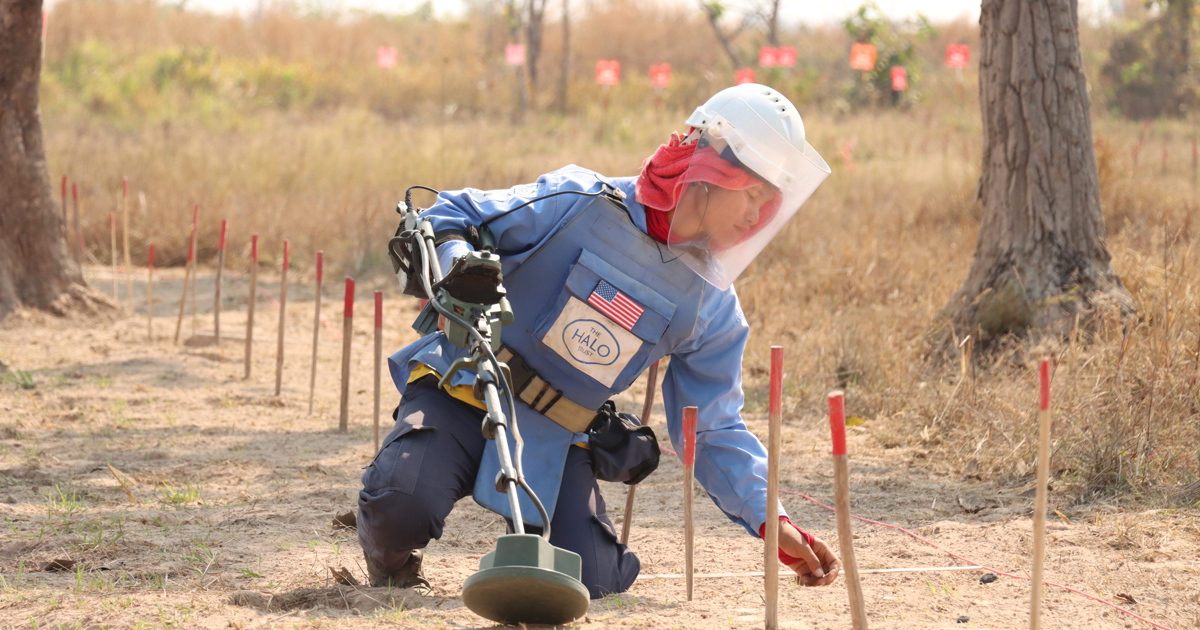
The HALO Trust and Harbour Energy have expanded their partnership to strengthen safety in demining operations worldwide. Since January 2026, the collaboration has focused on improving safety-critical training for more than 8,500 HALO staff across over 30 countries, using insights from more than 2,000 interviews with frontline deminers. The partnership is helping develop enhanced training materials, AI-enabled learning tools, and evidence-based risk reduction measures to better protect deminers working in hazardous environments.
This report by MAG (Mines Advisory Group) argues that the intersection of explosive ordnance (EO) contamination and human mobility presents one of the most pressing challenges in humanitarian action today. As displacement becomes increasingly prolonged and complex, EO contamination continues to pose a barrier to safe movement, limiting humanitarian access, delaying reconstruction, and undermining the achievement of durable and dignified solutions for many communities worldwide.
5. Stockpile Destruction, Demolition, WAM and Disarmament
🇰🇬 Kyrgyzstan: The critical role of ammunition inventory in Kyrgyz Republic
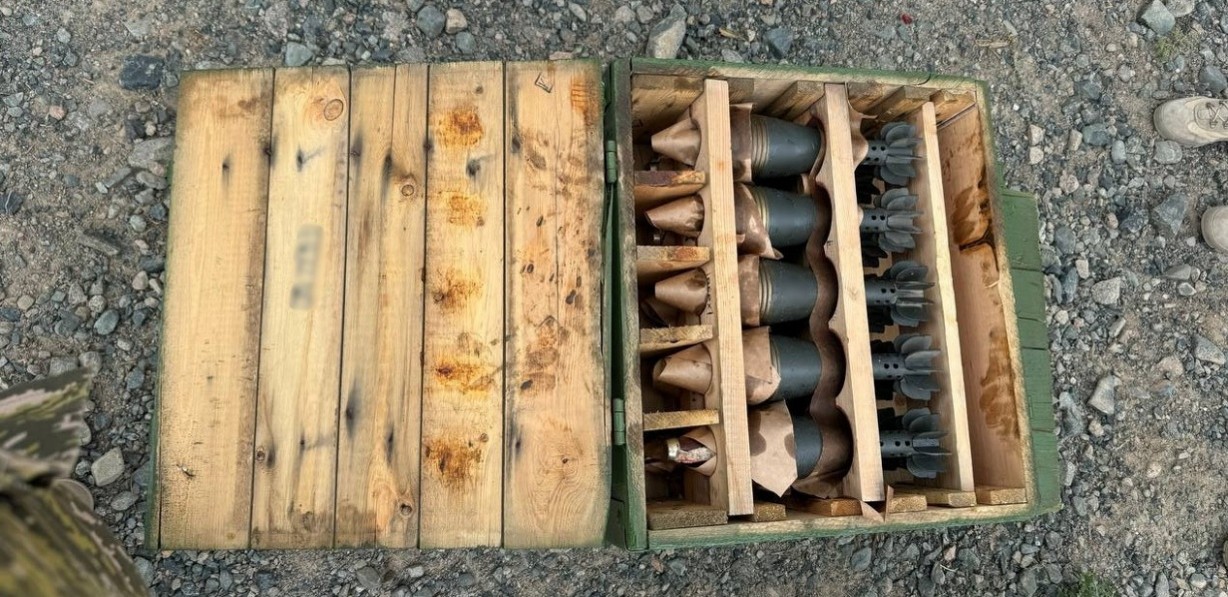
The Kyrgyz Republic is strengthening its ammunition management systems through cooperation with the ITF Enhancing Human Security and international partners. Effective ammunition inventory management helps reduce the risk of unplanned explosions, theft, diversion, and accidents while improving the safety and security of military stockpiles. The initiative supports the development of modern inventory practices, capacity building, and compliance with international standards for conventional ammunition management.
6. Research, Innovation, Technology and Market Trends
🇺🇦 Ukraine: Three Ukrainian developers will receive grants of up to $100,000 for demining technologies
Three Ukrainian teams—Kaban Digger, Badger, and ACTIVE ALLIANCE LLC—have reached the finals of the Minesight Open Innovation Challenge and will each receive up to $100,000 to develop prototype technologies for humanitarian demining. The competition focuses on improving excavation methods for explosive ordnance removal. After six months of development and testing, the winning team will receive an additional $100,000, bringing total potential support to $200,000.
🇺🇦 Ukraine: UDS tested a new tiller-type working tool for the Germina mechanical demining machine
UDS has tested a new tiller-type working tool for the Germina mechanical demining machine. The tool was provided by the manufacturer for evaluation under conditions as close as possible to real operational use. A comprehensive assessment was conducted, including vegetation clearance efficiency, actual soil processing depth, productivity, and suitability for humanitarian demining tasks across various terrain types.
Ukraine’s Ministry of Defense has approved the domestically developed NEO-1 robotic platform for military use. Designed primarily for remote demining, the modular system can also transport supplies and tow equipment. The move supports Ukraine’s broader effort to reduce risks to personnel and accelerate clearance of an estimated 460,000 hectares of mine-contaminated land.
🇺🇸 United States: Binghamton University innovates new technique to detect plastic landmines
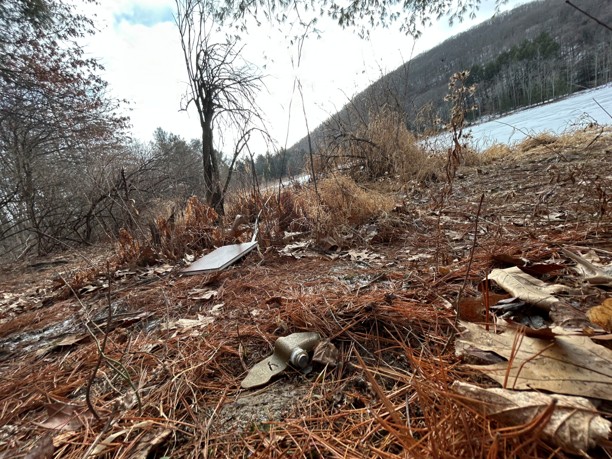
Researchers at Binghamton University have developed an AI-powered drone detection system for identifying surface-laid plastic PFM-1 “butterfly” landmines, which are difficult to locate using conventional metal detectors. The method combines low-altitude drone imagery with machine-learning algorithms to rapidly identify suspected hazardous areas, offering a safer and more efficient tool for humanitarian demining and survey operations.
🌍 Disarming unexploded ordnance with a 3D-printed nylon-water composite jet

Researchers have developed a novel explosive ordnance disposal technique that uses a 3D-printed nylon liner filled with water to create a focused nylon-water composite jet. The jet penetrates an unexploded munition’s casing and disrupts the explosive material without triggering detonation, offering a safer alternative to conventional disposal methods. By adjusting the liner design, researchers can control penetration depth and tailor performance for different ordnance types, with future testing planned on live unexploded munitions. Read the research paper here.
🌊 Clearing the Strait: How Autonomous Systems Are Redefining Mine Countermeasure Operations
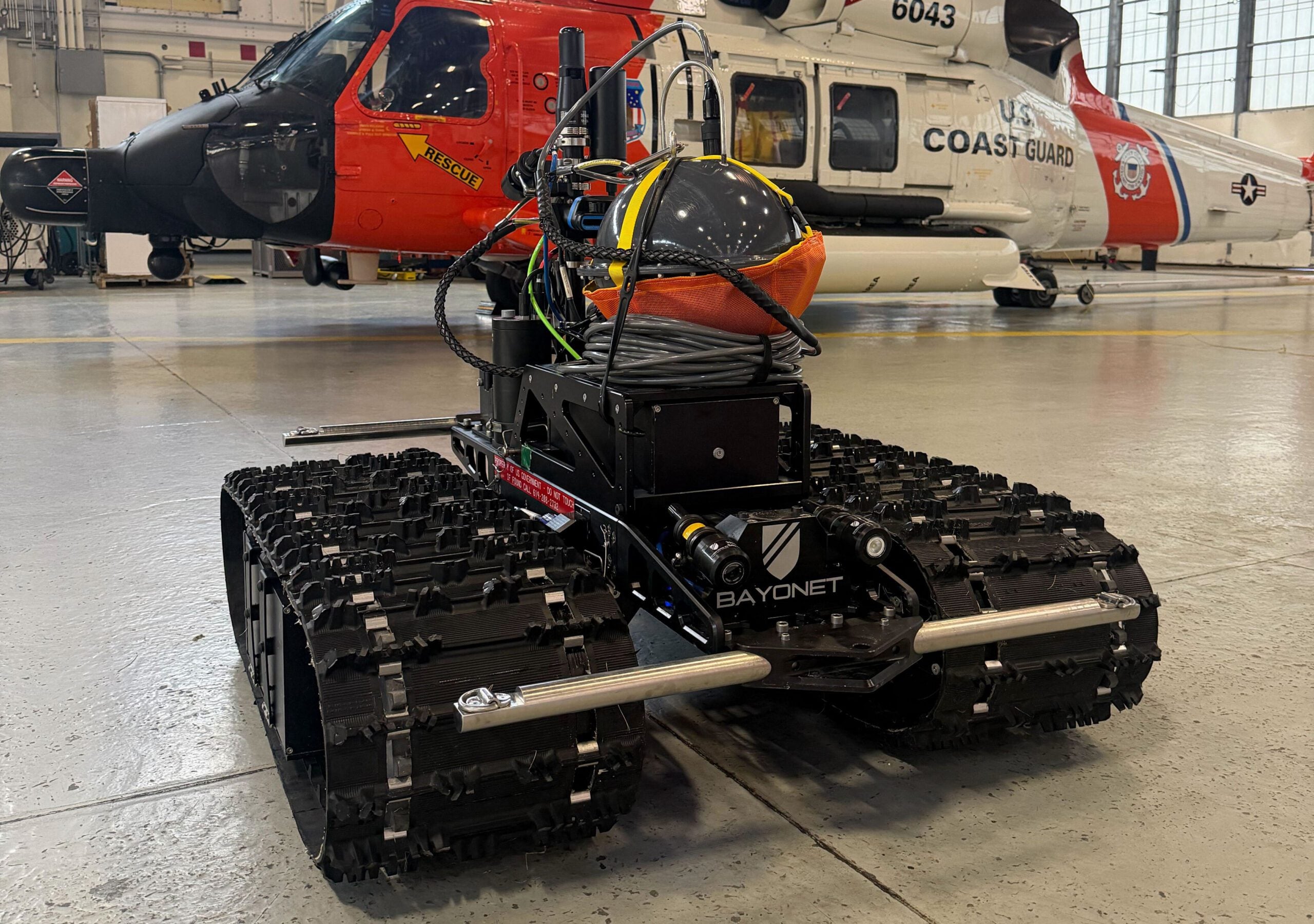
Greensea IQ highlights the growing role of autonomous systems in maritime mine countermeasure operations, particularly in the Strait of Hormuz. The company’s Bayonet Autonomous Underwater Ground Vehicle (AUGV) uses sonar, AI-assisted target recognition, and autonomous navigation to detect and classify mine-like objects in complex seabed environments. Greensea IQ argues that autonomous systems can reduce risks to divers, accelerate surveys, and improve the efficiency of mine clearance operations in strategically important waterways where even the threat of mines can disrupt global commerce.
7. Mine Action Assistance, Funding and Cooperation
🇦🇿 🇬🇧 Azerbaijan, UK explore prospects for demining cooperation
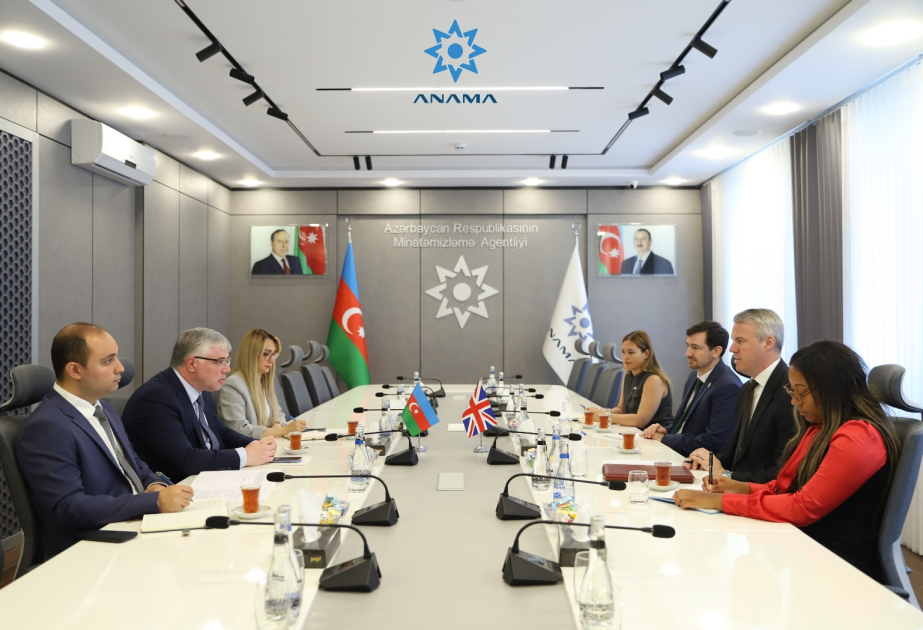
Vugar Suleymanov, Chairman of Azerbaijan’s Mine Action Agency (ANAMA), met with UK Ambassador Fergus Auld to discuss expanding cooperation in humanitarian demining. Talks covered ongoing mine clearance operations in Azerbaijan’s liberated territories, international support for mine action, future joint projects, and broader prospects for UK-Azerbaijan cooperation in the sector.
Speaking on behalf of a group of 19 mine-affected countries, Azerbaijan called for stronger international support for humanitarian mine action and greater recognition of the long-term development impacts of explosive ordnance contamination. The statement highlighted the challenges faced by affected states in clearing contaminated land, assisting victims, and enabling safe reconstruction and resettlement. ANAMA (Azerbaijan National Agency for Mine Action) remains a central actor in Azerbaijan’s national mine action response and land release efforts.
The Government of Australia and the United Nations Development Programme (UNDP) today signed a Contribution Agreement to support the Royal Government of Cambodia's recovery efforts for families affected by the Cambodia–Thailand border conflict in 2025, which displaced more than 640,000 people and disrupted essential services across several provinces.
🇱🇰 🇬🇧 Sri Lanka: London Events Support HALO’s Sri Lanka Mine-Impact Free Mission

The Sri Lankan diaspora in London came together on the June 2, 2026, for two events hosted in support of The HALO Trust, raising awareness of the organization’s life-changing work to clear landmines and help communities rebuild across Sri Lanka.
🇱🇰 🇺🇸 Sri Lanka: The United States continues to support a mine-free Sri Lanka
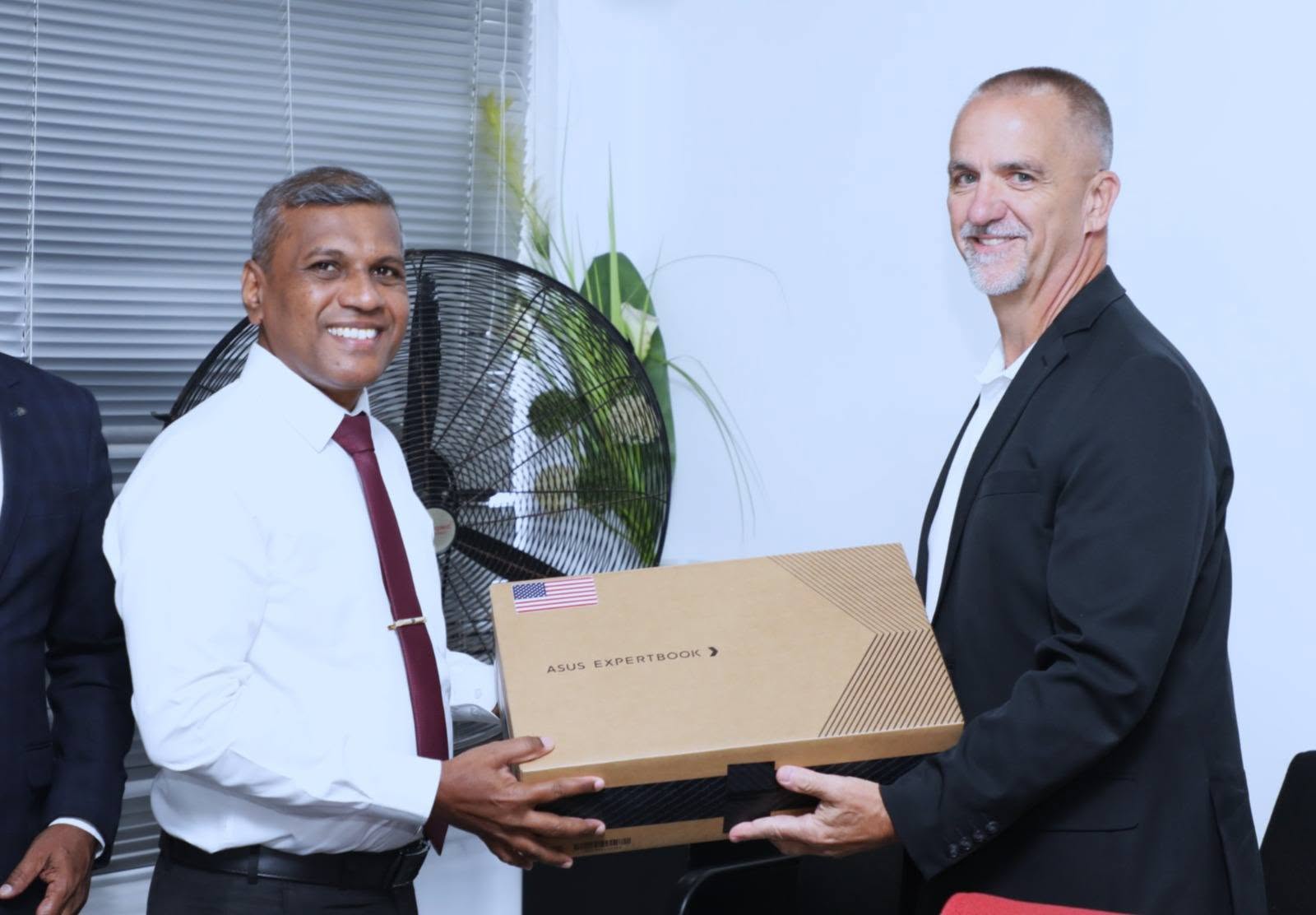
The United States has reaffirmed its commitment to supporting Sri Lanka’s humanitarian mine action programme, which has helped clear vast areas of land contaminated during the country’s civil war. U.S. assistance has contributed to land release, capacity development, and the protection of communities affected by landmines and unexploded ordnance. The support aims to help Sri Lanka achieve its national goal of becoming mine-free by 2028 while enabling safe resettlement, agriculture, and economic recovery.
8. Other News
🇺🇸 ✈️ United States: TSA officers at Ohio airports discover training aid anti-tank mine, realistic replica pipe bomb at security checkpoints in one week

Transportation Security Administration (TSA) officers at two Ohio airports discovered prohibited replicas of explosive devices at the security checkpoint during routine screening in one week. A training aid anti-tank mine was discovered at Dayton International Airport on June 3, and a realistic replica pipe bomb was detected at Rickenbacker International Airport in Columbus on June 8.
🌍 Mine Action Review Project Manager Lucy Pinches Awarded OBE, a Royal British Order
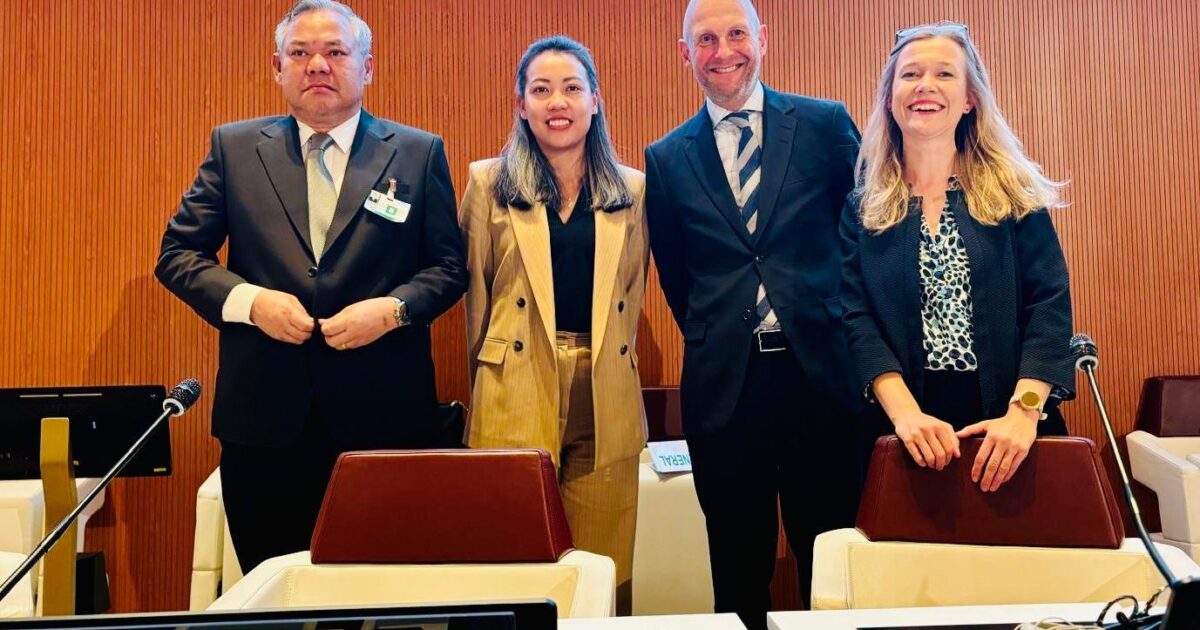
Lucy Pinches, Project Manager of Mine Action Review, has been awarded an Officer of the Order of the British Empire (OBE) in the King’s Birthday 2026 Overseas and International Honours list for her contribution to global efforts to address the humanitarian impact of anti-personnel mines and cluster munitions. The honour recognises Lucy’s services to humanitarian disarmament and peacebuilding.
🎥 Video
A team from the U.S. Army Engineer Research and Development Center (CRREL) and Dartmouth College is developing a drone-mounted electromagnetic induction system to locate and identify unexploded ordnance while keeping personnel out of hazardous areas. The technology uses magnetic fields to distinguish munitions from harmless metallic objects underground and is carried by a Group 2 octo-rotor drone already used by the U.S. Army. Beyond military applications, researchers see potential uses in construction, infrastructure mapping, and locating buried utilities.
📅 Upcoming Events, Courses & Trainings
There are a number of interesting events for the mine action sector in the coming months, and some of the deadlines are approaching quickly.
As States Parties gather in Geneva for the Intersessional Meetings for the Anti-Personnel Mine Ban Convention, NPA and the International Campaign to Ban Landmines - Cluster Munition Coalition (ICBL-CMC) are inviting to a discussion on challenges and pathways to advance Article 5 obligations. This side event, held at 16 June (13:00–15:00 CET) at CICG Geneva, Room B (and online) will bring together representatives of affected states, operators, donors, and independent experts to discuss current challenges, lessons learned, and practical pathways to completion. Register here.
The 2026 Anti-Personnel Mine Ban Convention Intersessional Meetings will take place on 15-18 June 2026 at the Centre International de Conférences Genève (CICG). The Meetings will be chaired by H.E. Ms LUAMBIA Eunice M. Tembo, Ambassador and Permanent Representative of Zambia to the United Nations in Geneva and President of the Twenty-Third Meeting of the States Parties (23MSP). Learn more here.
Understanding Landmines: Facts Behind a Contested Weapon is an interactive public workshop hosted by the Swedish Defence University on 24 June 2026, from 13:00–17:00, at D-huset, D23, Kaserngatan 1, Visby, Sweden. The event explores the technical and military realities of anti-personnel, anti-tank, fragmentation, blast, and “smart” mines, examining their operational utility, humanitarian impacts, and legal implications. Through virtual and augmented reality demonstrations, participants can experience the challenges of living in mine-contaminated environments. The workshop is linked to the Almedalen panel discussion “Does Sweden Need Anti-Personnel Mines?” and is open to drop-in visitors throughout the afternoon. Speakers include doctoral researcher Henrique Garbino and EOD specialist Niklas Alquist.
Organised under the Mine Action Innovation Hub, the Innovation Session 2026: Mine Action in Urban Areas is a three-day, in-person event bringing together mine action practitioners, national authorities, debris management and recovery actors, urban planners, researchers, technology providers, and donors. Applications to participate in the Innovation Session are now open until 17 July 2026.
Felix Connect is a dedicated networking event designed to bring together supporters, partners, and friends of Felix Fund - the bomb disposal charity. It’s a relaxed, welcoming space to connect, network, or simply catch up with familiar faces from across the EOD, Search, defence, and charity communities. The event will be held on 28 September in London. Learn more here.
The Mine Action: Innovation, Sustainability, and Global Partnerships speaker series is structured to address landmine and explosive remnants of war (ERW) challenges through a strictly humanitarian, civilian-protection-oriented framework, with clearly defined ethical, legal, and operational boundaries between humanitarian and military applications of technology. Dates are: FEB 19 | MAR 19 | APR 16 | MAY 21 | JUN 18 | JUL 16 | AUG 20 | SEP 17 | OCT 15 | NOV 19 | DEC 17. Time: 12:00 PM - 1:00 PM ET. Location: Virtual (Zoom Webinar). Register here.
The Geneva International Centre for Humanitarian Demining (GICHD)'s final IMSMA Global training course for 2026 is open for registration: 02 Nov 2026 - 06 Nov 2026 (Application deadline: 2 August 2026).
🔔 Always Stay in the Know – Never Miss an Update
This newsletter is subscribed to by over 3500+ dedicated readers on LinkedIn. To join this community of mine action professionals and supporters, go ahead and subscribe to the Mine Action Weekly newsletter. You can find all editions up to February 2026 on LinkedIn, and from March 2026 onwards here on Mine Action News.
Please reach out to me if there are any mine action news, journal articles, events, or updates that you would like to suggest for the next edition of Mine Action Weekly. You can find (and follow / connect with) me here. See you next Monday!


