Mine Action Weekly, 6 - 12 April 2026
- Markus Schindler

- Apr 13
- 18 min read
A warm welcome to the latest edition of the Mine Action Weekly newsletter - your go-to source for the most important global updates from the mine action sector. Read about the latest news on EO contamination & clearance, EORE, accidents and victim assistance, advocacy efforts, stockpile destruction, mine action innovation & technology, and assistance, cooperation & funding - right here, every Monday. Dive right in and stay up-to-date!

Disclaimers:
This newsletter features news reports and articles from a variety of sources. Mention of these resources does not indicate agreement with or endorsement of the opinions of others. I do not claim responsibility or credit for these works, and do not vouch for the information contained in them.
This newsletter is created and managed in a personal capacity, independent of my professional affiliation with Fondation suisse de déminage (FSD).
🗞️ Weekly News Roundup
The weekly news roundup showcases a low-down of the top mine action news and insights from the past seven days.
1. EO Contamination, Clearance & Land Release
🇦🇫 Afghanistan: Danish Refugee Council removes explosive ordnance from key humanitarian infrastructure supporting forced returnees in Afghanistan
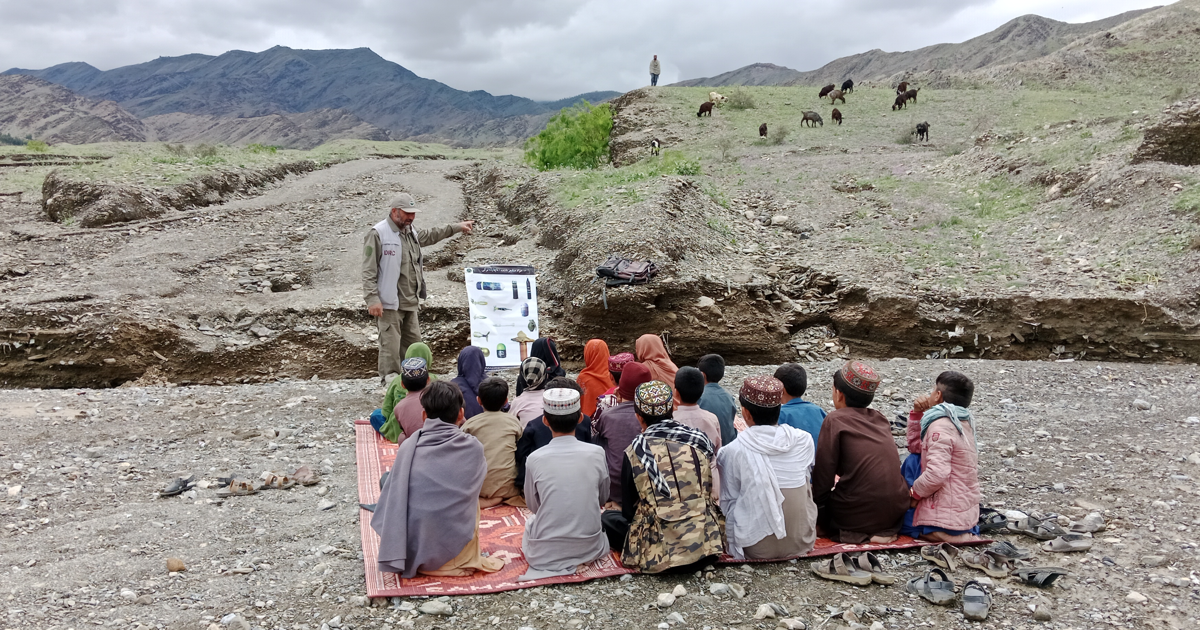
The Danish Refugee Council / Dansk Flygtningehjælp has removed ten pieces of explosive ordnance from critical humanitarian infrastructure supporting forced returnees from Pakistan. This explosive ordnance was found following heavy fighting in March at the Torkham border area following the latest round of Pakistan–Afghanistan hostilities. Read more here.
The Cambodian Mine Action Centre (CMAC) destroyed 11,838 landmines and unexploded ordnance in the first quarter of 2026, the agency’s director general announced yesterday.
Cambodia’s primary demining agency cleared more than 4,000 hectares of land contaminated with explosives in the first quarter of 2026, as the country grapples with a surge in unexploded ordnance following the 2025 Thai invasions.
The United Nations Support Mission in Libya announced the clearance of 92,295 explosive remnants of war during 2025, as part of ongoing efforts to reduce the danger posed by landmines. The mission also provided risk awareness to 24,481 people. In Tripoli, more than 4,000 landmines and unexploded munitions were cleared from the city’s zoo, despite challenges including the presence of cluster munitions.
🇵🇸 Palestine: Gazans face increased risk of unexploded ordnance during ceasefire, NGO warns
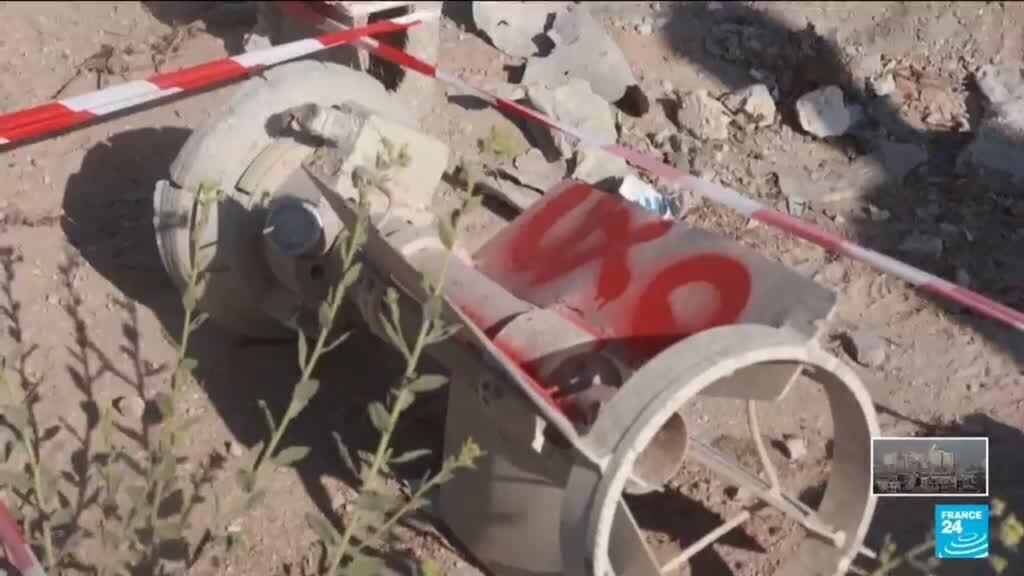
Unexploded ordnance in Gaza poses "enormous" risks for displaced people returning home during a US-led ceasefire, the NGO Handicap International - Humanity & Inclusion has warned as it calls for the entry of demining equipment into the Palestinian enclave. The UN United Nations Mine Action Service (UNMAS) said they have received nearly 100 requests to clear unexploded ordnance since the start of the ceasefire.
🇸🇴 Somali National Army conducts mine clearance operations in the Middle Shabelle region
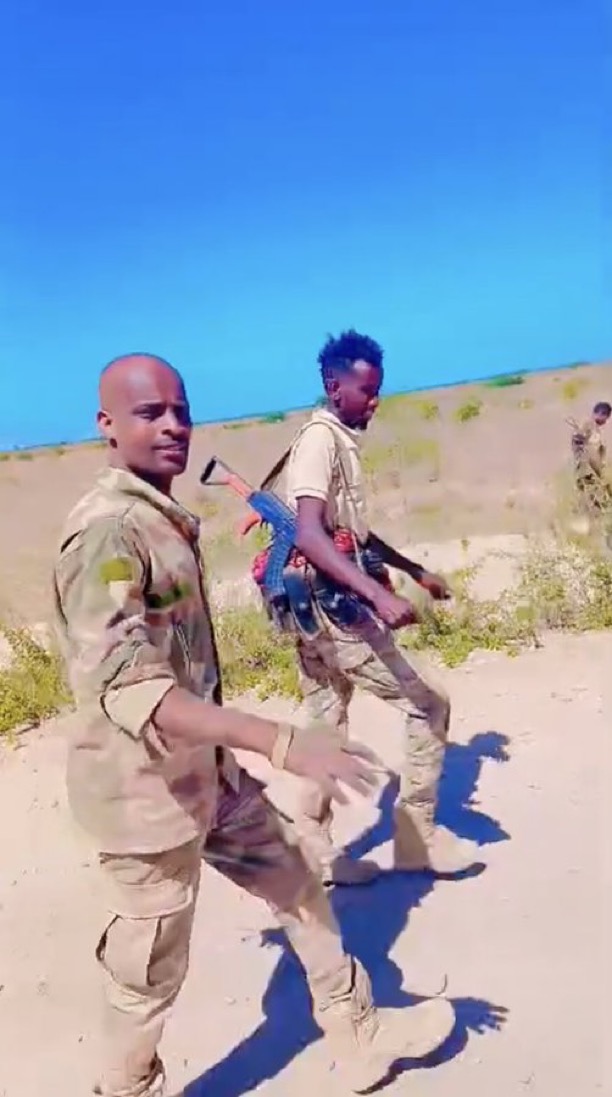
The Somali National Armed Forces (SNAF) conducted a mine clearance operation today in the Gololey area, located in Balcad town in the Middle Shabelle region. The operation successfully removed an improvised explosive device (IED) that had been planted on the road by Al-Shabaab militants to harm local residents. The device posed a serious threat to civilians and vehicles using the route. The task was carried out professionally by the SNAF’s specialised explosive ordnance disposal (EOD) unit.
🇸🇾 Syria: Mine clearance begins around Koniko gas pipeline in Deir Ezzor

Syrian Petroleum Company teams, in cooperation with specialized engineering units, have begun clearing mines and war remnants from around the Koniko gas pipeline in eastern Deir Ezzor, in preparation for its rehabilitation.
🇸🇾 Syria: Mines: a lethal obstacle to Syria’s reconstruction
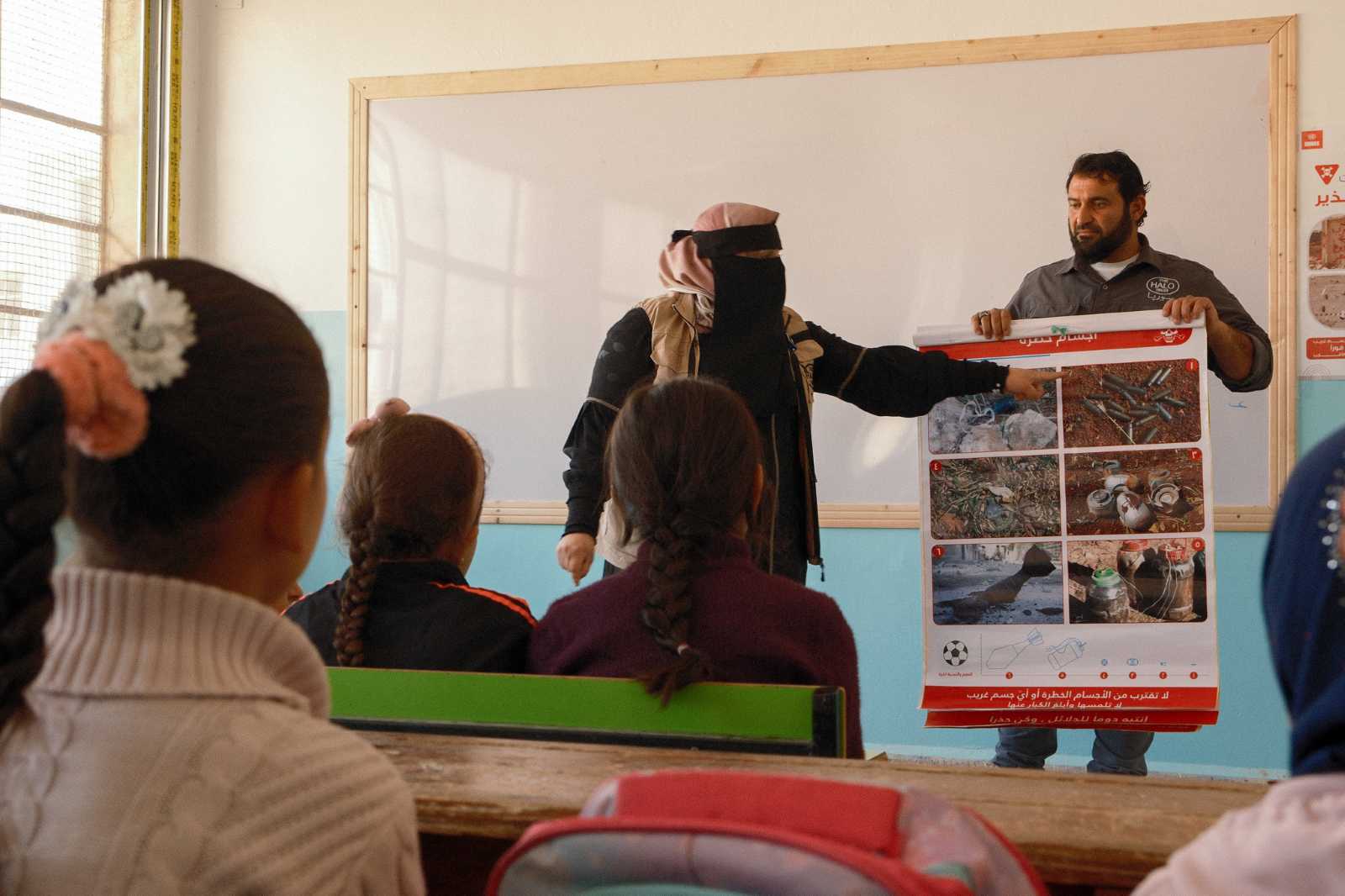
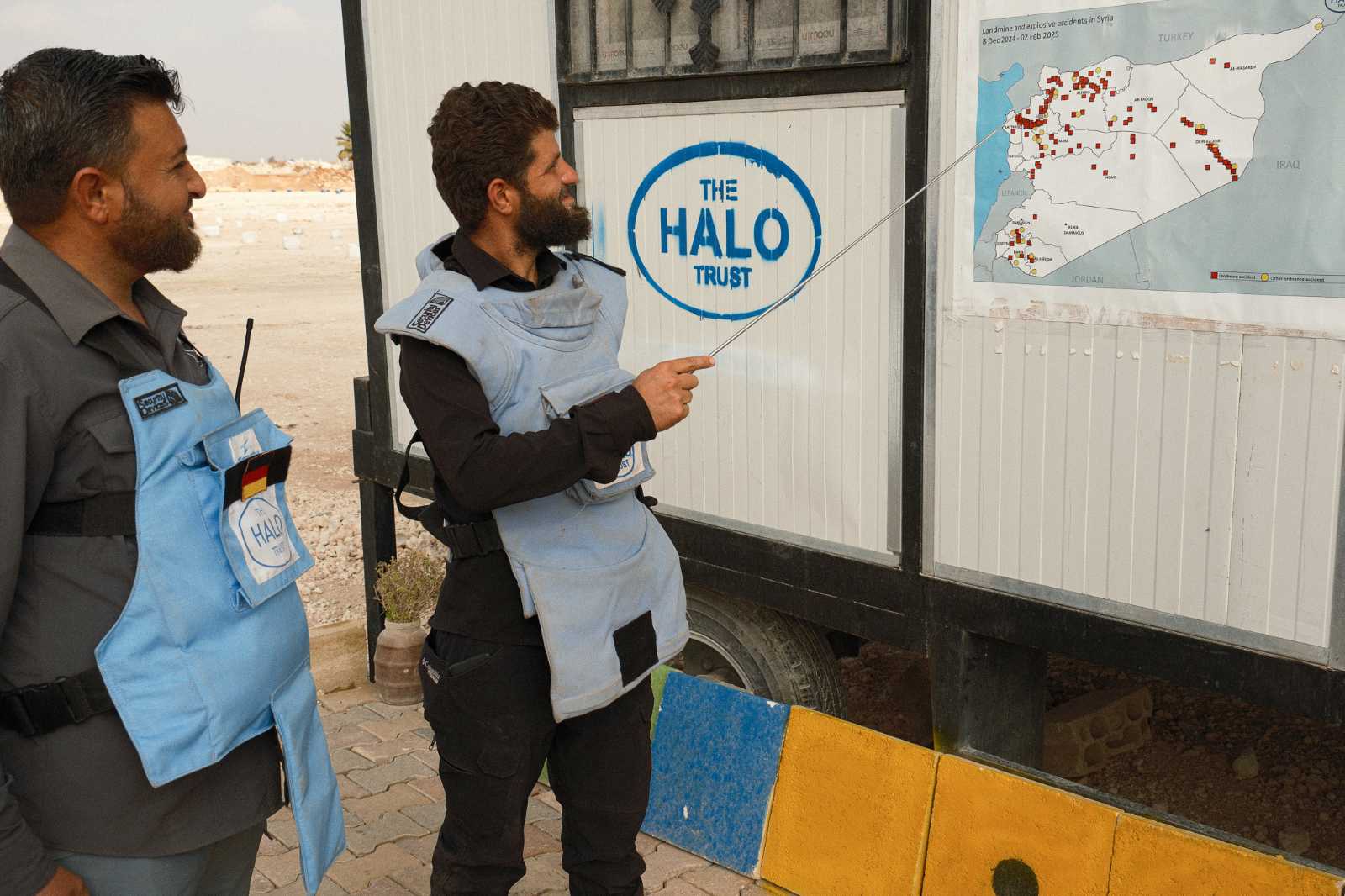
Following the fall of the Assad regime in late 2024, hundreds of thousands of Syrians have returned home from abroad. However, what awaits them is not only a country ravaged by civil war but also land fraught with hidden dangers: mines and unexploded ordnance. A visit to The HALO Trust, a civil society organisation that is clearing mines to make Syria a safer place – one square metre at a time.
The briefing highlights that explosive ordnance contamination in Syria is a major barrier to recovery, not just a protection issue. It restricts livelihoods, infrastructure, and safe returns. Sustained, integrated mine action is essential to enable development, economic stability, and resilience, ensuring investments lead to meaningful and durable recovery outcomes. Read more here.
🇺🇦 Ukraine: In March, 572 hectares of farmland cleared under compensation program
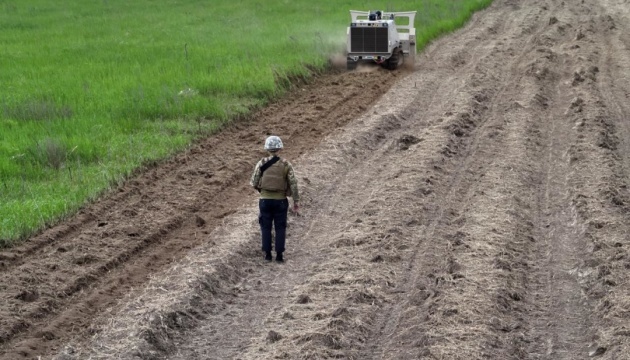
In March, as part of the state program to compensate for the cost of demining agricultural land: 572 hectares of land were demined by mine action operators; 6 agreements on the demining of agricultural land were fulfilled; mine action operators received 35.4 million UAH for the work performed.
🇺🇦 Ukraine: FSD’s Mine Action Programme in Ukraine

Fighting in Ukraine has left behind millions of landmines, cluster munitions, and unexploded or abandoned ordnance, making the country one of the most contaminated in the world. More than a quarter of Ukraine’s territory is believed to be affected by these explosive remnants. This update highlights FSD (Fondation suisse de déminage)’s demining work in Ukraine since 2015.
Another instance of mines being laid in the area was recorded in Kherson. This was reported by the head of the Kherson City Military Administration, Yaroslav Shanko. According to him, “petal”-type mines were found at the corner of Beryslavske Highway and Myru Street. Residents are urged to limit movement in this area, as the mined area may be significantly larger.
🇺🇦 Ukraine: Russian troops scatter ‘invisible’ mines across frontline

Russian forces have begun deploying a new type of anti-personnel mine in the Nikopol district of Ukraine’s Dnipropetrovsk Oblast. Ivan Bazyliuk, head of the district administration, states that “The use of new remotely deployed anti-personnel mines, codenamed ‘Pryanik’ (‘Gingerbread’), has been recorded. These explosive devices are extremely difficult to spot and pose a deadly threat to people’s lives and health.”
🇺🇦 Ukraine: In northern Ukraine, more than 10,000 hectares of arable land damaged by war, with more than 1 mln craters recorded on fields – FAO
The area of agricultural land with potentially contaminated soil in Kyiv, Zhytomyr, Sumy, and Chernihiv regions has reached 765.13 square kilometers, the Food and Agriculture Organization of the United Nations (FAO) reported, citing the results of a study of war-damaged land.
🇬🇧 United Kingdom: About 150 'WW2 phosphorus grenades' found at beach
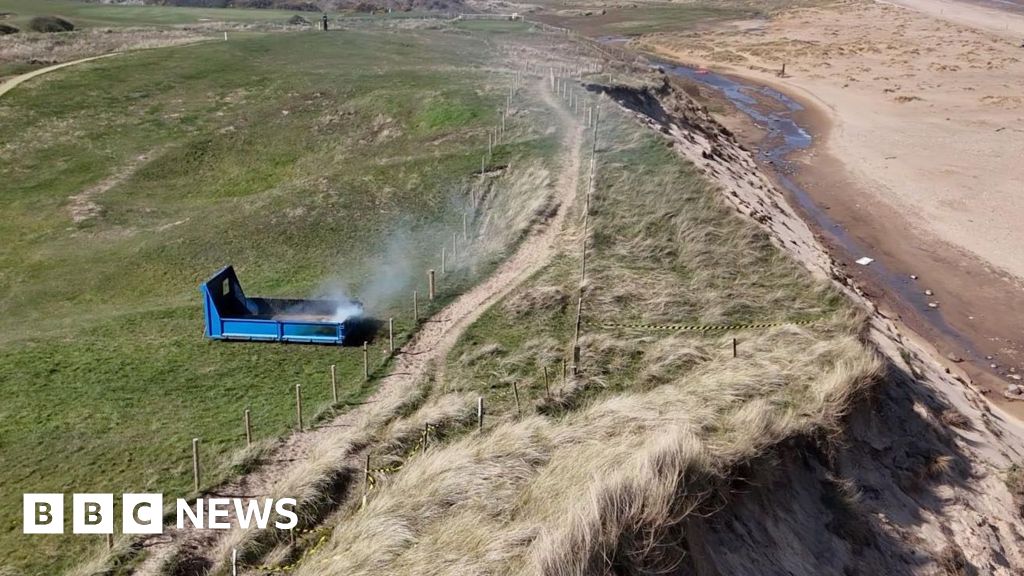
Cleveland Police said a quantity of suspected WW2 ordnance was discovered and had been set alight, leaving one person with minor burns, as crews were called to Crimdon Dene beach, near Hartlepool, on Tuesday morning. The Army said its experts found more than 150 self-igniting phosphorus (SIPs) grenades which were designed to light on contact with the air and produce a flame.
🇬🇧 UK deploys $500M autonomous ‘Adventure’ minehunter system to neutralise naval mines

The Royal Navy has brought a new uncrewed minehunting system into service, aiming to modernise how it detects and clears naval mines. Named Adventure, the system was delivered on 3 April 2026, in Plymouth under a joint UK-France program led by Thales. Rather than relying on crewed mine countermeasure ships, the Royal Navy is shifting toward remotely operated systems.
Handicap International - Humanity & Inclusion has launched demining operations in Yemen, focusing on rapid response to reported explosive hazards. Teams identify, remove, and mark dangerous areas, particularly in heavily contaminated regions like Hodeida. Combined with community awareness, these efforts aim to prevent casualties, restore safe access, and support communities returning home.
🇾🇪 Yemen: Masam Project destroys 1,696 remnants of war in Ghayl bin Yamin
Emergency teams from the Masam Landmine Clearance Project - Yemen for landmine clearance in Yemen — in cooperation with the Executive Mine Action Center’s Mukalla branch — on Wednesday destroyed 1,696 landmines and items of unexploded ordnance in Ghayl bin Yamin district.
🇾🇪 Yemen: Masam project destroys 4,925 mines and war remnants in Bab Al-Mandab
The Saudi-backed Masam Landmine Clearance Project - Yemen for landmine clearance in Yemen has destroyed 4,925 landmines, unexploded ordnance and other explosive remnants of war in the Bab Al-Mandab area of the Taiz governorate.
🌍 Hunger and war: conflict, food security and nutrition
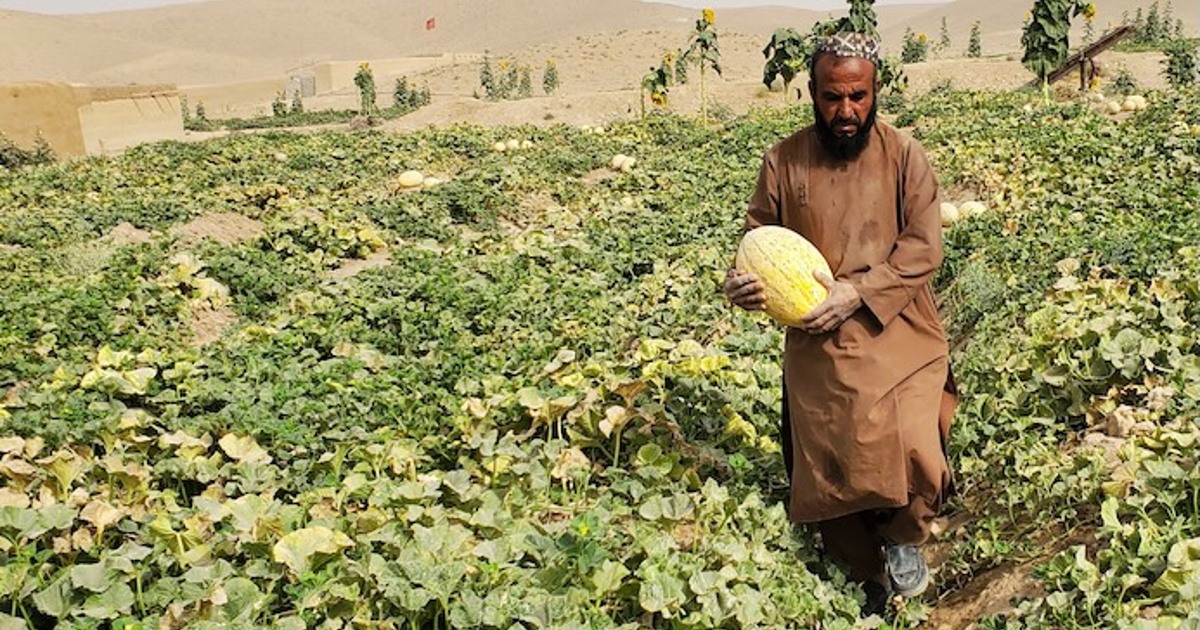
The HALO Trust, in partnership with the Eleanor Crook Foundation (ECF), has released a new policy paper highlighting the urgent and interconnected challenges of modern conflict, food insecurity, and malnutrition - and the critical role that integrated responses can play in breaking this cycle.
U. S. Central Command (USCENTCOM) forces began setting conditions for clearing mines in the Strait of Hormuz, April 11, as two U.S. Navy guided-missile destroyers conducted operations. USS Frank E. Peterson (DDG 121) and USS Michael Murphy (DDG 112) transited the Strait of Hormuz and operated in the Arabian Gulf as part of a broader mission to ensure the strait is fully clear of sea mines previously laid by Iran’s Islamic Revolutionary Guards Corps.
🌊 Iran denies US claims of mine clearing ships' passage through St of Hormuz

On Saturday, a spokesperson for the Iranian military's Khatam al-Anbiya Central Headquarters swiftly denied the US statement, as reported by Al Jazeera. "The claim by the CENTCOM commander regarding the approach and entry of American vessels into the Strait of Hormuz is strongly denied," Al Jazeera quoted the spokesperson as saying. "The initiative for the passage and movement of any vessel is in the hands of the Armed Forces of the Islamic Republic of Iran."
Other EO Finds from Around the Globe:
🇫🇮 Finland: Drone, unexploded warhead crash in Finland. Read more
🇮🇳 Indian Army neutralises World War II unexploded bombs in Assam. Read more
🇮🇷 Iran: The Americans just took and lost in Iran high-precision GBU-39. Read more
🇮🇹 Italy: WWII Artillery Shell Neutralized Near Caserta Railway. Read more
🇰🇪 Kenya: Hand grenade recovered at scrap yard in Syokimau. Read more
🇽🇰 Kosovo: Explosive device found in Rahovac, KBS demining units carried out a controlled explosion. Read more
🇰🇼 Kuwait Army Conducts Explosives Disposal Operation, Warns of Possible Blast Sounds. Read more
🇲🇼 Malawi: Police defuse explosive devices discovered at construction site in Mchinji as security concerns mount. Read more
🇲🇹 🌊 Malta: Diver spots pre-WW1 bomb at Għar Lapsi, AFM say it was unexploded. Read more
🇬🇧 United Kingdom: Bomb disposal team remove device at Dorset beach. Read more
🇬🇧 United Kingdom: Bomb squad called after wartime device found at Crimdon Dene. Read more
🇬🇧 United Kingdom: Unexploded WW1 ordnance found near popular beach during half-term. Read more
🇬🇧 United Kingdom: Unexploded device found at property and people warned to stay away. Read more
🇬🇧 United Kingdom: Bomb squad called after 'grenade' found at Plymouth property during clearout. Read more
🇺🇸 United States: Live mortar round dug up in yard, bomb squad responds. Read more
🇺🇸 United States: Bomb squad investigates after piece of military ordnance found on 405 Fwy in Inglewood. Read more
🇺🇸 United States: Bomb Squad responds after hand grenade found in Morgan County. Read more
🇺🇸 United States: Unexploded ordnance incidents safely resolved through strong agency coordination. Read more
🇺🇸 United States: Smithfield street reopens after bomb squad removes unexploded ordnance. Read more
2. Explosive Ordnance Risk Education (EORE)
🇦🇿 Azerbaijan: Baku event highlights mine awareness and youth role in post-war recovery

An event titled "Safe Future for the Sake of the Great Return" was held in Baku, organized on the initiative of the Great Return Youth Organization, with the partnership of the Youth Fund and the Azerbaijan National Agency on Mine Action (ANAMA). The event aimed to raise awareness of the mine threat in Azerbaijan, as well as to strengthen awareness-raising efforts among youth regarding the mine danger.
🇺🇦 Ukraine: Mine Awareness Quest in Kyiv and Mykolaiv
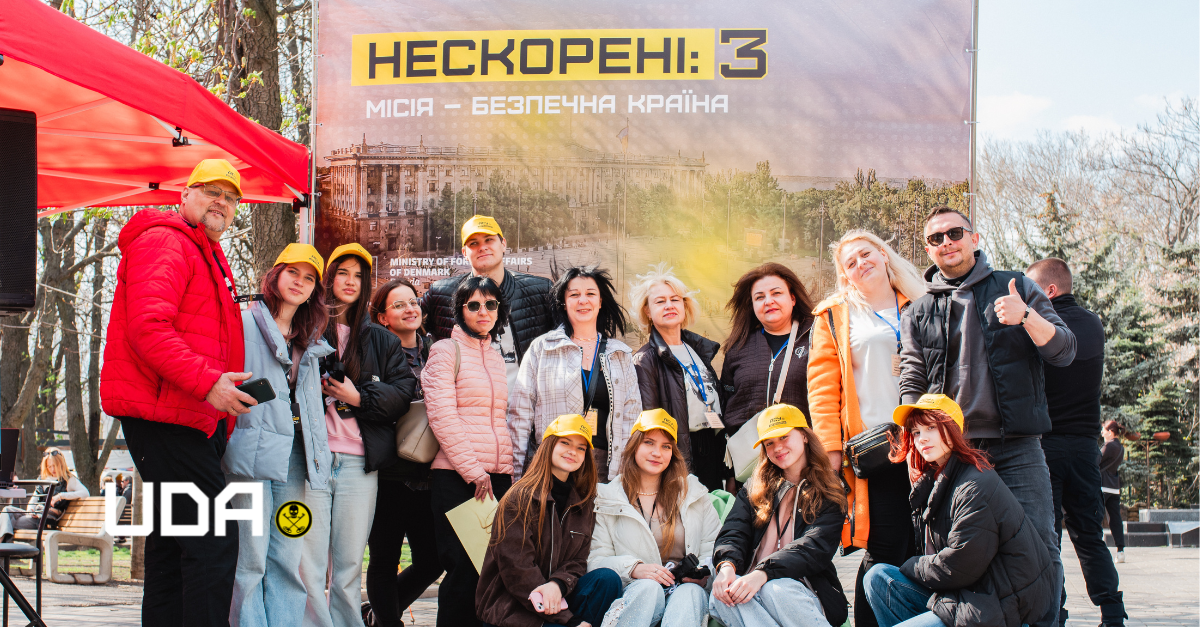
On April 4, an interactive quest titled “The Unconquered: Mission—A Safe Country” took place in Kyiv and Mykolaiv to celebrate International Mine Awareness Day. The event was organised by the Ukrainian Deminers Association with support from Save the Children International in Ukraine and funded by the Ministry of Foreign Affairs of Denmark. About 700 participants—adults and children—took part in the quest.
🇾🇪 Yemen: How One Risk Education Session Empowered a Girl to Save Lives
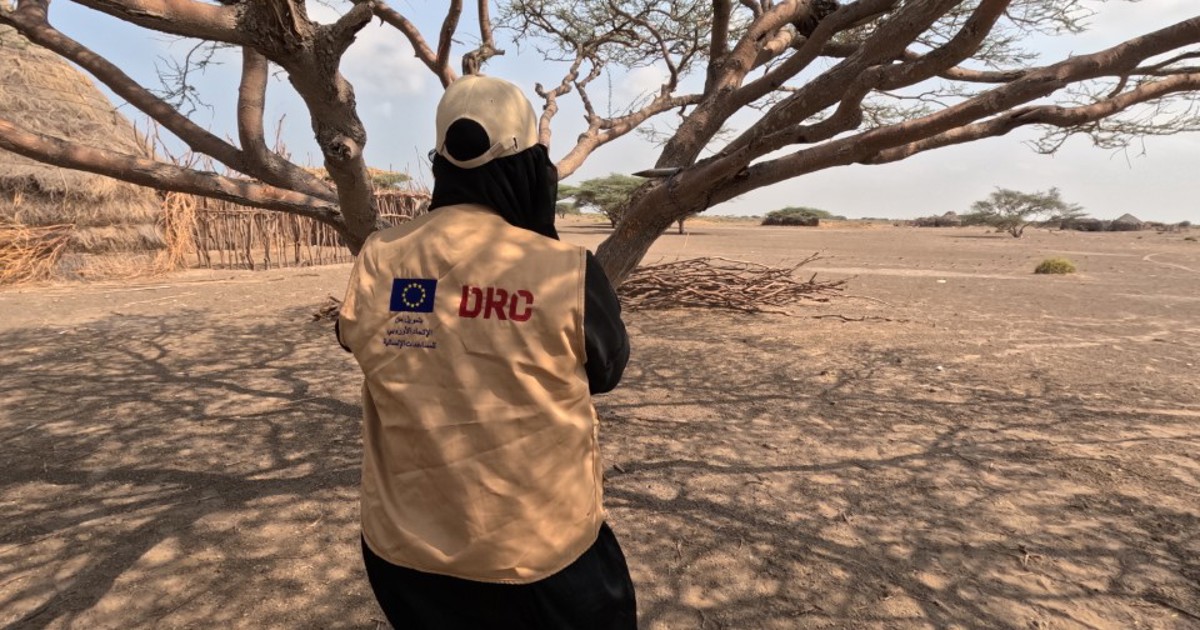
A risk education session in Yemen empowered 15-year-old Edah to identify and report unexploded ordnance near her village. Her actions enabled safe marking and removal, preventing potential harm. The story highlights how mine risk education can build awareness, encourage community action, and directly save lives.
3. Accidents, Survivors, Victim Assistance
🇦🇫 Afghanistan: 96 Dead in One Year as Mine Clearance Capacity in Afghanistan Drops by 70%
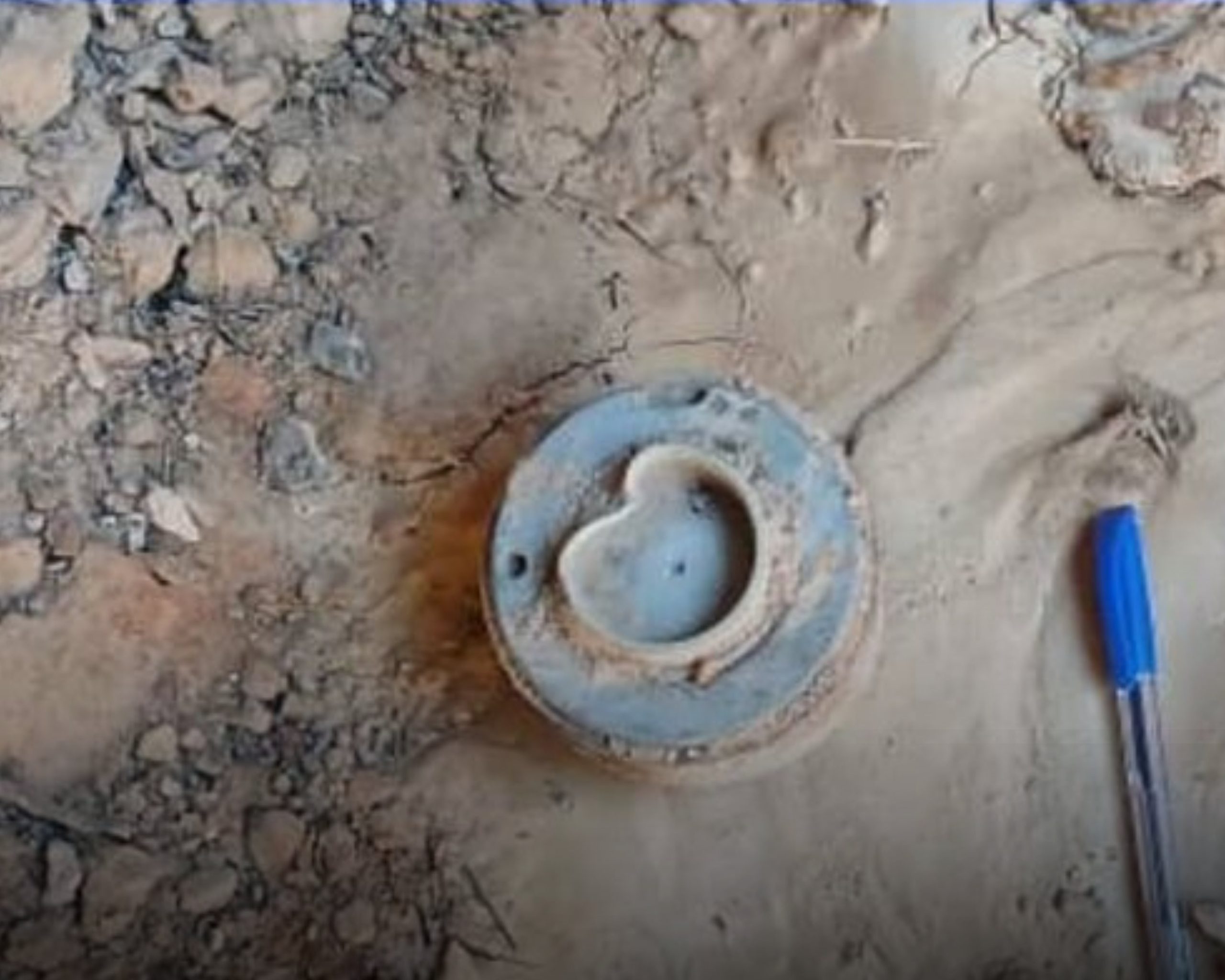
The Taliban’s Incident Response Department has reported that at least 96 people have died and 328 others have been injured in the past year due to landmine explosions and unexploded ordnance in Afghanistan. These statistics indicate that the threat posed by leftover explosive materials from the war continues to claim victims, particularly among civilians in rural areas. According to the department, Afghanistan’s capacity for mine clearance has decreased by 70% compared to previous periods, raising concerns about an increase in civilian casualties.
🇦🇫 Afghanistan: Unexploded ordnances continue devastating communities, mainly children
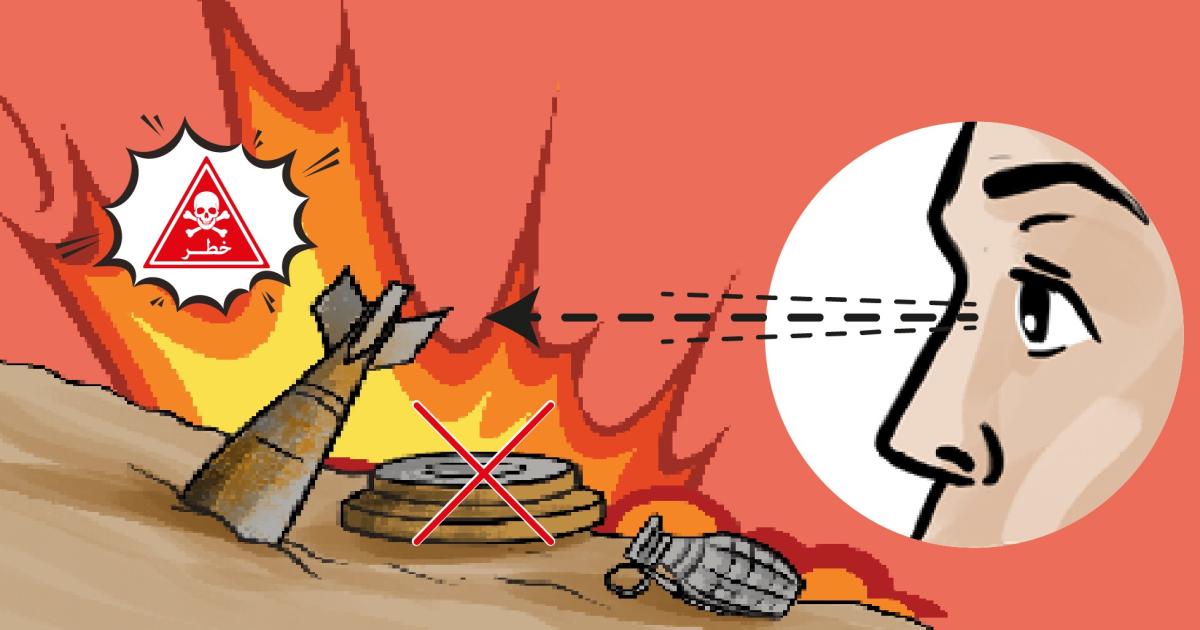
As the world marks the International Day for Mine Awareness and Assistance in Mine Action on 4 April, the scale of weapon contamination in Afghanistan has made children particularly vulnerable. Children face fatal or life-changing injuries as they unknowingly step on landmines or pick up dangerous unexploded ordnance (UXO) that are littered around the places where they live, play or tend to be grazing animals.
🇦🇿 Azerbaijan: ANAMA: Most mine incidents caused by failure to follow safety rules

Most mine-related incidents in Azerbaijan occur due to citizens" failure to comply with safety rules, Rauf Huseynov, Chief of Staff of the Azerbaijan National Agency for Mine Action, said at the event "Safe Future for the Great Return" held in Baku.
The article tells Ahmed’s story, a survivor of explosive ordnance who suffered severe injuries affecting mobility and daily life. Through rehabilitation support from Handicap International - Humanity & Inclusion, he gradually regained strength and independence. His recovery highlights the importance of long-term medical care, resilience, and support for victims rebuilding their lives after conflict.
🇸🇾 Syria: Every step could be their last as Syrian children navigate mine-contaminated land

The article highlights how Syrian children face daily risks from landmine contamination, even after conflict subsides. Many are injured or killed while playing or returning home, often unaware of dangers. Limited clearance, lack of education, and widespread contamination leave children vulnerable, turning ordinary activities like school or farming into life-threatening risks.
🇺🇦 Ukraine: Statistics reveal how many civilians have been injured by mines since the start of full-scale war in Ukraine
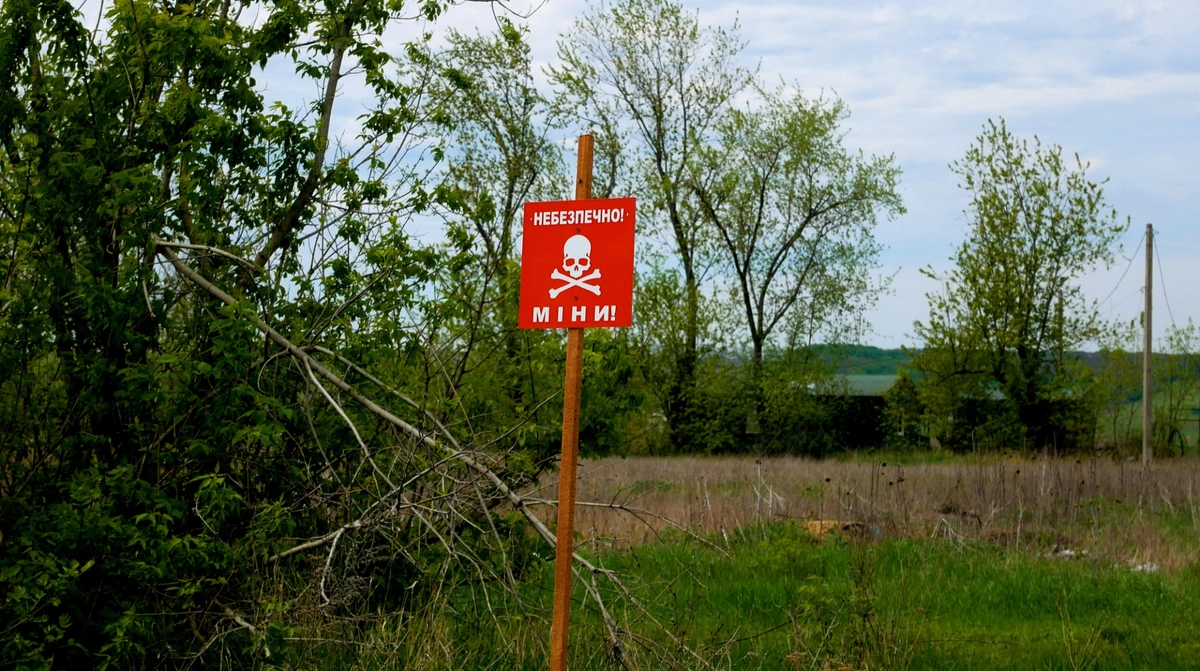
As of 1 April 2026, a total of 1,431 people, including 147 children, have been injured by Russian mines and explosive remnants of war since the start of the full-scale invasion. The largest number of victims are farmers – 260 people. A significant number of injuries have also been recorded among unemployed people (165), critical infrastructure workers (144) and pensioners (141). There is separate data on children – 139 school-age children have been injured by mines. The danger also remains high for drivers – 91 people have been injured by explosive ordnance while driving.
After being injured by a landmine, Omar had to have his leg amputated. Thanks to Handicap International - Humanity & Inclusion, he is regaining his independence.
🌍 More landmine casualties, less humanitarian aid
At least 6279 people worldwide were killed or injured by mines or unexploded ordnance in 2024 – the highest figure since 2020, reports the Landmine & Cluster Munition Monitor 2025. According to the report issued by the International Campaign to Ban Landmines - Cluster Munition Coalition (ICBL-CMC), 90 % of the casualties were civilians and nearly half were children. It is particularly alarming to read in it that the number of victims of industrially produced anti-personnel mines has tripled since 2020.
Other EO Accidents from Around the Globe:
🇦🇫 Afghanistan: Mine Awareness Day: Explosion in Khost Leaves One Dead, Three Injured. Read more
🇵🇰 Pakistan: Schoolboy maimed in Kurram landmine blast. Read more
🇸🇾 Syria: Civilian dies affected by wounds of landmine explosion in Mohassan desert. Read more
🇸🇾 Syria: Old ordnance | Child killed and another injured in eastern Hama. Read more
🇸🇾 Syria: Old ordnance | Young man injured, while herding sheep in Al-Raqqah countryside. Read more
🇸🇾 Syria: War remnants explosions shock Aleppo countryside and scare civilians. Read more
🇸🇾 Syria: Young man killed in landmine explosion in Aleppo. Read more
🇸🇾 Syria: Old ordnance | Two children injured in eastern Aleppo countryside. Read more
🇸🇾 Syria: Old ordnance | Two children injured in eastern Aleppo countryside. Read more
🇸🇾 Syria: Two children die in explosion of landmine of war remnants in Al-Raqqa. Read more
4. Advocacy, Policy, Conventions, Strategies and Standards
Marking the International Day for Mine Awareness and Assistance in Mine Action (4 April), UNDP in Armenia, together with the Center for Humanitarian Demining and Expertise (CHDE), convened local and international partners in Yerevan through the National Mine Action Coordination Platform to strengthen coordinated efforts in addressing explosive ordnance contamination in Armenia.
🇱🇾 Libya observes the International Day for Awareness of Mine Dangers with broad international participation

The Libyan Mine Action Centre (LMAC) held events. These events marked the International Day for Mine Awareness. LMAC partnered with the United Nations Mine Action Service (UNMAS). The International Security Enhancement Association also participated. This day is observed annually on 4 April.
🇲🇦 Morocco: UN praises mine awareness event in Moroccan Sahara, urges greater action

The United Nations Mine Action Service (UNMAS) has commended an event held at the headquarters of MINURSO in Laayoune to mark the International Day for Mine Awareness, highlighting its role in promoting humanitarian safety and regional stability. In a statement, UNMAS emphasized the importance of investing in mine action as a key tool for protecting lives and creating conditions for lasting peace. It described demining efforts as central to broader international initiatives supporting humanitarian security.
🇺🇦 Ukraine: Government Simplifies Demining Conditions for Farmers

The acceptance of applications for participation in the state program “Humanitarian Demining” has started, which helps farmers to return land contaminated with explosive objects to work. In 2026, the state budget provides for UAH 2 billion for its implementation.
🇺🇦 Ukraine: World Mine Awareness Day - A chat on Ukraine, the most mined country in the world
This podcast was recorded this episode on April 4th, the International Mine Awareness Day, to highlight the situation Ukraine is in as the most heavily mined country in the world. Mark McNamee sat down with the head of the UN's Mine Action program in Ukraine, Paul Heslop, on this important day. They discussed the scale of the mine problem in Ukraine, how de-mining is done, innovations in de-mining developed in Ukraine, and the outlook ahead.
🌍 International Day for Mine Awareness and Assistance in Mine Action, 4 April 2026
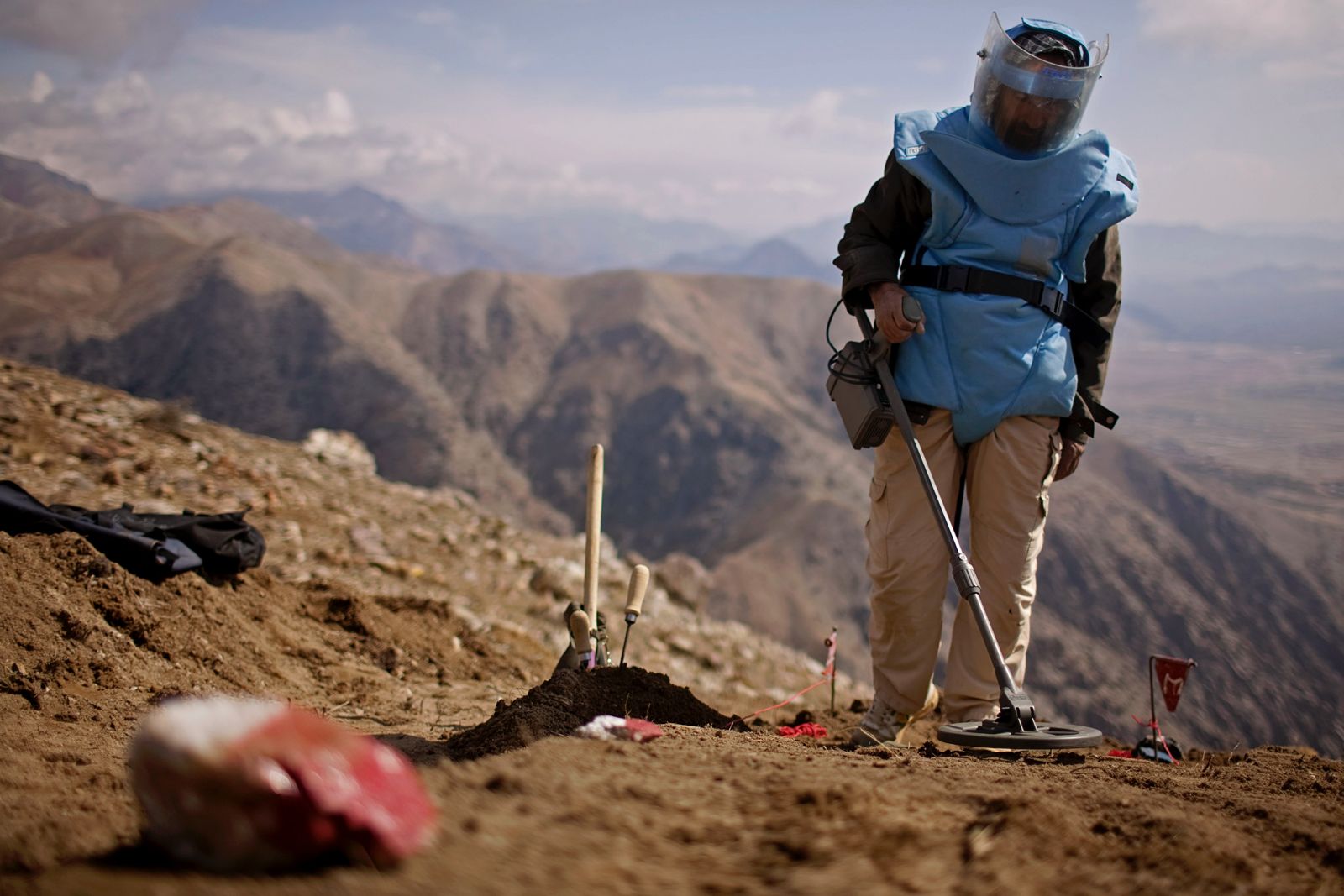
The International Day for Mine Awareness (4 April) highlights the ongoing global impact of landmines beyond conflict. Mine action includes clearance, risk education, survivor support, and restoring safe livelihoods. The article stresses that it is often siloed as technical work, but should be integrated into peacebuilding and recovery processes.
🌍 Mines called “a pernicious military tool” as world marks Mine Awareness Day

Saturday 4 April marked the International Day for Mine Awareness and Assistance in Mine Action with a senior United Nations (UN) staffer warning new technologies are making mines more dangerous, putting the onus on deminers to innovate.
5. Stockpile Destruction, Demolition, WAM and Disarmament
6. Research, Innovation, Technology and Market Trends
🇬🇧 United Kingdom: AI-powered drones make mine clearing faster and safer

The British Army and the Defence Science and Technology Laboratory (Dstl) have completed a multi-week test in Essex using drones, advanced sensors, and AI to speed up and make safer the hunt for deadly mines and munitions scattered on battlefields.
The U.S. Army has issued a formal request for information seeking industry solutions capable of automatically detecting explosive hazards and complex battlefield obstacles using artificial intelligence, signaling a push to reduce the burden on combat engineers during some of the most dangerous missions in modern warfare.
🌍 How drone technology is transforming the Humanitarian Mine Action sector

Drones and advanced sensors are transforming humanitarian mine action by improving detection, mapping, and decision-making, writes Katherine James, Remote Sensing Expert at The HALO Trust. Thermal, LiDAR, and RGB imagery enhance survey accuracy, identify contamination, and optimise clearance planning. While subsurface detection remains limited, combining data sources enables safer, faster, and more targeted operations, shifting drones from experimental tools to essential capabilities.
🌍 The Silicon Sentinel: How DJI, LiDAR, and AI are Redefining the Frontiers of Mine Action

The article by Qusay Al-Saedi highlights how DJI LiDAR and AI integration is reshaping mine action by enabling high-resolution terrain mapping, vegetation penetration, and automated data analysis. These tools improve detection and situational awareness, but their real value lies in fusing multi-sensor data and AI to support faster, more informed operational decisions.
The article highlights how rapidly evolving military technologies are making landmines more complex and dangerous, forcing deminers to adapt quickly. Advanced mines with sensors and anti-detection features increase risks and complicate clearance. Experts stress the urgent need for innovation, new tools, and training to keep pace and ensure safe, effective operations.
7. Mine Action Assistance, Funding and Cooperation
The United Nations Office for the Coordination of Humanitarian Affairs (OCHA) says that $14.5 million in funding is needed for mine clearance and risk education in Afghanistan. OCHA stated on Sunday, April 5, that millions of people in Afghanistan live under the threat of landmine explosions. According to OCHA, two-thirds of the country is contaminated with unexploded ordnance. OCHA added that more than 50 people, most of whom are children, fall victim to these hazards every month.
🇦🇫 Afghanistan: Gagnon: Investing in Peace and Mine Clearance Builds a Fear-Free Future for Afghanistan
Georgette Gagnon, head of the UNAMA office in Afghanistan, stated that investing in peace and demining operations can help create a future free of fear for the people of Afghanistan. UNAMA reported on Tuesday, April 7, that Gagnon said the people of Afghanistan should be able to live without fear of landmines and other explosive remnants of war.Taliban Requests Global Cooperation for Mine Clearance in Afghanistan. Read more here.
🇧🇦 🇪🇺 Bosnia and Herzegovina: EUFOR Reaffirms Commitment to Mine Action at High-Level Event in Mostar

EUFOR reaffirmed its commitment to mine action at a high-level event in Mostar marking Mine Awareness Day. Officials stressed ongoing risks from explosive remnants and the need for coordinated demining, risk education, and partnerships. EUFOR highlighted its role in supporting stability, protecting communities, and enabling long-term peace in Bosnia and Herzegovina.
Cambodia has achieved a significant milestone in its humanitarian mission to eliminate the threat of explosive remnants of war, successfully clearing approximately 19,000 hectares of landmines and unexploded ordnance through a dedicated partnership with China. The progress was highlighted during a high-level meeting on 1 April 2026, between His Excellency Heng Ratana, Director General of the Cambodian Mine Action Centre (CMAC), and His Excellency Wang Wentian, the Chinese Ambassador to Cambodia.
The EU marked Mine Awareness Day by highlighting the immense scale of contamination in Ukraine, with around a quarter of its territory affected. It reaffirmed support for demining, victim assistance, and risk education, emphasising sustained funding and international commitment as essential for recovery, resilience, and long-term stability.
🇺🇦 🇯🇵 Ukraine: Japan allocated over UAH 1 billion in grants, funds to be used for demining and medicine – Svyrydenko
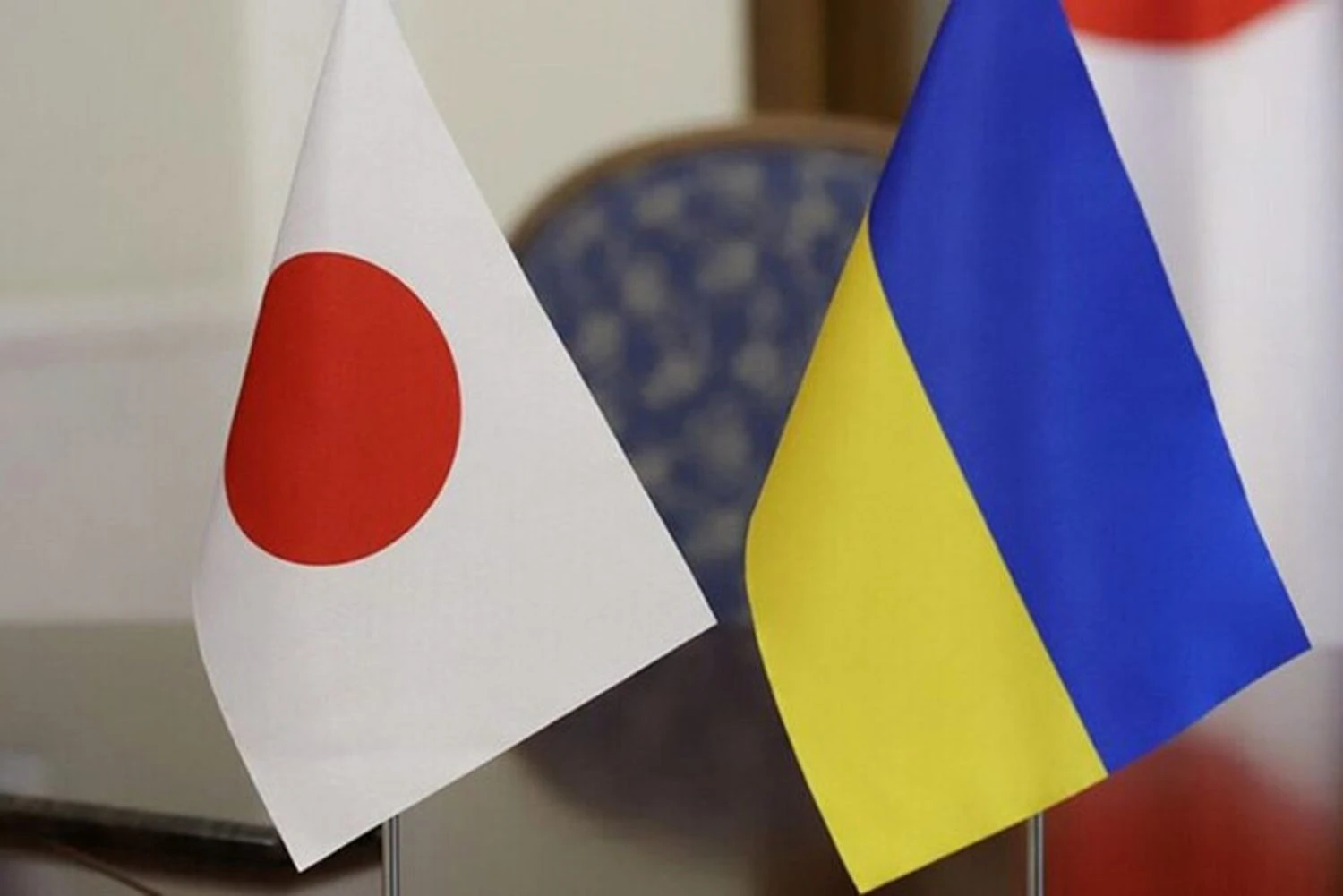
The Cabinet of Ministers of Ukraine has decided to allocate UAH 1.1 billion in grant funds from the Japan International Cooperation Agency (JICA) for demining and medical assistance needs. This was announced by First Deputy Prime Minister - Minister of Economy Yulia Svyrydenko. The main part of the funding will be directed to strengthening the capabilities of The State Emergency Service of Ukraine.
8. Other News
🇺🇦 Ukraine: One of the suspects in the fictitious demining case in Kherson region was sentenced to two years
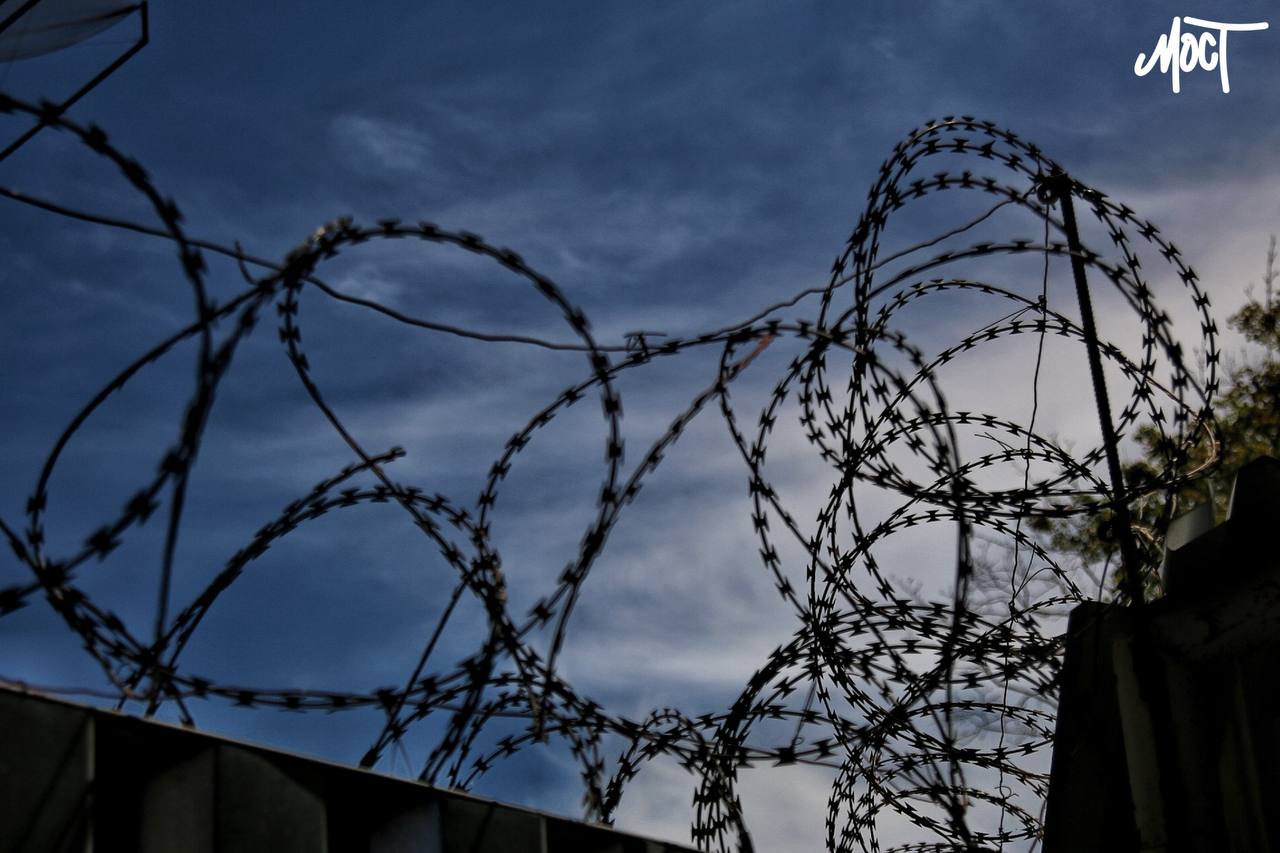
On April 7, the Velykooleksandrivskyi District Court of Kherson Oblast handed down a sentence to entrepreneur Viktor Kvitko, one of the suspects in the case of fictitious demining of fields in the Kherson region. Viktor Kvitko was found guilty and received a sentence of 2 years imprisonment, a one-year ban on engaging in activities related to humanitarian demining, and a fine of 8,500 hryvnias. Serving the main sentence was suspended with a probationary period of 2 years.
🇺🇦 🇺🇳 Ukraine: UNDP documentary ‘Land of Silence’ on humanitarian demining in Ukraine now available online

“Land of Silence,” a short documentary film on humanitarian demining in Ukraine produced by the United Nations Development Programme (UNDP Ukraine) is now available to watch online. See the link in the video section below.
🎥 Videos
“Land of Silence” is a documentary short film, initiated by UNDP Ukraine, about humanitarian demining and mine action in Ukraine.
UN in Syria highlights that, since December 2024, more than 2,000 civilians have fallen victim to explosive remnants of war in Syria.
📅 Upcoming Events, Courses & Trainings
There are a number of interesting events for the mine action sector in the coming months, and some of the deadlines are approaching quickly.
The Minesight Innovation Challenge has officially launched — with up to $200,000 available for breakthrough solutions in humanitarian demining. The challenge is launched in partnership with the national platform Demine Ukraine, with the support of the Serhiy Prytula Humanitarian Foundation and the Ministry of Economy, Environment and Agriculture of Ukraine. Apply by 21 April.
Felix Connect is a dedicated networking event designed to bring together supporters, partners, and friends of Felix Fund - the bomb disposal charity. It’s a relaxed, welcoming space to connect, network, or simply catch up with familiar faces from across the EOD, Search, defence, and charity communities. The event will be held on 28 September in London. Learn more here.
In December 2026, Rogue Wave Atlantic Row 2026 are taking on ‘the world’s toughest row’ — a month-long, unsupported 3,000-mile expedition from the Canary Islands to Antigua in support of The HALO Trust’s life-saving work. To be part of the journey from the very start by joining the team for an unforgettable black-tie evening at Royal Windsor Racecourse (on Saturday 11 April, from 6pm) with a luxurious three-course dinner, inspiring speakers, auction, raffle, and the official handover of the team’s boat, learn more and get your tickets here.
The Mine Action: Innovation, Sustainability, and Global Partnerships speaker series is structured to address landmine and explosive remnants of war (ERW) challenges through a strictly humanitarian, civilian-protection-oriented framework, with clearly defined ethical, legal, and operational boundaries between humanitarian and military applications of technology. Dates are: FEB 19 | MAR 19 | APR 16 | MAY 21 | JUN 18 | JUL 16 | AUG 20 | SEP 17 | OCT 15 | NOV 19 | DEC 17. Time: 12:00 PM - 1:00 PM ET. Location: Virtual (Zoom Webinar). Register here.
The 29th Annual Meeting of Mine Action Directors and UN Advisers will take place at the Geneva International Conference Center from 22 to 24 April 2026. Learn more and register here.
The Geneva International Centre for Humanitarian Demining (GICHD)'s final IMSMA Global training course for 2026 is open for registration: 02 Nov 2026 - 06 Nov 2026 (Application deadline: 2 August 2026).
🔔 Always Stay in the Know – Never Miss an Update
This newsletter is subscribed to by over 3500+ dedicated readers on LinkedIn. To join this community of mine action professionals and supporters, go ahead and subscribe to the Mine Action Weekly newsletter. You can find all editions up to February 2026 on LinkedIn, and from March 2026 onwards here on Mine Action News.
Please reach out to me if there are any mine action news, journal articles, events, or updates that you would like to suggest for the next edition of Mine Action Weekly. You can find (and follow / connect with) me here. See you next Monday!