Mine Action Weekly, 4 - 10 May 2026
- Markus Schindler

- May 11
- 15 min read
This week’s roundup highlights continued clearance alongside growing operational challenges. Cambodia has declared 85% of homes safe, though farmland remains contaminated. Iraq and Yemen report ongoing large-scale clearance, while Ukraine cleared farmland but faces disruptions from frontline shifts, wildfires, and new hazards like drone fibre optics. Naval mine risks in the Strait of Hormuz are driving military deployments. Globally, expanding contamination and reduced funding continue to strain mine action capacity.

Disclaimers:
This newsletter features news reports and articles from a variety of sources. Mention of these resources does not indicate agreement with or endorsement of the opinions of others. I do not claim responsibility or credit for these works, and do not vouch for the information contained in them.
This newsletter is created and managed in a personal capacity, independent of my professional affiliation with Fondation suisse de déminage (FSD).
🗞️ Weekly News Roundup
The weekly news roundup showcases a low-down of the top mine action news and insights from the past seven days.
1. EO Contamination, Clearance & Land Release
The Cambodian Mine Action Centre is racing to remove deadly cluster munitions in villages and farmland, with 85% of residential areas declared safe while vast tracts of agricultural land are deemed too dangerous for use and likely to take years to clear.
Teams from the Cambodian Mine Action Centre (CMAC) are continuing operations to clear unexploded ordnance at the Preah Vihear Temple complex in Choam Ksant district today.
A German Navy vessel has departed for the Mediterranean to stand ready for a potential mission in the Strait of Hormuz. The minehunter Fulda left its home port of Kiel on Monday. Should the war with Iran end definitively, the ship could be deployed to the strait at the entrance to the Persian Gulf on very short notice to clear mines that may have been laid by Iran.
🇮🇶 Iraq: Nearly 800 mines cleared in Kurdistan since January: Official
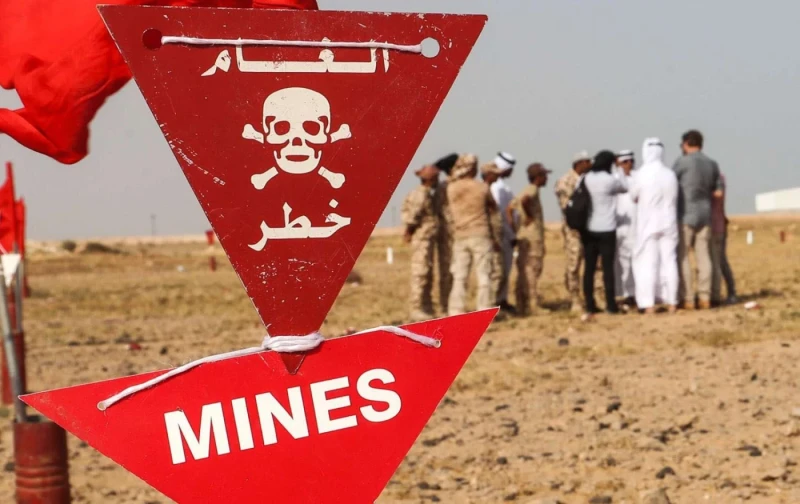
Nearly 800 mines and unexploded ordnance have been cleared in the Kurdistan Region since the beginning of the year, after rainfall brought more to the surface.
🇮🇶 Iraq clears hundreds of square kilometers of landmines for energy, infrastructure projects
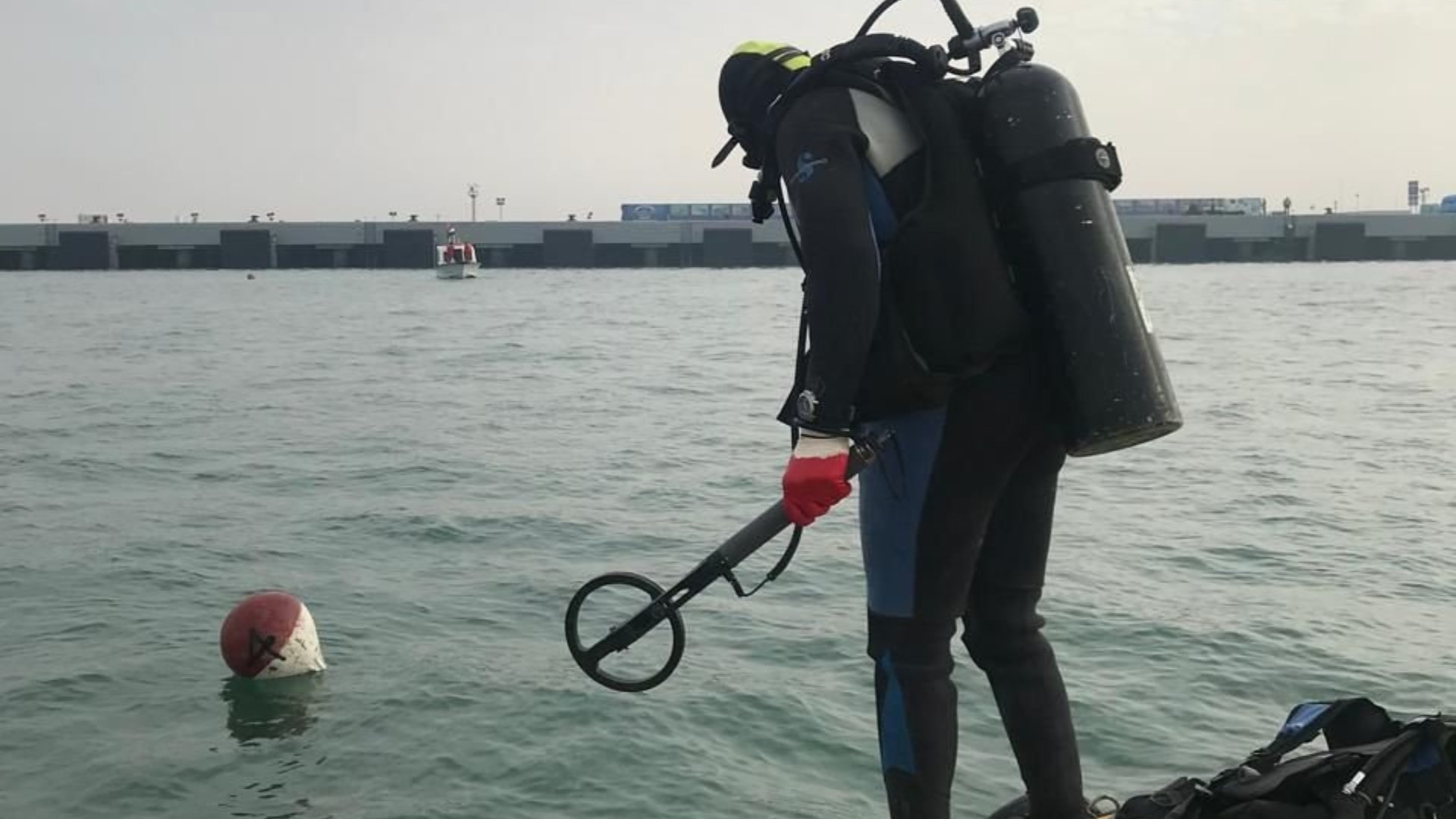
Iraq’s Ministry of Environment has completed survey and clearance operations across hundreds of square kilometres in southern governorates, releasing land for a series of strategic energy, infrastructure and housing projects, the ministry announced Wednesday.
🇰🇪 Kenya: UNOCT and Kenya host regional workshop on countering the terrorist use of improvised explosive devices

The United Nations Office of Counter-Terrorism (UNOCT), in coordination with the National Counter-Terrorism Centre (NCTC) of Kenya, organised in Nairobi on 5-6 May 2026 a regional workshop on countering the terrorist use of improvised explosive devices (IEDs). The workshop brought together 40 technical experts and practitioners from Kenya, Somalia and Uganda, including representatives of law enforcement, criminal justice, intelligence and entities specialised in responding to IEDs.
🇲🇦 Morocco: UN mine action service clears 150 million square meters in Sahara, highlights ongoing risks
The United Nations Mine Action Service (UNMAS) said it has cleared nearly 150 million square meters of hazardous land in Moroccan Sahara since the start of its operations under the United Nations Mission for the Referendum in the Sahara, underscoring the scale of contamination and the continued risks posed by explosive remnants of war.
🇳🇬 Nigeria: Expert seeks destruction of ordnance recovered after Biafran war

Bomb expert Bala Yakubu has urged the federal government to immediately evacuate or destroy about 1,600 deadly Biafran civil war ordnance items recovered from the old battlefields. Mr Yakubu, who made the call on Monday, said that evacuating and destroying them would help avert disaster. According to him, the ordnance currently at the Mine Action Centre in Owerri, Imo, was recovered from the old Nigeria-Biafra battlefields since 2015.
🇵🇱 Poland: Around 200 unexploded WWII mines found at university dormitory construction site in Poland
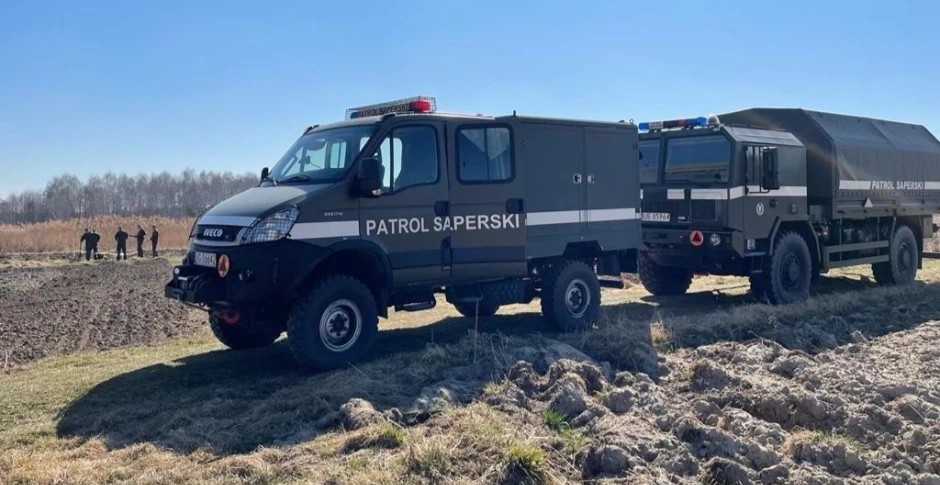
Around 200 anti-personnel mines dating from World War Two have been discovered at the construction site of a student dormitary at Kraków’s Jagiellonian University.
🇸🇸 🇺🇳 South Sudan: UNMAS Launches Emergency Mine Action Response in Jonglei with Support from the South Sudan Humanitarian Fund
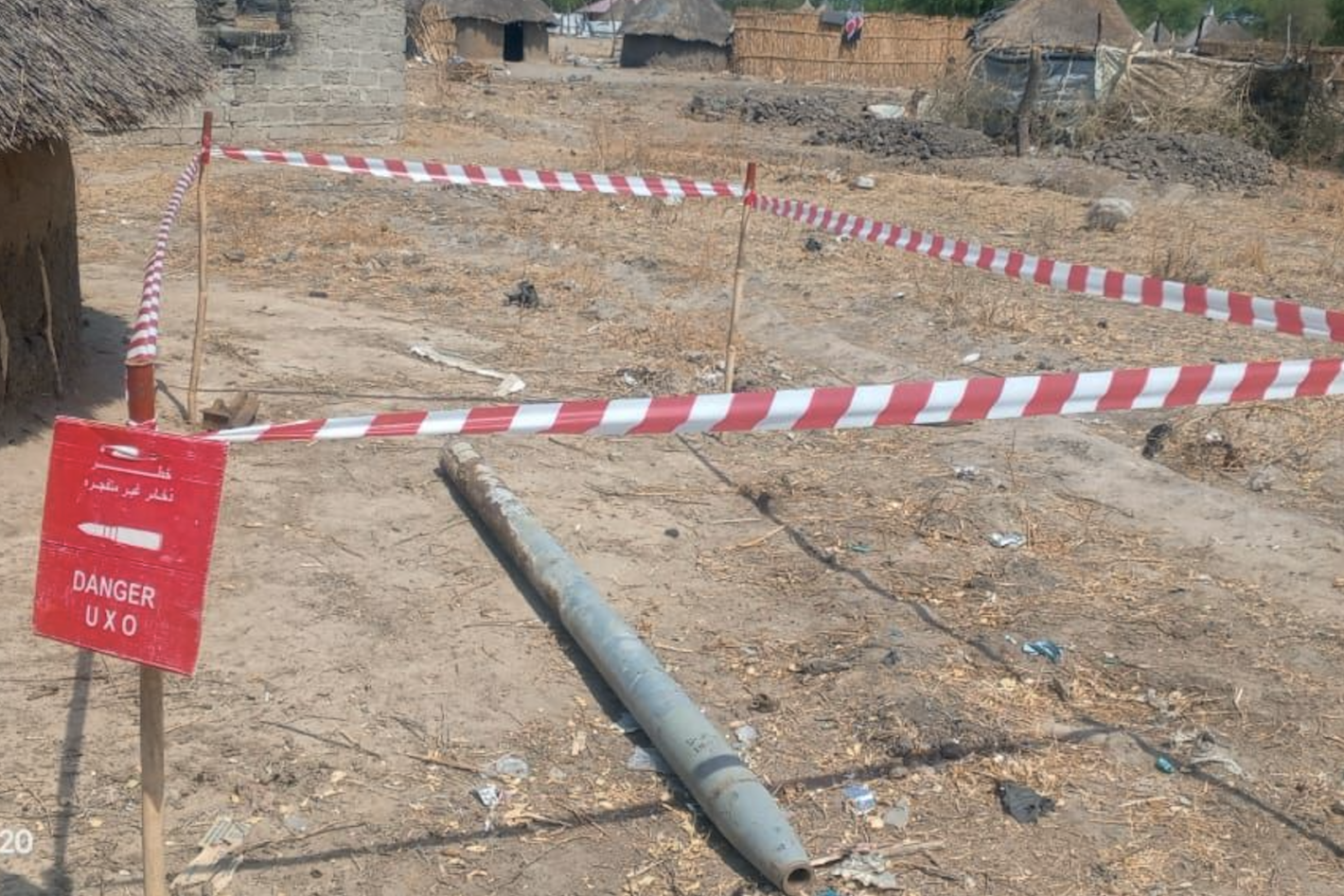
UNMAS South Sudan Programme has launched a six-month emergency mine action intervention in Jonglei State, with support from the South Sudan Humanitarian Fund, to address the threat of explosive ordnance (EO) contamination. Recent conflict has resulted in new EO contamination, civilian casualties from EO-related accidents, and constraints on humanitarian access.
In April, engineering units of the Support Forces of the Armed Forces of Ukraine cleared 157 hectares of agricultural land and about 35 hectares of forest from explosive devices.
A wildfire that broke out in the Chornobyl Exclusion Zone on May 8 is still burning after spreading across 1,200 hectares, Ukrainian authorities said. They noted that, in addition to weather conditions, demining risks are complicating firefighting efforts in the area.
🇺🇦 Ukraine: Six contracts between UDS and the Humanitarian Demining Center in Kharkiv Region terminated due to the advancing front line
At the initiative of the Humanitarian Demining Center, six land demining contracts in Izium district, Kharkiv region, have been terminated due to the advancing front line and the inclusion of the land plots within the 20-kilometre zone from the line of combat contact.
🇺🇦 Ukraine: Kim: There will be no recovery, investment or large-scale return of people without demining
Ukraine has all the prerequisites to become a platform for the development of demining technologies, and they must be put into practice, since without demining territories and waters, there will be no recovery, investment or large-scale return of people.
🇺🇦 Ukraine: Glass cobwebs in the fields, why fibre optics can be a problem for demining

A new anthropogenic landscape is forming along the front line, saturated with everything possible: debris, mines, unexploded ordnance, and toxic waste. Fiber optics from drones are also on this list. Millions of kilometers of thin cables litter Ukrainian lands and pose a new challenge for humanitarian demining teams.
🇬🇧 🌊 UK sending warship to Middle East ahead of Hormuz mission

The UK will send a destroyer to the Middle East ahead of any international mission to help protect shipping in the key Strait of Hormuz, its defence ministry said. "The pre-positioning of HMS Dragon is part of prudent planning that will ensure that the UK is ready, as part of a multinational coalition jointly led by the UK and France, to secure the strait, when conditions allow," a ministry spokesperson said.
🇾🇪 Yemen: Saudi project clears 1,009 explosive devices in Yemen
Members of Saudi Arabia’s Masam project removed 1,009 explosive devices from various regions of Yemen last week. These include 928 unexploded ordnances, 78 anti-tank mines, and three anti-personnel mines, according to a recent report.
🇾🇪 Yemen: Masam Project destroys 6,011 landmines, war remnants in Bab Al-Mandab
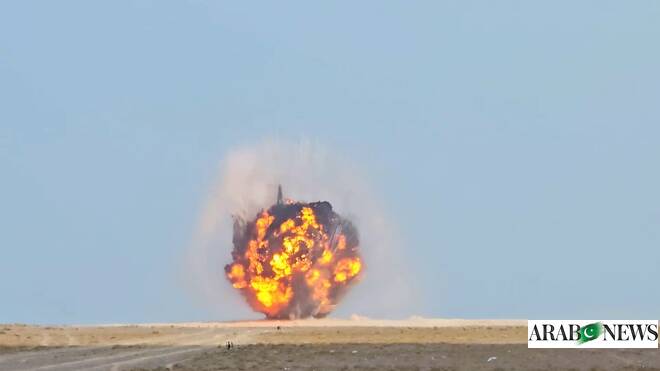
The Masam Project for clearing mines in Yemen destroyed 6,011 landmines and explosive remnants of war in the Bab Al-Mandab area of Taiz Governorate on Wednesday as part of ongoing efforts to protect civilians.
🇾🇪 Yemen: Project Masam clears 839 explosive items in Yemen during the first week of May 2026
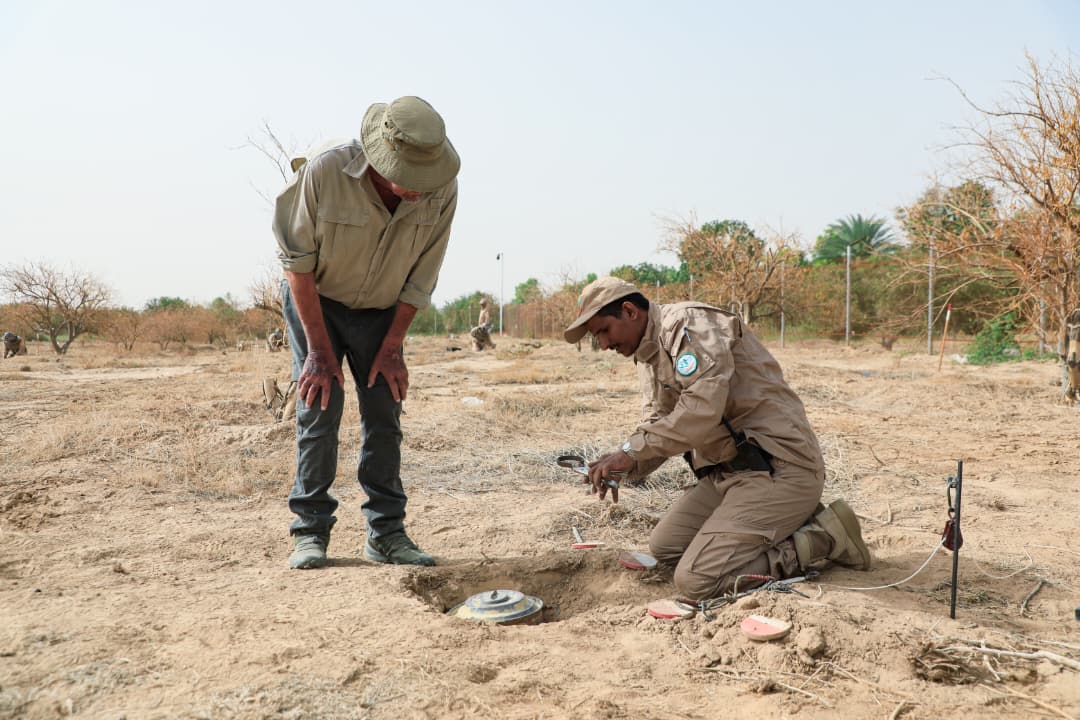
Project Masam demining teams have cleared 839 landmines and explosive remnants of war across Yemen so far during May 2026, continuing efforts to reduce explosive threats and protect civilians in contaminated areas.
🌍 Global demining work strained by rising conflicts and shrinking aid

Humanitarian demining efforts are under growing strain as conflicts expand contamination while international aid declines. Experts warn that new technologies and increasingly complex explosive threats are outpacing clearance capacity. Funding shortages are slowing operations worldwide, despite rising civilian casualties and urgent needs in places including Gaza, Syria, Sudan, and Ukraine.
🌍 Clearing Landmines, Growing Futures: Demining the Path to Food Security in World’s Crisis Zones

Landmines and explosives not only cause thousands of injuries and fatalities every year - they also directly block access to farmland and grazing routes, water, food markets, healthcare and child nutrition services.
🌍 And the EOD gods said, "Let there be light."

Modern improvised explosive devices increasingly use advanced ambient light sensors far more sensitive than traditional photocells. These low-cost, commercial sensors can detect subtle changes in light, including enclosure openings or flashlight use. Current training often lags behind this technology, creating risks for bomb technicians and highlighting the need for updated countermeasures and awareness.
Other EO Finds from Around the Globe:
🇦🇫 Afghanistan: Dozens of Mines and Unexploded Ordnance Discovered in Jawzjan and Kapisa Provinces
🇮🇳 India: Live Shell Recovered During Search Operation in Samba; BDS Team Deployed
🇬🇧 United Kingdom: Suspected unexploded ordnance found near beach
🇬🇧 United Kingdom: Bomb squad detonates unexploded military device on Fylde Coast beach
🇬🇧 United Kingdom: Controlled explosion carried out at Crimdon Dene Beach
🇬🇧 United Kingdom: Unexploded WWII bomb detonated after 1,200 homes evacuated
🇬🇧 United Kingdom: Unexploded bomb scare in Carnforth leads to houses evacuated
2. Explosive Ordnance Risk Education (EORE)
🇹🇬 Togo: UNODC supports Togo to raise awareness on the risks of the use of IEDs components and SALW for terrorist purposes
UNODC supported Togo in raising awareness about the risks posed by improvised explosive devices, small arms, and light weapons used by terrorist groups, particularly in vulnerable northern border regions. Workshops focused on community resilience, prevention, and early awareness, emphasising the protection of women and youth exposed to growing extremist violence and insecurity.
3. Accidents, Survivors, Victim Assistance
🇦🇫 Afghanistan: Nearly 40 Killed or Injured by Landmines in Kapisa Over Four Years
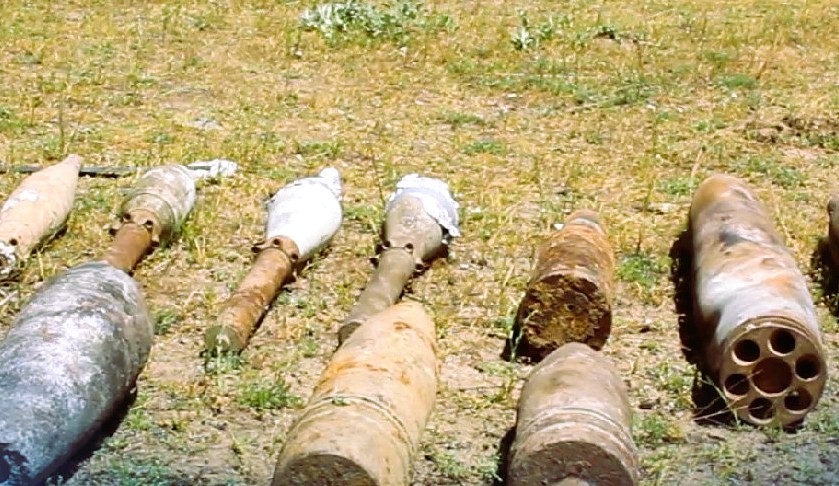
The spokesperson for the Kapisa police command announced that in the past four years, nearly 40 people, including children, have been killed or injured due to explosions of landmines left over from decades of war. These incidents have occurred across various areas of the province and remain a serious threat to local residents.
🇮🇳 India: Wild elephant injured after stepping on a suspected Maoists’ IED in Saranda forest

A wild elephant in Jharkhand’s Saranda forest was severely injured after stepping on a suspected Maoist-planted improvised explosive device. The incident highlights how long-buried IEDs threaten not only security forces and civilians, but also wildlife. Forest officials launched emergency treatment, while concerns grow over recurring explosive-related elephant deaths in the region.
A total of 63 people, including 21 children, were killed in landmine-related incidents in Libya during 2025, according to the United Nations Support Mission in Libya (UNSMIL), which reaffirmed its commitment to supporting Libyan-led efforts to secure and better manage weapons and ammunition stockpiles and to clear explosive remnants.
Landmines and unexploded ordnance have killed 25 people and injured 52 others in Sudan since the beginning of the year, the United Nations Mine Action Service (UNMAS) said on Monday, warning that the actual toll is likely significantly higher. The casualties, recorded between January and March, include 35 children.
Other EO Accidents from Around the Globe:
🇦🇫 Afghanistan: Two Killed, Ten Injured in Separate Unexploded Ordnance Blasts Across Afghanistan
🇦🇫 Afghanistan: Unexploded Ordnance Blast Kills Child, Injures Girl in Nangarhar
🇦🇫 Afghanistan: Six Children Injured in Mortar Shell Explosion in Maidan Wardak
🇦🇫 Afghanistan: Unexploded ordnance blast kills one, injures three in Parwan
🇮🇷 Iran: IRGC-planted landmine kills Baloch man as victim toll reaches nine this year
🇮🇷 Iran: Peyman Rahmanpour Lost His Life Following a Landmine Explosion in the Border Areas of Saqqez
🇳🇱 Netherlands: WWII Bomb Found Near Weesp Station Briefly Halted Train Traffic
🇸🇾 Syria: Young man dies in landmine explosion while working in Hama
🇸🇾 Syria: Explosion of unidentified object leaves a child injured in Baniyas
🇸🇾 Syria: Old ordnance | Two members of technical team injured in Hama countryside
🇸🇾 Syria: Old ordnance | Civilian and his wife injured in Manbij countryside
🇸🇾 Syria: Two children and their parents injured in explosion of war remnants
🇸🇾 Syria: Young man di*es in explosion of landmine while collecting truffle in Al-Hasakah
4. Advocacy, Policy, Conventions, Strategies and Standards
🇦🇿 Azerbaijan introduces tax benefits for families of deminers killed during operations
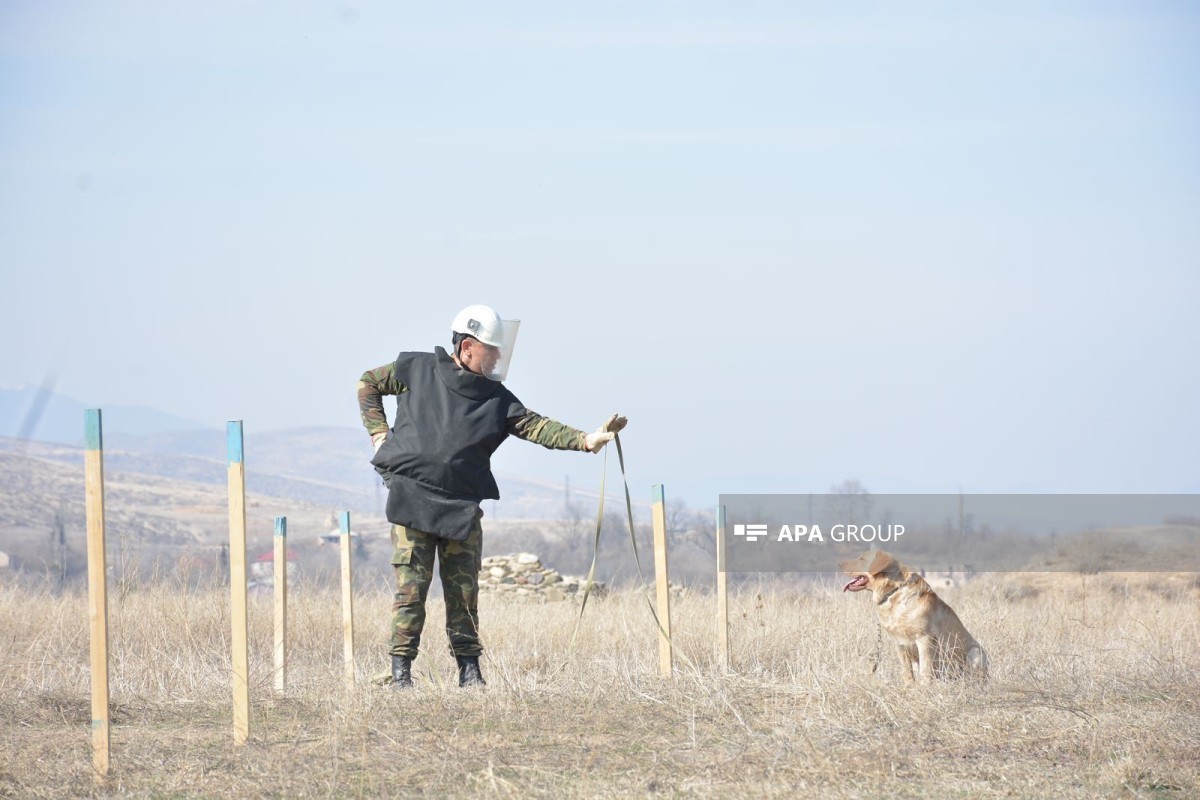
According to the Code, the monthly taxable income from salaried work of the parents, widows (widowers), and children of deminers who were killed as a result of an accident caused by the detonation of explosive ordnance during demining activities, or who died from injuries sustained in such incidents, will be reduced by 400 manats.
The United States has updated its travel advisory for Azerbaijan ahead of several major international events, including the 2026 Formula 1 Azerbaijan Grand Prix scheduled for September in the capital city of Baku. The advisory continues to classify the country under a Level 3 “Reconsider Travel” warning due to security concerns linked to armed conflict and landmines near border regions.
The goal of becoming landmine-free by 2030 remains achievable, but only if current clearance capacity and funding levels are sustained, officials say, as more than 550 square kilometres of contaminated land still needs to be cleared.
🇮🇷 Iran confirms US responded to proposal, denies mine removal agreement

Iranian Foreign Ministry spokesperson states the US has provided a response to Iran's latest proposal and Iran is currently studying it. The spokesperson denies reports that Iran agreed to remove mines in the Strait of Hormuz, calling them "not correct."
🇱🇧 Lebanon Joins the Mine Ban Treaty

Lebanon deposited its instrument of accession to the 1997 Mine Ban Treaty with the United Nations Secretary-General on 1 May 2026, becoming the 162nd State Party to a treaty that comprehensively bans the use, production, stockpiling, and transfer of anti-personnel landmines. The treaty will enter into force for Lebanon on 1 November 2026. Read more here.
🇬🇧 United Kingdom: After Plymouth: What Clients Should Be Asking Their UXO Consultancy
Following the Plymouth UXO incident, clients are urged to scrutinize UXO consultancies more closely, particularly around risk assessments, survey methodologies, assurance processes, and ALARP justification. The piece emphasizes independent peer review, transparent decision-making, and competent oversight to ensure safety, regulatory compliance, and defensible risk management in construction and infrastructure projects.
5. Stockpile Destruction, Demolition, WAM and Disarmament
6. Research, Innovation, Technology and Market Trends
🇧🇪 Belgium showcases mine clearance expertise to Gulf states in Ostend

Defence minister Theo Francken welcomed representatives from six Gulf states to Ostend on Wednesday, visiting the NATO Naval Mine Warfare Centre of Excellence and technology company Exail. The delegation included officials from Qatar, Bahrain, Oman, Kuwait, Saudi Arabia and the United Arab Emirates.
Danish company UMag Solutions has launched F1Mag®, a new airborne magnetic sensing system designed to detect naval mines, submarines, and unmanned underwater vehicles (UUVs) in real time using drones. According to the company, the system can cover up to 6,000 hectares per hour without putting ships or crews at risk and without deploying equipment into the water.
🇮🇳 India: Ongoing Production of Cluster Munitions and Antipersonnel Mines

India, which is not party to the Convention on Cluster Munitions nor to the Anti-Personnel Mine Ban Convention, is continuing to produce cluster munitions and antipersonnel mines on a large scale, with increasing private sector involvement.
🇺🇦 Ukraine Is Changing the Future of Mine Action and the World Should Pay Attention

Ukraine is emerging as a global innovation hub for mine action, developing AI-driven mapping, advanced data systems, drones, and inclusive approaches to tackle massive contamination. These innovations are accelerating clearance and recovery efforts while shaping future global demining practices, demonstrating how large-scale crisis response can transform humanitarian mine action worldwide.
🇺🇦 Ukraine’s new AI-guided laser destroys Shahed suicide drones in seconds from 3.1 miles away — also useful for demining operations, trailer-mounted Tryzub system is in final stages of testing

Ukraine’s trailer-mounted “Tryzub” laser system is nearing operational deployment, using AI-assisted targeting to destroy drones, including Shahed-type UAVs, at ranges up to 5 km. Developed by Celebra Tech, the system can also support demining tasks, reflecting Ukraine’s rapid innovation in directed-energy and counter-drone warfare.
🇺🇸 🌊 United States: Navy Leverages AI to Speed Up Mine Clearing

The U.S. Navy is partnering with Domino Data Lab to use AI for faster and more accurate mine detection and clearing, reducing a months-long process to weeks.
7. Mine Action Assistance, Funding and Cooperation
🇧🇦 Bosnia and Herzegovina: Croatian MoI announces Assistance to BiH in Demining Process
Croatia announced assistance to Bosnia and Herzegovina’s demining efforts by sharing expertise, technical support, and potentially deploying demining resources. Croatian officials emphasised lessons learned from Croatia’s own recently completed demining process. Bosnia and Herzegovina still faces extensive contamination, with thousands affected and many communities living near hazardous areas.
🇰🇭 🇬🇧 Cambodia: The UK renews £1.6M for Cambodia mine action

The UK renews £1.6M for Cambodia mine action, marking its fourth decade of support. With this, a total of 1,940,000 square metres of land will be cleared.
A delegation from the Assemblée parlementaire de la Francophonie (APF) visited the Techo Peace Museum where they were briefed on Cambodia’s progress in mine clearance and peacebuilding, as well as efforts to address the humanitarian and socio-economic impacts of explosive war remnants.
🇰🇭 🇳🇿 Cambodia: NZ Calls Cambodia a Trusted Indo-Pacific Partner, Pledges $4.3M for Demining

The New Zealand government has announced NZ$7. 5 million, or about $4.37 million, to support Cambodia’s demining operations, calling the Southeast Asian country a trusted partner in the Indo-Pacific region.
🇵🇸 🇯🇵 🇺🇳 Palestine: Japan and UNMAS Renew Lifesaving Humanitarian Mine Action Project in Palestine
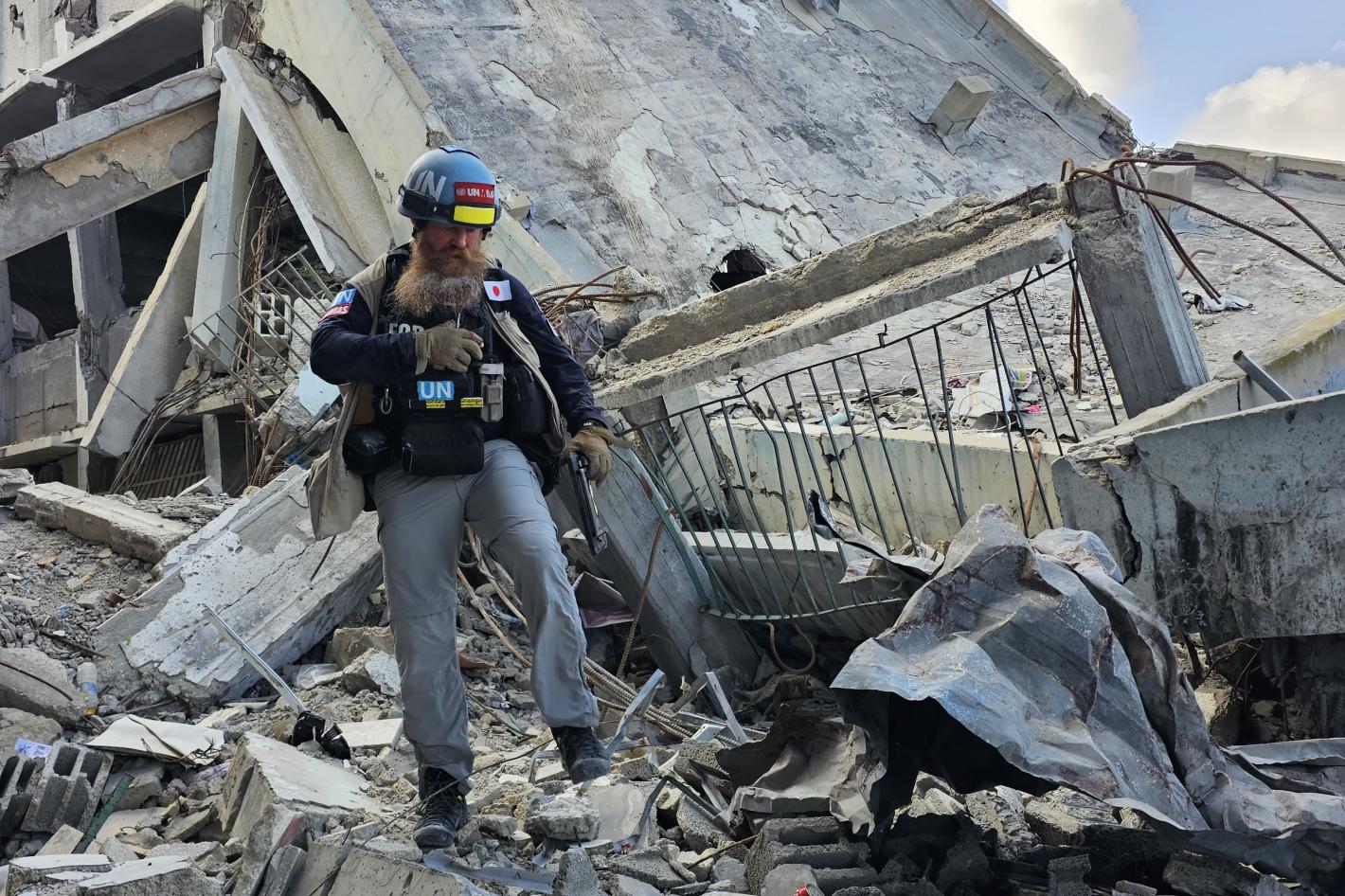
The Government of Japan has contributed approximately USD 5 million to the United Nations Mine Action Service (UNMAS) to enable activities across Gaza and the West Bank focused on managing and reducing the threat of explosive ordnance in conflict-affected communities of Gaza, conducting explosive ordnance risk education for communities as well as capacity building for the Palestinian Authority personnel.
🇺🇦 Ukraine: More than UAH 3.2 million in assistance provided to Ukrainians affected by russian mines
Through the database of the National Mine Action Agency, 180 people affected by mine incidents have already received assistance worth more than UAH 3.2 million. Since 2023, international organisations have been providing assistance that includes:
coverage of medical treatment and rehabilitation costs;
tools for remote education and employment for people with injuries caused by mines and explosive ordnance.
8. Other News
🇰🇭 Cambodia: Peace Rice Connects Mine Clearance, Farming, and Funding in Cambodia

Peace Rice, developed through a collaboration between APOPO and the Khmer Organic Cooperative, links mine clearance directly to agricultural production. It brings together several stages that are often treated separately: land release, cultivation, processing, and, increasingly, local use.
Hiba Al-Sheikh works in the International Cooperation Department at the Syrian Mine Action Center, under the Ministry of Emergency and Disaster Management. While participating in the Geneva International Centre for Humanitarian Demining (GICHD)'s Mine Action Managers Training in Damascus in January 2026, she took the time to tell her story about how she joined the mine action sector.
🌊 WASH and gender dimensions in humanitarian demining
WeWorld Ukraine in collaboration with The HALO Trust is inviting organisations and field teams to contribute through two short surveys:
Management survey (one per organisation): policies, systems, and WASH management in offices and demining camps
Staff survey: field perspectives on sanitation conditions and gender-sensitive improvements in demining camps
Deadline is 1 June 2026. Inputs will help generate practical insights to improve working conditions, inclusion, and operational effectiveness across the sector. Findings will be shared with participating organisations.
🌍 The Brass Thieves

The piece argues humanitarian mine action is economically inefficient, with high costs per mine cleared and inflated impact metrics masking limited life-saving impact. It criticises legal mandates like total clearance, sector incentives, and overheads, suggesting funds could save more lives elsewhere. It calls for reforms, transparency, and alternative risk-management approaches for contaminated land.
Faced with a world undergoing profound change, marked by intensifying crises and inequalities, Humanity and Inclusion is unveiling its 2026–2030 strategy. The aim: to adapt in order to preserve our ability to act on behalf of the most vulnerable.
🎥 Videos
Press Conference by Julius Van Der Walt, UN Mine Action Service (UNMAS) in the Occupied Palestinian Territory (OPT) on the situation in the West Bank and Gaza as it concerns unexploded ordnance and access.
The demining process in Karabakh, Azerbaijan started in the year 2020
📅 Upcoming Events, Courses & Trainings
There are a number of interesting events for the mine action sector in the coming months, and some of the deadlines are approaching quickly.
Organised under the Mine Action Innovation Hub, the Innovation Session 2026: Mine Action in Urban Areas is a three-day, in-person event bringing together mine action practitioners, national authorities, debris management and recovery actors, urban planners, researchers, technology providers, and donors. Applications to participate in the Innovation Session are now open until 17 July 2026.
Felix Connect is a dedicated networking event designed to bring together supporters, partners, and friends of Felix Fund - the bomb disposal charity. It’s a relaxed, welcoming space to connect, network, or simply catch up with familiar faces from across the EOD, Search, defence, and charity communities. The event will be held on 28 September in London. Learn more here.
In December 2026, Rogue Wave Atlantic Row 2026 are taking on ‘the world’s toughest row’ — a month-long, unsupported 3,000-mile expedition from the Canary Islands to Antigua in support of The HALO Trust’s life-saving work. To be part of the journey from the very start by joining the team for an unforgettable black-tie evening at Royal Windsor Racecourse (on Saturday 11 April, from 6pm) with a luxurious three-course dinner, inspiring speakers, auction, raffle, and the official handover of the team’s boat, learn more and get your tickets here.
The Mine Action: Innovation, Sustainability, and Global Partnerships speaker series is structured to address landmine and explosive remnants of war (ERW) challenges through a strictly humanitarian, civilian-protection-oriented framework, with clearly defined ethical, legal, and operational boundaries between humanitarian and military applications of technology. Dates are: FEB 19 | MAR 19 | APR 16 | MAY 21 | JUN 18 | JUL 16 | AUG 20 | SEP 17 | OCT 15 | NOV 19 | DEC 17. Time: 12:00 PM - 1:00 PM ET. Location: Virtual (Zoom Webinar). Register here.
The Geneva International Centre for Humanitarian Demining (GICHD)'s final IMSMA Global training course for 2026 is open for registration: 02 Nov 2026 - 06 Nov 2026 (Application deadline: 2 August 2026).
🔔 Always Stay in the Know – Never Miss an Update
This newsletter is subscribed to by over 3500+ dedicated readers on LinkedIn. To join this community of mine action professionals and supporters, go ahead and subscribe to the Mine Action Weekly newsletter. You can find all editions up to February 2026 on LinkedIn, and from March 2026 onwards here on Mine Action News.
Please reach out to me if there are any mine action news, journal articles, events, or updates that you would like to suggest for the next edition of Mine Action Weekly. You can find (and follow / connect with) me here. See you next Monday!


