Mine Action Weekly, 25 - 31 May 2026

From the mined farmlands of Ukraine and Azerbaijan to rising naval mine tensions in the Strait of Hormuz, this week’s edition explores how explosive ordnance continues shaping security, recovery, and geopolitics worldwide. Discover the latest developments in clearance operations, emerging technologies, survivor assistance, international cooperation, and the growing strategic importance of mine action in an increasingly unstable global landscape.

Disclaimers:
This newsletter features news reports and articles from a variety of sources. Mention of these resources does not indicate agreement with or endorsement of the opinions of others. I do not claim responsibility or credit for these works, and do not vouch for the information contained in them.
This newsletter is created and managed in a personal capacity, independent of my professional affiliation with Fondation suisse de déminage (FSD).
🗞️ Weekly News Roundup
The weekly news roundup showcases a low-down of the top mine action news and insights from the past seven days.
1. EO Contamination, Clearance & Land Release
🇦🇿 Azerbaijan: ANAMA: 78 mines and 416 UXOs neutralised in liberated territories
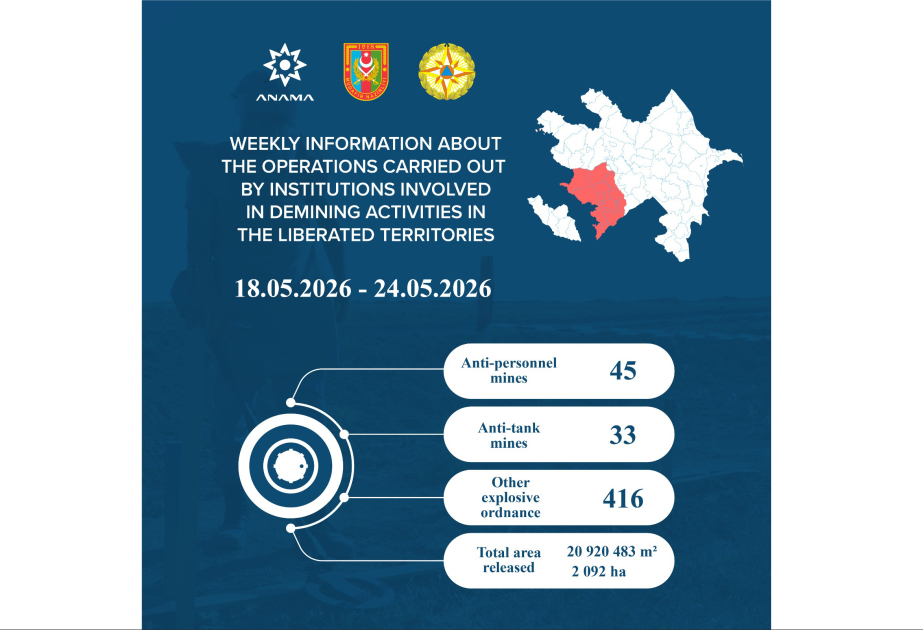
During mine-clearance operations carried out in the liberated territories from May 18 to 24, a total of 45 anti-personnel mines, 33 anti-tank mines, and 416 unexploded ordnances (UXOs) were detected and neutralised, according to a statement by the Azerbaijan Mine Action Agency (ANAMA). The agency noted that a total of 2092 hectares of territory were cleared of mines and UXOs during the reporting period.
UNDP and the Cambodia Mine Action and Victim Assistance Authority (CMAA) launched Clearing for Results Phase V (2026–2030) to support Cambodia’s goal of becoming mine-free by 2030. The programme will clear an estimated 96.8 km² of contaminated land, strengthen national mine action capacity, deliver EORE, support victims, and promote sustainable development in affected communities.
🇮🇳 India: Demining operations intensify in Chhattisgarh following Naxal-Free India declaration

The Central Reserve Police Force (CRPF), District Reserve Guard (DRG), and other security agencies have intensified demining operations across Chhattisgarh following the government’s “Naxal-Free India” declaration. Using drones, K9 teams, compact detection devices, and intelligence from surrendered insurgents, forces are locating and neutralising improvised explosive devices to secure roads, restore civilian movement, and support development in formerly insurgency-affected areas.
Japanese Foreign Minister Toshimitsu Motegi said Japan could consider deploying Self-Defense Forces for minesweeping operations in the Strait of Hormuz if a ceasefire is reached and naval mines obstruct maritime traffic. Japanese officials highlighted the strategic importance of the waterway for energy security while stressing that any deployment would depend on improved security conditions and legal considerations.
🇲🇱 Mali: Banned Russian Submunitions Found After Mali's Military Announces Airstrikes

Russian cluster munitions have been found in a Malian village. Mali is a signatory to the cluster bomb convention, though Russia is not. Russia’s mercenary group Africa Corps is currently operating in the west African state where a civil war is taking place.
🇴🇲 🌊 Oman warns of suspected floating mine in Hormuz, reinforcing shipping industry fears
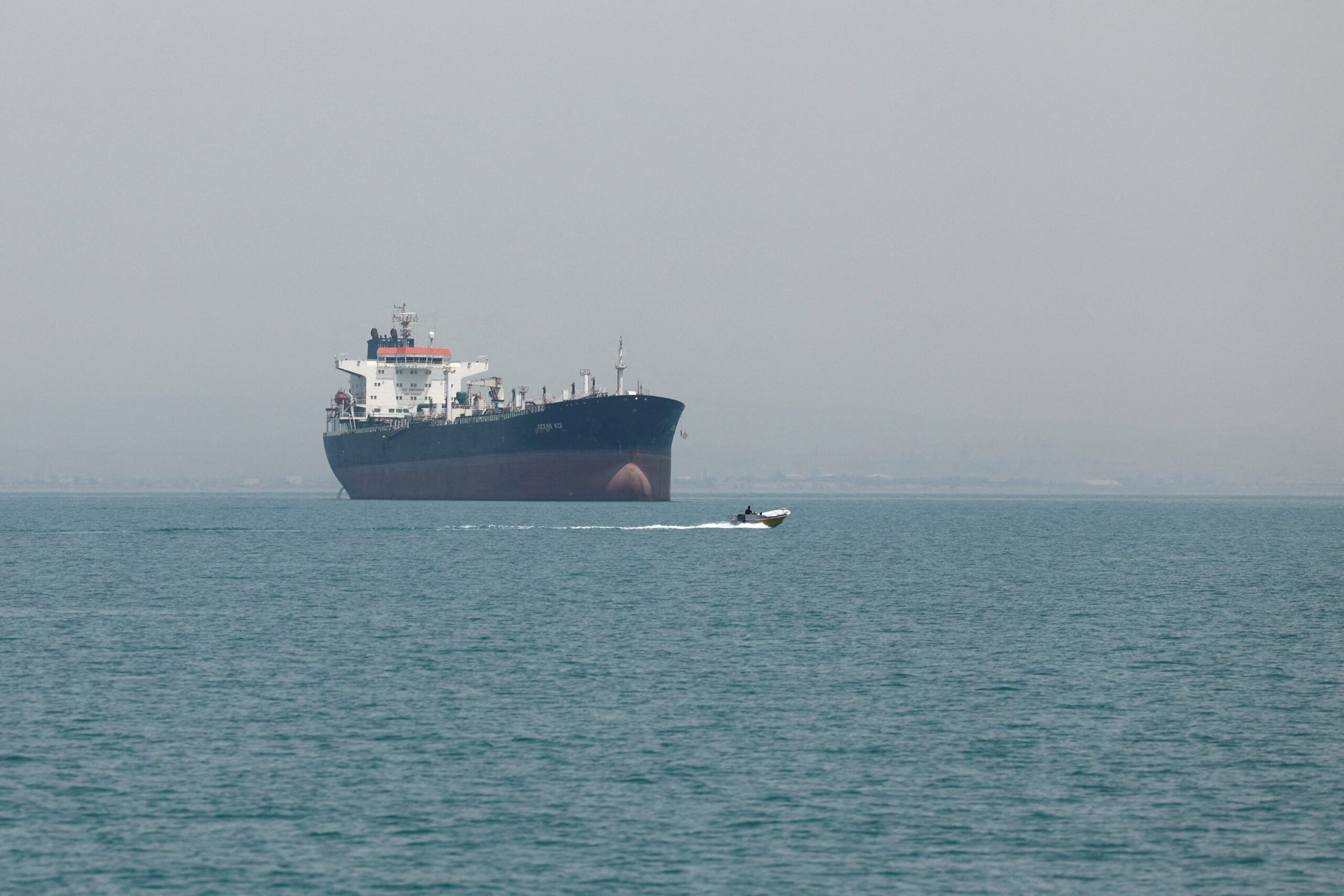
Oman’s Maritime Security Centre (MSC) issued a navigation warning after a floating object suspected to be a naval mine was sighted in Omani territorial waters near the Strait of Hormuz. The alert intensified concerns over maritime security, mine threats, and commercial shipping disruptions as regional tensions continue affecting one of the world’s most strategically important shipping routes.
🇸🇩 Sudan: Explosive Remnants of War Litter Sudan’s Capital
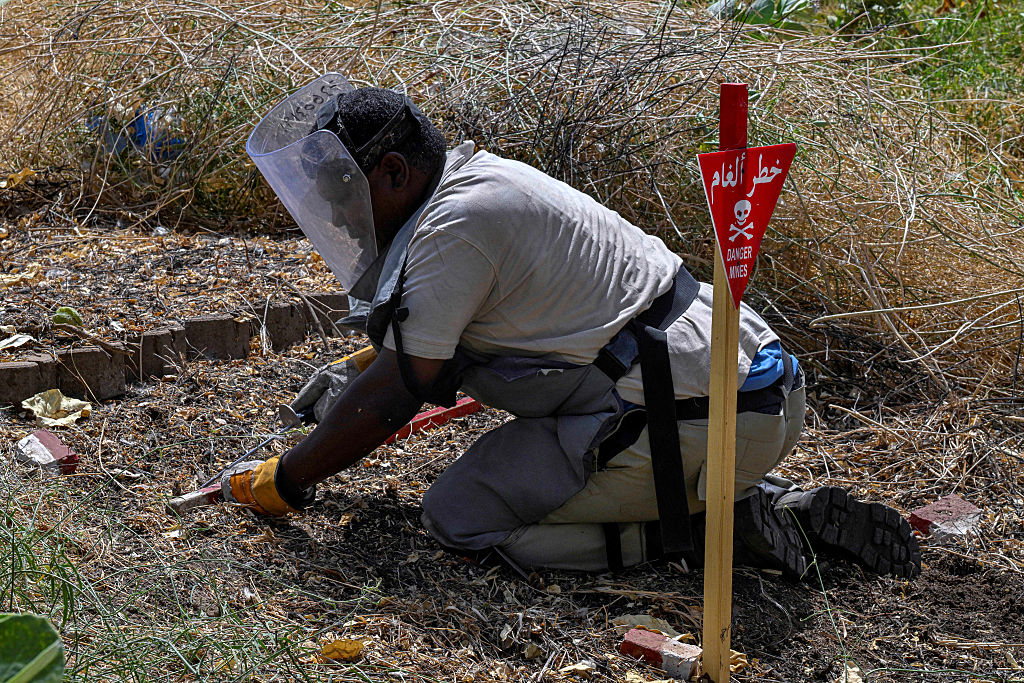
Sudan’s National Mine Action Center, supported by partners including JASMAR and the Danish Refugee Council, continues clearing explosive remnants of war across Khartoum following intense fighting between the Sudanese Armed Forces and the RSF. Deminers have removed thousands of hazardous items, but large areas remain contaminated, threatening returning civilians, reconstruction efforts, and safe access to public spaces.
🇸🇾 Syria landmine emergency: MAG scales up response
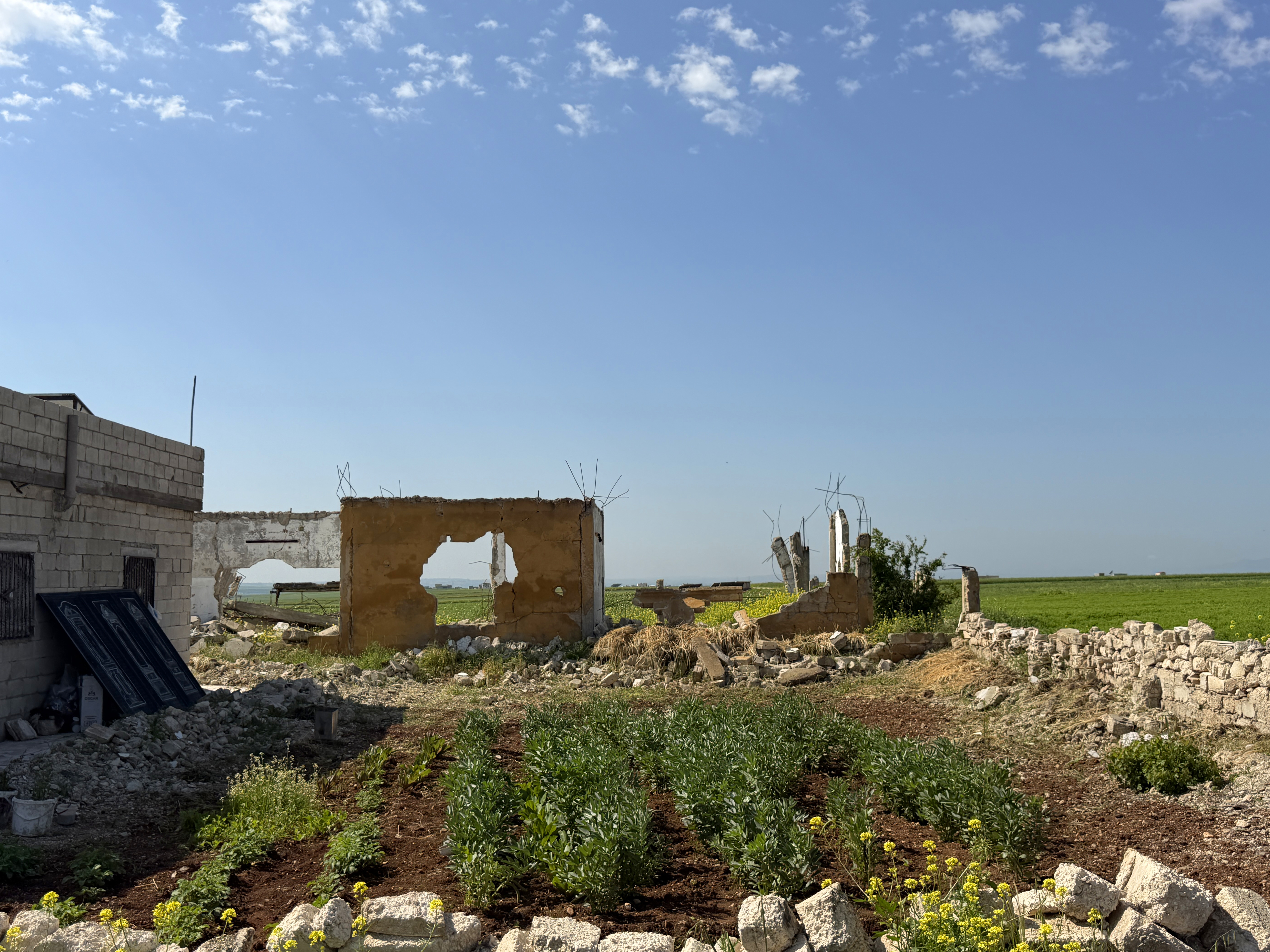
MAG is expanding humanitarian mine action operations in Syria as landmines and unexploded ordnance continue causing civilian casualties, particularly among families returning home after years of displacement. The organisation is training new demining and community liaison teams in Hama, where hospitals report rising numbers of mine injuries. MAG stated it has already released more than 52 million square metres of land and destroyed over 81,000 explosive items across Syria.
🇺🇦 Ukraine: Nearly One-Quarter of Ukraine Is Covered in Mines—and Clearing Them Could Take Over a Decade
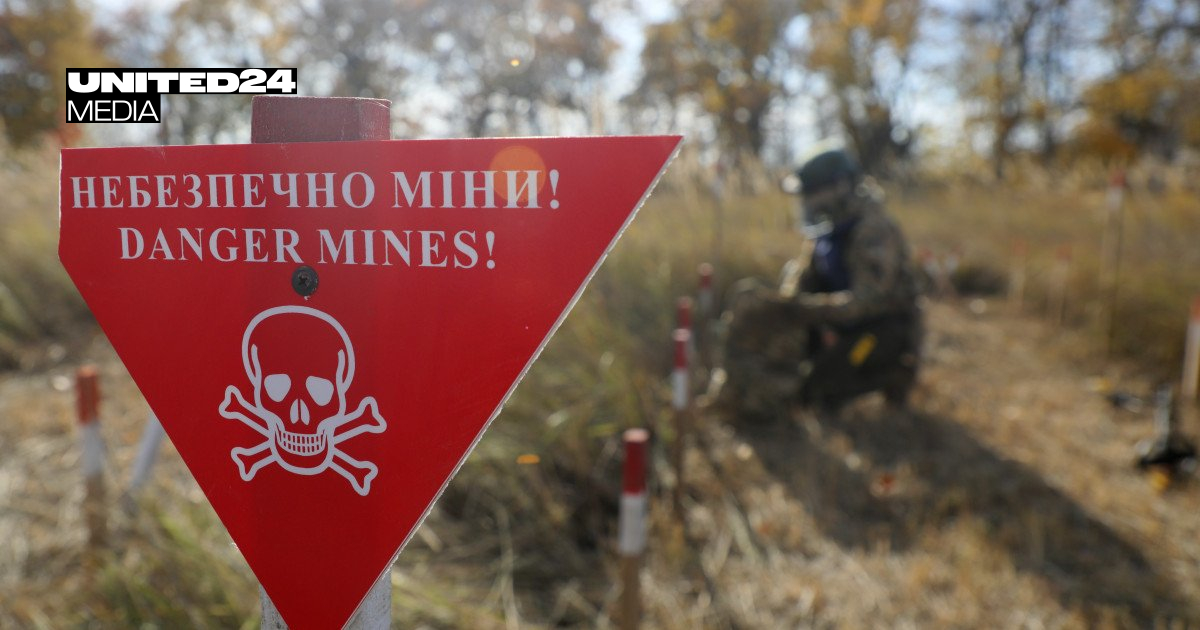
UNITED24 Media reports that almost 23% of Ukraine’s territory remains contaminated by mines and unexploded ordnance following Russia’s full-scale invasion. The HALO Trust and Ukrainian demining authorities warn that clearance could take more than a decade, while AI-assisted drones, robotic systems, and international support are increasingly being used to accelerate survey and humanitarian demining efforts.
🇬🇧 United Kingdom: Unexploded Ordnance (UXO) and the Residual Risk to UK Construction. Part 4: Beyond the descriptor

Aaron Florence examines the continuing risks posed by unexploded ordnance in the United Kingdom’s construction sector, where legacy wartime munitions remain buried beneath development sites. The discussion highlights the importance of UXO risk assessments, historical research, geophysical surveys, and specialist explosive ordnance disposal support to reduce risks to workers, infrastructure projects, and surrounding communities during construction activities.
🇬🇧 🌊 United Kingdom: Britain’s navy prepares to clear mines in the Strait of Hormuz while waiting for a peace deal

The Royal Navy is preparing a potential maritime mine countermeasure mission in the Strait of Hormuz, with RFA Lyme Bay being equipped with autonomous mine-hunting drones, sonar systems, and remotely operated disposal technology. British officials stated that any multinational mine-clearing operation would proceed only after a peace agreement, with efforts focused on reopening shipping lanes and restoring commercial navigation.
🇬🇧 🌊 United Kingdom: Royal Navy divers clear WWII ordnance in Baltic exercise
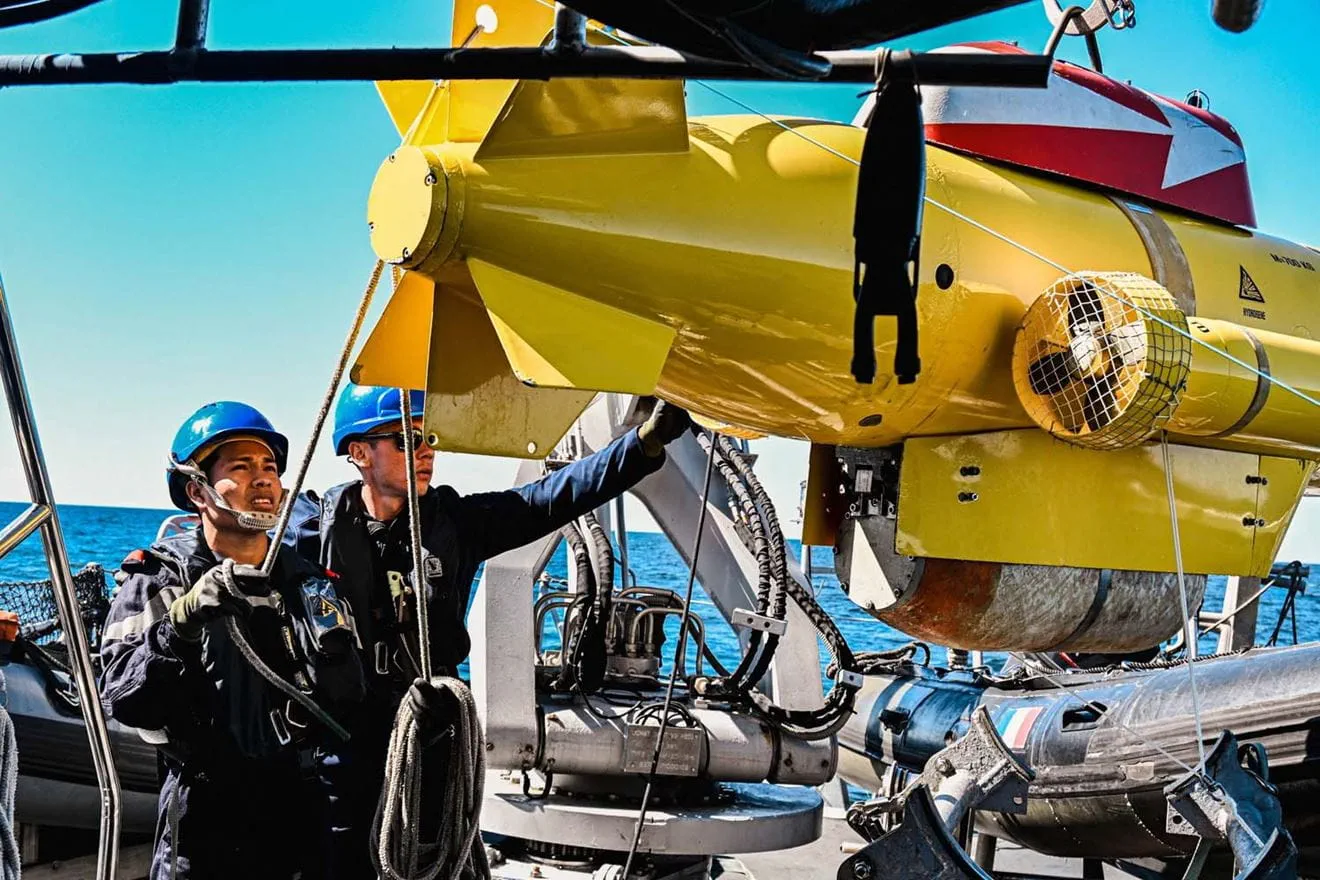
Royal Navy divers from the Diving and Threat Exploitation Group worked with NATO allies during Exercise Open Spirit to locate and neutralise unexploded ordnance in the Gulf of Riga. Using sonar systems and remotely operated vehicles, the multinational mine countermeasure operation helped improve maritime safety while strengthening interoperability and underwater explosive ordnance disposal capabilities.
Robbin Laird examines the role of USS Lewis B. Puller (ESB-3) in potential maritime mine countermeasure operations in the Strait of Hormuz. The expeditionary sea base supports aviation, unmanned systems, logistics, and mine warfare capabilities positioned close to likely mine-laying areas, reflecting evolving US naval approaches to countering Iranian naval mine threats and securing strategic shipping lanes.
Vietnam’s Military Region 2 is accelerating unexploded ordnance and mine clearance across heavily contaminated northwestern provinces. Military authorities reported that more than 6,500 hectares have been cleared over the past five years, with over 147,000 explosive items destroyed. New clearance projects covering border areas aim to support socio-economic development, public safety, and searches for the remains of fallen soldiers.
🇾🇪 Yemen: Landmines, Displacement, and Return: Why Addressing Yemen’s Landmine Crisis Matters

The commentary examines how landmine contamination continues obstructing safe return, recovery, and long-term stability in Yemen. It highlights the work of mine action actors including YEMAC and Project Masam, stressing that clearance, risk education, and victim assistance are essential for enabling displaced communities to return home, restore livelihoods, access services, and rebuild safely after years of conflict.
🇾🇪 Yemen: Saudi Masam project clears 1,609 explosive devices in Yemen
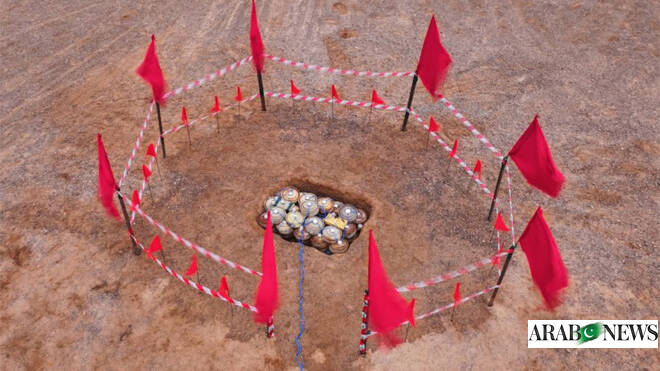
Saudi Arabia’s Masam project removed 1,609 explosive devices from multiple regions of Yemen in one week, including unexploded ordnance, anti-tank mines, and anti-personnel mines. Implemented through KSrelief, the project has cleared more than 564,000 explosive items since 2018, while supporting civilian safety, humanitarian access, and local demining capacity development.
🌍 From Fragmented Responses to Integrated Approaches: C-IED and the Humanitarian-Development-Peace Nexus

The Small Arms Survey examines how responses to improvised explosive device (IED) threats increasingly require coordination across humanitarian, development, and peace actors. The piece argues for a Humanitarian-Development-Peace Nexus approach that integrates mine action, risk education, victim assistance, infrastructure recovery, governance support, and security cooperation to address both the immediate and long-term impacts of explosive threats.
🌍 Episode 365: After the Fighting Stops: Landmines, Recovery and the Cost of Conflict with James Denselow and The HALO Trust
This episode of the International Risk Podcast explores the lasting impact of landmines. Across Ukraine, Syria, Myanmar, Afghanistan, and dozens of other conflict-affected countries, landmines and unexploded ordnance continue to kill, injure, and displace civilians long after wars have ended. Fields cannot be farmed, schools cannot reopen, refugees cannot safely return home, and communities remain trapped by the hidden legacy of conflict beneath their feet.
🌍 Poverty Reduction: Heidi Kuhn shares practices demining the soil and the soul

Heidi Kuhn, founder of Roots of Peace, spoke with CGTN about linking humanitarian demining with agricultural recovery and community development. Drawing on projects in countries including Afghanistan, Vietnam, and Croatia, Kuhn highlighted how clearing landmines enables farmers to safely return to their land, restore livelihoods, strengthen food security, and support long-term peacebuilding and economic recovery.
🌊 Clearing Mines in the Strait of Hormuz: Q&A with Scott Savitz

RAND senior engineer Scott Savitz discussed the challenges of clearing potential Iranian naval mines from the Strait of Hormuz. Savitz explained that even a small number of mines can disrupt global shipping, noting that mine countermeasure operations could take days or months depending on security conditions, while highlighting the continuing strategic importance of naval mine warfare and maritime mine clearance capabilities.
Other EO Finds from Around the Globe:
🇱🇧 Lebanese army says it dismantled two unexploded bombs in south Lebanon
🇬🇧 United Kingdom: Homes evacuated after unexploded bomb found in garden in Mile Cross in Norwich
🇬🇧 United Kingdom: Bomb Disposal called to Seaham Beach after explosive found
🇬🇧 United Kingdom: Bomb scare sees popular Anglesey beach evacuated
🇬🇧 United Kingdom: Unexploded bomb found and more in Isle of Wight days gone by
🇺🇸 United States: Kirtland EOD partners with Pueblo of Acoma to clear WWII-era ordnance
2. Explosive Ordnance Risk Education (EORE)
The Cambodian Mine Action Centre (CMAC) issued an urgent warning after unexploded ordnance was reportedly being used as decorative items and furniture in cafés and public spaces. CMAC stressed that explosive remnants of war may still contain hazardous components, urging the public to avoid handling such items and to report suspected ordnance to authorities.
🇨🇩 Democratic Republic of the Congo: Reducing explosive ordnance risks in Goma and Bukavu
DanChurchAid (DCA) and its national partner ADIC are implementing an emergency response in Goma and Bukavu to reduce accidents caused by explosive ordnance and explosive remnants of war. Activities include explosive ordnance risk education, community alert mechanisms, non-technical surveys, and training for local leaders. The project has already reached more than 82,000 people, identified and marked 2,577 explosive hazards, and strengthened community-based reporting and prevention systems.
🇻🇳 Vietnam: UXO awareness contest draws 1.8 million participants nationwide
The Vietnam National Mine Action Centre (VNMAC), with support from UNDP and KOICA, reported that more than 1.8 million people participated in a nationwide online contest on unexploded ordnance accident prevention. The initiative promoted mine risk awareness, safe behaviour, victim support policies, and explosive ordnance identification, particularly among youth and communities living in contaminated areas.
3. Accidents, Survivors, Victim Assistance
🇦🇿 Azerbaijan: Baku Hosts Event On Economic Empowerment For Landmine Survivors
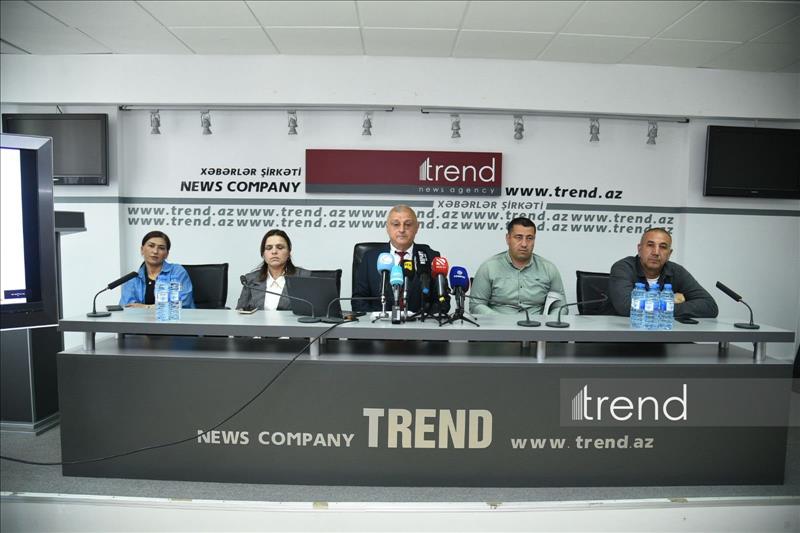
A press conference in Baku presented results of the “Creating Economic Opportunities for Mine Victims – Phase 3” project, implemented by the Azerbaijan Campaign Against Mines Public Union with funding from South Korea. The initiative supported socio-economic integration, small business development, and income generation for landmine survivors in affected districts, while participants called for expanded international support for mine victim assistance programmes.
Ukraine’s State Emergency Service (DSNS) highlighted the story of rescuer Andriy Vovchuk, who lost his lower leg after his emergency vehicle struck a landmine in 2022 while responding to an incident. After extensive rehabilitation, Vovchuk returned to competitive sports through the Ministry of Internal Affairs’ “Unbreakable” programme, demonstrating resilience and recovery after mine-related trauma.
Other EO Accidents from Around the Globe:
🇧🇩 Bangladesh: Landmine explosions kill 3 near Bangladesh-Myanmar border in Bandarban
🇰🇭 Cambodian dies from unexploded munition while collecting firewood
🇸🇾 Syria: Three children killed in landmine blast in Raqqa, northeastern Syria
🇸🇾 Syria: Old ordnance | Child killed and two civilians injured in Aleppo and Hama
🇸🇾 Syria: Old ordnance | Four civilians injured in eastern Al-Suwaidaa countryside
4. Advocacy, Policy, Conventions, Strategies and Standards
Princess Diana’s 1997 visit to Angola with the British Red Cross and The HALO Trust brought unprecedented global attention to the humanitarian impact of landmines. Images of Diana walking through an active minefield in protective gear helped transform public perceptions of landmines, strengthened support for a global ban, and contributed momentum toward the Anti-Personnel Mine Ban Convention.
🇮🇶 Iraq prepares national landmine clearance plan as 8.5 million mines still threaten civilians
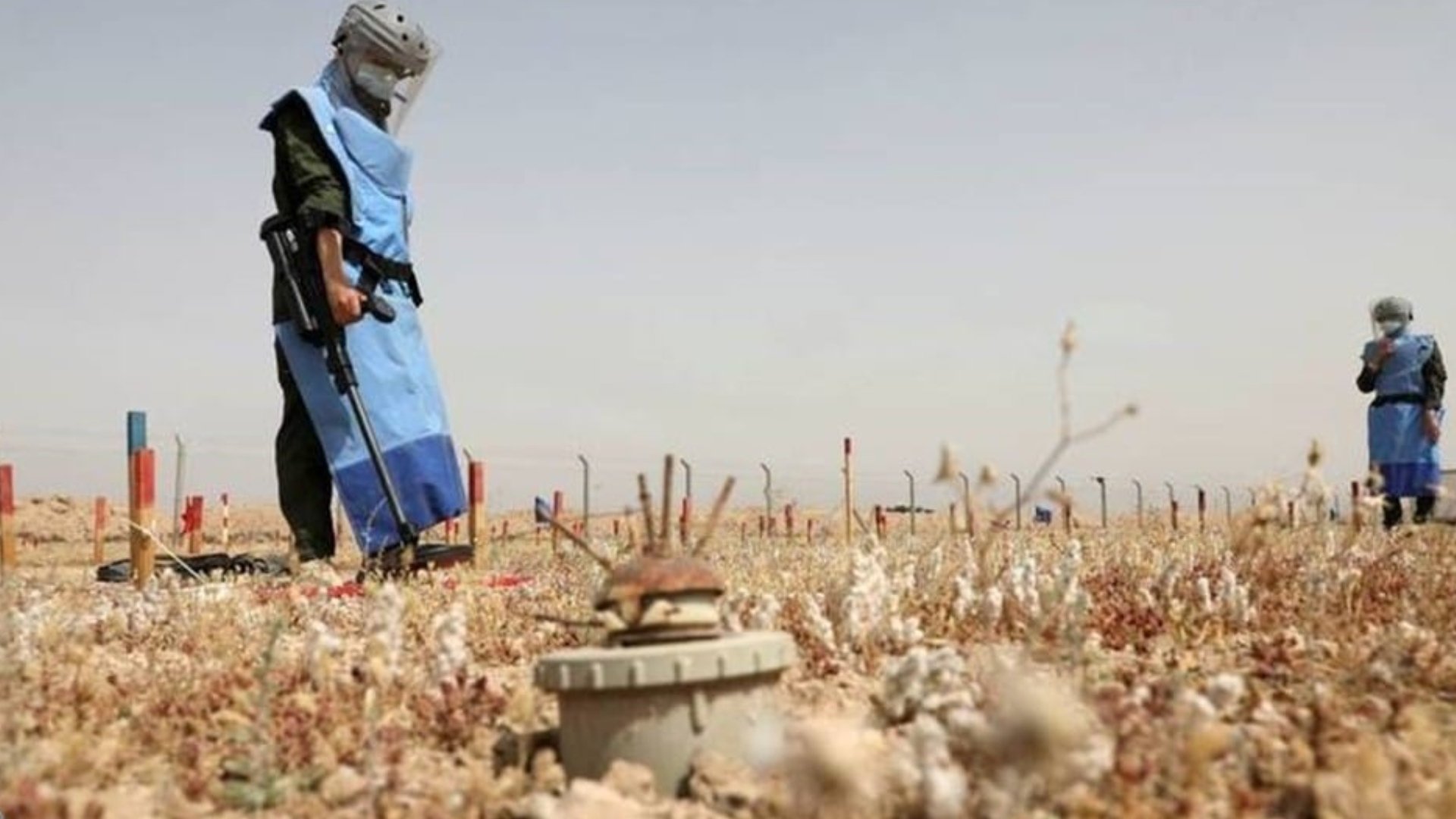
Iraq’s Ministry of Environment announced a national strategy to address an estimated 8.5 million remaining landmines and explosive remnants of war. The programme combines modern clearance technologies, community risk education, international cooperation, and strengthened national mine action capacity. Iraqi authorities said clearance efforts are essential for restoring agriculture, infrastructure, economic development, and the safe return of displaced communities.
🇱🇦 Laos: Canada and Norwegian People’s Aid support Lao PDR’s CCM Presidency
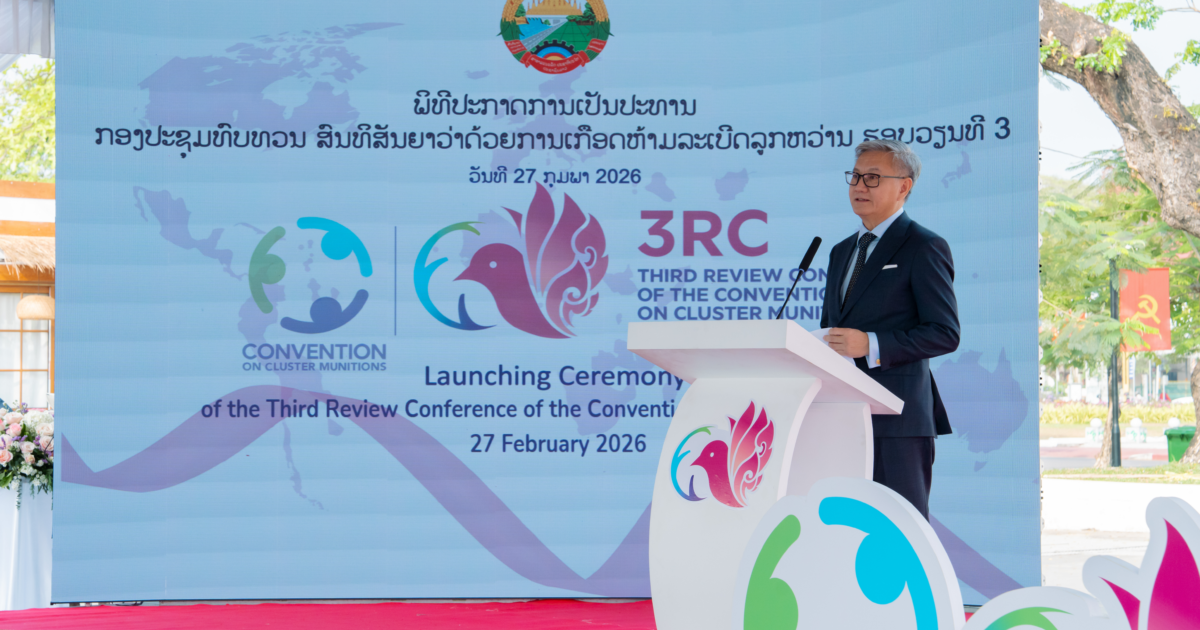
Norwegian People’s Aid (NPA), with funding from Canada’s Weapons Threat Reduction Program, is supporting Lao PDR’s presidency of the Convention on Cluster Munitions and preparations for the Third Review Conference in Vientiane. Assistance includes expert advisors, embedded consultants within the National Regulatory Authority, and support for workshops and coordination activities focused on cluster munition clearance, victim assistance, and treaty implementation.
🇱🇧 Lebanon Joins Mine Ban Treaty
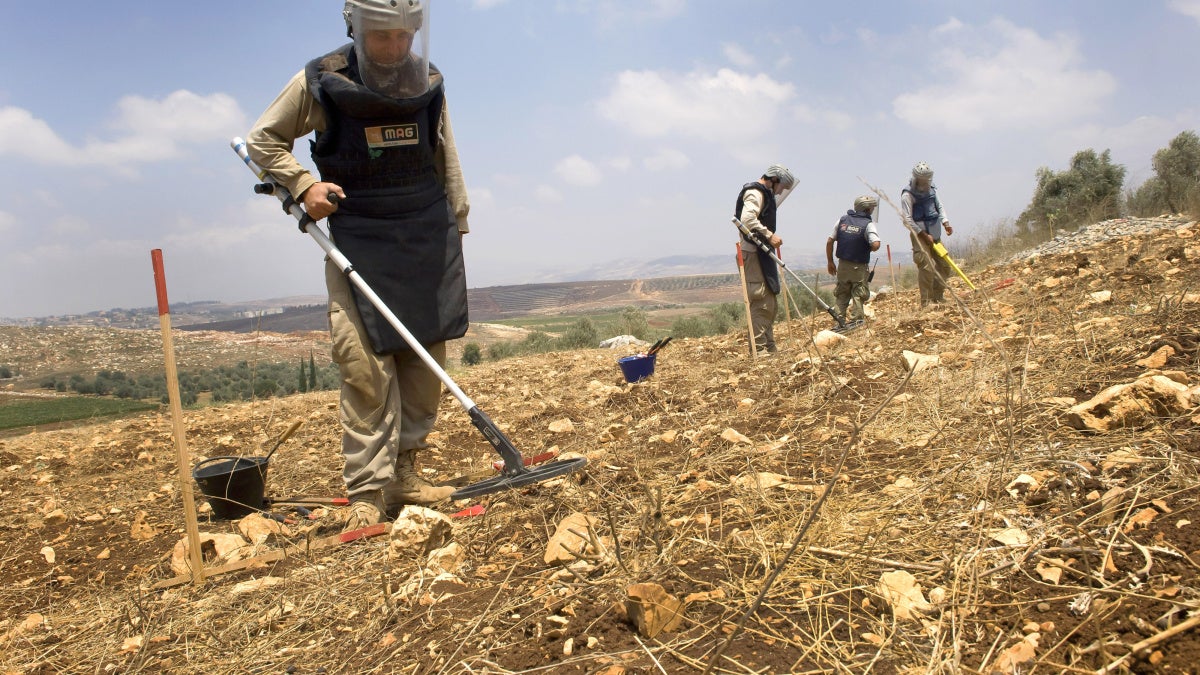
Human Rights Watch welcomed Lebanon’s accession to the Mine Ban Treaty, making it the 162nd State Party to the convention. The organisation said Lebanon’s decision, taken amid ongoing regional conflict, strengthens global opposition to anti-personnel mines and reinforces commitments to civilian protection, mine clearance, victim assistance, and the restoration of contaminated land affected by decades of conflict.
🇲🇱 Mali: Norwegian People’s Aid condemns alleged use of cluster munitions in Mali

Norwegian People’s Aid (NPA) expressed deep concern over reports alleging the use of cluster munitions in northern Mali, including in the Timbuktu and Kidal regions. NPA called for an independent investigation and full transparency from Malian authorities, stressing that any confirmed use would constitute a serious violation of the Convention on Cluster Munitions.
🇺🇦 Ukraine: UDS joins the Technical Committee for the development of national demining standards
Ukrainian Demining Services (UDS) has become a collegiate member of Technical Committee TC 322, which develops national mine action standards in Ukraine. UDS will contribute operational expertise to drafting and revising standards covering mine action terminology, land release, and demining processes. The company stated that integrating field experience into standardisation efforts is essential for improving safety and operational effectiveness across Ukraine’s humanitarian mine action sector.
🌍 Dublin, 30 May 2008: The Day the World Said No to Cluster Munitions
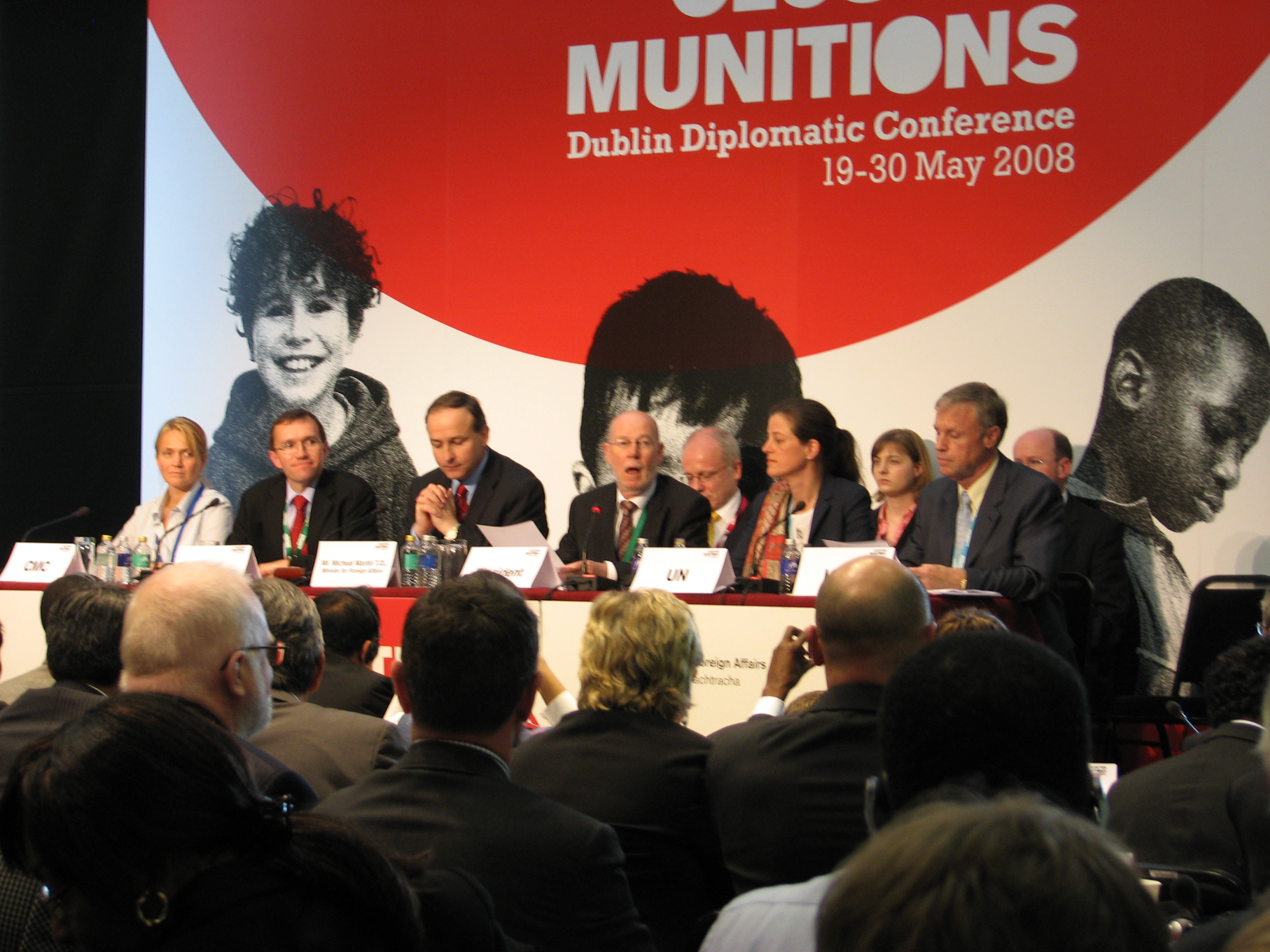
The Convention on Cluster Munitions commemorated the 18th anniversary of the treaty’s adoption in Dublin, where 109 states agreed to prohibit cluster munitions. The organisation highlighted progress including stockpile destruction, land clearance, and victim assistance, while reaffirming the humanitarian principles that drove the Oslo Process and ongoing international efforts to eliminate cluster munitions worldwide.
5. Stockpile Destruction, Demolition, WAM and Disarmament
6. Research, Innovation, Technology and Market Trends
Iraq’s Ministry of Environment announced a comprehensive national strategic plan to address landmines and explosive remnants of war using modern technologies and advanced survey methods. The ministry highlighted ongoing coordination with national and international partners to accelerate clearance, reduce civilian risks, restore contaminated land, and support sustainable development in affected areas.
🇯🇵 🇺🇦 Japanese company tests mine-detection drone in Ukraine
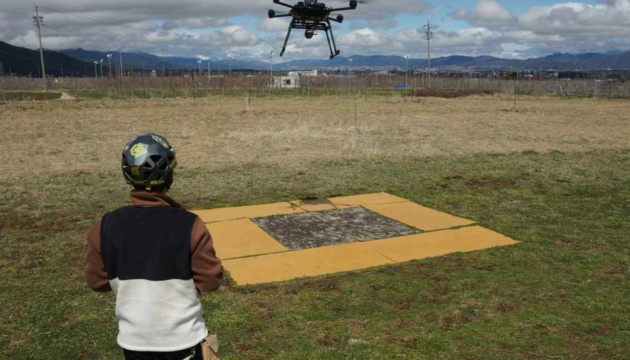
Japanese company Prodrone conducted tests in Kyiv of a drone designed to detect anti-personnel mines from the air. Developed in cooperation with Ukrainian partners and supported by a grant from the United Nations Industrial Development Organization (UNIDO), the system uses a metal detector mounted on a low-flying drone to support safer and more efficient humanitarian demining operations.
🇺🇦 Ukraine: Safe Pro Celebrates 50,000th AI-Powered Landmine Detection Milestone Pioneering Modernized Force Protection and Humanitarian Innovation
Safe Pro Group announced that its AI-powered SPOTD technology has surpassed 50,000 confirmed landmine and unexploded ordnance detections in Ukraine. Working with Ukrainian government agencies, humanitarian operators, and emergency services, the company highlighted the growing role of AI-assisted drone imagery analysis in humanitarian demining, while marking the milestone with a USD 50,000 donation supporting Ukrainian education.
🇺🇸 United States: MCM Modernization Prize Challenge

The US Navy and the Defense Innovation Unit (DIU) launched the “MCM Modernization Prize Challenge” to accelerate development of autonomous and communication-resilient maritime mine countermeasure technologies. The initiative seeks mature commercial systems capable of detecting, classifying, and neutralising moored and bottom mines in contested environments, with prize funding and potential follow-on contracts supporting rapid fielding of innovative mine warfare capabilities.
🇻🇳 Vietnam: Proposal to tighten standards for ammonium nitrate used in ANFO explosive production

Vietnam’s Ministry of Industry and Trade is proposing stricter technical regulations for porous ammonium nitrate used in ANFO explosive production. Draft amendments introduce tighter quality controls, traceability requirements, digital product passports, packaging standards, and conformity assessment measures aimed at improving oversight of explosive precursors and industrial explosives manufacturing.
The HALO Trust highlighted the growing importance of innovation in accelerating Zimbabwe’s path toward becoming mine-free. The organisation discussed how new technologies, operational approaches, data systems, and international partnerships are improving survey and clearance efficiency along heavily contaminated border minefields, while supporting Zimbabwe’s national mine action goals and long-term community safety.
🌍 MineInsight: A Multi-sensor Dataset for Humanitarian Demining Robotics in Off-Road Environments

Researchers from the Royal Military Academy and partner institutions introduced MineInsight, a publicly available multi-sensor dataset designed to advance robotic landmine detection. The dataset combines RGB, VIS-SWIR, LWIR, LiDAR, and dual-view robotic sensing from an unmanned ground vehicle and robotic arm, supporting development and validation of AI-assisted humanitarian demining technologies in realistic off-road environments.
Despite the promise of artificial intelligence and machine learning for humanitarian mine action, there are few papers that outline concrete, operationally grounded opportunities for its use. Drawing on interviews with staff from The HALO Trust, this paper presents a series of practical scenarios where AI can support mine action activities across location, detection, excavation, and information management.
7. Mine Action Assistance, Funding and Cooperation
Senior Minister Ly Thuch, First Vice President of the Cambodian Mine Action and Victim Assistance Authority (CMAA), reaffirmed Cambodia’s commitment to global mine action by offering to share the country’s decades of demining experience with Lebanon following its accession to the Anti-Personnel Mine Ban Convention. Cambodian officials highlighted international cooperation, technical expertise, and humanitarian mine action as key tools for reducing civilian harm from landmines and explosive remnants of war worldwide.
On 14 May, representatives from ten countries met during the second annual Libya Mine Action Support Group in Tripoli. Together, they reaffirmed that mine action remains critical to protection of civilians and to stability and long-term peacebuilding in Libya and pledged to continue their support for Libyan-led efforts to address explosive contamination and strengthen civilian safety in affected areas.
The United Nations Mine Action Service (UNMAS), the European Union, and international partners reaffirmed support for strengthening mine action in Libya during a high-level coordination meeting in Tripoli. Participants highlighted progress in survey, clearance, risk education, and capacity development while stressing the need for sustained cooperation, funding, and institutional support to address Libya’s extensive explosive ordnance contamination.
🇱🇰 Sri Lanka: Japan extends support for humanitarian demining activities in northern and eastern provinces
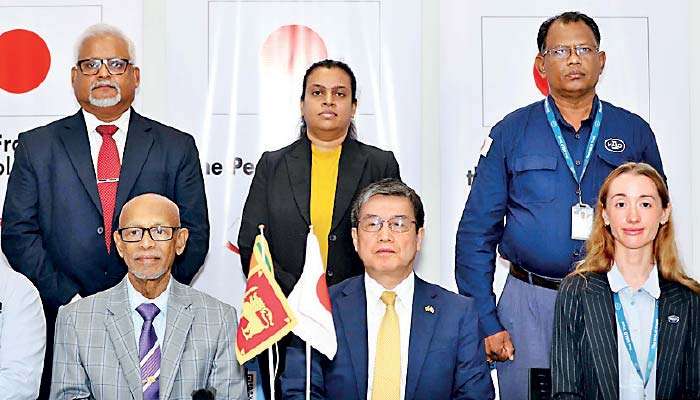
The Government of Japan provided USD 1.34 million through its Grant Assistance for Grassroots Human Security Projects scheme to support humanitarian demining by MAG, The HALO Trust, and DASH in Sri Lanka’s Northern and Eastern Provinces. The project aims to clear nearly 400,000 m² of contaminated land, enabling resettlement, livelihood recovery, and economic development for conflict-affected communities.
🇸🇾 🇵🇱 Syria: Poland provides $250,000 to support mine clearance in Syria

Poland announced a voluntary contribution of USD 250,000 to the United Nations Mine Action Service (UNMAS) in Syria for 2026. The funding will support humanitarian mine clearance, explosive ordnance risk reduction, and efforts to improve civilian safety in areas heavily contaminated by landmines and explosive remnants of war after years of conflict.
🇻🇳 Vietnam: Short Pauses, Long Shadows: War-Legacy Aid and Vietnam’s Trust in U.S. Commitments
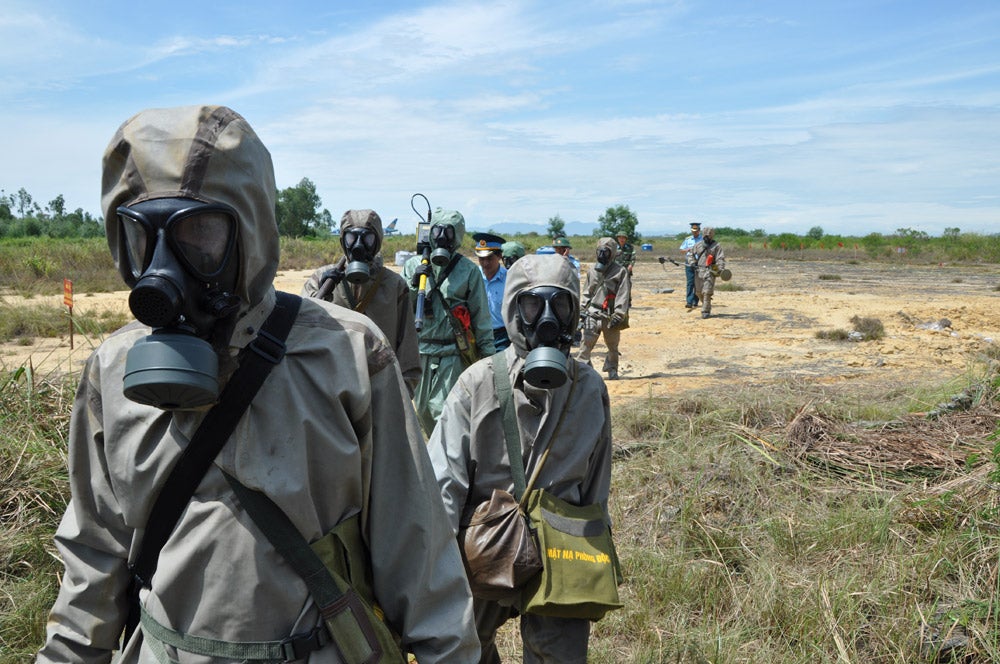
Nguyen Khac Giang and Phan Xuan Dung examine how the 2025 suspension of US foreign aid disrupted unexploded ordnance clearance, dioxin remediation, and disability assistance programmes in Vietnam. The analysis argues that interruptions to USAID-funded war legacy projects weakened confidence in long-term US commitments, despite later funding resumptions and continued cooperation on mine action and post-war recovery.
8. Other News
🇺🇦 Ukraine: Base of Norwegian humanitarian organization in Ukraine damaged by Russian attack

Norwegian People’s Aid (NPA), which conducts humanitarian demining operations in Ukraine, reported that one of its bases was damaged during a Russian attack. According to Secretary General Raymond Johansen, no staff members were injured, but vehicles and mine action equipment sustained significant damage. NPA stressed that humanitarian organisations conducting civilian protection and clearance activities must not be targeted and stated that demining operations would continue despite the attack.
🌍 Sleight of Hand

The article presents a critique of the humanitarian mine action sector and its efficiency in bringing about significant impact on the ground.
🎥 Videos
This discussion about Ukraine's mine action efforts examines how to move from emergency demining towards a nationwide recovery effort covering forests, water bodies and infrastructure.

Krystyna Sanyna is a former Ukrainian servicewoman who lost both of her legs on the battlefield. Recently, she made an appearance on the Ukrainian Fashion Week runway.
📅 Upcoming Events, Courses & Trainings
There are a number of interesting events for the mine action sector in the coming months, and some of the deadlines are approaching quickly.
Organised under the Mine Action Innovation Hub, the Innovation Session 2026: Mine Action in Urban Areas is a three-day, in-person event bringing together mine action practitioners, national authorities, debris management and recovery actors, urban planners, researchers, technology providers, and donors. Applications to participate in the Innovation Session are now open until 17 July 2026.
Felix Connect is a dedicated networking event designed to bring together supporters, partners, and friends of Felix Fund - the bomb disposal charity. It’s a relaxed, welcoming space to connect, network, or simply catch up with familiar faces from across the EOD, Search, defence, and charity communities. The event will be held on 28 September in London. Learn more here.
The Mine Action: Innovation, Sustainability, and Global Partnerships speaker series is structured to address landmine and explosive remnants of war (ERW) challenges through a strictly humanitarian, civilian-protection-oriented framework, with clearly defined ethical, legal, and operational boundaries between humanitarian and military applications of technology. Dates are: FEB 19 | MAR 19 | APR 16 | MAY 21 | JUN 18 | JUL 16 | AUG 20 | SEP 17 | OCT 15 | NOV 19 | DEC 17. Time: 12:00 PM - 1:00 PM ET. Location: Virtual (Zoom Webinar). Register here.
The Geneva International Centre for Humanitarian Demining (GICHD)'s final IMSMA Global training course for 2026 is open for registration: 02 Nov 2026 - 06 Nov 2026 (Application deadline: 2 August 2026).
🔔 Always Stay in the Know – Never Miss an Update
This newsletter is subscribed to by over 3500+ dedicated readers on LinkedIn. To join this community of mine action professionals and supporters, go ahead and subscribe to the Mine Action Weekly newsletter. You can find all editions up to February 2026 on LinkedIn, and from March 2026 onwards here on Mine Action News.
Please reach out to me if there are any mine action news, journal articles, events, or updates that you would like to suggest for the next edition of Mine Action Weekly. You can find (and follow / connect with) me here. See you next Monday!


