Mine Action Weekly, 1 - 7 June 2026

This week’s edition spans mine clearance breakthroughs, rising civilian casualties, and growing geopolitical tensions. From Azerbaijan’s large-scale land release and Ukraine’s expanding demining fleet to renewed concerns over the Strait of Hormuz and the ongoing humanitarian impact of contamination in Syria and Yemen, the sector remains at the intersection of recovery, security, and international politics.

Disclaimers:
This newsletter features news reports and articles from a variety of sources. Mention of these resources does not indicate agreement with or endorsement of the opinions of others. I do not claim responsibility or credit for these works, and do not vouch for the information contained in them.
This newsletter is created and managed in a personal capacity, independent of my professional affiliation with Fondation suisse de déminage (FSD).
🗞️ Weekly News Roundup
The weekly news roundup showcases a low-down of the top mine action news and insights from the past seven days.
1. EO Contamination, Clearance & Land Release
The Azerbaijan National Agency for Mine Action (ANAMA) has released its monthly report on demining operations conducted in territories liberated from occupation, showing that a total of 7,520.2 hectares of land were cleared of mines and unexploded ordnance in May.
🇧🇩 🇲🇲 Bangladesh: Deadly spillovers from Myanmar's civil war can no longer be ignored

Myanmar’s civil war is increasingly affecting neighbouring Bangladesh through cross-border violence, displacement, and explosive threats. The commentary highlights reports of landmines and unexploded ordnance along the frontier, which have caused civilian casualties and restricted movement.
The European Union is considering assigning its Aspides naval mission a leading role in clearing mines in the Strait of Hormuz, as part of a Franco-British-led coalition. This initiative comes amid ongoing instability in the region and would necessitate the unanimous approval of all EU member countries.
The United Nations Mine Action Service (UNMAS) Iraq 2025 Annual Report highlights the organisation's work in strengthening Iraq's national mine action sector, enhancing local capacities, and making communities safer from explosive hazards. UNMAS has delivered technical support and training and worked with local partner Shareteah Humanitarian Organization (SHO) to provide innovative, life-saving safety sessions and clearance operations.
🇲🇽 Mexico: MAG launches new programme in Mexico

MAG (Mines Advisory Group) has launched a new programme in Mexico focused on reducing armed violence and strengthening community safety. Working with local partners and authorities, MAG will apply its expertise in weapons and ammunition management, community engagement, and violence reduction to address the humanitarian impact of armed violence, support affected communities, and improve security in some of Mexico’s most violence-affected regions.
A floating object suspected to be a naval mine has been sighted in Omani territorial waters near the Strait of Hormuz. Oman’s Maritime Security Centre issued a navigation warning at the weekend after the object was spotted west of the Inshore Traffic Zone in the strait. The MSC urged all mariners to exercise extreme caution and maintain a safe distance from any suspicious objects.
According to acting Kursk Region Governor Alexander Khinshtein, Belarusian military sappers have joined mine clearance operations in Russia’s Kursk region following border-area fighting. The operation involves military engineering units.
🇸🇾 Syria: Has Syria turned a corner on the landmine threat?

While Syria's security landscape has shifted since the fall of the Assad regime, the deadliest threat to civilians is no longer concentrated on active frontlines. Instead, it lies hidden beneath the ground. Landmines and Explosive Remnants of War (ERW) continue to kill and injure civilians across the country.
Humanity & Inclusion (HI) cleared explosive remnants of war from a school in Syria, allowing children and teachers to safely return to education. The clearance operation removed dangerous contamination from the school grounds and surrounding area, reducing risks to the local community and supporting the restoration of essential services in a region heavily affected by conflict and explosive hazards.
🇸🇾 Syria: Good News Story From: Northeast Syria - How Mine Action Is Helping Families Rebuild Their Lives
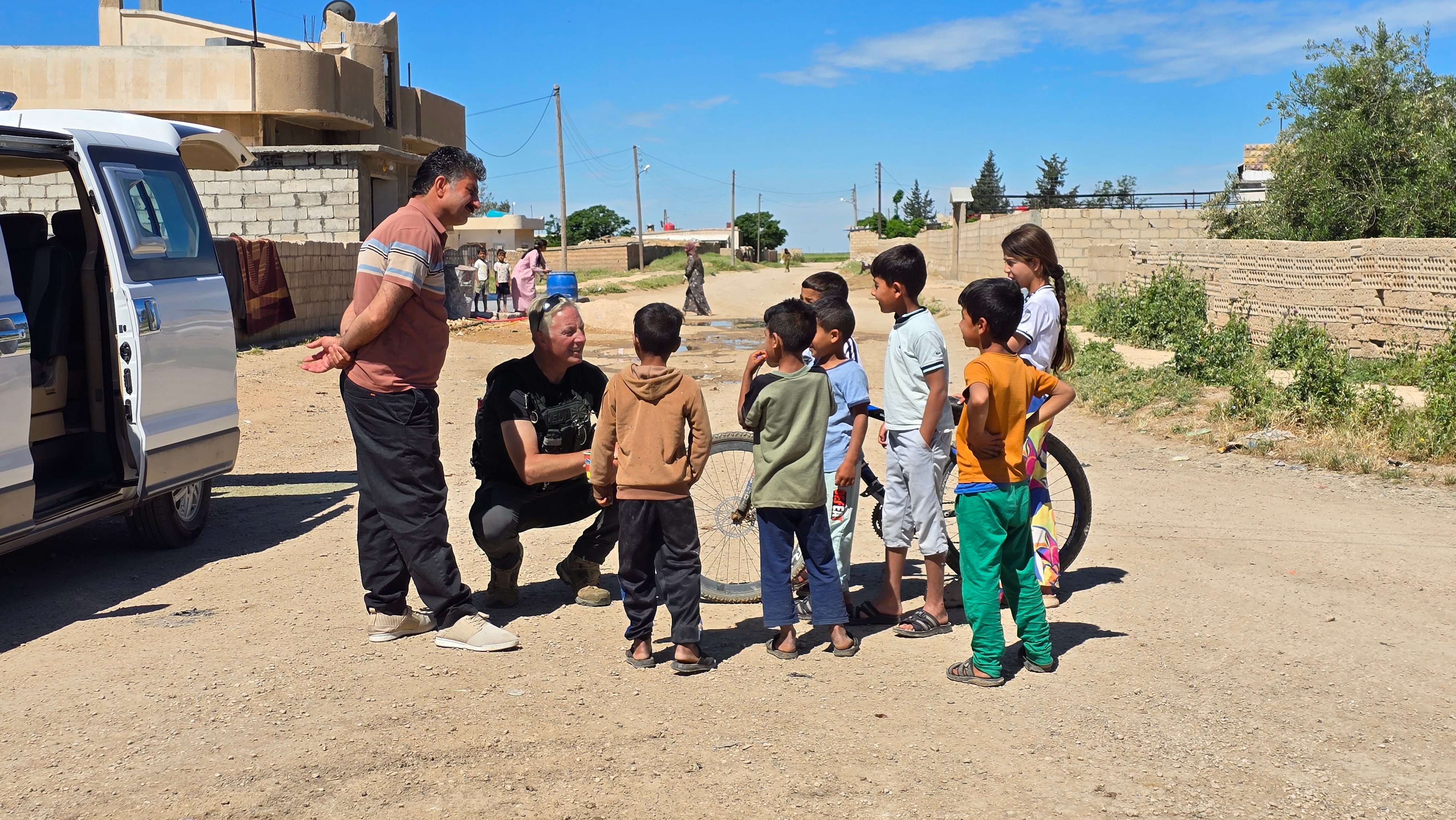
ITF Enhancing Human Security highlighted how humanitarian mine action is helping families safely return to their homes and livelihoods in Northeast Syria. Through survey, clearance, and community engagement activities, ITF-supported teams are reducing the threat posed by landmines and explosive remnants of war, enabling access to farmland, restoring economic opportunities, and supporting long-term recovery for conflict-affected communities.
🇹🇭 🇰🇭 Thailand releases video suggesting Cambodia’s denial of land mines being planted in Chong Bok is a lie
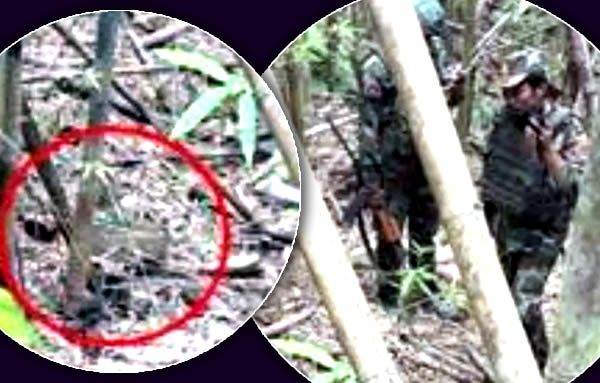
Thai military has released a video it says shows Cambodian soldiers planting anti-tank mines at Chong Bok, directly contradicting Phnom Penh’s denial. Bangkok says it identified the unit involved as border tensions escalate alongside UN and Hague disputes.
🇬🇧 United Kingdom: Post WWII Explosive Ordnance Clearance in the UK: An Enduring Legacy

The next blog in Artios Global's UXO Risk Management series investigates post war UXO survey and clearance efforts in the UK, from large tracts of land that formed major defensive positions or military training areas, to smaller areas requisitioned during WWII. The article explores how, despite decades of work by the MoD and other organisations in clearing land of UXO contamination, the risk of UXO lingers in many parts of the country, particularly in military training areas where military land use has continued into the present day.
🇾🇪 Yemen: Three years after Yemen's Mine Clearance extension, one challenge remains: missing Houthi minefield records

Project Masam highlighted that, despite significant progress since Yemen received a Mine Ban Treaty clearance extension in 2022, the continued absence of Houthi minefield records remains a major obstacle to humanitarian demining. Masam has cleared more than 564,000 explosive hazards and released over 80 million m² of land since 2018, but argues that access to minefield coordinates would improve planning, reduce risks, and help protect civilians from becoming the first indicators of contamination.
🇾🇪 Yemen: Saudi Masam project clears 1,609 explosive devices in Yemen
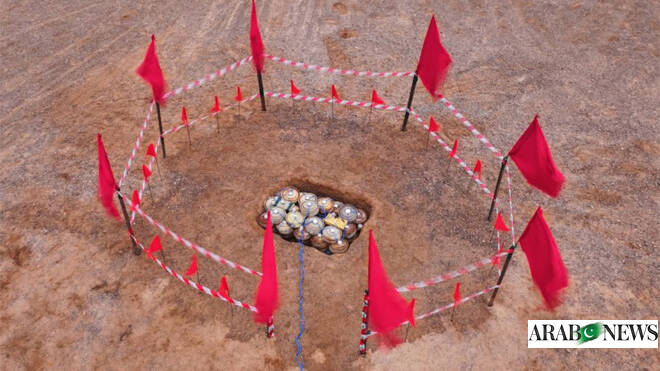
Members of Saudi Arabia’s Masam project removed 1,609 explosive devices from various regions of Yemen last week. These include 1,584 unexploded ordnances, 21 anti-tank mines, and four anti-personnel mines. The explosives were planted indiscriminately across the country, posing a threat to civilians, including children, women, and the elderly.
🌍 Training and tools for IMAS 07.13 environmental and climate compliance
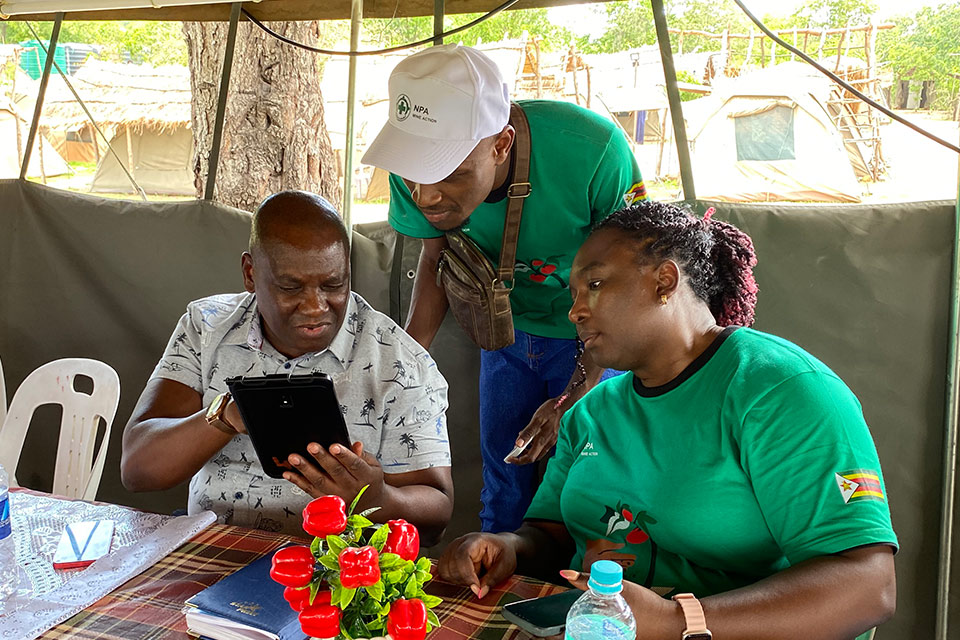
Conflict and Environment Observatory (CEOBS) offers specialist training and consultancy to help mine action organisations meet the requirements of the updated IMAS 07.13 on Environmental Management and Climate Change. They can provide practical Green Field Tool (GFT) and field-based training to ensure operations are compliant, effective, and aligned with IMAS 07.13.
🌊 Have sea mines been laid in the Strait of Hormuz?

Despite repeated reports that Iran has mined the Strait of Hormuz, there is still no conclusive evidence that any mines have actually been laid. Nevertheless, the threat is being taken seriously by the RN and other naval powers because even the possibility of mining one of the world’s most important maritime choke points could further escalate an already dangerous situation.
🌊 This Sea Is Full of Unexploded WWII Bombs. Scientists Found Something Even More Disturbing in the Fish.

Scientists and explosive ordnance experts are warning that an estimated 1.6 million tonnes of conventional and chemical munitions dumped in the North and Baltic Seas after World War II are deteriorating and releasing toxic substances into the marine environment. Research programmes supported by German authorities and international partners are investigating contamination risks, mapping underwater ordnance, and evaluating methods for large-scale disposal and environmental remediation.
Other EO Finds from Around the Globe:
🇮🇷 Iran: IRGC says Isfahan blasts tied to unexploded wartime munitions
🇽🇰 Kosovo: An unexploded device is found in Gjakova, the KSF intervenes
🇱🇧 Lebanese army says it dismantled two unexploded bombs in south Lebanon
🇬🇧 United Kingdom: WW2 bomb destroyed in controlled explosion after evacuation
🇬🇧 United Kingdom: Bomb disposal play delayed by real unexploded bomb
🇬🇧 United Kingdom: Unexploded bomb found on Lincolnshire beach leads to "safety reminder" for visitors
🇬🇧 United Kingdom: Suspected unexploded bomb found inside Southport flat as homes evacuated
2. Explosive Ordnance Risk Education (EORE)
🇨🇩 Democratic Republic of the Congo: Reducing explosive ordnance risks in Goma and Bukavu
DanChurchAid (DCA) and its national partner ADIC are implementing an emergency response programme in Goma and Bukavu to address growing risks from explosive ordnance and explosive remnants of war. Activities include explosive ordnance risk education, non-technical survey, community reporting mechanisms, and liaison with disposal authorities. The programme has reached more than 82,000 people, identified and marked 2,577 explosive hazards, and strengthened local capacity to prevent accidents and protect affected communities.
3. Accidents, Survivors, Victim Assistance
The International Criminal Police Organization, Interpol, has disclosed that Nigeria recorded 1,934 incidents involving Improvised Explosive Devices, IEDs, between 2017 and 2024, with the North-East accounting for the majority of attacks.
🇲🇲 Myanmar: TNLA Ammunition Depot Explosion Kills at Least 55 in Namkham, Shan State
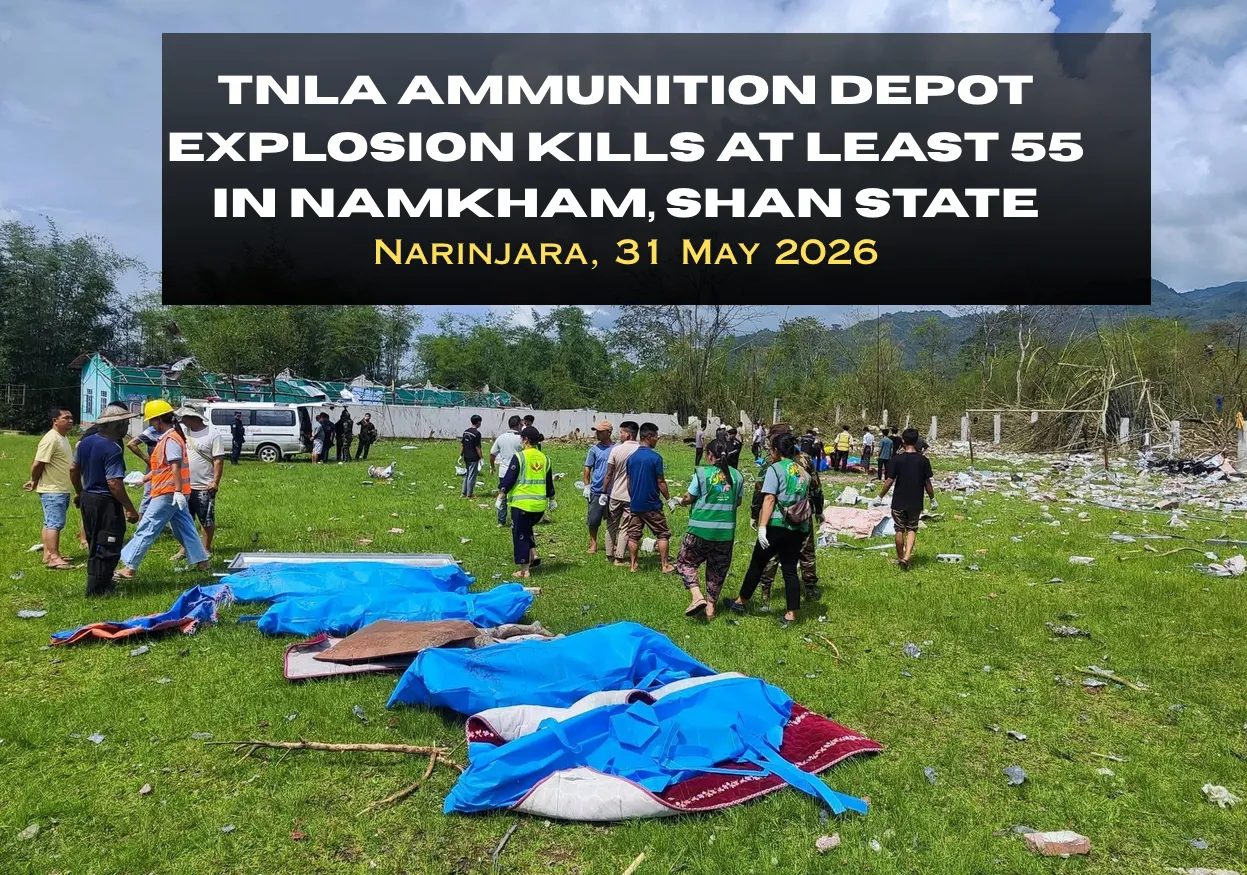
An ammunition warehouse stored by the Palaung State Liberation Front/Ta'ang National Liberation Army (PSLF/TNLA) exploded in Kaungtat village, Namkham township, northern Shan State, killing at least 55 people and injuring many others. The blast occurred at approximately 12:30 p.m. local time. Officials confirmed that the casualties include at least six children. Photos and videos emerging from the scene show extensive damage to the facility and surrounding area.
In May, the Syrian Observatory documented the death of 24 civilians, including 15 children, and the injury of 53 other civilians, including 25 children and three women, due to the explosions of war remnants in Syria.
War remnants are still posing a continuous threat to civilians’ lives, with a significant rise in rate of casualties due to explosion of unexploded objects and shells since the beginning of 2026. SOHR activists have documented the death and injury of hundreds of people including a large number of women and children.
Humanity & Inclusion (HI) cleared explosive remnants of war from the grounds of a school in Syria, enabling children to return safely to education. Working through its humanitarian mine action programme, HI conducted survey and clearance activities to remove explosive hazards that threatened students, teachers, and nearby residents. The operation highlights how mine action supports the restoration of essential services and helps communities recover from the long-term effects of conflict and contamination.
Humanity & Inclusion (HI) shares the story of Imaan, a young Yemeni girl who lost part of her leg in a landmine explosion. Through HI’s rehabilitation programme, she received a prosthesis and physiotherapy, enabling her to walk again and regain independence. The story highlights the long-term impact of landmines on civilians and the importance of victim assistance services alongside clearance and risk education efforts.
Other EO Accidents from Around the Globe:
🇦🇫 Afghanistan: Blast kills two children in Afghanistan’s Paktia province
🇮🇩 Indonesia: Tragedy in Indonesia: Explosion of a World War II-era shell leaves dead and injured
🇲🇱 Mali: Eight people killed in Mali after bus hits land mine, says union official
🇸🇾 Syria: Little boy killed by landmine explosion in southern Idlib
🇸🇾 Syria: Young man dies in explosion of landmine of war remnants east of Homs
🇹🇭 Thailand: Three Thai soldiers injured at patrolling border area near Cambodia
🇺🇦 🇷🇺 Ukraine: An occupier was killed by a landmine while riding a motorcycle
🇾🇪 Yemen: Child Killed, Another Injured by Houthi Landmine Explosion in Nihm, East of Sana’a
4. Advocacy, Policy, Conventions, Strategies and Standards
A delegation from the Geneva International Center for Humanitarian Demining (GICHD) has visited Azerbaijan to review ongoing mine action efforts and explore opportunities for deeper cooperation with the Azerbaijan Mine Action Agency (ANAMA) in training, operations, innovation, and international standards.
The OSCE Programme Office in Dushanbe supported the development of Tajikistan’s 2026 Mine Action Gender Strategy through a national workshop involving the Tajikistan National Mine Action Centre (TNMAC) and other stakeholders. The initiative aims to strengthen gender mainstreaming across mine action activities, improve inclusivity in planning and operations, and align national mine action efforts with international standards and best practices.
🌍 NPA calls for renewed commitment to the Convention on Cluster Munitions in Africa
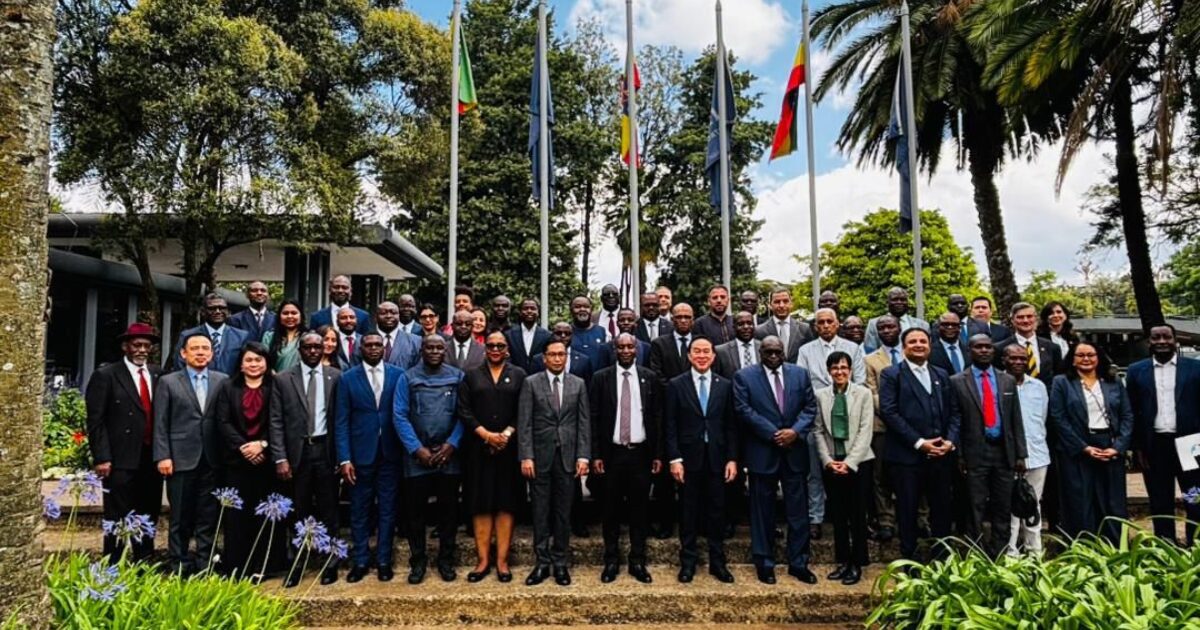
Norwegian People’s Aid (NPA) joined governments, international organisations, and civil society representatives from across Africa at a regional workshop on the universalisation of the Convention on Cluster Munitions (CCM), hosted in Addis Ababa.
5. Stockpile Destruction, Demolition, WAM and Disarmament
6. Research, Innovation, Technology and Market Trends
Ukrainian mine action specialists currently have 316 units of mechanical demining equipment in their inventory. The fleet consists mainly of foreign-made systems, including GCS, DOK-ING, and Bozena, as well as Ukrainian-made GERMINA, GART 5100, Zmiy, and other specialised machines certified in Ukraine under national standards.
🇬🇧 🌊 United Kingdom: Longer, deeper, stealthier: JFD sets a new standard for naval diving endurance

Few roles in the Royal Navy are more demanding or more discreet than that of the military diver, yet the cadre increasingly finds itself at the centre of the fleet’s most complex and dangerous operations. A new generation of UK-made equipment from specialist manufacturer JFD reflects just how significantly those demands have shifted.
7. Mine Action Assistance, Funding and Cooperation
🇱🇦 🇬🇧 Laos: UK Government announces $1.2 million in funding for MAG's work in Laos
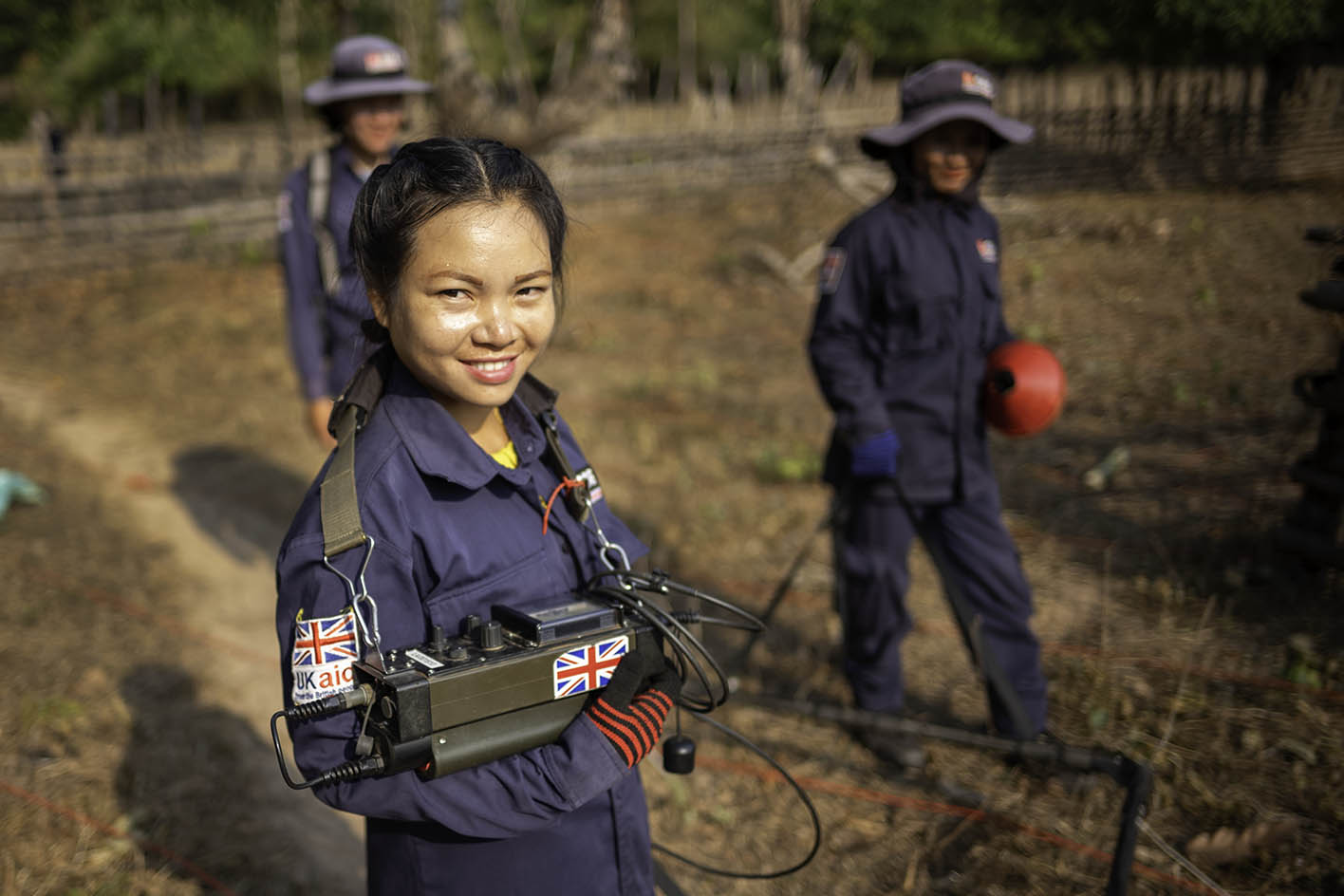
During the visit, the UK Government announced new funding worth 1.2 million USD to support the clearance of unexploded ordnance and risk education in Khammouane province, in partnership with MAG and the Lao PDR Government.
Minister of Emergency and Disaster Management Raed al-Saleh met Norwegian Ambassador to Syria Hilde Haraldstad at the ministry’s headquarters in Damascus on Wednesday to discuss ways of enhancing cooperation in the fields of recovery, mine clearance and national capacity-building.
Strengthening Ukraine’s capabilities in the field of humanitarian demining and the development of international cooperation were the main topics of the meeting between the Deputy Head of the State Emergency Service of Ukraine, Roman Prymush, and representatives of the UN Office for Project Services, UNOPS.
🇺🇦 Ukraine Unveils Upgraded Vepr Ground Robot for Evacuation, Logistics and Demining

Ukraine’s arsenal of battlefield evacuation systems has been expanded with the addition of the Vepr unmanned ground vehicle, a domestically developed robotic platform designed for logistics, casualty evacuation, and combat support missions, and conducting remote demining operations.
🌍 MAG partners with NATO
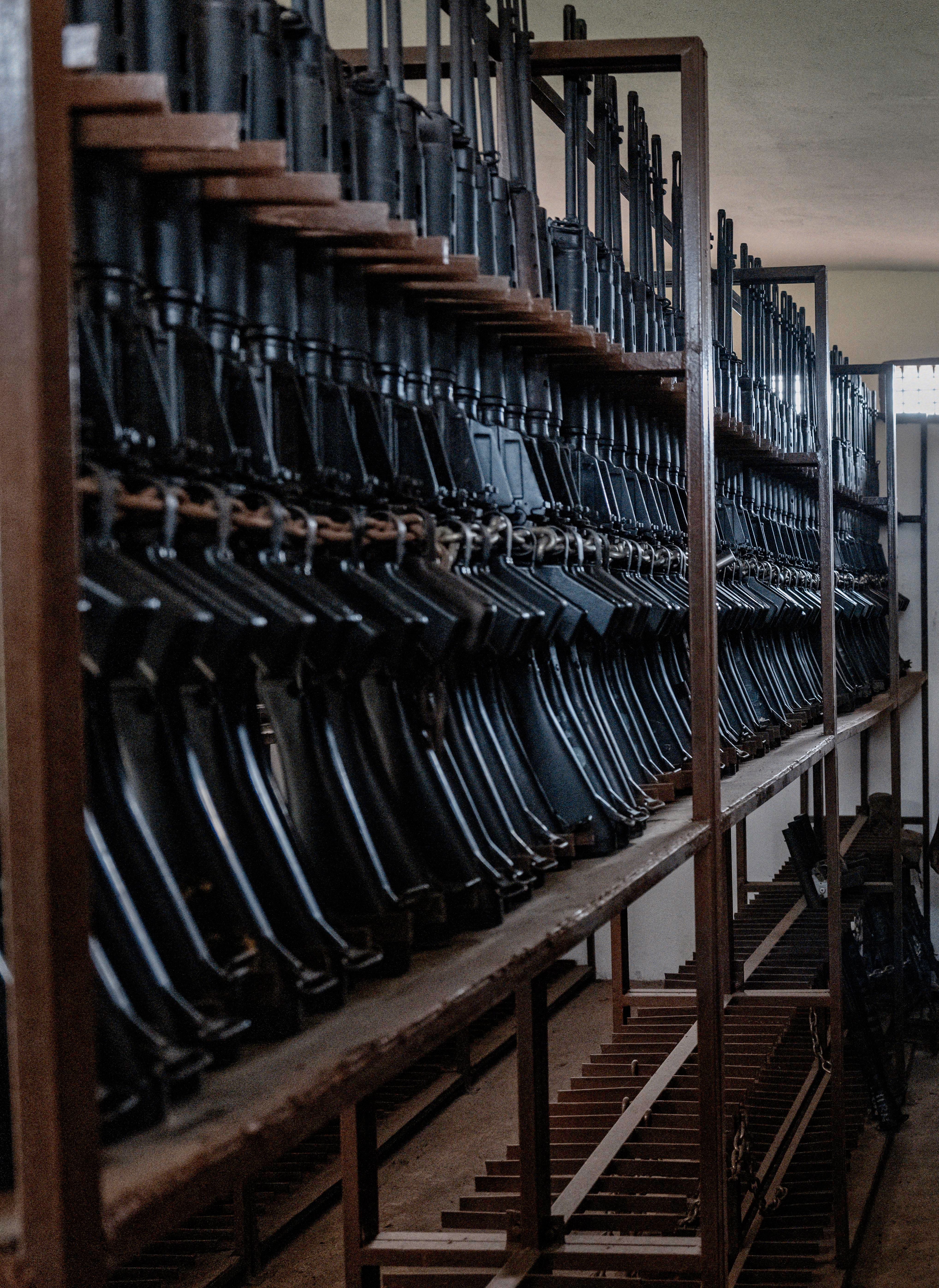
MAG works with NATO as an implementing partner on Weapons and Ammunition Management, supporting countries to improve how weapons and ammunition are stored, tracked and secured. In practice, this helps reduce the risks that come with unsafe stockpiles, whether that’s theft, diversion to the illicit markets, or unplanned explosions that can harm civilians and personnel and destroy infrastructure.
8. Other News
🇺🇦 Ukraine: The American Green Beret Clearing Mines in Ukraine
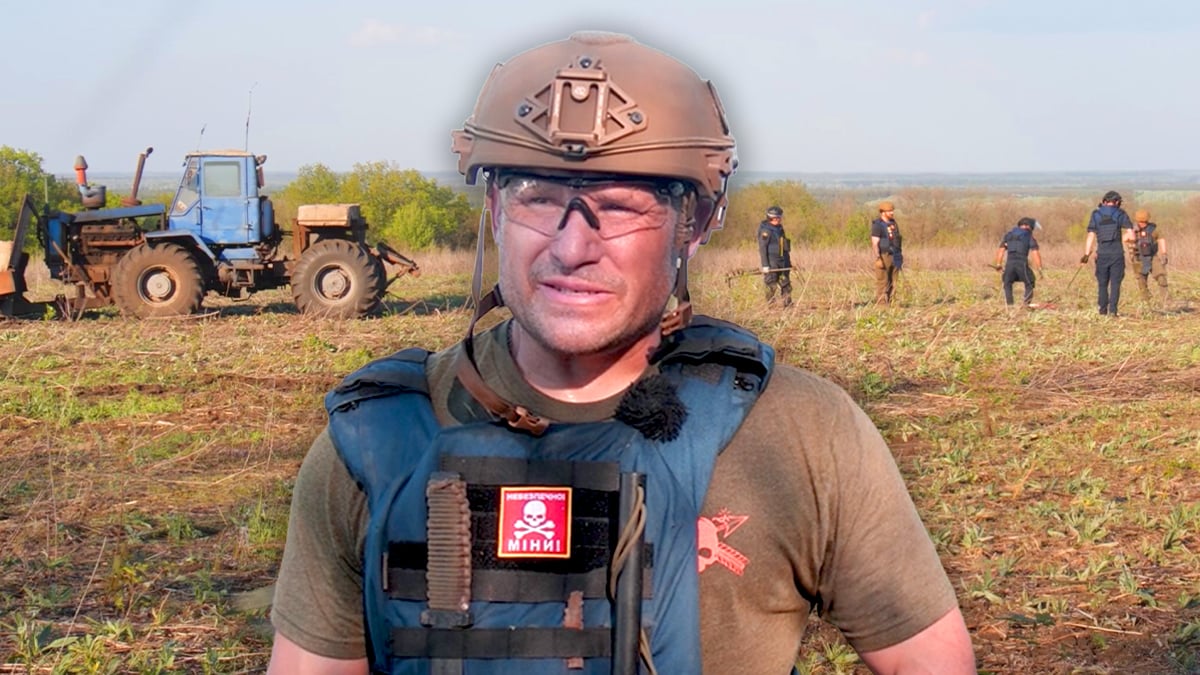
Former U.S. Green Beret Ryan Hendrickson, founder of Tip of the Spear Landmine Removal, is conducting humanitarian demining in Ukraine’s Kharkiv region. On his 13th mission to the country, Hendrickson and his team survey farmland contaminated by mines, drones, and other explosive hazards, helping restore land to agricultural use. The team includes Ukrainian veteran Roman Melnyk, who became a humanitarian deminer after losing a leg to a Russian landmine.
🎥 Videos
UNMAS tells the story of Huawa Mohammed, a Nigerian IED victim.
Landmines continue to explode long after the war has ended. A veteran bomb disposal expert from the U.S. has traveled to Ukraine 13 times to clear minefields. In the Kharkiv region, a team of foreign and Ukrainian deminers he organized is clearing land littered with explosive ordnance.
📅 Upcoming Events, Courses & Trainings
There are a number of interesting events for the mine action sector in the coming months, and some of the deadlines are approaching quickly.
Understanding Landmines: Facts Behind a Contested Weapon is an interactive public workshop hosted by the Swedish Defence University on 24 June 2026, from 13:00–17:00, at D-huset, D23, Kaserngatan 1, Visby, Sweden. The event explores the technical and military realities of anti-personnel, anti-tank, fragmentation, blast, and “smart” mines, examining their operational utility, humanitarian impacts, and legal implications. Through virtual and augmented reality demonstrations, participants can experience the challenges of living in mine-contaminated environments. The workshop is linked to the Almedalen panel discussion “Does Sweden Need Anti-Personnel Mines?” and is open to drop-in visitors throughout the afternoon. Speakers include doctoral researcher Henrique Garbino and EOD specialist Niklas Alquist.
Organised under the Mine Action Innovation Hub, the Innovation Session 2026: Mine Action in Urban Areas is a three-day, in-person event bringing together mine action practitioners, national authorities, debris management and recovery actors, urban planners, researchers, technology providers, and donors. Applications to participate in the Innovation Session are now open until 17 July 2026.
Felix Connect is a dedicated networking event designed to bring together supporters, partners, and friends of Felix Fund - the bomb disposal charity. It’s a relaxed, welcoming space to connect, network, or simply catch up with familiar faces from across the EOD, Search, defence, and charity communities. The event will be held on 28 September in London. Learn more here.
The Mine Action: Innovation, Sustainability, and Global Partnerships speaker series is structured to address landmine and explosive remnants of war (ERW) challenges through a strictly humanitarian, civilian-protection-oriented framework, with clearly defined ethical, legal, and operational boundaries between humanitarian and military applications of technology. Dates are: FEB 19 | MAR 19 | APR 16 | MAY 21 | JUN 18 | JUL 16 | AUG 20 | SEP 17 | OCT 15 | NOV 19 | DEC 17. Time: 12:00 PM - 1:00 PM ET. Location: Virtual (Zoom Webinar). Register here.
The Geneva International Centre for Humanitarian Demining (GICHD)'s final IMSMA Global training course for 2026 is open for registration: 02 Nov 2026 - 06 Nov 2026 (Application deadline: 2 August 2026).
🔔 Always Stay in the Know – Never Miss an Update
This newsletter is subscribed to by over 3500+ dedicated readers on LinkedIn. To join this community of mine action professionals and supporters, go ahead and subscribe to the Mine Action Weekly newsletter. You can find all editions up to February 2026 on LinkedIn, and from March 2026 onwards here on Mine Action News.
Please reach out to me if there are any mine action news, journal articles, events, or updates that you would like to suggest for the next edition of Mine Action Weekly. You can find (and follow / connect with) me here. See you next Monday!


