Mine Action Weekly, 31 August - 6 September 2026
This week’s Mine Action Weekly highlights the scale and complexity of today’s explosive ordnance challenge – from Azerbaijan’s expanding clearance efforts and Syria’s mounting civilian casualties to Ukraine’s drive for innovation and recovery. The newsletter also examines new international partnerships, evolving technology, funding debates, and policy developments, alongside continued efforts to clear contamination and restore safe access to land and livelihoods.

Disclaimers:
This newsletter features news reports and articles from a variety of sources. Mention of these resources does not indicate agreement with or endorsement of the opinions of others. I do not claim responsibility or credit for these works, and do not vouch for the information contained in them.
This newsletter is created and managed in a personal capacity, independent of my professional affiliation with Fondation suisse de déminage (FSD).
🗞️ Weekly News Roundup
The weekly news roundup showcases a low-down of the top mine action news and insights from the past seven days.
1. EO Contamination, Clearance & Land Release
The Mine Action Agency of Azerbaijan (ANAMA) has published its monthly report on mine clearance operations carried out in the liberated territories. A total of 514 anti-personnel mines, 121 anti-tank mines and 2,724 items of unexploded ordnance were detected and neutralised during August. In total, 7,569 hectares (18,703 acres) of land were cleared of mines and unexploded ordnance.
Azerbaijan will acquire two mine detection dogs to support ongoing demining operations, according to the Azerbaijan Campaign Against Landmines Public Union. The initiative is being implemented with financial support from the Embassy of Canada in Türkiye, Azerbaijan, and Georgia under a new project titled Accelerating Mine Clearance Through Mine Detection Dogs.
🇨🇴 Colombia: Mayra, a deminer: doing her bit to protect the land and its people
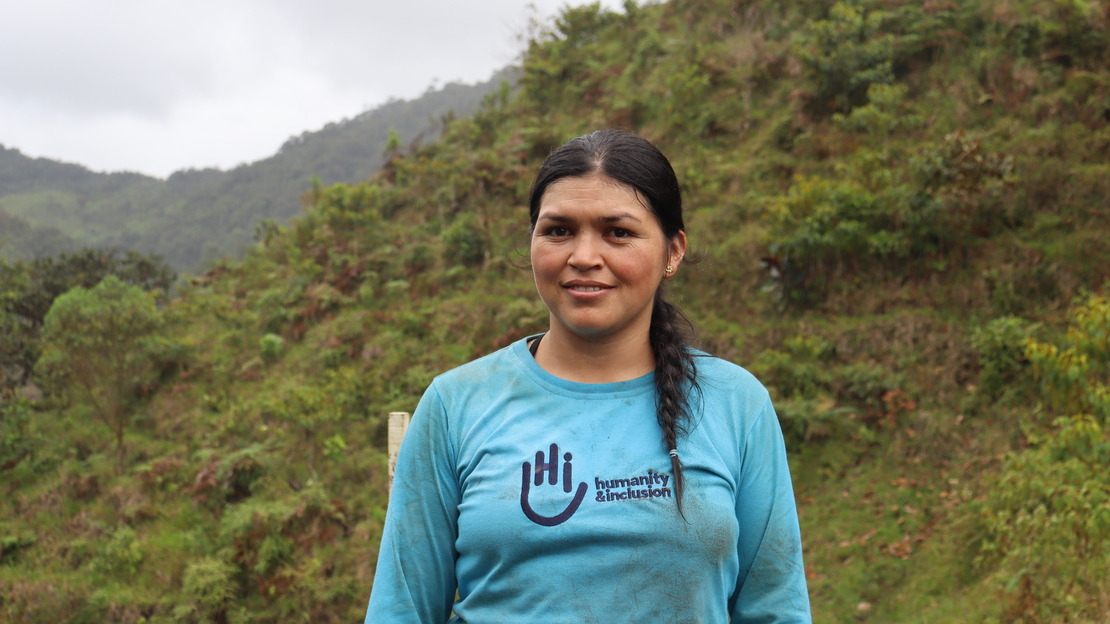
Mayra, aged 33, is a deminer in El Vergel, a town in the department of Nariño in south-eastern Colombia. A native of the region herself, she works every day to clear the land of mines, a contribution that holds promise for the future of its residents.
🇱🇦 Laos: Unexploded ordnance still a threat to the people of Laos
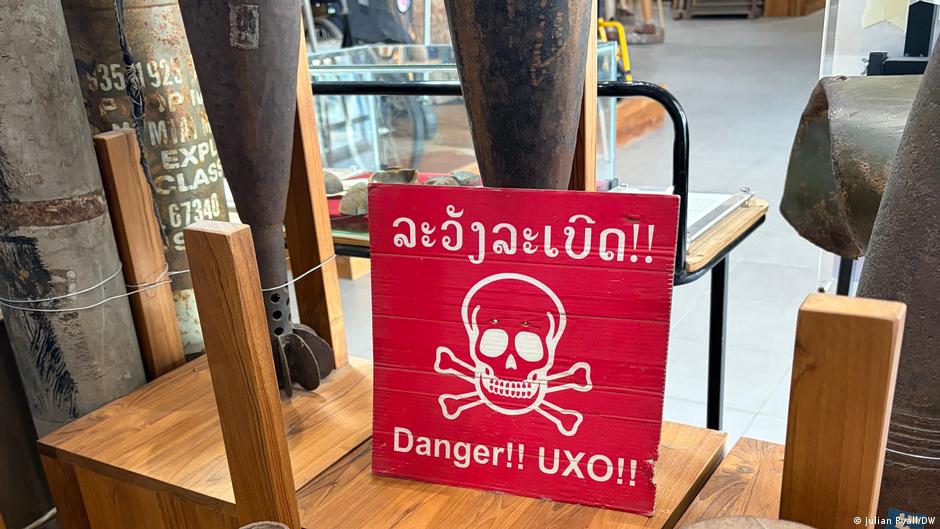
More than half a century after the conflict in Vietnam ended, bombs, mines, mortar rounds and bullets still litter neighboring Laos and have been the cause of countless deaths and injuries. Local and international agencies are stepping up the campaign to rid the countryside of these threats ahead of Laos hosting the Third Review Conference of the Convention on Cluster Munitions in September.
🇱🇻 Latvia to spend EUR 28 million on land mines

Latvia plans to allocate €28.3 million over 2026–2028 to procure landmines and replenish ammunition stocks. The Ministry of Defence says the procurement will be undertaken through the EU’s Security Action for Europe (SAFE) programme, reflecting Latvia’s broader efforts to strengthen national defence capabilities amid heightened regional security concerns.
🇰🇵 North Korea orders sweeping rebuild of northern border blockade

North Korea has ordered a massive reconstruction of its northern border defenses, re-establishing landmine fields and reaffirming its strict shoot-on-sight policy against any unauthorized crossings.
Over the past two and a half years, explosive ordnance contamination across the Occupied Palestinian Territory has proliferated. In Gaza, although unable to assess all areas of the Strip, partners have encountered over 1,000 dangerous items while carrying out their daily missions. Meanwhile in the West Bank, the Palestinian Authority identified 255 explosive ordnance items in the first four months of 2026, already surpassing the total found in all of 2023. Aside from the threat to life and limb, the presence of explosive ordnance shrinks the already restricted space available for humanitarian and civilian activities.
🇸🇾 Syria: Continued mine clearance along Tel Tamr–Zalerkan line

Mine clearance teams from the Mine Advisory Group (MAG) continue their work in the village of Dardara and the surrounding agricultural lands along the Zerkan–Tel Tamr line, aiming to remove explosive remnants of war and secure the area, helping protect civilians and create conditions for the return of displaced residents of Serekaniye to their areas.
🇸🇾 Syria: UN Warns of Rising Risk from Landmines and Explosives in Syria

The United Nations has warned of the increasing risk to civilians from landmines and other explosives left behind during the war in Syria. According to the United Nations Office for the Coordination of Humanitarian Affairs, the risk from explosives is affecting not only populated areas but also people's movement, work, and family livelihoods.
Sappers have completed the demining of Hrakove village in Kharkiv region. The funds for clearing the area were raised through the UNITED24 platform as part of the "Step by Step" initiative. Ukraine's Minister of Economy and Environment Oleksandr Kravchenko took part in a ceremony to present certificates to the head of the local community during his working visit to Kharkiv region.
🇾🇪 Yemen: Saudi project clears 1,139 mines in Yemen
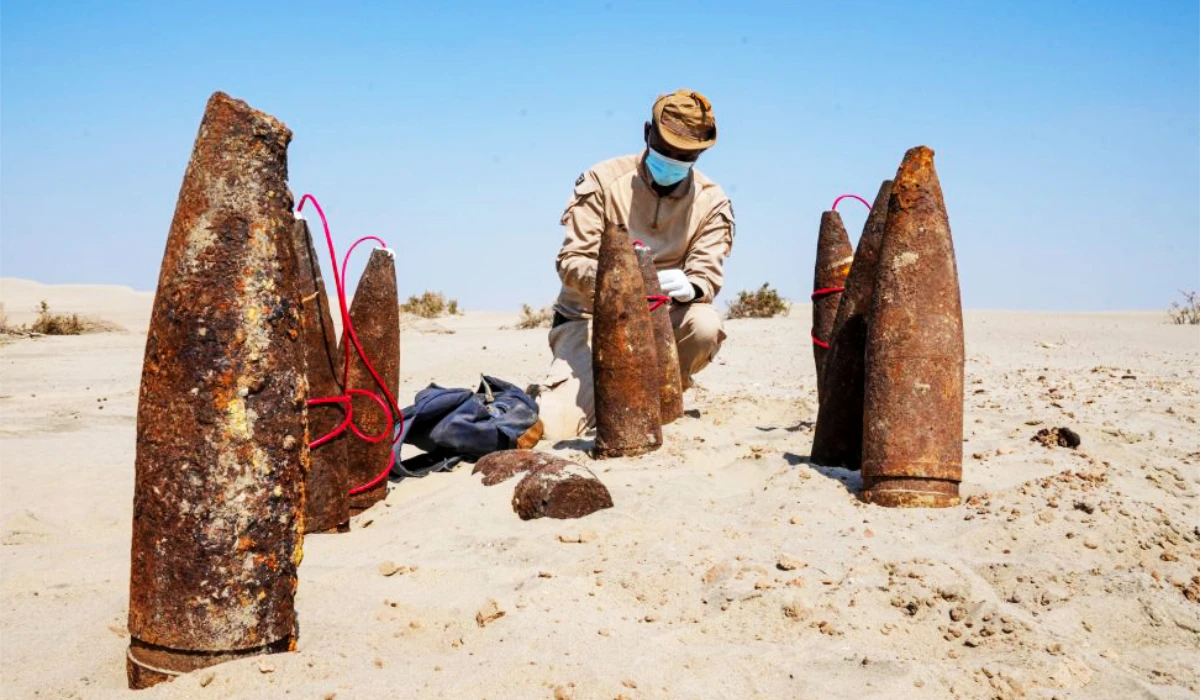
Members of Saudi Arabia’s Project Masam removed 1,139 explosive devices from various regions of Yemen last week. The total included 1,080 unexploded ordnances, 56 anti-tank mines, two improvised explosive devices and one anti-personnel mine, according to a recent report.
🌊 INTERTANKO: Hormuz Mine Clearance ‘Not Sufficient’ to Restore Normal Shipping
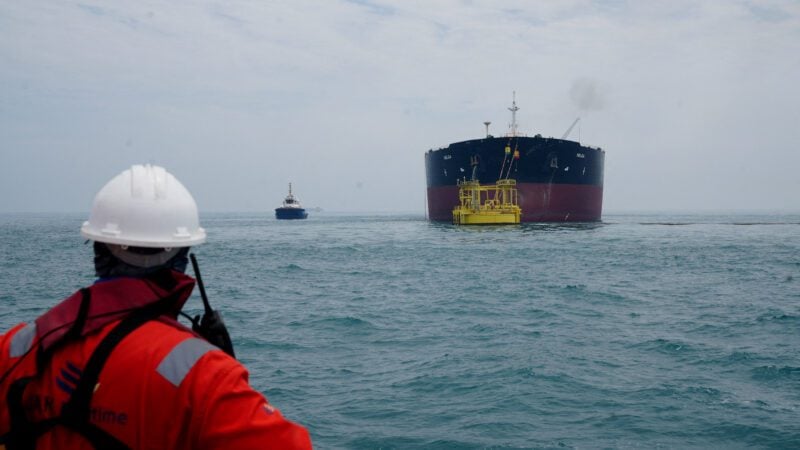
Mine clearance in the Strait of Hormuz is “not sufficient on its own” to bring commercial shipping back to normal, INTERTANKO warned, even as the tanker industry group welcomed the U.S. military’s clearing of mines from the internationally recognized shipping lanes.
🌊 The Mine-Free Strait of Hormuz

After more than a month of relative quiet, the U.S. and Iran exchanged fire on Sunday, shortly after U.S. Central Command announced that the Strait of Hormuz was now cleared of any Iranian mines. The Iranians dispute that, but what isn’t disputable is that the number of ships passing through the strait is increasing steadily, although still well below pre-war traffic levels.
🌍 Landmines and remnants of war pose a serious threat, and more needs to be done to solve it
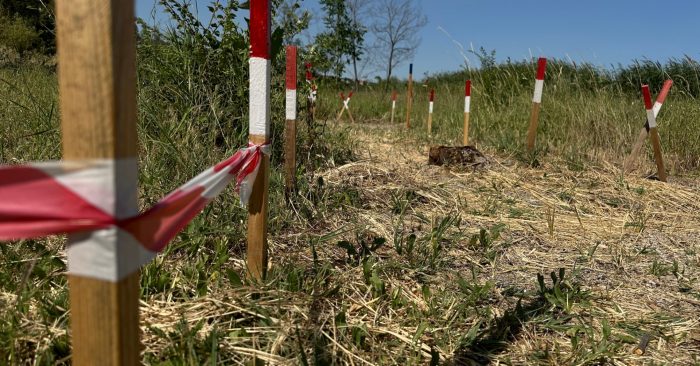
Climate change is increasing the risks posed by landmines and explosive remnants of war, with wildfires, floods and drought exposing, relocating or detonating contaminated ordnance. More than 6,000 people were killed or injured by landmines and ERW in 2024, while contamination also restricts agricultural land, affects food security and hinders economic development.
The Clearing Cluster Munition Remnants 2026 report was prepared by Mine Action Review for the Third Review Conference of the Convention on Cluster Munitions (Vientiane, September 2026).
Other EO Finds from Around the Globe:
🇩🇪 Germany: Power lines damaged in suspected sabotage attack at Germany's Brandenburg power substation
🇬🇧 United Kingdom: Prestwich road cordoned off after 'unexploded ordnance' found
🇬🇧 United Kingdom: Bomb squad called to WW1 artillery shell near Bromyard
🇬🇧 United Kingdom: Swanage Coastguard investigates reports of ordnance on beach
🇺🇸 United States: “Unexploded Ordnance” Found On Trail Temporarily Closed Solitude Over The Weekend
2. Explosive Ordnance Risk Education (EORE)
🇸🇸 🇸🇩 South Sudan: UNMAS South Sudan Provides Life-Saving Risk Education to Sudanese Refugees
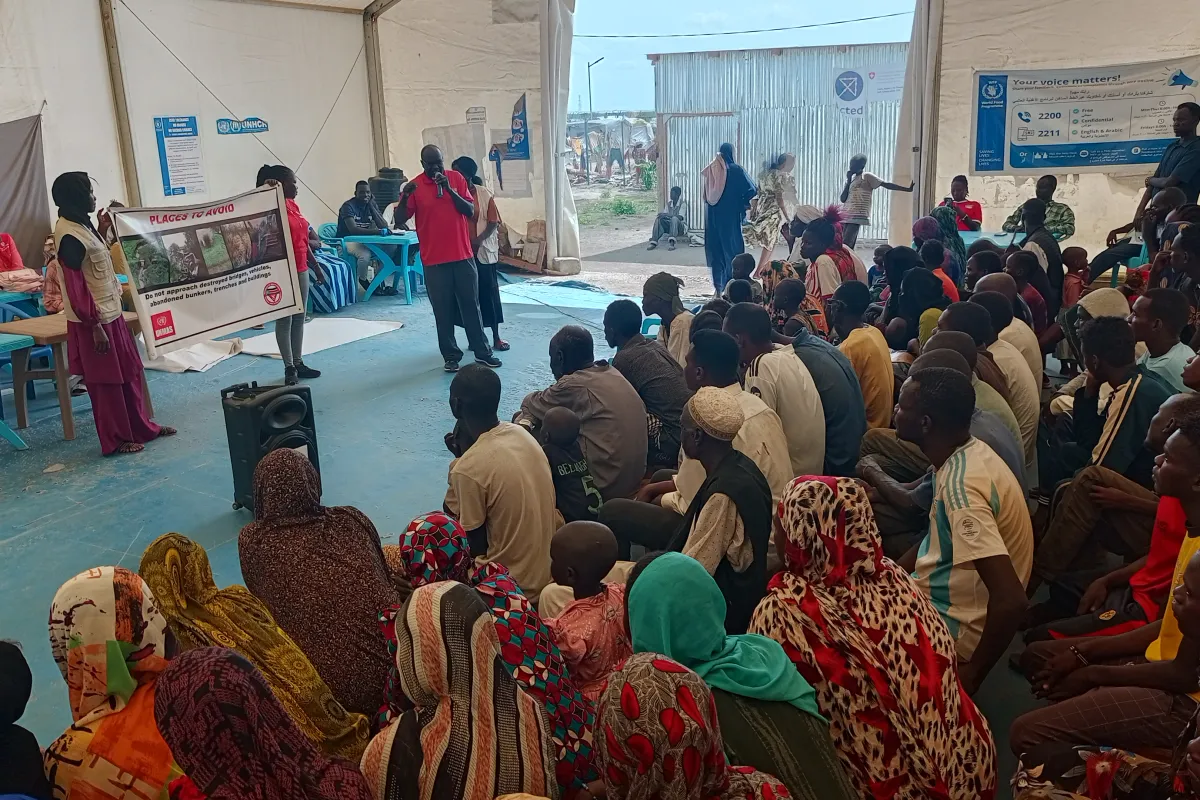
UNMAS South Sudan’s operational presence and technical capacity in Upper Nile State enabled the Programme to assist UNMAS Sudan in providing mine action support to refugees affected by the conflict in Sudan. UNMAS Sudan asked UNMAS South Sudan to support the delivery of Explosive Ordnance Risk Education (EORE) to Sudanese Refugees in Renk.
🇾🇪 Yemen: Project Masam expands EORE activities as civilians report minefields in Yemen’s Midi and Hayran
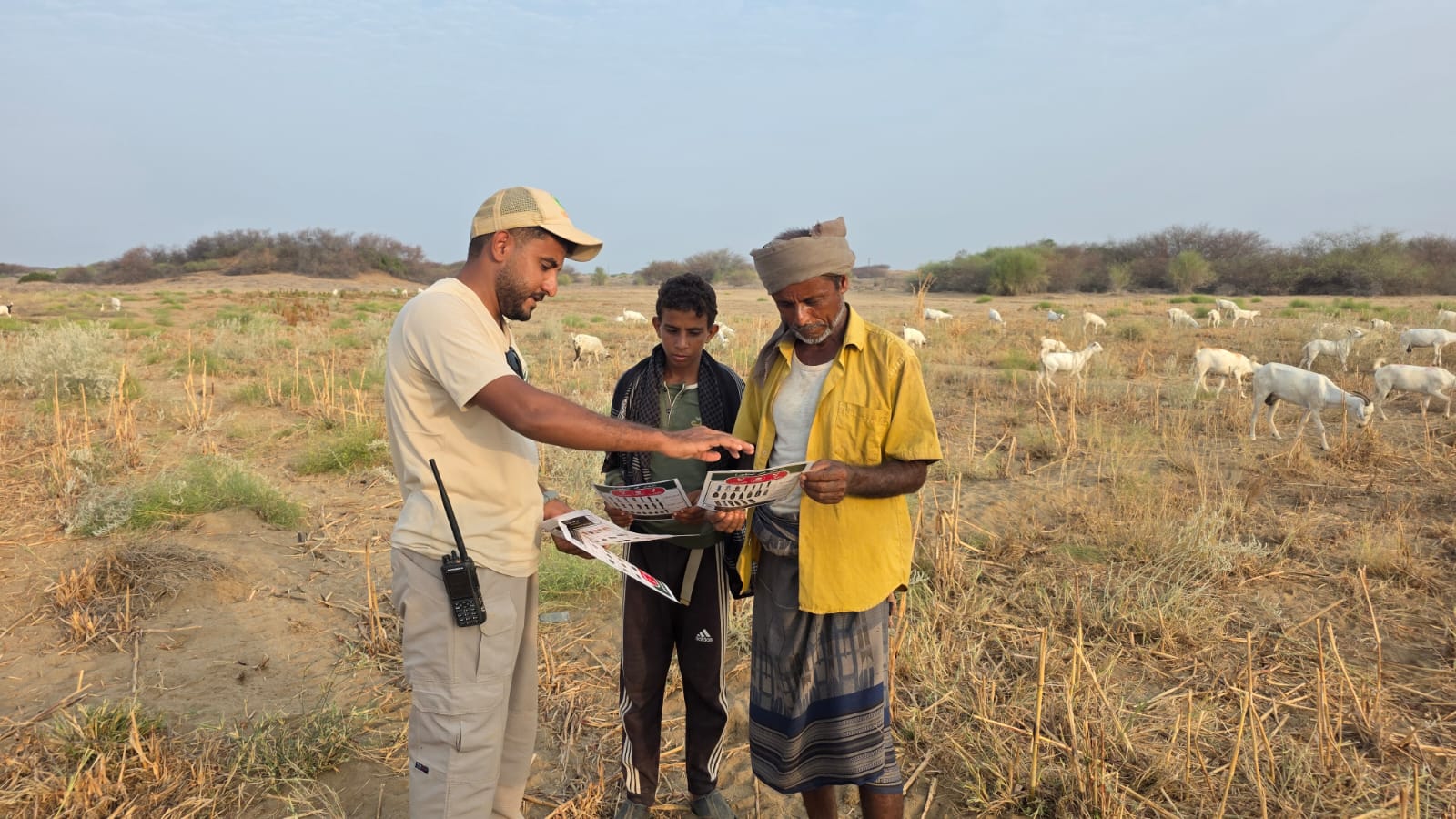
Project Masam has intensified Explosive Ordnance Risk Education (EORE) activities in Midi District, northern Hajjah Governorate, following reports of minefields discovered close to homes and on farmland used by local communities.
3. Accidents, Survivors, Victim Assistance
🇦🇿 Azerbaijan: Deputy Minister: Comprehensive mechanisms needed for full integration of mine victims
Azerbaijan’s Deputy Labour Minister Hidayat Abdullayev called for comprehensive mechanisms to support mine victims beyond medical care and rehabilitation. He highlighted social protection, vocational training, employment and economic independence as essential to enabling victims to return to independent lives and participate fully in society. Mine contamination also remains a major obstacle to safe returns and reconstruction.
🇦🇿 Azerbaijan: 437 Azerbaijani Citizens Fallen Victim to Landmines Since 2020 Patriotic War

Since the end of the Patriotic War in 2020, a total of 437 Azerbaijani citizens—including civilians, military personnel, deminers, journalists, and reconstruction workers—have fallen victim to landmines and unexploded ordnance. As a result, 73 people lost their lives and 364 were severely injured.
Explosive ordnance is causing a casualty in Syria approximately every six hours, according to the HALO Trust. At least 2,375 people have been killed or injured by UXO incidents since the fall of Bashar al-Assad in December 2024, with nearly 700 casualties recorded in 2026 alone. More than 60% of incidents occur in agricultural or grazing areas.
Other EO Accidents from Around the Globe:
🇮🇷 Iran: Civilian seriously injured in landmine explosion while fighting wildfire in Paveh
🇮🇶 Iraq: Two killed in explosion while handling artillery shell in Halabja: Police
🇲🇲 Myanmar: Retreating junta column hits landmines in Chaung-U after weeklong offensive
🇸🇾 Syria: Landmine explosion | Young man killed in rural Deir Ezzor
🇸🇾 Syria: Child killed by landmine explosion in Aleppo countryside
🇸🇾 Syria: Four children killed, one injured in blast in Syria’s Deir Ezzor countryside
🇺🇦 Ukraine: Explosion at Rivne police station occurred during bomb disposal operations
4. Advocacy, Policy, Conventions, Strategies and Standards
🇦🇿 Azerbaijan: ANAMA hosts 4th International Mine Action Conference in Baku
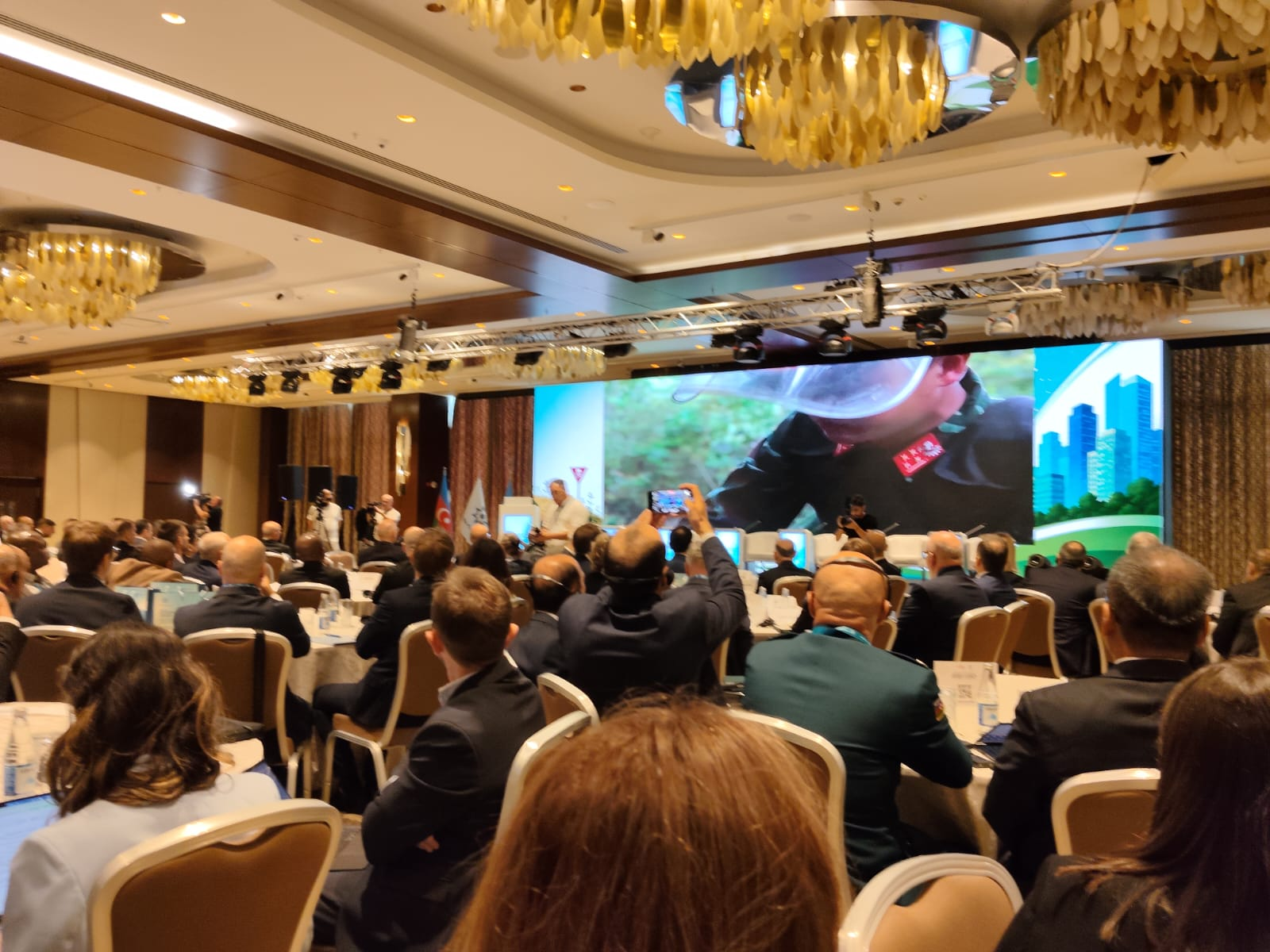
The 4th International Mine Action Conference is taking place in Baku, Azerbaijan, on 2 - 3 September 2026. The event is hosted by ANAMA, the Azerbaijani Mine action agency and the United Nations.
🇦🇿 Azerbaijan: British Ambassador Highlights Mine Threat: “Clearing the Land Alone Is Not Enough”

“Humanitarian demining is not only about clearing land of mines and other explosive ordnance. It is also about creating the conditions for people to safely return to their homes and rebuild their lives.” The Ambassador Extraordinary and Plenipotentiary of the United Kingdom of Great Britain and Northern Ireland to Azerbaijan, Duncan Norman, made the remarks in an exclusive statement to EDnews during his address at the 4th International Conference on Humanitarian Mine Action in Baku.
🇦🇿 Azerbaijan's ANAMA, ASEAN Regional Mine Action Center sign memorandum
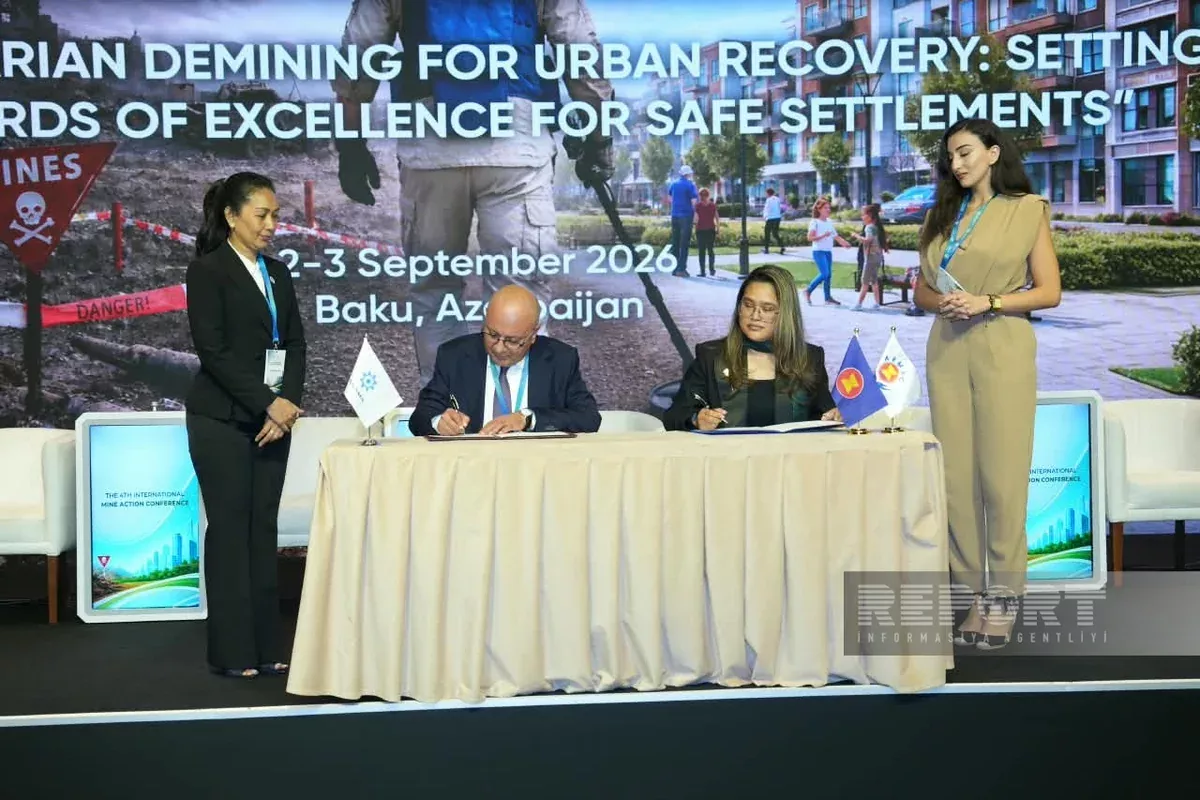
The ASEAN Regional Mine Action Center (ARMAC) and the Mine Action Agency of the Republic of Azerbaijan (ANAMA) have signed a Memorandum of Understanding (MoU) to strengthen cooperation in humanitarian mine action, including capacity development, technical exchanges and knowledge sharing.
🇦🇿 Azerbaijan aims to become regional center of excellence in mine action
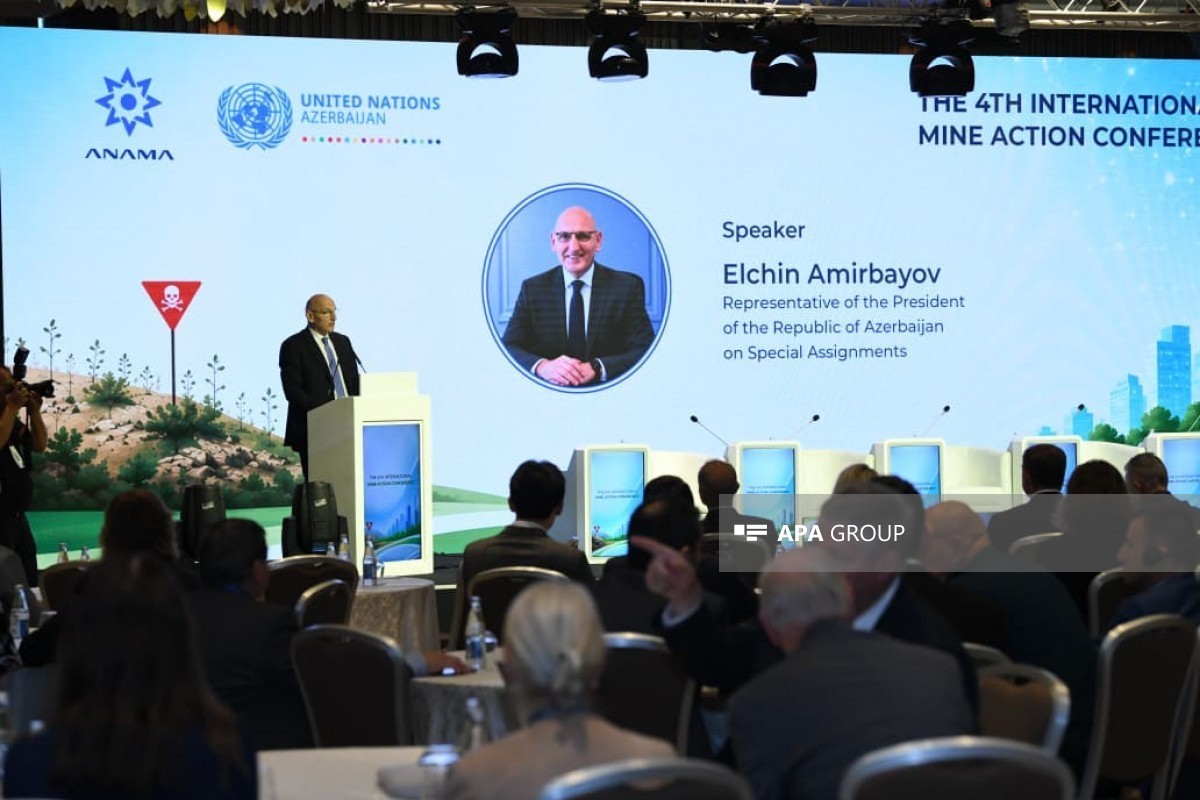
Azerbaijan aims to establish itself as a regional centre of excellence in mine action, with greater international cooperation and predictable, multi-year financing. Officials highlighted AI, drones, satellite imagery, advanced survey technologies, mechanical demining and information technologies as priorities to increase clearance speed and safety, while positioning mine action as a tool for regional confidence-building.
As Development Partner co-chair of the Technical Working Group on Mine Action, UNDP congratulates the Royal Government of Cambodia and the Cambodian Mine Action and Victim Assistance Authority (CMAA) on the successful development and adoption of the National Mine Action Policy 2026–2035.
Renewed tensions along the Thai-Cambodian border are delaying Cambodia’s efforts to become mine-free by 2030. Authorities have identified another 1,493 square miles of land as contaminated by explosive remnants of war, while fighting and restricted access have disrupted clearance operations in several affected areas.
🇰🇪 Kenya: Championing Policy Integration in Mine Action
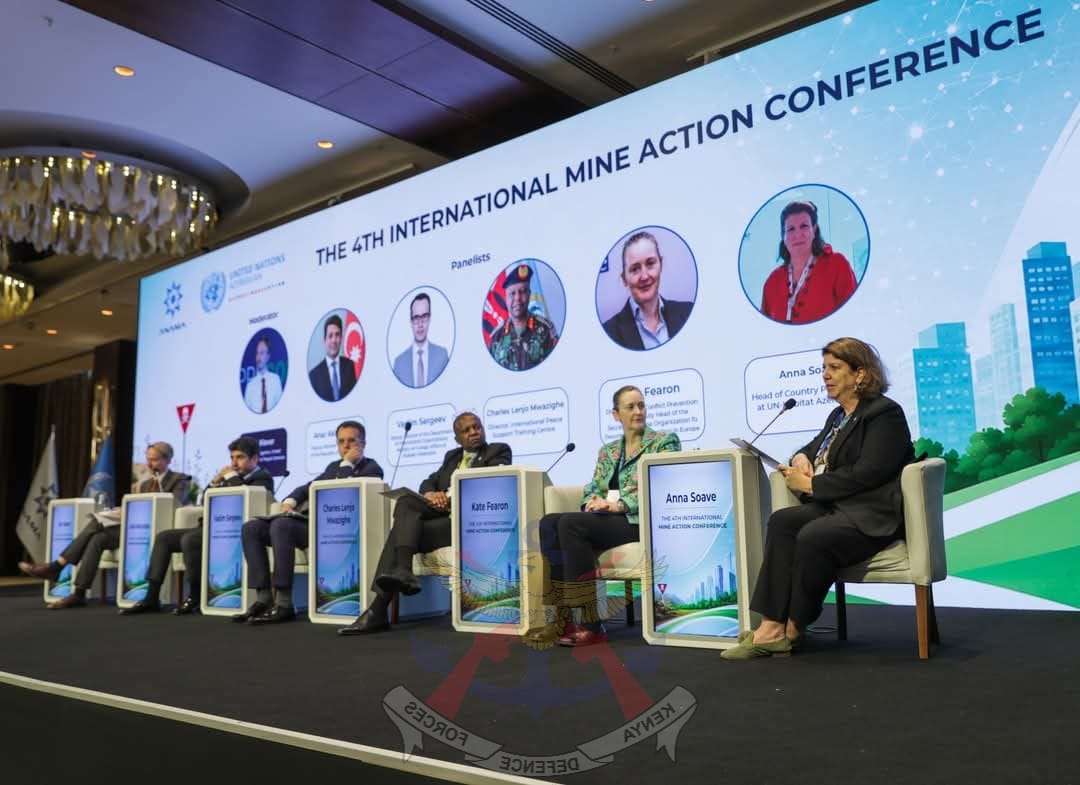
Effective mine action requires a coordinated approach that connects operational expertise with sound policy, specialised training and strong institutions. Integrating these elements into recovery frameworks is particularly important in urban environments, where explosive hazards can complicate reconstruction and delay the safe return of affected populations.
🇸🇾 Syria: Mine Action Center prepares three-year strategy to clear contaminated areas

Head of Clearance Department at the National Mine Action Center at the Ministry of Emergency and Disaster Management Raed Hassoun announced that work is underway to develop a comprehensive three-year national strategy to clear Syrian territory of mines and unexploded ordnance.
The Guide to the Lausanne Action Plan and Results of 2026 Monitoring report was prepared by Mine Action Review for the Third Review Conference of the 2008 Convention on Cluster Munitions (Vientiane, September 2026).
🌍 New cluster munition action plan would include more environment and climate
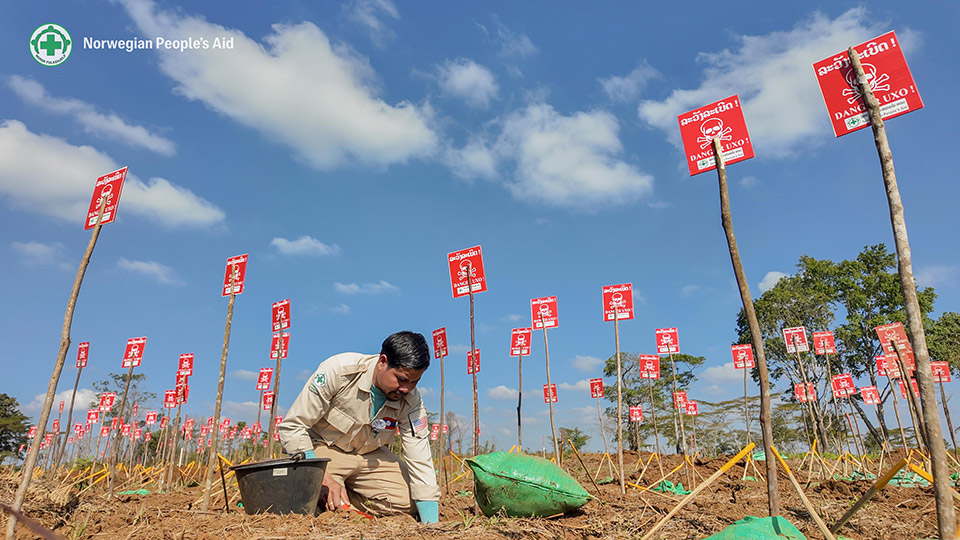
The process of environmental mainstreaming in mine action has been underway for several years. Anna McKean and Jonathan Walsh explain how a new action plan for the Convention on Cluster Munitions will both reflect and encourage this process.
Clearing territories of landmines is a crucial prerequisite for their recovery, as it enables the return of populations, the development of education and healthcare, the attraction of investments, and the resumption of full community life, Head of the Ukrainian Deminers Association Tymur Pistriuha said during a panel discussion at the 4th International Mine Action Conference.
5. Stockpile Destruction, Demolition, WAM and Disarmament
6. Research, Innovation, Technology and Market Trends
🇸🇴 Somalia: How new tech could transform mine clearance
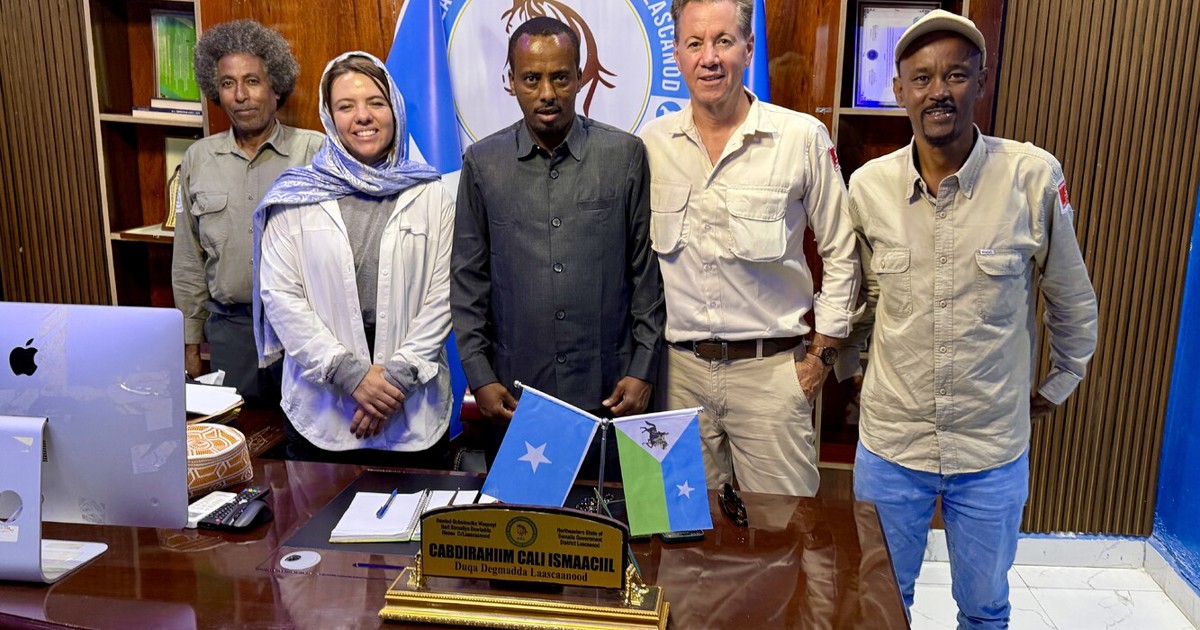
HALO’s Josh Kennedy White highlights how affordable technology could make clearance faster, safer and more efficient in Somalia. Examples include $300 drones for real-time monitoring, automated mapping, airborne laser scanning and satellite imagery. The technology is being tested alongside conventional clearance, helping teams reduce exposure while improving survey and operational planning.
🇺🇦 Ukraine is using AI to clear minefields
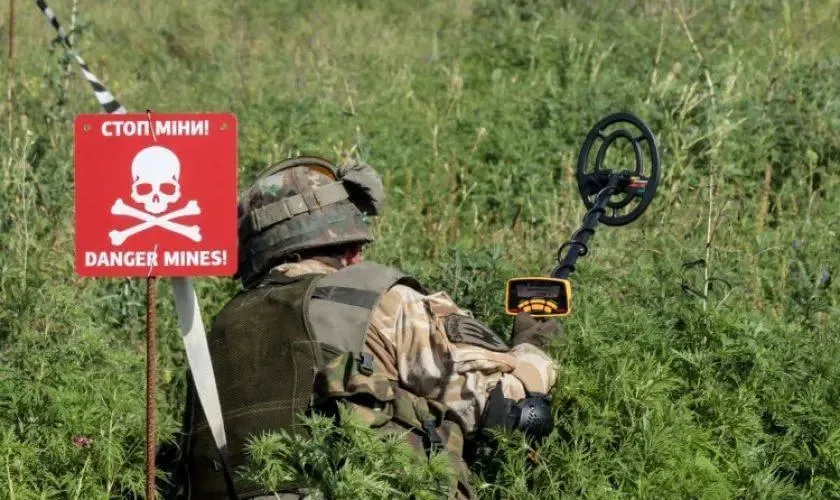
Ukraine has developed the GRIT system, which uses artificial intelligence and national data to identify priority areas for demining. The first areas to be cleared will be those where demining will have the greatest impact on the return of residents and the recovery of communities.
🌍 Land Release Research Agenda
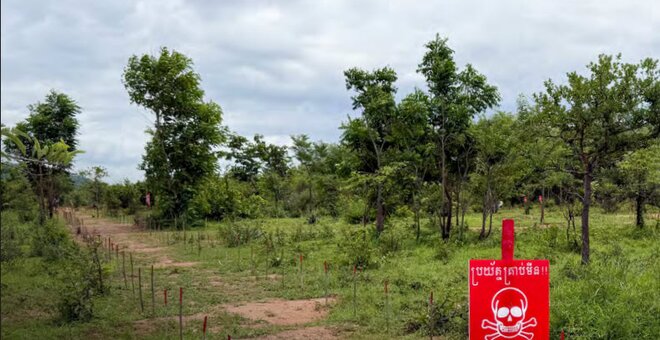
Research agendas, developed under the Mine Action Innovation Hub, serve as practical guides that outline key research needs and provide stakeholders with an evidence-based foundation for setting research priorities. This edition of the research agenda focuses on the challenges affecting the efficiency, effectiveness, and safety of land release, as well as the technologies or methods currently used to address them, including their limitations.
Advanced technologies are being deployed in mine clearance operations in Azerbaijan, but the human factor retains a key role, according to Chairman of the Board of the Azerbaijan National Agency for Mine Action (ANAMA) Vugar Suleymanov. He elaborates that many emerging technologies remain in the research phase: "There is currently no technology in the world capable of replacing a human. Therefore, despite the application of new technologies, the human factor continues to play a central role in the mine clearance process."
Technologies such as artificial intelligence, drones and advanced sensors can assist humanitarian mine clearance operations, but they are not expected to replace human labor in the near future, Mark Connelly, Chief of the Mine Action Programme at the United Nations Mine Action Service (UNMAS), told journalists.
Modern advanced technologies can fundamentally transform the field of mine clearance, and Azerbaijan possesses significant capabilities for implementing such solutions, including artificial intelligence and unmanned aerial vehicles, Regional Director of the United Nations Office for Project Services (UNOPS) Tim Lardner told journalists
7. Mine Action Assistance, Funding and Cooperation
🇦🇿 Azerbaijan: ANAMA Chairman: $590 million allocated to mine clearance in Azerbaijan since November 2020
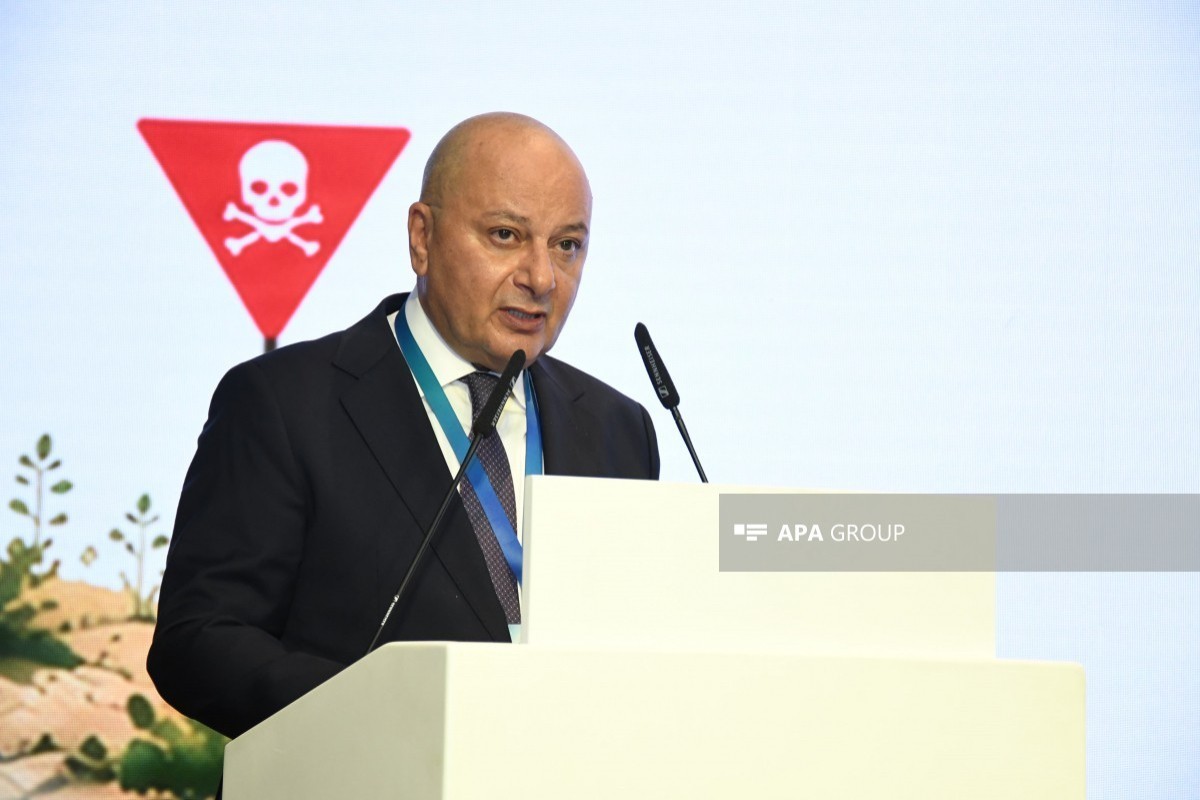
Vugar Suleymanov said that approximately $590 million has been allocated to mine clearance activities in Azerbaijan since November 2020. “Unfortunately, only about 4% of this amount has been provided through international support, while the remainder has been covered by the Government of Azerbaijan. This clearly demonstrates our state’s commitment to ensuring safe return, reconstruction and recovery,” the ANAMA chairman noted.
Azerbaijan has developed significant expertise in mine detection dog operations over more than two decades and is now positioned to share this capacity internationally. Elise Becker of the Marshall Legacy Institute highlighted ANAMA’s evolution from receiving training and resources to independently managing K9 capabilities and potentially supporting other countries through knowledge exchange.
🇦🇿 Azerbaijan: ANAMA receives over 60 donated mine detection dogs in past five years
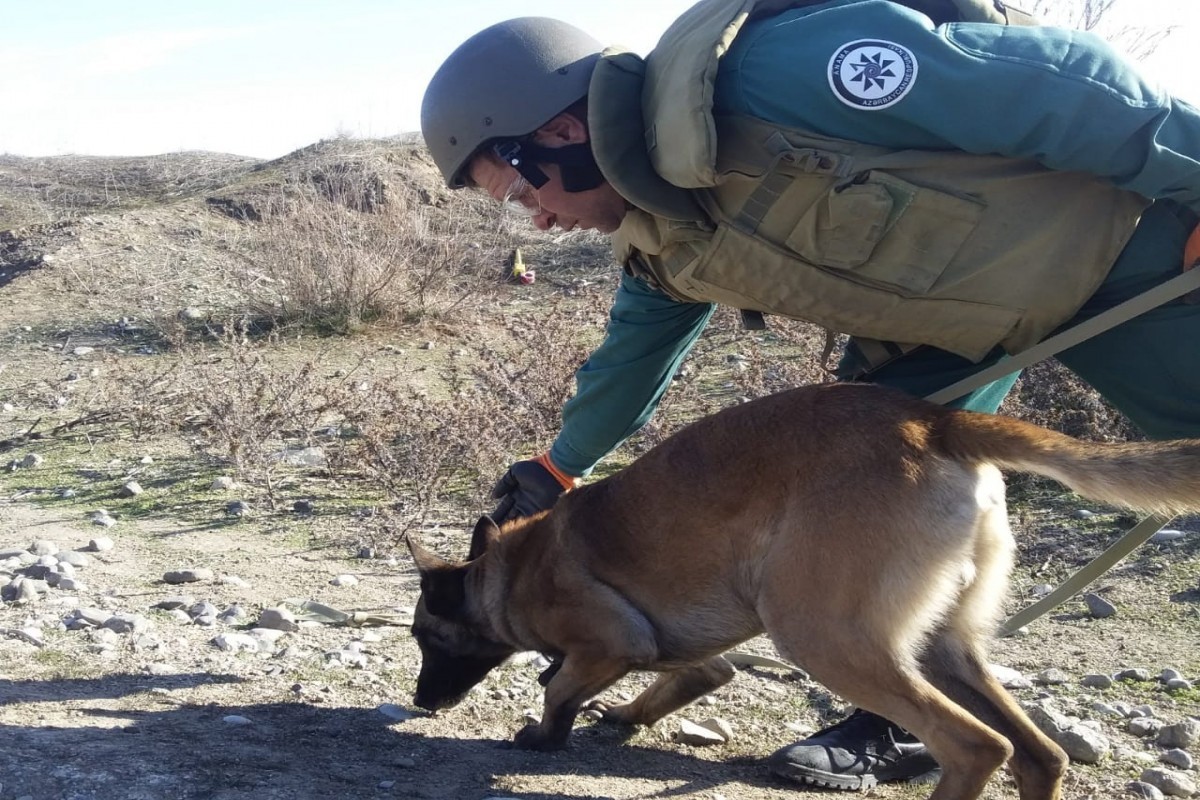
The Marshall Legacy Institute has donated more than 60 mine detection dogs to ANAMA over the past five years, supported by private donors. The dogs are currently deployed in field operations. The programme has also helped ANAMA develop national expertise and rapidly expand its independently managed mine detection dog capacity.
🇦🇿 🇪🇺 Azerbaijan: Marijana Kujundžić: EU remains a reliable and long-term partner for Azerbaijan in the field of mine action
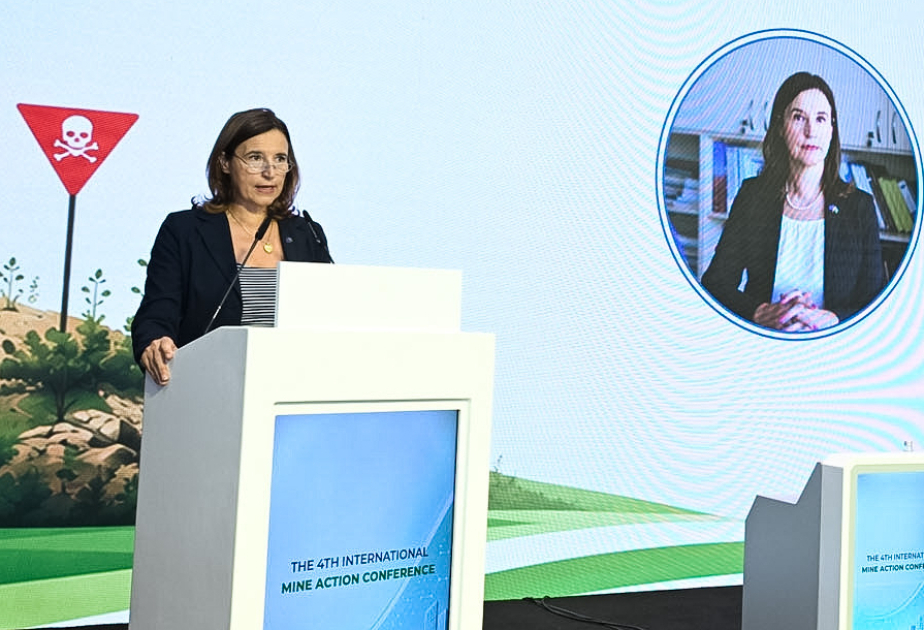
“The experience has shown that mine action and reconstruction must go hand in hand. Recovery is most effective when it's guided by long-term planning, strong institutions, and above all, the needs of affected communities. In Azerbaijan, this reality is especially visible,” said Marijana Kujundžić, Ambassador of the European Union to Azerbaijan, during her speech at the 4th International Mine Action Conference held in Baku.
🇦🇿 🇸🇦 Azerbaijan: Saudi Arabia allocates $3 million for mine clearance in Azerbaijan

Saudi Arabia has pledged $3 million to support humanitarian mine clearance efforts in Azerbaijan, Saudi Foreign Ministry representative Salem Al-Qahtani has announced. Speaking at the 4th International Conference in Baku, titled Humanitarian Mine Action for Urban Recovery: Setting High Safety Standards for Safe Settlements, Al-Qahtani said Riyadh was expanding its cooperation with Azerbaijan by providing financial assistance for clearing mine-contaminated areas.
🇰🇭 🇺🇸 Cambodia: US Provides $13 Million for Mine Clearance in Cambodia

The United States has provided $13 million to Cambodia in 2026 to support landmine and unexploded ordnance clearance in border areas affected by the 2025 conflict with Thailand, the US Embassy says.
🇰🇭 🇺🇸 Cambodia: US-Cambodia mine action partnership marks 3-decade milestone
US-supported mine clearance operations in Cambodia have successfully demined and returned over 714.6 million square metres of contaminated land to local communities since 1993, the US Embassy in Phnom Penh said.
The Permanent Mission of the Republic of Iraq to the United Nations Office and other international organizations in Geneva said it had succeeded in mobilizing international support for mine-clearing operations in border areas with Iraq’s neighboring countries. Ammar Al-Yasiri, the official responsible for disarmament affairs at Iraq’s mission to the United Nations, highlighted that “the former regime left large minefields along the borders with neighboring countries as a result of its previous wars.”
A Libyan housing ministry adviser has called for greater international cooperation and the exchange of expertise to help clear landmines and explosive remnants of war. Fathi bin Faris, an adviser to the Ministry of Housing and Urban Development, made the remarks at the fourth International Mine Action Conference in Baku, Azerbaijan.
🇳🇴 🇺🇸 Norway: Press release: Norwegian People's Aid says no to U.S. Department of State funding under new conditions

The U.S. Department of State's Office of Weapons Removal and Abatement (US DoS PM/WRA), the largest donor to NPA's mine action and disarmament work, has introduced new requirements for organisations receiving US DoS funding, including restrictions related to abortion, equality and diversity that extend beyond US DoS-funded programmes to also include other parts of an organisation’s work. NPA considers these requirements incompatible with the organisation's values and has therefore decided to phase out its cooperation with the largest donor to NPA’s mine action and disarmament work.
🇸🇾 🇩🇪 Syria, Germany step up mine clearance cooperation as new equipment arrives

Syria has received a GCS-100 mine-clearance machine, with a GCS-200 due to arrive Thursday, as Syrian-German cooperation seeks to accelerate mine detection and clearance operations while reducing risks to volunteers, a Syrian Foreign Ministry official said Wednesday.
A graduation ceremony was held in Kyiv for 25 veterans from the Kharkiv region who completed vocational training as humanitarian demining operators as part of the UNDP Veterans IV project, funded by the Italian government. The event also marked the start of a new training cycle for 25 veterans from the Mykolaiv region.
The Strengthening Mine Action Program provides grants of UAH 1 million to UAH 2.2 million to Ukrainian non-profit organizations for projects that improve mine action capacity, reduce explosive ordnance risks, and support communities affected by the war. The programme is implemented by the East Europe Foundation with financial support from the United Nations Mine Action Service (UNMAS) through the Ukraine Community Recovery Fund.
🇺🇦 🇸🇪 Ukraine: Sweden to Transfer 10 Coast Guard Boats to Ukraine for Rescue and Mine Clearance
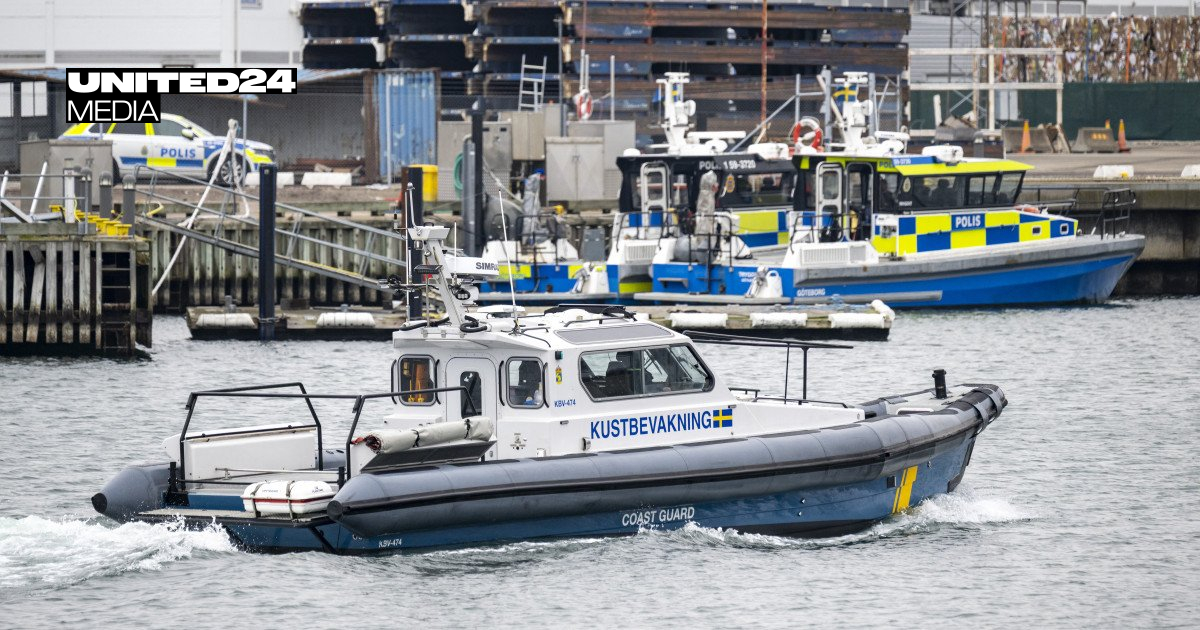
Sweden will transfer ten Coast Guard boats to Ukraine to strengthen the country’s waterborne rescue, mine-clearance, towing, and transport capabilities. According to the Swedish government, the donation includes both workboats and high-speed boats, all of which will be delivered to the State Emergency Service of Ukraine (SESU).
🇺🇦 Ukraine: Stalker 2 studio is raffling keychains made from a shot-down Russian helicopter to raise funds for mine removal in the real-world Chornobyl Exclusion Zone
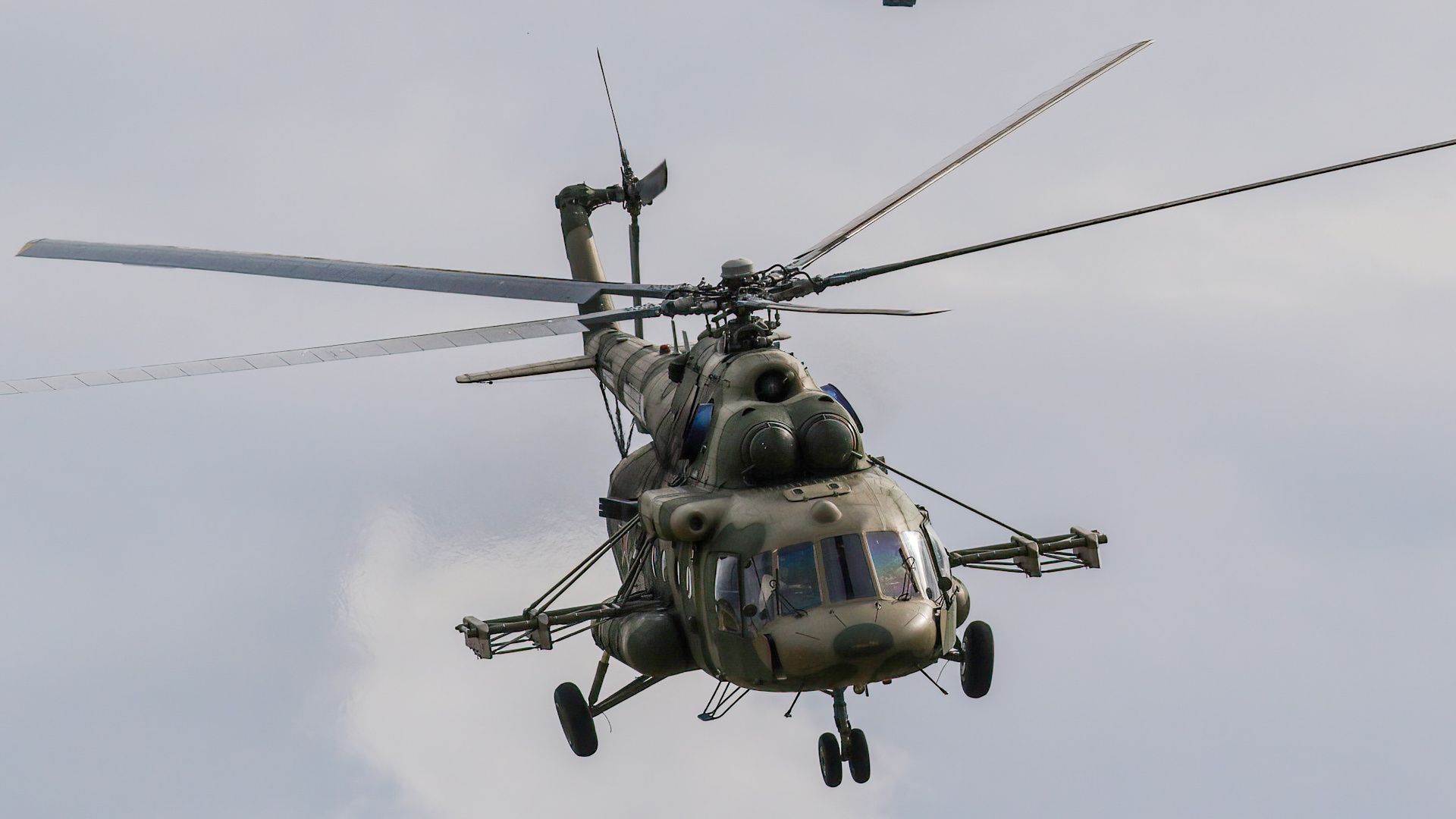
Stalker 2 studio GSC Game World has joined with Ukrainian charity United24 on a new fundraising initiative that aims to raise $100,000 to help fund efforts to remove mines and other explosive devices from the real-world Chornobyl Exclusion Zone.
8. Other News
🇨🇳 🇷🇺 Chinese troops to join multinational humanitarian demining exercise in Russia
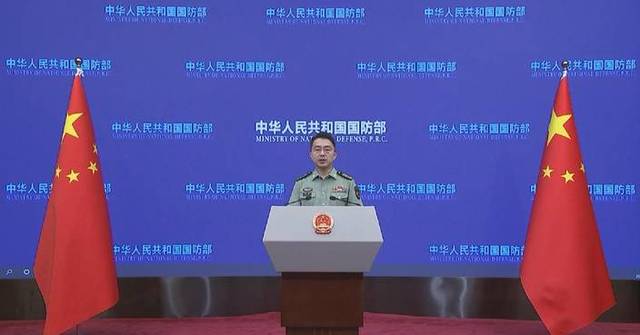
The Chinese People's Liberation Army (PLA) will dispatch troops to Russia next week to participate in a multinational humanitarian mine clearance exercise, a Chinese defense ministry spokesman said on Friday.
🎥 Videos
Kateryna describes the reality of thousands of victims across the globe, who thought the surroundings they knew like the back of their hand would be safe after the conflict. FSD’s mine action work has for goal to keep danger in the past, and offer a safer future.
The Lebanese Army is working to decommission weapons from militant groups like Hezbollah and clear southern Lebanon of unexploded ordnance under a US-led framework agreement between Israel and Lebanon.
Kirtland Air Force base removes unexploded ordnance from Acoma Pueblo.
📅 Upcoming Events, Courses & Trainings
There are a number of interesting events for the mine action sector in the coming months, and some of the deadlines are approaching quickly.
Felix Connect is a dedicated networking event designed to bring together supporters, partners, and friends of Felix Fund - the bomb disposal charity. It’s a relaxed, welcoming space to connect, network, or simply catch up with familiar faces from across the EOD, Search, defence, and charity communities. The event will be held on 28 September in London. Learn more here.
The Mine Action: Innovation, Sustainability, and Global Partnerships speaker series is structured to address landmine and explosive remnants of war (ERW) challenges through a strictly humanitarian, civilian-protection-oriented framework, with clearly defined ethical, legal, and operational boundaries between humanitarian and military applications of technology. Dates are: FEB 19 | MAR 19 | APR 16 | MAY 21 | JUN 18 | JUL 16 | AUG 20 | SEP 17 | OCT 15 | NOV 19 | DEC 17. Time: 12:00 PM - 1:00 PM ET. Location: Virtual (Zoom Webinar). Register here.
🔔 Always Stay in the Know – Never Miss an Update
This newsletter is subscribed to by over 3600+ dedicated readers on LinkedIn. To join this community of mine action professionals and supporters, go ahead and subscribe to the Mine Action Weekly newsletter. You can find all editions up to February 2026 on LinkedIn, and from March 2026 onwards here on Mine Action News.
Please reach out to me if there are any mine action news, journal articles, events, or updates that you would like to suggest for the next edition of Mine Action Weekly. You can find (and follow / connect with) me here. See you next Monday!


