Mine Action Weekly, 30 March - 5 April 2026
- Markus Schindler

- Apr 6
- 27 min read
A warm welcome to the latest edition of the Mine Action Weekly newsletter - your go-to source for the most important global updates from the mine action sector. Read about the latest news on EO contamination & clearance, EORE, accidents and victim assistance, advocacy efforts, stockpile destruction, mine action innovation & technology, and assistance, cooperation & funding - right here, every Monday. Dive right in and stay up-to-date!

Disclaimers:
This newsletter features news reports and articles from a variety of sources. Mention of these resources does not indicate agreement with or endorsement of the opinions of others. I do not claim responsibility or credit for these works, and do not vouch for the information contained in them.
This newsletter is created and managed in a personal capacity, independent of my professional affiliation with Fondation suisse de déminage (FSD).
🗞️ Weekly News Roundup
The weekly news roundup showcases a low-down of the top mine action news and insights from the past seven days.
1. EO Contamination, Clearance & Land Release
On the occasion of International Day for Mine Awareness and Assistance in Mine Action, the International Committee of the Red Cross - ICRC in Afghanistan says that unexploded ordnance continues to threaten the lives of civilians. The Red Cross reported on Saturday, April 4, that in 2025, around 217 incidents caused 467 casualties in Afghanistan. The committee added that 66 percent of these casualties were children.
🇩🇿 Algeria’s Leadership in Mine Clearance: A Model of National Initiative, Victim Protection, and International Engagement
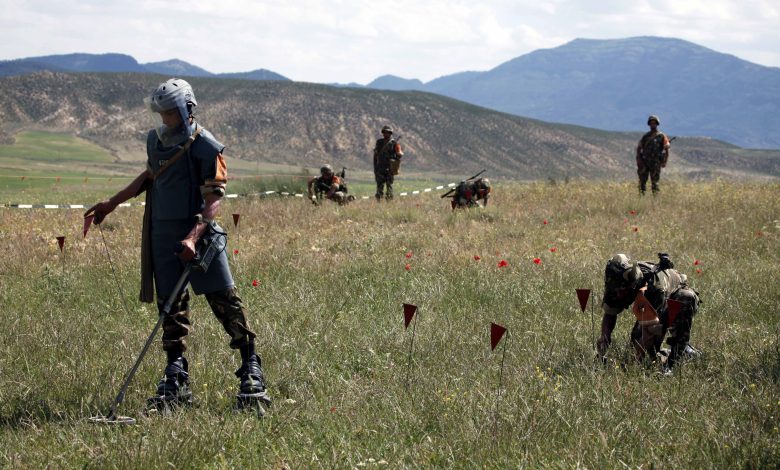
Algeria cleared more than 62,000 hectares of explosive-contaminated land through national army operations, combined with awareness campaigns and victim support including medical, psychological, and social assistance. The country promotes legal protections for survivors and shares expertise internationally, hosting seminars and advocating treaty adherence, positioning Algeria as a regional model for comprehensive mine action.
🇦🇿 Azerbaijan: Over 5,000 hectares cleared of mines in Azerbaijan's liberated lands in March

Humanitarian demining operations carried out in Azerbaijan's liberated territories resulted in the detection and neutralisation of 267 anti-tank mines, 236 anti-personnel mines, and 4,922 pieces of unexploded ordnance in March 2026. Also, 5,336.5 hectares of land were cleared of mines.
🇦🇿 Azerbaijan: Invisible threats and stolen lives: Azerbaijan continues the fight against the war’s mine legacy

Azerbaijan is among the countries most contaminated by landmines and unexploded ordnance in the world. Official statistics confirm this: approximately 12% of Azerbaijan’s territory is contaminated with more than 1.5 million landmines. Since the post-war period began, Azerbaijan has been carrying out large-scale demining efforts, more than 90% of which are funded by domestic resources. Despite cooperation with some foreign partners, overall external support remains limited.
🇧🇦 Bosnia and Herzegovina: Sniffing for Danger: The Elite Dogs Hunting for Bosnia’s Buried Mines

Mine-detection dogs trained by Norwegian People's Aid / Norsk Folkehjelp are helping locate landmines and unexploded ordnance still contaminating Bosnia and Herzegovina decades after the 1992–95 war. Working with handlers, dogs search difficult terrain more efficiently than manual methods, supporting survey and clearance efforts to reclaim land and reduce risks for communities.
Ten million square metres of land in six municipalities in Bosnia and Herzegovina have been cleared of landmines since August 2025 under an EU-funded demining project.
The Cambodian Mine Action Centre (CMAC) Director General, Heng Ratana, announced yesterday that a China-funded project has cleared over 190 square kilometres of land contaminated with mines and unexploded ordnance (UXO) between 2018 and February 2026.
Trapeang Rung commune became the latest Cambodian district declared landmine-free on Tuesday, following a successful demining partnership with the Indian government. The achievement marks a vital step in the Kingdom’s humanitarian mission to eliminate the threat of explosives.
Egypt cleared more than 25 million landmines, explosive devices, and wartime remnants from World War II, primarily located in the Western Desert, which accounts for about 22% of the country’s total area.
🇮🇳 Indian Army EOD Response: RPG and UBGL Unexploded Ordnance Neutralisation Following ULFA-I Standoff Attack, Tinsukia
Red Shield Sappers deployed a specialist Bomb Disposal Team to neutralise Rocket-Propelled Grenade (RPG) and Under-Barrel Grenade Launcher (UBGL) unexploded ordnance (UXO) scattered across the Jagun area of Tinsukia district, Assam, following a pre-dawn insurgent standoff attack on an Assam Police Commando camp on 22 March 2026.
U.S. forces appear to be using airborne-scattered anti-tank landmines to hinder the movement of mobile launchers near Iran’s suspected "missile cities” – vast underground weapons storage facilities.
🇮🇶 Iraq: Heavy rains trigger landmine slides in Kurdistan Region
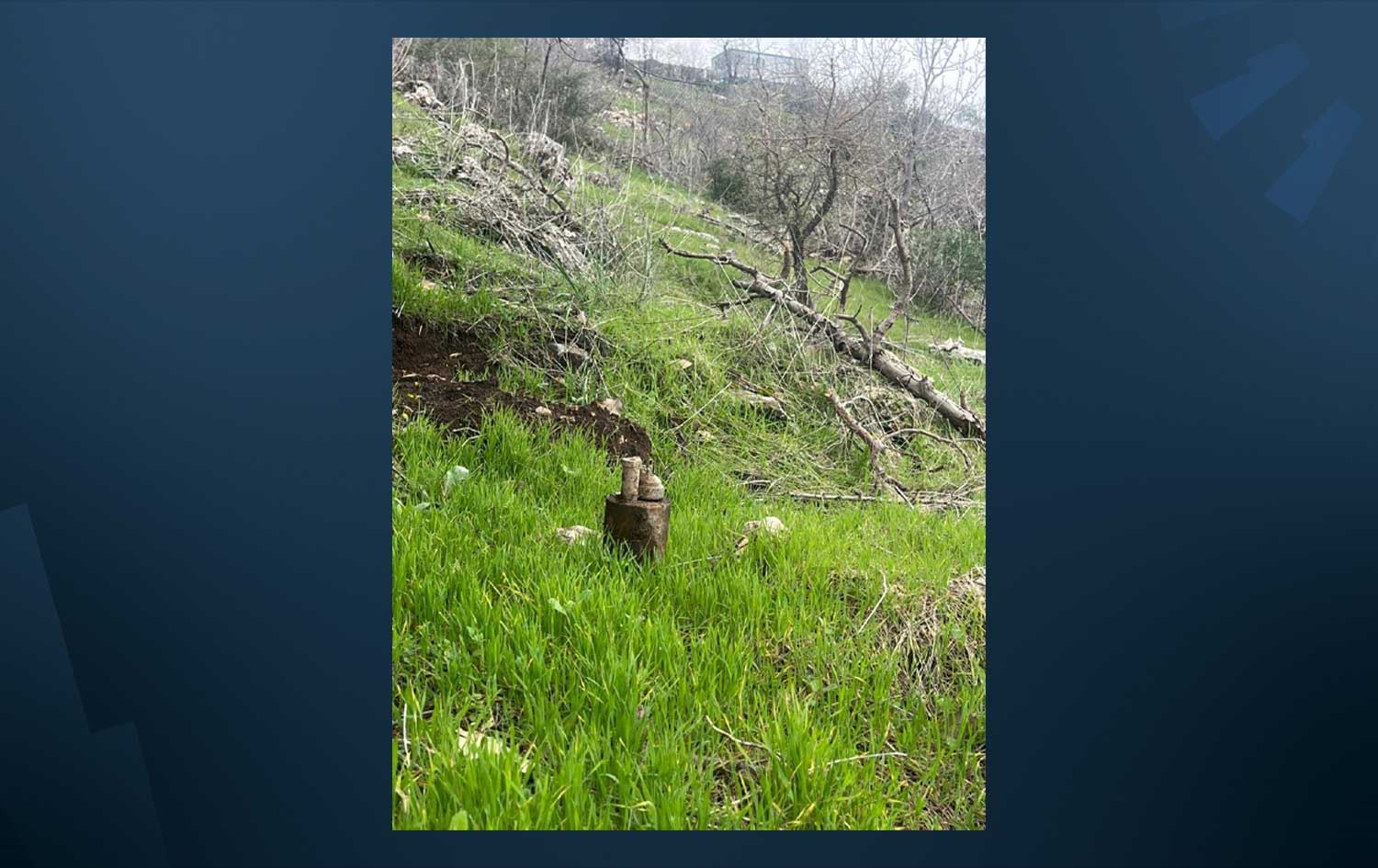
Heavy rainfall in the Kurdistan Region has caused landmines to shift from their original positions, putting civilian lives at “significant” risk, the Region’s Mine Action Agency (IKMAA) warned. Head of the IKMAA, Jabbar Mustafa, highlighted that recent torrential rains have caused mines and explosives on hillsides to shift from their original positions, warning that "this creates a significant danger to people's lives."
🇱🇾 Libya: The threat of mines continues coinciding with the World Day for Awareness of their Dangers

The dangers of mines and unexploded ordnance (UXO) persist in Libya. They pose a continuous threat to civilian lives. They hinder development efforts and stability in affected areas. These remnants are widespread in residential and agricultural areas. This obstructs daily movement for residents. It negatively impacts economic activities. These include agriculture and construction. The presence of UXO increases the vulnerability of local communities.
🇸🇸 South Sudan: Calls for investment in mine action and unimpeded access to protect civilians and progress peace in South Sudan

United Nations Mission In South Sudan (UNMISS) calls for greater investment in mine action and unimpeded humanitarian access in South Sudan, warning that landmines and explosive remnants of war continue killing civilians and restricting aid delivery. Clearance operations enable safe movement, recovery, and peacebuilding, while funding shortfalls and access constraints limit efforts to protect communities and support stability.
🇸🇸 South Sudan struggles to clear mines left by civil war
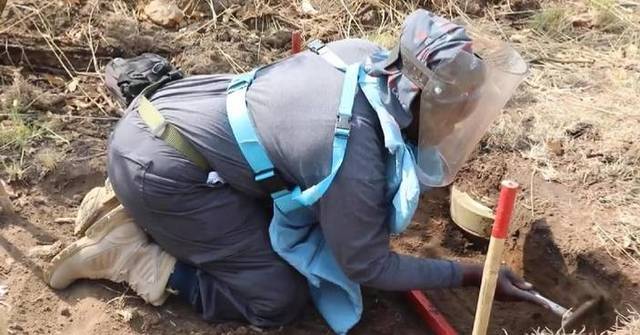
Years of war in South Sudan have left the East African country littered with landmines that may take more years to remove. South Sudan had hoped to clear all anti-personnel minefields and cluster munitions in the country by this year. However, the government says efforts are complicated by a lack of funding, continued insecurity and flooding in the country.
🇱🇰 Sri Lankan island church is cleared of mines, bringing hope at Easter

The Sri Lankan Civil War left a devastating legacy of landmines and unexploded ordnance, particularly in the northern and eastern provinces of the nation. The HALO Trust has spent 20 years clearing mines from Puvaransanthivu Island, where the Our Lady of Velankanni Church is, allowing the faithful to finally return to a place of worship once cut off by war and violence.
🇸🇾 Syria: Safe Ground, Real Futures: Supporting National Mine Action to Accelerate Development in Syria

As the world marks the International Day for Mine Awareness and Assistance in Mine Action on 4 April, attention turns to a reality that continues to shape everyday life across Syria: progress is slower on unsafe land. Mines and unexploded ordnance restrict where people can live, work and invest in their future. Clearing that land is not only about safety. It is about enabling development and accelerating progress toward the Sustainable Development Goals.
🇸🇾 Syria: Minister: Syria among most mine-affected countries, efforts underway to boost response

Syria is among the countries most affected by landmines and unexploded ordnance, posing a major threat to civilians, Emergency and Disaster Management Minister Raed al-Saleh said on Saturday. In a post on X marking the International Day for Mine Awareness, al-Saleh said mines and explosive remnants of war continue to claim lives daily, including civilians and demining workers. “Syria, in every sense of the word, is living above a sea of landmines and unexploded ordnance,” he said, adding that a wide gap remains between available resources and the scale of contamination.
🇸🇾 Syria: Over 110,000 Mines and war remnants cleared in Syria since the start of 2026

More than 110,000 mines and explosive remnants of war have been dismantled or destroyed across Syria since the beginning of 2026 by engineering units of the Syrian Arab Army, according to statistics released by the Ministry of Defense on the occasion of the International Day for Mine Awareness.
On the occasion of the International Day for Mine Awareness and Assistance in Mine Action, the Syria Mine Action Area of Responsibility (AoR) presents a collection of partner stories from across the country, illustrating the critical role of mine action in restoring safety, protecting lives, and enabling communities to rebuild.
🇺🇦 Ukraine: Clearing the path for the future: mine action efforts in Ukraine

Fields can’t be planted, roads can’t be used, communities are unable to return home. With support from the United Nations, mine action efforts are helping to address these challenges through surveillance and clearance, risk education, and technical support. On Mine Awareness Day, the UN in Ukraine calls on the Member States, donors, and partners to invest in mine action in Ukraine as a precondition of recovery and long-lasting peace.
🇺🇦 Ukraine: This year, Ukraine plans to demine almost 10,000 more hectares
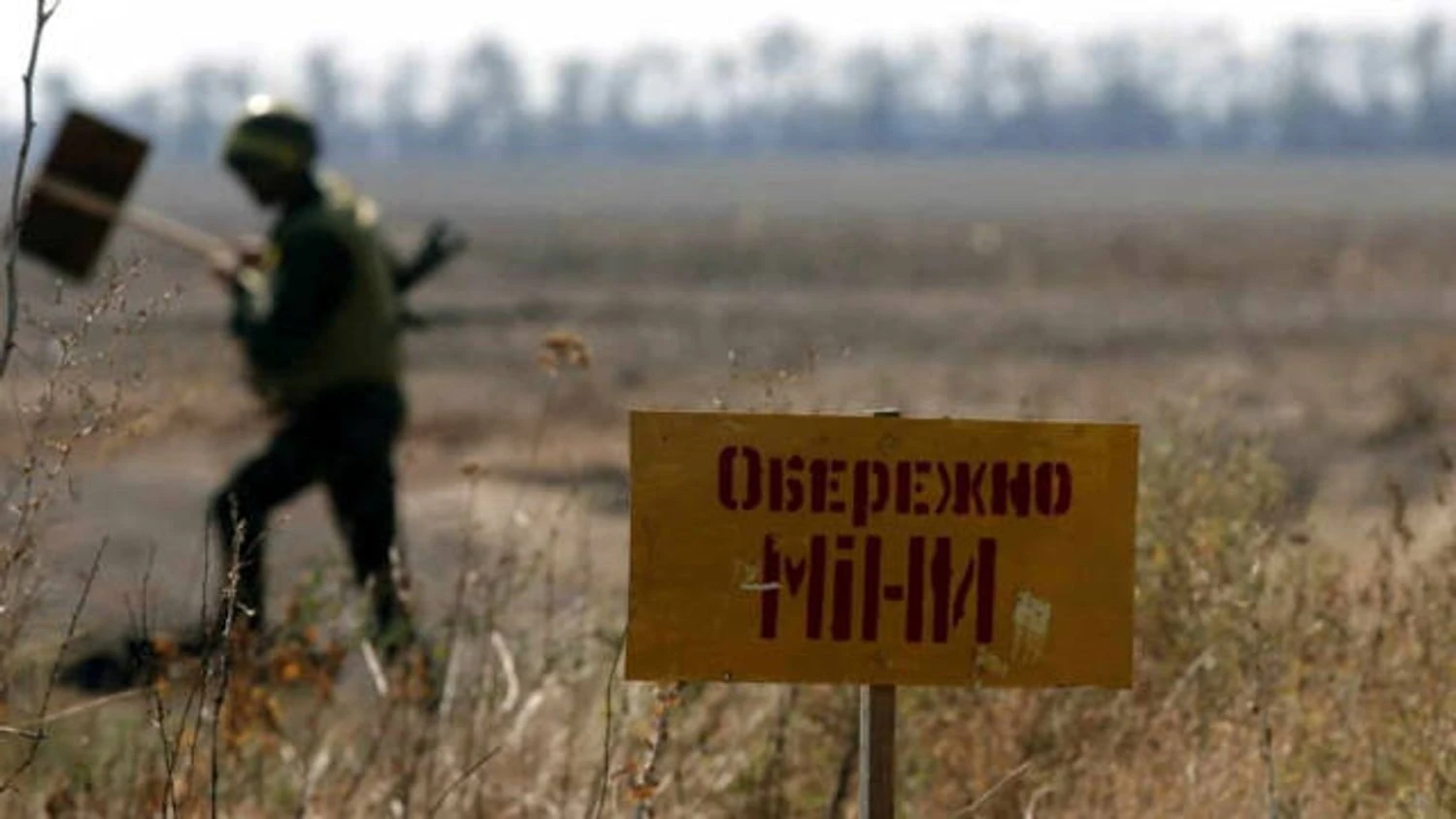
Since the beginning of the war, 40,700 km² of territories and 15,100 hectares of agricultural land have been demined. This year, another 10,000 hectares are planned to be cleared using new technologies.
🇺🇦 Ukraine: Humanitarian demining in Zaporizhzhia blocked by ongoing shelling

Due to continuous shelling, the territory of Zaporizhzhia region is heavily contaminated with explosive ordnance. However, the security situation does not allow the State Emergency Service (SES) specialists to carry out humanitarian demining.
🇺🇦 Ukraine: Suspicion Announced Against Head of Demining Team Over Fake Mine Clearance Worth UAH 6.3 Million

Under the procedural supervision of the Kyiv City Prosecutor’s Office, a notice of suspicion has been issued to the director of a Kyiv-based mine action operator company and the head of a demining team. According to the investigation, they allegedly misappropriated budget funds and falsified documents by simulating humanitarian demining operations on agricultural land in the Kherson region. The total damage is estimated at UAH 6.3 million. Read more here.
Widespread landmine use since Russia’s invasion has left about 132,076 km² of Ukraine potentially hazardous, threatening civilians, agriculture, and recovery. Casualties continue, including children, while contamination disrupts livelihoods and infrastructure. Clearance by military and humanitarian operators is expanding, but the scale of contamination and ongoing hostilities mean risks will persist for years.
Ukraine remains heavily contaminated, with about 133,000 km² potentially affected by mines and explosive ordnance. State Emergency Service deminers have removed more than 644,000 explosive devices, reducing risks for civilians, especially children returning to damaged areas. International support continues to assist clearance efforts in what officials describe as a persistent “silent war.”
🇺🇦 Ukraine’s Demining Skills Could Be Exported Around the World
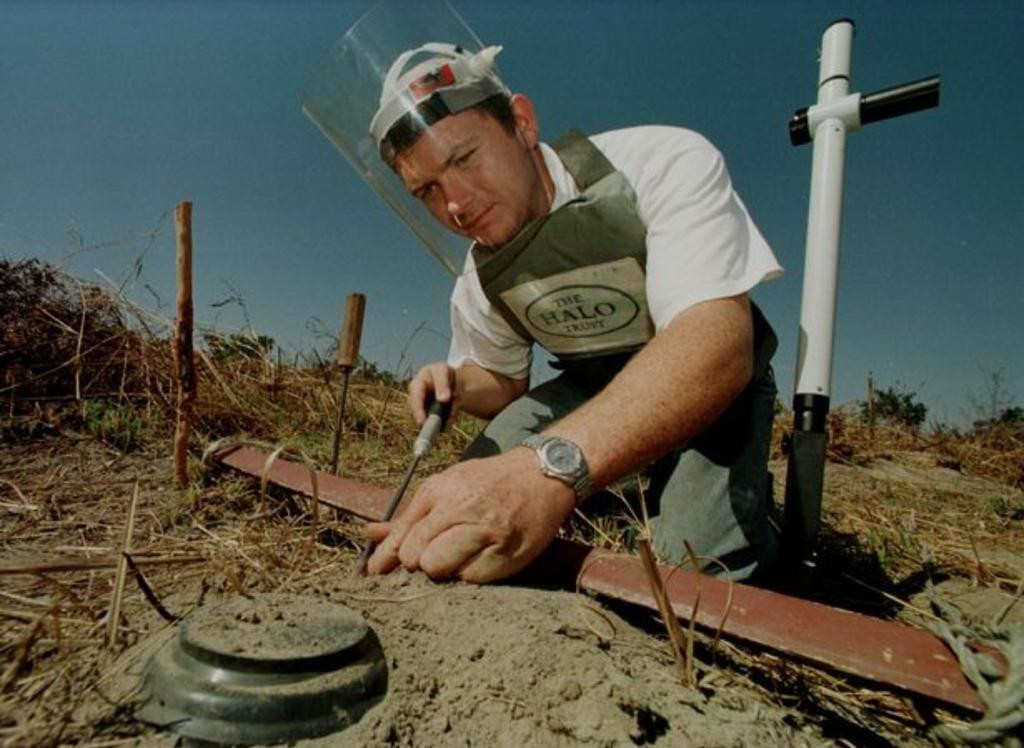
Ukraine faces contamination across roughly 20% of its territory, with a 1,000-km frontline heavily affected by landmines and explosive devices. Paul Heslop highlighted the need to rapidly release land for agriculture and economic use, noting Ukraine’s growing expertise, technologies, and operational experience could be exported globally to support humanitarian demining efforts.
In March 2026, units of the Ministry of Defense cleared 876 hectares of the territories liberated from russian occupants from explosive ordnance.
Ukraine faces landmine contamination on a scale “not seen in Europe since World War II,” with both sides using mines and casualties continuing, especially among children. Small “petal” mines resemble toys and are easily concealed by vegetation. The article warns clearance will take years, while weakening global norms risks prolonging civilian harm.
🇺🇦 Ukraine advances demining, clears farmland and reopens Black Sea routes

Ukraine continues large-scale demining to restore farmland and reopen Black Sea routes critical for food exports. Although more than 100,000 square kilometres remain potentially hazardous, clearance efforts are gradually improving safety, reviving agriculture, and supporting economic recovery and food security as contaminated land and sea lanes are returned to use.
🇺🇦 Ukraine’s hidden dangers: why clearing mines and explosives is fist step for safety

Explosive ordnance contamination across Ukraine continues to endanger civilians, particularly children, despite growing awareness. Risk education has reached hundreds of thousands, while new technologies such as AI mapping and virtual-reality training support safer behaviour and clearance planning. Expanding mine action and sustained investment remain essential to reduce casualties and enable safe recovery.
Since the full-scale invasion began, Ukraine has successfully cleared and returned to use 40,700 square kilometres of territory. Within this area, 15,100 hectares are agricultural lands made safe through the state-led 'Humanitarian Demining' program. Despite this progress, a vast area exceeding 130,000 square kilometres remains potentially hazardous due to explosive remnants of war.
🇬🇧 🌊 UK Prepares RFA Lyme Bay for Mine-Clearing Operations in Strait of Hormuz

The United Kingdom is preparing to deploy the Royal Fleet Auxiliary ship RFA Lyme Bay to the Strait of Hormuz, outfitting the vessel with autonomous mine-hunting drones to assist in clearing mines that have blocked the critical waterway.
🇻🇳 Vietnam: International Mine Awareness Day: Quang Tri advances “safe province” model
Deputy Director of the Mine Action Centre of Quang Tri Dinh Ngoc Vu said nearly 60,000 hectares of land in the province have been cleared of UXO contamination, with over 925,000 explosive items safely destroyed.
🇾🇪 Yemen: Saudi project clears 1,737 explosive devices in Yemen
Members of Saudi Arabia’s Masam Landmine Clearance Project - Yemen removed 1,737 explosive devices from various regions of Yemen last week. The total included 1,732 unexploded ordnances and five anti-personnel mines.
Explosive ordnance, including landmines, affects about 100 million people across 60 countries, restricting land use and climate adaptation. UNDP highlights how mine clearance restores agriculture, infrastructure, and mobility, enabling climate-resilient livelihoods. Clearing contaminated rivers, forests, and farmland reduces environmental pressure, supports recovery, and strengthens social cohesion in climate-vulnerable, conflict-affected regions.
In today’s rapidly shifting global news environment where attention moves quickly from one crisis to another some of the most persistent threats to human security are often overlooked. Among them are landmines and unexploded ordnance, the hidden remnants of war that continue to endanger lives long after conflicts have officially ended.
In conflict and post-conflict settings, children face daily the risk of being killed or maimed from mines and explosive remnants of war. On the International Day for Mine Awareness and Assistance in Mine Action, the Special Representative of the Secretary-General for Children and Armed Conflict, Vanessa Frazier, calls for urgent and renewed attention and resources for the protection of children from these deadly threats.
🌊 Gulf tensions force Western navies to confront mine warfare shortfalls

As tensions escalate in the Strait of Hormuz, Western navies are pushing to restore mine countermeasure capabilities that had quietly been allowed to wane – and the conversion of RFA Lyme Bay into a mine countermeasure mothership sits as a reminder of that effort.
🌊 Sea mines clearance: A new dimension of difficulty
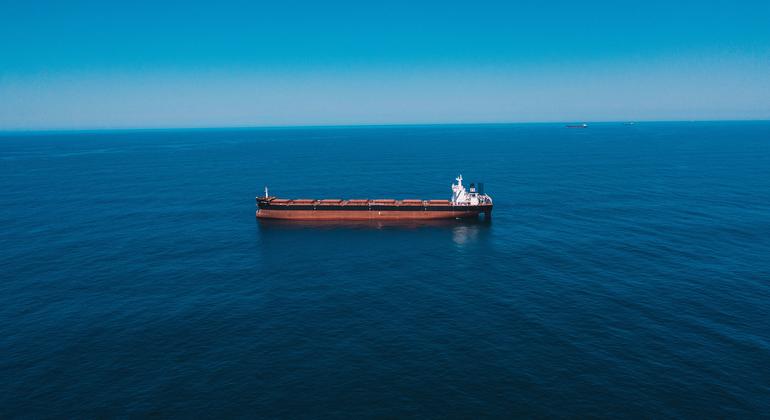
Clearing mines laid at sea is an “extremely challenging and very dangerous” mission, with tidal currents just one of myriad other risk factors to consider before attempting to make a stretch of water safe, according to UN mine action adviser Paul Heslop.
🌊 How sea mines threaten global trade, and how navies detect them

Sea mines – moored, bottom, and influence types – can disrupt global trade even in small numbers by threatening key chokepoints like the Strait of Hormuz. Navies detect them using wide-area sonar, uncrewed vehicles, and AI-assisted classification in a detect-classify-identify process, followed by divers or remotely operated systems to confirm and neutralise hazards.
Other EO Finds from Around the Globe:
🇽🇰 Kosovo: A grenade is found in a basement of a building in the north, demining teams remove it in a controlled manner. Read more
Singapore: WWII bomb to be neutralised on Thursday morning. Read more
🇸🇩 Sudan: Explosion rocks Khartoum, police blame war-era landmine. Read more
🇹🇷 Türkiye: The mine detected off the coast of İğneada was neutralized by SAS teams. Read more
🇺🇦 Ukraine: Explosive Ordnance Disposal Operations Underway in Kyiv's Vyshhorod District. Read more
🇬🇧 United Kingdom: 'Unexploded WWII bomb' found in London Colney garden. Read more
🇬🇧 United Kingdom: Epsom Town Hall evacuated after WW2 shell found- Recap. Read more
2. Explosive Ordnance Risk Education (EORE)
🇱🇾 Libya: From Danger to Safety: Teaching Explosive Ordnance Risk Education
Over several years and through determined efforts, Folkekirkens Nødhjælp (DanChurchAid)’s all-female EORE teams in Sirte and Tripoli have reached 1000s of children and youth, helping prevent injuries and fatalities from contact with explosive remnants of war (ERWs) and landmines .
🇵🇸 Palestine: Gaza: Teaching children to stay safe through play
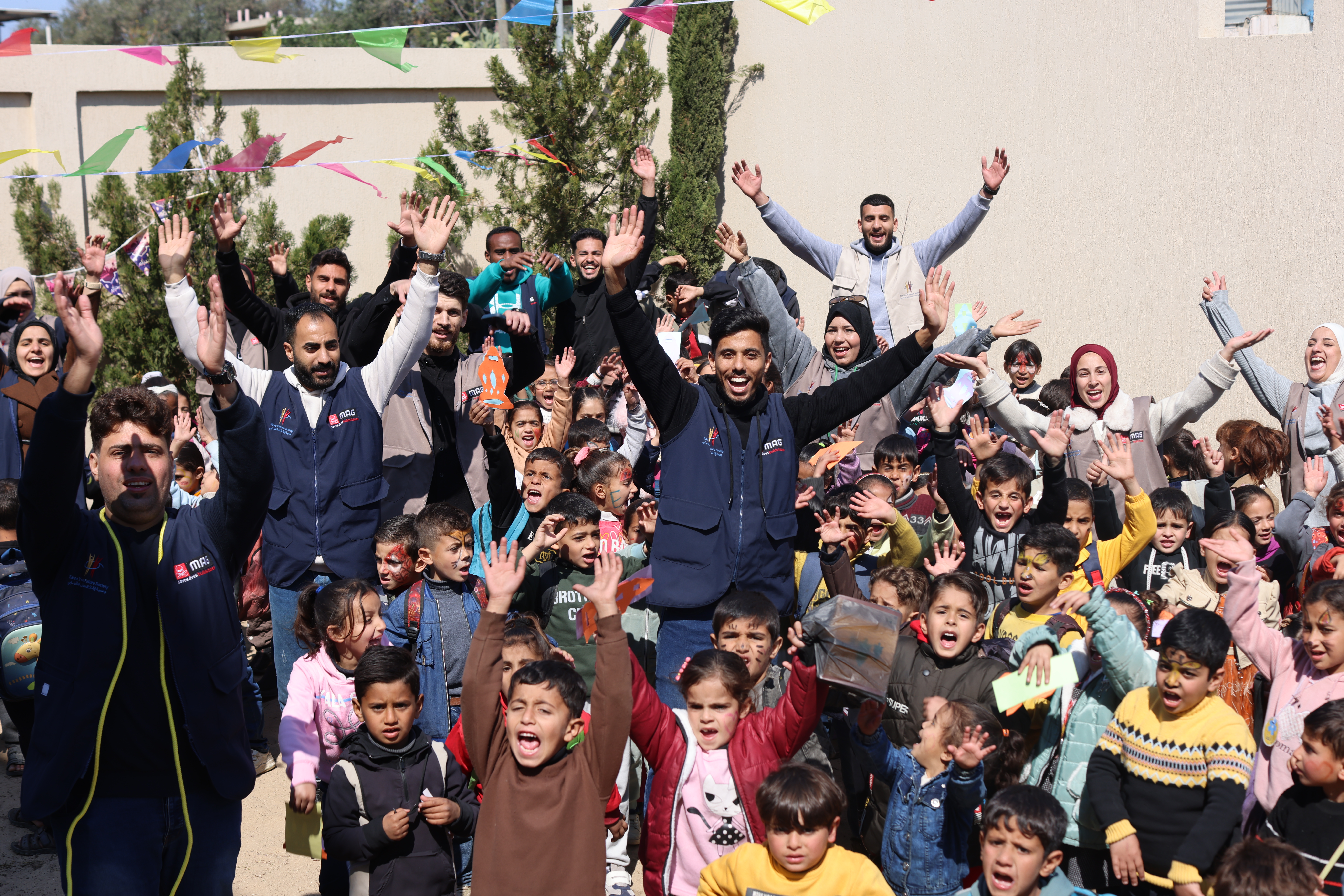
In Gaza today, a single wrong step can cost a life. That’s why MAG (Mines Advisory Group), working through our partner Save Youth Future Society - SYFS, has delivered more than 30,000 risk education sessions, reaching over half a million people – including over 150,000 children – with vital, life-saving information.
🇸🇾 Syria: Mine Awareness Day: Explosive Ordnance Remains One of the Deadliest Legacies of War
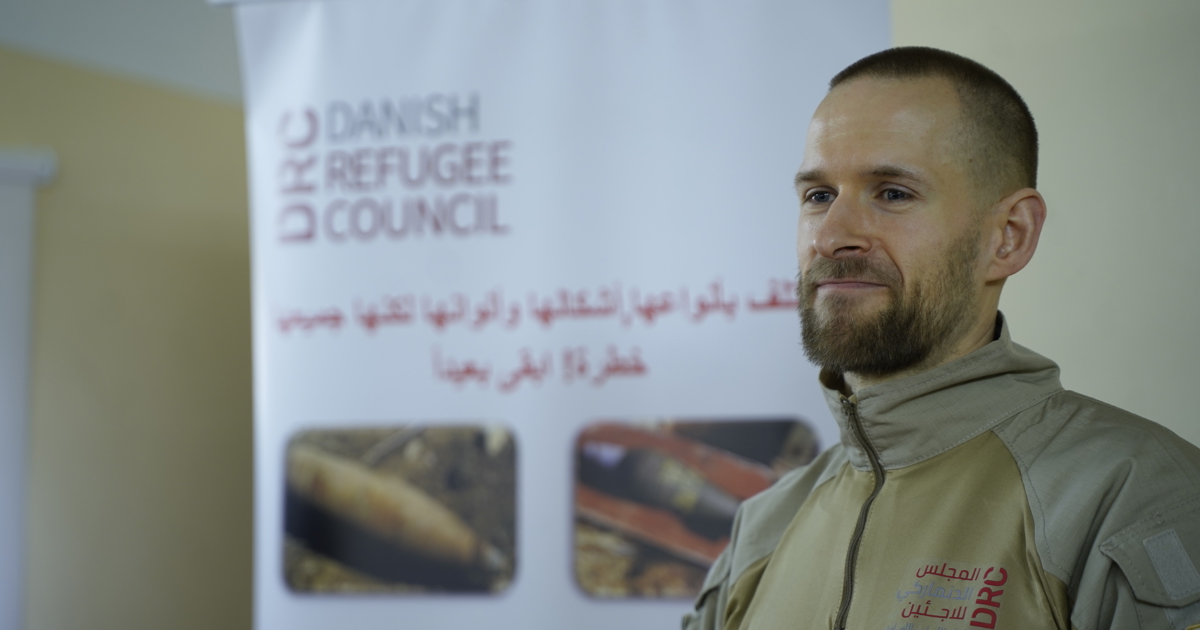
Explosive ordnance in Syria – including landmines, cluster remnants, and unexploded bombs – continues to kill and injure civilians long after fighting ends, especially in agricultural areas. DRC trains local deminers and community liaison staff to support survey, clearance, and risk education, enabling safe returns, livelihoods, and recovery while warning that contamination will persist for years.
🌍 Mine Action Day: 'Signs of Safety'

On 1 April, United Nations Mine Action Service (UNMAS) launched “Signs of Safety”, a digital exhibition spotlighting explosive ordnance risk education in the Occupied Palestinian Territory, Sudan, and Syria by showcasing children's drawings and quotes, as well as photos and video clips.
🌍 Keeping Communities Safe: Strengthening Local Capacity for Mine Risk Education
Folkekirkens Nødhjælp (DanChurchAid) strengthens local capacity for explosive ordnance risk education by training community members in affected areas of the Central African Republic. Local focal points share simple safety messages—recognise, avoid, and report hazards—through schools, villages, and camps. Community-embedded awareness helps prevent accidents and supports safer livelihoods while clearance teams prepare follow-up operations.
3. Accidents, Survivors, Victim Assistance
The United Nations Assistance Mission in Afghanistan (UNAMA) said on the occasion of “Mine Action Day” that unexploded ordnance kills around 50 people every month. UNAMA stated on Saturday, April 4, that Afghanistan has the third-highest number of casualties from explosive ordnance in the world. According to UNAMA, 80 percent of those who lose their lives in such incidents are children.
By the Decree of the President of the Republic of Azerbaijan dated 31 March 2026, the Ministry of Labor and Social Protection of Population has granted the Presidential monthly scholarship to four family members of two deminers who lost their lives in an incident caused by the detonation of explosive ordnance during mine clearance operations.
🇦🇿 Azerbaijan: ANAMA reveals number of mine victims in Azerbaijan since 2020
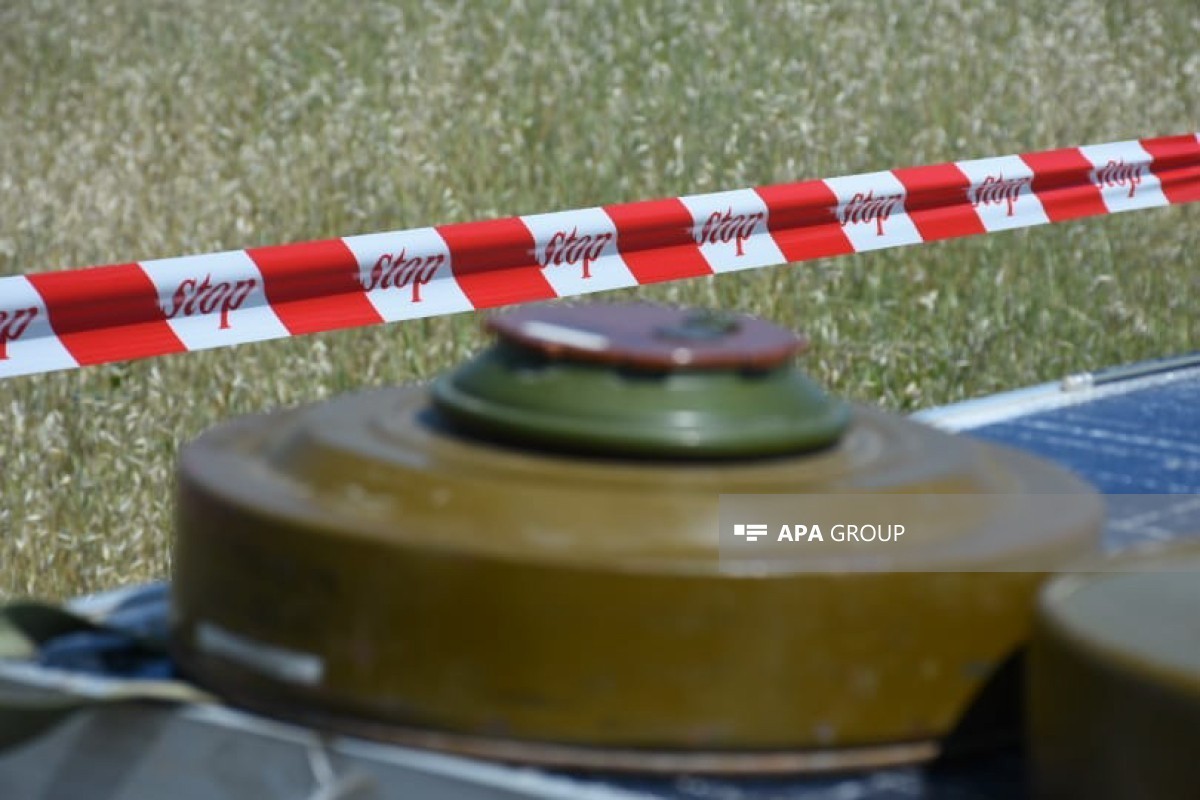
The number of mine victims in Azerbaijan since November 10, 2020 is 421 people. Of them, 72 were killed and 349 were injured. Among the dead, 57 are civilians and 15 are servicemen. Of those injured, 171 are civilians and 178 are servicemen.
🇮🇶 Iraq reports 30K casualties from unexploded ordnance
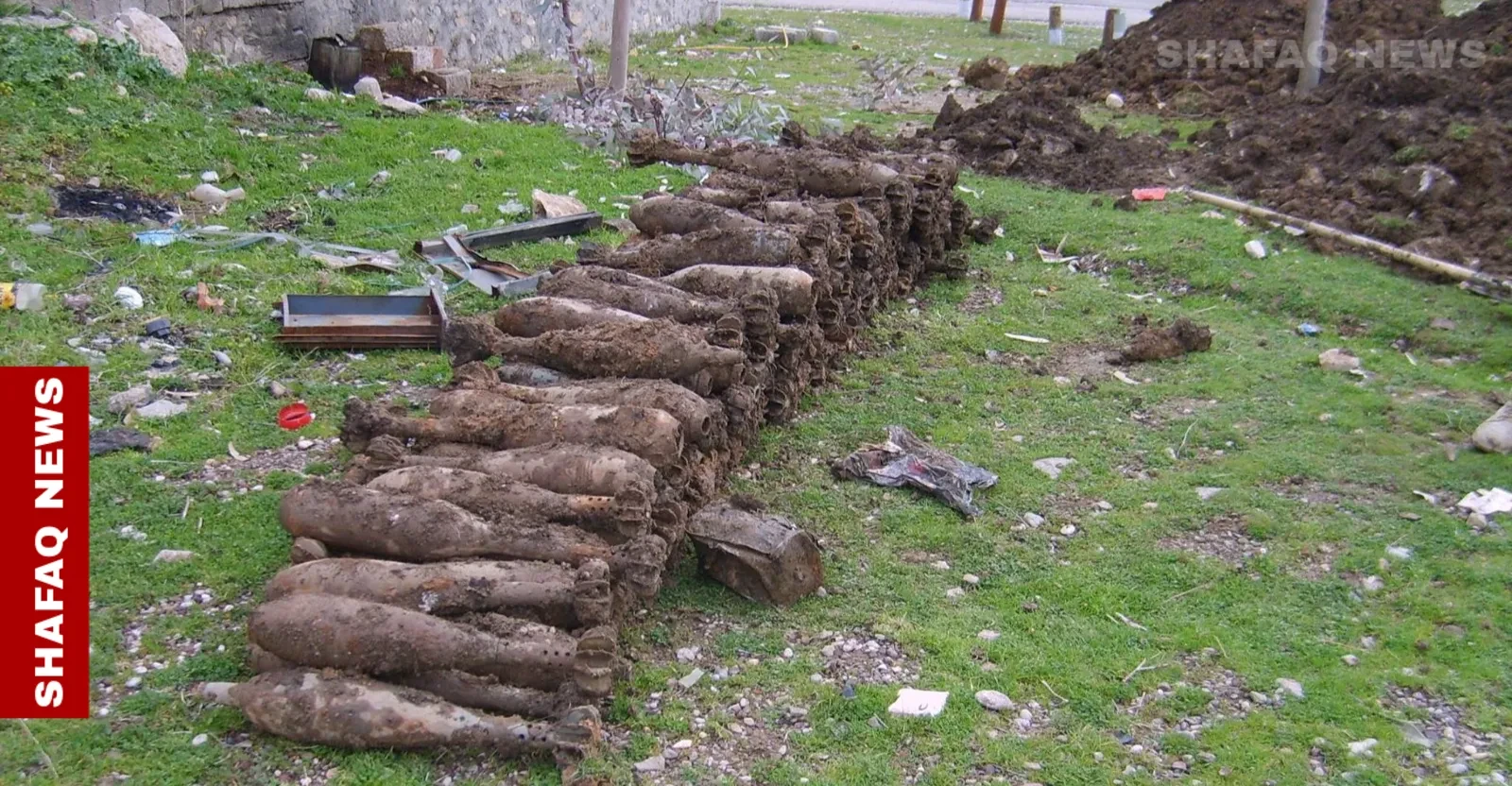
Fadel Al-Gharawi, head of the Strategic Center for Human Rights, outlined that official figures record more than 30,000 victims of landmines and unexploded ordnance since 2003, including men, women, and children. In 2022 alone, more than 150 casualties were recorded. In the Kurdistan region, 13,500 people have been affected by landmines. In 2023, 14 people were killed or injured in Basra due to mine explosions.
🇱🇾 Libya records 63 mine victims in 2025, including 21 children: UNSMIL

Repeated armed conflicts and unsafe ammunition storage have left a widespread legacy of explosive ordnance contamination across Libya, affecting residential areas, roads and agricultural land, UNSMIL - United Nations Support Mission in Libya said in a statement on Saturday (local time), adding that 63 casualties from explosive remnants of war were recorded in 2025 alone, including 21 children.
According to monitoring of landmine and other Explosive Ordnance (EO) incidents during the whole year of 2025, a total of 510 incidents were recorded nationwide, resulting in 745 civilian casualties. This figure represents 69% of the total casualties recorded in 2024 (1,082), highlighting the persistent risk posed by EO contamination in conflict-affected areas.
UNICEF reports that, since December 2024, at least 1,891 civilian casualties have been recorded in Syria, including 698 people killed and 1,193 injured. Children continue to be disproportionately affected, accounting for 30 per cent of those killed and 40 per cent of those injured between December 2024 and February 2026. These figures are likely underreported.
The Syrian Network for Human Rights issued a report on the occasion of the International Day for Mine Awareness, documenting the killing of at least 3,799 civilians, including 1,000 children and 377 women, as a result of landmine explosions and cluster munition remnants in Syria during the period from March 2011 to April 2026. The report indicated that 329 civilians, including 65 children and 29 women, have been killed since the fall of the Bashar al-Assad regime on December 8, 2024.
A human rights organisation has documented 1,104 deaths among civilians between 2017 and 2026 resulting from the explosion of anti-personnel and anti-vehicle mines planted by the Houthi group. The Yemeni Network for Rights and Freedoms stated in a recent report, coinciding with the International Day for Mine Awareness and Assistance in Mine Action, that it recorded 4,947 cases of human and material damage across various Yemeni governorates from January 2017 to March 2026.
🌍 “These weapons belong in the past”: Decades on, landmines and explosive remnants still kill and destroy lives
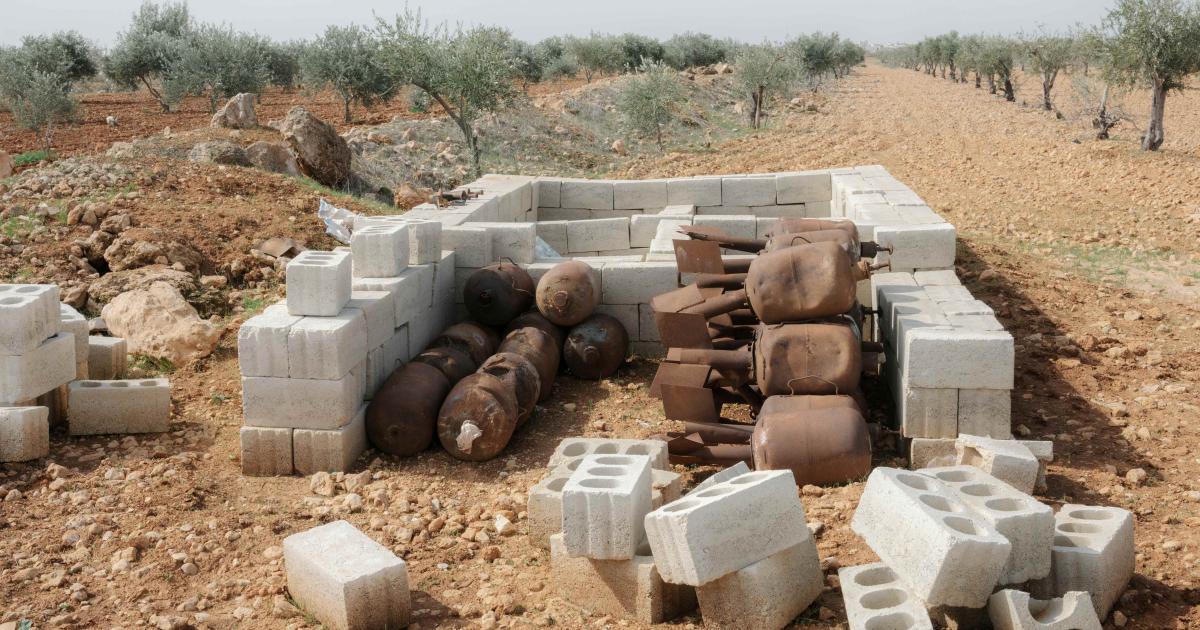
Landmines and explosive war remnants continue to kill and maim people daily. In 2024, nearly 6,300 people were killed or injured — 90% civilians, almost half children. The International Committee of the Red Cross - ICRC urges all states to uphold or join the Anti-Personnel Mine Ban Convention, warning that any retreat risks reversing decades of humanitarian progress.
Other EO Accidents from Around the Globe:
🇦🇿 Azerbaijan: In Agdere, a civilian was injured by a mine in an uncleared area. Read more
🇲🇲 Myanmar: Two Injured in Separate Landmine Blasts Along Bangladesh-Myanmar Border. Read more
🇲🇲 Myanmar: Two Innocent Civilians, Including a Child, Injured by Landmine Planted by combined Group of KNU and so-called PDF Terrorists in Hpapun Township of Kayin State. Read more
🇸🇴 Somalia: Seven killed in central Somalia landmine blast targeting civilian bus. Read more
🇸🇾 Syria: Funeral ceremony for two Syrian Army engineers martyred while demining in Idlib. Read more
🇸🇾 Syria: While dismantling old landmine | Two members of engineering teams injured in northern Al-Raqqah countryside. Read more
🇸🇾 Syria: Truffle collectors injured in landmine explosion in Al-Shamitia desert in Deir Ezzor. Read more
🇸🇾 Syria: Two people injured in explosion of landmine in Al-Bushra desert. Read more
🇸🇾 Syria: Old ordnance | Three civilians killed in Hama and Deir Ezzor. Read more
🇸🇾 Syria: Civilian injured in landmine explosion in Ain Al-Arab (Kobani). Read more
🇸🇾 Syria: Old ordnance | Two young men killed in eastern Aleppo countryside. Read more
🇸🇾 Syria: Landmine explosion | Number of people kil*led inside a school in Idlib rises to three children. Read more
🇸🇾 Syria: While dismantling old landmine | Two members of engineering teams injured in northern Al-Raqqah countryside. Read more
🇸🇾 Syria: Seven people killed in explosion inside scrap metal shop in Al-Hasakah. Read more
🇸🇾 Syria: Remnants of war claim lives of children in Idlib school explosion. Read more
4. Advocacy, Policy, Conventions, Strategies and Standards
🇩🇿 Algeria’s Comprehensive Mine Awareness Strategy Earns National and International Acclaim

The National Human Rights Council (CNDH) emphasised that Algeria’s strategy transcends mere clearance operations. It integrates victim care, encompassing both medical treatment and psychosocial support, alongside the strengthening of legal and regulatory frameworks to safeguard rights and ensure full societal integration for survivors. This multidimensional approach positions Algeria as a model for nations confronting similar post-conflict challenges.
🇱🇦 🌍 Laos: Statement by the Presidency of the Third Review Conference of States Parties to the Convention on Cluster Munitions On the Occasion of International Mine Awareness Day 2026
On the occasion of International Mine Awareness Day 2026, the Lao People’s Democratic Republic, in its capacity as Presidency of the Third Review Conference of States Parties to the Convention on Cluster Munitions, reaffirms its commitment to “accelerating progress towards a world free from the threat of cluster munitions.”
UN Resident and Humanitarian Coordinator Denise Brown highlighted explosive hazards as a growing threat to civilians across Sudan, restricting movement, aid delivery, and recovery. She called for increased investment in survey, clearance, risk education, and victim assistance, stressing that mine action saves lives, supports humanitarian access, and lays foundations for peace and reconstruction. Read more here.
🇹🇷 Türkiye pledges to resolutely continue to fulfill its responsibilities against threat of mines
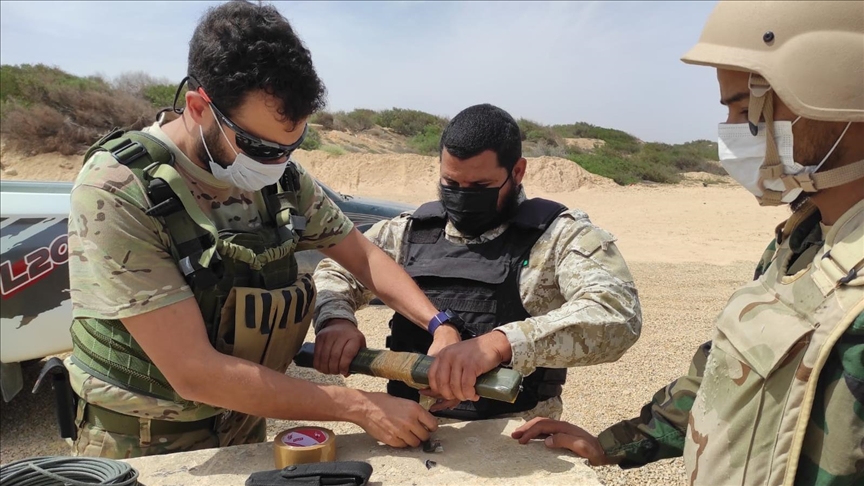
Türkiye said on Saturday that it will “resolutely” continue to fulfill its responsibilities at both the regional and global levels, guided by a humanitarian approach, in its efforts to combat the threat of mines.
🇺🇦 Ukraine: Center urges creation of single demining authority to curb corruption

Full control over humanitarian demining should be carried out by a single body to reduce corruption risks and ensure accountability at every stage of the work. The Center for Humanitarian Demining states that preventing corruption requires a single vertical of governance that only one structure can provide.
🌍 High-Level Mine Action Events in Geneva Highlight Growing Civilian Risk from Explosive Ordnance

Geneva remains a central hub for humanitarian mine action, bringing together governments, international organisations and expert practitioners. Two major events taking place in Geneva this April will address the growing scale and complexity of explosive ordnance contamination:
Ukraine Mine Action Partner Coordination Workshop (20-21 April) Bringing together Ukrainian authorities, donors and technical partners to align international support with Ukraine’s national mine action strategy. Large areas of agricultural land remain contaminated, with 38% of frontline agricultural enterprises reporting explosive ordnance risks, affecting both local livelihoods and global food supply. The event is co-hosted by the Ministry of Economy, Environment and Agriculture of Ukraine and the Geneva International Centre for Humanitarian Demining (GICHD) .
29th International Meeting of Mine Action National Directors and UN Advisers (22-24 April) The largest annual global gathering on mine action, convening decision-makers and practitioners to address emerging challenges, share best practices and strengthen international cooperation. The event is co-hosted by the Geneva International Centre for Humanitarian Demining (GICHD) and United Nations Mine Action Service (UNMAS) and made possible by the support of Switzerland.
🌍 Mine Ban Treaty Achieves Progress amid Challenges
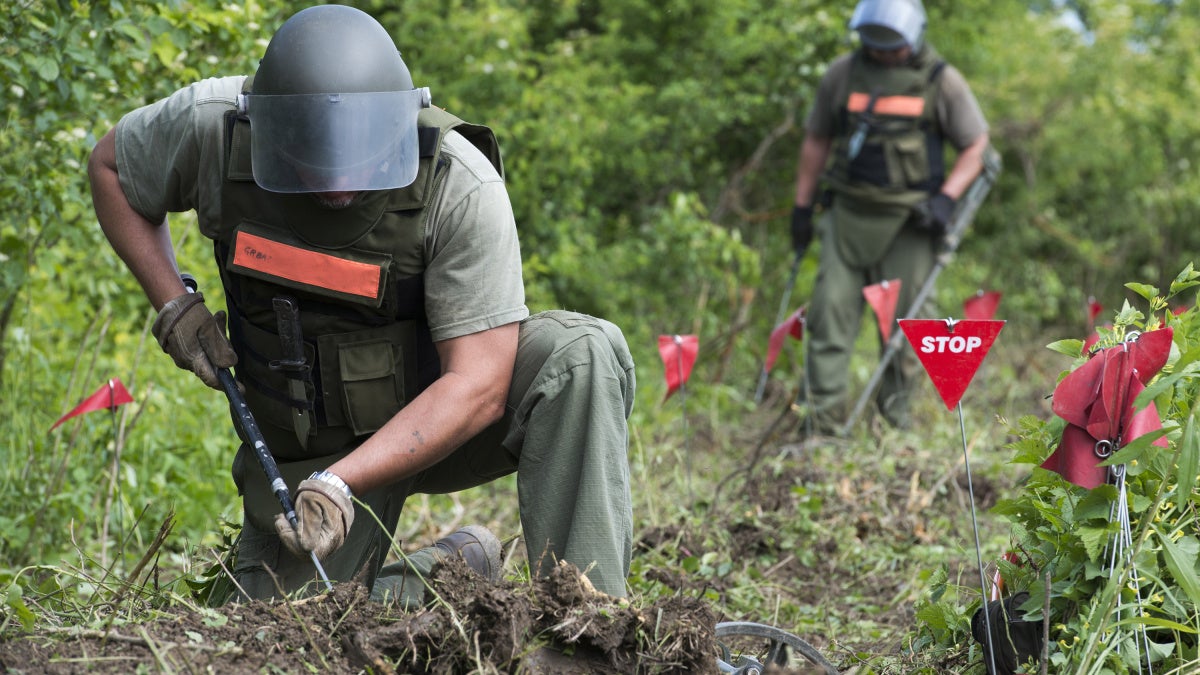
Croatia’s declaration as mine-free after a 30-year, $1.38 billion clearance effort highlights the Mine Ban Treaty’s impact in restoring land, enabling returns, and supporting development. However, Human Rights Watch warns progress is threatened by renewed mine use and countries considering withdrawal, undermining humanitarian gains and the global norm banning antipersonnel landmines.
🌍 Why Nordic governments must uphold the global ban on anti-personnel mines
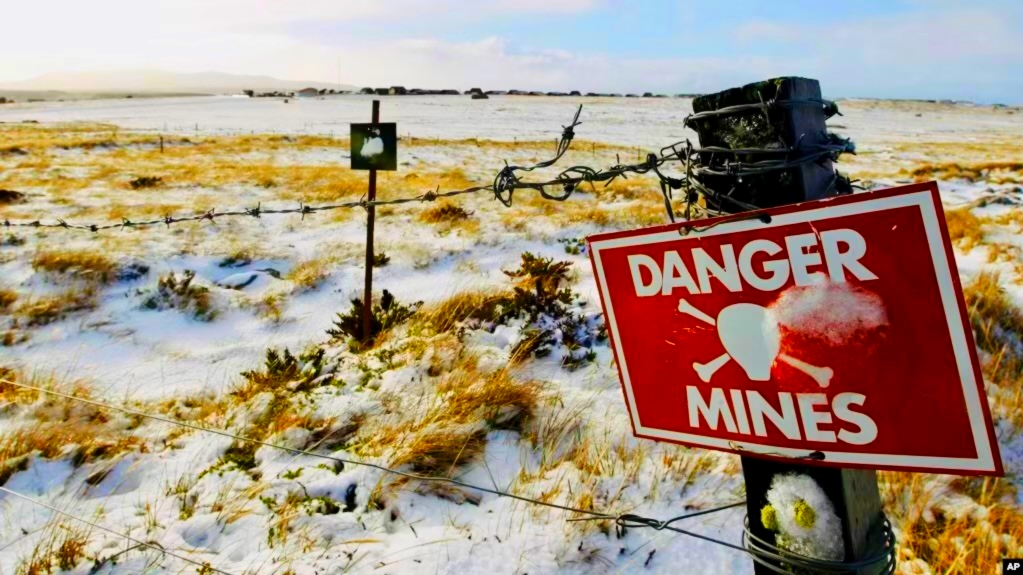
In this article, the Secretaries-General of the Danish, Finnish, Norwegian and Swedish Red Cross Societies argue that withdrawing from the Anti-Personnel Mine Ban Convention would not enhance security but risk weakening civilian protection and eroding long-standing humanitarian norms. Drawing on legal, operational and humanitarian considerations, they show that anti-personnel mines remain inherently indiscriminate and of limited military utility, and that their prohibition is fully compatible with modern military cooperation frameworks. They call on the remaining Nordic governments to remain committed to the Convention even – and especially – in times of heightened insecurity.
🌍 Anti-Landmine Day: Handicap International warns of a rising number of anti-personnel mines

On International Mine Awareness Day on April 4, Handicap International - Humanity & Inclusion is drawing attention to the increasing use of landmines in current conflicts. The Ottawa Convention banning anti-personnel mines must be upheld, Handicap International says.
🌍 ☮️ International Day for Mine Awareness and Assistance in Mine Action – 4 April 2026
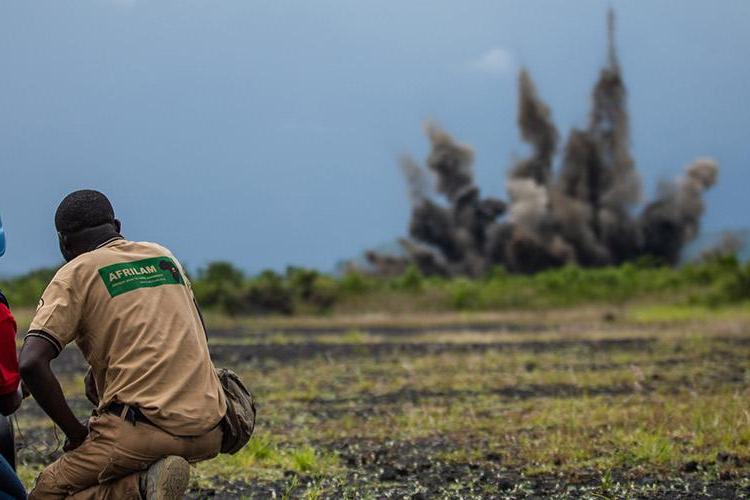
The world marks the International Day for Mine Awareness and Assistance in Mine Action on 4 April, reaffirming the essential role mine action plays in securing peace, enabling recovery, and driving sustainable development. On this international day, the United Nations Mine Action Service (UNMAS), United Nations Development Programme (UNDP), United Nations Office for Disarmament Affairs (UNODA), UN Office for Project Services (UNOPS), Geneva International Centre for Humanitarian Demining (GICHD), FSD (Fondation suisse de déminage), Handicap International Suisse - Schweiz, and the International Campaign to Ban Landmines - Cluster Munition Coalition (ICBL-CMC) call on governments, donors, and partners to reinforce support for mine action and to champion the international agreements that guide it.
🌍 🇺🇳 International Mine Awareness Day 2026
On 8 December 2005, the General Assembly declared that 4 April of each year shall be observed as the International Day for Mine Awareness and Assistance in Mine Action. For over 20 years, the work of the United Nations Mine Action Service (UNMAS) has been driven by the needs of affected people and tailored to the threat of explosive hazards faced by civilians, peacekeepers and humanitarians.
5. Stockpile Destruction, Demolition, WAM and Disarmament
🇧🇮 Burundi: MAG Statement on Deadly Explosion of Ammunition Depot

Following the deadly explosion of a military ammunition depot in Bujumbura, Burundi, MAG (Mines Advisory Group) is currently exploring options to deploy and conduct an assessment as soon as it is feasible to do so, in coordination with national authorities and partners. At least 13 people have been killed and 57 injured after ammunition exploded at a military base located in a densely populated area of the capital city.
6. Research, Innovation, Technology and Market Trends
🇮🇳 India: Kanpur’s DMSRDE unveils boots that shield soldiers from landmine explosions & sharp spikes!

Scientists from DRDO’s Defence Materials and Stores Research and Development Establishment (DMSRDE) in Kanpur have developed specialised boots to protect soldiers in landmine-prone areas and Naxal-affected forests. Developed after three years of research, these boots provide protection against both landmine explosions and sharp spikes hidden in the terrain.
🇸🇾 Syria: The Hidden Price of War: How AI is Being Used to Support Assistance to Landmine Victims
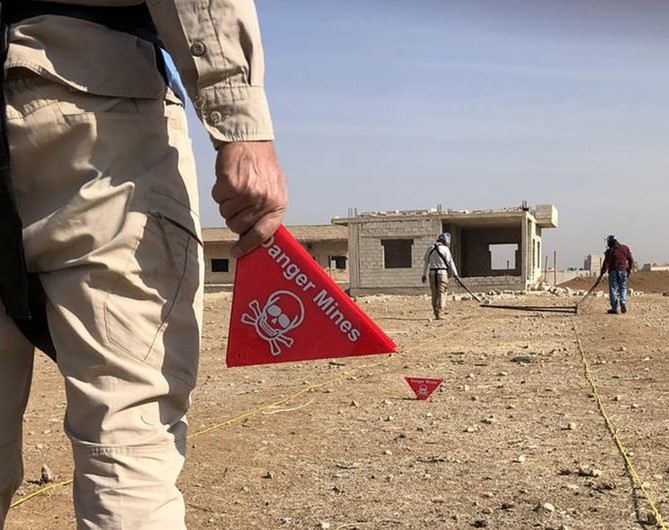
AI analysis is being used in Syria to estimate long-term assistance costs for landmine and explosive-ordnance victims, modelling injuries, rehabilitation needs, prosthetics, and socioeconomic impacts. The approach helps humanitarian planners quantify funding gaps, prioritize services, and demonstrate that survivor support requires sustained, multi-year investment beyond immediate emergency response.
🇺🇦 Ukraine launches national mine-action platform to coordinate research and innovation

The Ministry of Defense has started work on creating a national mine-action platform, which will become a new instrument for coordinating research and innovation in this field. The goal of the initiative is to form an integrated science-and-innovation platform that brings together in a single system researchers, operators, manufacturers, analysts, and government partners to effectively manage knowledge and implement innovations in the mine-action sphere.
The Minesight Innovation Challenge is looking for solutions that reduce manual work, operate in real field conditions, increase safety for deminers, and can scale for real deployment. Selected teams will receive funding for prototype development, mentorship from mine action experts, access to field testing, and pathways to deployment. Register for the Kick-Off event by April 8.
🇬🇧 United Kingdom: British Army tests drone and AI system for mine clearance

The British army has tested a technology using drones and artificial intelligence to detect mines and explosive devices. It is noted that the technology allows you to quickly find threats and helps sappers to safely neutralise them. The tests confirmed that AI models can quickly retrain, recognise new types of threats and operate in different conditions. Read more here.
🇺🇸 United States: ZenaTech Unveils 'IQ Aqua' Underwater Drone To Fight Undersea Mines

ZenaTech Inc. on Tuesday announced its ZenaDrone subsidiary has developed the IQ Aqua prototype. It is an autonomous underwater vehicle (AUV) prototype intended for multiple underwater use cases across defense and commercial markets, including, importantly, undersea mine detection in a military context.
Although women-led models in risk education have proven effective, further efforts are needed to ensure more meaningful and substantive participation by women, particularly in enabling vulnerable groups to access the full benefits of mine action initiatives.
🌍 As technology transforms warfare, HALO deploys AI, drones and robots to save lives
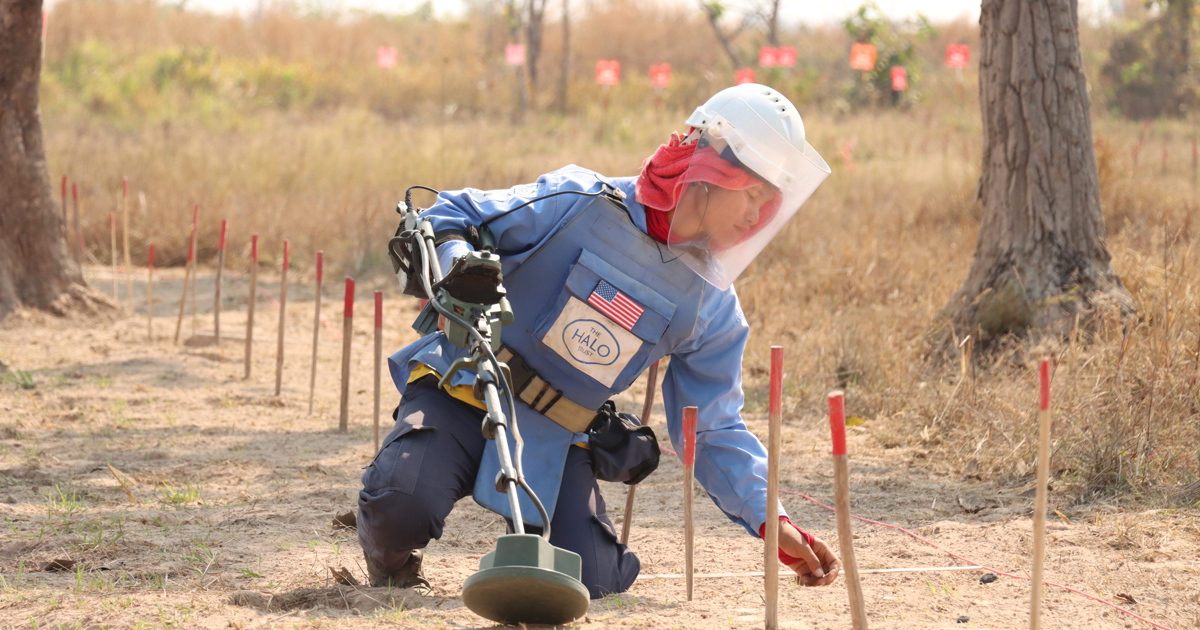
Experts at The HALO Trust are pioneering innovative technology to detect and clear mines and other explosive remnants of war all over the world. From AI-powered drones that identify mines from the air to robots that clear tripwires designed to trigger explosives, the technology reduces the risk to HALO's deminers and speeds up their life-saving work.
🌍 New technology could dramatically speed up landmine clearance
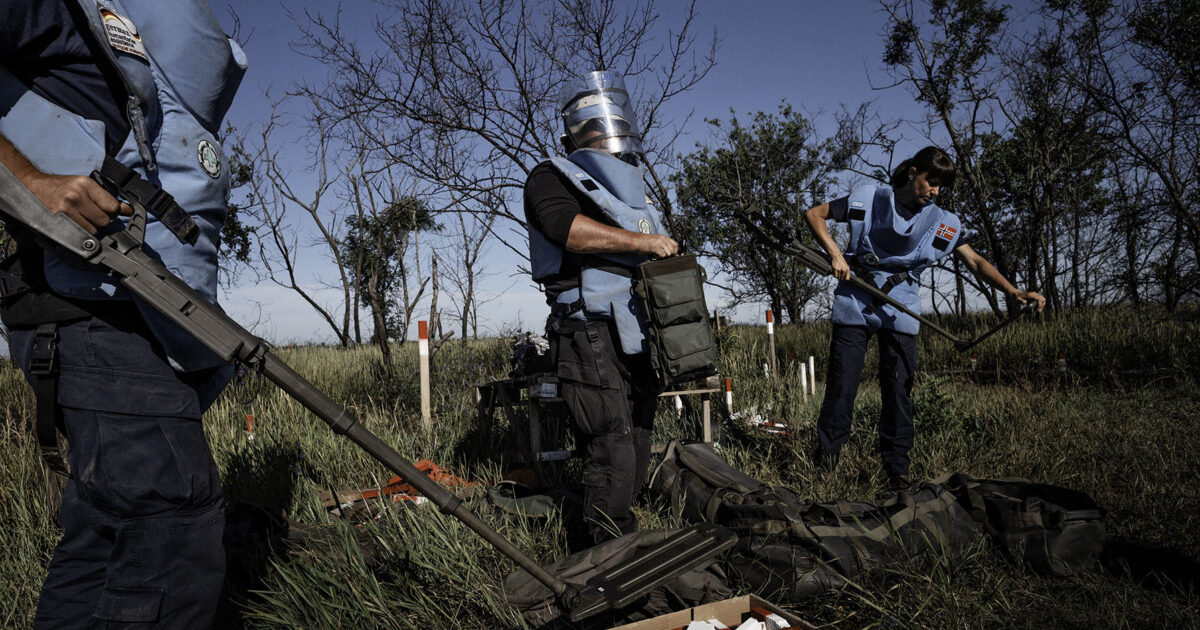
New detection technology under development could significantly improve the efficiency of humanitarian mine clearance. By detecting the explosive content inside landmines – rather than simply metal in the ground – the innovation aims to reduce false signals and help return land to communities faster.
🌍 Deminers race to keep up with military technology
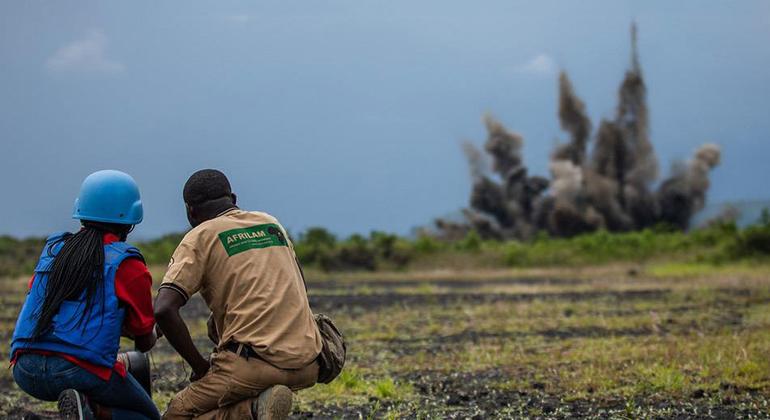
In conflict zones where new technologies are making landmines more dangerous, deminers must innovate at the same pace to avoid being left behind, according to UN mine action adviser Paul Heslop.
🌍 AI will not replace sappers anytime soon
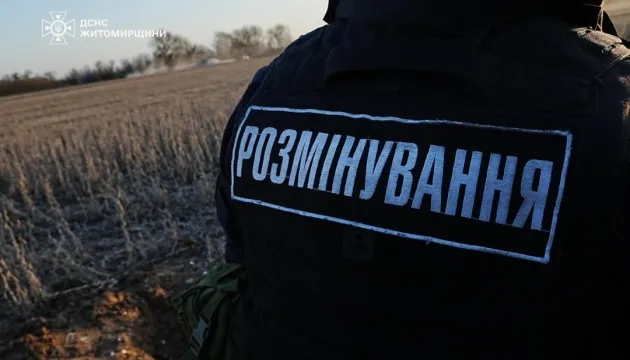
Artificial intelligence is already helping sappers work faster, but it will not be able to fully replace them in the near future. The final decision and verification of cleared areas still remain the responsibility of humans. This was stated in an interview with Ukrinform by Volodymyr Baida, director of the Humanitarian Demining Center.
7. Mine Action Assistance, Funding and Cooperation
🇦🇫 Afghanistan: UN Expert Calls for Urgent Funding for Mine Action in Afghanistan Amid Civilian Casualties
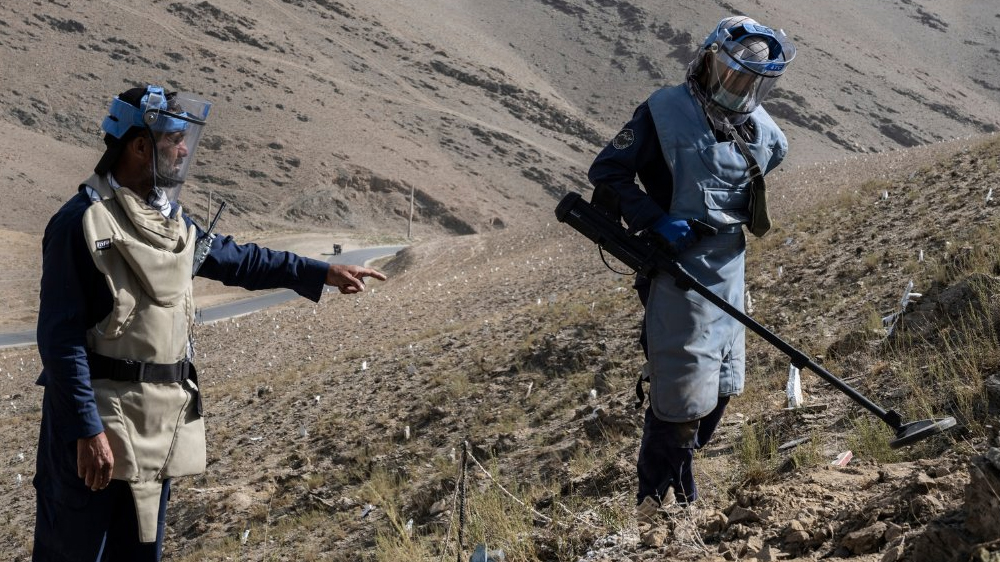
Richard Bennett, the UN Special Rapporteur on human rights in Afghanistan, called for urgent and sustained international funding for mine clearance and awareness programs in Afghanistan, citing ongoing civilian casualties, particularly among children.
The United Nations Office for the Coordination of Humanitarian Affairs (United Nations OCHA) says that $14.5 million in funding is needed for mine clearance and risk education in Afghanistan.
Belgium fully intends to take part, "for example with demining forces", in the protection and stabilisation in the Strait of Hormuz, within an international coalition and after a period of stability, Foreign Minister Maxime Prévot confirmed on Monday.
🇱🇧 🇺🇳 Lebanon’s Defense Minister signs mine action support agreement with UNDP and donor countries
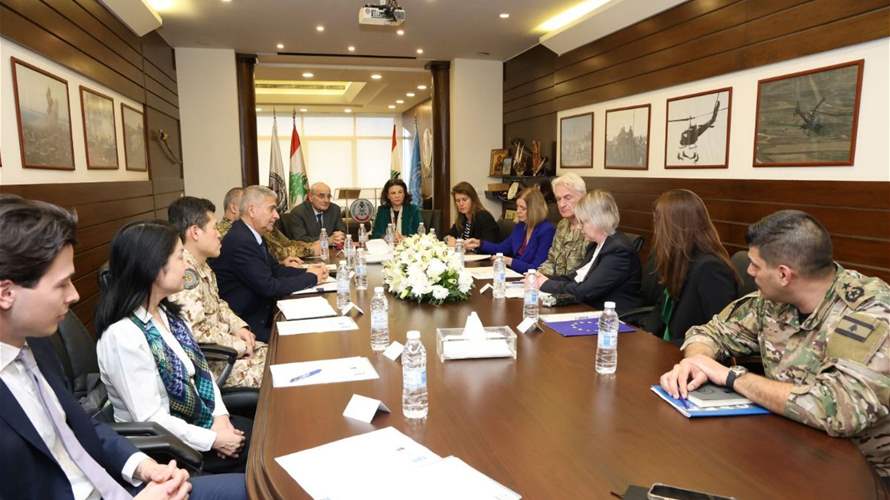
Lebanon’s Defense Minister Michel Menassa met at his office in Yarzeh on with the Resident Representative of the United Nations Development Program in Lebanon, Blerta Aliko. During the meeting, a support agreement was signed for the Lebanese Mine Action Center covering the period from 2026 to 2030.
🇸🇦 Saudi aid agency behind $294m mine-clearance programs
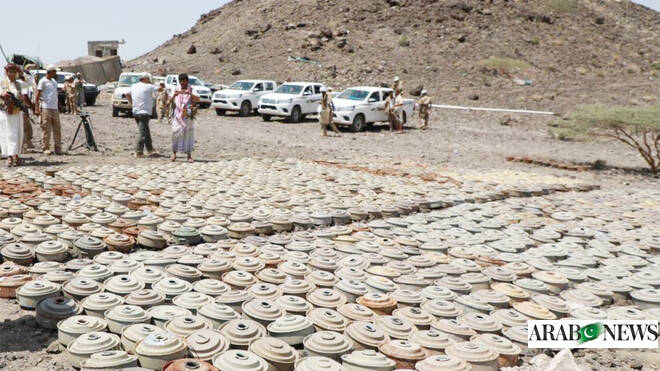
The Saudi aid agency KSrelief has implemented mine-clearance projects in Yemen, Azerbaijan and Iraq at a cost of more than $294 million. The Masam Landmine Clearance Project - Yemen, which is dedicated to clearing landmines, unexploded ordnance and improvised explosive devices planted indiscriminately across Yemen, accounts for the lion’s share of the funding, at more than $290 million.
Switzerland expanded humanitarian mine action in 2025, spending about CHF 46 million under its 2023–26 action plan. Activities focused on promoting treaty norms, supporting clearance and national capacities, and innovation, with a special emphasis on Ukraine. Switzerland funded projects, seconded experts to multiple regions, and supported risk education, victim assistance, and sustainable recovery.
🇺🇦 🇪🇺 Ukraine: EU provides over €360 million for demining efforts in Ukraine since 2022

The European Union and its member states have provided more than 360 million euros in support of demining efforts in Ukraine since 2022, APA reports. This was stated in the EU’s statement on the International Day for Mine Awareness and Assistance in Mine Action. The statement emphasised that as the largest donor in Ukraine, the EU supports specialised equipment, detection dogs, and the clearance and restoration of land contaminated by explosive remnants of war.
8. Other News
🇰🇭 Cambodia unveils statue to honour famous landmine-sniffing rat

A famous mine-clearing rat, who was awarded a gold medal for his heroism, has been commemorated with the world's first statue dedicated to a landmine-detecting rat. Magawa, who lived to eight years old, sniffed out over 100 landmines and other explosives in Cambodia during his five-year career that started in 2016.
🇸🇩 Sudan: Women on the frontline: meet the Sudanese women saving lives through mine action
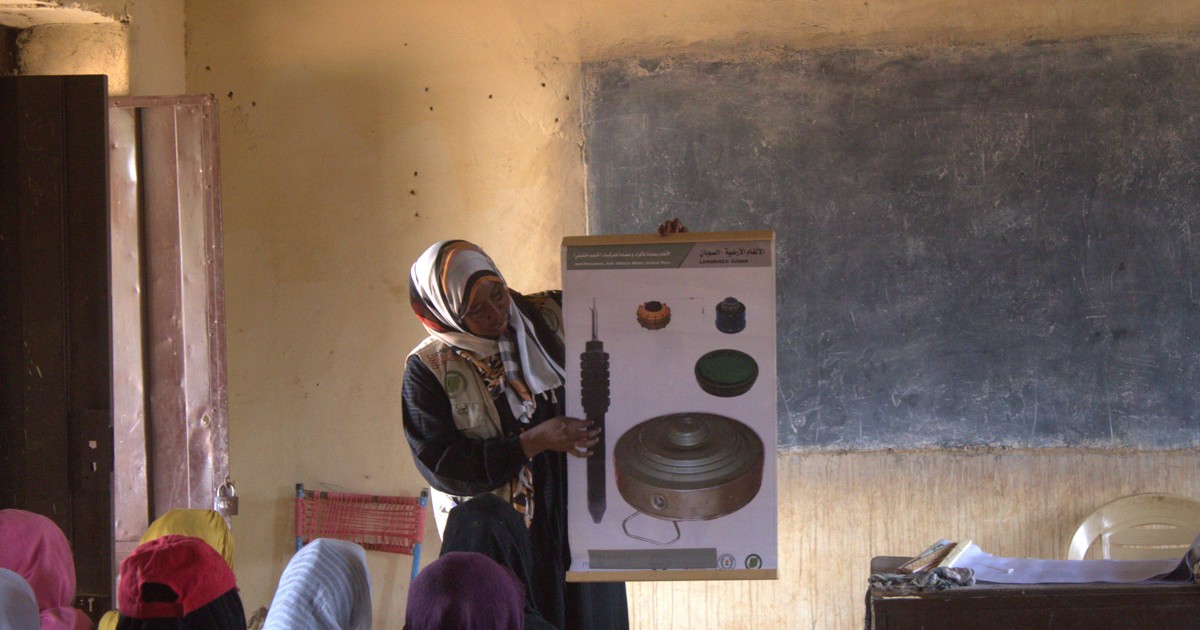
Sudanese women working with Danish Refugee Council / Dansk Flygtningehjælp / NUMAD serve as deminers, community liaison officers, and risk-education trainers addressing explosive ordnance threats. Motivated by displacement and injuries in their communities, they conduct clearance support, deliver safety sessions, and coordinate with residents. Their participation strengthens trust, improves outreach, and helps protect civilians from mines and unexploded ordnance.
🇬🇧 United Kingdom: Unseen footage of Princess Diana during controversial landmine trip just months before she died

Unseen footage of Princess Diana taken on a controversial trip just months before she died has been released for the very first time. The incredible behind-the-scenes video was filmed while Diana embarked on a landmark visit to Angola in January 1997 to campaign for a global landmine ban.
🎥 Videos
Ben Lark, Mine Action Programme Manager at UNDP, explains how UNDP Ukraine is leading a comprehensive 5-year mine action programme to address the extensive contamination of Ukraine with landmines, cluster munition remnants (CMRs), improvised explosive devices (IEDs), and explosive remnants of war (ERW).
On International Day for Mine Awareness and Assistance in Mine Action, United Nations Mission In South Sudan (UNMISS) reflect on the many lives lost as well as those who can look forward to a brighter future thanks to ordinance clearing efforts by United Nations Mine Action Service (UNMAS) and partners in South Sudan.
Syria’s new chapter is beginning — but beneath the soil of war, landmines and explosive remnants still threaten every step toward recovery, reconstruction, and economic development.
Press Conference by Kazumi Ogawa, Director of the United Nations Mine Action Service (UNMAS), Paul Heslop, UNMAS Special Adviser to the Resident Coordinator and United Nations Country Team in Ukraine (both in-person) and Nick Pond, Chief of Mine Action Section for the United Nations Assistance Mission in Afghanistan (UNAMA) (virtual from Kabul), on the International Mine Awareness Day 2026 and the work going on in Ukraine and Afghanistan and beyond. Read more here.
United Nations Mine Action Service (UNMAS) Chief of Programmes Paul Heslop talks to CNN's Manisha Tank on International Day of Mine Awareness about demining.
A short film on United Nations Mine Action Service (UNMAS)'s work and how the organisation leads, coordinates and implements activities to mitigate the threat posed by mines, explosive remnants of war and improvised explosive devices.
Horizon in collaboration with IIFOMAS presents a documentary that examines the evolving landscape of humanitarian mine action in today’s complex conflict environment.
In this episode of the Team Ignition Show, Selema Masekela meets Kim Hughes GC CMgr FCMI - a bomb disposal expert who has spent his career defusing some of the most dangerous devices ever planted by human hands.
📅 Upcoming Events, Courses & Trainings
There are a number of interesting events for the mine action sector in the coming months, and some of the deadlines are approaching quickly.
Felix Connect is a dedicated networking event designed to bring together supporters, partners, and friends of Felix Fund - the bomb disposal charity. It’s a relaxed, welcoming space to connect, network, or simply catch up with familiar faces from across the EOD, Search, defence, and charity communities. The event will be held on 28 September in London. Learn more here.
In December 2026, Rogue Wave Atlantic Row 2026 are taking on ‘the world’s toughest row’ — a month-long, unsupported 3,000-mile expedition from the Canary Islands to Antigua in support of The HALO Trust’s life-saving work. To be part of the journey from the very start by joining the team for an unforgettable black-tie evening at Royal Windsor Racecourse (on Saturday 11 April, from 6pm) with a luxurious three-course dinner, inspiring speakers, auction, raffle, and the official handover of the team’s boat, learn more and get your tickets here.
The Mine Action: Innovation, Sustainability, and Global Partnerships speaker series is structured to address landmine and explosive remnants of war (ERW) challenges through a strictly humanitarian, civilian-protection-oriented framework, with clearly defined ethical, legal, and operational boundaries between humanitarian and military applications of technology. Dates are: FEB 19 | MAR 19 | APR 16 | MAY 21 | JUN 18 | JUL 16 | AUG 20 | SEP 17 | OCT 15 | NOV 19 | DEC 17. Time: 12:00 PM - 1:00 PM ET. Location: Virtual (Zoom Webinar). Register here.
The 29th Annual Meeting of Mine Action Directors and UN Advisers will take place at the Geneva International Conference Center from 22 to 24 April 2026. Learn more and register here.
The Geneva International Centre for Humanitarian Demining (GICHD)'s final IMSMA Global training course for 2026 is open for registration: 02 Nov 2026 - 06 Nov 2026 (Application deadline: 2 August 2026).
🔔 Always Stay in the Know – Never Miss an Update
This newsletter is subscribed to by over 3500+ dedicated readers on LinkedIn. To join this community of mine action professionals and supporters, go ahead and subscribe to the Mine Action Weekly newsletter. You can find all editions up to February 2026 on LinkedIn, and from March 2026 onwards here on Mine Action News.
Please reach out to me if there are any mine action news, journal articles, events, or updates that you would like to suggest for the next edition of Mine Action Weekly. You can find (and follow / connect with) me here. See you next Monday!