Mine Action Weekly, 24 - 30 August 2026

Updated: Sep 2
This week’s Mine Action Weekly explores a sector balancing significant progress with persistent and evolving threats. From major clearance efforts in Azerbaijan, Syria and Yemen to Ukraine’s demining reforms, new funding commitments and advances in drone and AI technology, this week's newsletter examine how mine action is adapting to increasingly complex challenges while keeping civilian protection, recovery and resilience at its core.

Disclaimers:
This newsletter features news reports and articles from a variety of sources. Mention of these resources does not indicate agreement with or endorsement of the opinions of others. I do not claim responsibility or credit for these works, and do not vouch for the information contained in them.
This newsletter is created and managed in a personal capacity, independent of my professional affiliation with Fondation suisse de déminage (FSD).
🗞️ Weekly News Roundup
The weekly news roundup showcases a low-down of the top mine action news and insights from the past seven days.
1. EO Contamination, Clearance & Land Release
🇦🇿 Azerbaijan: ANAMA: 661 mines and unexploded ordnances neutralised over past week
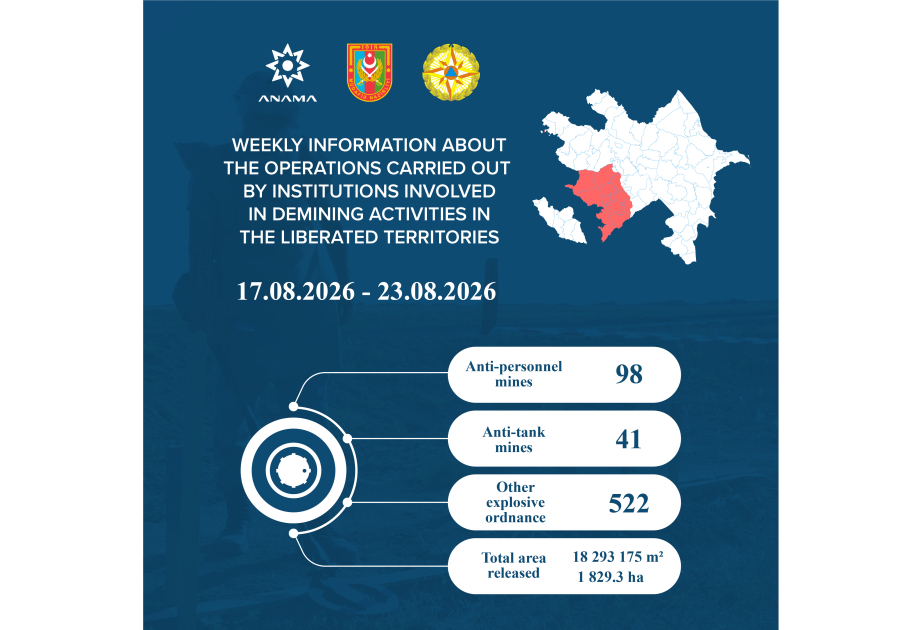
During mine-clearing operations, a total of 98 anti-personnel mines, 41 anti-tank mines, and 522 unexploded ordnances (UXOs) were detected and neutralised from August 17 to 23, the Azerbaijan Mine Action Agency (ANAMA) said in a statement. The agency noted that a total of 1,829.3 hectares of territory had been cleared of mines and UXOs during the reporting period.
🇧🇬 Bulgaria: 53 unexploded ordnance and 1070 kg of metal debris were found in the EMKO area after the explosion at the plant near Tryavna

Bulgarian Armed Forces personnel continue clearing the area around the EMKO ammunition plant near Tryavna following the August 10 explosions. A specialised engineering group has processed 398 of 566 decares, finding 53 unexploded ordnance items and 1,070 kg of metal debris. Seventeen military personnel and one civilian are involved in securing and clearing the site.
🇮🇷 🇴🇲 🌊 Iran and Oman discuss joint shipping route in Strait of Hormuz and mine clearing mission

Oman and Iran are discussing a temporary joint shipping corridor in Hormuz as a precursor to a permanent arrangement to administer the strait. They also discussed a mission to clear mines from Hormuz, contradicting earlier statements from President Donald Trump that the mines were removed.
Free Burma Rangers (FBR) is expanding its lifesaving aid in Burma (also called Myanmar) with a groundbreaking project to clear landmines. FBR volunteer and former Navy bomb technician Jonathan Moss recalled his surprise the first time he helped locals clear a minefield: “When we got there, it wasn’t a minefield like I was expecting — it was a church, and there were mines everywhere.”
🇸🇾 Syria: Explosive Contamination Makes Refugee Return Increasingly Unsafe
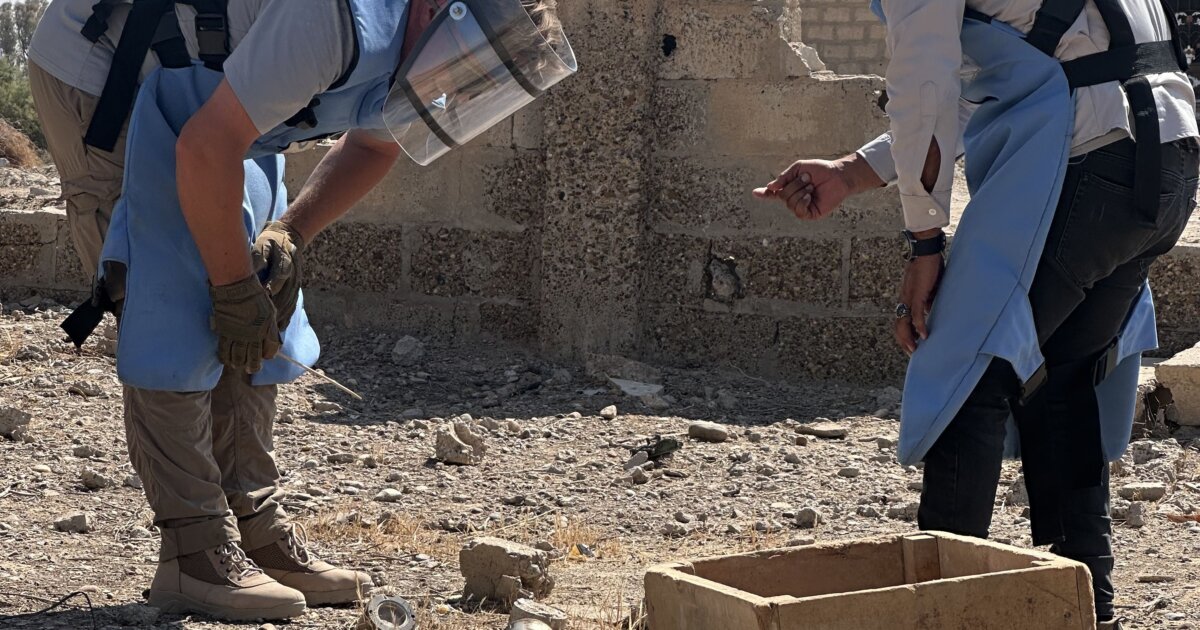
Syria’s ongoing explosive contamination is undermining the safe return of refugees and displaced people, particularly in northern and eastern regions. Since December 2024, explosives have reportedly killed 841 people and injured 1,534, while renewed fighting and flooding have disrupted clearance operations. Humanity & Inclusion (HI) continues clearance and EOD activities in heavily contaminated areas such as Deir ez-Zor.
🇸🇾 Syria’s hidden war: Landmines continue to claim lives

Landmines and explosive remnants continue to cause civilian deaths and restrict access to agricultural land across Syria. In the first half of 2026, the Ministry of Emergency and Disaster Management conducted 981 UXO-removal operations, while Defence Ministry engineering teams destroyed 1,500 landmines near Qarah in August. Agricultural and grazing areas account for around 63% of recorded explosive-ordnance incidents.
🇸🇾 Syria: Clearing the Way for Safer Communities: Restoring Access to Water and Livelihoods in Rural Damascus
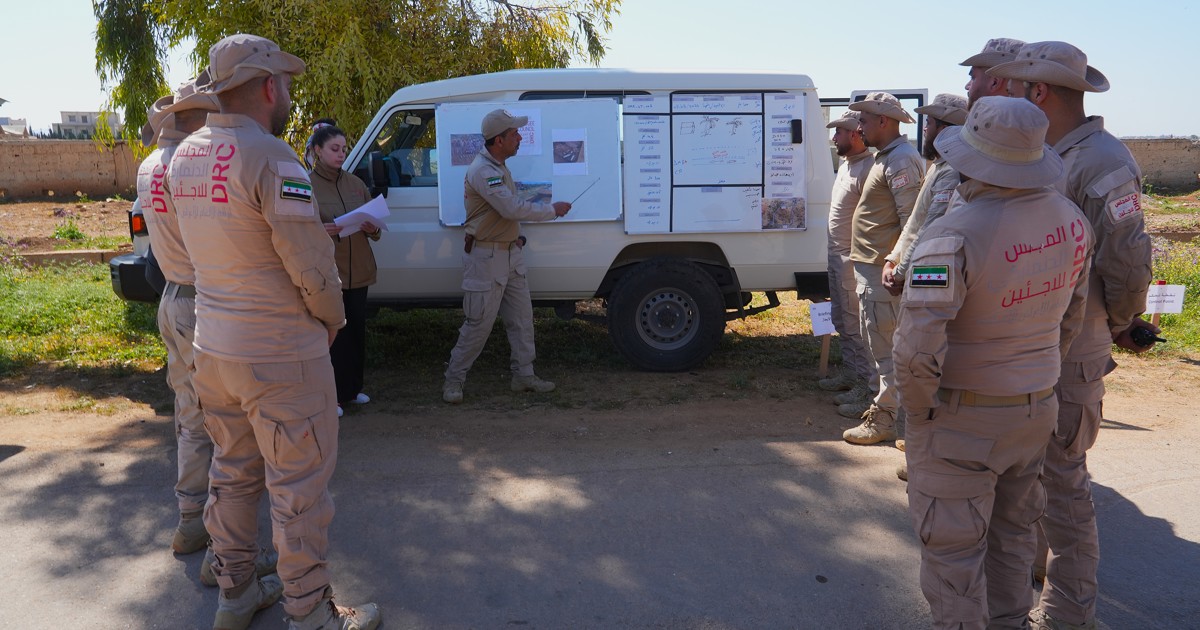
Danish Refugee Council (DRC) teams identified explosive ordnance submerged in an irrigation channel in Deir Khabiyeh, Rural Damascus, threatening farmers, livestock and vital water infrastructure. Following risk education and coordination with authorities, DRC’s EOD teams safely removed the projectile in line with IMAS, restoring safe access to the canal and enabling agricultural activities to resume.
UNDP's R.E.V.I.V.E Phase II project will deliver debris removal, mine action, infrastructure rehabilitation, and livelihoods support across Aleppo, Deir-ez-Zor and Idleb governorates. The project will clear around 450,000 metric tons of debris, restore access to essential services and infrastructure, and generate emergency employment opportunities, while strengthening community dialogue and local recovery planning. It is expected to directly benefit 194,490 people and indirectly reach over 1.2 million people.
🇺🇦 Ukraine to launch demining agency to take over functions from the State Emergency Service

Ukraine plans to establish a dedicated State Agency for Humanitarian Demining, transferring humanitarian demining functions currently performed by the State Emergency Service of Ukraine (SESU). The reform aims to centralise management of mine action, improve coordination and accelerate clearance, as delays in the Unified State Register of Contaminated Areas continue to hinder demining and the return of agricultural land to productive use.
🇺🇦 Ukraine: Billions for demining, but no register. What is slowing down the clearance of Ukrainian lands?

The actual area of potentially mined territories in Ukraine is 250,000 square kilometres, which is comparable to the size of Romania or Great Britain. But through the chaos government agencies are unable to formalise the scale of the problem into a registry, which understandable foreign partners who are ready to fund demining. Meanwhile, farmers independently clearing their fields of the filth of war, risking not only their lives but also exposing themselves to criminal liability and shutting off access to loans.
🇺🇦 Ukraine: The Institute of Potato Research of NAAS resumes operations on Land cleared by UDS
Last year, UDS carried out the demining of particularly valuable land belonging to the Institute of Potato Research in Kyiv region. At the time, UDS sappers conducted a non-technical survey of 434.5 hectares and cleared and demined 235.6 hectares. According to Mykola Furdyha, Director of the Institute, the research institution in the settlement of Nemishaieve has fully resumed its activities after 800 hectares of land were cleared of mines and is returning to its pre-war level of operations.
Antonina, a Ukrainian humanitarian deminer, is helping clear mines and explosives left behind by the war. "The fields where we previously worked are being cultivated by farmers, and there are a field of sunflowers where the mines were," Antonina said, who works with the Mines Advisory Group (MAG).
🇺🇦 Ukraine: Demined fields brought Ukrainian farmers almost UAH 1 billion in income per year

According to estimates by the Ministry of Economy, the hectares returned to use after demining generated 120 million hryvnias in land tax revenue for local budgets in 2025. This amount applies only to those fields that received certification.
In the village of Hrakove in the Kharkiv region, humanitarian demining of the area contaminated with explosive ordnance after the occupation has been completed. Funding for the clearance was raised through the state fundraising platform UNITED24 as part of the “Step by Step” initiative, the Ministry of Economy and Natural Resources reported.
🇺🇦 Ukraine: Why Illegal Landmine Clearance Thrives in Ukraine

With an estimated 470,000 hectares of contaminated agricultural land, Ukraine faces growing pressure to restore farmland quickly. A portion is being cleared outside the formal humanitarian demining system, with unofficial operations reportedly accounting for 50–70% of demining work. The practice raises concerns over safety, quality assurance, and compliance with established mine action procedures.
🇺🇸 🌊 US forces ‘got the job done’ in clearing mines from Strait of Hormuz, CENTCOM boss says

Iranian sea mines have been cleared from transit routes in the Strait of Hormuz, the top U.S. commander in the region said Friday in a social media post that praised the “incredible work of the U.S. military.” Navy divers and SEALs working in conjunction with air support from the Army, Air Force, Marines and Navy removed the deadly weapons from the vital commercial waterway, U.S. Central Command leader Adm. Brad Cooper said.
🇾🇪 Yemen: Saudi project clears 1,836 explosive devices in Yemen
Teams working on Saudi Arabia’s Masam project removed 1,836 explosive devices from various regions of Yemen last week. The devices included 1,792 unexploded ordnances, 25 anti-tank mines 13 anti-personnel mines, and six improvised explosive devices. The explosives had been planted indiscriminately across the country, posing a threat to civilians, including children, women, and the elderly.
🇾🇪 Yemen: Project Masam clears 10,099 explosive threats in Yemen in August 2026
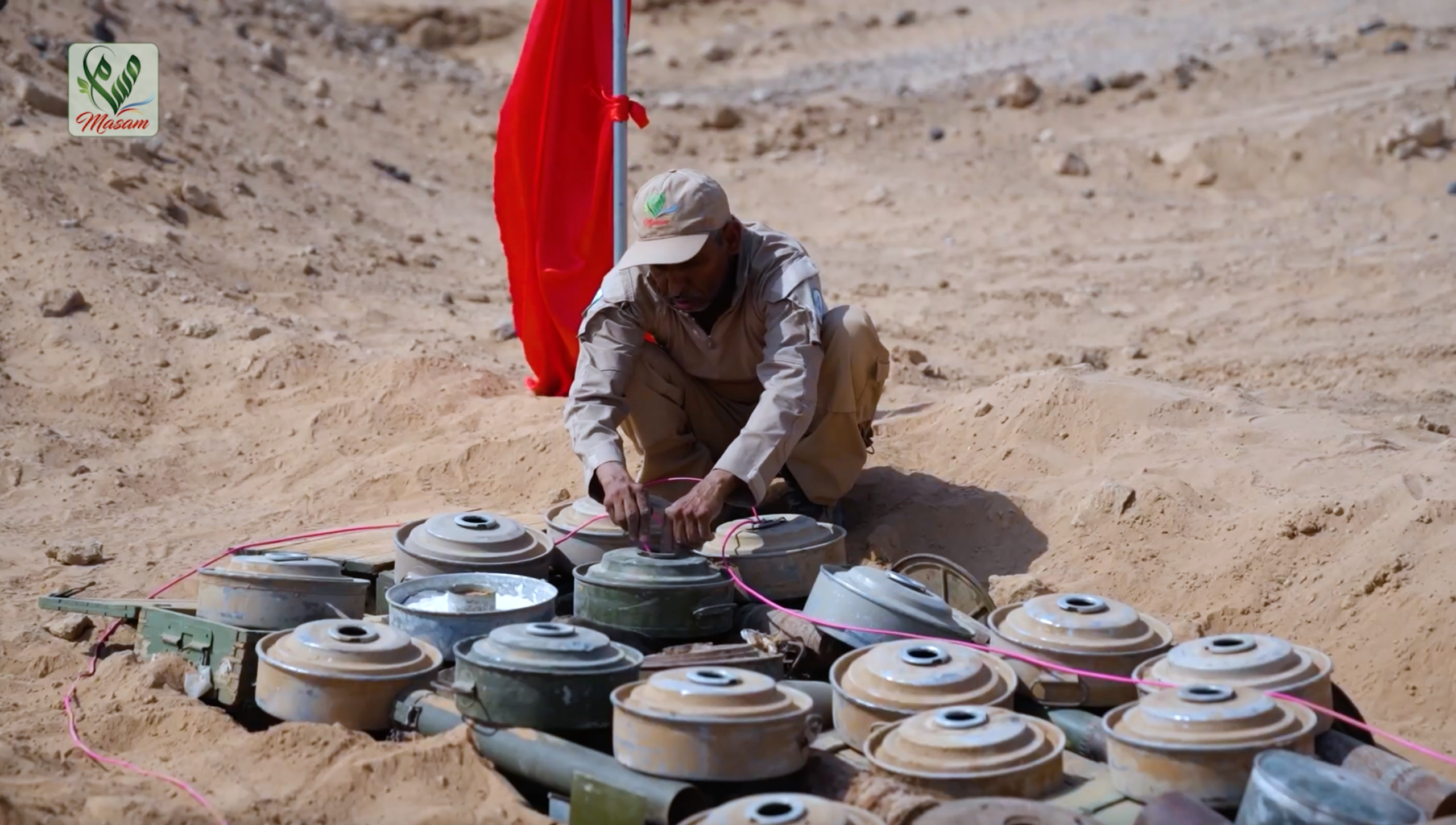
Project Masam demining teams cleared 10,099 landmines and other explosive hazards across Yemen between 1 and 28 August 2026, continuing efforts to reduce explosive threats and protect civilians in contaminated areas. According to the latest operational figures, the items removed during August include 71 anti-personnel mines, 191 anti-tank mines, 9,782 items of unexploded ordnance (UXO), and 55 improvised explosive devices (IEDs). During the same period, Project Masam teams cleared 1,271,345 square metres of land.
🌍 Why land mines are back in force despite international bans
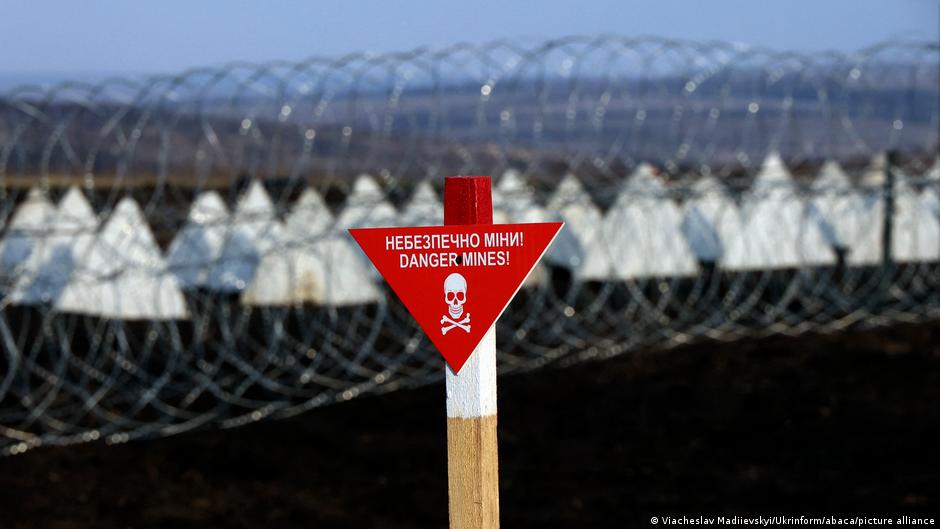
The Anti-Personal Mine Ban Convention banning anti-personnel landmines faces renewed pressure as several European countries reconsider their commitments amid changing security concerns and the war in Ukraine. The debate highlights tensions between maintaining the international norm against landmines and governments’ arguments that they may need such weapons for national defence.
Wildfires across Europe are exposing and potentially destabilising unexploded ordnance (UXO) left from both World Wars. In Belgium, bomb disposal teams respond to around 3,000 incidents annually, recovering 200–250 tonnes of wartime munitions. Fires in historically contaminated areas are forcing emergency services to adapt firefighting tactics because heat can affect ageing fuses.
Other EO Finds from Around the Globe:
🇬🇷 Greece: Forest fire in Agia Anna burns six hectares, unexploded shell found
🇯🇵 Japan: 18th Wing disposes unexploded ordnance during Operation Sentinel Samurai
🇵🇱 Poland: ‘Deadly threat’: Worker finds 10 unexploded WWII artillery shells in Poland
🇸🇰 Slovakia: Magnet fisher pulls 1,500-pound unexploded World War II mine from the Danube in Slovakia
🇬🇧 United Kingdom: Rexburg street reopens after WWII-era hand grenade discovery
🇬🇧 United Kingdom: Police called to beach following reports of 'unexploded ordnance'
2. Explosive Ordnance Risk Education (EORE)
3. Accidents, Survivors, Victim Assistance
🇸🇸 South Sudan: Overcoming war’s legacy: learning to walk again at a South Sudan clinic

After decades of sporadic conflict in South Sudan, many civilians have been left with life-changing injuries from gunshots and landmines. The country also has high rates of disability resulting from disease and snake bites. Kieran Seager of the International Committee of the Red Cross followed patients and staff at a centre in the country’s capital, Juba, documenting the process of physical rehabilitation.
SOHR activists have documented the death of 16 people and injury of 41 others since the beginning of August, due to the explosion of war remnants, landmines and explosive objects, amid severe injuries and cases of amputation. The toll suggests the continuation of the danger represented by the war remnants, even in areas that witnessed the end of militar operations, where cases were documented in countryside of Idlib, Damascus, Homs, Deir Ezzor, Hama and Daraa.
🇸🇾 Syria: War remnants kill more than 240 in Syria, 21 in Rojava: Watchdog
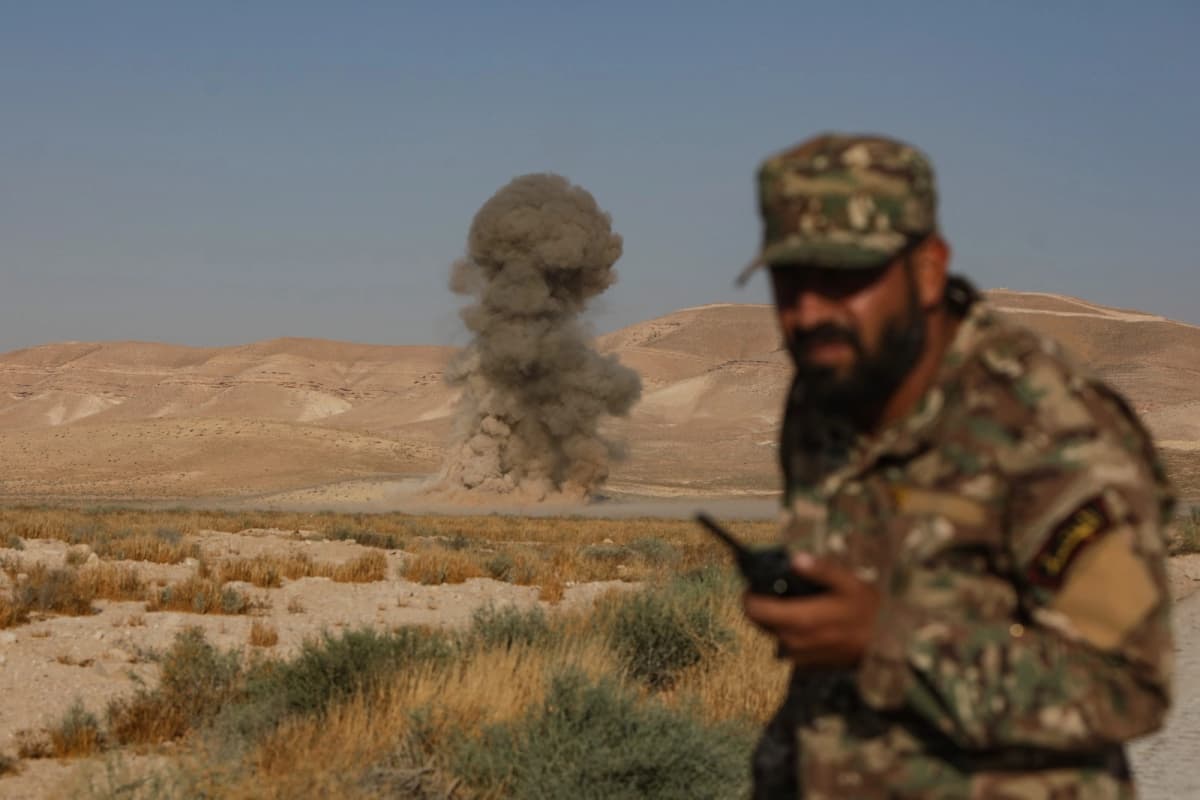
At least 242 people have been killed and 370 injured across Syria since the start of 2026 by mines, unexploded ordnance and other remnants of war, a human rights watchdog said Monday, recording around 21 people killed and 20 injured in Rojava. Read more here.
🇺🇦 Ukraine: Seventeen farmers have been killed in the Kherson region since the war began

Farmers in the Kherson region have faced severe risks during the war, with 17 farmers reportedly killed. Explosive contamination has also made agricultural work particularly dangerous, restricting access to farmland and threatening machinery operators. The losses underline the impact of the conflict on Ukraine’s agricultural sector and the importance of continued humanitarian demining to restore safe access to farmland.
Other EO Accidents from Around the Globe:
4. Advocacy, Policy, Conventions, Strategies and Standards
Cambodia will officially launch its National Policy on Mine Action 2026-2035 on September 2, providing a 10-year roadmap for mine action and victim assistance. The policy was approved by the Council of Ministers during its plenary session on April 23, according to the Cambodian Mine Action and Victim Assistance Authority (CMAA).
🇱🇦 Laos Ready to Host 3rd Meeting of Convention on Cluster Munitions
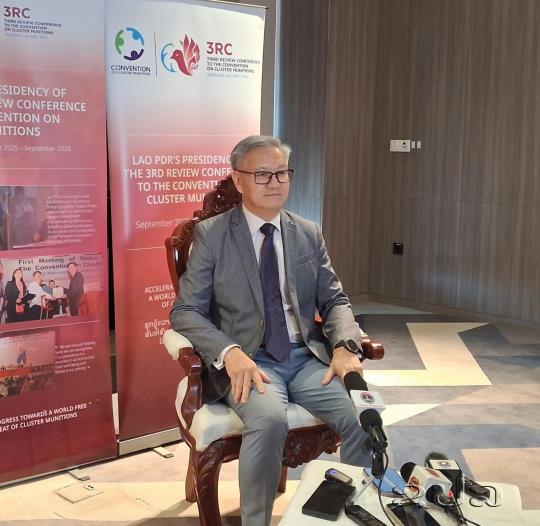
The Lao PDR is fully prepared to host the Third Meeting of States Parties to the Convention on Cluster Munitions (CCM) in Vientiane from September 13–18, 2026, providing an important international platform to strengthen efforts to address the continuing humanitarian impact of unexploded ordnance (UXO).
🇳🇬 Nigeria: “Peace is not only the end of fighting”: UN Peace Advocate Visits UNMAS Programmes in Nigeria
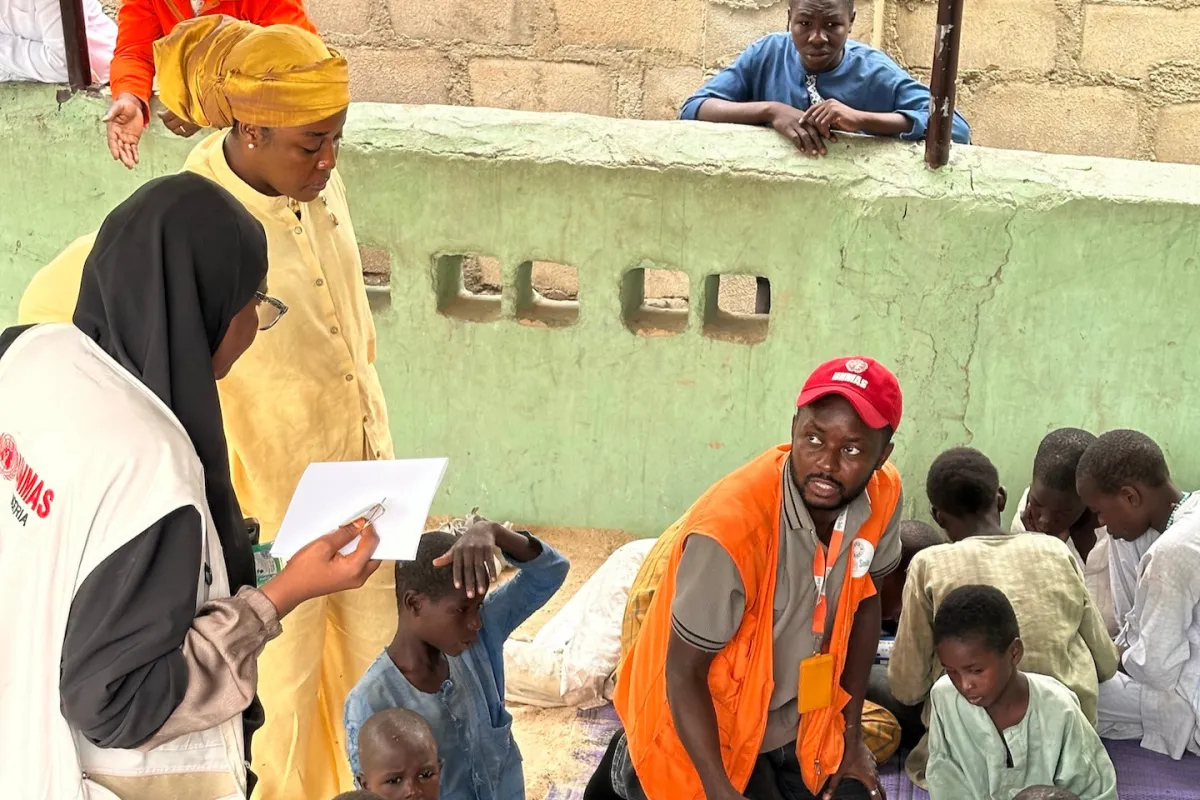
During her recent visit to Maiduguri, in the North of Nigeria, United Nations Global Advocate for Peace Maryam Bukar Hassan had a chance to visit some of the critical programs that UNMAS implements in the country to help protect communities from the threat of explosive remnants of war (ERW) and improvised explosive devices (IEDs). The 2025 Landmine Monitor ranks Nigeria as fifth in the world for people killed or injured by landmines and other explosive hazards.
🌍 Are landmines illegal? The Ottawa Convention explained
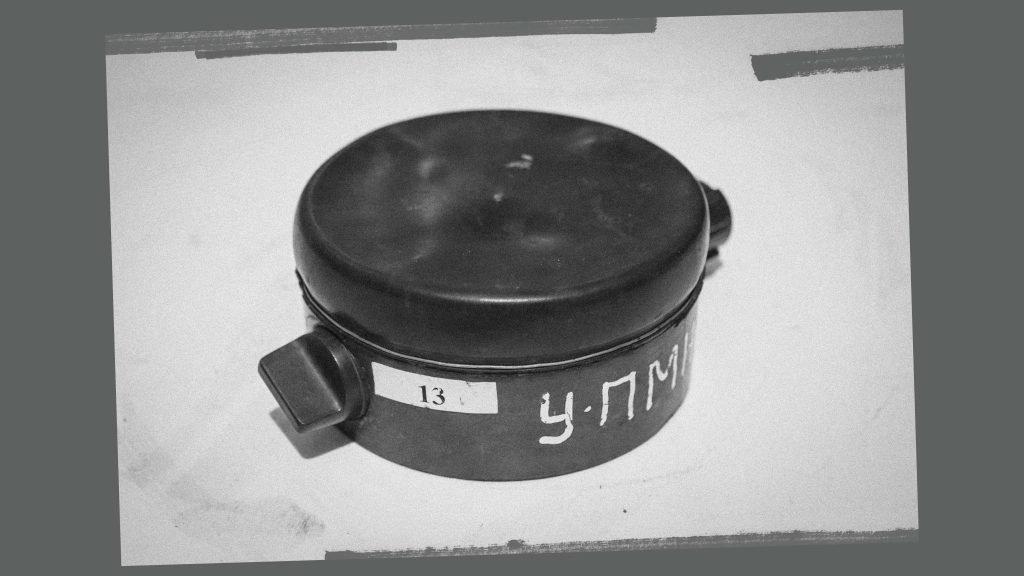
The Ottawa Convention is the international agreement that bans antipersonnel landmines. Also known as the Landmine Ban Treaty or the Antipersonnel Mine Ban Convention, it has helped reduce the global use of these weapons while protecting civilians in conflict-affected countries.
5. Stockpile Destruction, Demolition, WAM and Disarmament
6. Research, Innovation, Technology and Market Trends
The Cambodian Mine Action Center (CMAC) is testing Chinese drone technology designed to detect unexploded ordnance underground with the potential to triple the speed of locating explosive remnants of war. The agency received the technology from Chinese company Ho Pong and began training 12 staff to operate and evaluate the equipment on Aug. 24.
The Cambodian Mine Action Centre (CMAC) is accelerating the adoption of modern technologies, including drones and artificial intelligence (AI), to strengthen efforts to clear landmines and explosive remnants of war (ERW). CMAC Director-General Heng Ratana said the centre on Monday held a handover ceremony and opened a training course on using unmanned aerial drones to support ERW clearance.
🇷🇺 Russia announced serial production of ground robots with lasers for mine clearance – Defense Express
Russia announced the serial production of Courier robots equipped with the Ignis laser for destroying mines at a distance of up to 500 meters. The systems are planned for use on the battlefield.
7. Mine Action Assistance, Funding and Cooperation
Bulgaria will add seven minehunter ships to its navy under two agreements with Belgium and the Netherlands. Parliament cleared the acquisition on 26 August, and the vessels are meant for a sea where mines have drifted since Russia invaded Ukraine. They will work within a three-country task force whose mission widened this summer beyond mine clearance.
🇱🇦 🇺🇸 Laos: US Continues Support for UXO Clearance in Xieng Khouang
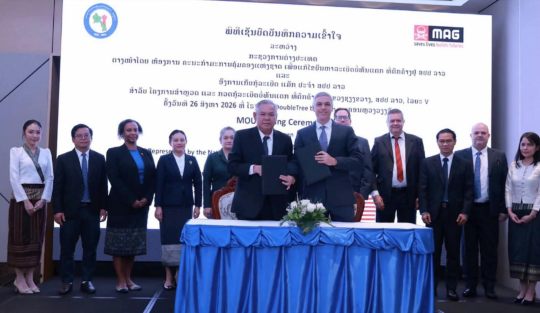
On August 26, 2026, in Vientiane, the Ministry of Foreign Affairs, through the Office of the National Regulatory Authority for the UXO/Mine Action Sector in the Lao PDR, and the Mines Advisory Group (MAG) Laos signed a Memorandum of Understanding (MoU) to launch a new phase of UXO survey and clearance activities in Xieng Khouang Province, one of the areas most heavily affected by unexploded ordnance (UXO). Under the new phase, the US Government will provide US$15 million through MAG to support UXO-related activities in the province. The project will run through November 2027.
🇳🇴 Norway Strengthens Efforts Against Landmines and Explosives Globally

Norway commits NOK 580 million to humanitarian efforts aimed at protecting civilians from landmines and explosive remnants of war. The funding will also cover victim assistance and advocacy to strengthen international norms and legal instruments, including the Anti-Personnel Mine Ban Convention.
The United States announced an additional $5.1 million in funding for conventional weapons destruction in Serbia, supporting efforts to address explosive remnants of war and other weapons hazards. The funding forms part of continued U.S. assistance aimed at reducing risks to communities and strengthening Serbia’s capacity to manage and clear explosive contamination.
🇺🇦 🇸🇪 Ukraine: Sweden Donates 10 Coast Guard Boats To Ukraine For Mine Clearance And Maritime Operations
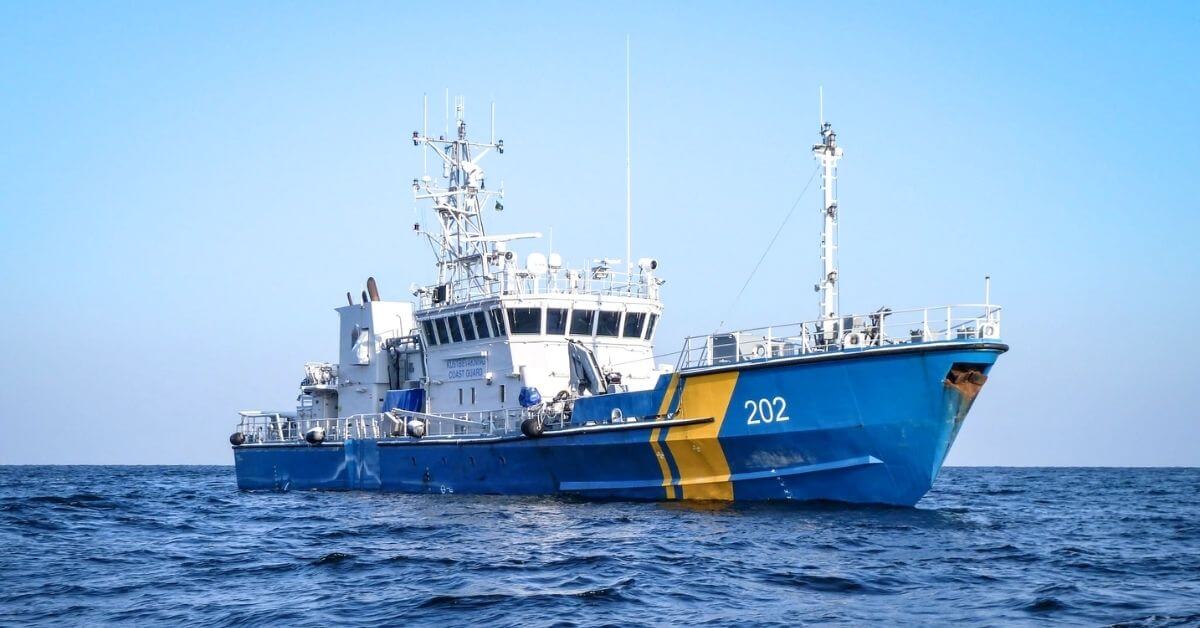
Sweden will donate 10 Coast Guard boats to Ukraine for mine clearance, transport, towing, and rescue operations, the Swedish government said. The Swedish Coast Guard has been ordered to prepare the boats for transfer. The vessels will be handed over to Ukraine’s State Emergency Service (SES), which will use them for water-borne specialist response operations, including demining riverbeds and channels.
🇻🇳 Vietnam: Quang Tri approves 22.4-million-USD landmine clearance project
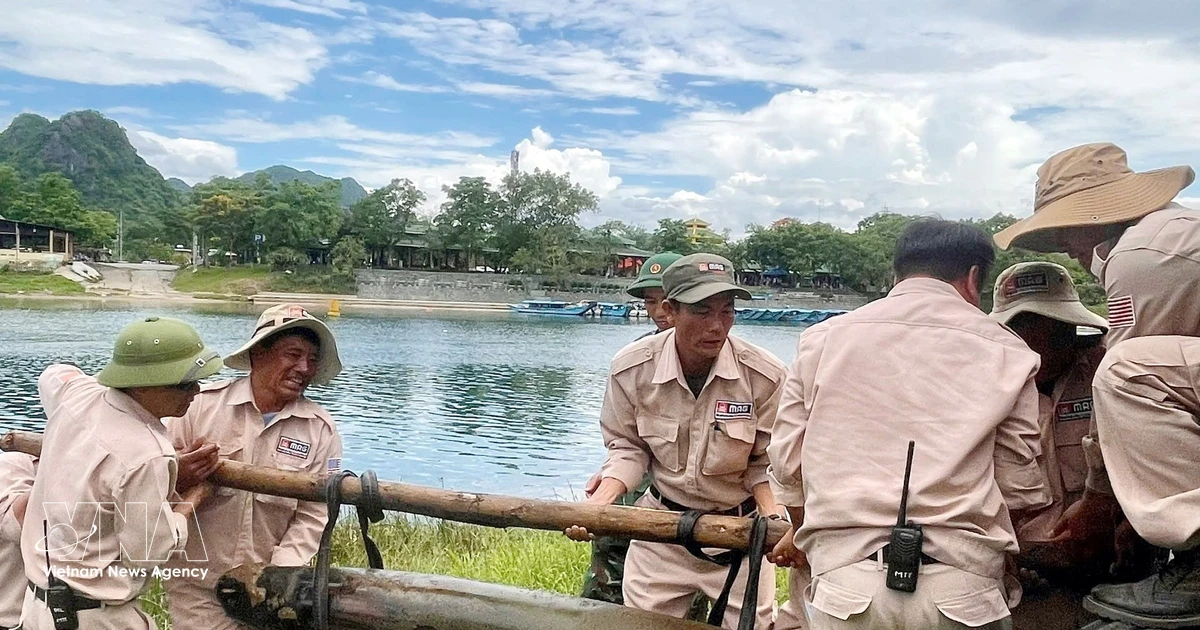
Mines Advisory Group (MAG) will launch a 2026–2030 project to survey and clear landmines and UXO across northern Quang Tri. The $22.42 million programme is expected to release more than 38.8 million sq m of land, destroy cluster munitions and other explosive remnants, and deliver around 15,000 mine-risk education materials to affected communities.
🌍 Protection Capacities Under Pressure: Mine Action Analytical Note | August 2026 - Human Cost of Funding Cuts

Between February and April 2026, the Global Protection Cluster investigated the impact of funding cuts on protection partners’ capacities. The findings presented in the report Protection Capacities Under Pressure synthesised 747 survey responses across 22 country operations. This analytical note focuses on the impact on Mine Action or activities aimed at mitigating the threat posed by mines and other explosive ordnance to communities in hazardous areas.
8. Other News
🎥 Video
The United States never signed The Ottawa Treaty mainly because the country still use land mines on the DMZ between North and South Korea. However, the US still abides by the Ottawa Treaty by not manufacturing or using new anti-personnel victim-detonated land mines.
📅 Upcoming Events, Courses & Trainings
There are a number of interesting events for the mine action sector in the coming months, and some of the deadlines are approaching quickly.
Join the public PhD defence of Henrique Garbino on 4 September 2026, from 13:00–17:00, at Sverigesalen, Swedish Defence University, Stockholm. Henrique will defend his dissertation, Unearthing Restraint: The Use and Non-Use of Landmines by Armed Groups, which examines why armed groups sometimes choose to limit violence. Drawing on research from Colombia and the Philippines, the thesis offers new insights into the dynamics of restraint in armed conflict and the factors that shape landmine use and non-use. The event is open to the public. Learn more here.
Felix Connect is a dedicated networking event designed to bring together supporters, partners, and friends of Felix Fund - the bomb disposal charity. It’s a relaxed, welcoming space to connect, network, or simply catch up with familiar faces from across the EOD, Search, defence, and charity communities. The event will be held on 28 September in London. Learn more here.
The Mine Action: Innovation, Sustainability, and Global Partnerships speaker series is structured to address landmine and explosive remnants of war (ERW) challenges through a strictly humanitarian, civilian-protection-oriented framework, with clearly defined ethical, legal, and operational boundaries between humanitarian and military applications of technology. Dates are: FEB 19 | MAR 19 | APR 16 | MAY 21 | JUN 18 | JUL 16 | AUG 20 | SEP 17 | OCT 15 | NOV 19 | DEC 17. Time: 12:00 PM - 1:00 PM ET. Location: Virtual (Zoom Webinar). Register here.
🔔 Always Stay in the Know – Never Miss an Update
This newsletter is subscribed to by over 3600+ dedicated readers on LinkedIn. To join this community of mine action professionals and supporters, go ahead and subscribe to the Mine Action Weekly newsletter. You can find all editions up to February 2026 on LinkedIn, and from March 2026 onwards here on Mine Action News.
Please reach out to me if there are any mine action news, journal articles, events, or updates that you would like to suggest for the next edition of Mine Action Weekly. You can find (and follow / connect with) me here. See you next Monday!


