Mine Action Weekly, 23 February - 1 March 2026
- Markus Schindler

- Mar 2
- 15 min read
Updated: May 4
A warm welcome to the latest edition of the Mine Action Weekly newsletter - your go-to source for the most important global updates from the mine action sector. Read about the latest news on EO contamination & clearance, EORE, accidents and victim assistance, advocacy efforts, stockpile destruction, mine action innovation & technology, and assistance, cooperation & funding - right here, every Monday. Dive right in and stay up-to-date!

Disclaimers:
This newsletter features news reports and articles from a variety of sources. Mention of these resources does not indicate agreement with or endorsement of the opinions of others. I do not claim responsibility or credit for these works, and do not vouch for the information contained in them.
This newsletter is created and managed in a personal capacity, independent of my professional affiliation with Fondation suisse de déminage (FSD).
🗞️ Weekly News Roundup
The weekly news roundup showcases a low-down of the top mine action news and insights from the past seven days.
1. EO Contamination, Clearance & Land Release
🇦🇿 Azerbaijan: Over 1,600 hectares of land cleared of mines in Azerbaijan last week
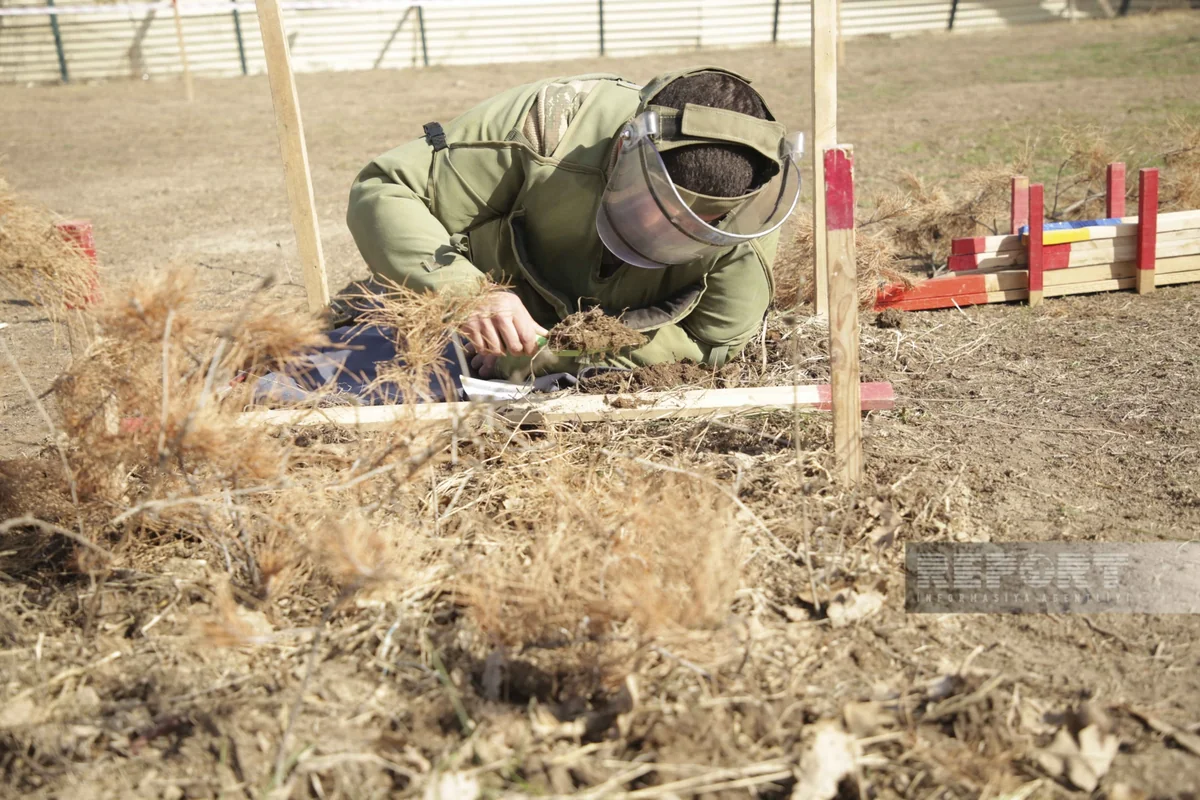
A total of 28 anti-tank mines, 175 anti-personnel mines and 796 unexploded ordnance were detected and neutralised in Azerbaijan's liberated territories from 16 to 22 February, according to the Azerbaijan national Agency for Mine Action (ANAMA). A total of 1,616.5 hectares of land were cleared of mines during the specified period.
🇦🇿 Azerbaijan: Life after ruin: Aghdam's fragile rebirth after the Nagorno-Karabakh conflict

Decades after conflict left Aghdam in ruins, deminers are clearing vast mine contamination so residents can return and rebuild. Thousands of devices have been removed amid ongoing risks. New housing and reconstruction slowly emerge, but only cleared, safe land allows life to resume in the devastated city.
🇧🇫 Burkina Faso: JNIM’s Use of Landmines & Explosive Devices in Burkina Faso
JNIM insurgents in Burkina Faso widely deploy landmines and improvised explosive devices (IEDs) on roads, trails and rural areas to disrupt military and civilian movement, spread fear, and control territory. These hidden explosives have killed and maimed civilians, blocked aid and hindered security operations, while insecure conditions make demining and clearance efforts extremely difficult.
Cambodia’s Mine Action and Victim Assistance Authority (CMAA) says mine clearance saves lives and livelihoods, highlighting ongoing efforts to remove landmines and explosive remnants. Clearing hazardous areas protects civilians, enables safe farming and movement, and supports community recovery in affected regions.
🇰🇭 Cambodia: CMAC aims to clear 120 sq km of mines, UXO this year
Cambodia’s leading demining organisation has accelerated efforts to clear over 120 square kilometres of landmines and unexploded ordnance (UXO) this year, deploying more than 800 personnel to communities affected by a territorial conflict with Thailand.
🇨🇾 🇺🇳 Cyprus: Unficyp report: budget cuts for a leaner force
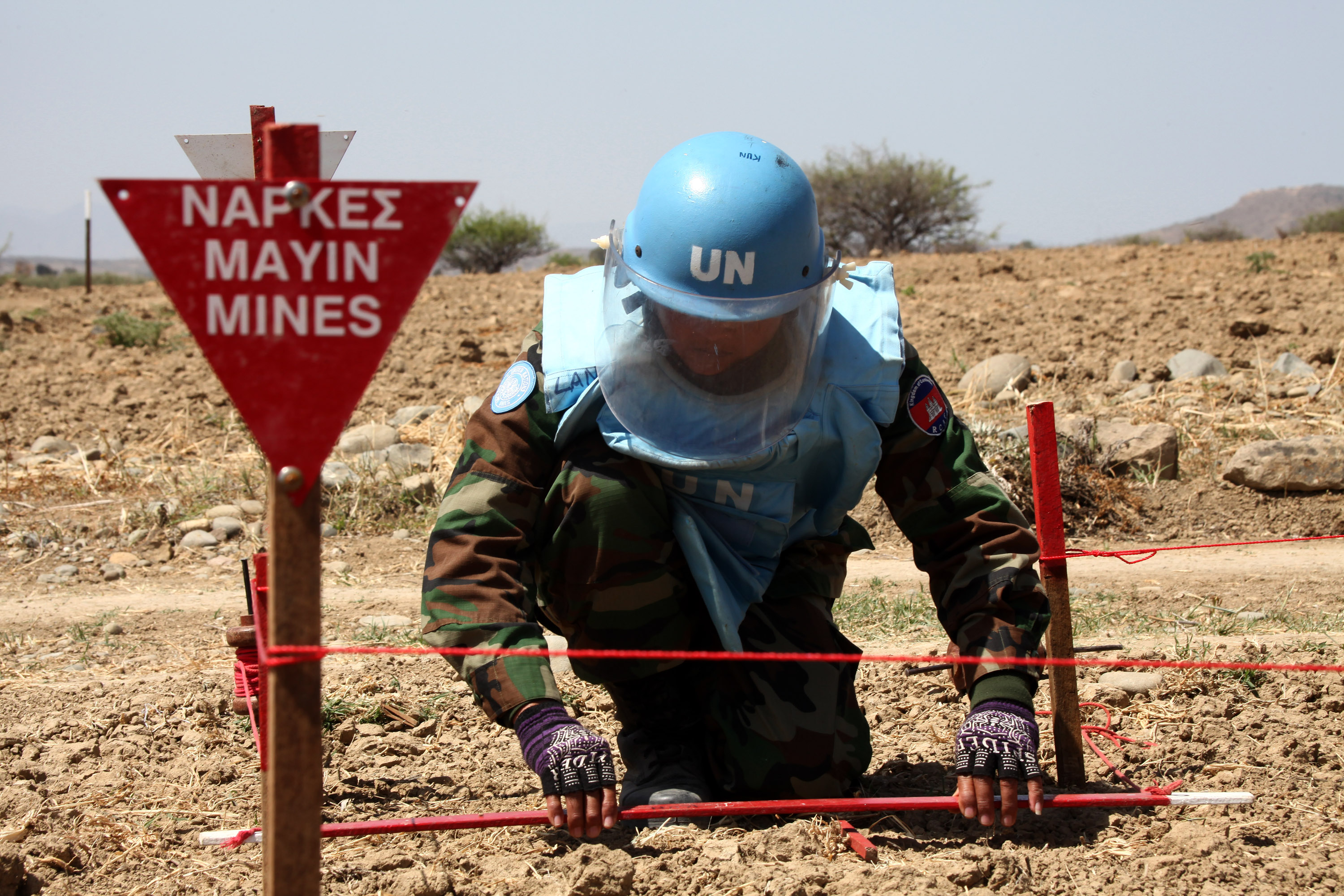
A UNFICYP report warns that proposed budget cuts could shrink peacekeeping operations in Cyprus, potentially reducing resources for mine action and explosive-ordnance risk management. This may weaken clearance efforts, community safety measures, and hazard mitigation across contaminated areas currently supported by the mission.
🇫🇷 France: 39 explosive shells found on French beach following collapse of bunker
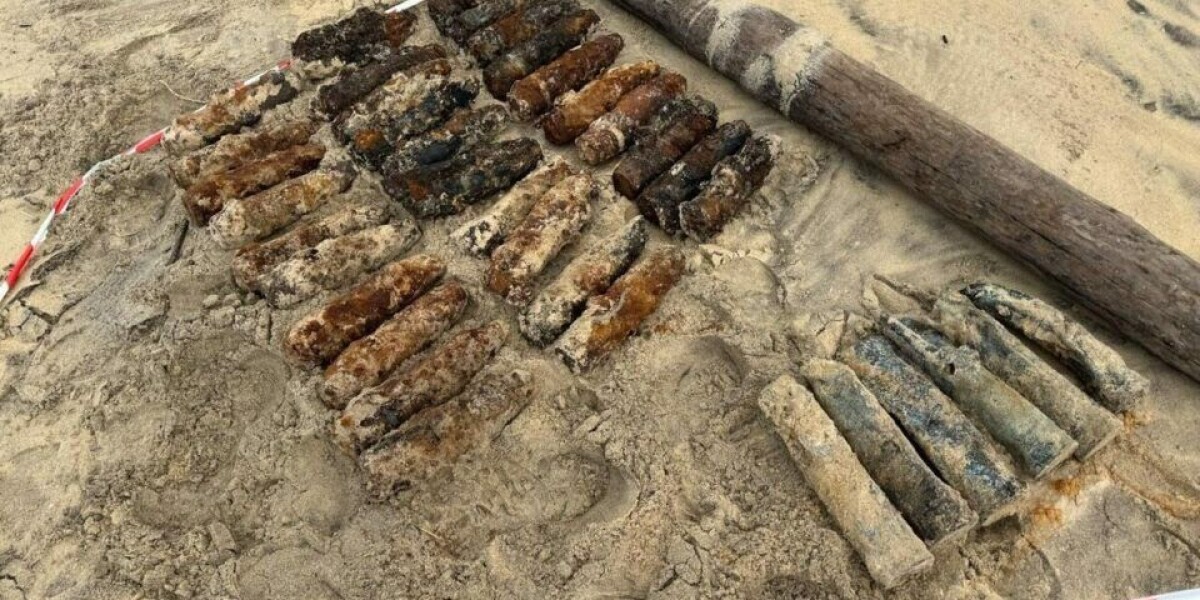
A demining operation was carried out this weekend in Gironde, after 39 World War Two-era explosives were found near Arcachon Bay. They were discovered at Horizon beach, Lège-Cap-Ferret, where a World War Two bunker had recently collapsed due to coastal erosion. The explosives were ‘1917’ model 75mm French shells, possibly stored in the bunker by Axis troops quartered there as back-up munitions.
🇱🇧 Lebanon: NNA - UNIFIL hands over last 2 of 5 cleared minefields to Lebanese Armed Forces
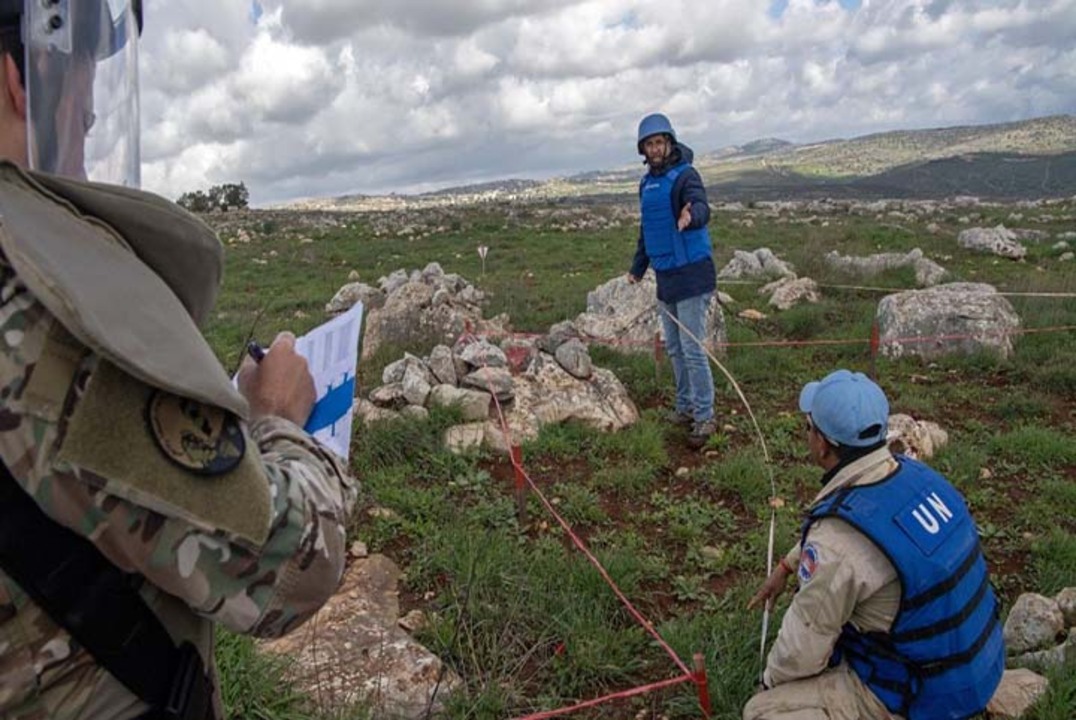
NNA - UNIFIL handed over the last two of five minefields cleared by its deminers over the past six months to the Lebanese Armed Forces (LAF), during a ceremony held yesterday in Blida, southeastern Lebanon. While clearing the final two minefields, with a combined area of 5,188 square metres, UNIFIL deminers found 946 mines which were destroyed on site.
🇱🇦 Laos: UXO Clearance Restores Safe Farmland in Sekong Province, Laos

UXO clearance in Sekong Province, Laos, removed dangerous unexploded bombs from farmers’ land, allowing safe cultivation and bigger harvests. Risk education helped villagers report hazards, prompting technical teams to assess and dispose of explosives. Clearing farmland reduced threats to dozens of households, boosting safety, agriculture, and community wellbeing.

El Mencho’s cartel built a military-style arsenal with high-powered weapons, drones, nearly 400 gunmen and improvised land mines to protect its operations and deter rivals and authorities. The sophisticated use of mines and heavy arms reflects the group’s battlefield tactics, posing dangers during and after security operations against the cartel.
🇲🇲 Myanmar: War is turning Rakhine State into a mine field

The conflict between the Arakan Army and the regime has littered the westernmost state of Myanmar with landmines and unexploded ordnance, adding to the misery of a civilian population coping with war and economic collapse.
🇳🇬 🇺🇳 Nigeria: NPF, UNMAS train personnel on counter-IEDs in Northeast
The Nigeria Police Force (NPF), in collaboration with the United Nations Mine Action Service (UNMAS), has trained its personnel on the counter-Improvised explosive devices (IEDs) in the Northeast. According to the Borno State Police Command, the seven-month training commenced from 28 July 2025, to 27 February 2026, at the Maiduguri Police Headquarters.
Landmines could soon return to Polish soil, following Warsaw's decision to pull out of an international treaty banning their production and use. The government says the move is needed to strengthen Poland's borders with Russia and Belarus.
Engineering teams have begun removing mines and unexploded ordnance from the archaeological site of Ruwayha in southern Idlib. The operation is part of a broader plan by the Idlib Directorate of Antiquities to protect and preserve historical sites across the Jabal Al-Zawiya region, which includes more than 10 locations listed as UNESCO World Heritage sites. Read more here.
PFM-1 anti-personnel mines have become a weapon of choice in the war in Ukraine. Also known as "petal mines", they are used by both sides and can be scattered by rockets, bombs and, increasingly, drones. Designed to cause injury rather than kill outright, they are particularly dangerous for civilians because they are hard to identify – and hard to defuse. We spoke to demining experts who explained the challenges posed by these mines.
🇺🇦 Ukraine: Farming in Ukraine Is an Act of Resistance

Since Russia’s invasion, significant portions of Ukraine’s farmland are seized or contaminated with mines and unexploded ordnance, making cultivation dangerous. Farmers persist despite risk, adapting practices and sometimes clearing fields themselves, while demining efforts gradually restore land. Their continued agricultural work sustains communities, reinforces food security, and embodies resilience against disruption and wartime hazards.

In southern Ukraine, land that once fed families became a frontline battlefield. Today, thanks to coordinated humanitarian mine action, those same fields are slowly returning to life — and with them, the future of an entire community.

Sappers have cleared 76% of the territory of Mykolaiv region. Twenty-seven international organisations participated in the work.
🇬🇧 United Kingdom: West London valuation day leads to mass evacuation after live shells, ammunition and landmine emerge from a Harrods bag
A routine valuation day at Chiswick Auctions led to an evacuation of the venue and the surrounding estate after live shells, ammunition and a landmine were brought in.
The Masam Landmine Clearance Project - Yemen cleared 1,681 mines and pieces of unexploded ordnance in the coastal city of Mukalla. The destroyed items included nine M79 guided rockets and five 122 mm artillery shells. Other items destroyed included 18 85mm shells, 187 30mm shells, 16 81mm mortar rounds, 98 60mm mortar rounds, 86 40mm shells, 12 anti-personnel mines, 12 82mm mortar rounds, 262 23mm shells, three B-10 rounds, 28 RPG rounds and 17 hand grenades. The teams also dismantled 30 anti-tank mine fuses, 107 Katyusha rocket fuses and 791 rounds of 12.7 mm ammunition.
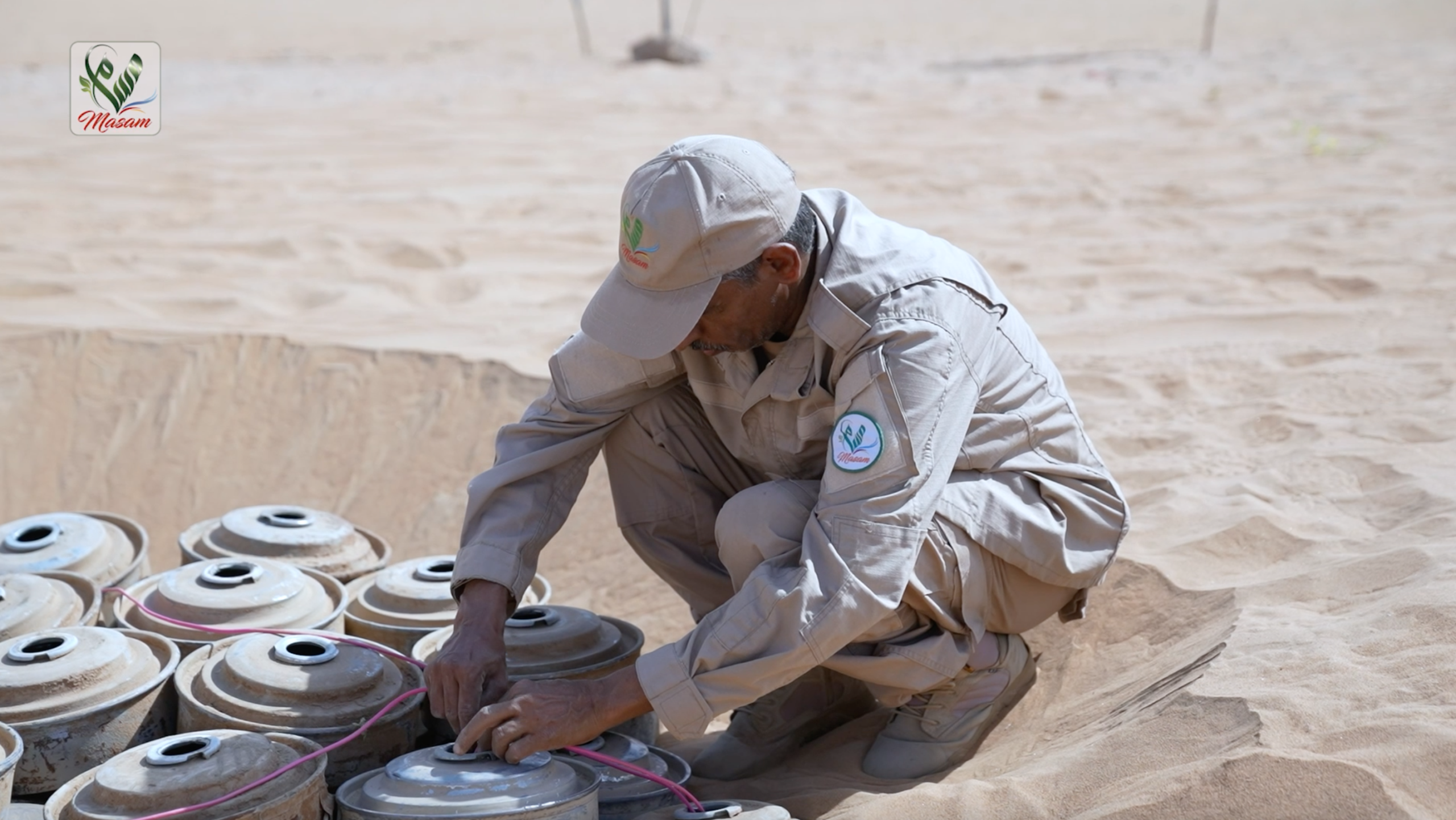
Masam Landmine Clearance Project - Yemen has cleared a total of 8,447 explosive items during February 2026, as part of its ongoing humanitarian mine action efforts to reduce explosive threats and protect civilians across Yemen’s liberated areas. The monthly total includes 51 anti-personnel mines, 1,330 anti-tank mines, 7,023 items of unexploded ordnance, and 43 improvised explosive devices (IEDs).
🌍 Winter 2026 edition of the Counter-IED Report magazine is now available to read online and in print
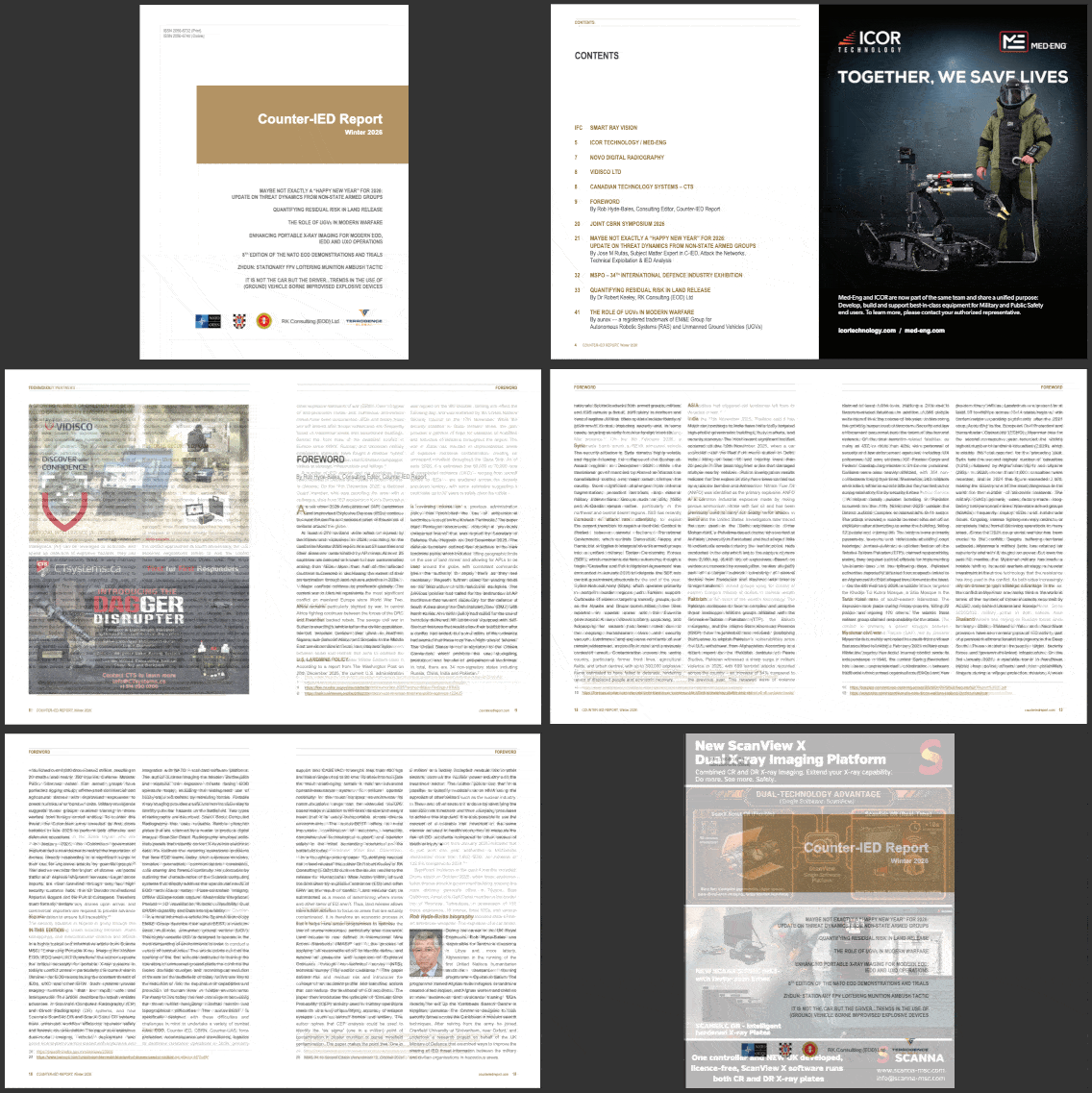
Articles, in-depth analysis and insights by Rob Hyde-Bales, Consulting Editor, Counter-IED Report; Jose M Rufas, Subject Matter Expert in C-IED, Attack the Networks, Technical Exploitation & IED Analysis; Dr Robert Keeley, RK Consulting (EOD) Ltd; Chief Superintendent (ret.) Michael Cardash (CIPBI), Terrogence – Global; LtC Witold Plezia, project manager, NATO EOD COE; aunav™ by Escribano Mechanical & Engineering, Scanna MSC et al.
Other EO Finds from Around the Globe:
🇦🇫 Afghanistan: Unexploded ammunition discovered and neutralised. Read more
🇦🇺 Australia: Birubi Beach in Port Stephens shut after unexploded WWII bomb discovered. Read more
🇧🇩 Bangladesh: '1971 mortar shell' defused after recovery in Moulvibazar canal. Read more
🇮🇳 India: Nine Unexploded Shells Neutralized Near LoC. Read more
🇮🇪 Ireland: Gardai and Army bomb squad rush to Finglas after discovery of explosive device. Read more
🇬🇧 United Kingdom: Unexploded bomb forces residents to evacuate. Read more
🇬🇧 United Kingdom: Suspected unexploded ordnance found on Overstrand beach. Read more
🇬🇧 United Kingdom: WW1 shell discovered on building site is detonated. Read more
🇺🇸 United States: Space Force team removes WWII-era ordnance found near Cocoa Beach school. Read more
🇺🇸 United States: Bomb squad responds to discovery of suspected explosive device in Lucerne. Read more
🇺🇸 United States: Unexploded munitions found on seafloor near Pensacola Pass. Read more
🇻🇳 Vietnam: Over-226kg bomb safely defused in Quang Tri province. Read more
2. Explosive Ordnance Risk Education (EORE)
Prime Minister Hun Manet urged ministries, institutions, local authorities, armed forces, and national and international operators to intensify efforts in raising awareness about the dangers of landmines and explosive remnants of war, including cluster munitions, and the impact on affected communities for the 27th anniversary of National Mine Awareness Day tomorrow.
Save the Children highlights how trained mine-detection dog Chivas helps teach Ukrainian children landmine safety amid widespread contamination. With nearly a quarter of Ukraine’s land hazardous, risk education uses engaging tools—games, online platforms, and gestures—to help kids recognise and avoid explosive remnants, protecting lives and supporting families amid ongoing conflict.
🇺🇦 Ukraine: 4 years into war, Ukrainian teens share why learning landmine safety is crucial

Ukrainian teens stress the importance of landmine safety education after four years of war, as widespread contamination with mines and unexploded ordnance makes daily life dangerous. Schools and programs teach children how to recognise hazards, avoid explosive devices, and protect themselves, aiming to reduce injuries and fatalities in heavily mined areas.
3. Accidents, Survivors, Victim Assistance
Nine individuals, including three children, lost their lives on Sunday when the motorcycle taxi they were traveling in struck a landmine in Sudan’s Kordofan region.
Syria’s explosive remnants of war continue to kill and injure civilians, blocking safe movement, farmland, schools, and infrastructure. Decades of conflict left widespread contamination with landmines and UXO, deepening humanitarian crises and underscoring the urgent need for clearance, risk education, and survivor support.
🌍 New global study: long after war, injuries from landmines and explosives kill nearly 4 in 10 victims
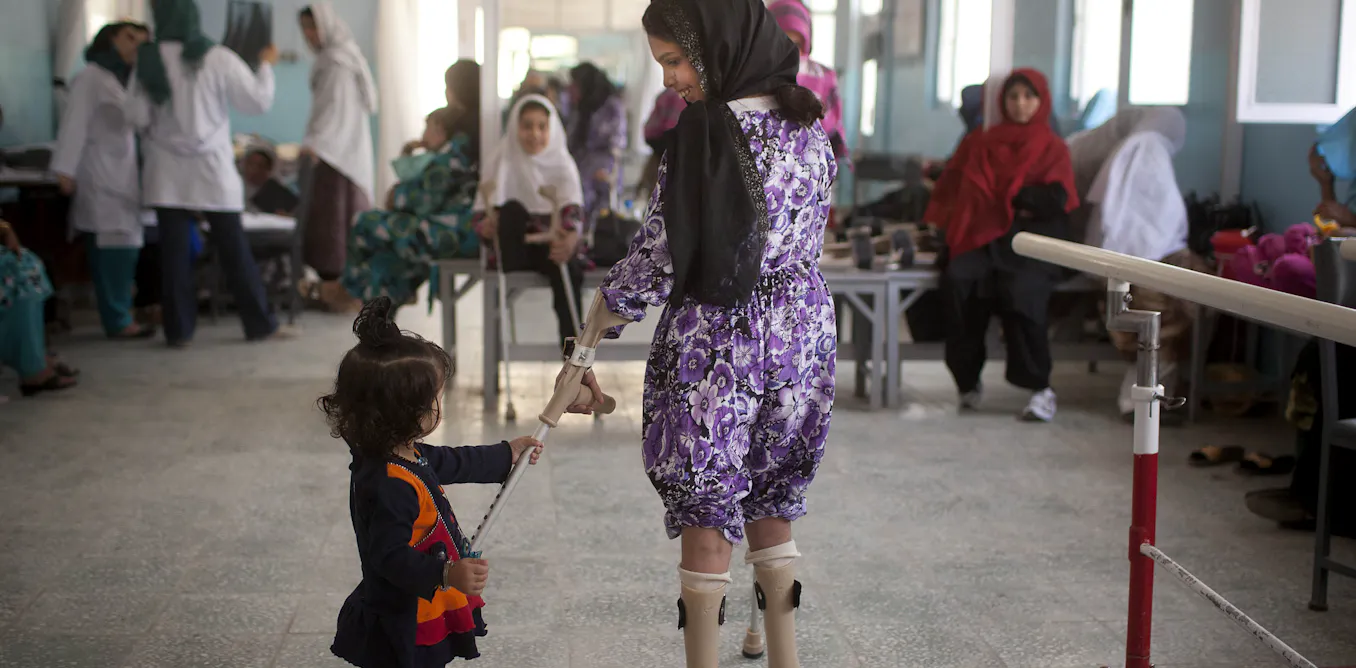
Global data show that injuries from landmines and explosive remnants of war often prove fatal long after conflicts end, with nearly 40 % of victims dying from their wounds and women disproportionately affected. The study highlights the enduring threat these hidden weapons pose and underscores the urgent need for enhanced demining and victim assistance worldwide.
Other EO Accidents from Around the Globe:
🇸🇾 Syria: Three killed, one injured in landmine blast west of Deir Ezzor. Read more
🇸🇾 Syria: Five civilians killed and injured in explosion of landmine in Deir Ezzor. Read more
🇸🇾 Syria: Old ordnance | Two boys injured while herding sheep in northern Al-Raqqah. Read more
🇸🇾 Syria: Old ordnance | Three people injured in Al-Raqqah and Hama countryside. Read more
🇸🇾 Syria: Old ordnance | Two children get their legs amputated in a shell explosion in Al-Raqqa. Read more
🇸🇾 Syria: Two young men killed in landmine explosion in Aleppo. Read more
🇸🇾 Syria: Two young men injured in landmine explosion in Al-Hasakah. Read more
🇸🇾 Syria: Child injured in explosion of war remnants in Aleppo. Read more
🇸🇾 Syria: Three People Killed in Landmine Explosion in Eastern Syria. Read more
🇹🇭 Thailand: Soldier Stable After Emergency Surgery for Landmine Injuries. Read more
🇺🇦 Ukraine: In the Kherson region, a police car ran over a Russian mine. Read more
4. Advocacy, Policy, Conventions, Strategies and Standards
🇦🇿 Azerbaijan: President Ilham Aliyev signs decree on demining activities
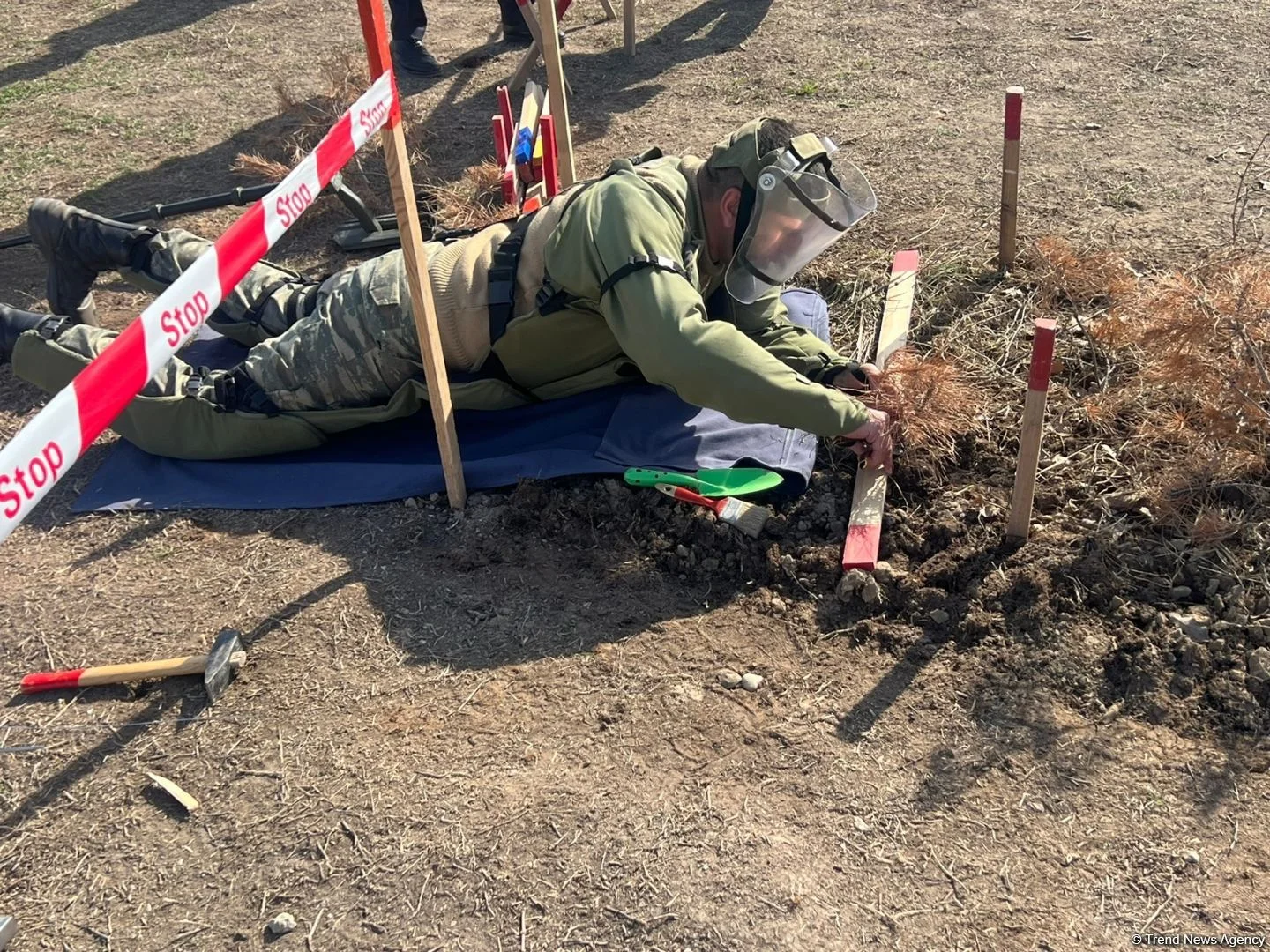
President Ilham Aliyev has signed a new decree to amend several presidential decrees and orders in connection with the implementation of Law No. 90-VIIQ dated December 13, 2024, "On Demining Activities" in the Republic of Azerbaijan.
Cambodia’s mine clearance authority has called for a “responsible and objective” approach to reports of landmines found along the Thai border, insisting that any investigation into such sensitive matters must be conducted through joint technical cooperation.
🇰🇭 Cambodia: CMAC States “No Question of Shortfall” for Mine-Free Target Despite New Border Risk
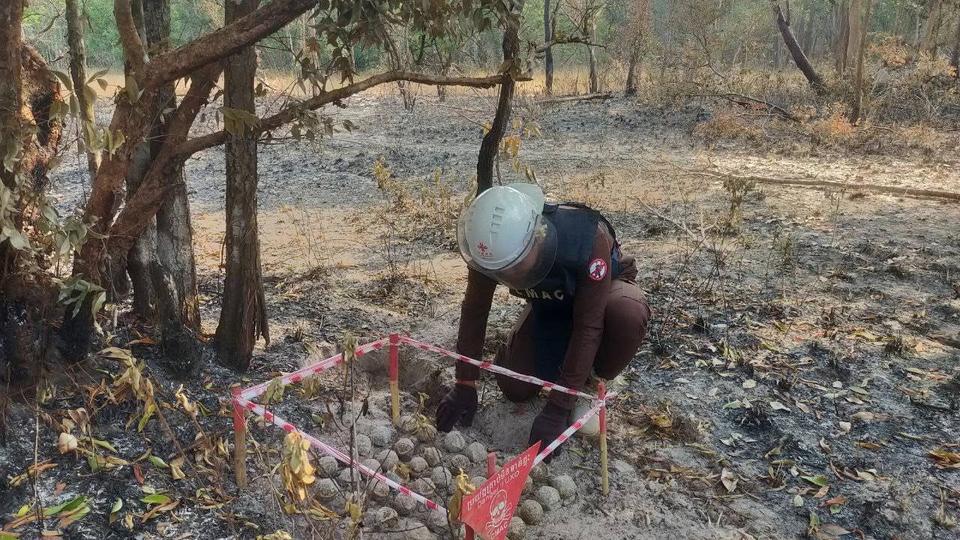
Despite renewed threats, bombs and other chemical substances, Cambodia Mine Action Centre remains committed to ridding the country of unexploded ordnance by 2030 by updating its technology and training for local authorities, to ensure displaced families can safely return to their homes.
🇭🇷 Croatia becomes mine-free after 30 years, meeting Ottawa Convention commitment

Croatia has officially become a country free of mine danger, successfully completing the demining process in line with the Ottawa Convention after nearly three decades. The announcement, made this week in a report presented by State Secretary Tomislav Bilandžić from the Ministry of the Interior, marks the achievement of the core objective of the National Mine Action Programme and the fulfilment of Croatia’s international obligations.
The United Nations Development Programme (UNDP Ukraine) has presented a guidebook called “How to Find a Job and Build a Career in the Mine Action Sector.” It is designed to be a practical tool to support veterans who are considering becoming professionals in this field. The publication was developed at the request of the Ministry of Economy, Environment and Agriculture of Ukraine, with financial support from the Government of Japan and in cooperation with the Free People Employment Center NGO and the national platform Demine Ukraine.
To mark Poland’s official withdrawal from the Ottawa Convention or the Anti-Personnel Mine Ban Convention, Julia Głębocka, Human rights researcher for Amnesty International Polska, reflects on what the return of these indiscriminate weapons means for human rights in Europe.
5. Stockpile Destruction, Demolition, WAM and Disarmament
6. Research, Innovation, Technology and Market Trends
🇦🇿 Azerbaijan: Machines take over one of the world's most dangerous jobs — clearing landmines
Azerbaijan is deploying homegrown robots to support humanitarian demining, using domestically developed robotic systems to detect and clear landmines and explosive remnants. This technology aims to improve safety, efficiency and effectiveness of clearance operations while protecting deminers from risk.
🇪🇪 Estonia: KNDS Unveils THeMIS UGV with H-POMBS Minefield Breaching System at Enforce Tac 2026

KNDS introduced a new THeMIS unmanned ground vehicle fitted with the H-POMBS minefield breaching module at Enforce Tac 2026 in Nuremberg, Germany. The system is designed to clear anti-personnel mines and obstacles remotely, supporting safer combat engineering operations on heavily mined battlefields.
🇺🇦 Ukraine to create 90-meter platform for demining reservoirs using drones
NIBULON Ltd. secured funding for marine demining, partnering with investors to clear underwater explosive hazards in Ukraine’s Black Sea waters. The support will help remove mines and ordnance, improving navigational safety, protecting maritime infrastructure, and enabling safer commercial and fishing activities. Read more here.
🌍 How AI and Underwater Drones Are Making Seas Safer

A new autonomous mine countermeasure system pairs an unmanned surface vessel with a swarm of underwater robots to detect, classify, and clear naval mines. Using AI and high-resolution sonar, it reduces risk to crews, accelerates clearance of ports and sea lanes, and supports broader maritime surveillance tasks.
🌍 Key Strategic Developments and Emerging Changes Shaping the Mine Detection System Market Landscape

The report outlines key strategic developments shaping the global mine detection and clearance market, highlighting technological innovation, growing defense and humanitarian demand, rising automation and AI integration, and expanding investments aimed at improving efficiency, safety, and scalability in explosive hazard detection and demining operations worldwide.
7. Mine Action Assistance, Funding and Cooperation
King Norodom Sihamoni yesterday issued a royal message to mark the 27th National Mine Awareness Day, reinforcing Cambodia’s dedicated resolve to eliminate the scourge of landmines and support those affected by explosive remnants of war.
🇰🇭 🇯🇵 Cambodia: Japan provides heavy machinery to bolster mine clearance efforts
The Japanese government on Thursday provided advanced demining machinery to Cambodia, marking a significant step in the Kingdom of Cambodia’s ongoing efforts to remove millions of landmines and unexploded ordnance (UXO) left behind by decades of conflict.
Japan is helping Cambodia clear its war legacy of landmines by providing technology, training and algorithm-based solutions that improve detection and accelerate mine-clearance. This support enhances safety, efficiency and capacity to remove explosive hazards and make contaminated land safe for communities.
🇵🇸 Palestine: Interior Minister Discusses Cooperation with "HALO Trust" on War Remnants Clearance

Palestinian Interior Minister Ziad Hab Al-Rih met The HALO Trust’s James Coon to advance joint mine action in the West Bank and Gaza. They highlighted clearance achievements, ongoing challenges, and the importance of removing war remnants to enable safe reconstruction, with HALO pledging continued technical and logistical support.
🇵🇸 🇽🇰 Palestine: Here's when KSF troops will land in Gaza

Kosovo’s Ministry of Defense is finalising plans to send security force troops to Gaza as part of a stabilisation mission, including military, demining and search-and-rescue units. Deployment depends on government approval, and forces will assess risks amid active conflict before committing to operations there.
🇸🇾 🇺🇦 Syria, Ukraine discuss cooperation on landmine clearance

Syria’s Minister of Emergency Management and Disaster Response, Raed al-Saleh, met a Ukrainian delegation in Damascus to discuss expanding cooperation on clearing landmines and unexploded ordnance (UXO), the ministry said. The Ukrainian delegation was led by Ihor Bezkrovainyi, director of Ukraine’s Humanitarian Demining Center and deputy minister of economy and agriculture. Talks focused on strengthening Syria’s National Mine Action Center by drawing on Ukraine’s wartime experience in large-scale demining operations.
The ASEAN Regional Mine Action Center (ARMAC) and Handicap International - Humanity & Inclusion (HI) have formalised a Memorandum of Understanding (MoU) aimed at strengthening technical cooperation and resource mobilisation to advance humanitarian mine action across ASEAN Member States.
8. Other News
🇰🇭 🇯🇵 Cambodia: Women deminers in Japan for training
Twelve specialists from the Cambodian Mine Action Centre (CMAC) have arrived in Japan to participate in a high-level training programme designed to bolster female leadership in post-conflict recovery and national security.
🇬🇷 Greece: A Greek Navy Minehunting Vessel Got Sliced In Two By A Container Ship

In a dramatic incident off the Greek port city of Piraeus, near Athens, the Greek Navy minehunter Kallisto was involved in a collision with a commercial freighter. The force of the impact left the warship cut in two, tearing off the vessel’s stern.
🇺🇦 Ukraine: How UN Women Supports Women in Ukraine: Five Essential Services
UN Women supports Ukrainian women by funding women-led organisations delivering emergency aid, shelter, counselling, legal help and economic empowerment. It amplifies women’s voices, fosters leadership, and trains women in demining through projects like She Demines, integrating them into mine action and post-conflict recovery efforts.
🎥 Videos
PFM-1 anti-personnel mines have become a weapon of choice in the Russia-Ukraine conflict. Also known as petal mines, these mines are used on a large scale by both sides, and can be scattered by rockets, bombs, and, increasingly, drones.
Bedak village lies near a former US army base and firing range that was once at the centre of heavy fighting – leaving the area highly contaminated with unexploded ordnance. Since the population returned after the fighting stopped in 2021, six children have tragically been killed by explosives. Answering the call for clearance, The HALO Trust has been making land safe in Bedak since 2023.
📅 Upcoming Events, Courses & Trainings
There are a number of interesting events for the mine action sector in the coming months, and some of the deadlines are approaching quickly.
The EORE Advisory Group and the Geneva International Centre for Humanitarian Demining (GICHD) host an online EORE Hour on Wednesday, 4 March 2026, 14:00–15:00 CEST, unpacking T&EP 12.10/01/2026. Speakers Celine Cheng and Anna Luczkiewicz will discuss implementing competencies in training. Register here.
In December 2026, Rogue Wave Atlantic Row 2026 are taking on ‘the world’s toughest row’ — a month-long, unsupported 3,000-mile expedition from the Canary Islands to Antigua in support of The HALO Trust’s life-saving work. To be part of the journey from the very start by joining the team for an unforgettable black-tie evening at Royal Windsor Racecourse (on Saturday 11 April, from 6pm) with a luxurious three-course dinner, inspiring speakers, auction, raffle, and the official handover of the team’s boat, learn more and get your tickets here.
The Mine Action: Innovation, Sustainability, and Global Partnerships speaker series is structured to address landmine and explosive remnants of war (ERW) challenges through a strictly humanitarian, civilian-protection-oriented framework, with clearly defined ethical, legal, and operational boundaries between humanitarian and military applications of technology. Dates are: FEB 19 | MAR 19 | APR 16 | MAY 21 | JUN 18 | JUL 16 | AUG 20 | SEP 17 | OCT 15 | NOV 19 | DEC 17. Time: 12:00 PM - 1:00 PM ET. Location: Virtual (Zoom Webinar). Register here.
The 29th Annual Meeting of Mine Action Directors and UN Advisers will take place at the Geneva International Conference Center from 22 to 24 April 2026. Learn more and register here.
The Geneva International Centre for Humanitarian Demining (GICHD)'s three IMSMA Global training courses for 2026 are officially open for registration: (1) 09 Mar 2026 - 13 Mar 2026 (Application deadline: 6 January 2026), (2) 04 May 2026 - 08 May 2026 (Application deadline: 4 February 2026), (3) 02 Nov 2026 - 06 Nov 2026 (Application deadline: 2 August 2026).
🔔 Always Stay in the Know – Never Miss an Update
This newsletter is subscribed to by over 3400+ dedicated readers on LinkedIn. To join this community of mine action professionals and supporters, go ahead and subscribe to the Mine Action Weekly newsletter. You can find all editions up to February 2026 on LinkedIn, and from March 2026 onwards here on Mine Action News.
Please reach out to me if there are any mine action news, journal articles, events, or updates that you would like to suggest for the next edition of Mine Action Weekly. You can find (and follow / connect with) me here. See you next Monday!