Mine Action Weekly, 22 - 28 June 2026

From deadly attacks on humanitarian deminers in Ukraine to major international conferences, breakthrough technologies, and renewed global efforts to clear contaminated land, this week’s edition highlights the evolving challenges and opportunities shaping mine action. Discover how explosive ordnance continues to influence humanitarian response, recovery, food security, and international security across the globe. Dive right in and stay up-to-date!

Disclaimers:
This newsletter features news reports and articles from a variety of sources. Mention of these resources does not indicate agreement with or endorsement of the opinions of others. I do not claim responsibility or credit for these works, and do not vouch for the information contained in them.
This newsletter is created and managed in a personal capacity, independent of my professional affiliation with Fondation suisse de déminage (FSD).
🗞️ Weekly News Roundup
The weekly news roundup showcases a low-down of the top mine action news and insights from the past seven days.
1. EO Contamination, Clearance & Land Release
🇦🇫 Afghanistan: Over 30 Square Kilometers Cleared of Mines in Afghanistan in Three Months

The National Mine Clearance Authority has announced that over 30 square kilometers of mine- and unexploded ordnance-contaminated areas have been cleared in the first three months of the year 1405 (solar calendar) in the country.
🇦🇿 Azerbaijan’s Mine Action Efforts: Clearing the Path for Recovery and Development

The Azerbaijan National Agency for Mine Action (ANAMA) continues to lead one of the world's largest humanitarian demining programmes, supporting reconstruction and the safe return of displaced communities in former conflict areas. In 2025, ANAMA and its partners cleared more than 69,000 hectares of land and neutralised over 52,000 landmines and unexploded ordnance. Azerbaijan also continues to promote mine action internationally, framing humanitarian demining as a key driver of sustainable development, economic recovery, and post-conflict reconstruction.
A total of 29 anti-tank mines, 84 anti-personnel mines and 514 unexploded ordnance items were detected and neutralised in Azerbaijan's liberated territories between June 16 and 21. According to the weekly update of the Azerbaijan National Agency for Mine Action (ANAMA), an area of 1,710.16 hectares was cleared of mines during the reporting period.
🇦🇿 Azerbaijan: Saribaba village in Shusha fully cleared of mines
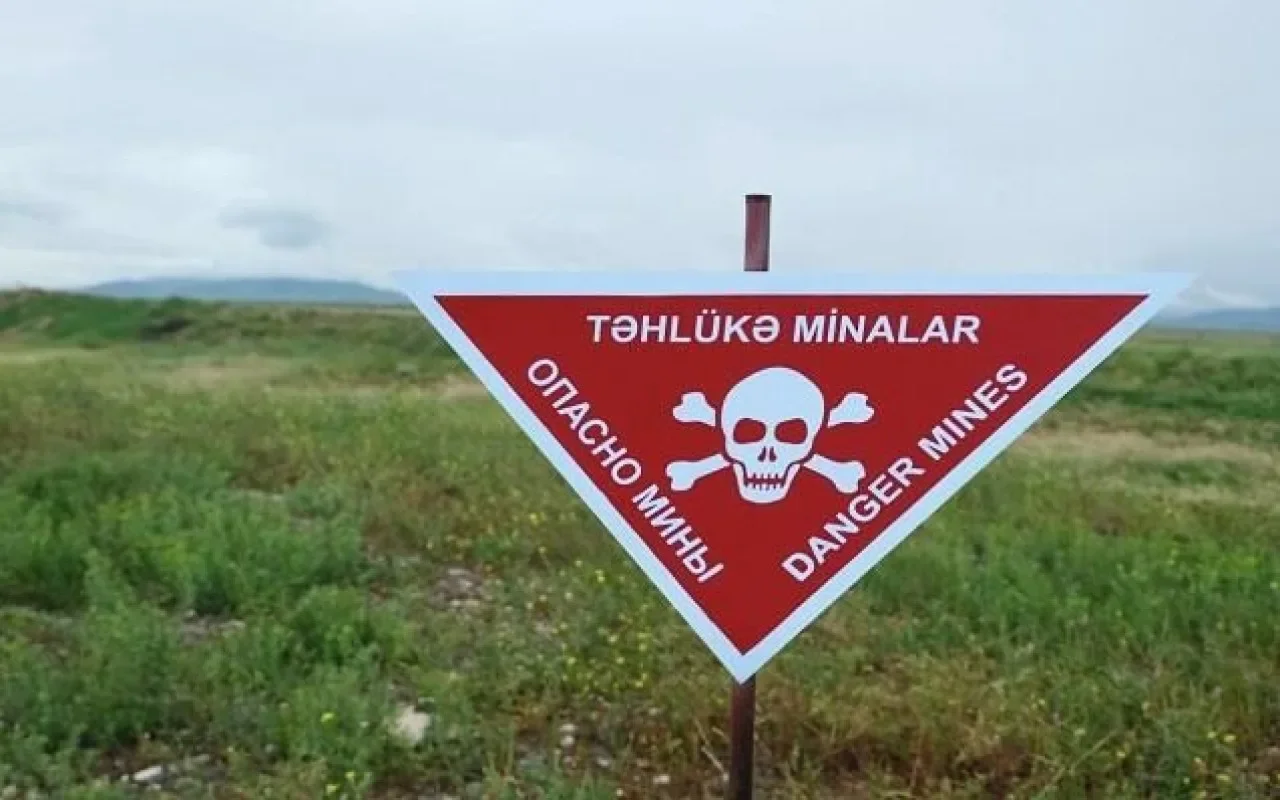
As part of the reconstruction project for Saribaba village in the Shusha district, 82 hectares of land have been cleared, with 14 pieces of unexploded ordnance discovered and neutralized. This effort is a critical component of the broader initiative to restore infrastructure and facilitate the return of former residents to the liberated territories of Azerbaijan.
🇧🇩 Bangladesh: Who is planting the landmines close to the border?

Landmine explosions along the Bangladesh–Myanmar border have killed at least 10 people and injured more than 40 since late 2024, with recent incidents occurring inside Bangladeshi territory. The Border Guard Bangladesh (BGB) says investigations are ongoing into who laid the mines, while urging residents to avoid high-risk areas and report suspicious objects. BGB has expanded risk awareness campaigns and requested mine-sweeping operations as fear grows among border communities whose livelihoods depend on contaminated land.
🇩🇪 Germany: Blaze tears through former Soviet tank range in Germany – and it can’t be put out
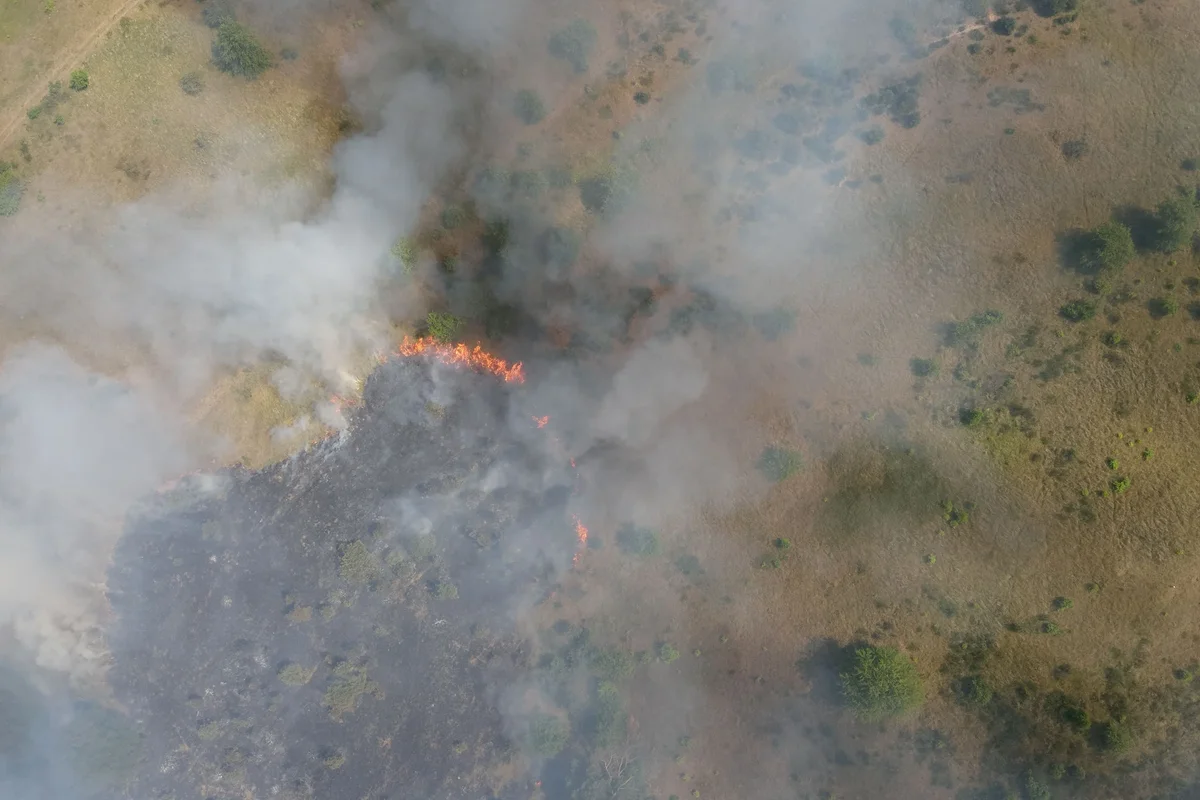
A fire at a former Soviet tank firing range in Müritz National Park, Germany, is being left to burn due to the presence of unexploded ordnance. Firefighters are unable to actively extinguish the blaze, which has spread across 120 hectares, because of anti-tank grenades and other munitions on the site.
🇮🇶 Iraq still contaminated by mines, clearance may take 15 years
.webp&w=1200&q=75)
Approximately 4,800 square kilometers of land in Iraq remain contaminated with landmines and explosive remnants of war, requiring up to 15 years to fully clear, according to a new report by the Green Iraq Observatory. The organization, which focuses on environmental issues, said the affected area - equivalent to 1.1 percent of Iraq’s total landmass - has yet to be cleared and continues to pose risks to civilians, preventing land use primarily in agricultural regions.
🇮🇶 Iraq: Al-Anbar clears 1.5K+ unexploded ordnance since start of 2026
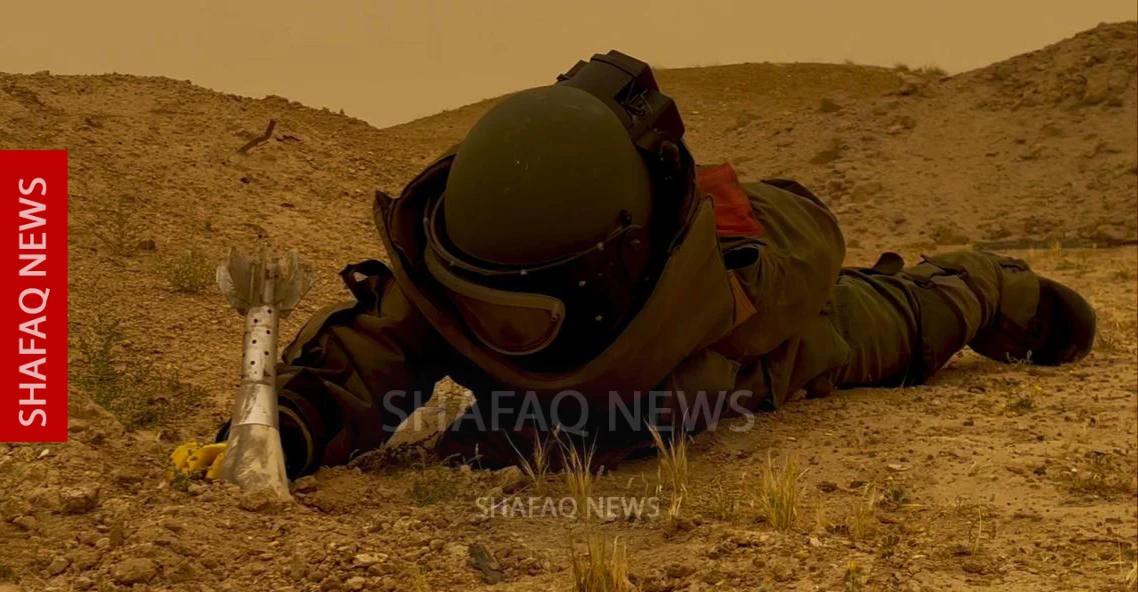
Civil Defense teams in western Iraq's Al-Anbar province have removed 1,593 unexploded munitions since January 1, 2026. Iraqi Army's Field Engineering Battalion has destroyed 897 explosive remnants under approved technical and security procedures, while clearance operations continue in coordination with relevant agencies.
🇰🇷 South Korean forum urges wider clearance of DMZ land mines

South Korean defense experts, mine-clearance researchers and technology companies called for broader government, military and civilian cooperation to remove land mines and unexploded ordnance near the Demilitarized Zone, saying the weapons continue to threaten residents more than seven decades after the Korean War.
More than 13 million Syrians are facing acute food insecurity and efforts to revive the country’s agriculture sector are being held back by landmines and unexploded ordnance scattered across vast stretches of farmland, the United Nations said on Tuesday.
🇸🇾 Syria: Mine-clearing teams continue securing Al-Darbasiyah–Serêkaniyê road

Mine-clearing teams have begun clearing the Al-Darbasiyah–Serêkaniyê road, starting from the village of Al-Asadiyah, in preparation for reopening it and ensuring the safe return of displaced persons.
Thailand rejected Cambodia’s claim that an MK-84 bomb, displayed in Phnom Penh on June 23, serves as evidence of Thai military actions during the 2025 border conflict. The Thai Joint Information Centre issued this rejection on June 24, calling for an independent international forensic examination.
🇺🇦 🇹🇷 Ukraine: Turkish Contractors Set to Lead Ukraine Reconstruction Efforts
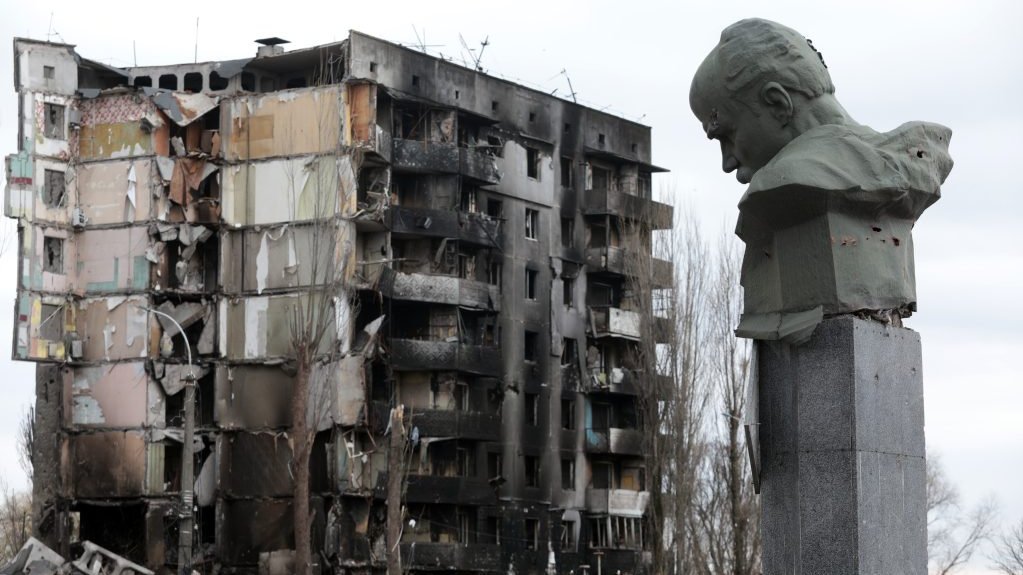
Turkish construction firms are positioning themselves to play a leading role in Ukraine's post-war reconstruction, with infrastructure, transport, energy, and housing projects identified as key priorities. Onur Group, which has operated in Ukraine since 2003, highlighted that it has remained active throughout the war, including carrying out approximately 80 km of mine clearance alongside road repairs. The reconstruction agenda recognises humanitarian demining as a prerequisite for rebuilding infrastructure, restoring economic activity, and attracting long-term investment.
🇺🇦 Ukraine: The First Step Toward Safer Territories
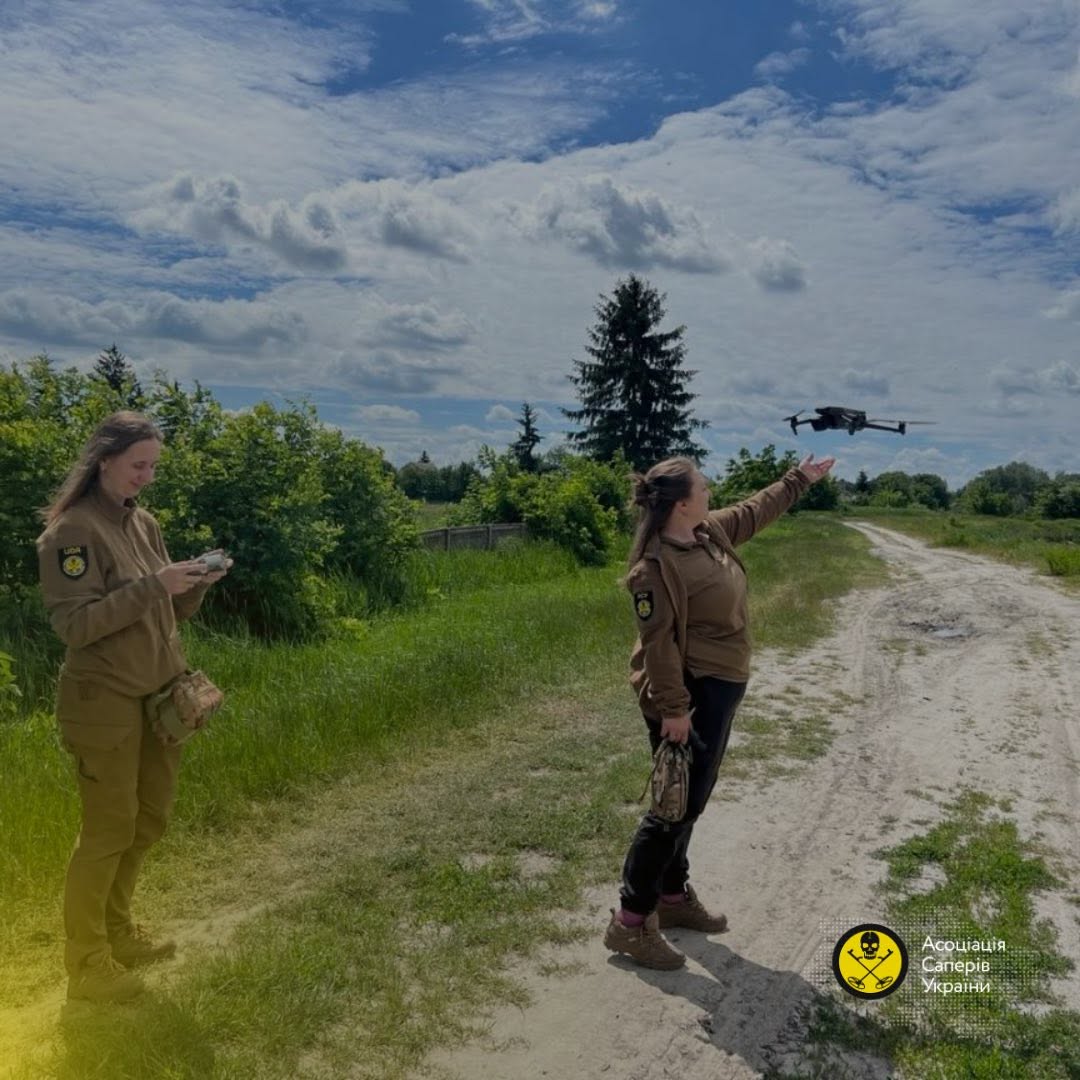
The Ukrainian Deminers Association (UDA), in partnership with MAG (Mines Advisory Group) and with funding from the European Union, highlighted the importance of Non-Technical Survey (NTS) as the first stage of humanitarian demining. Between 1 May and 16 June 2026, UDA's NTS teams surveyed 55,569.6 hectares across five Ukrainian regions, prepared 101 survey reports, and identified seven contaminated areas, providing critical information to guide future survey and clearance operations.
🇺🇦 Ukraine: Prosecution investigates fictitious demining of lands in three regions
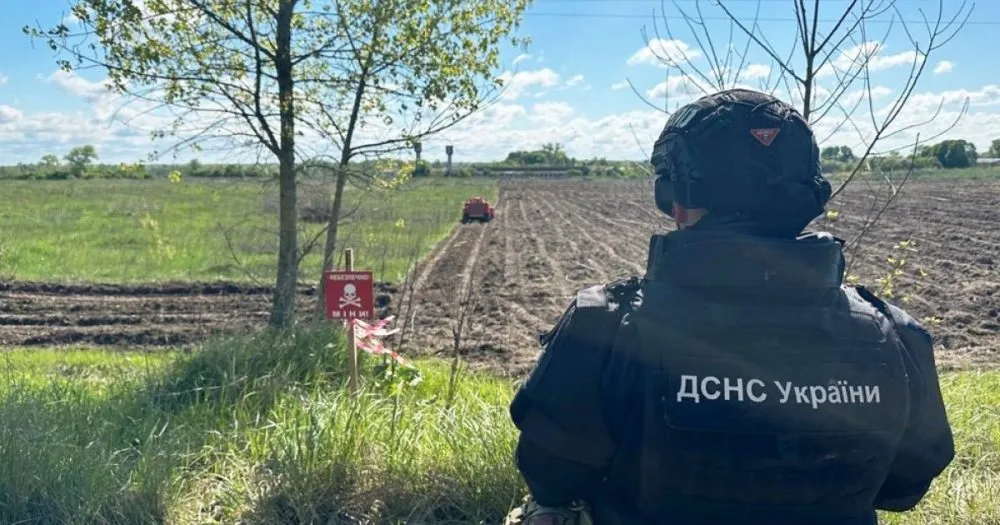
Ukrainian prosecutors have charged six individuals in an alleged scheme to embezzle public funds allocated for humanitarian demining in the Mykolaiv, Kherson, and Chernihiv regions. According to investigators, affiliated mine action companies falsely claimed to have cleared more than 820 hectares of agricultural land that had already been demined, even planting ammunition-like objects to simulate explosive hazard discoveries. The contracts were awarded through the Center for Humanitarian Demining, with authorities alleging losses of UAH 49.2 million.
🇺🇦 Ukraine: Norwegian Demining Operations Halted in Ukraine Following Colleagues' Deaths in Russian Strike
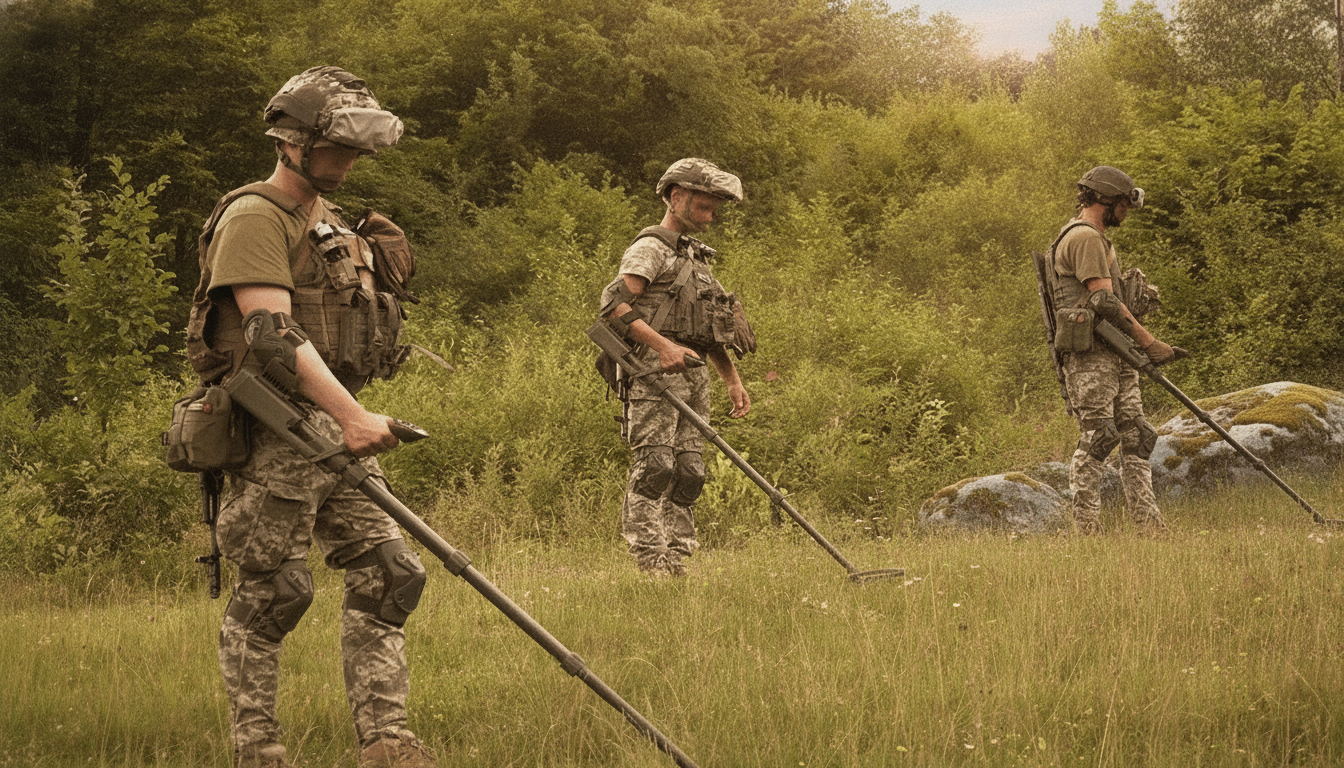
The international humanitarian group Norwegian People’s Aid has suspended its demining activities across Ukraine after two of its team members were killed in a Russian attack. Operating in the country since 2022, the organization suffered these losses during a strike on June 24, 2023, in the village of Novopetrivka, part of the Vysokopillya community.
🇬🇧 🌊 United Kingdom: Royal Navy ready for Middle East mine clearance mission

A multinational mine countermeasures force led by the Royal Navy has reached the Middle East. RFA Lyme Bay and German warships, escorted by HMS Dragon, have passed safely through the Red Sea, though any clearance operation remains tied to political conditions.
🇾🇪 Yemen: Project Masam clears 6,786 explosive items in Yemen during June 2026
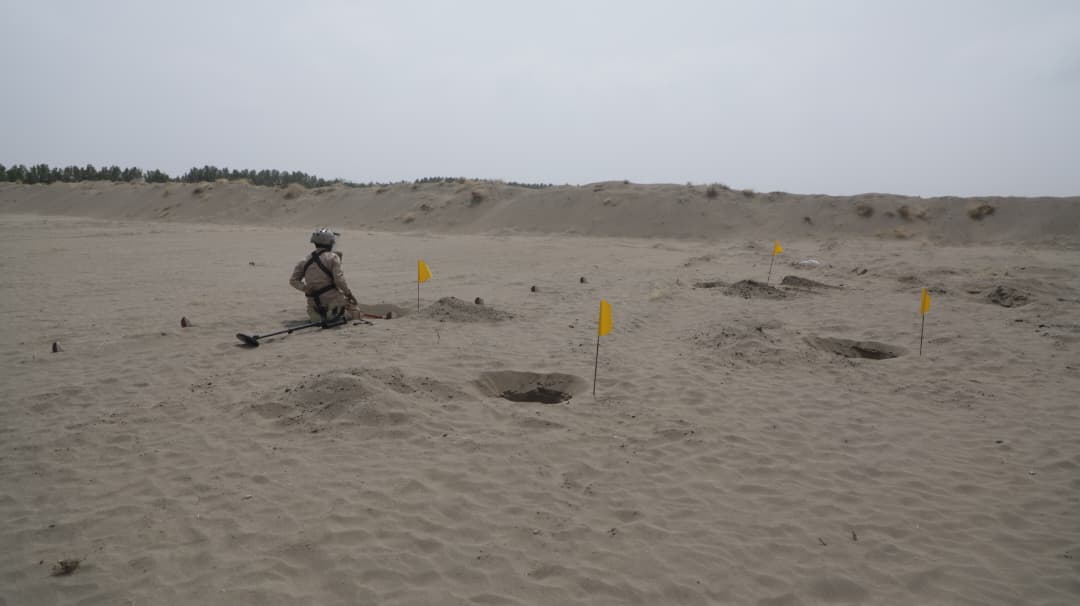
Project Masam demining teams cleared 6,786 landmines and explosive remnants of war across Yemen during June 2026, continuing efforts to reduce explosive threats and protect civilians in contaminated areas.
🌊 IMO Estimates There Are 80 Mines in Hormuz’s Shipping Lanes

The Strait of Hormuz has about 80 mines in its historic shipping lanes, the UN’s International Maritime Organization estimated Friday, showing how difficult it will be to return the key oil channel to normal.
🌊 How Minesweeping in the Strait of Hormuz Works: A Visual Guide

The visual guide explains how naval mine countermeasure operations detect and neutralise sea mines in the Strait of Hormuz using sonar, autonomous underwater vehicles, remotely operated systems, helicopters, and specialist mine countermeasure vessels. Modern mine clearance combines unmanned technologies with explosive ordnance disposal techniques to safely reopen shipping lanes, although operations remain slow, technically demanding, and highly dependent on the threat environment and mine types encountered.
🌍 What is a landmine?
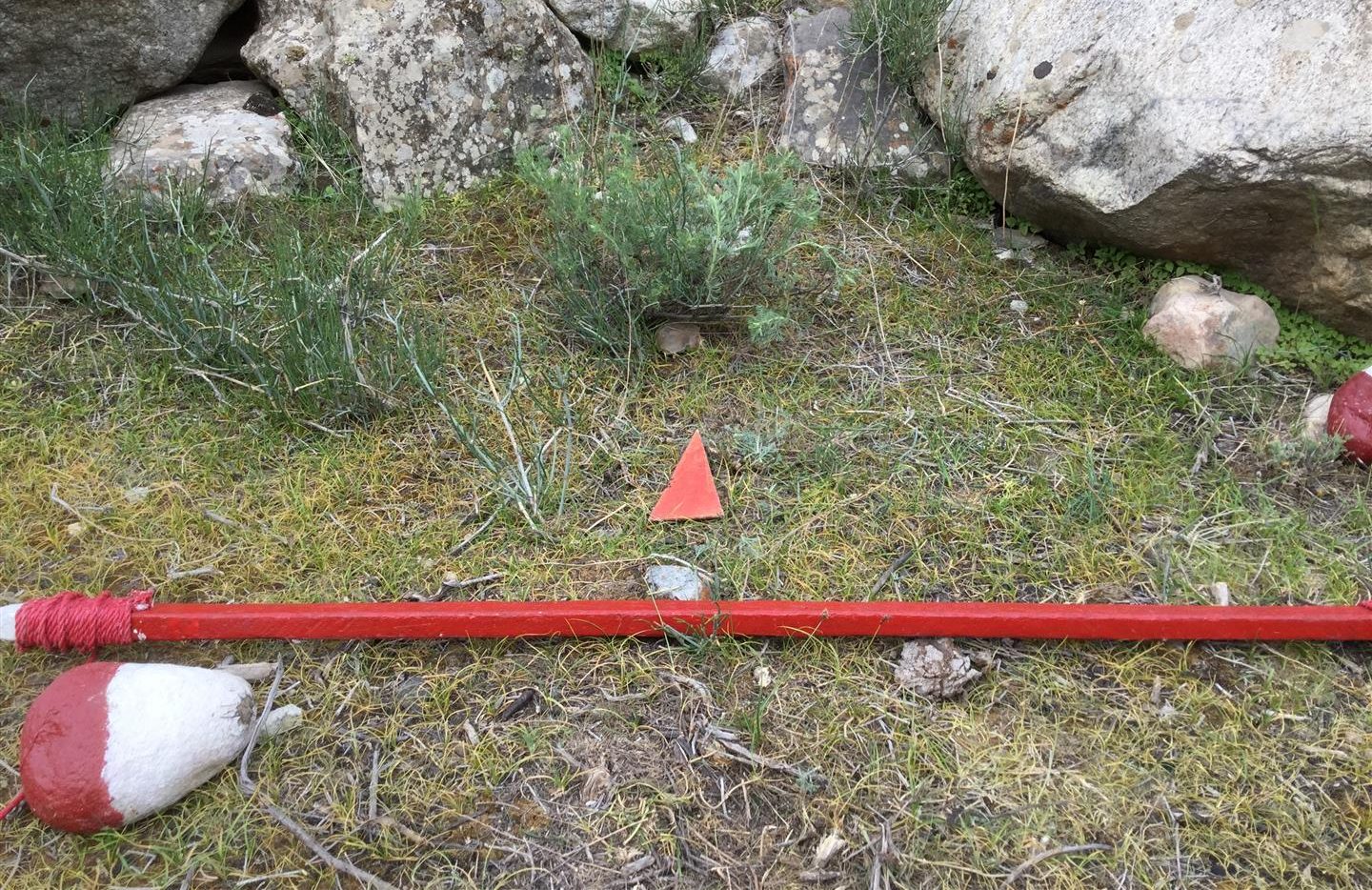
A landmine is a munition designed to be placed under, on or near the ground or other surface area and to be exploded by the presence, proximity or contact of a person or a vehicle (Ottawa treaty 1997). They are generally divided into two main categories: anti-personnel landmines and anti-vehicle landmines.
Other EO Finds from Around the Globe:
2. Explosive Ordnance Risk Education (EORE)
🇱🇦 Laos: How risk education is protecting families
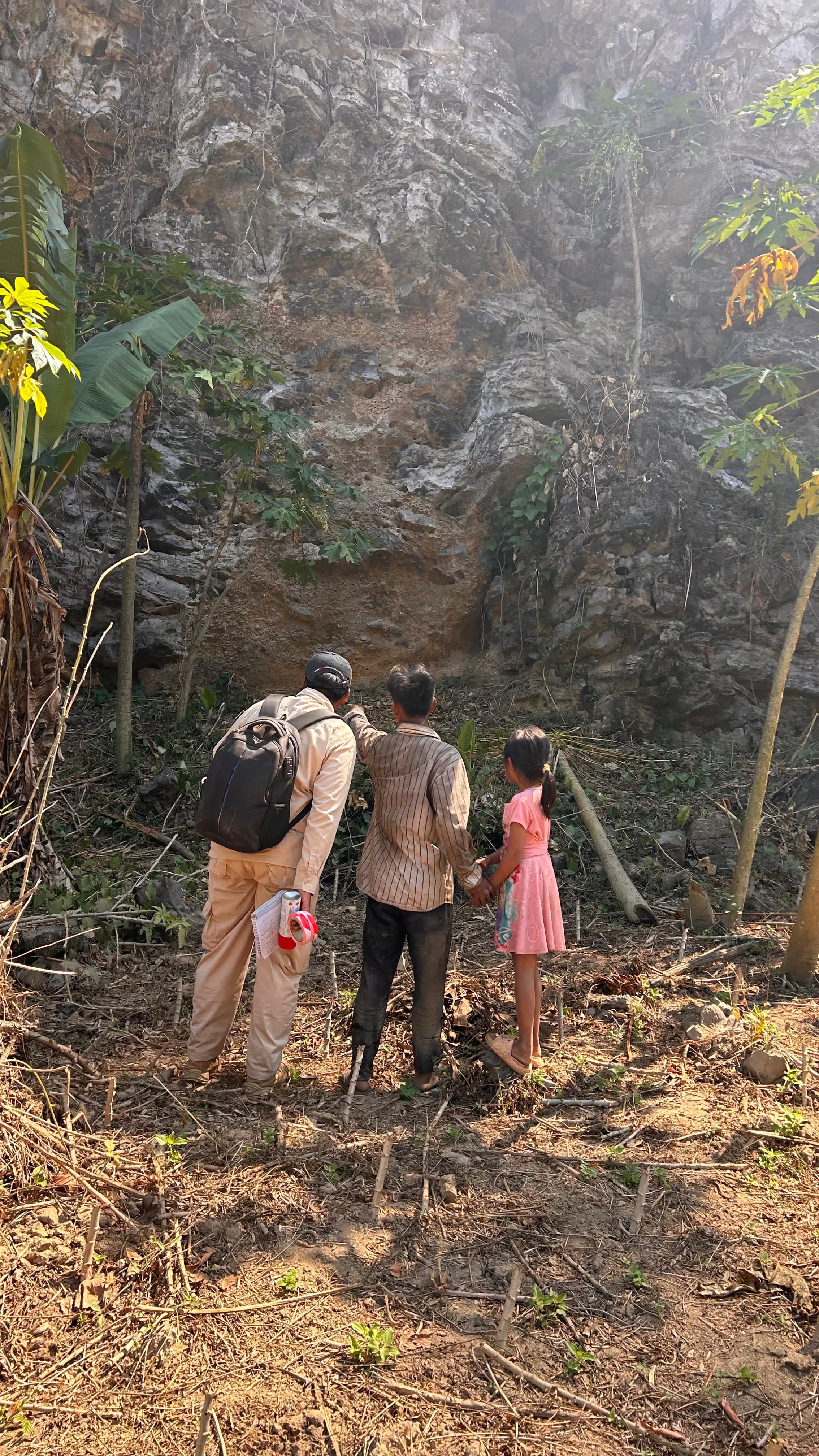
Unexploded bombs from the Second Indochina War are still found across rural Laos, often in areas where families farm, collect food or play. Risk education helps communities recognise these dangers and respond safely when they encounter them.
3. Accidents, Survivors, Victim Assistance
🇸🇩 Sudan: Scars of War Among Survivors in Sudan

Three years of conflict have left Sudan with thousands dead, millions displaced, and countless civilians living with permanent injuries from shelling and unexploded ordnance. Survivors described amputations, lifelong disabilities, and the struggle to access prosthetics and rehabilitation, while others continue to endure the trauma of sexual violence and displacement. The human stories underscore the long-term consequences of explosive weapons and the need for expanded victim assistance, rehabilitation, and explosive ordnance clearance as part of Sudan's recovery.
One year after Médecins Sans Frontières (MSF) began supporting emergency services at Deir ez-Zor National hospital, in Syria, hundreds of people injured by explosive ordnance have been treated at the hospital. This highlights the devastating and ongoing impact of contamination left behind by years of conflict.
The Syrian Observatory for Human Rights (SOHR) reports that landmines, unexploded ordnance, and other explosive remnants of war continue to inflict a heavy civilian toll across Syria. Since the beginning of 2026, 202 people have reportedly been killed, including 76 children and 7 women, highlighting the persistent humanitarian impact of explosive contamination. The figures underscore the urgent need for expanded humanitarian mine action, risk education, and clearance to protect civilians and support Syria’s recovery.
Since early 2026, SOHR documented the death of 201 civilians, including 76 children and seven women, and the injury of 295 others, including 106 children and ten women, by explosions of war remnants.
SOHR activists have documented the death of 14 people including seven children and the injury of 17 others since the beginning of June, due to the explosion of landmines and unexploded objects of war remnants.
🇺🇦 Ukraine: Norwegian People’s Aid mourns two colleagues killed in Ukraine

Denys Butsnev (25) and Ruslan Simonenko (26) were killed in an attack on Norwegian People’s Aid’s demining team in Kherson Oblast, southern Ukraine, on Wednesday 24 June. Military authorities in Kherson have said through Ukrainian media that the team was hit by a Russian Iskander-M missile. NPA is still working to verify this and to establish the full circumstances of the attack. There was no active air alert at the time of the attack.
UNDP Ukraine, with funding from the Netherlands and Luxembourg, is supporting a programme that retrains wounded veterans as humanitarian deminers. The latest cohort of 40 veterans, many with disabilities, is conducting non-technical survey and explosive ordnance risk education in Kharkiv Oblast. The initiative addresses both Ukraine’s growing veteran population and the country's long-term mine action workforce needs, while demonstrating how mine survivors can play a vital role in making contaminated land safe again.
🇾🇪 Yemen: UNICEF Urges Accelerated Mine Clearance in Yemen After Children's Deaths
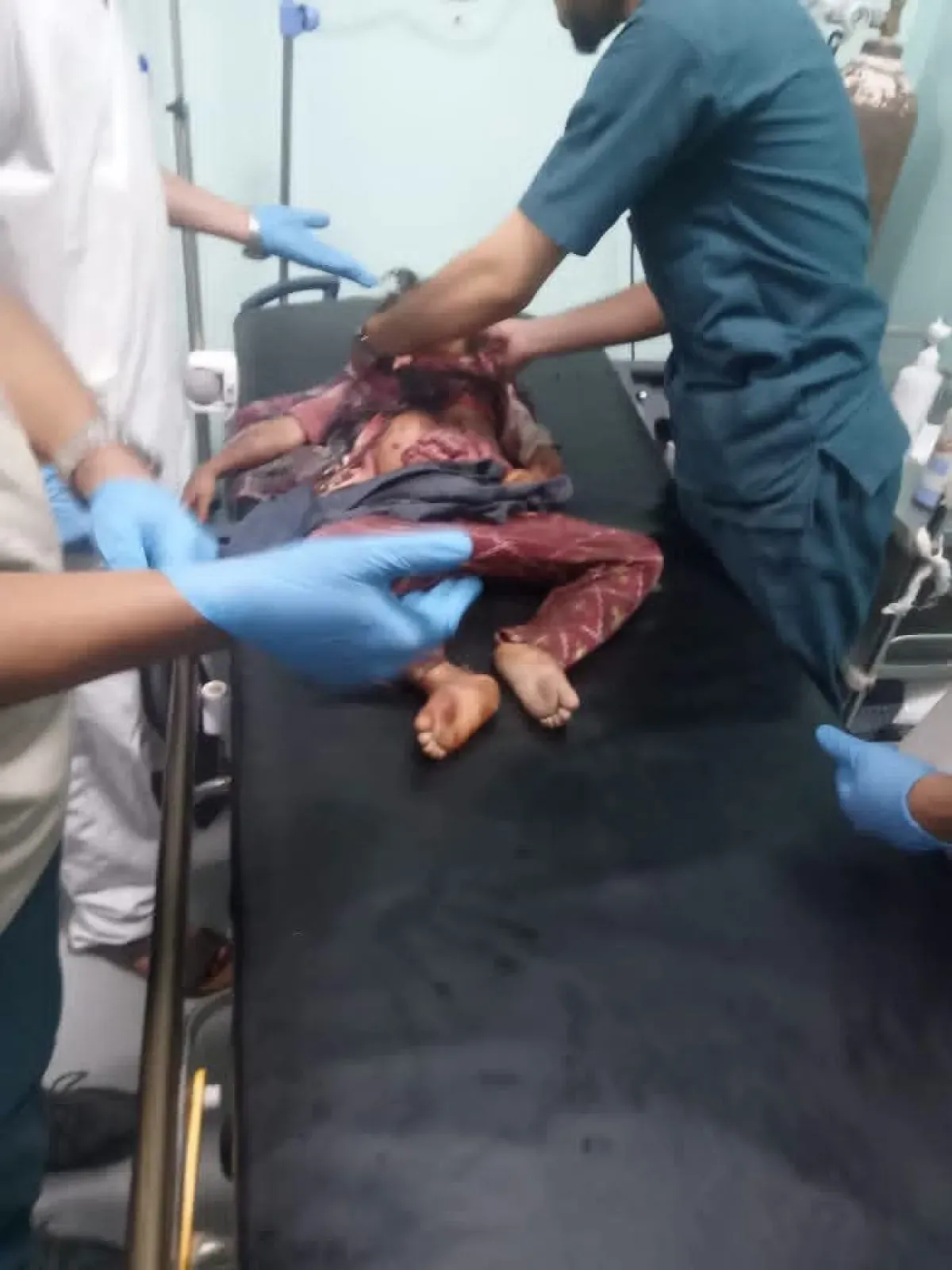
UNICEF has called for urgent action to enhance the protection of children in Yemen from the dangers of landmines and explosive remnants of war, following the deaths of five children and the injury of seven others in an explosion in the Al Dhale'e governorate.
🇾🇪 Yemen: Human Rights Ministry Condemns Houthi-Laid Landmine Blast That Killed Five Children in Al-Dhalea

The Ministry of Human Rights has strongly condemned the tragic landmine blast incident that claimed the lives of five children and injured seven others in Al-Reibi village in Hajar district of Al-Dhalea governorate after an explosive remnant of war detonated.
Humanity & Inclusion (HI) highlights the story of Saif Nasir, a farmer who lost his leg after stepping on a landmine in Al-Bayda governorate. After months of recovery, HI provided him with a prosthetic limb and rehabilitation services at its Physical Rehabilitation Centre in Hajjah, helping him regain mobility and independence. The story underscores the persistent threat posed by landmines in Yemen and the vital role of rehabilitation and victim assistance alongside humanitarian mine action.
Humanity & Inclusion (HI) is supporting the recovery of Mohammed Salam Saif Murshid Al-Qubati, who lost his left leg in a landmine explosion while walking to a fishing area in Yemen. Through its rehabilitation programme, HI has provided a wheelchair, physiotherapy, psychosocial support, and is preparing him for a prosthetic limb once his remaining leg has fully healed. The case highlights the ongoing human cost of landmines in Yemen and the critical role of long-term victim assistance and rehabilitation.
🌍 New Data Shows Thousands of Civilians Killed and Injured by Landmines and Explosive Remnants of War
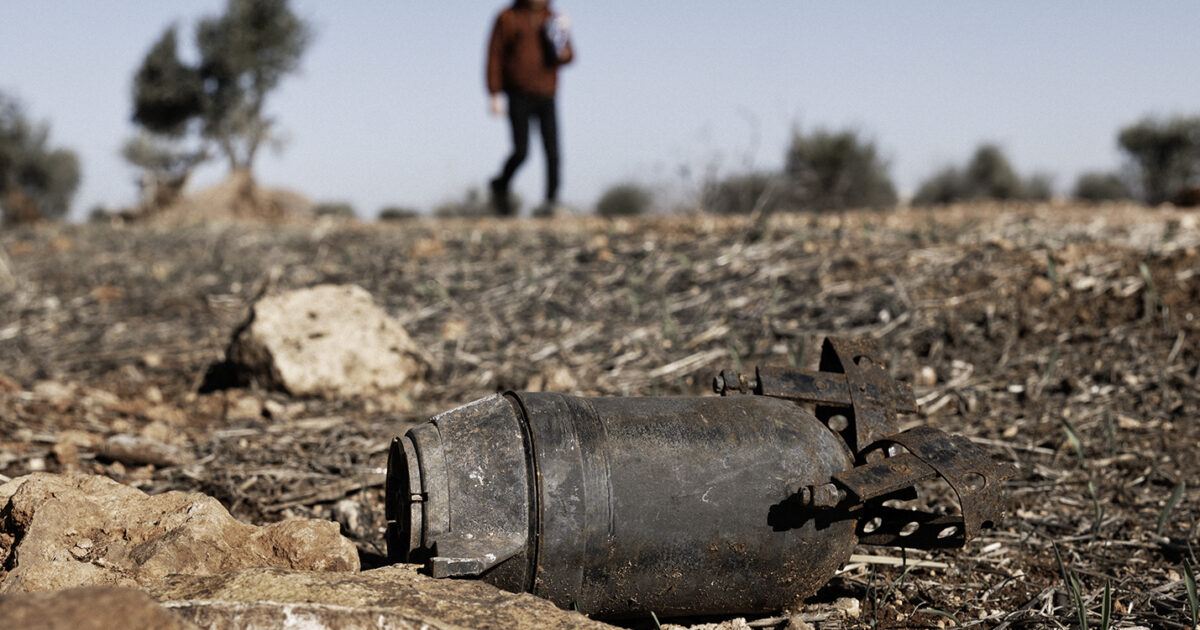
More than 5,000 people were killed or injured by landmines, cluster munitions and explosive remnants of war (ERW), including cluster munition remnants, in 2025, according to new preliminary data released by the Landmine and Cluster Munition Monitor. Over 90 percent of casualties were civilians, and children accounted for a significant proportion of those harmed.
Other EO Accidents from Around the Globe:
🇧🇩 Bangladesh: Another landmine explosion at Ghumdhum border leaves man severely injured
🇮🇳 India: Unexploded shell blast near LoC kills civilian in Kashmir, several injured
🇱🇧 Lebanon: Three killed in Israeli strike and landmine explosion in southern Lebanon
🇲🇲 Myanmar: Woman Killed in Landmine Explosion in Tanintharyi Township
🇵🇬 Papua New Guinea: NZDF removes WWII-era explosives in Papua New Guinea
🇸🇾 Syria: Child killed, two injured in landmine explosion in eastern Homs countryside
🇸🇾 Syria: Landmines threaten civilians | Two shepherds injured in Ain Eissa
🇸🇾 Syria: Old ordnance | Young man seriously injured in Aleppo countryside
🇾🇪 Yemen: 4 Children Killed, 13 Injured in Houthi Landmine Explosion in Yemen’s Dhale
4. Advocacy, Policy, Conventions, Strategies and Standards
The deactivated MK-84 aerial bombs weighing nearly one tonne, dropped by Thai F-16 fighter jet during the Thai invasion, has been placed on display at the headquarters of the Cambodian Mine Action Centre (CMAC) in Phnom Penh.
Cambodian Mine Action and Victim Assistance Authority (CMAA) Senior Minister Ly Thuch called for mine action to be recognised as a core pillar of global food security on June 26, citing the Kingdom’s transition from a post-conflict nation to a model of land reclamation.
Cambodia has underscored its evolution from a post-conflict nation to a global pioneer in demining, using the 62nd session of the United Nations Human Rights Council to champion mine action as a fundamental human rights imperative.
🇸🇾 Syria: International conference launches in Geneva to discuss mine action in Syria

An international conference on mine action in Syria has opened in Geneva, bringing together representatives of the Syrian Interim Government, international organisations, and donor countries to discuss ways to strengthen efforts to clear landmines and unexploded ordnance and support affected communities. Read more here.
🇸🇾 Syria hosts Geneva roundtable on recovery and sustainable development

Syria’s Ministry of Emergency and Disaster Management, in partnership with R-SEAT and the Permanent Mission of Canada to the United Nations in Geneva, hosted a high-level roundtable on Syria’s recovery on Friday on the sidelines of the first Syria Mine Action Partners Conference.
UNDP Ukraine, together with the Ministry of Defence of Ukraine and the Ministry of Economy, Environment and Agriculture of Ukraine, showcased more than 50 demining technologies during UTTC Technology Week 2026 in Lviv Oblast. The event brought together mine action operators, technology developers, and international partners to test drones, robotic systems, demining machines, and AI-enabled solutions under realistic field conditions. Officials emphasized that the future of humanitarian mine action lies in integrating technology, standards, data, and human expertise into a single operational process rather than relying on any one innovation alone.
🇺🇦 Ukraine: Farmers in Ukraine forced to pay taxes for unusable land

Farmers in Ukraine continue to pay land taxes on agricultural plots rendered unusable by landmines, explosive remnants of war, and other conflict-related damage. Agricultural groups are calling for tax relief for contaminated land that cannot be safely cultivated, arguing that current tax obligations place an additional financial burden on producers already affected by the war. The issue underscores the economic consequences of explosive contamination and the importance of accelerating humanitarian demining to restore productive farmland.
The United Nations High Commissioner for Human Rights details the impact of anti-personnel mines on the enjoyment of all human rights, with particular emphasis on economic, social and cultural rights. In the report, the High Commissioner highlights the different types of negative human rights impacts resulting from anti-personnel mines, and considers measures to address those impacts, including refraining from the use, development, production, acquisition, stockpiling, retention and transfer of anti-personnel mines; providing protection against the adverse impacts of anti-personnel mines; and ensuring the rights of survivors and other affected individuals and communities.
5. Stockpile Destruction, Demolition, WAM and Disarmament
🌍 Caribbean: MAG and CARICOM IMPACS launch a world-first course to strengthen ammunition management
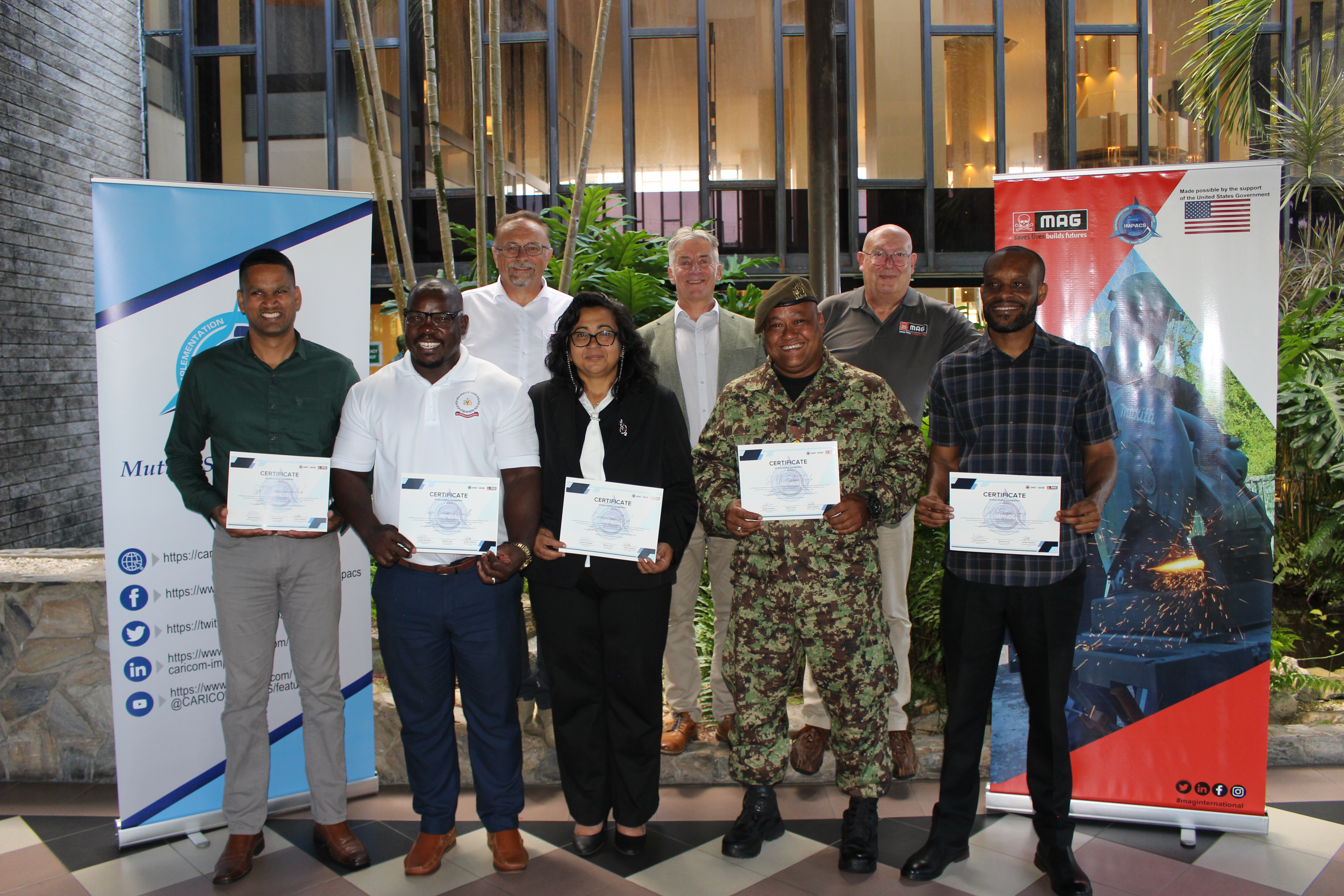
In the Caribbean, a groundbreaking initiative is transforming ammunition management capacity. As part of a MAG and CARICOM IMPACS project funded by the U.S. State Department, the Caribbean has conducted the first-ever regional validation course for personnel working with the International Ammunition Technical Guidelines.
6. Research, Innovation, Technology and Market Trends
The Pakistan Navy has introduced the ECA PAP-104 Mk 5 remotely operated vehicle to strengthen its underwater mine countermeasure capabilities. Operated from Munsif-class minehunters, the tethered system uses advanced sensors to detect, identify, and neutralise naval mines, carrying a 130 kg explosive charge for mine disposal. The deployment forms part of the Navy’s ongoing modernisation efforts to enhance maritime security and safeguard critical sea lanes.
🇺🇦 Ukrainian Engineers Test Advanced Demining Tech at Specialized Complex

Ukraine's 47th Separate Engineering Brigade tested advanced robotic demining technologies during a specialized exercise at the Ukrainian Training Testing Complex (UTTC). The trials featured the ScanJack 3500 heavy demining vehicle and the GCS-200 unmanned remote-controlled platform, evaluating their performance in detecting and clearing explosive hazards under realistic field conditions. The exercise reflects Ukraine's continued efforts to integrate robotic systems into demining operations to improve safety, efficiency, and operational effectiveness.
Ukraine's Ministry of Defence showcased advanced remote demining technologies during UTTC Technology Week 2026, including the 40-tonne ScanJack 3500 heavy demining machine and robotic platforms designed for urban explosive ordnance disposal. The systems are intended to reduce risks to sappers by performing hazardous survey and clearance tasks remotely while improving operational efficiency. Many of the demonstrated technologies have dual-use applications, supporting both humanitarian demining and military engineering operations.
🇺🇸 United States: Safe Pro to Equip US Ground Drones With AI Mine-Hunting Capability

Safe Pro Group secured a $1.3 million contract from Forterra to integrate its AI-powered RoadSight landmine detection platform into U.S. unmanned ground vehicles. The system uses computer vision and machine learning to detect and track explosive threats while moving, including landmines, cluster munitions, and unexploded ordnance.
🌍 Global Clearance Solutions unveils modular minefield breaching system with integrated lane marking for protected mobility operations
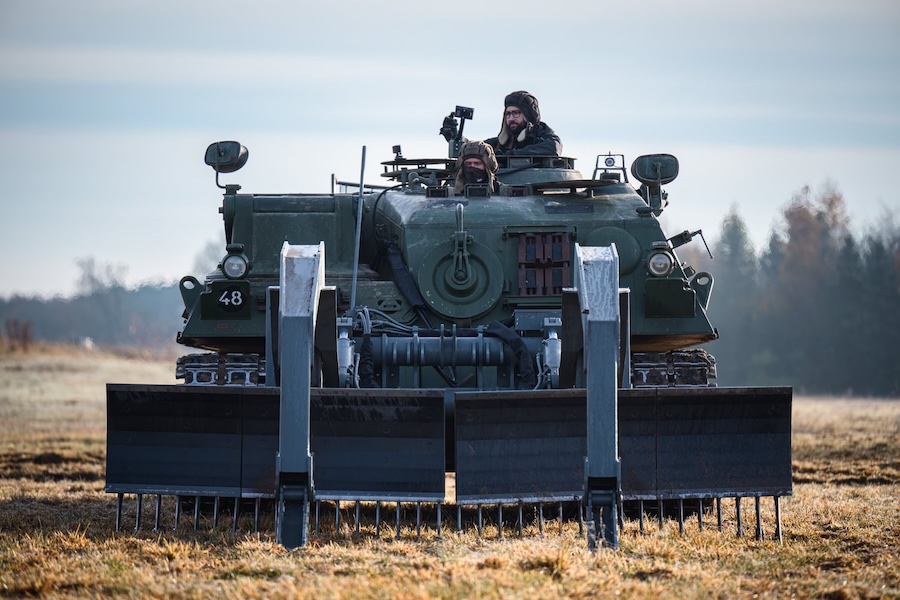
Global Clearance Solutions has introduced a modular minefield breaching capability that combines a newly developed Modular Mine Plough with an integrated Lane Marking System. The system was presented after Eurosatory 2026 and is aimed at military combat engineering operations that require breach lanes through mined terrain.
🌍 Pearson, Ukrainska Bavovna to Boost Ukraine’s Mine Clearance Support Capability

Pearson Engineering and Ukrainska Bavovna have signed an agreement to strengthen Ukraine’s domestic capability to repair, maintain, and support British-supplied combat engineering equipment, including mine-clearance and route-opening systems.
7. Mine Action Assistance, Funding and Cooperation
🇧🇯 🇫🇷 Benin: Security: France equips the Beninese army with advanced equipment to counter the threat of explosive devices
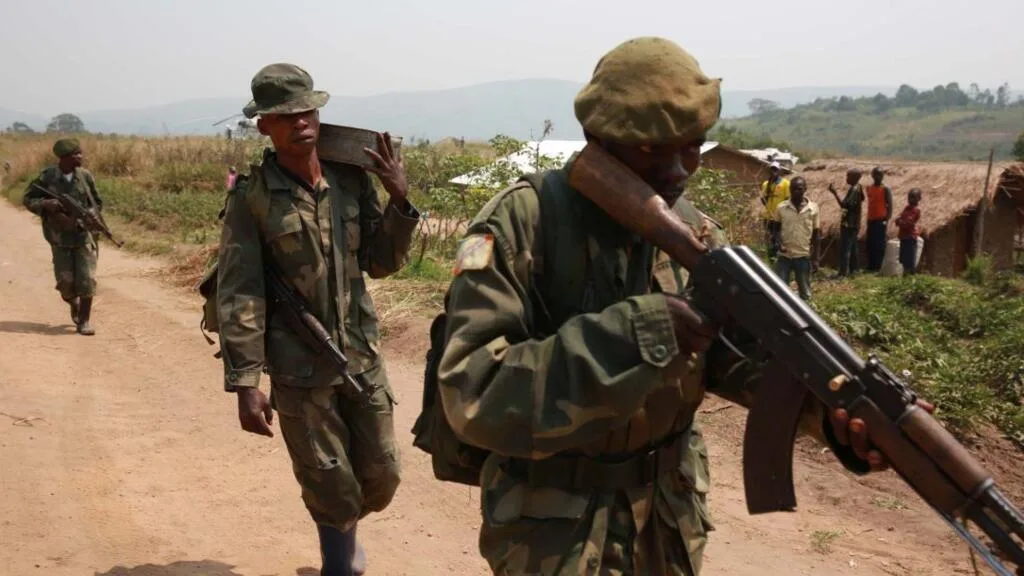
The military cooperation between Benin and France is intensifying in response to regional security challenges. On Tuesday, June 23, 2026, the 1st Engineer Battalion and the Center for Post-Conflict Demining and Pollution Action Training (CPADD) officially received a significant batch of high-tech equipment.
🇸🇾 🇩🇰 Syria: Dutch and Syrian officials discuss mine action cooperation in Geneva

Emergency and Disaster Management Minister Raed al-Saleh held talks on Wednesday with Nathalie Olijslager, director of the Stability and Humanitarian Aid Department at the Dutch Ministry of Foreign Affairs, on mine action cooperation in Syria. The meeting, held on the sidelines of the Conference on Mine Action in Syria in Geneva, focused on ways to strengthen cooperation in mine action and the clearance of unexploded ordnance, as well as support national efforts aimed at reducing related risks and protecting civilians.
🇺🇦 Ukraine to receive €205 million worth of demining equipment and machinery

In 2026, the Demining Coalition will provide Ukraine with specialized machinery and equipment worth a total of €205 million. The member states of the Demining Capability Coalition will establish a special fund amounting to €95 million to clear Ukraine of explosive hazards. In addition, they plan to attract another €142 million in 2027 to further support mine action activities across Ukraine.
🇺🇦 🇱🇹 Ukraine demining fund raises €150m, with Lithuania providing half

A multinational coalition supporting Ukraine’s demining efforts has accumulated 150 million euros in funding, with Lithuania contributing more than half of the total, according to Lithuania’s Ministry of Defence.
8. Other News
🇺🇦 Ukraine: UDS Team Successfully Completes GICHD Mine Action Training
Ukrainian Demining Services (UDS) announced that members of its team successfully completed specialised training delivered by the Geneva International Centre for Humanitarian Demining (GICHD). The programme strengthened participants' technical knowledge and operational expertise in humanitarian mine action, supporting UDS's ongoing efforts to enhance the quality, safety, and effectiveness of demining operations in Ukraine through the application of international best practices and standards.
🌍 FSD (Fondation suisse de déminage) 2025 Activity Report
In 2025, against a backdrop of immense humanitarian needs worldwide, FSD continued its engagement across four continents. In the field, our teams remained close to affected communities, working to reduce the risks posed by landmines and explosive remnants of war and contribute to a safer and more sustainable future. Read the full 2025 Annual Report here.
Video
Howard Buffett is an American businessman and philanthropist. He is the son of Warren Buffett, one of the world's wealthiest individuals. Since the beginning of the full-scale invasion, Howard Buffett has been actively supporting Ukraine through his foundation, which has become one of the country's largest private donors.
📅 Upcoming Events, Courses & Trainings
There are a number of interesting events for the mine action sector in the coming months, and some of the deadlines are approaching quickly.
Organised under the Mine Action Innovation Hub, the Innovation Session 2026: Mine Action in Urban Areas is a three-day, in-person event bringing together mine action practitioners, national authorities, debris management and recovery actors, urban planners, researchers, technology providers, and donors. Applications to participate in the Innovation Session are now open until 17 July 2026.
Felix Connect is a dedicated networking event designed to bring together supporters, partners, and friends of Felix Fund - the bomb disposal charity. It’s a relaxed, welcoming space to connect, network, or simply catch up with familiar faces from across the EOD, Search, defence, and charity communities. The event will be held on 28 September in London. Learn more here.
The Mine Action: Innovation, Sustainability, and Global Partnerships speaker series is structured to address landmine and explosive remnants of war (ERW) challenges through a strictly humanitarian, civilian-protection-oriented framework, with clearly defined ethical, legal, and operational boundaries between humanitarian and military applications of technology. Dates are: FEB 19 | MAR 19 | APR 16 | MAY 21 | JUN 18 | JUL 16 | AUG 20 | SEP 17 | OCT 15 | NOV 19 | DEC 17. Time: 12:00 PM - 1:00 PM ET. Location: Virtual (Zoom Webinar). Register here.
The Geneva International Centre for Humanitarian Demining (GICHD)'s final IMSMA Global training course for 2026 is open for registration: 02 Nov 2026 - 06 Nov 2026 (Application deadline: 2 August 2026).
🔔 Always Stay in the Know – Never Miss an Update
This newsletter is subscribed to by over 3600+ dedicated readers on LinkedIn. To join this community of mine action professionals and supporters, go ahead and subscribe to the Mine Action Weekly newsletter. You can find all editions up to February 2026 on LinkedIn, and from March 2026 onwards here on Mine Action News.
Please reach out to me if there are any mine action news, journal articles, events, or updates that you would like to suggest for the next edition of Mine Action Weekly. You can find (and follow / connect with) me here. See you next Monday!


