Mine Action Weekly, 15 - 21 June 2026

From Cambodia’s steady march toward a mine-free future to growing fears of naval mines in the Strait of Hormuz, this week’s developments highlight how mine action continues to shape security, recovery, and international policy. Explore major clearance achievements, emerging technologies, funding shifts, and the human stories behind a global challenge that still affects at least 58 countries and territories.

Disclaimers:
This newsletter features news reports and articles from a variety of sources. Mention of these resources does not indicate agreement with or endorsement of the opinions of others. I do not claim responsibility or credit for these works, and do not vouch for the information contained in them.
This newsletter is created and managed in a personal capacity, independent of my professional affiliation with Fondation suisse de déminage (FSD).
🗞️ Weekly News Roundup
The weekly news roundup showcases a low-down of the top mine action news and insights from the past seven days.
1. EO Contamination, Clearance & Land Release
The Azerbaijan National Agency for Mine Action (ANAMA) reported that its teams and partner operators cleared 51 landmines and 497 items of unexploded ordnance during the past week. Clearance activities covered former conflict-affected areas in Karabakh and East Zangezur, supporting ongoing reconstruction, infrastructure development, and the safe return of displaced populations. ANAMA stated that survey and clearance operations remain a national priority as Azerbaijan continues addressing extensive contamination from mines and explosive remnants of war.
🇰🇭 Cambodia: 4.4 Million Mines Destroyed in 33 Years, PM Seeks Stronger Border Safeguards

Since 1992, Cambodia has cleared 3,541 square kilometres contaminated by explosives and destroyed more than 4.4 million landmines. Prime Minister Hun Manet reaffirmed that clearing landmines and unexploded ordnance remains a national priority — especially in areas affected by past border conflicts — as the country prepares to mark its 27th National Mine Awareness Day.
The HALO Trust has successfully completed mine clearance operations at a contaminated site in Ta Dev village, Trapaing Tav commune, Anlong Veng district, Oddar Meanchey province, according to information released by the Cambodian Mine Action Centre (CMAC) today.
Cambodia is making progress towards its goal of becoming mine-free by 2030, with UN-supported operations clearing 42.5 square kilometres of contaminated land and restoring safe access to land, services and livelihoods for more than 119,000 people in 2025.
🇫🇷 France: Paris ready to launch mine-clearing operations in Hormuz
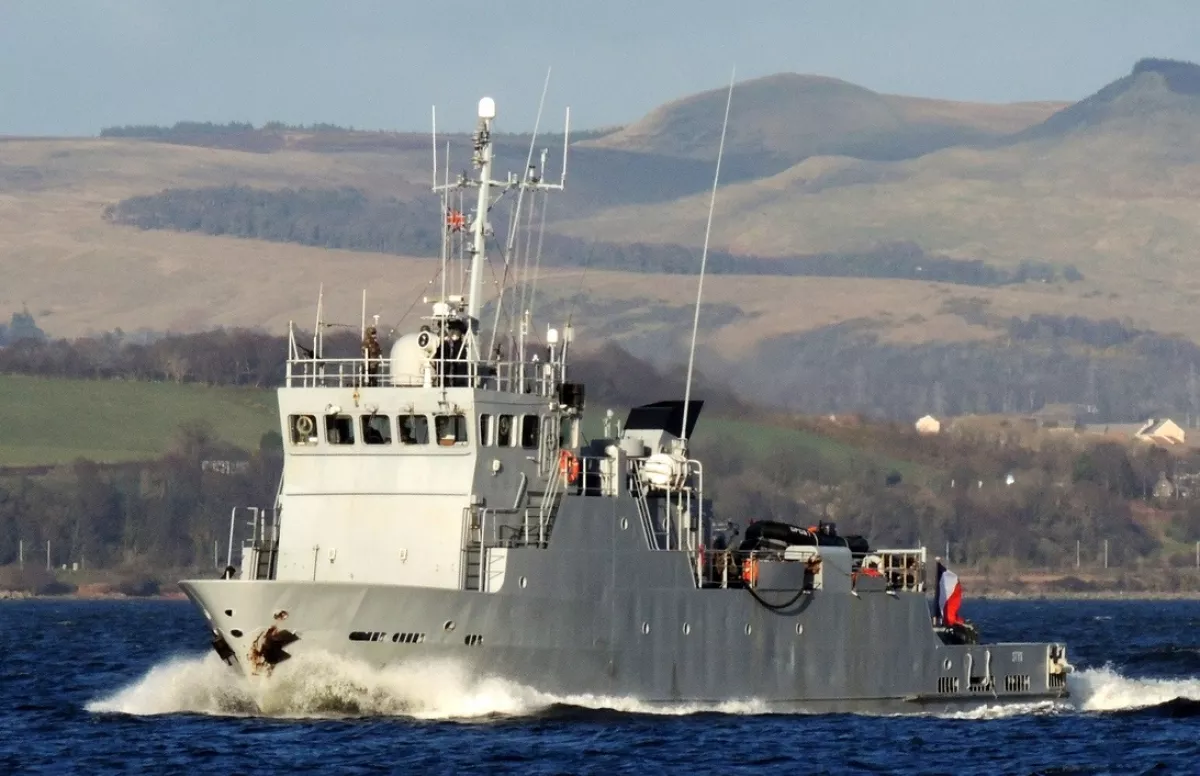
France is prepared to deploy minesweepers to the Strait of Hormuz should mine-clearing operations become necessary in the strategically important waterway, French Armed Forces Minister Catherine Vautrin said.
🇩🇪 🌊 German military prepares for possible mine-clearing mission
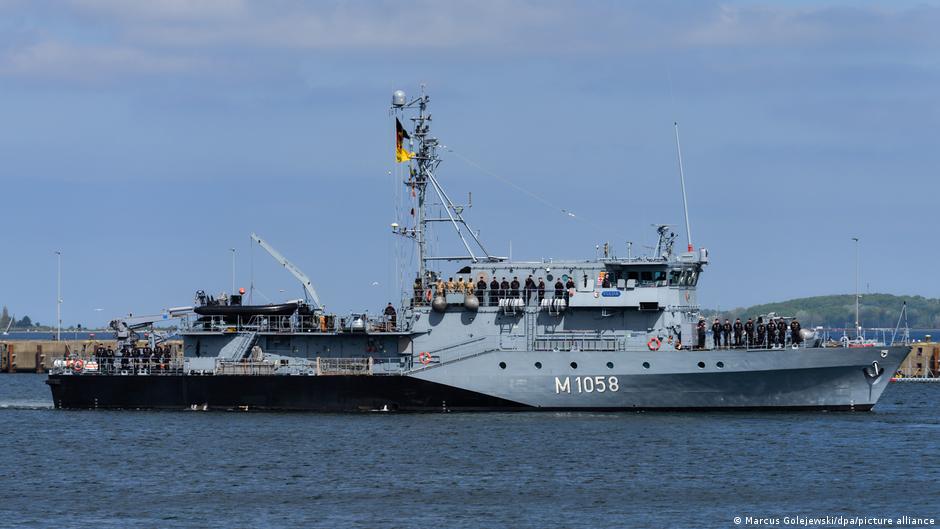
The German military, or Bundeswehr, is preparing for a possible mine-clearing mission in the Strait of Hormuz. The German Defense Ministry announced on Thursday that the minesweeper Fulda and the tender ship Mosel, previously deployed in the eastern Mediterranean, had already passed through the Suez Canal early that morning.
🇱🇧 Lebanon: Three months on, MAG’s emergency response in Lebanon
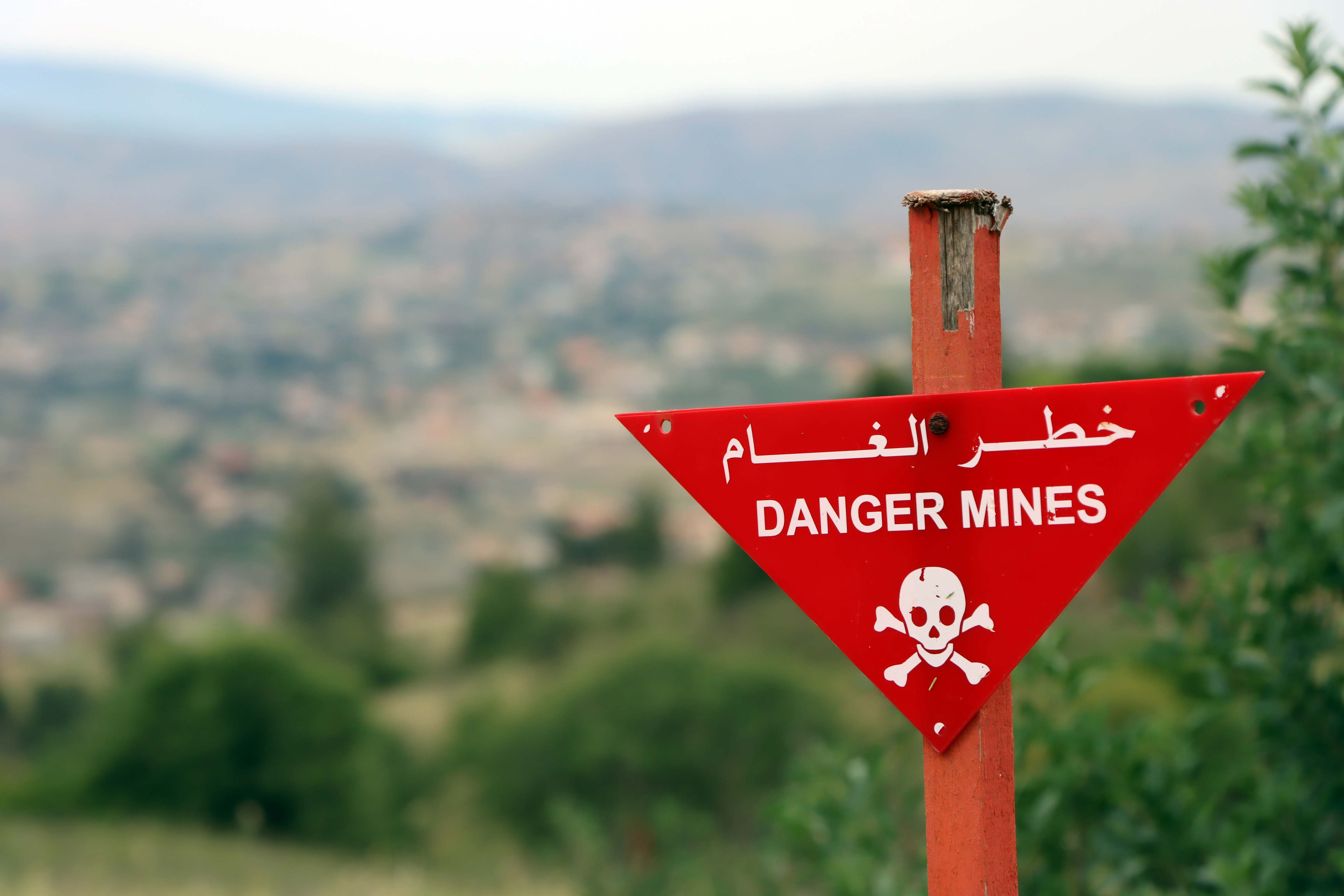
MAG (Mines Advisory Group) reports that three months after escalating hostilities in Lebanon, its emergency response teams continue conducting explosive ordnance risk education, survey, and explosive ordnance disposal activities in conflict-affected communities. MAG has supported thousands of people through risk education sessions, responded to reports of explosive hazards, and worked to improve safe access to homes, farmland, and essential services. The organisation warns that unexploded ordnance remains a significant threat to civilians returning to affected areas and stresses the need for sustained mine action support.
The security forces uncovered 20 large landmines, 17 homemade directional mines, 15 homemade improvised anti-vehicle mines, eight improvised explosive mines, six homemade mines made of PVC pipes, 12 locally made landmines, and two M-14 mines, totalling 80 assorted mines on both sides of Kanma-Myaing road between Hninsikan and Thayetkan villages in Myaing Township.
🇨🇭 Swiss Army Cleared 227 Unexploded Ordnances Last Year

The Swiss Army's Explosive Ordnance Disposal and Mine Clearance Command (KAMIR) rendered safe 227 items of unexploded ordnance in 2025 following 855 reports from the public. In addition, specialists disposed of 1,556 ammunition components and 1,263 items of found ammunition. Most reports originated from the cantons of Bern, Graubünden, and Valais, where former and current military training areas overlap with popular outdoor recreation zones. The Swiss Army continues to encourage public reporting through its "Blindgänger" app and conducts systematic clearance operations in former training and target areas.
The United Nations Mine Action Service (UNMAS) and the Food and Agriculture Organization of the United Nations (FAO), with support from the government of Japan, launched a joint project to restore agricultural livelihoods and strengthen resilience in northwestern Syria. FAO said the project is the first of its kind globally to bring the two organisations together. The project is dedicated to clearing mines and unexploded ordnance and rehabilitating agricultural infrastructure in conflict-affected areas, with funding from Japanese grant assistance estimated at $4.4 million.
🇸🇾 Syria: Mine clearance teams begin work to secure return routes to Serêkaniyê

Mine clearance teams have begun work on roads and in areas surrounding the city of Serêkaniyê, as part of a plan to secure villages and main roads and create the necessary conditions for the safe return of residents.
🇸🇾 Syria: Large wildfires erupt north of Zerkan amid fears of landmine explosions

Large wildfires have broken out in the vicinity of four villages north of the town of Zerkan, raising fears that landmines planted around the villages could detonate as the flames spread. Firefighting teams are carrying out intensive operations to contain and extinguish the blazes.
The report examines a Russian attempt to breach minefields near Mala Tokmachka using modified all-terrain vehicles fitted with mine plows and electronic warfare equipment. The improvised systems were intended to clear surface-laid mines and create lanes for assault groups, but suffers from limited protection and inability to deal with buried mines. They are also left vulnerable to Ukrainian drone attacks. The piece highlights the continued effectiveness of minefields as a defensive obstacle and the evolving relationship between mobility, breaching operations, and unmanned systems on the modern battlefield.
🇺🇦 🌊 Ukraine: Joining Gulf mine-clearing coalition would be major opportunity for Ukrainian Navy, expert says

The reopening of the Strait of Hormuz will not be complete without extensive mine-clearing operations. Ukraine is prepared to deploy its naval vessels to the Gulf as part of an international mine-countermeasure coalition, a move that would present a significant opportunity for the Ukrainian Navy and further enhance the reputation of Ukraine's Armed Forces abroad.
The U.S. Navy will be deploying a new generation of drone-based countermeasures to search the sea floor and surface for any mines Iran laid.
🇻🇳 Vietnam: 500-day campaign: Braving danger to recover fallen soldiers’ remains
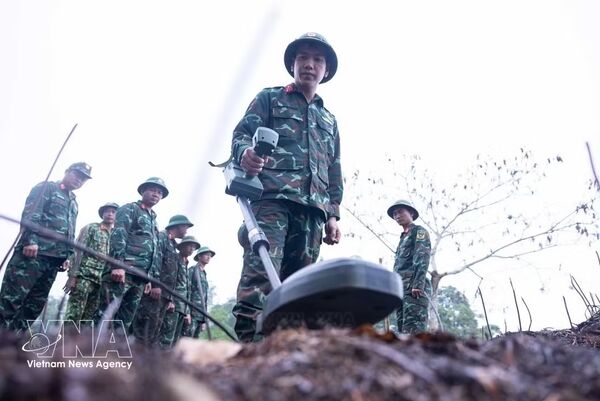
During missions to search for and recover the remains of fallen soldiers at the Vi Xuyen battlefield, officers and soldiers of the Tuyen Quang team for the search and recovery of martyrs’ remains constantly face significant challenges. Many suspected burial sites are located in rugged and hazardous terrain beyond areas that have been cleared of landmines and unexploded ordnances, posing serious safety risks during access and field surveys.
🇾🇪 Yemen: KSrelief's Masam Project Clears 2,045 Mines across Yemen in One Week
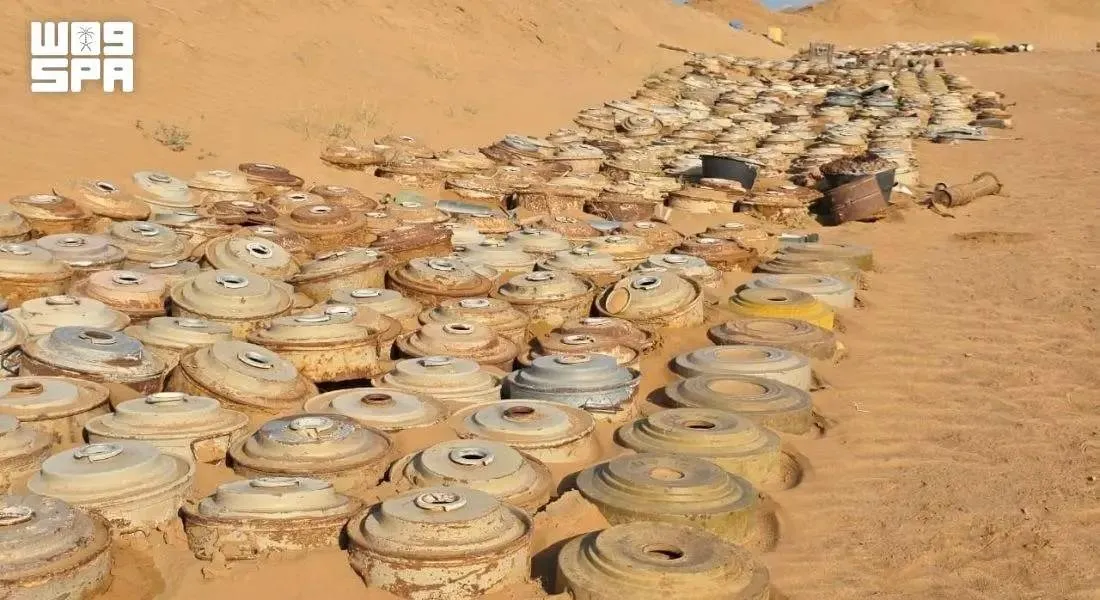
The Saudi Project for Landmine Clearance (Masam) in Yemen, implemented by the King Salman Humanitarian Aid and Relief Center (KSrelief), cleared 2,045 mines from various regions of Yemen during the second week of June 2026. The clearance operations included 98 anti-tank mines, 18 anti-personnel mines, 1,927 unexploded ordnance items, and two improvised explosive devices (IEDs).
🌍 No Help is on the Way – Can Risk Takers Become Risk Reducers?
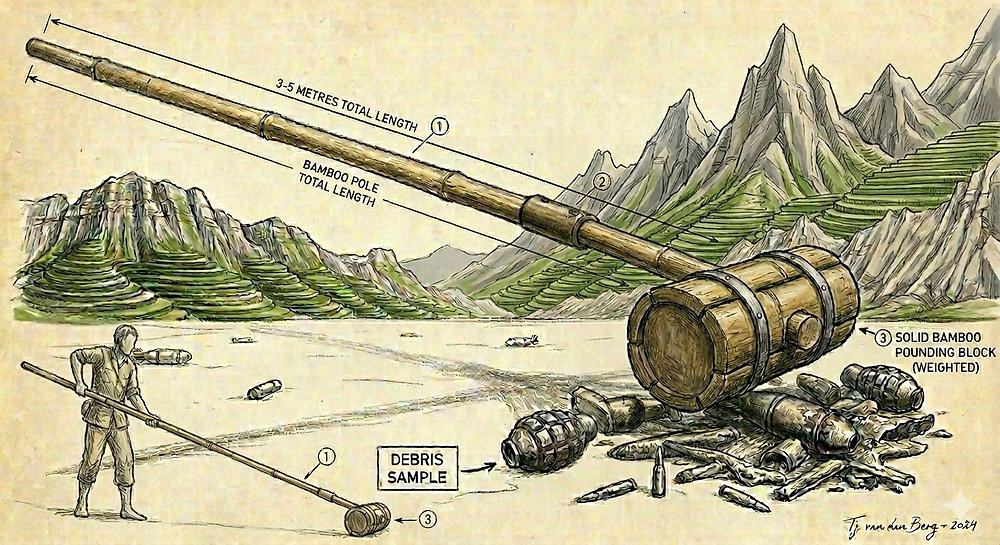
The article argues that conventional Explosive Ordnance Risk Education (EORE) may be ineffective in areas where no mine action response capacity exists to act on community reports. Drawing on examples from Southeast Asia and the Pacific, it proposes exploring a risk-reduction approach that acknowledges and improves existing community coping mechanisms. The commentary references earlier work by Jo Durham and Mohammed Ali, advocating for research into how humanitarian mine action practitioners can support safer community-led responses where formal clearance services are absent.
🌍 🇺🇳 At least 58 states, territories contaminated by mines: UN

At least 58 states and territories are contaminated by anti-personnel mines, the UN rights chief said Tuesday, with heavy civilian casualties in Myanmar, Syria, Afghanistan and Ukraine. "It is deeply troubling that almost 30 years since the Anti-Personnel Mine Ban Treaty was adopted, these explosive weapons continue to kill and injure people -- often decades after they were placed," Volker Turk said in a statement.
🌊 Mine clearing in Strait of Hormuz could delay shipping traffic for up to 50 days
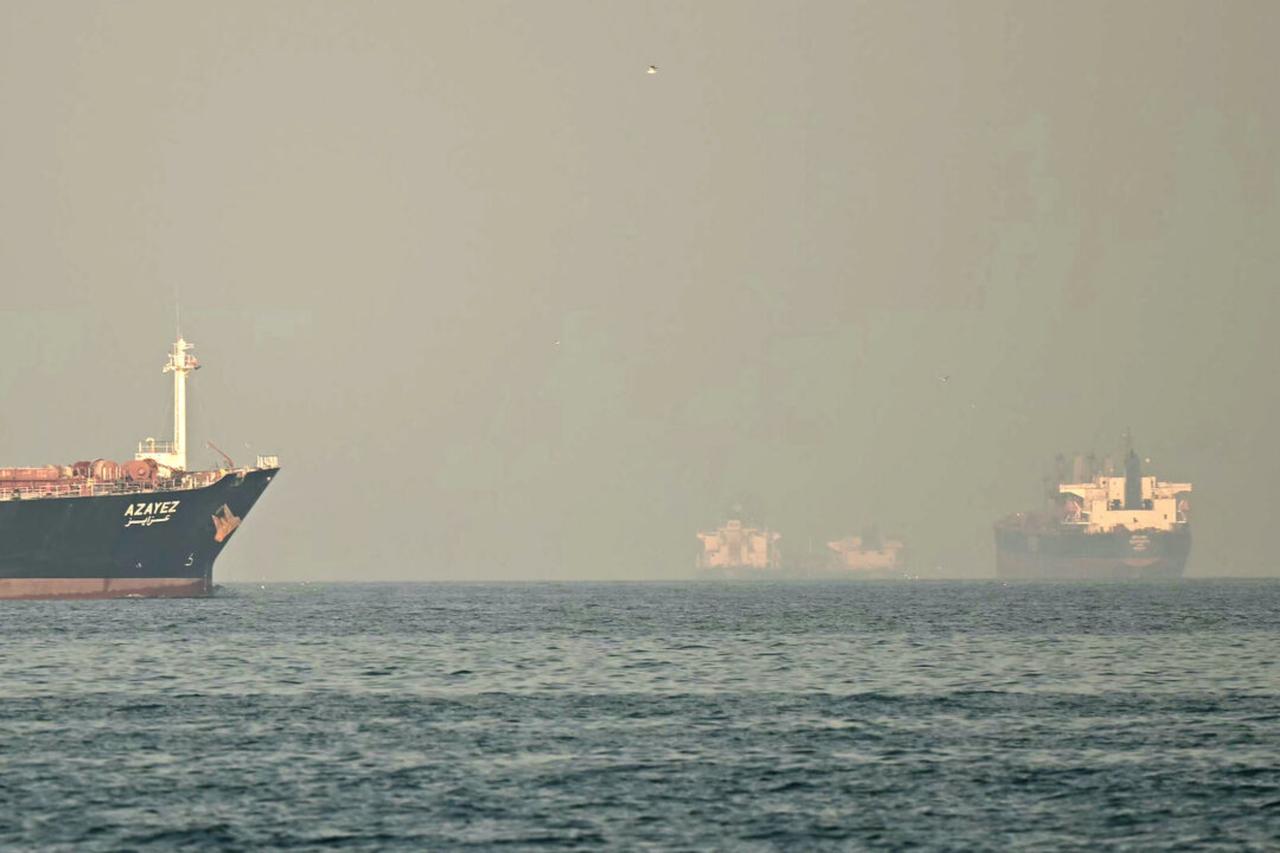
Clearing mines from the Strait of Hormuz to restore safe transit could delay the return of normal maritime traffic by several weeks, even after an agreement is reached to reopen the strategic waterway.
🌊 What to know about the demining and escort mission that U.S. allies want for the Strait of Hormuz

The naval mission for the Strait of Hormuz that U.S. allies are proposing as a follow-up to a deal to end the Iran war would aim to reassure crews and shipping insurers that vessels can safely navigate the narrow waterway again, by removing any explosive mines and potentially providing military escorts.
🌊 JMIC Warns of Confirmed Mine in Hormuz as Uncertainties Continue
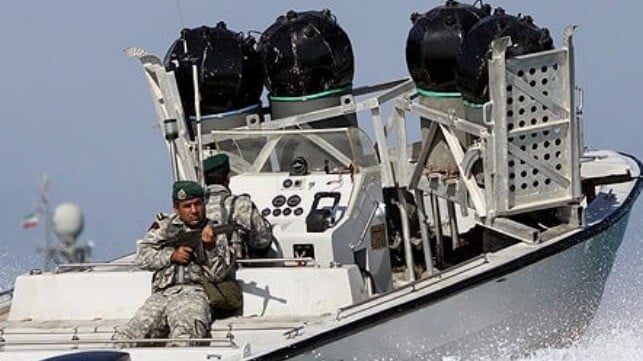
While reports indicate that traffic in the Strait of Hormuz is increasing, many shipowners have still voiced concern largely because of the unknown threat of mines placed by Iran during the conflict. The Joint Maritime Information Center added to those concerns, issuing an advisory confirming the location of one mine and telling ships to continue to avoid the main shipping lane.
The operation by conventional minesweepers and state-of-the-art underwater drones could continue for 40 to 50 days before many insurance, shipping or oil companies are confident enough to sail through, according to assessments from five Western maritime security sources.
Other EO Finds from Around the Globe:
2. Explosive Ordnance Risk Education (EORE)
🇧🇦 Bosnia and Herzegovina: Mine risk education reduces risks and saves lives – but the danger is far from over
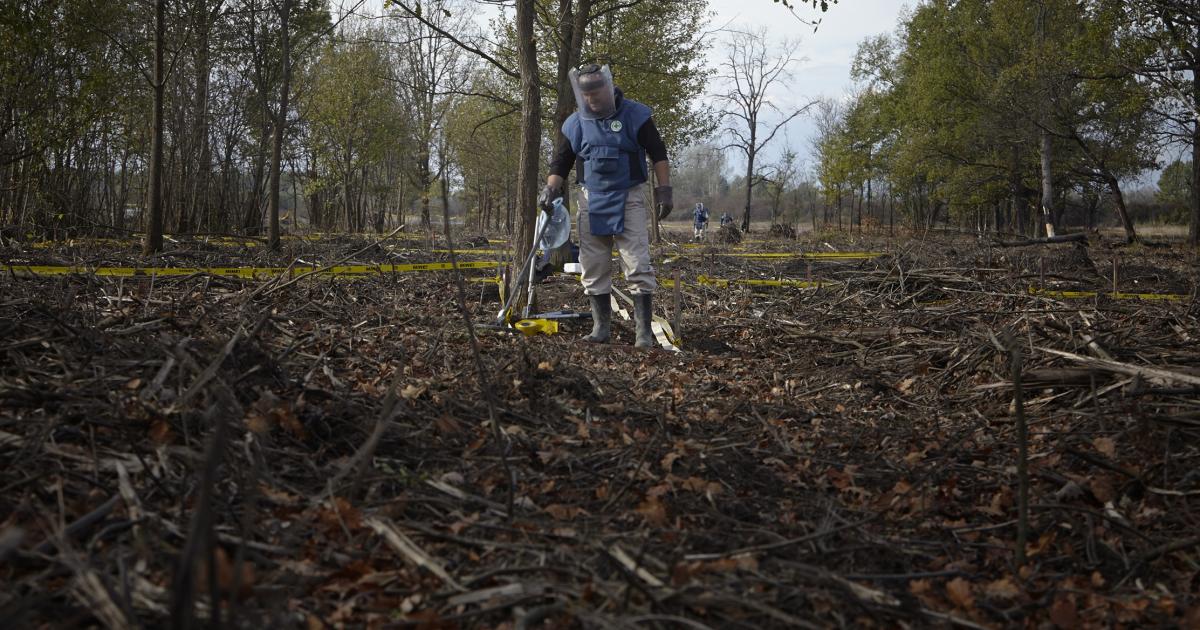
Thirty years after the armed conflict, landmines and explosive remnants of war still represent a life threatening hazard in Bosnia and Herzegovina. For younger generations with no memory of the conflict, the threat is real, but invisible. Mine risk education may be their only warning.
3. Accidents, Survivors, Victim Assistance
Australia is shifting its long-running support for mine clearance in Cambodia towards rehabilitation services for survivors, Australian Ambassador Derek Yip said, as landmine casualties continue to decline.
🇲🇲 Myanmar: Survivors of Myanmar’s Landmine Blasts Struggle With Severed Limbs and Shattered Lives

Landmine survivors across Myanmar face lifelong physical, psychological, and economic challenges, often with limited access to prosthetics, rehabilitation, and social support. Ongoing conflict continues to generate new casualties in contaminated areas. The International Campaign to Ban Landmines (ICBL) has warned of rising civilian harm and underscores the need for expanded victim assistance, explosive ordnance risk education, and mine action efforts to address the growing humanitarian impact of contamination.
Landmines and explosive remnants of war (ERW), including cluster munition remnants, killed or injured more than 5,000 people in 2025, the vast majority of them civilians. This preliminary data was released today by the Landmine and Cluster Munition Monitor. Of the 40 countries reviewed in the preliminary dataset, Syria recorded the highest number of casualties (1,602). It was followed by Myanmar, Afghanistan, Palestine, Nigeria, and Ukraine.Landmines of all types and explosive remnants of war (ERW), including cluster munition remnants, remain a major threat as they continue to kill and injure thousands of civilians every year and cause indiscriminate harm globally.
Other EO Accidents from Around the Globe:
🇦🇫 Afghanistan: Unexploded Ordnance Blast in Helmand Kills One Child
🇮🇳 India: Jammu and Kashmir: JCO, 3 soldiers injured in accidental landmine explosion along LoC
🇳🇬 Nigeria: Four soldiers killed as military vehicle runs over IED in Sokoto
🇸🇾 Syria: 4 people killed in landmine explosion west of Sweida
🇺🇦 Ukraine: One Dead, Two Injured After Civilians Step on Unexploded Ordnance in Kharkiv Region
4. Advocacy, Policy, Conventions, Strategies and Standards
🇧🇦 Bosnia and Herzegovina: The Council of Ministers of BiH adopts the Demining Plan in BiH for 2026
The Council of Ministers of Bosnia and Herzegovina, on the proposal of the Ministry of Civil Affairs, adopted the Plan for Demining in Bosnia and Herzegovina for the year 2026, which was drawn up by the Center for Demining of Bosnia and Herzegovina.
Keo Sovann, permanent representative of Cambodia to the UN Office in Geneva, reaffirmed Cambodia’s commitment to the Ottawa Convention and its humanitarian objectives during the Intersessional Meetings of the Anti-Personnel Mine Ban Convention, held from June 15-18.
🇮🇶 Iraq yet to clear nearly 5,000 sq. km of mine-contaminated land
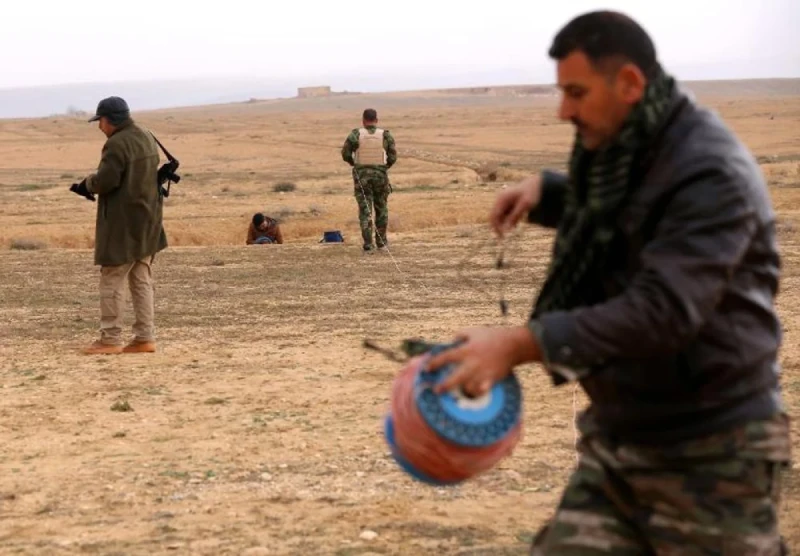
Iraq's Ministry of Environment reaffirmed its commitment to fulfilling the country's obligations under the Anti-Personnel Mine Ban Convention by clearing landmines and explosive remnants of war by the end of 2028. Officials warned that reduced international assistance, including the suspension of US funding, has created significant financial challenges for the national mine action programme. The Directorate of Mine Action (DMA), the Iraqi Kurdistan Mine Action Agency (IKMAA), and other national partners continue to address extensive contamination left by decades of conflict, with large areas of Iraq still affected by mines and unexploded ordnance.
5. Stockpile Destruction, Demolition, WAM and Disarmament
6. Research, Innovation, Technology and Market Trends
🇩🇪 Germany: Rheinmetall’s AI Mine Clearer and Kamikaze Drone Swarm Debut in Paris

German defence company Rheinmetall unveiled new autonomous technologies at the Paris Air Show, including an AI-enabled mine clearance system and coordinated drone swarm capabilities. The mine action component combines autonomous navigation, sensor integration, and artificial intelligence to detect and process explosive hazards with reduced risk to personnel. Rheinmetall presented the system as part of a broader portfolio of unmanned ground and aerial technologies designed for military engineering, route clearance, and explosive ordnance disposal applications.
🇸🇴 🇬🇧 Somalia: British demining company wins deal to train and equip SNA on countering IED
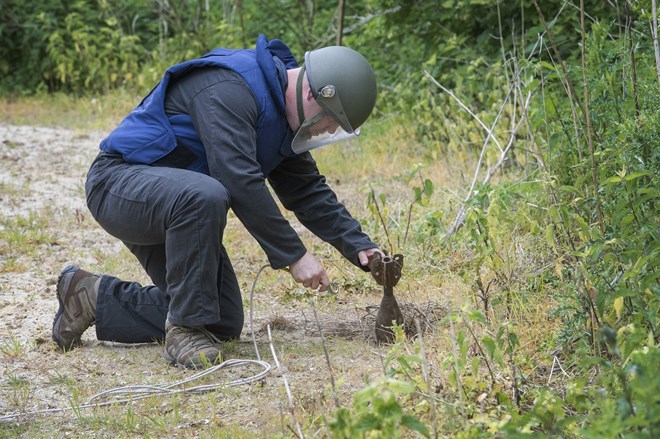
The UK government has reinforced its support to Somali National Army through training and equipping to enable the military tackle the IED hazard that has killed many security forces and civilians. The Ministry of Defence (MoD) has awarded a contract to ISSEE, a British firm specialising in demining and counter-terrorism training, equipment, and advice.
UNDP Ukraine, the Ministry of Defence of Ukraine, and the Ministry of Economy, Environment and Agriculture of Ukraine brought together mine action operators, technology companies, and international partners at UTTC Technology Week 2026 in Lviv Oblast to test demining robots, drones, sensors, and mechanised clearance systems. Deputy Minister Ihor Bezkaravainyi stressed that effective mine action depends on integrating technologies, data, standards, and human expertise into a single operational process, while acknowledging that machines can help identify hazards but human deminers remain essential for clearance.
🇬🇧 United Kingdom: University developing drones to detect landmines
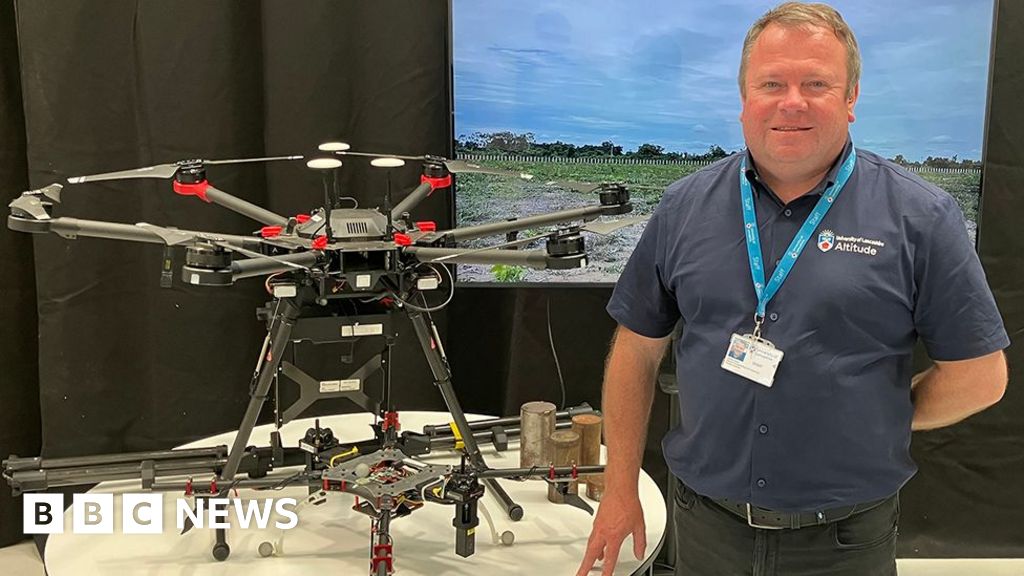
Researchers from the University of Lancashire’s Altitude facility have tested drones equipped with ground-penetrating radar and sensitive metal detectors to locate buried landmines in Cambodia. The system combines sensor data with artificial intelligence to improve detection and classification of explosive hazards. Developed for use in difficult terrain and heavily contaminated areas, the technology aims to accelerate mine action operations and reduce reliance on slower, labour-intensive clearance methods.
7. Mine Action Assistance, Funding and Cooperation
🇰🇭 🇦🇺 Cambodia: Australia Pledges AUD1.5 Million to Bolster Demining and Recovery Along Cambodian Borders
The Government of Australia has committed AUD1.5 million to support landmine clearance and recovery operations in war-affected communities along Cambodia’s borders. The formal grant agreement was finalized on June 8, 2026, during a signing ceremony attended by Senior Minister Dr. Ly Thuch, who serves as the First Vice-President of the Cambodian Mine Authority, alongside Australian Ambassador to Cambodia Derek Yip, and Enrico Gaveglia, the United Nations Development Programme Resident Representative in Cambodia.
🇺🇦 Ukraine: Demining Coalition to provide Ukraine with €205M worth of specialized equipment this year
The Demining Capability Coalition for Ukraine will establish a €95 million fund to assist in clearing Ukraine’s territory of explosive hazards and plans to provide Ukraine with specialised demining equipment and machinery worth €205 million in 2026.
🇺🇦 Ukraine: Cooperation in mine action under discussion
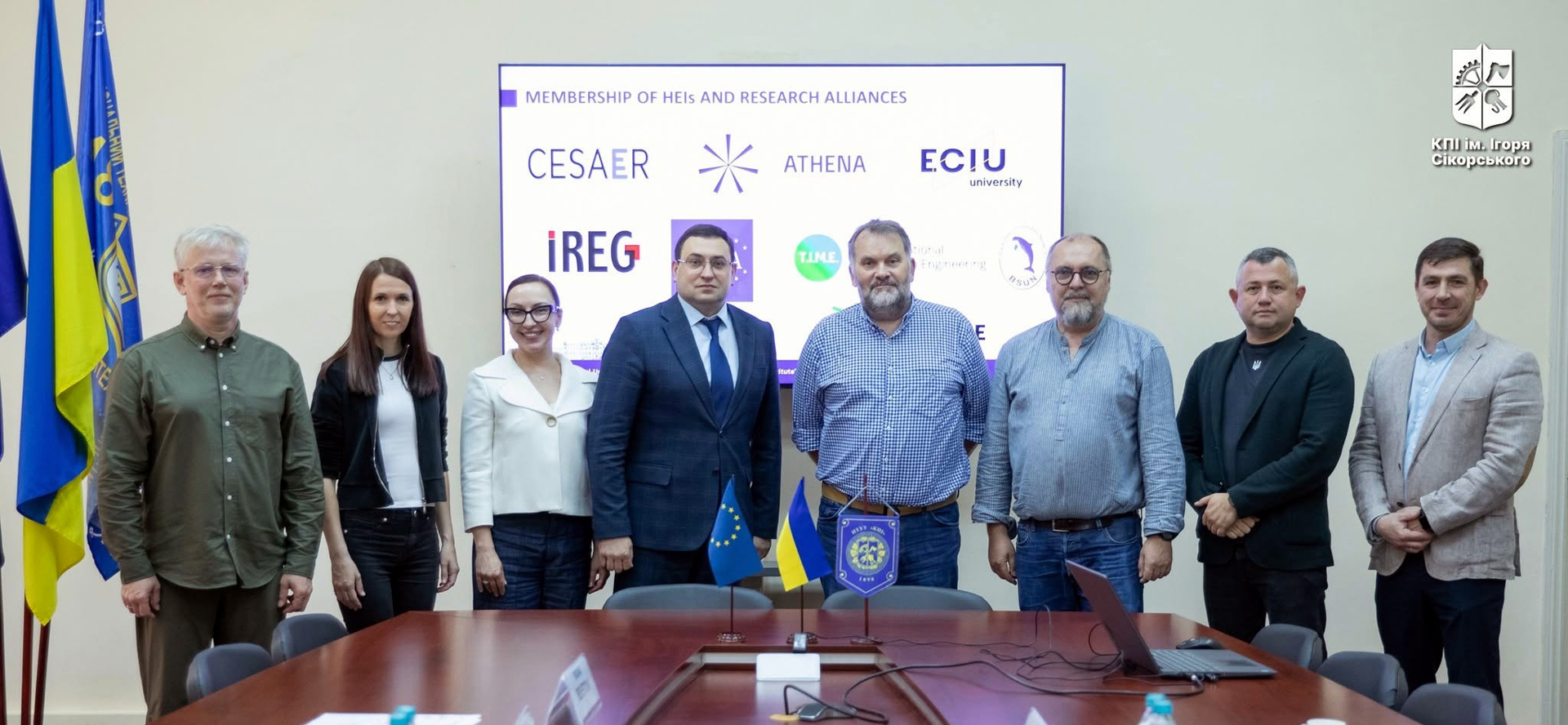
A delegation of the international organisation PCM & MAT Kosovo (Republic of Malta) visited the Igor Sikorsky Kyiv Polytechnic Institute. During the visit, discussions focused on prospects for establishing the international training centre of mine safety and humanitarian mine action at Kyiv Polytechnic. The centre will train specialists in the detection and disposal of explosive ordnance, humanitarian improvised explosive device clearance, and risk management in war-affected areas.
The Netherlands has transferred an Alkmaar-class mine countermeasure vessel to Ukraine as part of the international Maritime Capability Coalition, Ukrainian Navy Commander Vice Adm. Oleksii Neizhpapa announced on June 15. The vessel has been named Henichesk, honouring a Ukrainian minesweeper that sank while covering a special operations unit during a combat mission in 2022.
🇾🇪 🇸🇦 Yemen: KSrelief extends Masam project for a year to clear mines across Yemen
The King Salman Humanitarian Aid and Relief Center (KSrelief) has renewed funding for the Masam Project for Landmine Clearance in Yemen for an additional year. Since its launch in 2018, Masam has removed more than 567,000 landmines, unexploded ordnance, improvised explosive devices, and other explosive hazards from across Yemen. The project, implemented by international specialists and trained Yemeni teams, also supports national capacity development and aims to improve civilian safety, restore access to land and infrastructure, and reduce the humanitarian impact of explosive contamination.
8. Other News
🇺🇦 Ukraine: In Mykolaiv Oblast, a farmer faked the demining of fields to claim 29 million
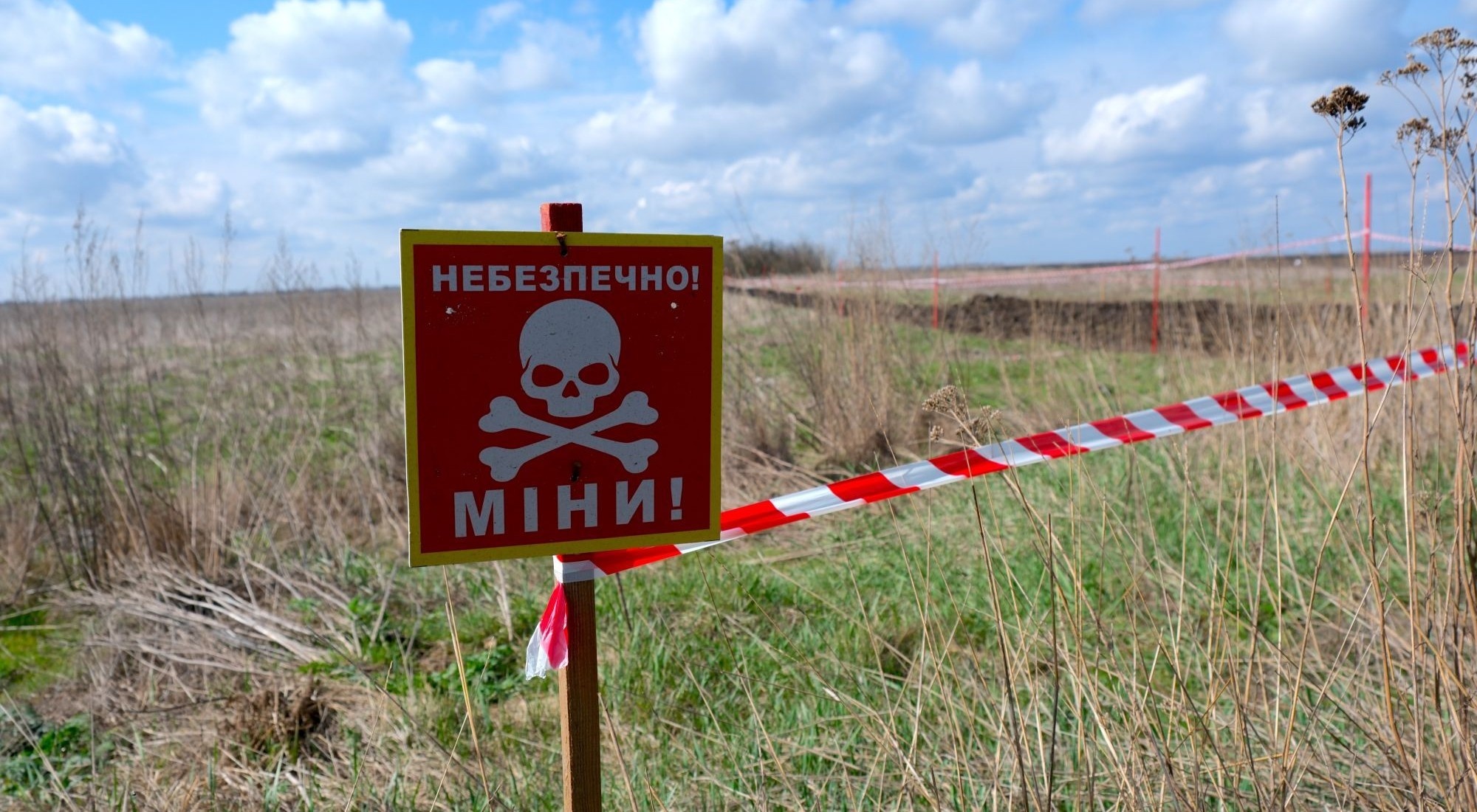
The Snigurivka District Court of Mykolaiv Oblast approved a plea agreement involving a mechanical engineer at the "VIOL-PLUS" farming enterprise. The man was found guilty of aiding and abetting official forgery, which led to the unjustified transfer of 29 million hryvnias in budget funds to private companies for fictitious field cleaning.
🎥 Videos
The Euphrates River flooded eastern Syria’s Deir Az Zor last month for the first time in over 30 years, displacing thousands of families and unearthing landmines and unexploded ordnance left by 14 years of war.
In Syria, EORE sessions are integrated into other humanitarian trainings and activities.
📅 Upcoming Events, Courses & Trainings
There are a number of interesting events for the mine action sector in the coming months, and some of the deadlines are approaching quickly.
Understanding Landmines: Facts Behind a Contested Weapon is an interactive public workshop hosted by the Swedish Defence University on 24 June 2026, from 13:00–17:00, at D-huset, D23, Kaserngatan 1, Visby, Sweden. The event explores the technical and military realities of anti-personnel, anti-tank, fragmentation, blast, and “smart” mines, examining their operational utility, humanitarian impacts, and legal implications. Through virtual and augmented reality demonstrations, participants can experience the challenges of living in mine-contaminated environments. The workshop is linked to the Almedalen panel discussion “Does Sweden Need Anti-Personnel Mines?” and is open to drop-in visitors throughout the afternoon. Speakers include doctoral researcher Henrique Garbino and EOD specialist Niklas Alquist.
Organised under the Mine Action Innovation Hub, the Innovation Session 2026: Mine Action in Urban Areas is a three-day, in-person event bringing together mine action practitioners, national authorities, debris management and recovery actors, urban planners, researchers, technology providers, and donors. Applications to participate in the Innovation Session are now open until 17 July 2026.
Felix Connect is a dedicated networking event designed to bring together supporters, partners, and friends of Felix Fund - the bomb disposal charity. It’s a relaxed, welcoming space to connect, network, or simply catch up with familiar faces from across the EOD, Search, defence, and charity communities. The event will be held on 28 September in London. Learn more here.
The Mine Action: Innovation, Sustainability, and Global Partnerships speaker series is structured to address landmine and explosive remnants of war (ERW) challenges through a strictly humanitarian, civilian-protection-oriented framework, with clearly defined ethical, legal, and operational boundaries between humanitarian and military applications of technology. Dates are: FEB 19 | MAR 19 | APR 16 | MAY 21 | JUN 18 | JUL 16 | AUG 20 | SEP 17 | OCT 15 | NOV 19 | DEC 17. Time: 12:00 PM - 1:00 PM ET. Location: Virtual (Zoom Webinar). Register here.
The Geneva International Centre for Humanitarian Demining (GICHD)'s final IMSMA Global training course for 2026 is open for registration: 02 Nov 2026 - 06 Nov 2026 (Application deadline: 2 August 2026).
🔔 Always Stay in the Know – Never Miss an Update
This newsletter is subscribed to by over 3500+ dedicated readers on LinkedIn. To join this community of mine action professionals and supporters, go ahead and subscribe to the Mine Action Weekly newsletter. You can find all editions up to February 2026 on LinkedIn, and from March 2026 onwards here on Mine Action News.
Please reach out to me if there are any mine action news, journal articles, events, or updates that you would like to suggest for the next edition of Mine Action Weekly. You can find (and follow / connect with) me here. See you next Monday!


