Mine Action Weekly, 20 - 26 April 2026
- Markus Schindler

- Apr 27
- 18 min read
A warm welcome to the latest edition of the Mine Action Weekly newsletter - your go-to source for the most important global updates from the mine action sector. Read about the latest news on EO contamination & clearance, EORE, accidents and victim assistance, advocacy efforts, stockpile destruction, mine action innovation & technology, and assistance, cooperation & funding - right here, every Monday. Dive right in and stay up-to-date!

Disclaimers:
This newsletter features news reports and articles from a variety of sources. Mention of these resources does not indicate agreement with or endorsement of the opinions of others. I do not claim responsibility or credit for these works, and do not vouch for the information contained in them.
This newsletter is created and managed in a personal capacity, independent of my professional affiliation with Fondation suisse de déminage (FSD).
🗞️ Weekly News Roundup
The weekly news roundup showcases a low-down of the top mine action news and insights from the past seven days.
1. EO Contamination, Clearance & Land Release
🇦🇿 Azerbaijan: Over 1,455 hectares cleared of mines in Azerbaijan last week, ANAMA says

From 13 through 19 April, 17 anti-tank mines, 62 anti-personnel mines, and 460 pieces of unexploded ordnance were detected and neutralised, according to the weekly update of the Azerbaijan National Agency for Mine Action (ANAMA) on humanitarian demining operations carried out in the liberated territories. ANAMA says that 1,455 hectares of territory have been cleared of mines.
Landmine contamination remains a serious challenge in the Azerbaijan’s liberated territories in the post-conflict period. According to available data, more than one million landmines and unexploded ordnance affect approximately 13 percent of the liberated lands, posing significant risks both to human life and to the socio-economic development.
The Cambodian Mine Action Centre (CMAC) cleared more than 4,000 hectares of land and provided mine-safety training to 200,000 people during the first quarter of 2026.
🇫🇷 France: WWII-era unexploded bomb forces major security evacuation near Paris

Authorities evacuated several thousand residents on Sunday in Colombes, a suburb northwest of Paris, after the discovery of an unexploded World War II bomb prompted a major security operation. According to police, approximately 800 officers were deployed to secure the area while explosives experts attempted to neutralise the device, which was first discovered on April 10. Initial efforts to safely remove the detonator were unsuccessful, leading specialists to prepare a controlled detonation in a two-meter-deep pit.
India’s decades-long Maoist insurgency has ended, but hundreds of hidden landmines and improvised explosive devices remain scattered across forest regions. These crude explosives continue to kill and injure civilians and security forces, restrict movement, and disrupt livelihoods, leaving communities living in fear despite ongoing clearance efforts by authorities.
🇮🇶 Iraq: Buried Wars: Landmines Shatter Iraq’s Childhood Dreams

Landmines and unexploded ordnance across Iraq continue to shatter children’s lives, causing severe injuries, amputations, and long-term trauma. Many encounter explosives during everyday activities like playing or herding animals. Beyond physical harm, contamination disrupts education, livelihoods, and family stability, leaving lasting psychological and economic impacts on entire communities.
🇮🇱 Israel Defence Ministry taps Ondas for large-scale demining initiative

Florida-based Ondas Inc. said it has received a $10 million initial order as part of a $50 million demining program under Israel's $1.7 billion Eastern Border Security Barrier initiative led by the Ministry of Defence. The work will be carried out by Ondas' Israeli subsidiary 4M Defense, which will deploy Al-enabled robotic systems, drones and advanced sensing technologies to clear landmines along Israel's eastern border to enable new security infrastructure.
🇮🇱 Israel: Hundreds of mines detonated in the Golan
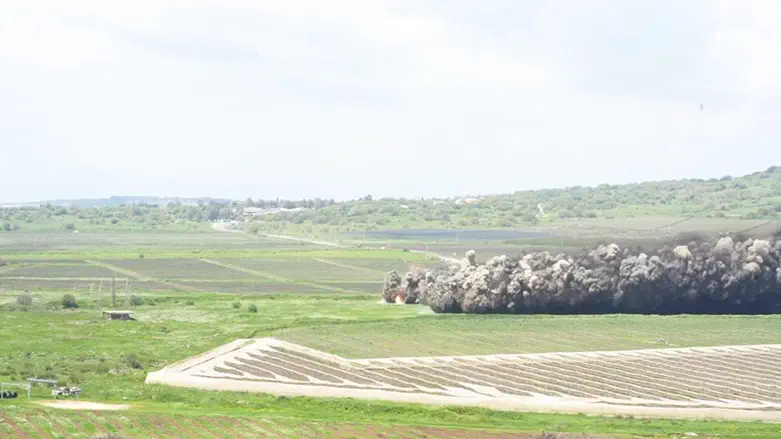
The Ministry of Defense Mine and Unexploded Ordnance Disposal Authority detonated over 700 mines near Kibbutz Ein Zivan and the Syrian Border in the Golan Heights. The operation was part of the multi-year plan to clear minefields and unexploded ordnance across the country, which was intended to free up areas suspected of being mined for civilian uses, including commerce, industry, and residences.
🇮🇹 🌊 Italy Ready to Join Hormuz Task Force as Pentagon Disputes Six-Month Clearance Timeline
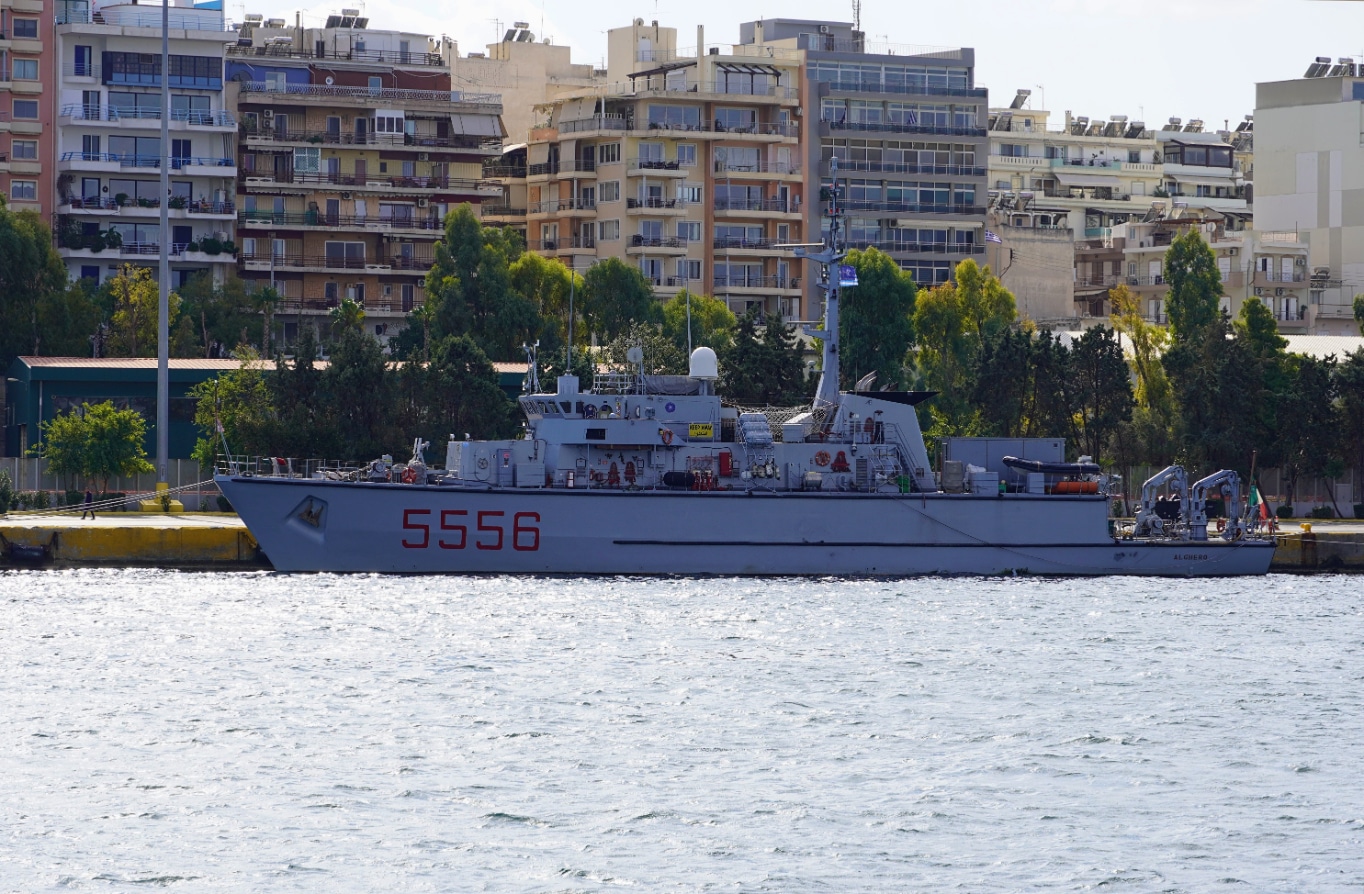
Italy’s navy chief confirmed Wednesday that the country has a contingency plan to send four vessels, including two minesweepers, to the Strait of Hormuz as part of a multinational mine-clearance effort following the U.S.-Israel war against Iran.
🇳🇬 Nigeria: Gwoza and the Logic of Violence: How a Landmine Attack Reveals Nigeria’s Insecurity Triad

A landmine attack in Gwoza killed civilians and illustrates Nigeria’s “Insecurity Triad,” where terrorism, economic disruption, and territorial control intersect. Explosives are used to deny access to farmland, disrupt livelihoods, and instill fear. The incident exposes gaps in state control, enabling cycles of violence, displacement, and prolonged rural instability.
🇵🇸 Palestine: Unexploded bombs littering Gaza threaten recovery for decades
War-torn Gaza is heavily contaminated by unexploded ordnance, which frequently kills and maims people and could threaten recovery efforts far into the future, the UN said. Unexploded ordnance, ranging from undetonated bombs or grenades to simple bullets, has become a common sight in the Gaza Strip since the start of Israel’s war in the Palestinian territory.
🇸🇩 Sudan: Khartoum Mines Pose Hidden Threat to Returning Residents
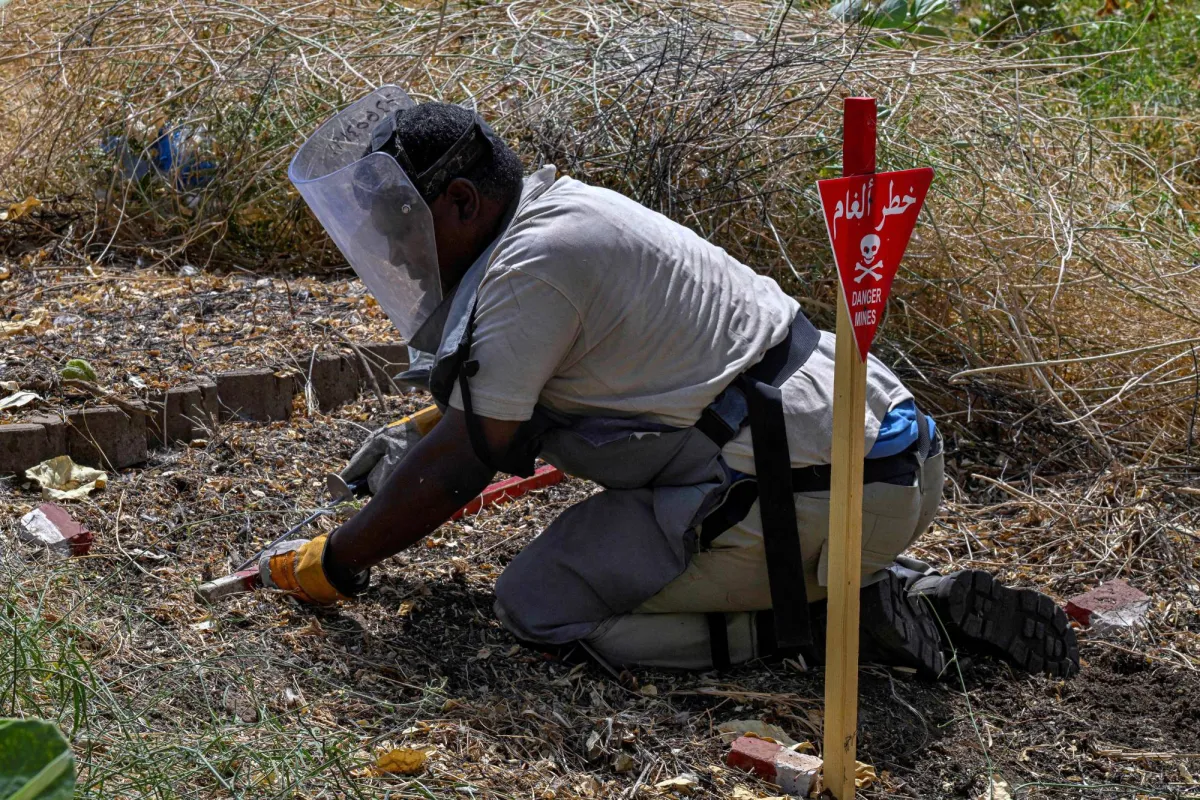
Returning residents in Khartoum face serious danger from widespread landmines and unexploded ordnance left in homes, streets, and public spaces after intense fighting. Clearance teams have found hundreds of devices, but contamination remains extensive. Limited funding slows progress, leaving civilians at risk of injury or death as they resettle.
🇹🇷 🌊 Turkey signals readiness for Hormuz mine-clearing after US-Iran deal

Turkey has offered to assist in clearing naval mines in the Strait of Hormuz following a reported agreement between the United States and Iran, Turkish Foreign Minister Hakan Fidan said.
🇺🇦 Ukraine: Over 40,000 square kilometers of Ukrainian land returned to safe use

As a result of humanitarian demining since the beginning of the full-scale invasion, more than 40.7 thousand square kilometers of Ukraine’s territory have already been returned to use. These figures were announced by representatives of the Ministry of Defense of Ukraine during the Ukraine Mine Action Partner Coordination Workshop 2026, which recently took place in Geneva.
🇺🇦 Ukraine: After demining in Halytsynivka, the first pines and maples were planted on the charred ruins
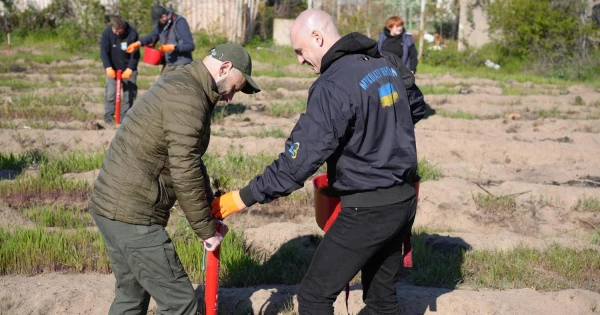
After demining in Halytsynivka, foresters began restoring war-damaged land by planting pine and maple trees on burned areas. Clearance teams surveyed over 650 hectares and removed explosive hazards, enabling access. The initiative marks early ecological recovery, though vast forest areas in Mykolaiv region remain contaminated or inaccessible due to mines.
🇺🇦 Ukraine: UDS has begun demining part of the Zadvyzh River in Kyiv Oblast
Under the directive of the Mine Action Center, UDS's diver-sappers have started demining the water area and the coastal strip of the Zdvizh River in Bucha district, Borodianka community. This is the first official project in Ukraine on the humanitarian demining of water areas carried out by a mine action operator.
After a harsh winter, demining operations are back in full force across Ukraine. MAG (Mines Advisory Group) teams have resumed work in the Mykolaiv and Kharkiv regions, where contamination continues to threaten lives and livelihoods. MAG’s team in Ukraine now exceeds 450 people – including 200 trained deminers – all working to make land safe again.
🇺🇦 Ukraine: UDS and GCS Sign a Memorandum of Understanding on Demining of the Chernobyl Exclusion Zone
The Memorandum of Understanding was signed by Oleksandr Romanyuk, Acting General Director of UDS, and Dmytro Salimonov, General Director of Global Clearance Solutions Ukraine. The document establishes a framework for cooperation in the implementation of a humanitarian demining programme in the Chernobyl Exclusion Zone. Phase I covers the clearance of forest roads and firebreaks — areas where no humanitarian demining operations have previously been conducted.
🇺🇦 🇷🇺 Ukraine: Russia preparing to breach Ukrainian minefields for counterattacks on Oleksandrivka axis – military
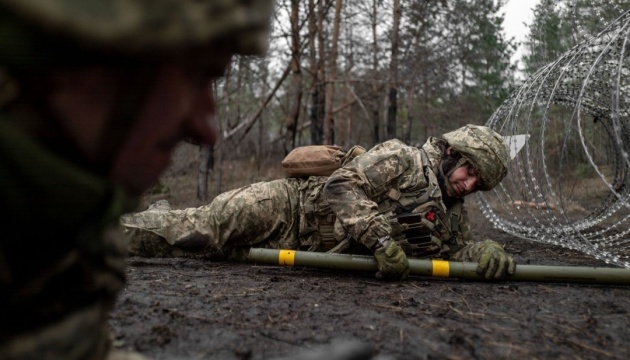
Russian units on the Oleksandrivka axis have received engineering munitions for remote demining of Ukrainian positions, in an attempt to resume counterattacks and regain the initiative. This was reported by Vladyslav Voloshyn, Spokesperson for the Defense Forces of the South.
The Naval Forces of Ukraine are ready to join an international mine-clearing operation in the Strait of Hormuz with at least two mine countermeasure vessels, Navy Spokesperson Dmytro Pletenchuk said. The vessels involved have crews that have already completed training and NATO interoperability assessments.
🇬🇧 🌊 UK divers prepare for mine-clearing operations in Strait of Hormuz

British military divers are preparing to conduct mine-clearing operations in case they are needed in the Strait of Hormuz, according to the Ministry of Defence. The Royal Navy experts, trained in mine neutralization and clearance, are being readied to provide additional options alongside uncrewed systems.
It could take six months to fully clear the Strait of Hormuz of mines deployed by the Iranian military, and any such operation is unlikely to be carried out until the U.S. war with Iran ends, the Pentagon has informed Congress — an assessment that means the conflict’s economic impact could extend late into this year or beyond.
The Pentagon blasted as cherry picking and false on Thursday a news report saying that the department assessed it could take six months to completely clear the Strait of Hormuz of Iranian-laid mines.
🇾🇪 Yemen: Saudi Masam project clears 1,906 explosive devices in Yemen
Members of Saudi Arabia’s Masam Landmine Clearance Project - Yemen removed 1,906 explosive devices from various regions of Yemen last week. These include 1,815 unexploded ordnances, 68 anti-tank mines, nine anti-personnel mines, and 14 improvised explosive devices. The explosives were planted indiscriminately across the country, posing a threat to civilians, including children, women, and the elderly.
🌍 🇵🇸 🇺🇦 🇸🇧 🇺🇳 UNMAS Press Conference: Update on oPt, Ukraine and Solomon Islands - 24 April 2026
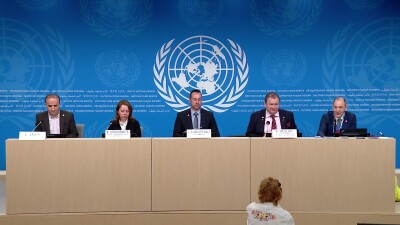
United Nations Mine Action Service (UNMAS) provided updates on explosive hazard clearance in the Occupied Palestinian Territory, Ukraine, and legacy contamination in the Solomon Islands, alongside impacts on children. Speakers included Julius Van der Walt (Chief, UNMAS OPT), Paul Heslop (Mine Action Adviser, Ukraine), Narmina Strishenets (Save the Children UK), Dr Stacey Pizzino (The University of Queensland), and Luan Jaupi (Geneva International Centre for Humanitarian Demining (GICHD)).
The United Nations Development Programme (UNDP) on Tuesday called for stronger political commitment to clear landmines and other explosive ordnance as a precondition for longer-term recover, warning that they are also causing lasting environmental damage. Speaking at the 29th International Meeting of Mine Action National Directors and United Nations Advisers in Geneva, UNDP said explosive ordnance affects nearly 60 countries.
🌍 World News in Brief: Insecurity in the Darfurs, 100 million live with landmine threats, Singapore execution moratorium
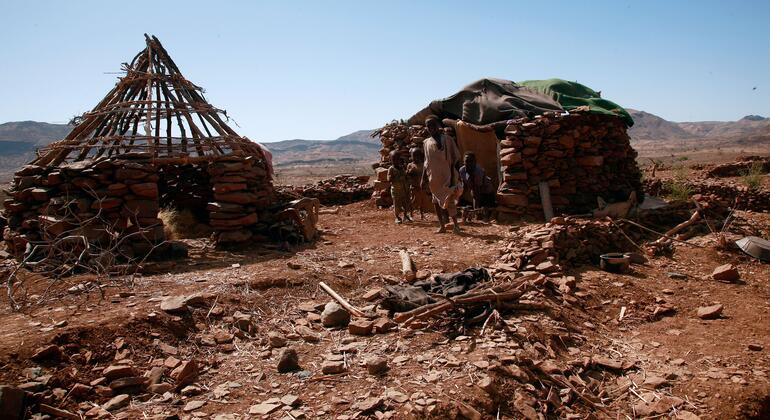
Raging conflicts around the world prompted an alert from landmine clearance experts on Wednesday, who highlighted the increasing dangers posed by unexploded ordnance – both today and decades from now. Every year, many thousands are killed or injured in land contaminated by landmines and explosive remnants of war. Nine in 10 of the victims are civilians – half of them children – according to the United Nations Mine Action Service (UNMAS).
Other EO Finds from Around the Globe:
🇮🇳 Indian Army neutralises World War II unexploded bombs in Assam. Read more
🇮🇷 Iran: IRGC says three unexploded US bombs defused in Lorestan province. Read more
🇮🇷 Iran Says It Neutralized Unexploded US “Bunker-Buster” Bomb in Yazd. Read more
🇱🇦 Laos: Aircraft Bomb Successfully Destroyed in Phaosamphan village, Lao PDR. Read more
🇱🇧 Lebanon: An unexploded rocket was found in Mashghara. Read more
🇳🇬 Nigeria: Unexploded bomb found near construction site in Adamawa. Read more
🇵🇭 Philippines: Unexploded bombs disposed in Capas. Read more
🇹🇷 Turkey: A citizen in Ankara found an unexploded artillery shell while searching for mushrooms. Read more
🇺🇸 U.S. Army responds to Evergreen home for report of unexploded military munitions. Read more
🇺🇸 United States: Bomb squad called to Greater Cincinnati home for Civil War artifacts. Read more
2. Explosive Ordnance Risk Education (EORE)
3. Accidents, Survivors, Victim Assistance
Other EO Accidents from Around the Globe:
🇦🇫 Afghanistan: Landmine Explosion in Ghazni’s Qarabagh District Kills One. Read more
🇦🇿 Azerbaijan: Khojaly district resident injured in mine explosion. Read more
🇦🇿 Azerbaijan: Landmine blast injures resident in Azerbaijan’s Aghdara district. Read more
🇮🇳 India: 6-year-old boy injured in landmine explosion in Poonch. Read more
🇲🇲 Myanmar: In Loikaw Township, Innocent Civilian and Civil Servant Injured by an Unexploded Heavy Weapon Shell. Read more
🇸🇾 Syria: Engineering member injured in landmine explosion in Al-Zabdany. Read more
🇸🇾 Syria: Young man killed and child injured in explosion of war remnants in Al-Hasakah. Read more
🇸🇾 Syria: Old ordnance | Woman and her husband injured seriously in northern Al-Raqqah countryside. Read more
🇸🇾 Syria: Old ordnance | Child killed and another injured in northern Hama countryside. Read more
🇸🇾 Syria: Three civilians injured in landmine explosion in Hama countryside. Read more
🇸🇾 Syria: Young man injured in landmine explosion in Al-Raqqa countryside. Read more
🇸🇾 Syria: Accidental grenade explosion leaves civilian killed. Read more
🇸🇾 Syria: Child killed, his father injured by landmine explosion in Hama countryside. Read more
🇺🇦 Ukraine: In Kherson, three police officers were injured when an unexploded drone detonated. Read more
🇺🇦 Ukraine: Police removed unexploded Russian drone warhead from Dnipro apartment. Read more
🇾🇪 Yemen: Teacher Killed by Houthi Landmine Explosion in Yemen’s Al‑Dhalea. Read more
4. Advocacy, Policy, Conventions, Strategies and Standards
Canada, once a leader of the Ottawa Treaty, faces pressure as allies reconsider landmine use amid shifting security threats. While it remains formally committed to the ban, critics warn of a broader erosion of norms. Renewed military interest in mines risks undermining humanitarian principles and weakening longstanding global prohibitions.
Under the leadership of the Lebanon Mine Action Center (LMAC), and in coordination with national and international partners, operations moved from planning into action. A total of 2,190,834 m2 of land was released, allowing communities to return safely to areas affected by contamination. This helped people regain access to their land and start returning to normal life.
This report presents the outcomes of a two-day national workshop that was held in Lebanon, convened by Danish Refugee Council / Dansk Flygtningehjælp (DRC) and LMAC with support from Geneva International Centre for Humanitarian Demining (GICHD), bringing together key mine action stakeholders to reflect on lessons learned from the recent emergency escalation. The workshop focused on strengthening Emergency EORE/CPP preparedness, enhancing coordination, and reinforcing evidence-based, behaviour-centred responses for future crises.
In 2025, as explosive ordnance continued to threaten lives and restrict humanitarian response in Gaza and the West Bank, United Nations Mine Action Service (UNMAS) and partners scaled up efforts to respond. Read the 2025 Annual Report for the OPT here.
This document is prepared by the Food and Agriculture Organisation of the United Nations (FAO) and the World Food Programme (WFP) to provide a comprehensive overview of the progress made in 2025 under the Joint Initiative. The report aims to ensure transparency and accountability to the communities we serve and to our key donors, whose support has been instrumental in making this initiative possible. Read more here.
🇺🇦 🇭🇷 Ukraine: A country free of mines. Croatia this year completed demining after the 1991–1995 war. How can Ukraine use this experience?

Croatia completed demining in 2026 after nearly three decades, removing over 100,000 mines and vast unexploded ordnance. The experience shows that sustained political will, national ownership, and long-term investment are essential. For Ukraine, it highlights that clearance takes decades but is crucial for recovery, economic growth, and safe land use.
🇻🇳 Viet Nam's integrated approach to mine action, sustainable development introduced at Geneva meeting
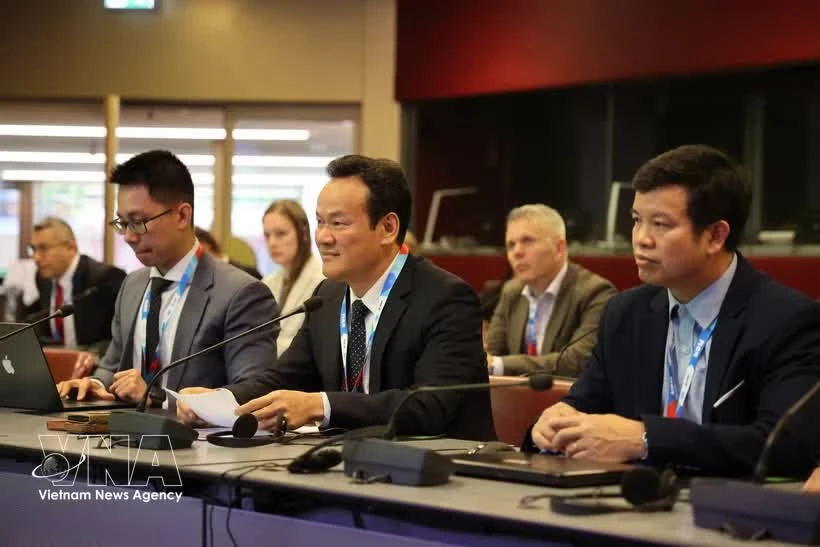
The Korea-Viet Nam Peace Village Project (KVPVP) on April 24 presented Viet Nam’s experience in integrating post-war mine action with sustainable development at the 29th International Meeting of Mine Action National Directors and United Nations Advisers (NDM-UN29) in Geneva, Switzerland, underscoring how addressing war legacies can contribute directly to achieving development goals.
🇪🇭 Western Sahara: Sahrawi Mine Action Coordination Office takes part in meeting on mine action in Geneva
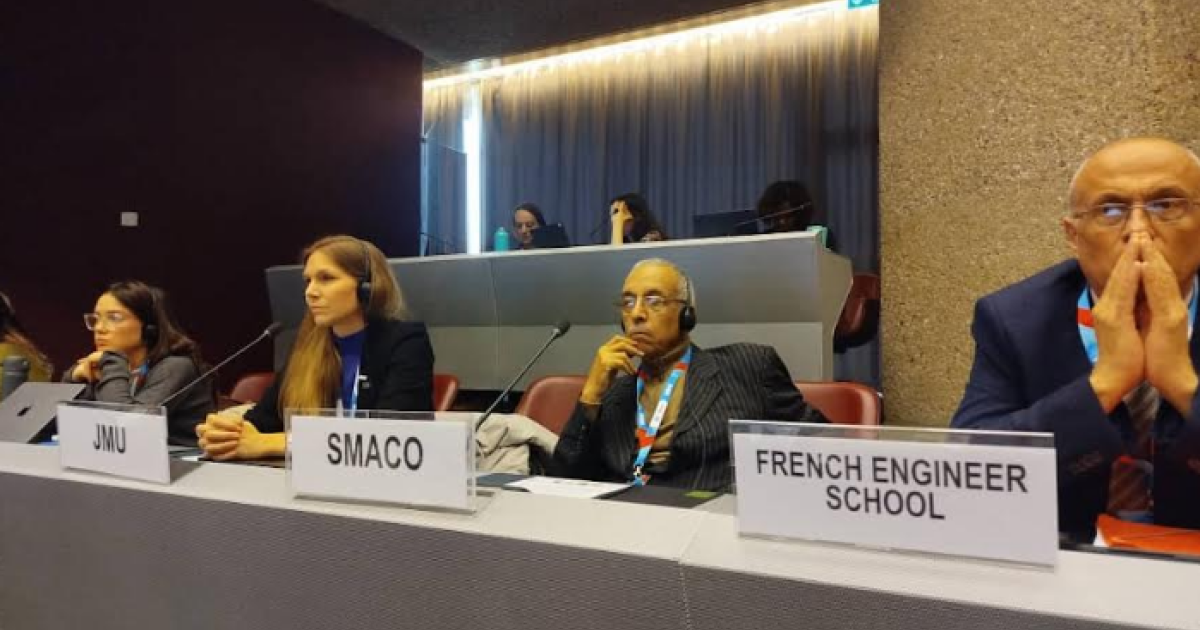
A delegation from the Sahrawi Mine Action Coordination Office, headed by the Office's Director, Mr. Taleb Haidar, participated in the proceedings of the 29th meeting of National Mine Action Directors and United Nations Advisors, held in the Swiss city of Geneva from the 22nd to the 24th.
This guidance provides a practical framework for managing debris contaminated with explosive ordnance in post-conflict environments, particularly in densely populated urban areas. Recognising that debris removal at scale is primarily a civil engineering activity, the guidance outlines how explosive ordnance risk can be effectively managed through targeted EOD support rather than full clearance.
🌍 Vientiane Calling: Strengthening the Inclusive Implementation of the Convention on Cluster Munitions
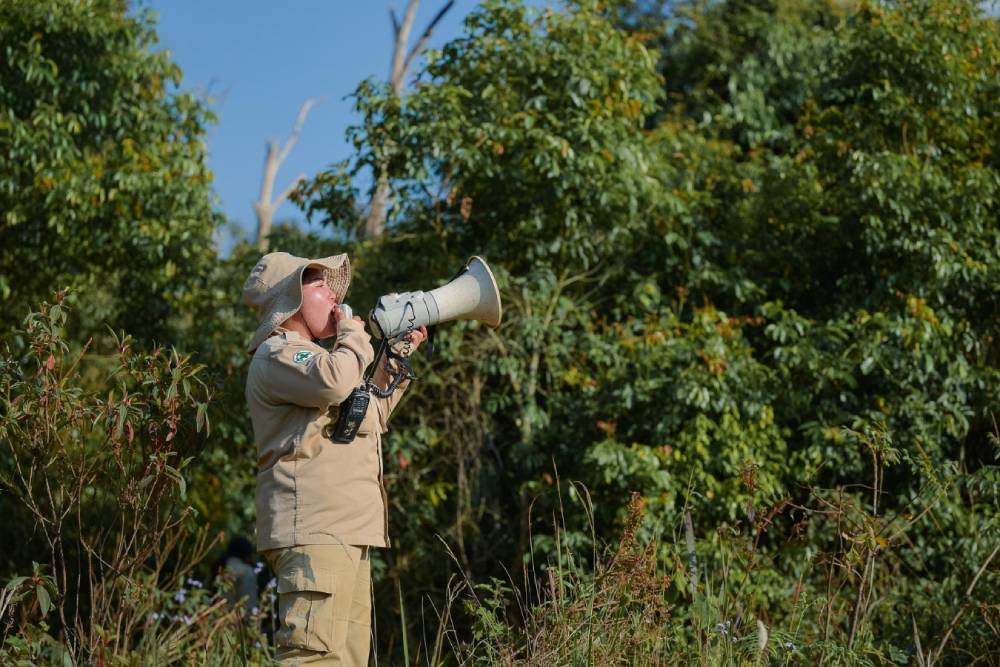
The Convention on Cluster Munitions (CCM), a key humanitarian disarmament treaty, is also an important example of integrating age and gender considerations, as well as other aspects that reflect the diversity of populations, in treaty implementation.
5. Stockpile Destruction, Demolition, WAM and Disarmament
The number of fatalities from the explosion which took place inside a warehouse containing explosive devices and weapons in Al-Ghazali complex on Daraa-Damascus highway has increased to six, all were members of the Ministry of Defence.
6. Research, Innovation, Technology and Market Trends
The Ministry of Defence has finalised contracts worth around Rs 975 crore for the procurement of specialised mine-clearing systems for the Indian Army, aimed at strengthening battlefield mobility and enhancing operational capability.
🇺🇦 Ukraine: Prince Harry trials cutting-edge mine clearance technology in Ukraine

On Friday 24 April, Prince Harry, Duke of Sussex, joined The HALO Trust Ukrainian deminers on the ground to see firsthand how innovation is reshaping one of the world’s most dangerous jobs. Prince Harry piloted an AI-powered drone that can map lethal explosives in real time using drone imagery combined with AI models trained to identify and classify war debris.
🇺🇦 Ukraine: Students in Rivne region created a drone for demining fields

Students of the National University “Ostroh Academy” have developed a ground drone called “Agroscout” designed to automate crop monitoring and secure Ukrainian fields from explosive objects. “This drone is created to check fields and treat them precisely. If there is any diseased foliage, accordingly, certain chemicals can be applied precisely. It is also additionally equipped with a metal detector to detect dangerous objects,” says developer Anna Krytych.
🇺🇸 United States: West Point Swarm Trooper research advances autonomous landmine detection

As unmanned aerial vehicles continue to shape the landscape of war, a team of West Point cadets collaborated at the cutting edge of autonomous study through the Swarm Troopers research project in the lead-up to the Projects Day Research Symposium, April 23 at the U.S. Military Academy. This research aims to use drones to conduct intelligence, surveillance and reconnaissance to determine the location of mines with acute accuracy.
🇺🇸 US Army boosts M1150 Assault Breacher Vehicle funding by 350% for future remote-controlled operations.
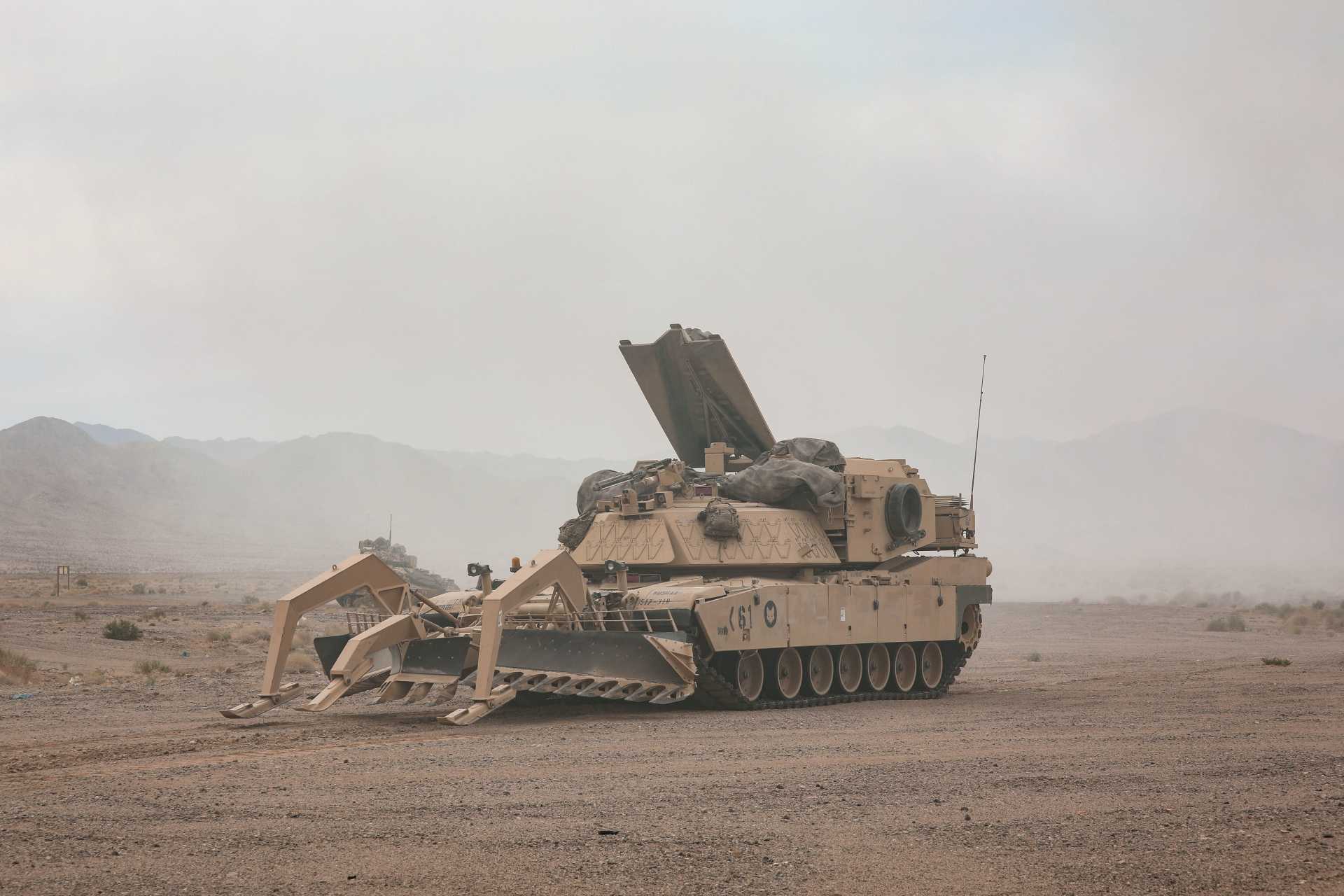
The U.S. Army is sharply increasing investment in its M1150 Assault Breacher Vehicle fleet to enable remote-controlled minefield and obstacle clearance under fire, directly reducing risk to combat engineers while sustaining the tempo of armored assaults. This shift reflects a growing priority on survivability and standoff capability in high-threat environments where breaching operations are among the most lethal tasks on the battlefield.
🌍 Drone-Delivered Explosive Threats

Drone-delivered explosive threats are an emerging hazard where commercial drones are adapted to carry and deploy munitions, including grenades and improvised explosives. These systems create risks during and after use, especially when downed or abandoned. Safe response requires specialised training to identify threats, avoid secondary hazards, and coordinate with EOD teams.
🌍 Faster, safer clearance: How MAG is innovating to save lives
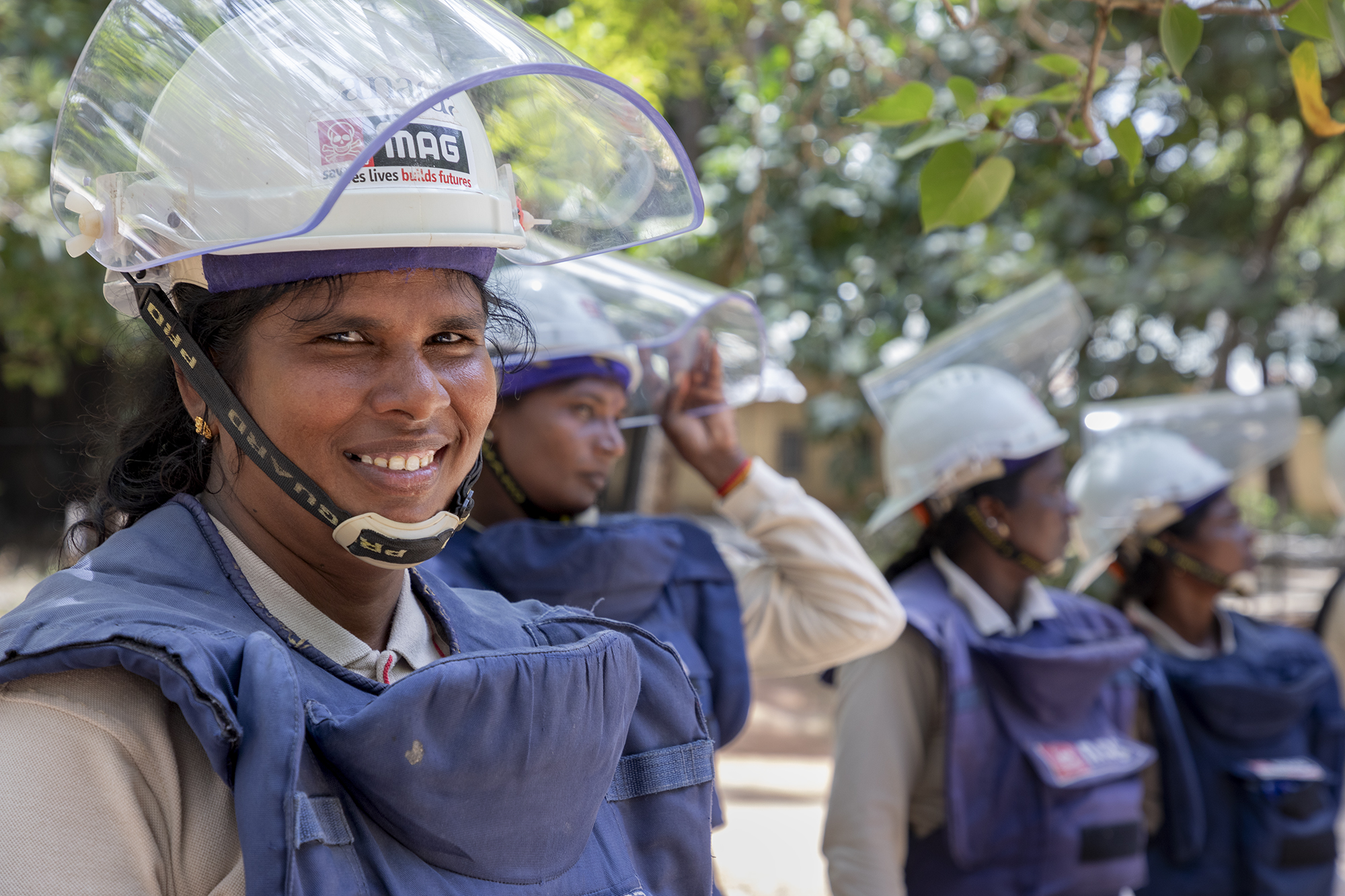
MAG (Mines Advisory Group) is improving mine clearance by combining human oversight with remote-controlled machines to reduce risk in hazardous environments. It is also developing safer, scalable ammunition destruction methods and using AI and digital tools to enhance data use, planning, and risk education—aiming to make operations faster, safer, and more efficient.
7. Mine Action Assistance, Funding and Cooperation
🇦🇿 🇪🇺 Azerbaijan: Kallas: EU to deepen ties with Azerbaijan, boost demining support

Kaja Kallas, the European Union's foreign policy chief, said EU representatives had discussed further steps in developing relations with Azerbaijan and had not ruled out expanding support for the country in mine clearance.
Senior Minister Thuch Ly met Derek Yip, Australia’s Ambassador to Cambodia, at the Mine Authority headquarters to review cooperation and the implementation of the Cambodia–Australia Development Partnership Plan. Ambassador Yip congratulated Cambodia on the adoption of the National Mine Action Policy 2026–2035, which was approved at a Council of Ministers meeting a day earlier. He also reaffirmed Australia’s continued support for mine clearance, victim assistance and physical rehabilitation efforts across the country.
Cambodia and Lithuania have agreed to explore a strategic partnership in mine action, focusing on technical innovation and knowledge sharing. Senior Minister Ly Thuch, First Vice-President of the Cambodian Mine Action and Victim Assistance Authority (CMAA), announced the initiative on Friday following a bilateral meeting with Lithuanian Foreign Minister Kęstutis Budrys.
The United Nations has said that clearing unexploded ordnance in the Gaza Strip will cost an estimated $541 million, underscoring a major obstacle to post-conflict reconstruction. The figure was provided by Julius Van der Walt, head of the United Nations Mine Action Service (UNMAS) in the occupied Palestinian territories, during a briefing in Geneva.
On his visit to Serbia, U.S. Ambassador to NATO Matthew Whitaker attended a de-mining demonstration at the Serbian Mine Action Center in Velika Mostanica. Ambassador Whitaker’s visit underscores U.S. commitment to the new era in U.S.-Serbia relations and continued dedication to cooperation in many fields, including demining efforts. The United States is working to provide an additional $1.5 million to de-mining efforts in Serbia, further showcasing their commitment to deepening bilateral ties.
🇱🇰 🇯🇵 Sri Lanka: Japan funds two new development projects in Sri Lanka

One of the projects, titled ‘Gender Responsive Advancement and Operational Enhancement of Women Deminers in the Northern and Eastern Provinces of Sri Lanka’, will further enhance the capacity and operational effectiveness of women deminers in Sri Lanka’s Northern and Eastern Provinces, with a particular focus on Kilinochchi and Mullaitivu.
🇸🇾 Syria: Emergency Minister, French diplomat discuss disaster response, mine action

Minister of Emergency and Disaster Management Raed al-Saleh discussed with French Chargé d’Affaires in Damascus Jean-Baptiste Faivre ways to develop and expand bilateral cooperation in several priority sectors. During the meeting the two sides reviewed prospects for benefiting from French expertise in the fields of emergency response, disaster management and mine action, in a way that supports Syria’s institutional capacities in these vital areas.
🇺🇦 🇦🇴 Ukraine and Angola agree to strengthen cooperation in Humanitarian demining

Ukraine and Angola will strengthen cooperation in mine action. This was agreed by Deputy Minister of Economy, Environment and Agriculture Ihor Bezkaravainyi and Deputy Director General for Technical Affairs of the National Mine Action Agency of the Republic of Angola, Isabel Masela. The working meeting took place during the 29th International Meeting of National Mine Action Directors and United Nations Advisers, hosted in Geneva.
The Ukrainian Embassy in Azerbaijan has hosted a delegation from the State Emergency Service of Ukraine for discussions focused on expanding cooperation in humanitarian demining, according to Ukrainian Ambassador to Azerbaijan Yuriy Husyev.
🇺🇦 Ukraine: DOK-ING and Ministry of Economy sign strategic demining partnership agreement

A memorandum of strategic cooperation in the field of humanitarian demining has been signed between the Ministry of Economy of Ukraine and the Croatian company DOK-ING. The document was signed during the Ukraine Mine Action Partner Coordination Workshop in Switzerland by Deputy Minister of Economy, Environment and Agriculture of Ukraine Ihor Bezkaravainyi and DOK-ING CEO Gordan Pešić.
The ASEAN Regional Mine Action Center (ARMAC) and Anti-Persoonsmijnen Ontmijnende Product Ontwikkeling (APOPO) have signed a Memorandum of Understanding (MoU) to strengthen cooperation in humanitarian mine action and capacity development across ASEAN Member States.
The ASEAN Regional Mine Action Center (ARMAC) and Norwegian People's Aid / Norsk Folkehjelp (NPA) have signed a Memorandum of Understanding (MoU) to strengthen cooperation in humanitarian mine action across Southeast Asia.
8. Other News
🌍 10 of the world's most dangerous golf courses with landmines, lions and shark-infested waters

From Camp Bonifas with live minefields in South Korea to Skukuza where lions and crocodiles roam the fairways, these extreme golf courses feature hazards that go far beyond bunkers and water.
🎥 Videos
Prince Harry joined The HALO Trust in Ukraine to witness first-hand how technology is changing mine clearance on the frontlines.
Lebanon’s Ministry of Information has released an awareness video in cooperation with the International Committee of the Red Cross - ICRC and the Lebanese Lebanon Mine Action Center (LMAC), warning citizens of the dangers of approaching any suspicious object.
With funding from the government of Japan, UNOPS is helping remove explosive threats, and restore irrigation and road infrastructure of people returning to Afghanistan.
📅 Upcoming Events, Courses & Trainings
There are a number of interesting events for the mine action sector in the coming months, and some of the deadlines are approaching quickly.
Felix Connect is a dedicated networking event designed to bring together supporters, partners, and friends of Felix Fund - the bomb disposal charity. It’s a relaxed, welcoming space to connect, network, or simply catch up with familiar faces from across the EOD, Search, defence, and charity communities. The event will be held on 28 September in London. Learn more here.
In December 2026, Rogue Wave Atlantic Row 2026 are taking on ‘the world’s toughest row’ — a month-long, unsupported 3,000-mile expedition from the Canary Islands to Antigua in support of The HALO Trust’s life-saving work. To be part of the journey from the very start by joining the team for an unforgettable black-tie evening at Royal Windsor Racecourse (on Saturday 11 April, from 6pm) with a luxurious three-course dinner, inspiring speakers, auction, raffle, and the official handover of the team’s boat, learn more and get your tickets here.
The Mine Action: Innovation, Sustainability, and Global Partnerships speaker series is structured to address landmine and explosive remnants of war (ERW) challenges through a strictly humanitarian, civilian-protection-oriented framework, with clearly defined ethical, legal, and operational boundaries between humanitarian and military applications of technology. Dates are: FEB 19 | MAR 19 | APR 16 | MAY 21 | JUN 18 | JUL 16 | AUG 20 | SEP 17 | OCT 15 | NOV 19 | DEC 17. Time: 12:00 PM - 1:00 PM ET. Location: Virtual (Zoom Webinar). Register here.
The Geneva International Centre for Humanitarian Demining (GICHD)'s final IMSMA Global training course for 2026 is open for registration: 02 Nov 2026 - 06 Nov 2026 (Application deadline: 2 August 2026).
🔔 Always Stay in the Know – Never Miss an Update
This newsletter is subscribed to by over 3500+ dedicated readers on LinkedIn. To join this community of mine action professionals and supporters, go ahead and subscribe to the Mine Action Weekly newsletter. You can find all editions up to February 2026 on LinkedIn, and from March 2026 onwards here on Mine Action News.
Please reach out to me if there are any mine action news, journal articles, events, or updates that you would like to suggest for the next edition of Mine Action Weekly. You can find (and follow / connect with) me here. See you next Monday!