Mine Action Weekly, 16 - 22 March 2026
- Markus Schindler

- Mar 23
- 12 min read
A warm welcome to the latest edition of the Mine Action Weekly newsletter - your go-to source for the most important global updates from the mine action sector. Read about the latest news on EO contamination & clearance, EORE, accidents and victim assistance, advocacy efforts, stockpile destruction, mine action innovation & technology, and assistance, cooperation & funding - right here, every Monday. Dive right in and stay up-to-date!

Disclaimers:
This newsletter features news reports and articles from a variety of sources. Mention of these resources does not indicate agreement with or endorsement of the opinions of others. I do not claim responsibility or credit for these works, and do not vouch for the information contained in them.
This newsletter is created and managed in a personal capacity, independent of my professional affiliation with Fondation suisse de déminage (FSD).
🗞️ Weekly News Roundup
The weekly news roundup showcases a low-down of the top mine action news and insights from the past seven days.
1. EO Contamination, Clearance & Land Release
🇦🇿 Azerbaijan: ANAMA clears hundreds of mines, unexploded ordnance in liberated areas
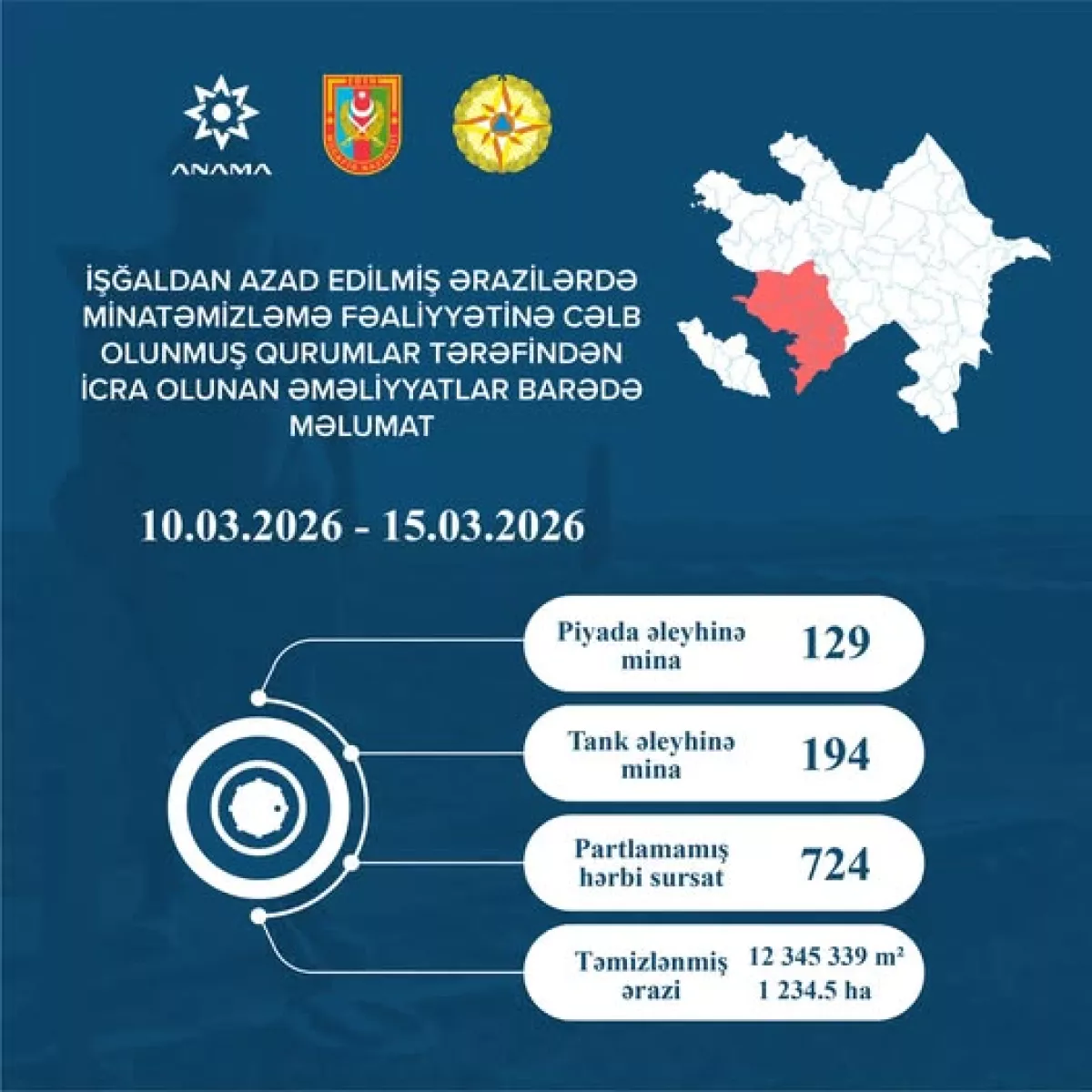
Between 10 and 15 March, 194 anti-tank mines, 129 anti-personnel mines, and 724 unexploded ordnance were discovered and neutralised in territories liberated from occupation. A total of 1,234.5 hectares have been cleared of mines and unexploded munitions.
🇦🇿 Azerbaijan: Mine risks persist at cemeteries in Karabakh, East Zangezur, ANAMA says
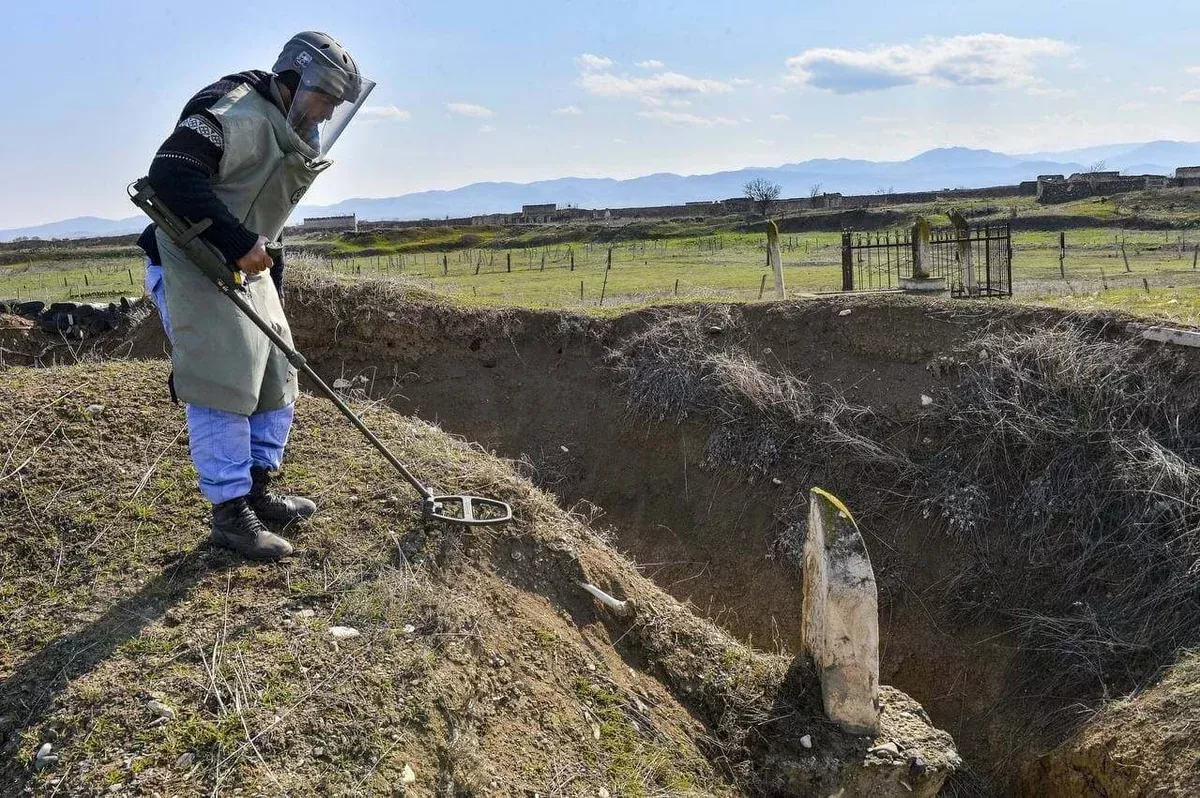
Mine hazards remain a serious concern at cemeteries in Karabakh and East Zangezur, the Azerbaijani Mine Action Agency (ANAMA) has warned. ANAMA addressed the public amid numerous inquiries from citizens planning to visit cemeteries in territories recently liberated from occupation during the Novruz holiday.
Successive explosions were heard Wednesday afternoon as police detonated an unexploded ordinance in northern Israel. The police said it responded to a cluster bomb that was fired and was spread over a wide area.
🇮🇱 Israeli commander warns unexploded bomb threat could outlast Iran war

With Israel accusing Iran of dropping banned cluster bombs on the country in retaliation for the US-Israeli strikes, a senior commander is working to make swathes of territory safe from the long-term threat of unexploded ordnance.
🇱🇦 Laos: U.S. Bombs in Bamboo Villages
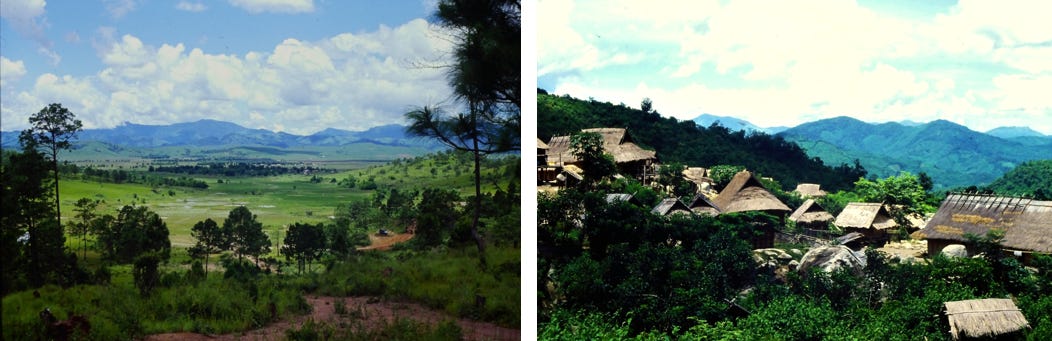
Reflections from post-war Laos describe villagers repurposing bomb casings into everyday utensils, symbolizing resilience amid unexploded ordnance contamination. Despite loss and trauma, communities welcomed American visitors with generosity, emphasizing reconciliation and shared humanity. The narrative highlights how people rebuild livelihoods while living among remnants of war that continue to shape daily life.
🇱🇧 🇨🇳 Lebanon: Chinese Blue Helmets clear unexploded ordnance in Lebanon
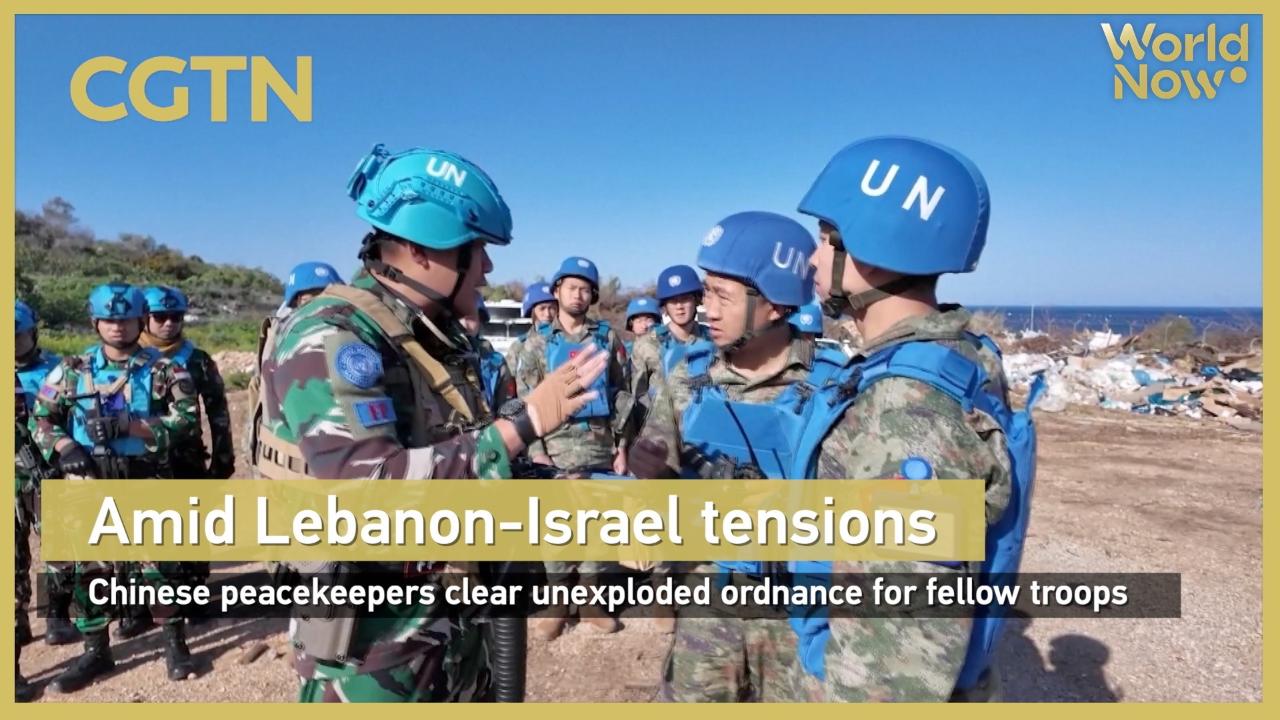
As tensions escalate in Lebanon, the 24th Chinese Peacekeeping Force attached to the United Nations Interim Force in Lebanon (UNIFIL) has completed a high-risk unexploded ordnance clearance mission near UNIFIL headquarters. Operating under dangerous conditions, they assisted Indonesian troops in clearing and securing patrol routes around the camp.
🇲🇲 Myanmar: AA removes 200 landmines in Maungdaw on western border
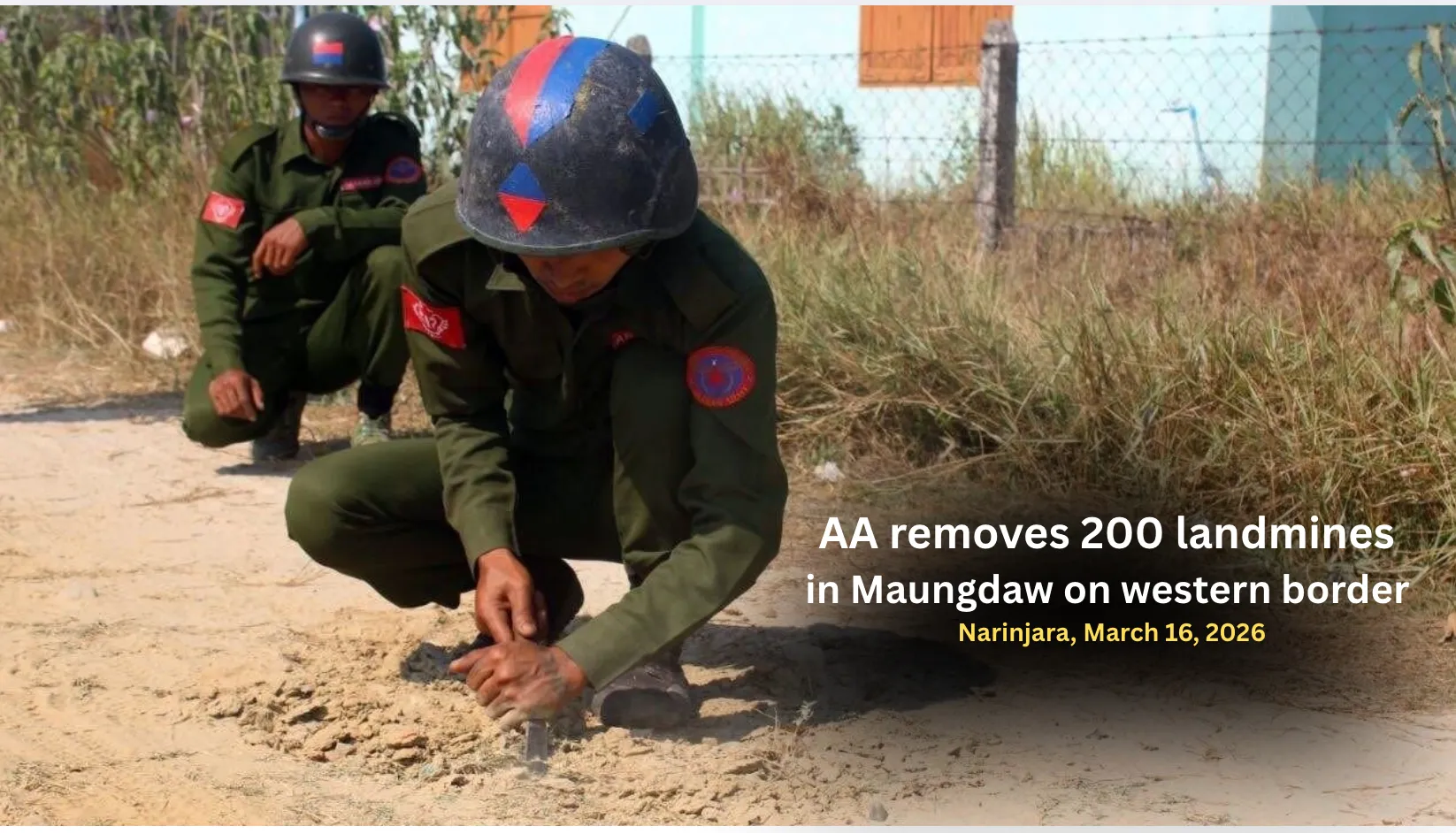
The Arakan Army (AA) mine clearance team, responsible for locating and removing landmines from the conflict ridden areas in Rakhine State, has eliminated over 200 items left by the junta forces in Maungdaw district, near the Bangladesh border, between 2025 and 2026.
🇱🇰 In Sri Lanka, Demining is an ‘Endless and Dangerous’ Process
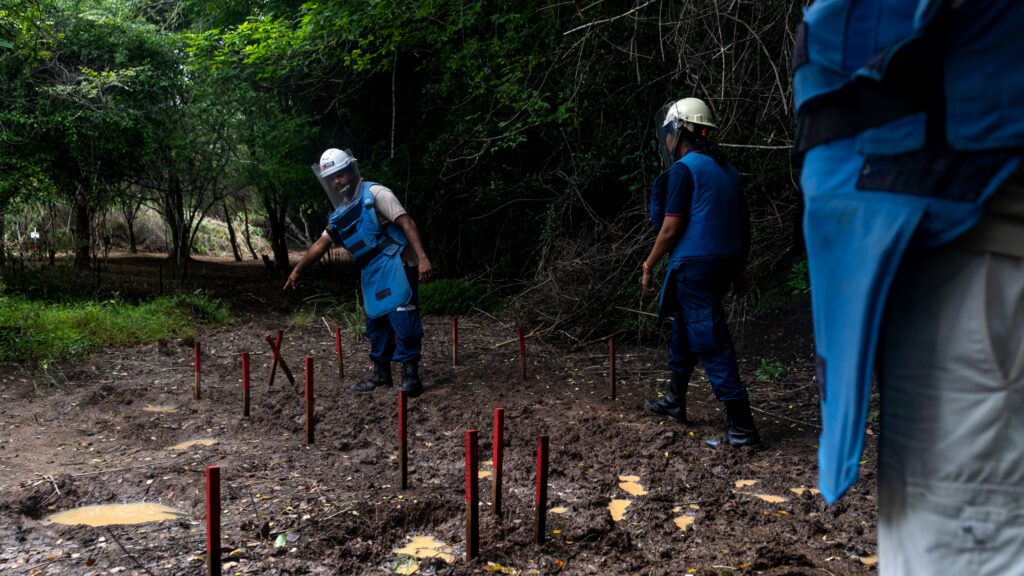
Decades of Sri Lanka’s civil war left widespread landmines and unexploded ordnance, making clearance slow and dangerous. Deminers work in remote forests under extreme conditions, with accidents causing severe injuries. Since 2002, millions of mines have been removed with international support, but shrinking funding threatens progress and leaves communities exposed to persistent explosive hazards.
🇸🇾 Syria's Latakia villages struggle against unexploded mines and other war remnants

Remnants of war, foremost landmines and unexploded ordnance, remain among the most dangerous challenges for residents hoping to return to their villages in the countryside of Latakia province in western Syria. This is particularly the case in the Jabal al-Akrad and Jabal al-Turkman areas, which witnessed widespread destruction due to shelling and military operations during the years of conflict.
Explosive ordnance contamination remains a major protection risk across Syria, threatening civilians, returnees, and humanitarian access. Mine action partners expanded survey, clearance, and risk education between December 2025 and March 2026, but funding gaps, insecurity, and limited access constrain operations. Continued clearance is critical to enable safe returns, recovery, and infrastructure rehabilitation.
🇸🇾 🇺🇦 Syria: OPINION: Why It Matters for Ukraine to Support Syria in Building a Mine Action System
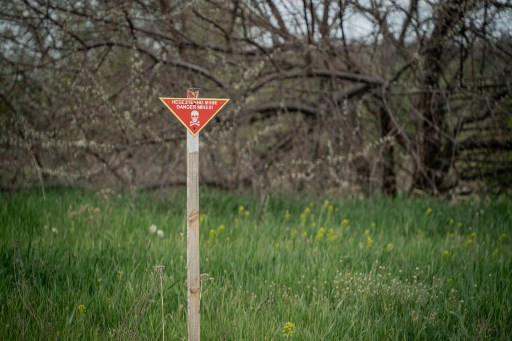
Ukraine has accrued enormous experience in clearing mines. It can help other war-torn countries, like Syria, return to the normality Ukrainians also dream of, writes Ihor Bezkaravainyi, Deputy Minister of Economy, Environment and Agriculture of Ukraine.
The Royal Thai Armed Forces Headquarters has uncovered more than 300 landmines during ongoing clearance operations along the Thai–Cambodian border in Kap Choeng district, as efforts continue to secure the area for local residents.
🇺🇦 Ukraine: Likely explosive areas were found in the parks and cemeteries of Mykolaiv
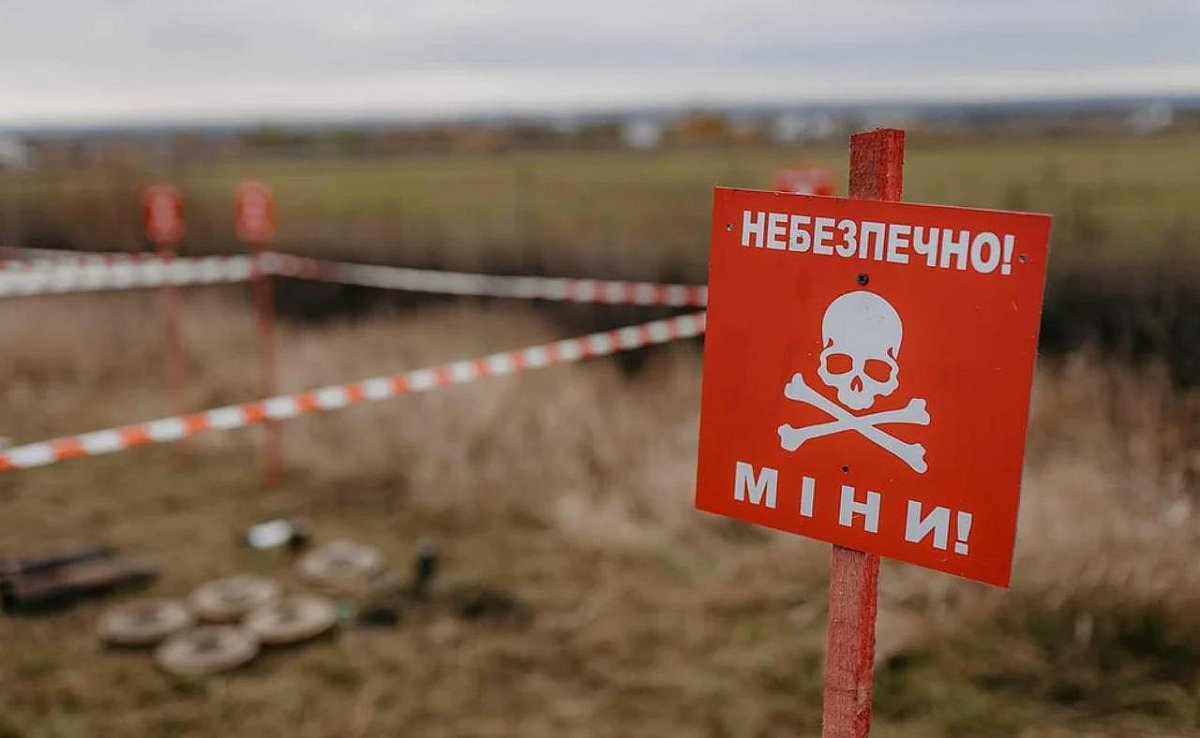
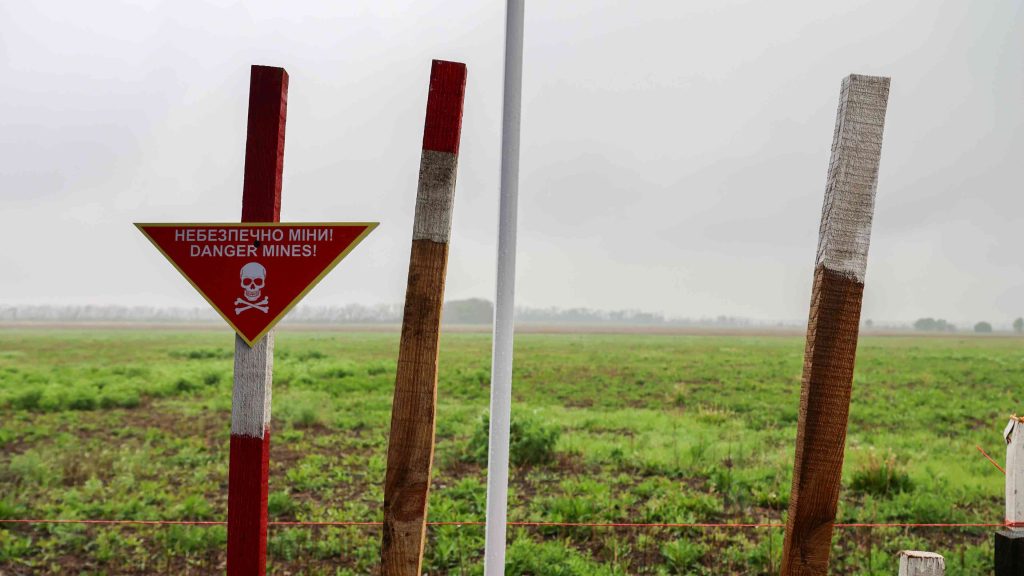
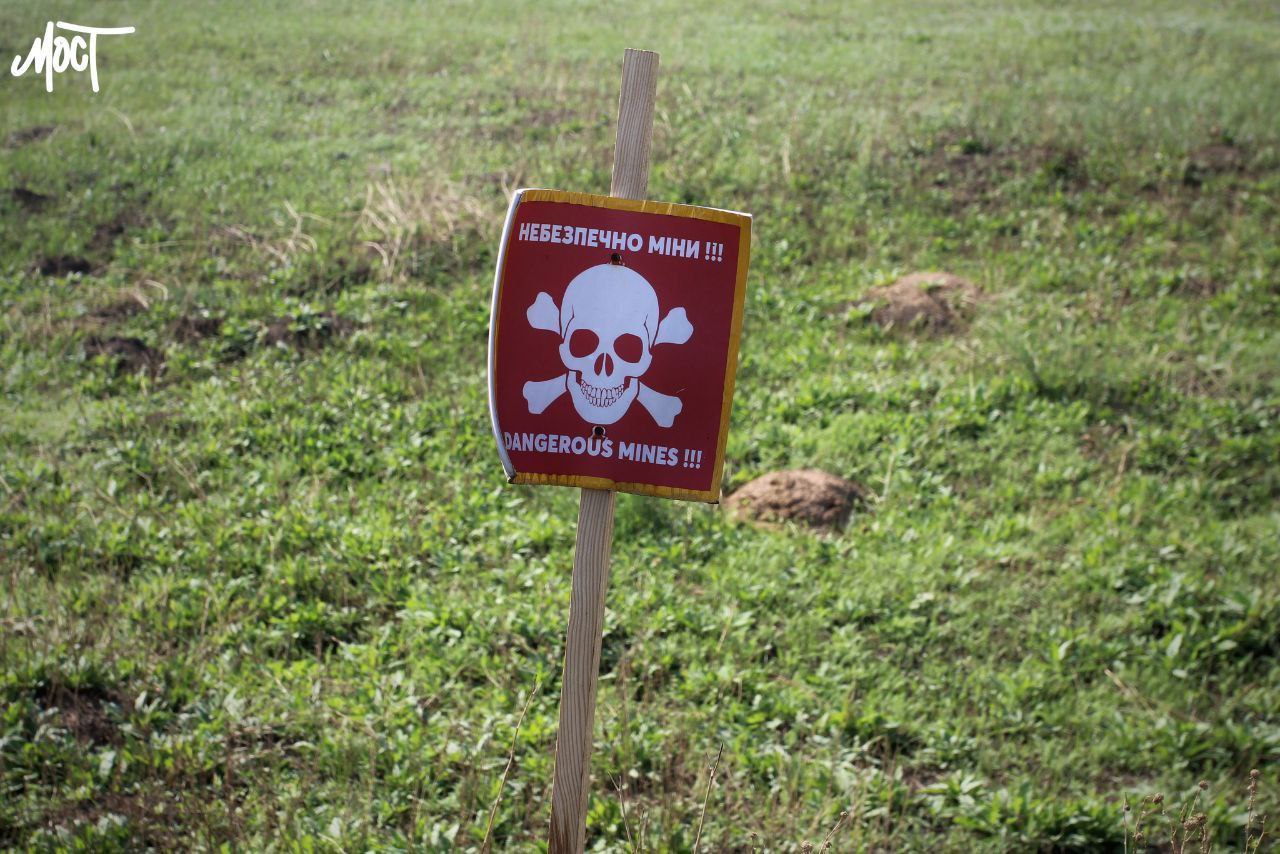
In Mykolaiv, during a non-technical survey conducted by Folkekirkens Nødhjælp (DanChurchAid) locations with suspected explosive ordnance contamination have been recorded. Potentially dangerous areas have already been equipped with warning signs and cordoned off with red-and-white tape. Risk zones may be located in open areas and parks, as well as in city cemeteries.
🇺🇦 Ukraine: Living with Explosive Violence: Civilian Impact, Adaptation & Contribution to Ukraine’s Demining Efforts
This report explores how explosive violence in Ukraine is reshaping everyday life, highlighting its social, psychological, economic, and environmental impacts on civilians. It shows how communities are forced to adapt—often through improvised and risky strategies—while navigating cultural and financial pressures. Despite these challenges, the report reveals how civilians are also driving resilience and recovery through local knowledge, innovation, and active contributions to national demining efforts.
Russia has increasingly used low-metal plastic landmines to evade conventional detectors in Ukraine. In response, Ukraine received advanced MDS-20 mine detection systems capable of identifying minimal-metal threats. The new equipment strengthens demining operations, improves detection reliability, and helps clearance teams safely locate mines designed to bypass traditional technologies. Read more here.
🇺🇦 Ukrainian forces deploy over 500 service dogs for demining and base security

There are currently more than 500 service dogs serving in the Armed Forces of Ukraine, forming part of the canine teams and involved in demining the territories, including in Kharkiv and Kherson regions.
John Healey responded to questions in the House of Commons on March 16 about deploying HMS Stirling Castle. Acquired by the Royal Navy from the Royal Fleet Auxiliary, the Portsmouth-based vessel was overhauled to be a mother ship for drones and be equipped with the latest mine-hunting capabilities.
🇺🇸 🇮🇷 🌊 United States: America Gave Up Some of Its Last Minesweepers. Then Iran Made Them Necessary Again.
Last week as Iran laid mines in the Persian Gulf, four of the U.S. Navy’s few specialist minesweepers were on the move—to Philadelphia and their eventual decommissioning. The Navy hasn’t had a significant mine clearing capability in decades, former naval officers and analysts said. Now it faces having to deal with the risk of mines in one of the world’s most important waterways. Read more here.
Naval mines remain cheap, easily deployed weapons capable of disrupting global shipping, yet U.S. mine-countermeasure capabilities have declined significantly. Iran could deploy thousands of mines using small boats, submarines, or aircraft, while limited American sweeping capacity would make clearance slow, risky, and resource-intensive, exposing a critical operational gap.
🇺🇸 🌊 US Navy Minesweepers Moved to the Pacific While Hormuz Faces an Unclear Mine Threat

A sudden redeployment has placed questions about force posture and readiness at the center of a maritime emergency: us navy minesweepers configured for the Persian Gulf have been photographed in Malaysia even as the Strait of Hormuz faces a mounting and poorly quantified mine threat.
🇾🇪 Yemen: KSrelief’s Masam Project clears 908 mines from Yemen
The Saudi aid agency KSrelief’s Masam Landmine Clearance Project - Yemen cleared 908 mines from different areas of Yemen during the second week of March. The explosives included three anti-personnel mines, nine anti-tank mines, 890 pieces of unexploded ordnance, and six other explosive devices.
🌊 The mine-ridden Strait of Hormuz won’t be easy to clear – here’s why

Experts warn that clearing the mines is a 'slow and grinding business', complicated by the seabed's debris and the sophisticated nature of modern mines, which can target specific ship types. Naval mines, which are inexpensive and widely produced, have been responsible for a significant majority of US ship casualties since 1950, with Iran possessing a substantial arsenal of various types.
🌊 "The potential threat from sea mines is enormous"
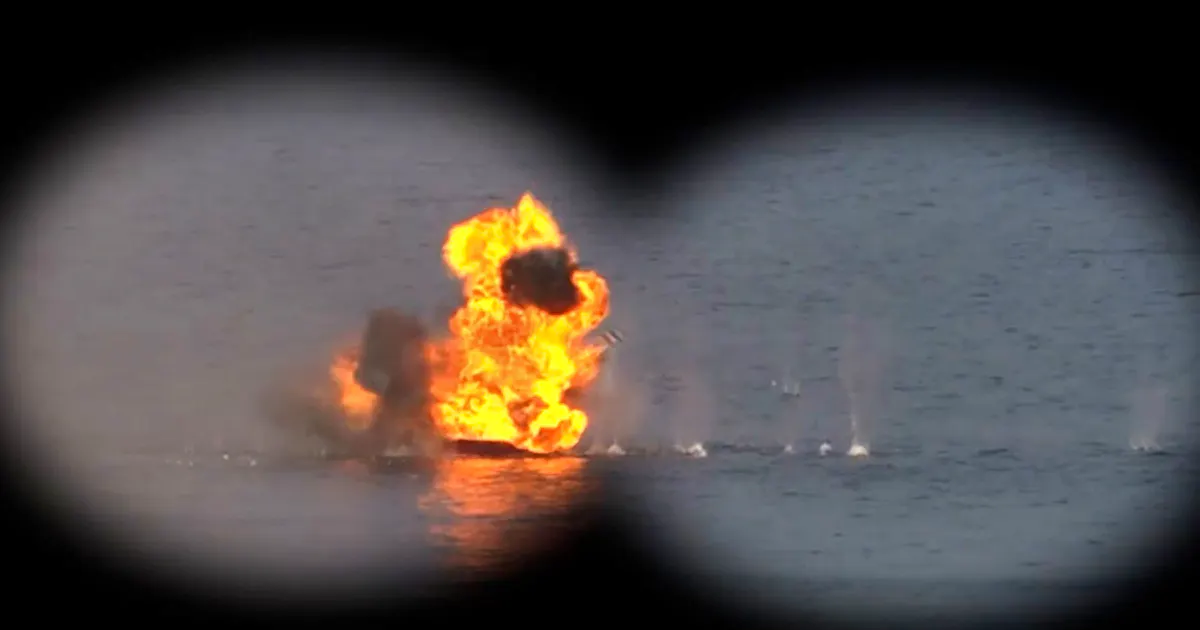
The war against Iran is already having an impact on international energy trade and is causing the price of oil to soar. If Tehran closes the Strait of Hormuz, the consequences for the global economy will be enormous. Philipp von Michaelis explains what sea mines can do.
Other EO Finds from Around the Globe:
🇩🇪 Germany: Unexploded bomb found in Stuttgart to be defused on March 29. Read more
🇮🇳 India: US-made bomb found during sand escavation on Jharkhand riverbank. Read more
🇮🇳 India: Unexploded Army-Grade Mortar Flare Found as Attacks Persist in Sinakeithei by Kuki Militants. Read more
🇮🇳 India: Indian Army neutralises unexploded ordnance after Assam attack. Read more
🇲🇹 Malta: Watch the moment a WWII bomb explodes in Mqabba house. Read more
🇺🇦 Ukraine: At the entrance to Novovorontsovka, undetonated drones were found: drivers are urged to avoid the route. Read more
🇬🇧 United Kingdom: Beach bomb is detonated. Read more
🇬🇧 United Kingdom: Suspected unexploded item found at village recycling centre. Read more
🇬🇧 United Kingdom: Unexploded ordinance shuts Gomer Lane Gosport. Read more
🇬🇧 United Kingdom: Unexploded World War II mortar found on Mynydd Llangors. Read more
🇺🇸 United States: Fort Meade Kids’ Playtime Turns Scary With Grenade Find In Empty Lot. Read more
🇺🇸 United States: Possible World War I-era unexploded device found in Beloit home, hazmat team responding. Read more
2. Explosive Ordnance Risk Education (EORE)
3. Accidents, Survivors, Victim Assistance
🇰🇭 Cambodia Reaffirms Commitment to Dignity and Empowerment for Landmine Survivors

Senior Minister H.E. Dr. Ly Thuch, First Vice-President of the Cambodian Mine Action and Victim Assistance Authority (CMAA), has emphasised that supporting landmine survivors must extend beyond material aid to encompass dignity, opportunity, and hope.
On the 15th anniversary of the Syrian Revolution marking the beginning of nationwide protests against former President Bashar al-Assad’s regime in 2011, more than 15 million Syrians still face the daily threat of landmines and deadly unexploded ordnance, with at least 1,900 casualties and around 700 deaths reported since December 2024.
Other EO Accidents from Around the Globe:
🇦🇫 Afghanistan: Two Children Critically Injured in Unexploded Ordnance Blast in Kunar. Read more
🇰🇭 Cambodia: Two Children Killed by UXO Explosion in Kampong Thom. Read more
🇰🇭 Cambodia: Thai Cluster Bomb Kills One, Injures Another in Banteay Meanchey. Read more
🇰🇭 Cambodia: The Lingering Lethality of Border Disputes: An Analysis of the Banteay Meanchey UXO Incident. Read more
🇲🇲 Myanmar: Grandfather Killed by Landmine While Gathering Wood in Myebon. Read more
🇲🇲 Myanmar: Displaced person loses leg after Thandwe landmine explosion. Read more
🇲🇲 Myanmar: Woman Injured by Landmine While Collecting Firewood in Minbya. Read more
🇸🇾 Syria: Landmine explosion kills 2 young men in Sweida countryside. Read more
🇸🇾 Syria: Two people killed in landmine explosion while collecting truffle in Deir Ezzor. Read more
🇸🇾 Syria: Child loses his leg in explosion of landmine in Al-Raqqa. Read more
🇸🇾 Syria: Old ordnance | Civilian killed and another injured near Ain Issa camp in Al-Raqqah countryside. Read more
🇸🇾 Syria: Child injured in explosion of landmine of war remnants in Daraa. Read more
4. Advocacy, Policy, Conventions, Strategies and Standards
🇨🇴 Colombia: An Unexploded Bomb on a Colombian Farm Leads to a Diplomatic Clash
The Times photographed an unexploded munition in southern Colombia, near the Ecuadorean border. A high-stakes feud between both countries quickly ensued.
🇵🇱 Poland Withdraws from Landmine Ban Treaty to Bolster Eastern Border Defense

Poland has formally withdrawn from the Ottawa Convention, the international treaty prohibiting anti-personnel landmines, and intends to resume their production. This strategic shift is driven by the perceived threat from Russia and the aim to fortify the nation's eastern border, which also constitutes NATO's eastern flank.
🇸🇪 Sweden: Researchers: Why anti-personnel mines are a dangerous path for Sweden

Experience from Afghanistan, Cambodia and Bosnia shows that mines kill civilians long after the war is over. Sweden cannot ignore this knowledge in security policy decisions, write Henrique Garbino and Priscyll Anctil Avoine from the Swedish National Defence University.
5. Stockpile Destruction, Demolition, WAM and Disarmament
6. Research, Innovation, Technology and Market Trends
7. Mine Action Assistance, Funding and Cooperation
🌍 🇪🇺 EU: Disarmament: Council adopts decision supporting African capacities towards a mine-free continent
The Council today adopted a decision supporting efforts to strengthen African capacities for mine action, contributing to the objective of a mine-free Africa. Through this decision, the EU will support African countries affected by anti-personnel landmines in strengthening their national mine-action programmes and accelerating progress towards fulfilling their international obligations.
🇪🇹 🇸🇩 Ethiopia, Sudan: UN mine action chiefs for Ethiopia and Sudan call for more funding
The heads of United Nations landmine action programmes in Ethiopia and Sudan have called for more funding and awareness of contamination by munitions. Both say mines kill and maim a disproportionate number of children, adding that people cannot return to safety without addressing explosive hazards.
🇩🇪 🌊 Germany is considering joining the Hormuz Strait mine clearance mission

Minister of the Interior Alexander Dobrindt said Germany would likely join efforts to secure shipping lanes in the Persian Gulf region after the conflict ended. "We may also be involved in operations in the Strait of Hormuz. For example, if it concerns mine clearance or similar missions," Dobrindt stated.
🇯🇵 🌊 Japan says Hormuz mine-clearing role conditional on ceasefire deal

Japan would consider deploying its Self-Defense Forces to clear naval mines in the Strait of Hormuz only if a full ceasefire is in place, Foreign Minister Toshimitsu Motegi said on Sunday.
🇬🇧 United Kingdom: Foreign Secretary sets out new innovative development reforms

The UK’s humanitarian leadership will continue, including extending longstanding partnerships with Scottish-based charity The HALO Trust and Manchester-based MAG (Mines Advisory Group) – 2 British organisations at the heart of humanitarian demining efforts – as well as the United Nations Mine Action Service (UNMAS).
Support for humanitarian mine action in Southeast Asia depends on donations from ASEAN member states and external partners. This makes aid uncertain for countries like Cambodia, which are heavily affected by mines. ASEAN Regional Mine Action Centre (ARMAC) Executive Director Buth Rothna told Khmer Times that while regional frameworks have strengthened cooperation, the absence of binding commitments creates considerable instability.
8. Other News
🇱🇦 Laos: Book launch: Stories of Brave Laos Women in a Forgotten War
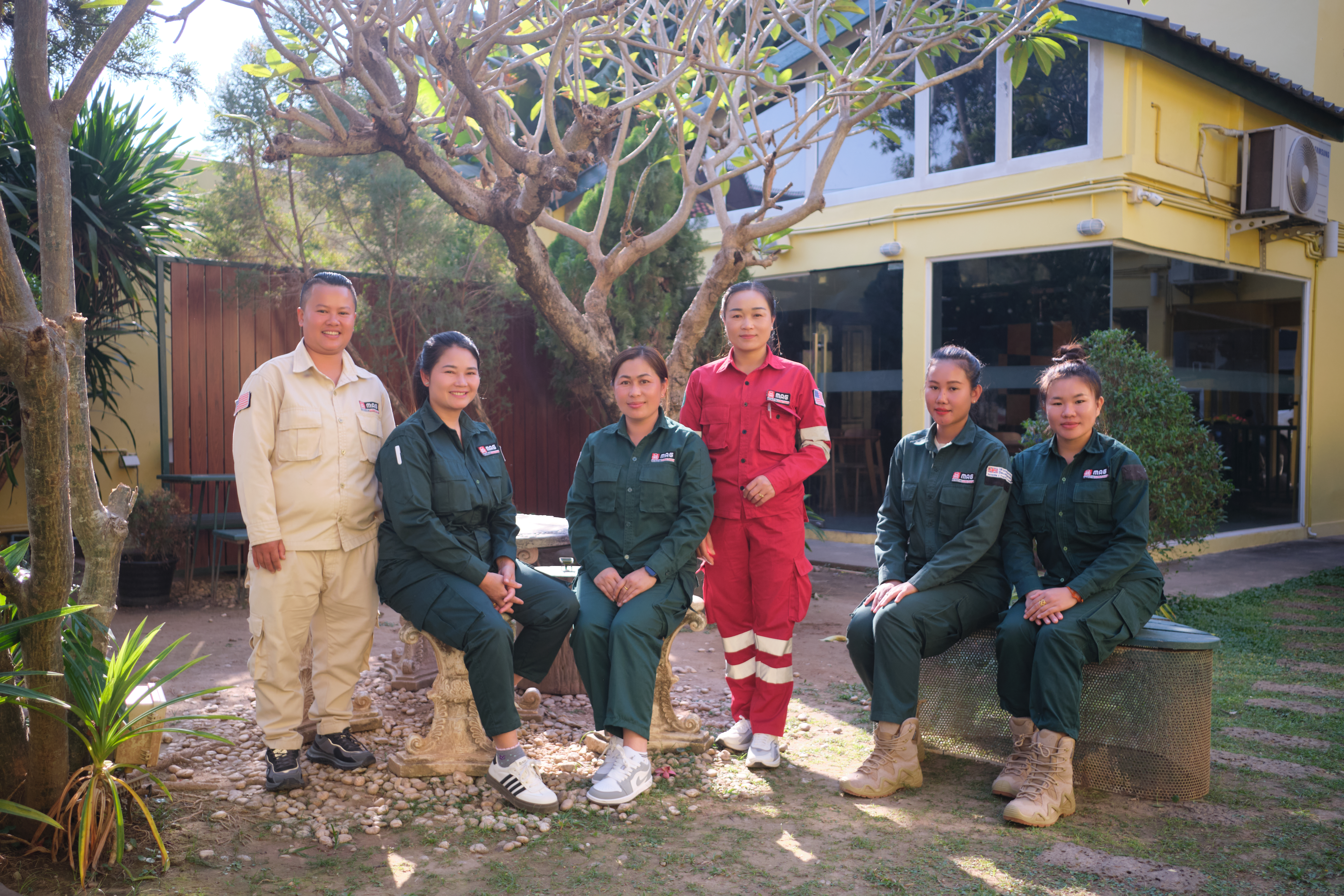
A new book published by the MAG (Mines Advisory Group), Stories of Brave Lao Women in a Forgotten War, documents a powerful collection of real-life stories that honour the courage and dedication of Lao women working on the frontlines of unexploded ordnance (UXO) clearance in Lao PDR. Written by Lao author Kabkeo Thammavong, the book highlights the lived experiences of women making land safe for communities across Lao PDR.
🇺🇦 Ukraine: Interview with Olivier Shu – La Ligne de cœur (RTS La Première)
From Kharkiv, Ukraine, FSD (Fondation suisse de déminage) demining expert Olivier SHU describes his daily work as Programme Manager, in a context still marked by the ongoing conflict.
🇺🇦 Ukraine: The court handed down a verdict to a farmer from Kherson region in a case involving the embezzlement of 4.4 million hryvnias through a fictitious demining operation
In the Kherson region, a farmer from the Vysokopil community, Serhiy Kvitko, was convicted for becoming an accomplice in a scheme to embezzle budget funds for humanitarian demining. According to the investigation, he signed fake certificates of completed work that were not actually carried out. Read more here.
NATO ships took part in a major mine countermeasures (MCM) exercise in the Baltic Sea 9-20 March 26. The high-intensity two-week exercise MCM Baltic was led by the German Navy, involving specialist minehunters from nine Allied and Partner nations including those of Standing NATO Mine Countermeasures Group One (SNMCMG1).
🎥 Video
MinesEye is changing how contaminated land is surveyed — using drones to make demining faster, safer, and more effective.
📅 Upcoming Events, Courses & Trainings
There are a number of interesting events for the mine action sector in the coming months, and some of the deadlines are approaching quickly.
The next Environmental Issues and Mine Action (EIMA) online meeting will be held on Wednesday, 25 March 2026, 11:00 - 12:00, Geneva time. The meeting will feature Dr Stacey Pizzino from the University of Queensland (Australia), who will present on “The Environmental and Human Health Impacts of Unexploded Ordnance in the Solomon Islands." Register here for the meeting.
In December 2026, Rogue Wave Atlantic Row 2026 are taking on ‘the world’s toughest row’ — a month-long, unsupported 3,000-mile expedition from the Canary Islands to Antigua in support of The HALO Trust’s life-saving work. To be part of the journey from the very start by joining the team for an unforgettable black-tie evening at Royal Windsor Racecourse (on Saturday 11 April, from 6pm) with a luxurious three-course dinner, inspiring speakers, auction, raffle, and the official handover of the team’s boat, learn more and get your tickets here.
The Mine Action: Innovation, Sustainability, and Global Partnerships speaker series is structured to address landmine and explosive remnants of war (ERW) challenges through a strictly humanitarian, civilian-protection-oriented framework, with clearly defined ethical, legal, and operational boundaries between humanitarian and military applications of technology. Dates are: FEB 19 | MAR 19 | APR 16 | MAY 21 | JUN 18 | JUL 16 | AUG 20 | SEP 17 | OCT 15 | NOV 19 | DEC 17. Time: 12:00 PM - 1:00 PM ET. Location: Virtual (Zoom Webinar). Register here.
The 29th Annual Meeting of Mine Action Directors and UN Advisers will take place at the Geneva International Conference Center from 22 to 24 April 2026. Learn more and register here.
The Geneva International Centre for Humanitarian Demining (GICHD)'s final IMSMA Global training course for 2026 is open for registration: 02 Nov 2026 - 06 Nov 2026 (Application deadline: 2 August 2026).
🔔 Always Stay in the Know – Never Miss an Update
This newsletter is subscribed to by over 3400+ dedicated readers on LinkedIn. To join this community of mine action professionals and supporters, go ahead and subscribe to the Mine Action Weekly newsletter. You can find all editions up to February 2026 on LinkedIn, and from March 2026 onwards here on Mine Action News.
Please reach out to me if there are any mine action news, journal articles, events, or updates that you would like to suggest for the next edition of Mine Action Weekly. You can find (and follow / connect with) me here. See you next Monday!