Mine Action Weekly, 13 - 19 April 2026
- Markus Schindler

- Apr 20
- 16 min read
Updated: May 4
A warm welcome to the latest edition of the Mine Action Weekly newsletter - your go-to source for the most important global updates from the mine action sector. Read about the latest news on EO contamination & clearance, EORE, accidents and victim assistance, advocacy efforts, stockpile destruction, mine action innovation & technology, and assistance, cooperation & funding - right here, every Monday. Dive right in and stay up-to-date!

Disclaimers:
This newsletter features news reports and articles from a variety of sources. Mention of these resources does not indicate agreement with or endorsement of the opinions of others. I do not claim responsibility or credit for these works, and do not vouch for the information contained in them.
This newsletter is created and managed in a personal capacity, independent of my professional affiliation with Fondation suisse de déminage (FSD).
🗞️ Weekly News Roundup
The weekly news roundup showcases a low-down of the top mine action news and insights from the past seven days.
1. EO Contamination, Clearance & Land Release
🇦🇫 Afghanistan: Saving lives in Helmand's most conflict-affected communities
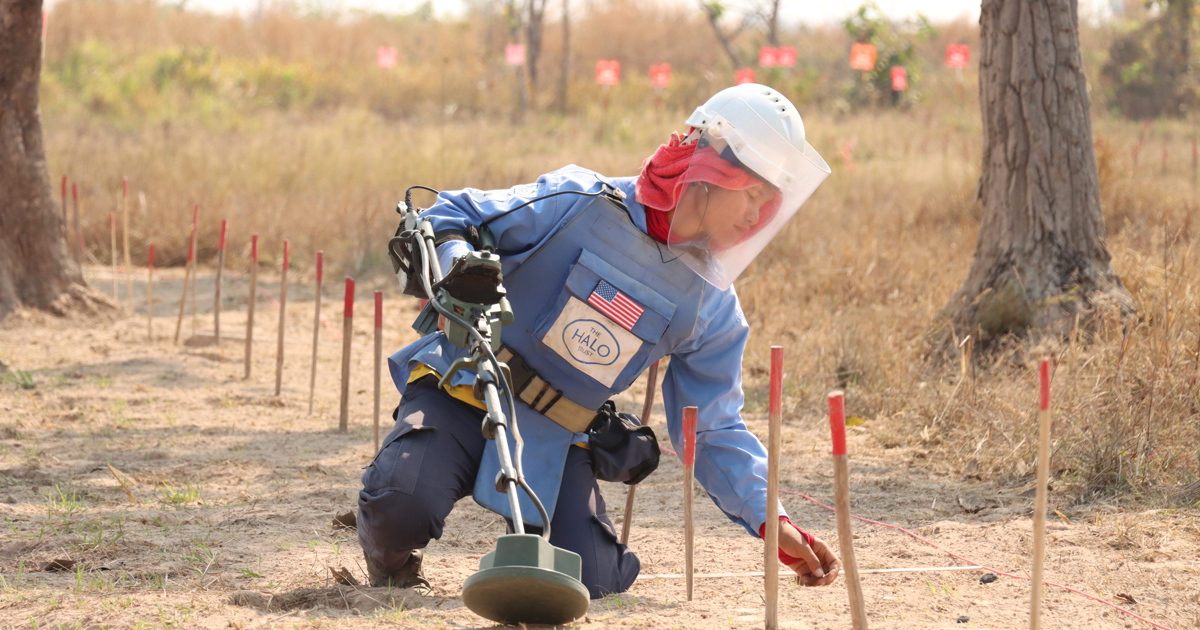
In Helmand, Afghanistan, widespread landmines, IEDs, and unexploded ordnance continue to kill and injure civilians, making it the country’s most contaminated province. The HALO Trust teams clear hazards to enable safe farming and resettlement, helping displaced families rebuild livelihoods while reducing accidents and restoring security in heavily affected communities.
🇦🇿 Azerbaijan: ANAMA clears over 2,000 hectares of mine-contaminated land in one week

Azerbaijan’s National Agency for Mine Action (ANAMA) has released its latest report on demining operations carried out in territories liberated in Azerbaijan between 6 and 12 April. During the period, demining teams discovered and neutralised 144 anti-personnel mines, 47 anti-tank mines, and 1,661 unexploded ordnance (UXO). In total, 2,052.5 hectares of land were cleared of mines and unexploded military materials over the course of the week.
🇩🇪 🇺🇸 🌊 Germany: Trump Blasts NATO Over Hormuz—But Germany Excels at Clearing Naval Mines
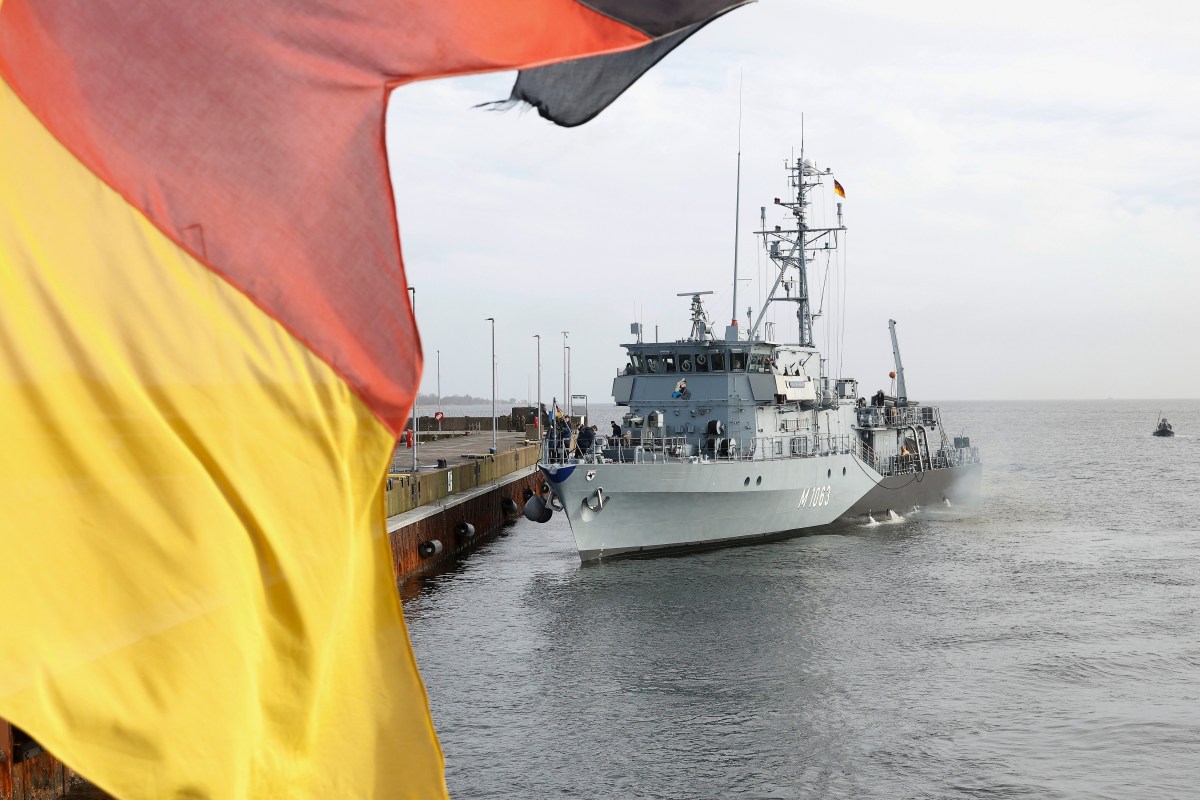
While Trump’s remarks dismissed NATO’s role, Germany’s offer drew attention to an area where Berlin has deep expertise. Decades of operating in the Baltic Sea—shallow, narrow and heavily mined during both world wars—have made mine clearance a strategic necessity for Germany, which also serves as a logistics hub for NATO’s eastern flank. As many countries have scaled back their mine‑countermeasures forces, Germany has maintained frequent demining operations and a relatively robust fleet, experience that could translate directly to a complex waterway such as the Strait of Hormuz.
🇮🇷 🇺🇸 🌊 Iran: What mines has Iran laid in the strait of Hormuz and how can the US remove them?
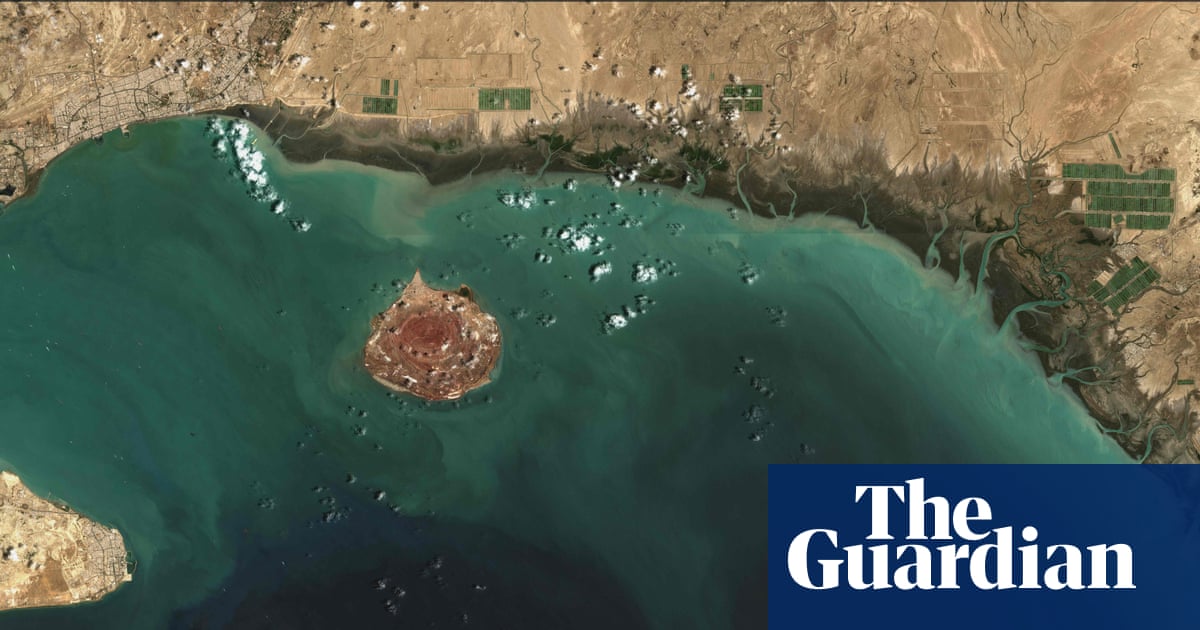
Iran has deployed advanced naval mines in the Strait of Hormuz, including seabed and tethered types designed to evade detection. Clearance is slow and hazardous, relying on drones and helicopters. Crucially, some mines’ locations are unknown even to Iran, increasing risks and giving them lasting strategic leverage over global shipping.
🇱🇧 Lebanese army dismantles unexploded bombs amid ceasefire with Israel

The Lebanese army said on Sunday it had dismantled five unexploded aerial bombs left over from Israeli strikes in the southern suburb of Haret Hreik. A specialised unit was deployed to handle the ordnance, with three of the bombs transported for further examination, while efforts continue to relocate the remaining two. The army urged residents to avoid the affected areas and report any suspicious objects to the nearest military facility.
🇲🇲 Myanmar: Victims of Success

The discussion features Erin Hunt of Mines Action Canada, examining how the Mine Ban Treaty’s success risks complacency. Myanmar’s rising casualties reveal limits of current frameworks, while emphasizing lived expertise—especially from women and youth—and challenges from evolving conflict dynamics, non-state actors, and emerging technologies.
Mine action partners said that the lack of clearance equipment is contributing to a growing safety crisis. "Over a dozen accidents injuring more than 30 people have occurred so far in 2026," United Nations OCHA said. "Addressing that risk more meaningfully requires clearance to take critical equipment into Gaza and conduct the full range of disposal activities." Last week alone, the office said mine action teams delivered explosive-ordnance-risk education sessions to more than 12,000 people in Gaza City, Deir al-Balah and Khan Younis.
🇸🇾 🇱🇧 Syria: Displaced by Iran war: out of Lebanon, into Syrian crisis
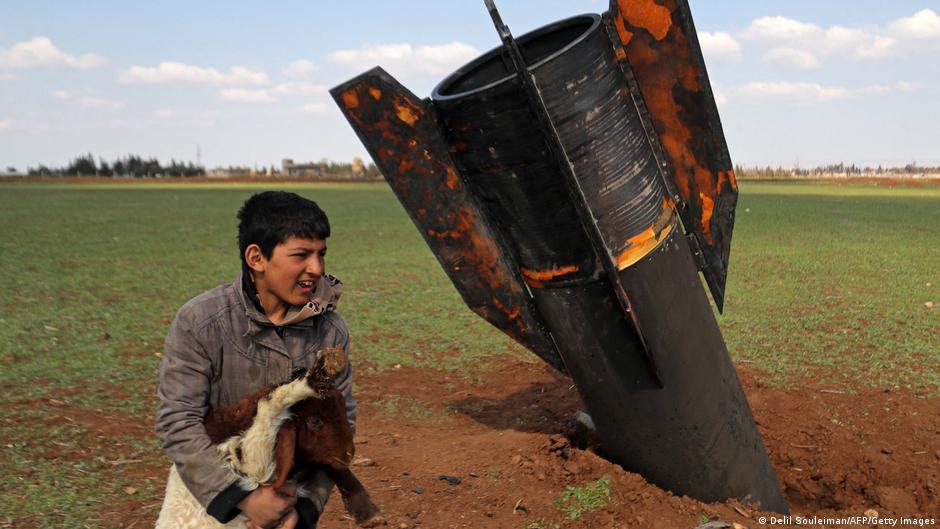
Civilians fleeing conflict in Lebanon into Syria face severe risks from unexploded ordnance and landmines, especially in heavily contaminated border regions. Many enter unfamiliar, hazardous areas where explosive remnants remain widespread, causing deaths and injuries, particularly among children, and hindering safe movement, return, and access to livelihoods. Read more here.
🇺🇦 Ukraine: Clearing the Path for the Future: Mine Action Efforts in Ukraine

In Ukraine, the impact of explosive ordnance is often seen in what can no longer happen. Fields can’t be planted, roads can’t be used, communities are unable to return home. With support from the United Nations, mine action efforts are helping to address these challenges through surveillance and clearance, risk education and technical support.
🇺🇦 Ukraine clears 572 ha of farmland in March, pays UAH 35.4 mln in compensation

Mine action operators in March 2026 cleared 572 hectares of agricultural land under the state compensation program and received UAH 35.4 million in payments, the Ministry of Economy of Ukraine reported. According to the statement, six contracts were executed during the month, with the average cost of clearing one hectare amounting to UAH 59,000. In addition, under two new contracts, work was launched on more than 85 hectares through the Humanitarian Demining Center, with a total value of UAH 5.8 million.
🇺🇦 Ukraine: Government adds State Land Bank to demining program, unlocking 7,000 hectares

The government has expanded the humanitarian demining cost compensation program by adding the State Land Bank. This is a move that will enable about 7,000 hectares of state agricultural land to be put back into safe use. The changes codify a government decree that updates the mechanism for using budget funds to compensate demining costs. Previously, this mechanism was used mainly for agricultural producers and agribusinesses.
🇺🇦 Ukraine: Shell craters counted in northern Ukraine, first step to soil remediation

Scientists in northern Ukraine mapped shell craters across farmland in Kyiv, Chernihiv, Sumy, and Zhytomyr regions to assess war damage. The data enables contamination mapping and guides soil remediation efforts. Findings show significant soil disruption, marking a crucial first step toward restoring agricultural productivity and supporting post-war recovery.
The piece explores a restricted U.S. Navy island off California used for decades as a bombing range, leaving it littered with unexploded ordnance on land and underwater. Now off-limits to the public, it highlights the long-lasting environmental and safety risks of military training sites along otherwise pristine coastlines.
🇺🇸 🌊 🐬 Send in the Mine-Clearing Dolphins
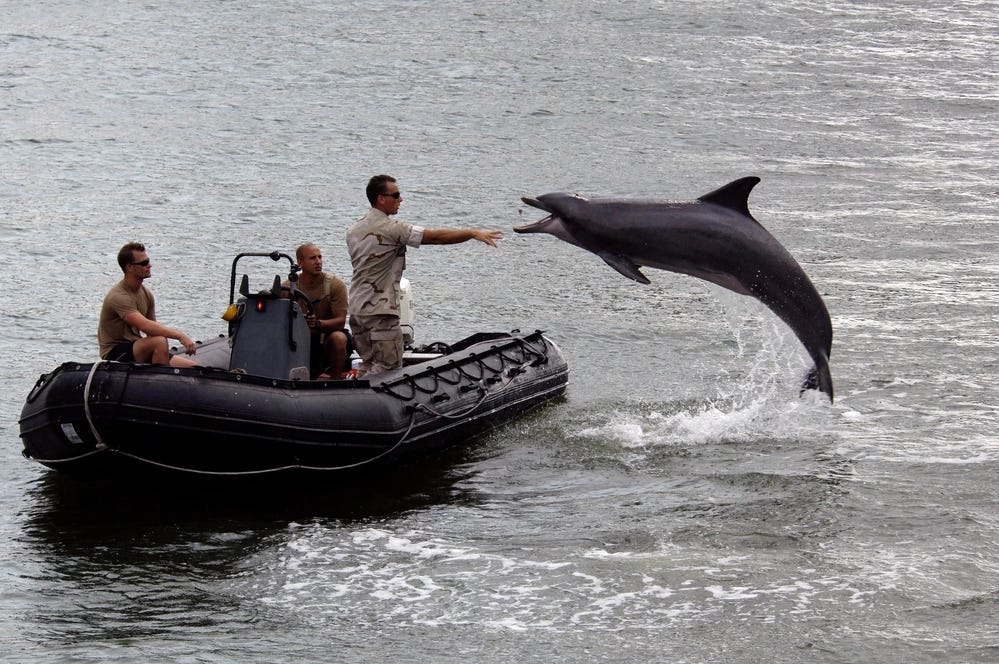
Trained U.S. Navy dolphins are being considered to help locate naval mines in the Strait of Hormuz. Using echolocation, they can identify and mark mines more effectively than some technologies. With drones also deployed, dolphins offer a complementary capability in dangerous, complex clearance operations to help restore safe maritime navigation.
🇺🇸 🌊 United States: ‘Mine clearance’: How the US Navy deals with underwater mine risks
The US Navy counters deadly sea mines using airborne lasers, Avenger-class ships, and Mk 18 Kingfish drones. By deploying $100,000 SeaFox neutralisers and Al sonar, the military safely destroys underwater explosives without risking human divers.
🇺🇸 🌊 U.S. Navy Stages for Mine Clearance as Hormuz Blockade Begins

The U.S. Navy is repositioning assets in support of upcoming mine clearance operations, moving the first two Arleigh Burke-class guided missile destroyers into the Persian Gulf, a move that CENTCOM describes as “setting conditions for clearing mines”.
🇺🇸 🌊 United States: Can the US Navy Clean Up the Strait of Hormuz with Anti-Mine Drones?
The Navy is reportedly deploying underwater unmanned systems to help clear one of the world’s most important waterways. However, US Central Command (CENTCOM) did not specify which drones it is using in the minesweeping operation.
🇺🇸 🌊 United States: Flurry of US minesweepers head to Middle East: ‘A complex task’
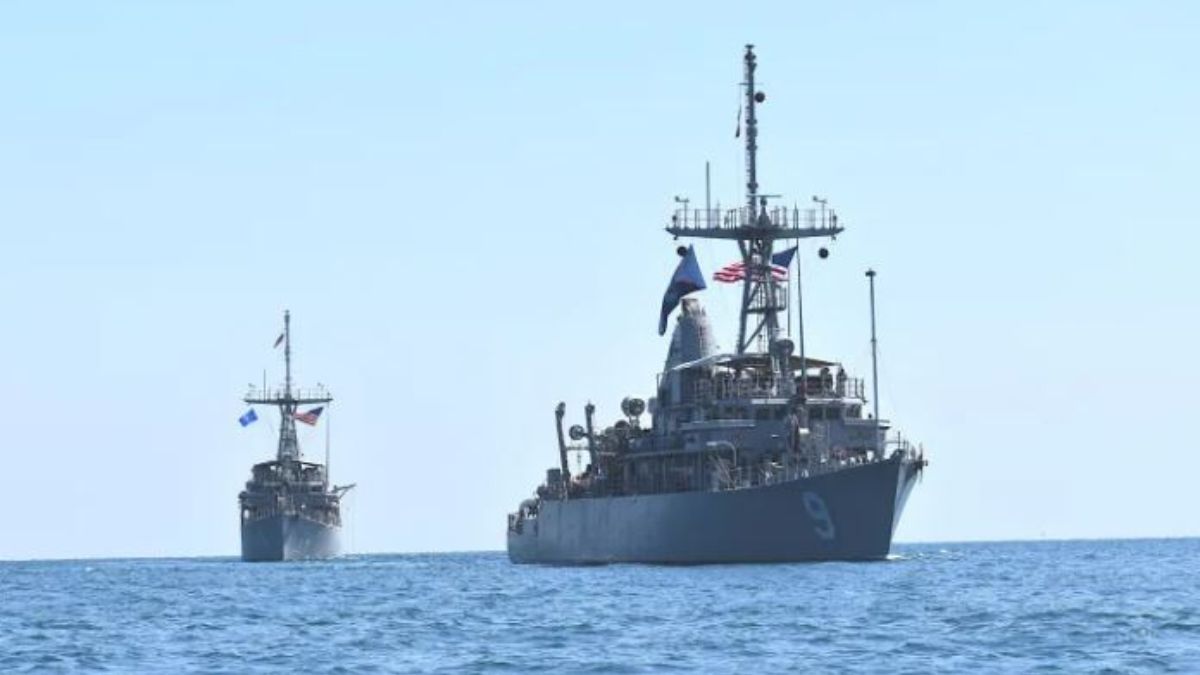
The US on Monday announced that warships USS Frank E. Peterson and USS Michael Murphy will conduct an operation to clear mines laid by Iran in the Strait of Hormuz. Soon after, reports emerged that the US Navy Avenger-class USS Chief and USS Pioneer were seen leaving Singapore port towards the west.
🇺🇸 🇮🇷 🌊 United States: Trump Says US And Iran Are Working Together To Clear Mines From Hormuz Strait
In a move that could expand commercial shipping traffic through the Strait of Hormuz, US President Donald Trump said that Iran is removing sea mines from the waterway with the help of the United States. In a post on Truth Social, Trump wrote, "Iran, with the help of the U.S.A., has removed, or is removing, all sea mines!"
🇾🇪 Yemen: Saudi Arabia’s Project Masam continues demining efforts in Yemen
Members of Saudi Arabia’s Masam Landmine Clearance Project - Yemen have removed 2,639 landmines and explosive remnants of war from various regions of Yemen so far in April, continuing efforts to reduce explosive threats and protect civilians in affected areas. The total included 2,502 pieces of unexploded ordnance, 116 anti-tank mines, 19 anti-personnel mines, and two improvised explosive devices, according to a recent report. During the same period, Project Masam teams cleared 500,794 sq. meters of land.
🇾🇪 Yemen: Project Masam destroys 4,199 landmines and explosive remnants of war in Yemen’s Abyan
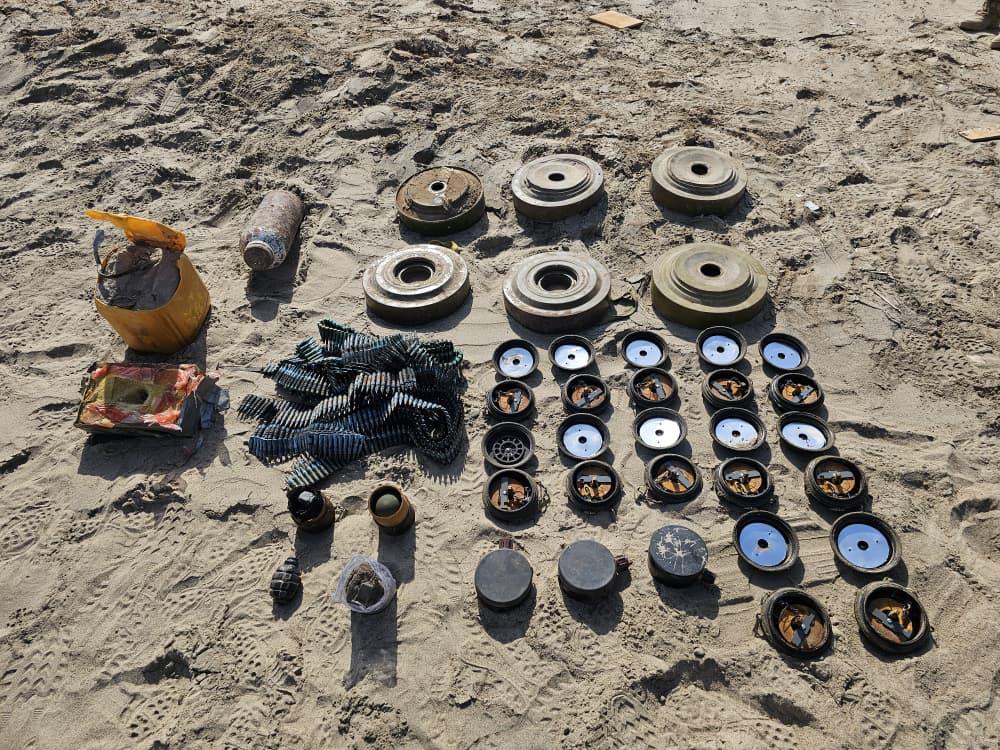
The Masam Landmine Clearance Project - Yemen carried out a demolition operation involving 4,199 landmines, unexploded ordnance, and other explosive remnants of war in the Dofs area of Zinjibar District, in Yemen’s sourthern Abyan Governorate. Demolition is essential because it guarantees that explosive items are destroyed beyond use, preventing repurposing and removing the danger they pose to civilians.
🌊 Sea mines: the cheap, deadly Iranian weapon facing US Navy
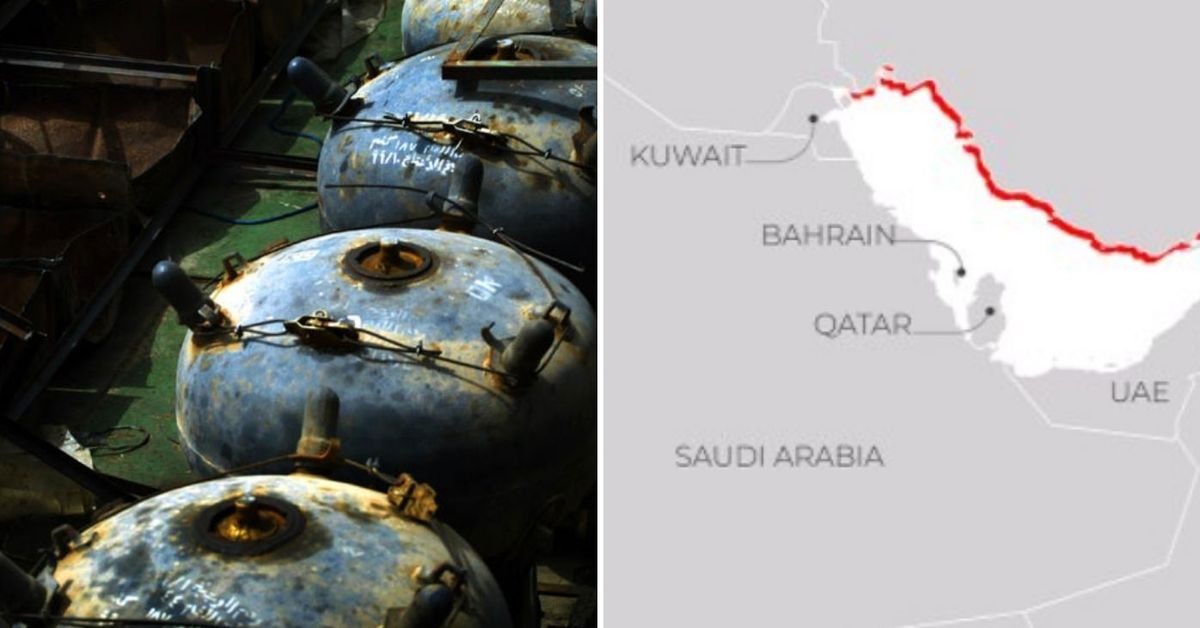
Naval mines in the Strait of Hormuz pose a major threat to global shipping amid the US-Israel-Iran conflict. Cheap but effective, they can disrupt a significant share of global oil flows. Clearance is slow and dangerous, complicated by the fact that Iran may not know the exact locations of all deployed mines.
Other EO Finds from Around the Globe:
🇮🇳 India: 3 unexploded WWII-era shells recovered in Ctg; safely defused. Read more
🇮🇳 India: Ukhrul: Unexploded Pumpi Shell Lands Near Homes in Sinakeithei. Read more
🇮🇳 Indian Army neutralises World War II unexploded bombs in Assam. Read more
🇮🇳 India: Another 200kg bomb found In Jharkhand’s Swarnarekha river. Read more
🇽🇰 Kosovo: An unexploded device is found in Harilaq, Lipjan, KFOR and KSF intervene. Read more
🇬🇧 United Kingdom: Archaeologists stunned after digging up unexploded bomb more than 200 years after it was fired at Scots battlefield. Read more
🇬🇧 United Kingdom: More than 30 smoke mortars destroyed by Army in Powys. Read more
🇬🇧 United Kingdom: First discovery of an unexploded shell at Culloden Battlefield. Read more
🇬🇧 UK WWII Bomb Find: Unexploded World War Bomb Detonated in Controlled Explosion at Mansel Park, Southampton; Army Bomb Disposal Team Rushes to Millbrook. Read more
2. Explosive Ordnance Risk Education (EORE)
🇱🇧 Lebanon: Army and Civil Defense Warn Residents About Landmine Dangers
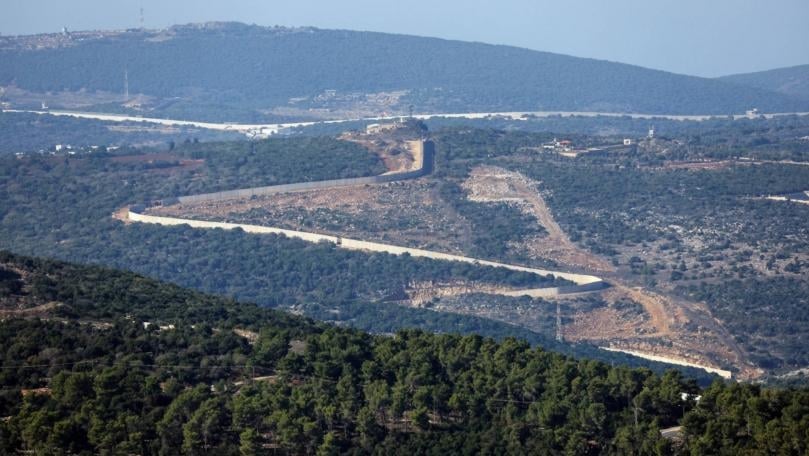
The National News Agency reported that civil defense and army teams are working to regulate traffic and reopen roads that were closed due to the return of most residents to the south. They are also distributing leaflets warning about the dangers of landmines and cluster bombs.
3. Accidents, Survivors, Victim Assistance
The International Committee of the Red Cross - ICRC says that children in Afghanistan continue to pay a heavy price for unexploded ordnance. The organisation raised the issue on Sunday, April 19, by publishing a video of a child who lost one leg in a mine explosion. The United Nations Assistance Mission in Afghanistan (UNAMA) said some time ago that about 50 children are killed each month in Afghanistan due to landmine explosions.
🇦🇿 Azerbaijani demining worker killed in mine explosion

An employee of the Mine Action Agency of the Republic of Azerbaijan - ANAMA was killed in a mine explosion in the village of Ashagi Abdurrahmanli in the Fizuli district on Tuesday. The victim reportedly had stepped on an anti-tank mine during demining operations.
A French soldier was killed and three others wounded while clearing a road in southern Lebanon in an attack that UNIFIL peacekeepers and French officials said on Saturday was likely carried out by Iran-backed Hezbollah.
🇺🇦 Ukraine: In Kherson, a police officer blew himself up on a Russian mine

On 16 April in the Kherson district, during operations to neutralize antipersonnel mines of the “Pryanik” type, a 42-year-old police officer was injured. The police officer was taken to the hospital with blast injuries, gunshot shrapnel wounds to various parts of the body, and a thermal burn to the arm.
Other EO Accidents from Around the Globe:
🇧🇩 Bangladesh: Rohingya youth loses foot in landmine blast at border. Read more
🇮🇳 India: 21-year-old student kicks unexploded bomb during trek in Tamil Nadu, dies in blast. Read more
🇮🇳 India: Close Calls at the LoC: Landmine Explosion Injures Soldier. Read more
🇲🇲 Myanmar: Innocent Civilian Killed in Landmine Explosion Planted by So-Called PDF Terrorists in Salin Township of Magay Region. Read more
🇸🇾 Syria: Landmine explosion leaves 7 casualties in Hama countryside. Read more
🇸🇾 Syria: Injuries and amputated limps in explosions of landmines in Al-Raqqa and Deir Ezzor. Read more
🇸🇾 Syria: Young man killed and his father injured in southern Idlib countryside. Read more
🇸🇾 Syria: Two children killed in eastern Homs. Read more
🇸🇾 Syria: Civilian killed and another injured in Aleppo. Read more
🇸🇾 Syria: One killed and another injured in two separate incidents in Al-Raqqa and Aleppo. Read more
🇸🇾 Syria: Landmine blast kills 2 children in Damascus countryside. Read more
🇸🇾 Syria: Three people killed and injured in explosion of war remnants in Rif Dimashq. Read more
🇸🇾 Syria: Attempting to dismantle landmines | Two members of Military Police killed in Al-Raqqa. Read more
🇸🇾 Syria: Three soldiers martyred in explosion of site containing unexploded ordnance in Daraa. Read more
4. Advocacy, Policy, Conventions, Strategies and Standards
Mines Action Canada’s 2025 Fellows program empowered youth leaders through forums at major treaty meetings, where they engaged diplomats, lobbied over 50 states, and delivered joint statements. Participants also received ongoing training, accessed small grants, and strengthened global networks, enhancing their advocacy skills and influence in international mine action processes.
🇫🇮 Finland: Russia’s actions catalyst for landmine treaty withdrawal: Finnish under-secretary of state

Finland’s decision to withdraw from the Ottawa Treaty was shaped by the deteriorating security environment caused by Russia’s war in Ukraine, Finnish Under-Secretary of State for Foreign and Security Policy Outi Holopainen said on Sunday. She emphasised that the move "was not an easy decision" but was driven by national security concerns.
🇸🇾 Syria: Mine action workshop in Damascus concludes with recommendations to boost preparedness

A workshop organised by the National Mine Action Center at the Ministry of Emergency and Disaster Management, in cooperation with the Geneva International Centre for Humanitarian Demining (GICHD), concluded in Damascus with calls to strengthen national capabilities and improve preparedness for a range of risks.
🇬🇧 United Kingdom: MAG welcomes new members to its Board of Trustees

MAG (Mines Advisory Group) is pleased to announce the appointment of two new members to its Board of Trustees, Ms Anna Bertmar Khan and Sir Ralph Wooddisse KCB CBE MC.
General Thang urged continued review and improvement of institutions and regulations to push forward remediation efforts, while developing a national action program for settling post-war unexploded ordnance consequences for the 2026-2045 period, which will be submitted to the Government this year.
🇪🇺 Protect civilians - keep landmines banned
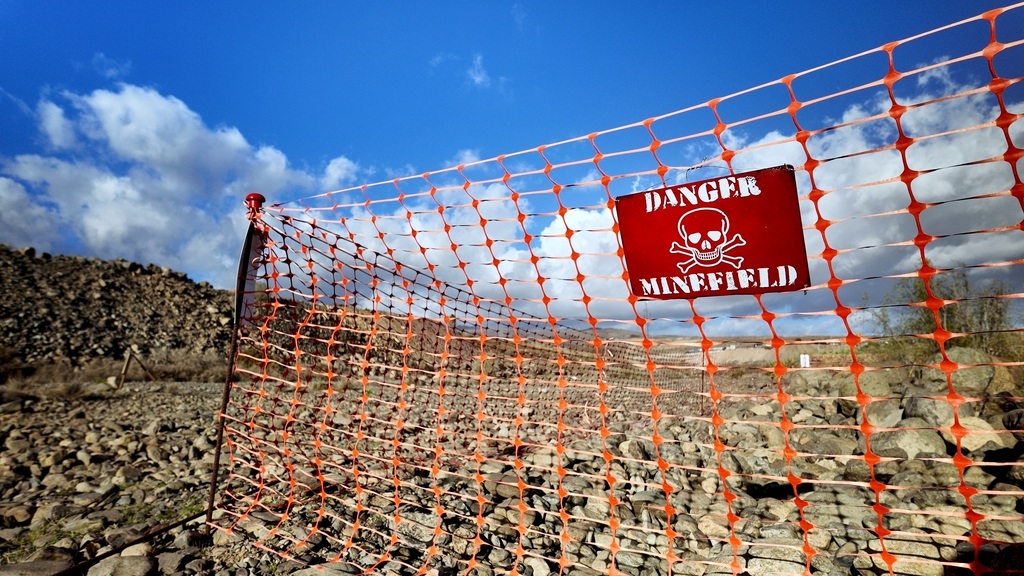
A petition urges European leaders to uphold the Mine Ban Convention amid concerns some countries may reintroduce landmines. It calls for banning EU funding for their production and reinforcing civilian protection. Advocates warn that reversing the ban risks long-term harm, as landmines kill indiscriminately and remain dangerous for decades.
🇪🇺 Withdrawal symptoms
The piece argues that renewed calls in Europe to reintroduce anti-personnel mines and cluster munitions are based on weak or misleading evidence. It challenges claims of their effectiveness in Ukraine, emphasising limited military value and well-documented humanitarian harm, warning that such narratives risk creating a dangerous illusion of security.
On the margins of the 2026 ECOSOC Youth Forum, the Non-Aligned Movement Youth Organization (NAMYO) and the National Assembly of Youth Organizations of Azerbaijan (NAYORA), with the support of the Permanent Mission of Azerbaijan to the United Nations, organised a side event on 16 April at UN Headquarters. Titled “Rebuilding Safely: The Role of Mine Action in Urban Reconstruction,” the event brought together youth representatives, international experts, and policymakers to discuss the importance of ensuring safety in post-conflict recovery. Read more here.
5. Stockpile Destruction, Demolition, WAM and Disarmament
🇵🇳 Pitcairn Islands: Royal Navy detonate unexploded devices on remote Pacific Ocean island
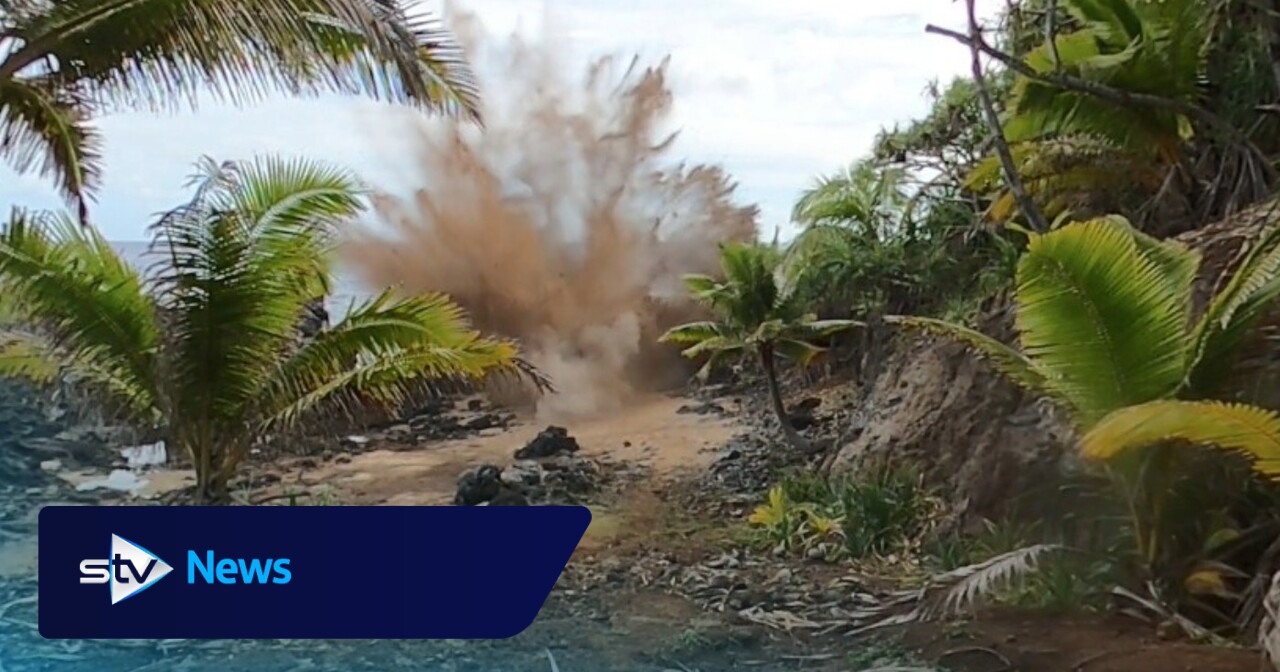
In 2024, HMS Tamar conducted a visit to the island of Pitcairn, one of the most isolated places in the world with only 38 residents, and discovered 3.5 tonnes of high explosive ammonium nitrate stored in the north of the island. The explosives were left behind from the construction of Pitcairn’s tiny harbour half a century ago. Earlier in 2026, the Bravo Diving Unit II from the Royal Navy’s Diving and Threat Exploitation Group (DTXG) was tasked to safely dispose of the explosives in a series of controlled detonations.
6. Research, Innovation, Technology and Market Trends
🇷🇺 Russia: Defuses 100 meters in 5 minutes: the heavy robot "Belogor" was developed by the company "Emercom-Demining"
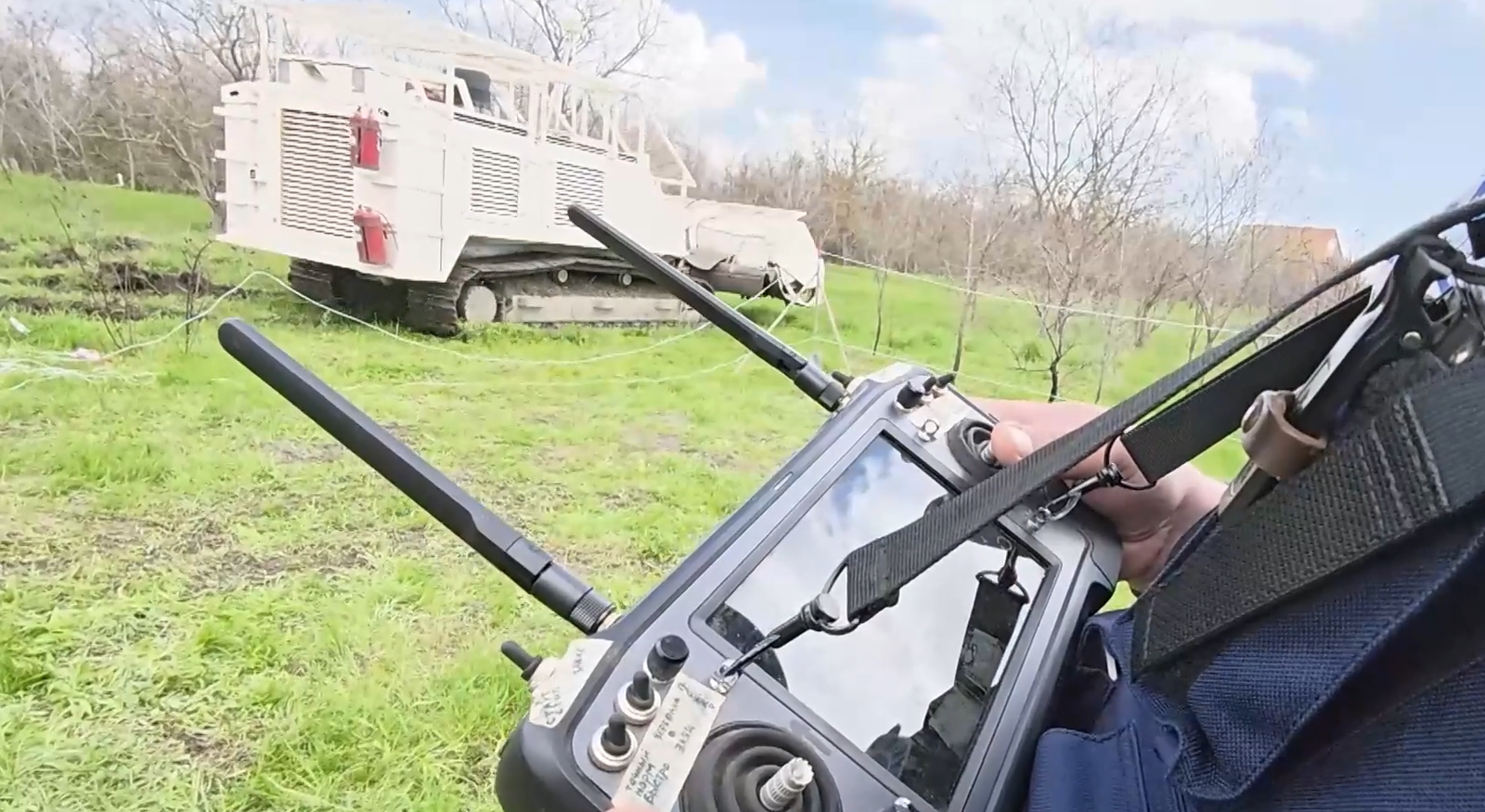
Russian specialists have begun to use the heavy robotic complex "Belogor" for humanitarian demining. The automated platform outperforms a sapper in terms of efficiency. The robot is the first to be sent to the minefield. Its main working unit (trawl) can withstand up to 6 detonations of anti-tank mines and a large number of anti-personnel mines.
🇺🇦 Ukraine: Ukraine reviews partner demining equipment, calls for sustained maintenance

In Kyiv, the ninth meeting of the Sectoral Working Group on “Humanitarian Demining” took place, during which participants assessed the status of using equipment provided by international partners and identified the main problems affecting the pace of demining.
7. Mine Action Assistance, Funding and Cooperation
🇦🇿 🇮🇹 Azerbaijan: Italy hosts conference on mine clearance in Azerbaijan
On 14 April, a conference titled “Mine Clearance: Preventing Danger, Rebuilding the Future. Azerbaijan’s Perspective” was held in the Italian Senate at the initiative of Marco Scurria, Head of Italy-Azerbaijani Interparliamentary Friendship Group, Member of Italian Senate, organised by the Embassy of Azerbaijan in Italy with the participation of the Azerbaijan National Agency for Mine Action.
The European Union is ready to consider expanding its support for humanitarian demining in Azerbaijan amid the persistent landmine threat, according to Anitta Hipper, EU Spokesperson for Foreign Affairs and Security Policy. The EU and its Member States, through a Team Europe Initiative, are the leading donors for humanitarian demining in Azerbaijan, providing EUR 22 million.
🇦🇿 🇺🇳 Azerbaijan, UN explore joint efforts to combat mine threats
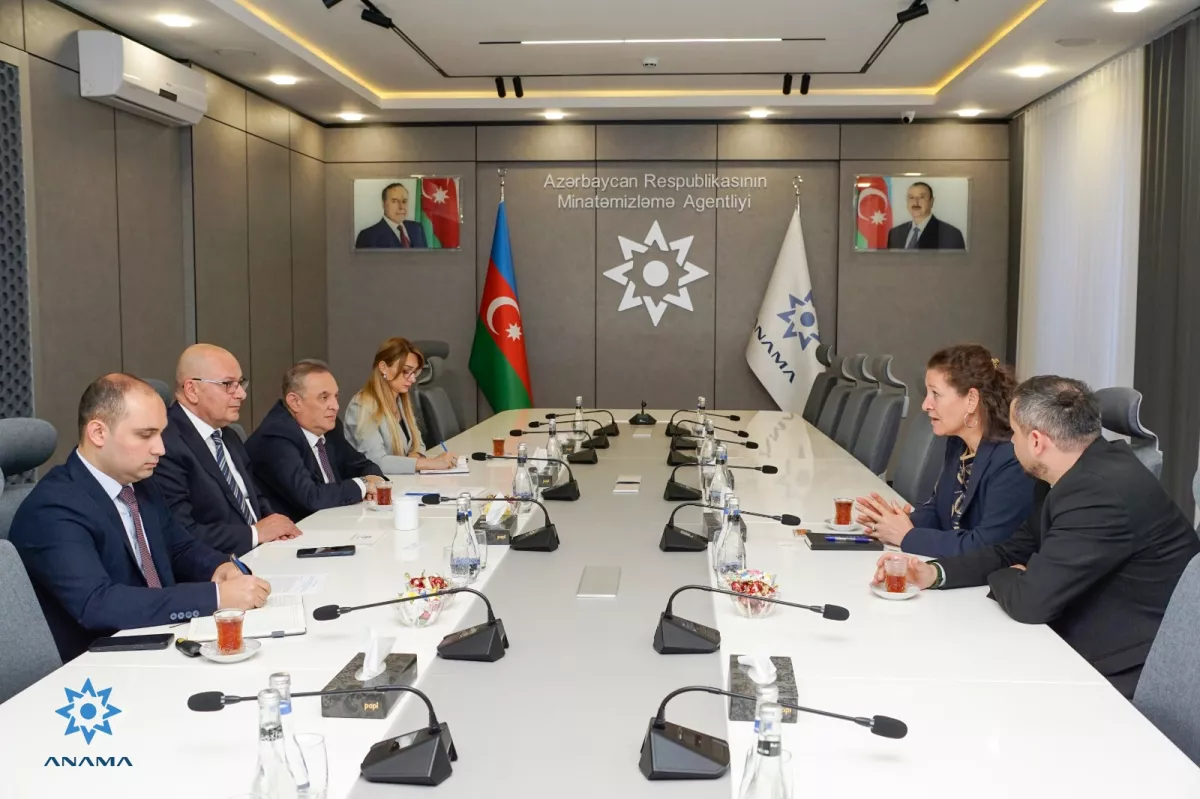
Chairman of the Board of the Azerbaijan National Agency for Mine Action (ANAMA), Vugar Suleymanov, has met with Simonetta Siligato, Director of the United Nations Office for Project Services (UNOPS) Austria Multi-Country Office to discuss efforts to combat mine threats.
🇦🇿 🌍 Azerbaijan's Foreign Ministry urges stronger international backing for demining operations

Mines continue to pose a deadly threat in Azerbaijan, with 422 citizens killed since the end of the 2020 war, according to the Ministry of Foreign Affairs of Azerbaijan. Officials emphasised that those involved in demining efforts face daily danger, calling for increased international support to accelerate mine clearance activities and improve safety conditions on the ground.
🇺🇦 Ukraine Demining Summit Highlights €2 Million Pledge and NATO CAP Projects
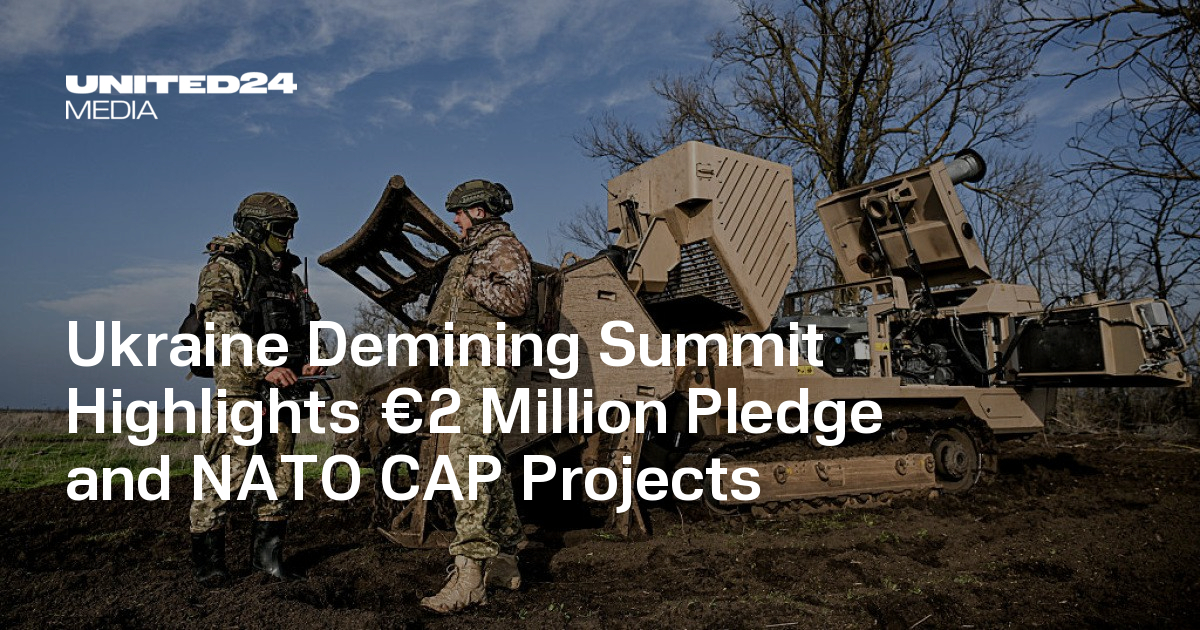
An unnamed allied nation has contributed an additional €2 million ($2.3 million) to the Demining Capability Coalition for Ukraine, the Ukrainian Ministry of Defense reported on 14 April. The pledge was formally announced during the coalition’s 20th meeting in Reykjavik, Iceland.
🇺🇦 🇬🇧 🇳🇱 🇧🇪 Ukraine: UK, Netherlands, and Belgium just handed Ukraine core of future Black Sea demining fleet
By June 2026, the Ukrainian Navy's fleet will reportedly expand with five mine countermeasure vessels transferred by allies. All of them will be temporarily based in the UK, but are viewed as key assets for future operations in the Black Sea after the end of the war. This group of vessels effectively forms a new core of Ukraine’s mine countermeasures capabilities.
The European Commission’s Service for Foreign Policy Instruments (FPI) is a major supporter of humanitarian mine action worldwide, helping communities recover from conflict by reducing the threat posed by mines and explosive remnants of war. Globally, FPI has mobilised over €170 million funding since 2022 to support mine action efforts across Europe, Africa, the Middle East, and Asia. This enables people to safely return to their homes, restore farmland and rebuild essential infrastructure.
🌍 PCM MAT Kosovo and James Madison University’s Center for International Stabilization and Recovery (CISR) formalise a strategic partnership

Praedium Consulting Malta Ltd and Mine Action and Training MAT Kosovo Sh.p.K. have come together with the Center for International Stabilization and Recovery (CISR) at James Madison University to formalise a partnership which will see them jointly design, deliver and certify course programmes.
8. Other News
🌍 Global Clearance Solutions marks 100th GCS‑200 as deployments of the platform exceed 40 million m² cleared

Global Clearance Solutions (GCS) has completed the production of its hundredth GCS-200, marking a milestone for the company’s flagship remote-controlled demining and explosive ordnance disposal platform. The achievement reflects the system’s established operational record and its continued adoption across multiple regions. The milestone comes as conflicts continue to generate large‑scale contamination from landmines and explosive remnants of war, reinforcing the need for proven mechanical clearance capabilities on the ground.
🎥 Videos
Taiz, Yemen's third-largest city, has been a battlefield with areas abandoned to unexploded bombs and streets of destroyed homes. The HALO Trust is clearing bombs and allowing people to return home and rebuild.
UNOPS and the European Union are helping Ukraine train its future humanitarian demining experts.
Global Clearance Solutions (GCS) has completed the production of its hundredth GCS-200, marking a milestone for the company’s flagship remote-controlled demining and explosive ordnance disposal platform.
The Strait of Hormuz is one of the most critical chokepoints in the world, and right now, US warships are operating in one of the most dangerous environments on the planet.
📅 Upcoming Events, Courses & Trainings
There are a number of interesting events for the mine action sector in the coming months, and some of the deadlines are approaching quickly.
The Minesight Innovation Challenge has officially launched — with up to $200,000 available for breakthrough solutions in humanitarian demining. The challenge is launched in partnership with the national platform Demine Ukraine, with the support of the Serhiy Prytula Humanitarian Foundation and the Ministry of Economy, Environment and Agriculture of Ukraine. Apply by 21 April.
Felix Connect is a dedicated networking event designed to bring together supporters, partners, and friends of Felix Fund - the bomb disposal charity. It’s a relaxed, welcoming space to connect, network, or simply catch up with familiar faces from across the EOD, Search, defence, and charity communities. The event will be held on 28 September in London. Learn more here.
In December 2026, Rogue Wave Atlantic Row 2026 are taking on ‘the world’s toughest row’ — a month-long, unsupported 3,000-mile expedition from the Canary Islands to Antigua in support of The HALO Trust’s life-saving work. To be part of the journey from the very start by joining the team for an unforgettable black-tie evening at Royal Windsor Racecourse (on Saturday 11 April, from 6pm) with a luxurious three-course dinner, inspiring speakers, auction, raffle, and the official handover of the team’s boat, learn more and get your tickets here.
The Mine Action: Innovation, Sustainability, and Global Partnerships speaker series is structured to address landmine and explosive remnants of war (ERW) challenges through a strictly humanitarian, civilian-protection-oriented framework, with clearly defined ethical, legal, and operational boundaries between humanitarian and military applications of technology. Dates are: FEB 19 | MAR 19 | APR 16 | MAY 21 | JUN 18 | JUL 16 | AUG 20 | SEP 17 | OCT 15 | NOV 19 | DEC 17. Time: 12:00 PM - 1:00 PM ET. Location: Virtual (Zoom Webinar). Register here.
The 29th Annual Meeting of Mine Action Directors and UN Advisers will take place at the Geneva International Conference Center from 22 to 24 April 2026. Learn more and register here.
The Geneva International Centre for Humanitarian Demining (GICHD)'s final IMSMA Global training course for 2026 is open for registration: 02 Nov 2026 - 06 Nov 2026 (Application deadline: 2 August 2026).
🔔 Always Stay in the Know – Never Miss an Update
This newsletter is subscribed to by over 3500+ dedicated readers on LinkedIn. To join this community of mine action professionals and supporters, go ahead and subscribe to the Mine Action Weekly newsletter. You can find all editions up to February 2026 on LinkedIn, and from March 2026 onwards here on Mine Action News.
Please reach out to me if there are any mine action news, journal articles, events, or updates that you would like to suggest for the next edition of Mine Action Weekly. You can find (and follow / connect with) me here. See you next Monday!