Mine Action Weekly, 11 - 17 May 2026

This week's newsletter highlights the EO contamination in Afghanistan, Myanmar, Yemen, Syria, and Ukraine, alongside major clearance progress in Azerbaijan and Ukraine. Maritime mine threats in the Strait of Hormuz prompted multinational mine-countermeasure planning and deployments. Lebanon joined the Ottawa Treaty, while AI, drones, robotics, and mine detection dogs continued shaping demining operations. International cooperation expanded through UN, ASEAN, EU, and bilateral initiatives supporting clearance, EORE, victim assistance, and post-conflict recovery worldwide.

Disclaimers:
This newsletter features news reports and articles from a variety of sources. Mention of these resources does not indicate agreement with or endorsement of the opinions of others. I do not claim responsibility or credit for these works, and do not vouch for the information contained in them.
This newsletter is created and managed in a personal capacity, independent of my professional affiliation with Fondation suisse de déminage (FSD).
🗞️ Weekly News Roundup
The weekly news roundup showcases a low-down of the top mine action news and insights from the past seven days.
1. EO Contamination, Clearance & Land Release
🇦🇫 🇺🇳 Afghanistan: UN calls for urgent action as land remains heavily contaminated by explosives
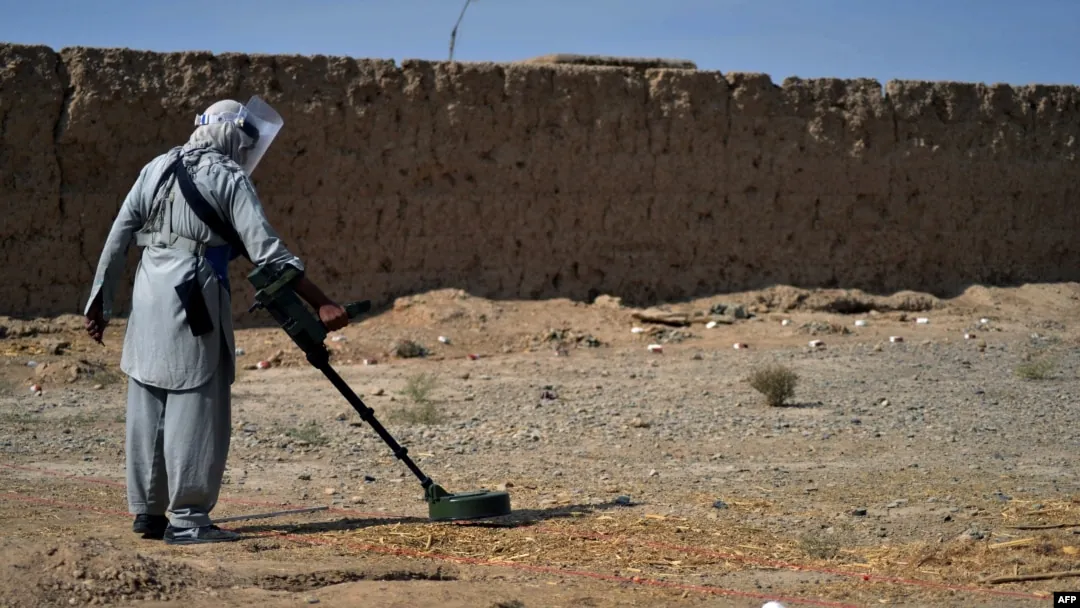
The United Nations warned that two-thirds of Afghanistan remains contaminated by landmines and unexploded ordnance, placing millions at daily risk. UN agencies reported that children account for most casualties, while humanitarian organisations continue to call for sustained international funding for mine clearance, explosive ordnance risk education, and victim assistance programmes.
The government has paved the way for the construction of a resort on Sazan Island, but beneath its crystal-clear waters and along its rocky coastline lie tons of unexploded ordnance.
🇦🇿 Azerbaijan: Mine threats remain for residents of Karabakh outside villages
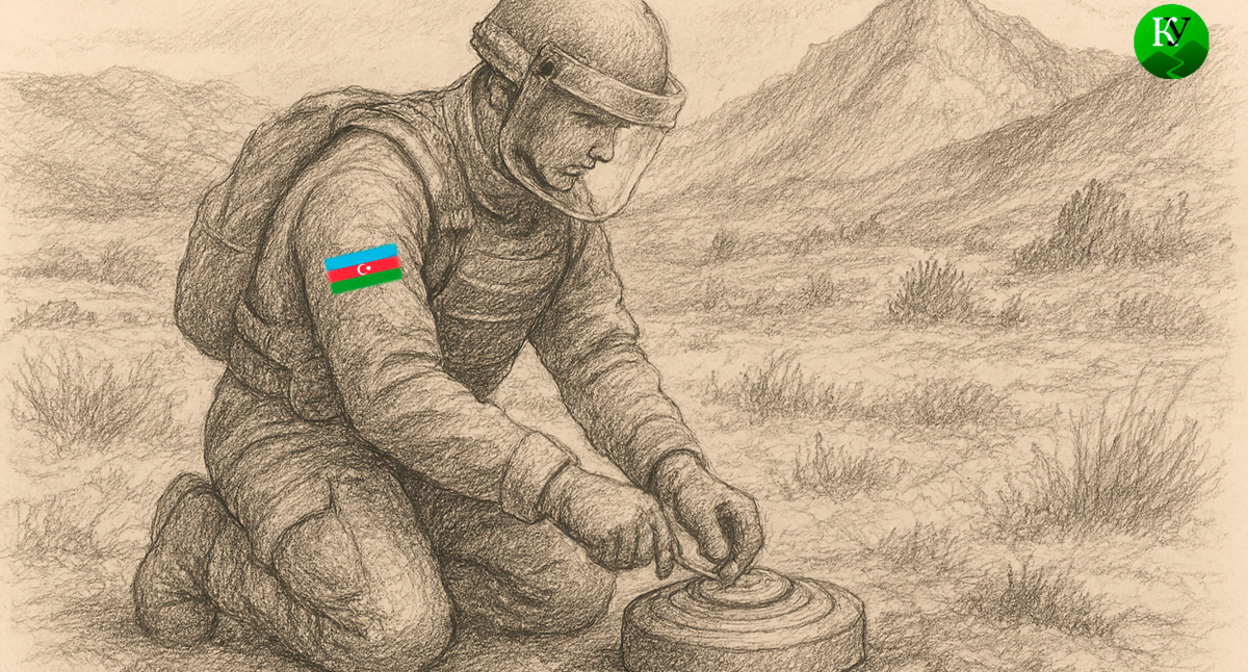
Caucasian Knot reports that mine threats remain severe across Karabakh and Eastern Zangezur, despite ANAMA’s clearance work. Sources describe continued risks from mines and unexploded ordnance, restrictions on movement, rising casualties since 2020, compensation challenges for civilians, and new state pensions for families of killed deminers.
ANAMA reported that 2,129 hectares of land were cleared in Azerbaijan’s liberated territories between 1–11 May. Demining teams from ANAMA, the Ministry of Defence, MES, SBS, and private operators neutralised anti-personnel mines, anti-tank mines, and unexploded ordnance as part of ongoing humanitarian clearance and reconstruction efforts.
🇨🇦 🌊 Canada: Atlantic Canadian dive team helps demine Black Sea in Russia-Ukraine war

Royal Canadian Navy clearance divers from Halifax are supporting Black Sea mine countermeasure operations linked to the war in Ukraine. The mission focuses on locating and neutralising naval mines threatening maritime safety, commercial shipping, and regional security, while strengthening interoperability with NATO and allied naval forces operating in the region.
🇩🇪 Germany: Huge WWII bomb forces evacuation of tens of thousands in Germany
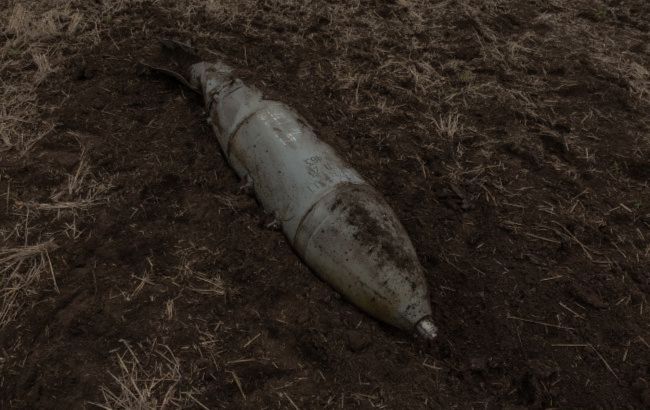
Around 30,000 people were evacuated in the southwestern German city of Pforzheim after a large unexploded World War II bomb was discovered. The dangerous explosive device was found during construction work in the eastern part of Pforzheim, about 40 kilometers from Stuttgart. Police say the device is an HC-4000 aerial bomb weighing 1.8 tons with around 1.35 tons of explosives.
🇮🇷 Iran: Unexploded US Tomahawks used to develop missile technology

Iranian armed forces are reverse-engineering US-made Tomahawk missiles recovered during the US-Israeli war to replicate their technology. Mehr reported that missiles shot down by Iran’s air defences or those that failed to explode after impact are now being studied by military engineers.
🇮🇹 🌊 Italy Sends 2 Mine-Sweeping Ships to Middle East Near Hormuz

Italy has sent two mine-sweeping vessels to the Middle East near the Strait of Hormuz to search for and destroy sea mines. This was conveyed by Italian Defense Minister Guido Crosetto during a joint session of the foreign affairs and defense committees of the parliament.
🇱🇹 🌊 Lithuanian forces may join mine clearance operations in Strait of Hormuz
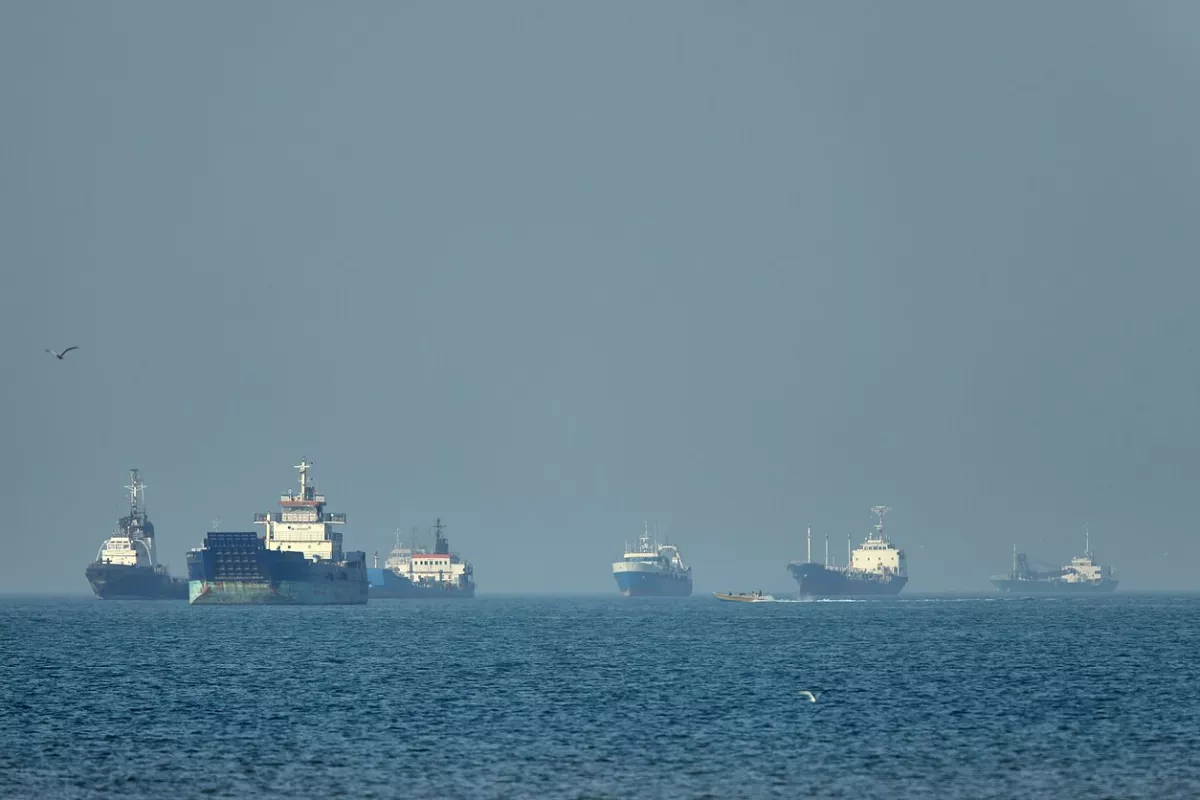
Lithuania is considering contributing mine-clearing capabilities and military personnel to a multinational maritime security mission in the Strait of Hormuz. Lithuanian defence officials stated that planning discussions are ongoing, with potential contributions focused on minesweeping expertise, headquarters support, and ensuring freedom of navigation amid heightened regional tensions.
🇳🇵 Nepal: Two decades since peace accord, wartime IEDs still haunt villagers
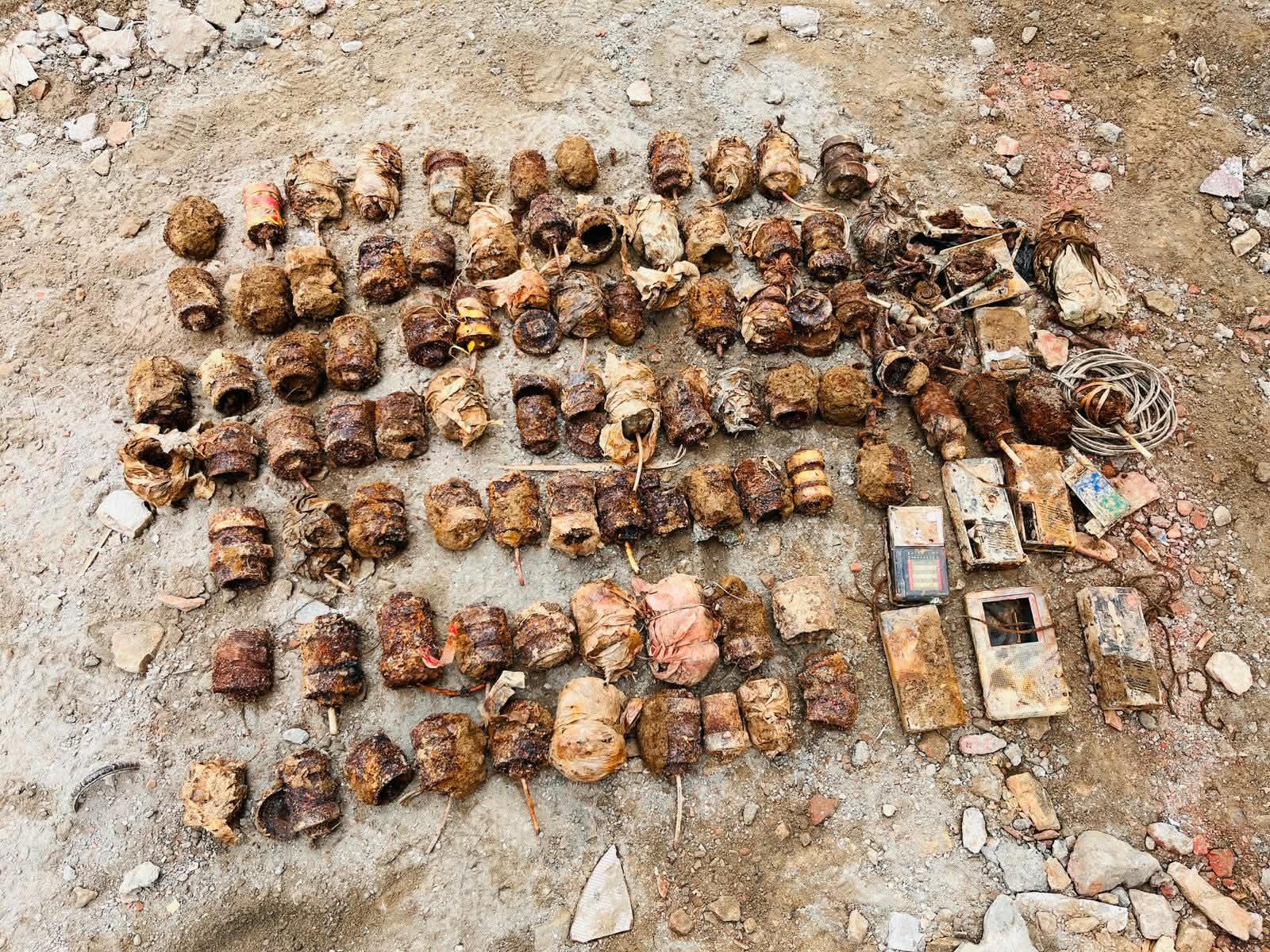
Nearly two decades after the peace accord formally ended a protracted Maoist insurgency (1996-2006), explosives planted during the conflict are still being discovered in settlements, school compounds and farmlands across the country.
🇵🇱 Poland: More than 200 WWII explosives found at construction site in Krakow

During the operation, crews found over 200 objects of harmful origin, making it one of the largest bomb disposal operations in Krakow in recent years. The situation was complicated when responders also saw a chemical substance they had yet to identify next to the explosives.
🇸🇧 Solomon Islands: Cyclone Maila washes up unexploded WWII bombs in Solomon Islands
The destructive force that was Tropical Cyclone Maila claimed lives and destroyed homes and critical infrastructure, but when the storm struck Solomon Islands, there were other consequences too. Powerful waves and tidal surges exposed hundreds of UXOs, unexploded devices left over from World War II.
🇪🇸 Spain: 80 kg Napoleonic-era mine halts work on Roses waterfront
Construction work on the Roses seafront in Catalonia was temporarily halted after workers uncovered an 80-kilogram landmine dating from the Napoleonic Wars. TEDAX explosive ordnance disposal specialists from the Mossos d'Esquadra assessed and neutralised the heavily corroded device, later determining that it contained no gunpowder and posed no explosion risk.
🇱🇰 Sri Lanka: Enhancing Quality Management with Mobile Data Collection
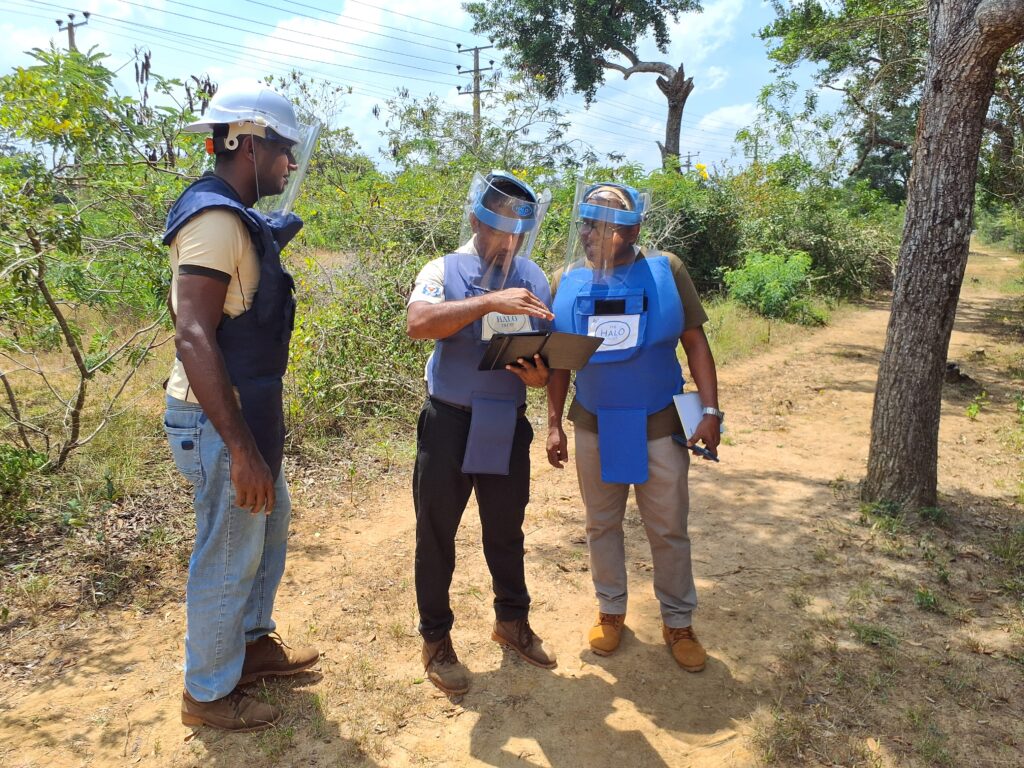
Sri Lanka’s National Mine Action Centre is improving quality management processes through the use of the Survey123 mobile application. The initiative enhances field data collection, operational oversight, and reporting efficiency, supporting implementation of Sri Lanka’s National Mine Action Completion Strategy and broader efforts to meet international mine action obligations.
🇸🇾 Syria: Good News Story From: Northeast Syria - When Courage and Communication Combine
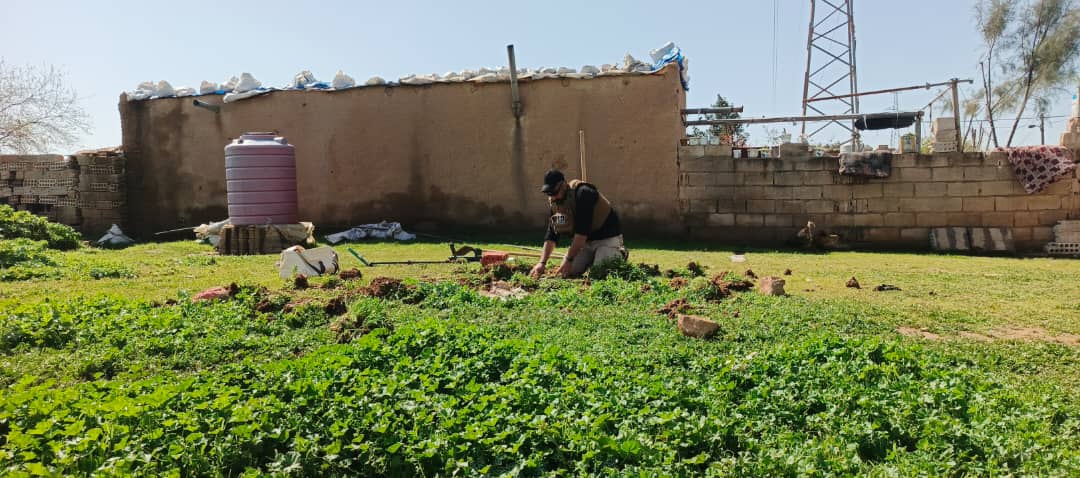
ITF Enhancing Human Security shared a field account from one of its humanitarian mine action advisors working in Northeast Syria. The story highlights how communication, trust-building, and local cooperation helped support safe mine action operations amid an increasingly fragile security environment and ongoing explosive ordnance contamination affecting civilian communities.
🇺🇦 Ukraine: How Belgian Shepherds help demine Ukraine – photo report

Mine detection dogs play a growing role in Ukraine’s humanitarian demining efforts. Foreign specialists are training Ukrainian handlers and Belgian Shepherds to detect mines and unexploded ordnance, helping improve safety and operational efficiency while supporting clearance operations in contaminated communities affected by Russia’s invasion.
🇺🇦 Ukraine: “We’re not just clearing away metal, we’re clearing away fear” — how demining is bringing life back to communities
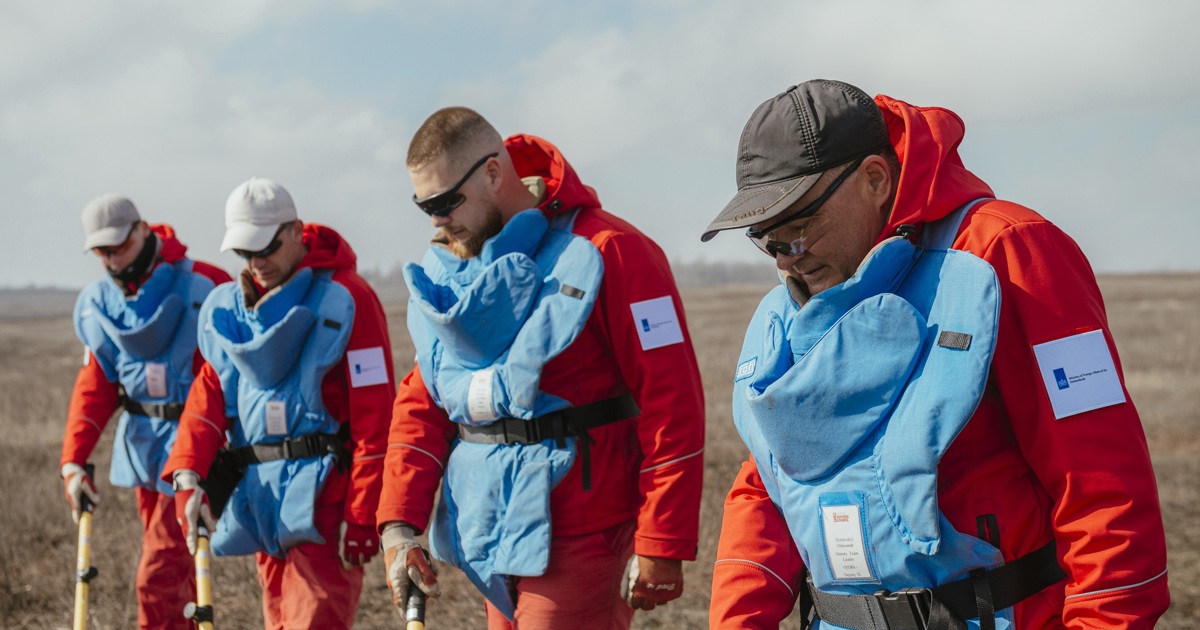
The Danish Refugee Council (DRC), with the generous financial support of the Ministry of Foreign Affairs of the Netherlands, is implementing a comprehensive humanitarian mine action project in Ukraine. The initiative focuses on the full land-release cycle, transforming hazardous ‘grey zones’ back into safe, productive assets for local communities. This approach includes a wide range of activities — from protection and grants for agricultural development to the direct clearance of contaminated land.
🇺🇦 Ukraine launches first auctions for demining private agricultural land
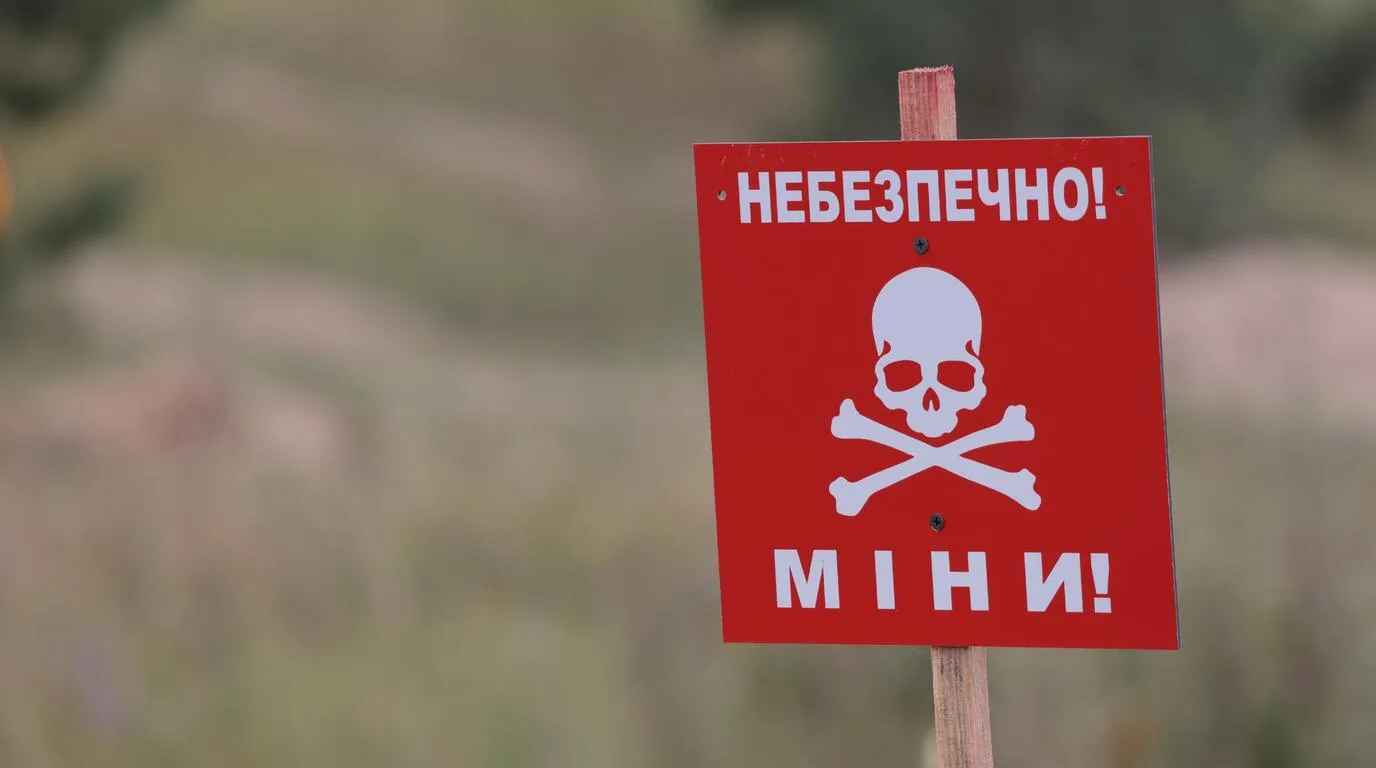
Ukraine has announced its first public tenders for the humanitarian demining of privately owned agricultural land. The initiative aims to accelerate the return of farmland to productive use, support farmers affected by contamination, and expand cooperation between the government, certified demining operators, and international donors financing clearance activities.
🇺🇦 Ukraine: Glass cobwebs in the fields: why fibre optics could become a problem for demining Ukraine

The article examines how fibre-optic drones used extensively in the war are creating new challenges for humanitarian demining in Ukraine. The article highlights concerns from deminers and farmers about abandoned fibre-optic cables complicating land release, technical survey, agricultural recovery, and post-conflict clearance operations in contaminated frontline regions.
🇺🇦 Ukraine’s hidden threat – the battle against unexploded mines

The article examines Ukraine’s vast contamination by mines and unexploded ordnance and the ongoing work of organisations including The HALO Trust. It highlights challenges facing humanitarian demining teams, the long-term impact on agriculture and reconstruction, and the growing use of advanced technologies to accelerate clearance and reduce risks to civilians and deminers.
🇺🇦 Ukrainian Deminers Association completes large-scale humanitarian project
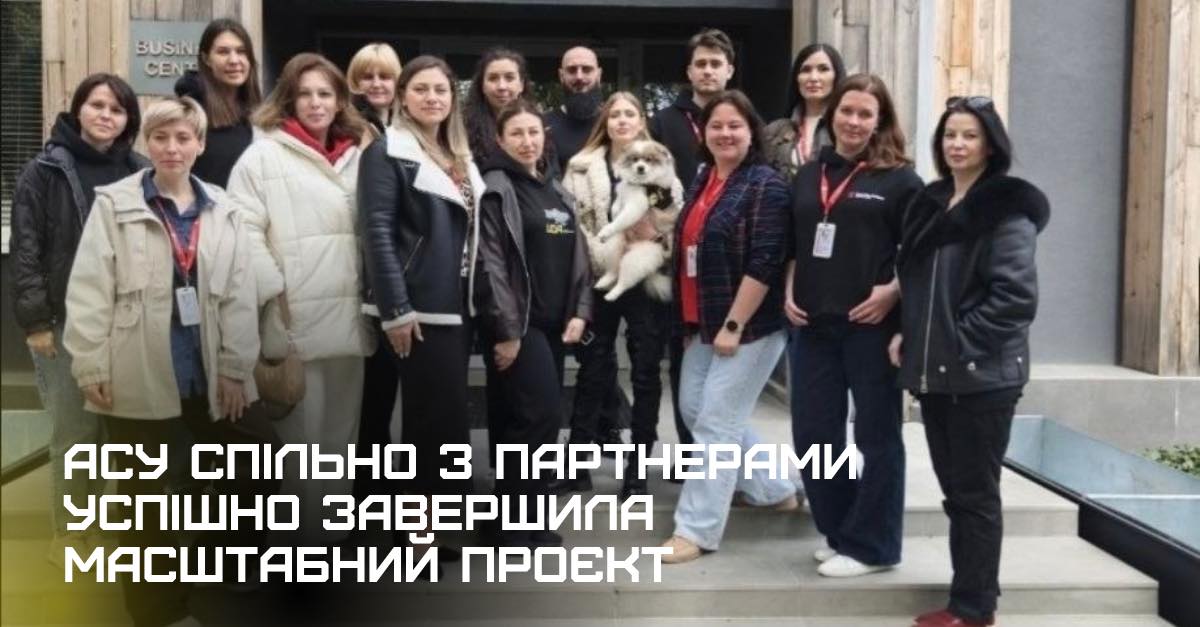
The Ukrainian Deminers Association, together with Save the Children in Ukraine and supported by Danida, completed a large-scale project covering Dnipropetrovsk, Zaporizhzhia, Donetsk, and Kharkiv regions. Activities included victim assistance, legal and psychological support, and humanitarian demining operations that cleared contaminated land for affected communities.
🇺🇦 Ukraine’s deminers help communities reclaim farmland, roads and daily life after war
The article highlights humanitarian demining efforts across Ukraine, where organisations and demining teams are clearing mines and unexploded ordnance to restore access to farmland, infrastructure, roads, and homes. It emphasises the role of local deminers in enabling economic recovery, civilian safety, reconstruction, and the return of displaced communities after conflict.
🇺🇸 🌊 US Navy Chief outlines conditions for mine clearance in Strait of Hormuz

US Navy Admiral Daryl Caudle stated that mine clearance operations in the Strait of Hormuz can only proceed if naval units are protected from enemy fire. The US Navy highlighted the complexity and duration of maritime mine clearance operations amid heightened tensions with Iran and ongoing concerns over naval mines threatening global shipping routes.
🇾🇪 Yemen: Mine contamination continues to threaten civilians and recovery efforts

Mine contamination and explosive remnants of war continue to endanger civilians across Yemen, with humanitarian organisations and mine action actors warning of severe risks to communities, agriculture, infrastructure, and humanitarian access. National and international mine action stakeholders, including YEMAC and Project Masam, continue clearance and risk education efforts amid ongoing funding and operational challenges.
🇾🇪 Yemen: Taiz neighbourhood sees gradual return of residents after mine clearance operations
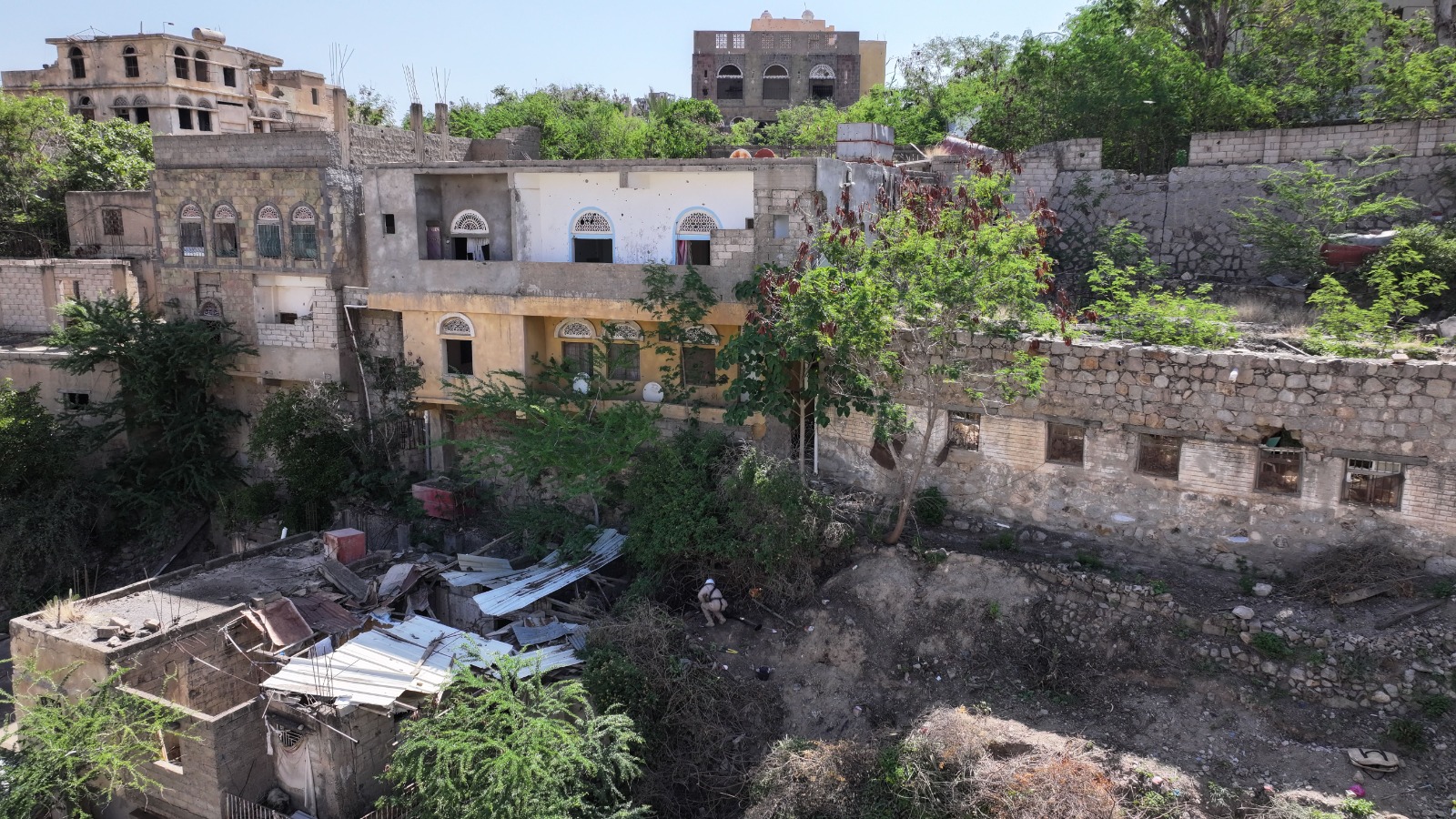
Project Masam reported that residents are gradually returning to neighbourhoods in Taiz following mine clearance operations conducted by Yemeni demining teams. Clearance activities removed landmines and explosive remnants of war that had blocked civilian movement and access, helping restore safety, local services, and normal daily life for displaced communities.
🌍 Restoring access to sports and recreational spaces
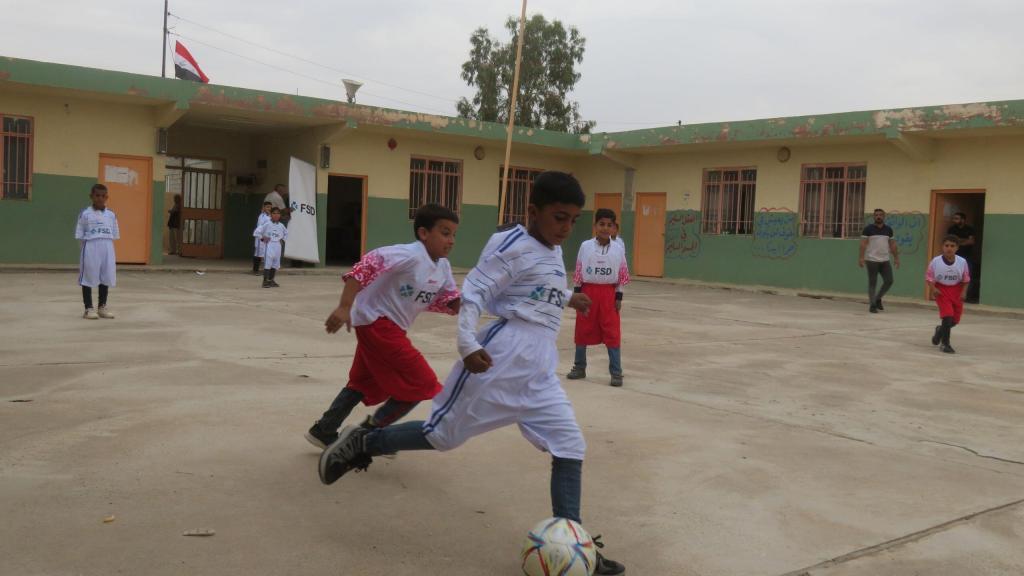
In Ukraine, Iraq and elsewhere, FSD has contributed to reopening playgrounds and sports infrastructure. Being able to use these spaces again is not only a sign of a return to normal life, but also supports both individual and collective recovery.
🌊 Uncertainty on demining Hormuz amid escalating naval mine threats

Al-Ahram reports growing uncertainty surrounding potential mine clearance operations in the Strait of Hormuz following reports of Iranian naval mine deployments. The article highlights the operational complexity of maritime mine countermeasure missions, risks to naval forces, and the strategic importance of maintaining safe commercial navigation through one of the world’s busiest maritime corridors.
Other EO Finds from Around the Globe:
🇩🇪 Germany: Unexploded World War II-era bomb found near US barracks in Germany
🇮🇳 Indian Army neutralises World War II unexploded bombs in Assam
🇮🇶 Iraqi security to detonate war remnants near Baghdad airport
🇵🇭 Philippines: Unexploded ordnance, explosive materials disposed in Rizal and Tarlac
🇷🇴 Romanian authorities find unexploded projectile near Ukraine border
🇺🇦 Ukraine: Rescuers remove unexploded Russian missile warhead from Kyiv Oblast apartment block 🇺🇦 Ukraine: Kharkiv Region: UDS Discovered 40 Explosive Ordnance Items on 5 Hectares of Land
🇬🇧 United Kingdom: Allied ordnance destroyed in controlled explosion
🇬🇧 United Kingdom: Purland Road Thamesmead- Unexploded 'WW2 bombs' found buried
🇺🇸 United States: Explosive device found, detonated at Mobile water reservoir
2. Explosive Ordnance Risk Education (EORE)
Humanity & Inclusion called for mandatory explosive ordnance risk education for young people in conflict-affected and contaminated areas. The organisation warned that children and youth remain disproportionately vulnerable to landmines and unexploded ordnance, emphasising the importance of integrating risk education into schools, public awareness campaigns, and long-term protection strategies.
3. Accidents, Survivors, Victim Assistance
🇦🇫 Afghanistan: Helmand rehabilitation centre restores mobility for thousands of landmine victims
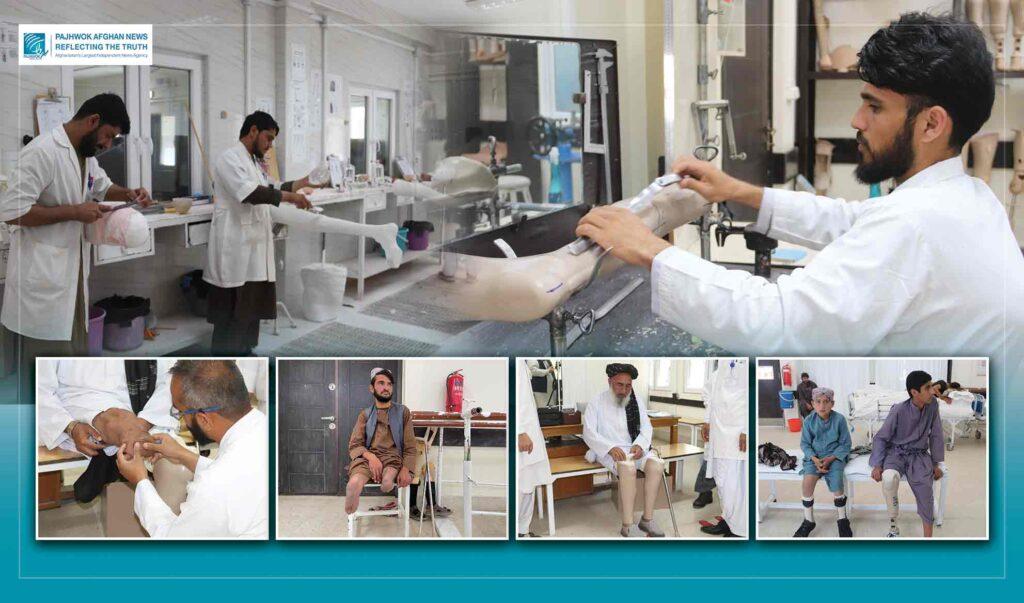
An artificial limb rehabilitation centre in southern Helmand province, which provided services to nearly 20,000 people last year, is helping disabled individuals return to normal life through prosthetic limbs, physiotherapy and counselling services. The centre operates in Lashkargah, the provincial capital, with support from the International Committee of the Red Cross (ICRC). Every day, it receives people who have lost limbs in past wars and landmine explosions.
UNICEF reported 510 landmine and explosive ordnance incidents across Myanmar in 2025, resulting in 745 civilian casualties, including many children. The report highlights severe contamination risks in conflict-affected regions, the humanitarian impact on communities, and the urgent need for explosive ordnance risk education, victim assistance, and broader protection interventions nationwide.
Other EO Accidents from Around the Globe:
🇲🇦 Morocco: Landmine explosion kills child and relative in Laayoune
🇸🇾 Syria: Old ordnance | Engineer Killed and others Injured in Al-Mayadeen
🇸🇾 Syria: Old ordnance | Young man killed in northern Aleppo countryside
🇸🇾 Syria: Civilian dies in explosion of landmine of war remnants north Al-Raqqa
🇸🇾 Syria: Child dies in landmine explosion in Deir Ezzor City
🇸🇾 Syria: Old ordnance | Young man injured while herding livestock in Daraa countryside
🇺🇦 Ukraine: Landmine Blast Claims Life of Border Guard Viktor Sobiatynskyi
4. Advocacy, Policy, Conventions, Strategies and Standards
🇱🇧 Lebanon joins the Ottawa Treaty in strong signal for civilian protection
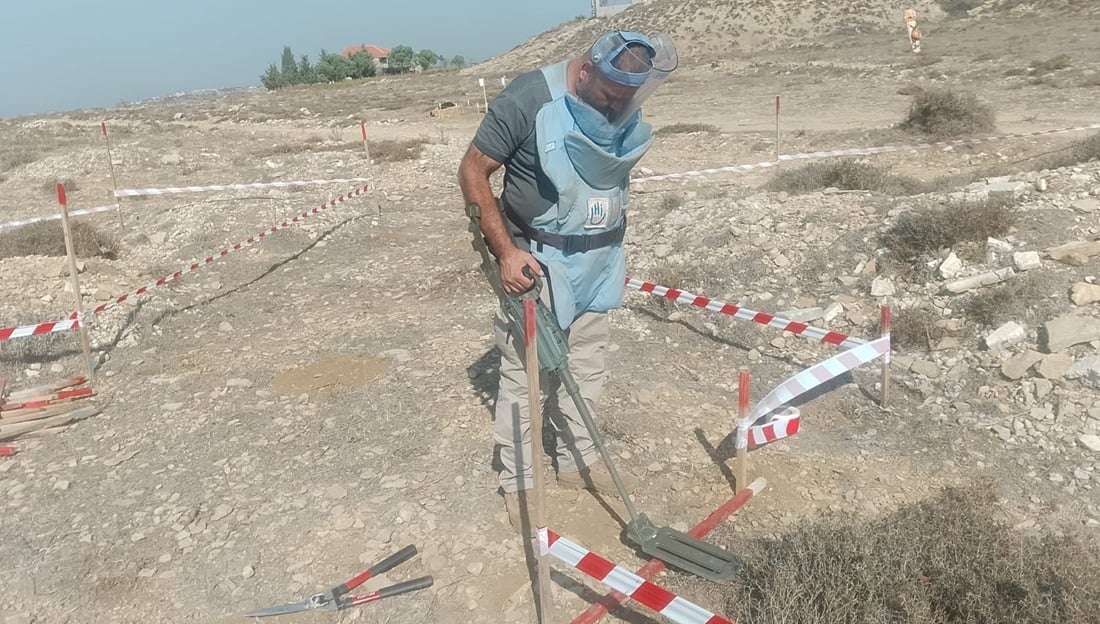
Humanity & Inclusion welcomed Lebanon’s accession to the Ottawa Treaty banning anti-personnel mines. The organisation described the move as a significant step toward strengthening civilian protection, reducing future mine contamination risks, and reinforcing international humanitarian disarmament norms amid ongoing conflict and explosive ordnance threats affecting Lebanese communities.
🇱🇧 Lebanon joins the Mine Ban Treaty amid war and invasion
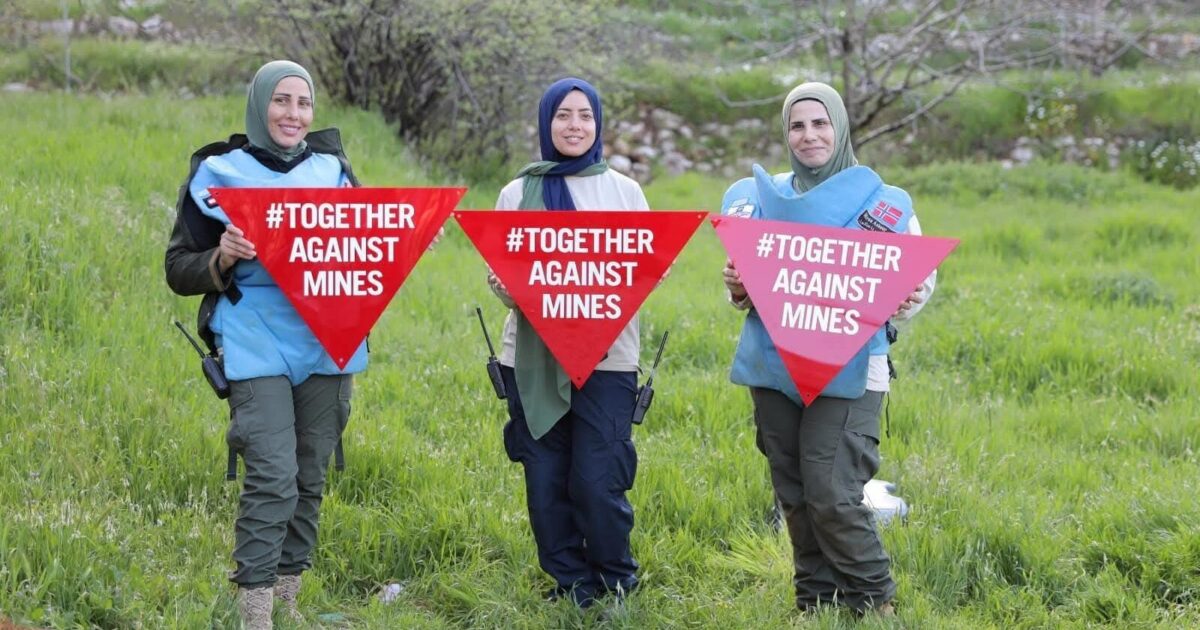
The Norwegian People’s Aid Information and Documentation Centre welcomed Lebanon’s accession to the Mine Ban Treaty during a period of conflict and instability. The development was described as an important humanitarian and political commitment toward reducing civilian harm, strengthening mine action cooperation, and advancing international disarmament obligations in the region.
Libyan Army Chief of General Staff Salah Al-Din Al-Namroush met Fatima Zreig, Director of UNMAS Libya, to review mine clearance plans. The meeting focused on coordination, operational planning, civilian protection, security, stability, technical standards, and training programmes for personnel working on mine action across Libya.
🌍 Who Controls Landmines and Drones?
This podcast explores international regulation and accountability surrounding landmines, drones, and emerging weapons technologies. Discussions examine humanitarian disarmament frameworks, civilian protection concerns, the challenges posed by autonomous systems and modern warfare, and the evolving role of international law and arms control in addressing explosive threats.
5. Stockpile Destruction, Demolition, WAM and Disarmament
6. Research, Innovation, Technology and Market Trends
🇨🇳 China showcases submarine-launched anti-mine vehicles, robotic combat dogs at defense expo

Autonomous underwater drones capable of detecting and neutralizing naval mines emerged as one of the standout attractions at China’s 2026 Chengdu Defense Technology Industry Expo, where the country also showcased robotic combat dogs and other advanced unmanned systems.
The war in Ukraine is accelerating innovation in humanitarian demining technologies, with organisations such as The HALO Trust and technology developers advancing drones, AI-assisted detection, robotics, and remote sensing systems. The article highlights efforts to improve clearance speed, reduce risks to deminers, and adapt commercial and military technologies for large-scale mine action operations in contaminated Ukrainian territory.
🇺🇦 Ukraine: AI and Non-Technical Survey: Quantifying the Impact of AI-augmented Drone Imagery Analysis
NPA is pleased to publish a new research study on the use of AI in Non‑Technical Survey (NTS). Drawing on data collected over nearly two years, including a six‑week quasi‑experimental trial with NTS teams in Ukraine, the study shows that AI can significantly improve both the efficiency and accuracy of mapping imagery analysis. This includes better identification of hazardous areas and explosive ordnance visible on the surface.
🇺🇦 Ukraine: Man, machine and AI combine in battle to clear Ukraine of mines and shells
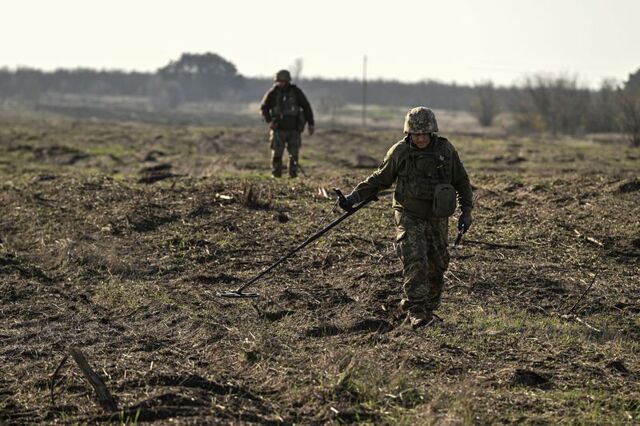
Ukrainian demining teams and organisations including The HALO Trust are increasingly combining human deminers, drones, robotics, and AI-assisted systems to tackle massive contamination from mines and unexploded ordnance. The article highlights the scale of Ukraine’s contamination crisis and ongoing efforts to accelerate clearance while improving safety and operational efficiency.
7. Mine Action Assistance, Funding and Cooperation
🇦🇿 🇳🇱 Azerbaijan, Netherlands discuss mine action cooperation
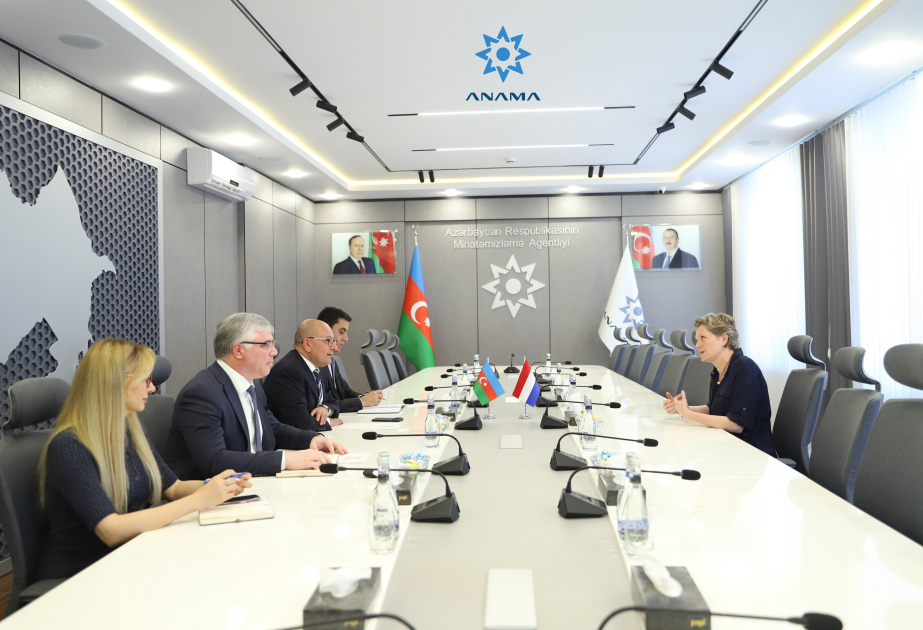
ANAMA Chairman Vugar Suleymanov met Dutch Ambassador Marianne de Jong to discuss mine action cooperation. Suleymanov briefed the ambassador on Azerbaijan’s mine contamination problem, its consequences, and humanitarian demining progress in Garabagh and East Zangezur, while both sides explored prospects for future bilateral cooperation.
The ASEAN Regional Mine Action Center (ARMAC) hosted a high-level Azerbaijani delegation in Phnom Penh to discuss humanitarian mine action cooperation. Discussions focused on aligning mine action policies with international standards, expanding technical cooperation, capacity building, research, innovation, and strengthening South-South collaboration between ASEAN member states and Azerbaijan.
The ASEAN Regional Mine Action Center (ARMAC) and the Chinese Mission to ASEAN discussed expanding regional humanitarian mine action cooperation. ARMAC reaffirmed its role as an ASEAN centre of excellence, while both sides explored technical cooperation, capacity development, knowledge sharing, and support for mine-affected communities across Southeast Asia through strengthened ASEAN-China collaboration.
🇱🇧 🇪🇺 🇺🇳 Lebanon Mine Action Center Receives EU-Funded Explosive Ordnance Disposal Equipment within the Framework of Cooperation with the Lebanese Armed Forces

The Lebanon Mine Action Center received EU-funded explosive ordnance disposal equipment through UNDP, including crane-equipped vehicles, ambulances, and field communications devices. The support aims to strengthen LMAC and Lebanese Armed Forces capacity to conduct EOD operations in rubble, residential areas, farmland, and infrastructure affected by contamination.
🇸🇾 🇯🇵 🇺🇳 Syria: UNMAS and FAO welcome generous funding from the People of Japan to restore agricultural livelihoods in conflict-affected areas in Syria

UNMAS and FAO welcomed Japanese funding for a two-year, USD 4.4 million project to restore agricultural livelihoods in northwest Syria. FAO will identify priority agricultural areas, while UNMAS will conduct survey, clearance, and EORE to enable safe farming access in Aleppo, Hama, and Idleb.
🇸🇾 🇺🇳 Syria: Heusgen says coordination with Syrian government essential for mine action and recovery

Jens Heusgen stressed the importance of coordination between the Syrian government, United Nations agencies, and international organisations to support mine action and Syria’s transition from emergency relief to recovery. The discussions highlighted explosive ordnance contamination as a major obstacle to reconstruction, safe returns, agricultural recovery, and humanitarian access across Syria.
🌍 🌊 26-Nation Coalition Backs Hormuz Reopening, Plans Defensive Mine-Clearing Force

A coalition of 26 countries is supporting efforts to reopen the Strait of Hormuz through a defensive maritime mine-clearing mission. The initiative focuses on protecting shipping lanes, restoring maritime trade security, and potentially deploying mine countermeasure vessels and naval assets to address threats posed by sea mines in the strategically vital waterway.
8. Other News
🇮🇷 Iran: Endangered Persian leopards persist across borders despite hunters and landmines

Mongabay reports that endangered Persian leopards continue to survive in border regions between Iran, Iraq, and the Caucasus despite threats from poaching, habitat fragmentation, armed conflict, and landmine contamination. Conservationists warn that legacy minefields remain a major danger to wildlife, local communities, and cross-border environmental protection efforts.
🇱🇰 Sri Lanka: Gender Responsive Advancement & Operational Enhancement of Women De-miners
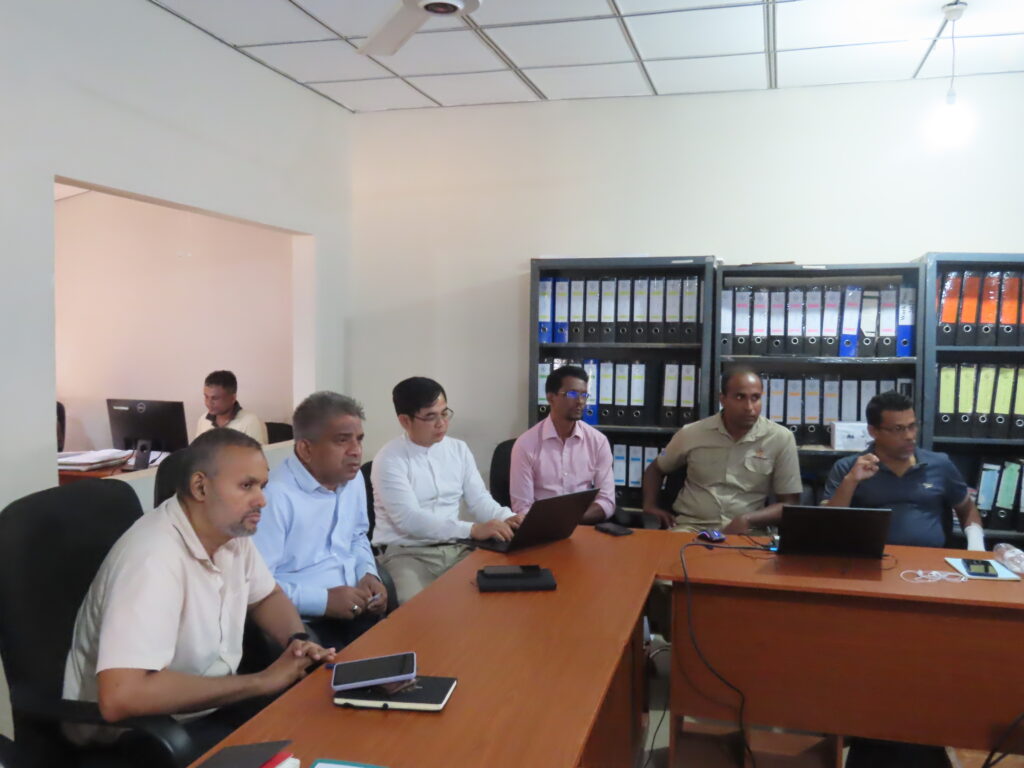
Sri Lanka’s National Mine Action Centre highlighted efforts to strengthen the operational capacity and career development of women deminers in the Northern and Eastern Provinces. The initiative promotes gender-responsive mine action, professional advancement, and greater inclusion of women in humanitarian demining operations and leadership roles nationwide.
🇬🇧 United Kingdom: Harry Potter star David Bradley recalls wartime bomb in York

A Harry Potter star and his friend who met as teenagers in York were stunned to discover an earlier link - they both had a narrow escape from the same wartime bomb as babies.
🇺🇸 United States: Arizona woman sentenced for selling “Bouncing Betty” landmines and drugs

Arizona Attorney General Kris Mayes announced that Christina Eileen Gonzalez was sentenced to 14.5 years in prison after pleading guilty to offences linked to drug trafficking, money laundering, and illegal weapons sales. Authorities stated that the criminal enterprise involved cocaine, fentanyl, methamphetamine, firearms, and World War II-era German “Bouncing Betty” landmines.
🎥 Videos
An EORE session by FSD in the southern Philippines lead to the discovery of an item of unexploded ordnance at a local museum.
The Tip of the Spear Landmine Removal team are risking everything to clear deadly landmines and give families a chance at safety, freedom, and a future.
📅 Upcoming Events, Courses & Trainings
There are a number of interesting events for the mine action sector in the coming months, and some of the deadlines are approaching quickly.
Organised under the Mine Action Innovation Hub, the Innovation Session 2026: Mine Action in Urban Areas is a three-day, in-person event bringing together mine action practitioners, national authorities, debris management and recovery actors, urban planners, researchers, technology providers, and donors. Applications to participate in the Innovation Session are now open until 17 July 2026.
Felix Connect is a dedicated networking event designed to bring together supporters, partners, and friends of Felix Fund - the bomb disposal charity. It’s a relaxed, welcoming space to connect, network, or simply catch up with familiar faces from across the EOD, Search, defence, and charity communities. The event will be held on 28 September in London. Learn more here.
The Mine Action: Innovation, Sustainability, and Global Partnerships speaker series is structured to address landmine and explosive remnants of war (ERW) challenges through a strictly humanitarian, civilian-protection-oriented framework, with clearly defined ethical, legal, and operational boundaries between humanitarian and military applications of technology. Dates are: FEB 19 | MAR 19 | APR 16 | MAY 21 | JUN 18 | JUL 16 | AUG 20 | SEP 17 | OCT 15 | NOV 19 | DEC 17. Time: 12:00 PM - 1:00 PM ET. Location: Virtual (Zoom Webinar). Register here.
The Geneva International Centre for Humanitarian Demining (GICHD)'s final IMSMA Global training course for 2026 is open for registration: 02 Nov 2026 - 06 Nov 2026 (Application deadline: 2 August 2026).
🔔 Always Stay in the Know – Never Miss an Update
This newsletter is subscribed to by over 3500+ dedicated readers on LinkedIn. To join this community of mine action professionals and supporters, go ahead and subscribe to the Mine Action Weekly newsletter. You can find all editions up to February 2026 on LinkedIn, and from March 2026 onwards here on Mine Action News.
Please reach out to me if there are any mine action news, journal articles, events, or updates that you would like to suggest for the next edition of Mine Action Weekly. You can find (and follow / connect with) me here. See you next Monday!


