Mine Action Weekly, 14 - 20 September 2026

Updated: Sep 24
This week’s Mine Action Weekly highlights the evolving challenges and opportunities shaping the sector, from large-scale clearance and emerging contamination in Cambodia and Laos to recovery efforts in Gaza, Syria and Ukraine. The newsletter also explore advances in robotics and unmanned systems, growing international cooperation, survivor support, and the expanding role of women in humanitarian demining.

Disclaimers:
This newsletter features news reports and articles from a variety of sources. Mention of these resources does not indicate agreement with or endorsement of the opinions of others. I do not claim responsibility or credit for these works, and do not vouch for the information contained in them.
This newsletter is created and managed in a personal capacity, independent of my professional affiliation with Fondation suisse de déminage (FSD).
🗞️ Weekly News Roundup
The weekly news roundup showcases a low-down of the top mine action news and insights from the past seven days.
1. EO Contamination, Clearance & Land Release
Jermuk’s tourism sector is showing clear signs of growth, with increasing visitor numbers contributing to renewed business activity and wider opportunities for local development. Around the city’s Ropeway, this transformation is particularly evident: land once affected by explosive ordnance is now supporting tourism, outdoor activities and local businesses.
🇦🇿 Azerbaijan: Over 1,300 hectares cleared of mines in Azerbaijan's liberated lands

The Azerbaijan National Agency for Mine Action (ANAMA) issued a weekly update about humanitarian demining operations carried out in liberated territories (07.09.2026–13.09.2026). Thus, 19 anti-tank mines, 113 anti-personnel mines, and 426 pieces of unexploded ordnance were detected and neutralised. Also, 1,348.9 hectares of land were cleared of mines.
🇧🇦 Bosnia Mine Clearance Could Take Until 2045

Bosnia's deminer ranks have been cut in half since the pandemic, donor funding is drying up because of the war in Ukraine, and without a new financing law, clearance could take until 2045.
🇧🇦 Bosnia and Herzegovina still has 756 Square Kilometers under Mines
Bosnia and Herzegovina, more than three decades after the end of the war, has about 756 square kilometers of mine-suspected area, while the number of people trained in mine countermeasures has almost halved compared to the period before the coronavirus pandemic. The new law on mine action, which is still in the process of harmonization, should for the first time systemically connect stable domestic financing of demining with the regulation of the work, social and pension status of people who perform one of the most risky jobs in the country.
🇰🇭 Cambodia cleared mines from an area 13 times the size of Manhattan in six months
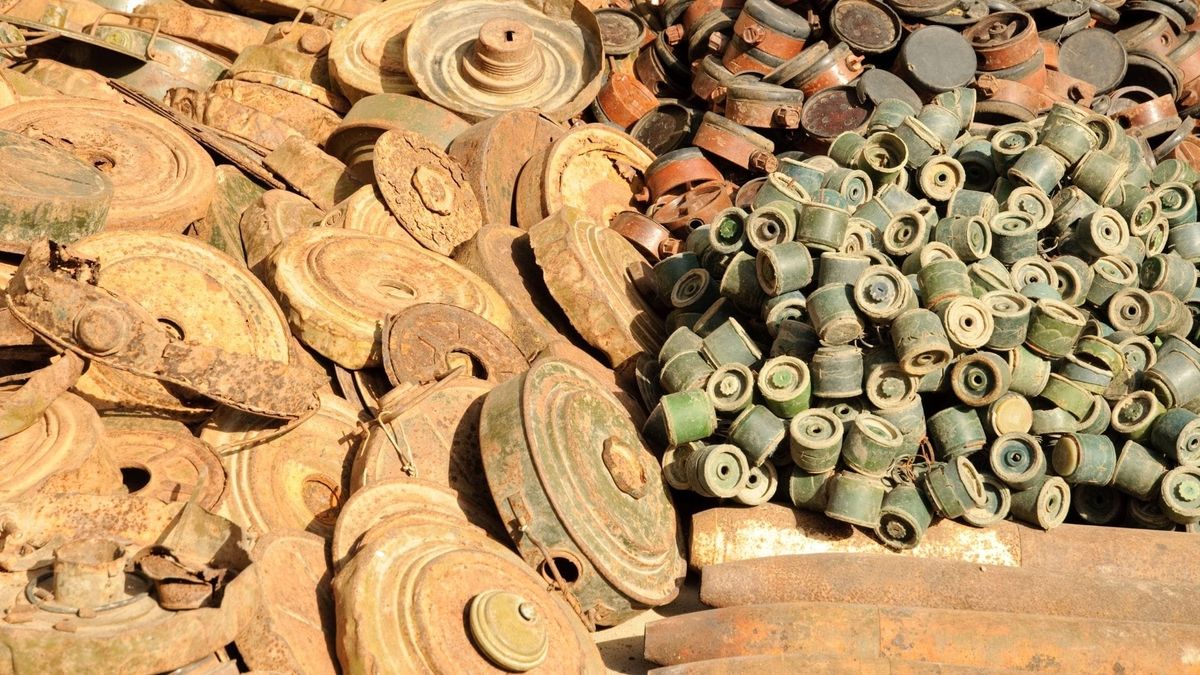
The Cambodian Mine Action Centre cleared 75,132 hectares of land contaminated by landmines in the first half of the year, reaching 82% of its annual target. The number of people killed or injured by mines has fallen from more than 4,000 a year in the 1990s to fewer than 100 a year.
🇰🇭 Cambodian Mine Action Centre warns that Thai UXOs, ERWs could take $1B, more than a decade to clear
Clearing the unexploded ordnance (UXOs) left by the 2025 Cambodia–Thailand border clashes could cost approximately $1 billion and take more than a decade, according to a preliminary estimate by the Cambodian Mine Action Centre (CMAC). The cleanup places new financial and humanitarian pressure on a country still dealing with contamination from past wars, it noted.
Kazakhstan’s Defence Ministry is set to conduct mine clearance and underwater EOD operations in Area No. 200 of the Caspian Sea, where subsea pipelines for the Kalamkas-Sea and Khazar project are planned. The project operator will purchase specialised equipment and transfer it to the Defence Ministry to support the clearance operation.
🇱🇦 Lao official warns 80 million unexploded munitions remain, funding cuts hit clearance
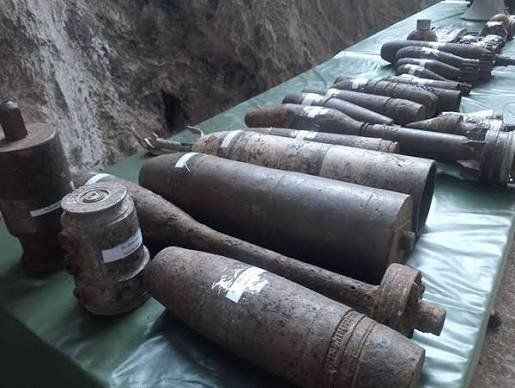
A senior Lao official has warned that an estimated 80 million unexploded munitions remain buried across Laos, while cuts in international funding could slow clearance work and prolong the threat to civilian lives. The National Regulatory Authority for UXO/Mine Action official Bounpheng Sisavath said more than a million of the deadly remnants had been cleared after decades of efforts to rid Laos of unexploded ordnance (UXO).
🇱🇦 Laos: Op-Ed: Cluster Bombs Still Threaten Lao Farmers Decades After War
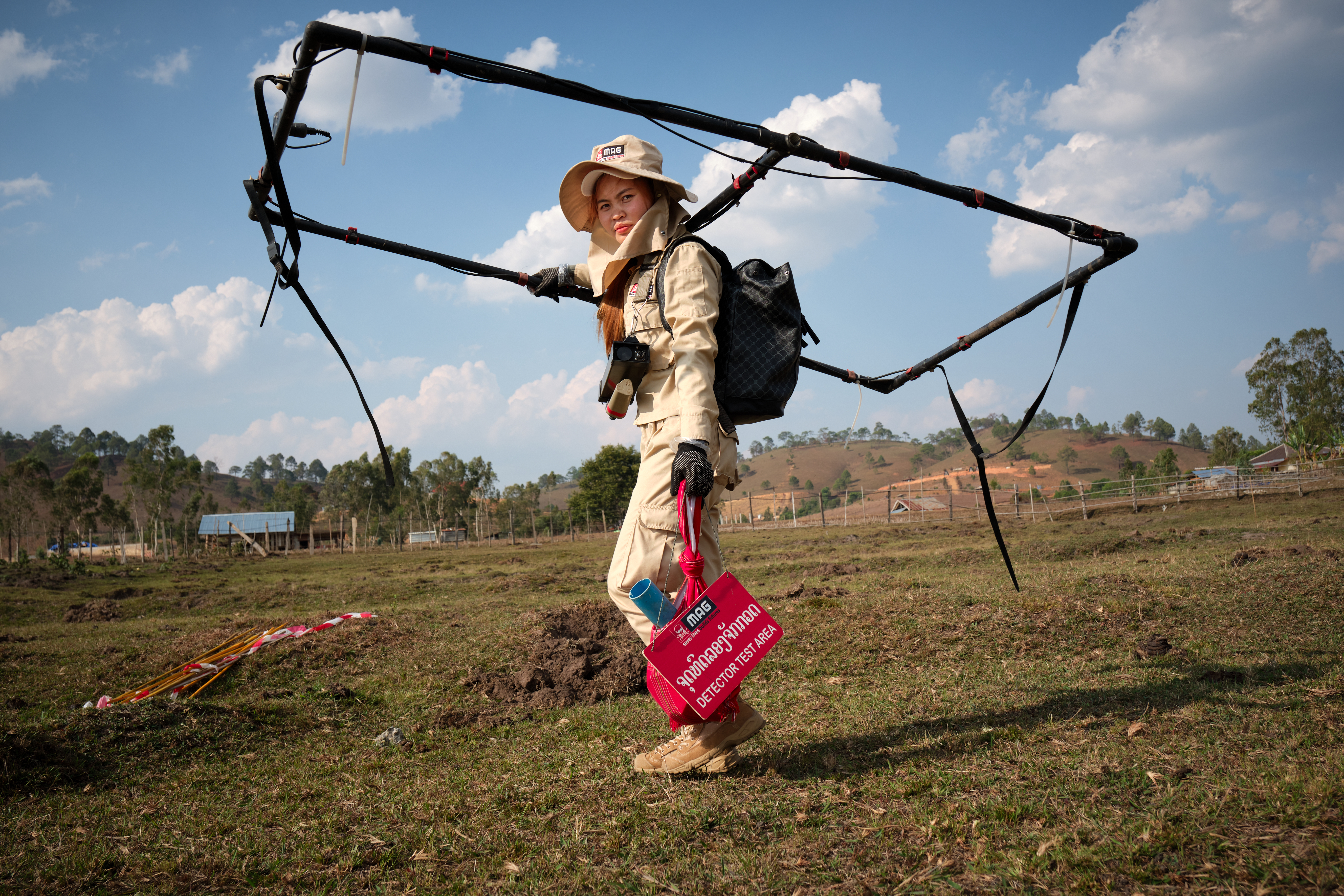
MAG Laos Country Director Eli Mechanic highlights how unexploded cluster munitions remain a daily hazard for Lao farmers more than five decades after the war. MAG destroyed over 6,000 explosive items and released more than 10 million m² in 2025, but an estimated 1,800 km² still requires clearance, underscoring the need for sustained international support.
Explosive ordnance contamination has become one of the defining humanitarian and protection challenges in the occupied Palestinian territory (OPT), creating a continuum of civilian harm that extends long after an attack occurs. In Gaza, extensive use of explosive weapons in a densely populated environment has caused exceptionally high levels of death, traumatic injury, displacement and destruction, leaving at least 68 million metric tonnes of debris and contaminated rubble, and creating one of the most complex explosive ordnance contamination environments in recent history.
Somalia’s explosive-hazard data and its protection data have mostly lived in separate systems — SEMA tracks clearance and survey; protection actors track displacement, casualties, and access constraints. This brief brings both together in one place, so the Protection Cluster can prioritise by evidence: where hazards concentrate, who they affect, and where prevention isn’t keeping pace.
UN Under-Secretary-General for Humanitarian Affairs Tom Fletcher said Thursday that continued displacement, localised insecurity, regional escalation and landmines are threatening the return of displaced Syrians. Since December 2024, explosive ordnance has killed 880 people, including 269 children, and maimed 1,616 more, nearly 40 percent of them children. Mines block the fields, orchards and grazing lands that families need to feed themselves, he said. "You cannot build an economy over a minefield."
🇺🇦 Ukraine: Mine Clearance: Why Ukraine’s Forests Risk Being Stuck in a Decade-Long Stalemate

This summer, Europe is once again facing extreme temperatures and widespread wildfires. For Ukraine, this problem has another, far more dangerous dimension—war. Approximately 450,000 hectares of forest land remain potentially contaminated with explosive ordnance and require thorough inspection and clearance.
🇻🇳 Vietnam: New report: 10 years on in Quang Tri, Vietnam
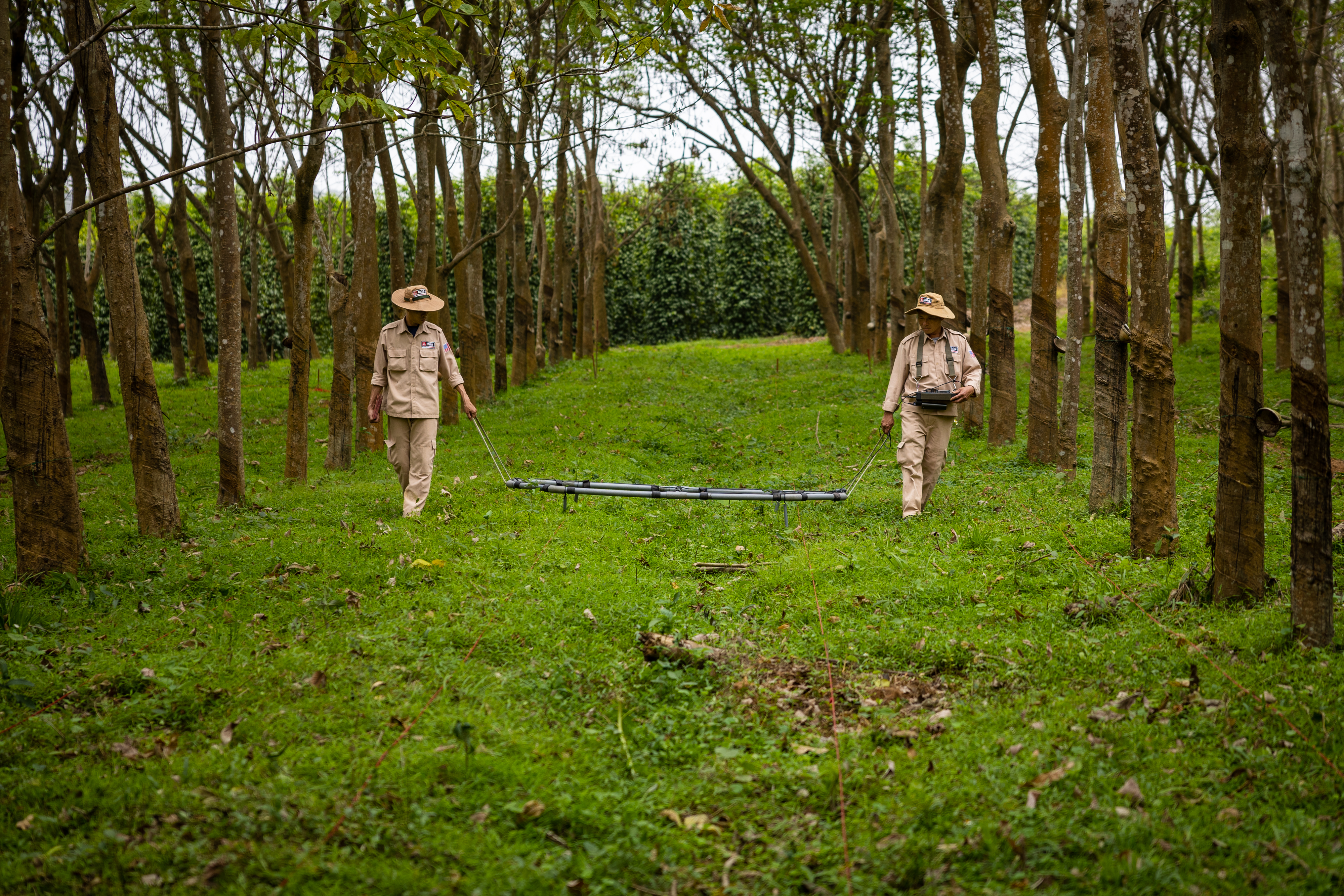
Quang Tri experienced some of the heaviest bombing during the conflict. Available U.S. bombing data shows that more than 15,400 cluster munition bombing sorties were conducted across present-day Quang Tri Province, accounting for around a quarter of all such sorties dropped in Vietnam. Large numbers of the submunitions from these sorties failed to detonate on impact, and an estimated 6,110 square kilometres of the province, almost half its land area, remains contaminated today.
🇾🇪 Yemen: People trapped by explosive ordnance
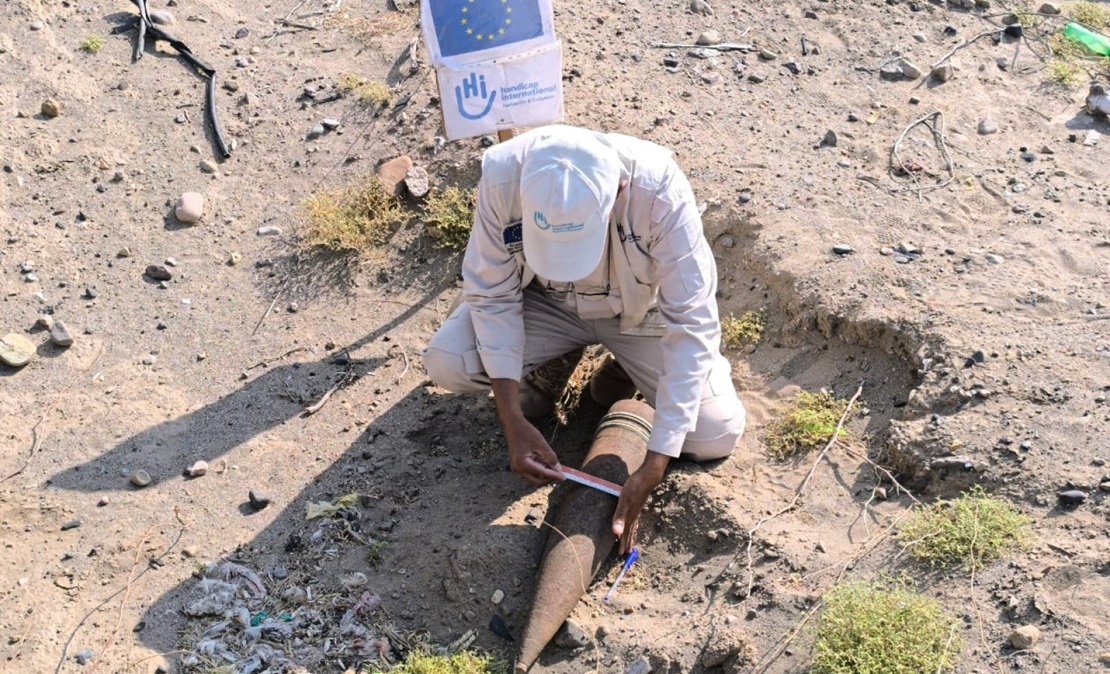
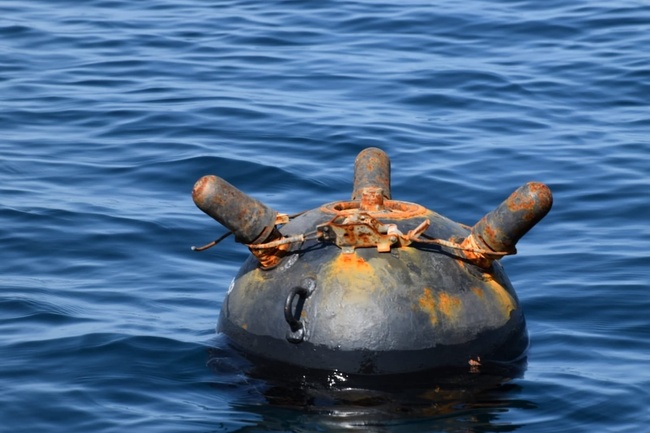
Humanity & Inclusion has cleared 58 sites and made safe 119 explosive items along Yemen’s west coast since August 2025. A recent operation near Mokha uncovered a wider cache after villagers revealed additional hidden ordnance, including mines, rocket fuzes and an improvised sea mine. Contamination continues to restrict farming, movement and coastal livelihoods.
🇾🇪 Yemen: Saudi project clears 1,721 mines in Yemen
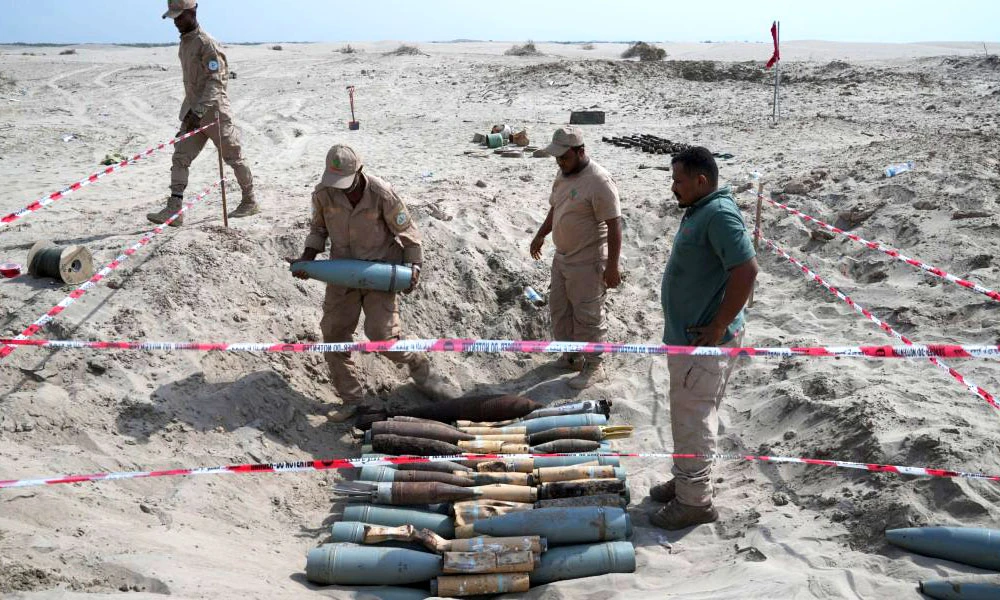
Members of Saudi Arabia’s Masam project removed 1,721 explosive devices from various regions of Yemen last week. These include 1,592 items of unexploded ordnance, 85 anti-tank mines, and 44 anti-personnel mines, according to a recent report. The explosives were planted indiscriminately across the country, posing a threat to civilians, including children, women, and the elderly.
🇿🇼 Zimbabwe: From dangerous ground to brighter futures in Zimbabwe

For years, children in Zimbabwe faced daily danger on their way to Kasika Primary School, with routes passing dangerously close to minefields. Parents worried constantly, and attendance at the school was often disrupted. HALO’s mine clearance in Ward 20 removed this threat, restoring safe access to education and giving families greater peace of mind.
This paper aims to highlight the key steps advancing humanitarian mine action in Southeast Asia, while also noting challenges in carrying out humanitarian mine action in the region to date. The paper details and analyzes trends in treaty universalisation; contamination by cluster munitions; casualties; risk education; victim assistance; regional cooperation; and funding for mine action. The paper concludes with reflections on progress and challenges leading into the Third Review Conference of the Convention on Cluster Munitions.
🌍 From Laos to Ukraine: A UN Mine-Action Adviser's Warning About the Future of Cluster Munitions

On the occasion of the Third Review Conference of the Convention on Cluster Munitions in Vientiane, Lao PDR, Paul Heslop, Senior Mine-Action Adviser at the UN Resident Coordinator's Office in Ukraine, shares his experience and perspective on a weapon system designed for the massed tank formations of the Cold War, and now evolving in real time on Ukraine's front lines. Read more here.
UNDP Crisis Bureau Director Shoko Noda argues that mine action must be integrated into recovery and development planning from the outset, rather than treated as a post-conflict activity. Drawing on Afghanistan, Myanmar, Sri Lanka and Lao PDR, she highlights how clearance enables resettlement, agriculture, infrastructure and livelihoods, while calling for predictable, long-term financing.
Other EO Finds from Around the Globe:
🇧🇪 Belgium: World War I bomb weighing 750kg found in Flemish town
🇩🇰 Denmark: Drone Lands Near Danish Defense Minister’s Home, Bomb Squad Rushes In
🇮🇷 Iran says Kharg Island blasts linked to destruction of unexploded ordnance
🇱🇹 Lithuanian bomb disposal experts neutralise explosive device at drone crash site
🇵🇱 Poland: Russian drone recovered on Polish Baltic coast blocks X-ray screening
🇬🇧 United Kingdom: Work begun to dismantle masts of SS Richard Montgomery
🇬🇧 United Kingdom: Bomb squad called after ordnance donated for exhibition
🇬🇧 United Kingdom: Bomb disposal team carries out Looe beach blast
🇬🇧 United Kingdom: Paisley road reopens after historic ordnance made safe
🇬🇧 United Kingdom: Bomb Squad called to Granton as a 'grapefruit-sized' suspect ordnance was found
🇬🇧 United Kingdom: Bomb-littered beach throws up more explosive finds
🇬🇧 United Kingdom: Homes evacuated after grenade discovered in garage clearance in Flintshire village
🇬🇧 United Kingdom: Bomb disposal experts called to Drigg Beach
🇺🇸 United States: Bomb squad removes live World War I UXOs from South Euclid police station
2. Explosive Ordnance Risk Education (EORE)
🇸🇾 Syria Civil Defense raises awareness on unexploded war hazards in Quneitra

Syria’s Civil Defense Directorate in Quneitra organised a training course on Tuesday at the Cultural Center in Madinat al-Baath to raise awareness of the risks posed by war remnants and promote safe practices for dealing with them.
3. Accidents, Survivors, Victim Assistance
Cambodia has raised alarm over the suffering endured by women and children amid the ongoing border conflict, highlighting the humanitarian consequences at an international gathering and during a meeting between the CMAC chief and a visiting Japanese senator.
🇨🇴 Colombia: Elacides, the mine survivor who has become a role model in his community

Elacides López Triana was 11 when a mine exploded beneath him in Tierralta, Córdoba, in 2008. With support from Humanity & Inclusion, he received rehabilitation, psychosocial care and a wheelchair. Now a cobbler and trained peer-support worker, he helps other people with disabilities while pursuing para-badminton and promoting inclusion in his community.
🇸🇾 Syria: 3D printing returns hope to amputees in Syria
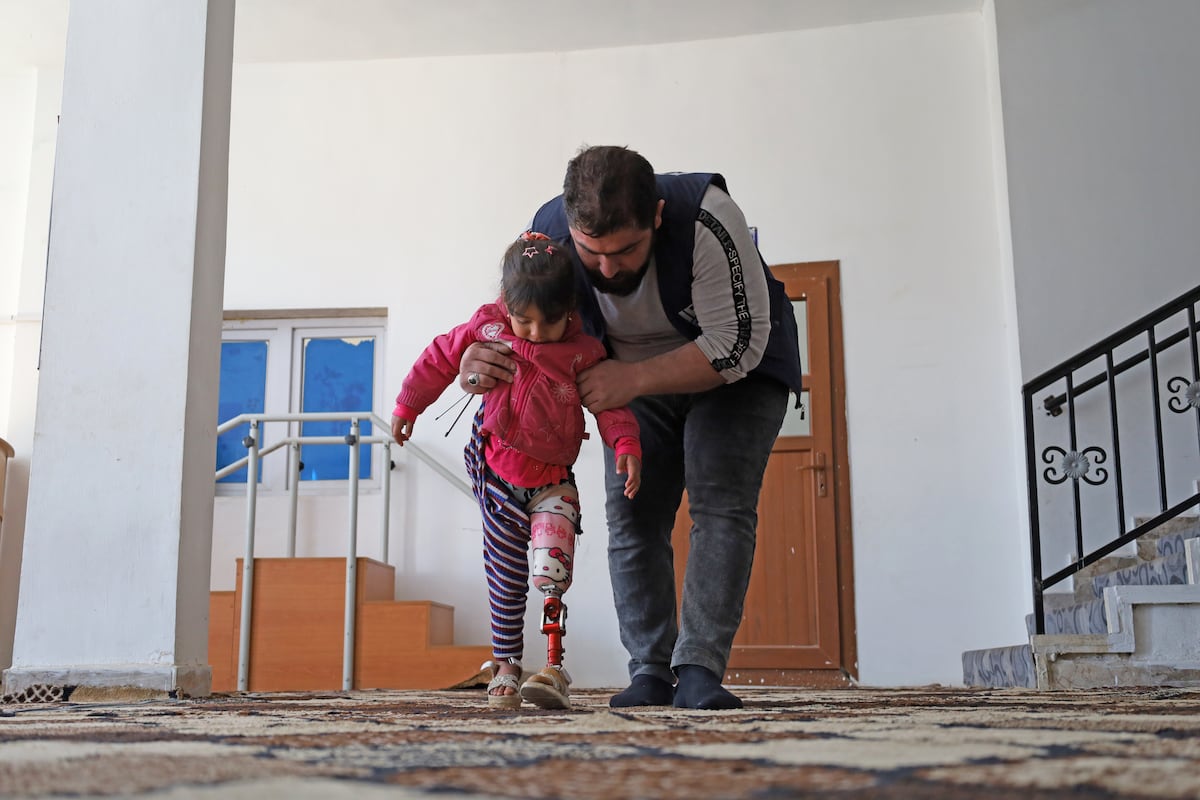
Syria’s growing network of 3D-printing prosthetics centres is helping landmine and conflict survivors access affordable, rapidly produced artificial limbs. In Idlib, two centres now rely fully on the technology, serving 100–150 patients monthly. For children, digital production enables faster, cheaper replacements as they grow, helping address severe shortages in conventional prosthetics services.
🇸🇾 Syria: Abdul Majid took the risk of removing a landmine himself
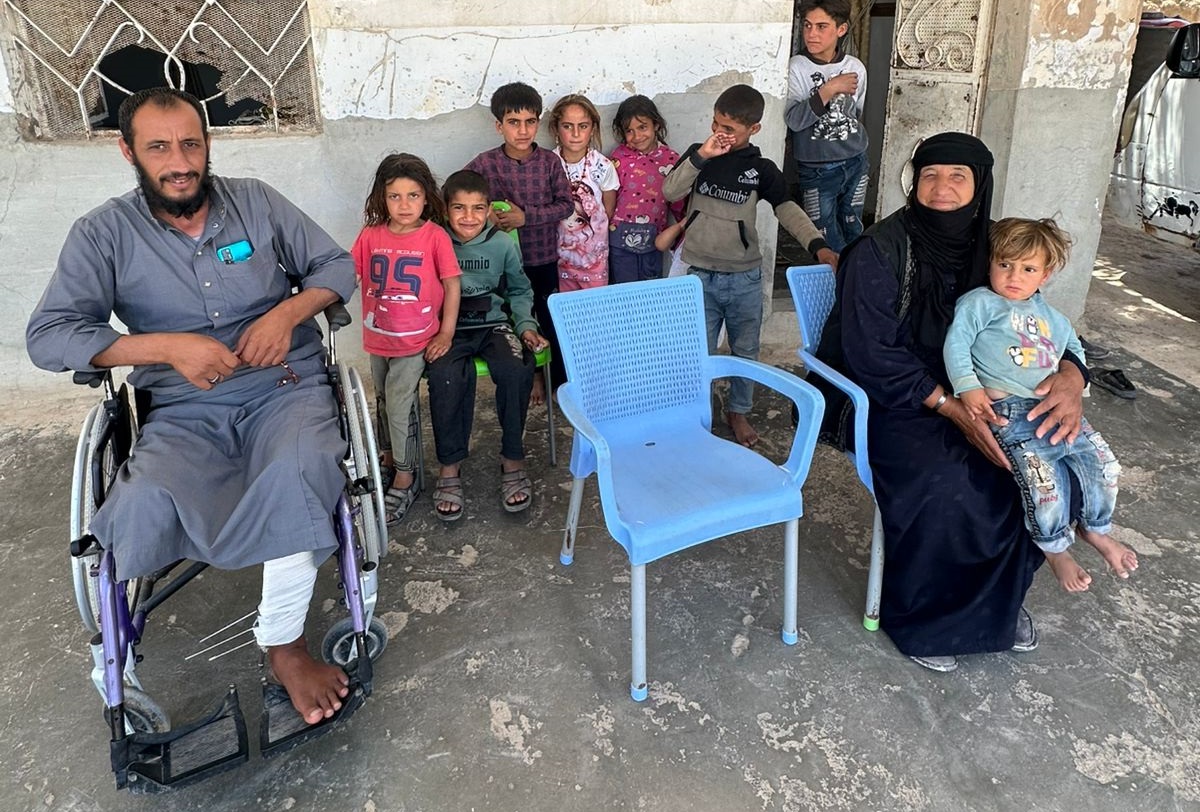
Humanity & Inclusion tells the story of Abdul Majid, a 30-year-old Syrian who attempted to remove a landmine near his returning community despite having no training. The explosion amputated his right leg and severely injured his left. His experience highlights the dangers facing displaced families returning to areas where explosive hazards remain uncleared.
🇾🇪 Yemen: Ayman recovers from a terrible landmine accident
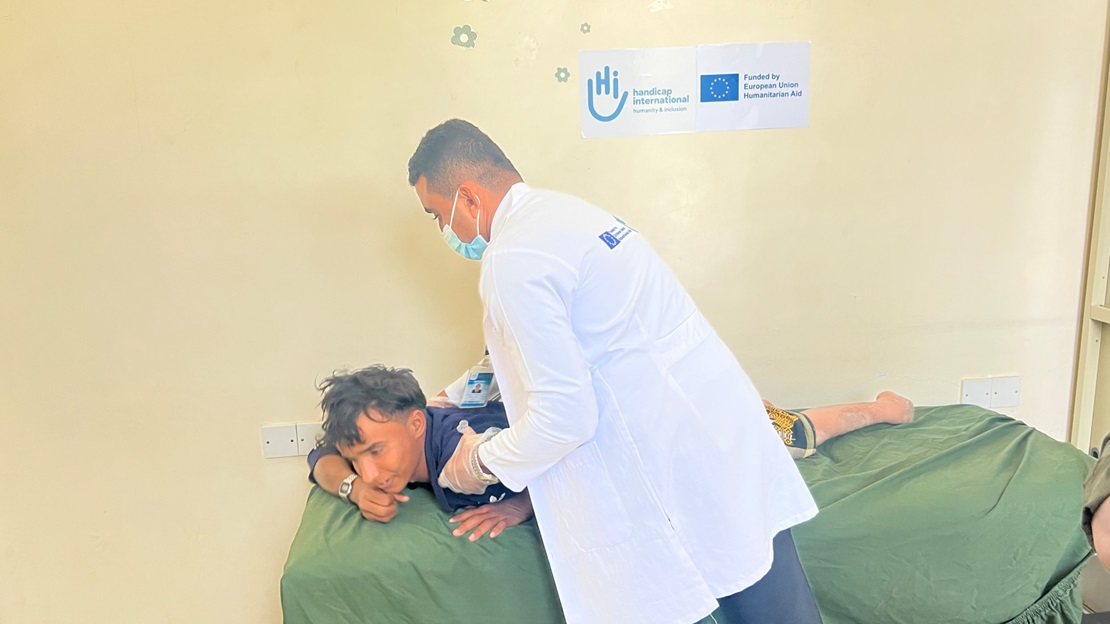
Ayman, a 15-year-old from Al-Jah village, lost both legs after stepping on a landmine while tending his family’s sheep in 2024. After nearly two years using a wheelchair, Humanity & Inclusion provided rehabilitation and bilateral prostheses, helping him regain mobility, reconnect with his community and return to greater independence.
🇾🇪 Yemen: Amputated by a mine, Khaled was unable to work and feed his family
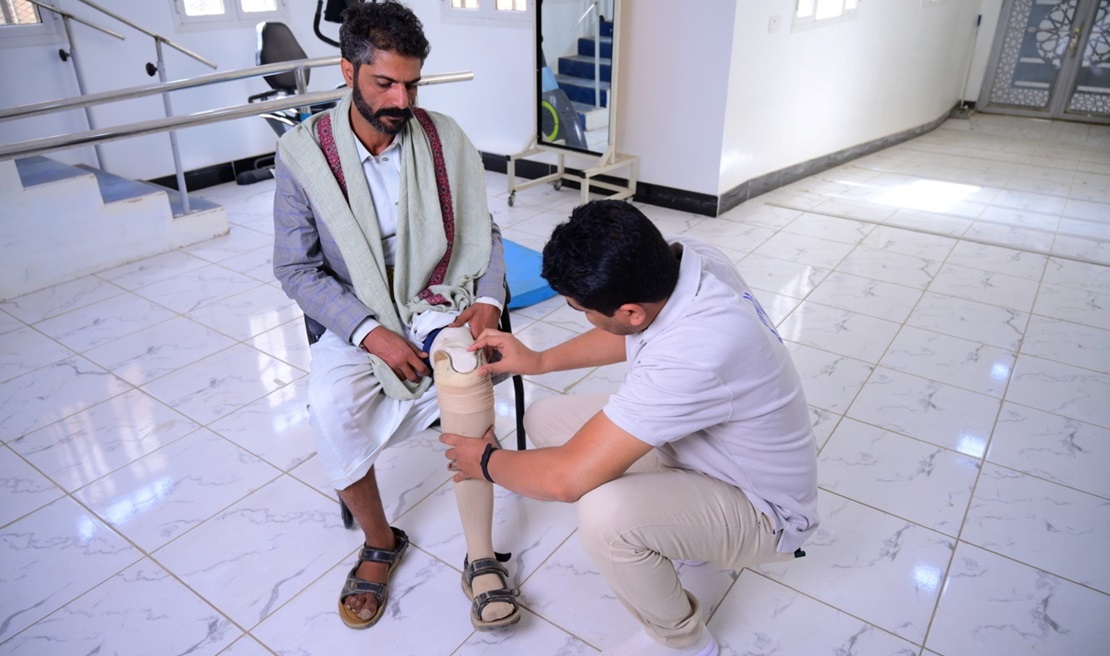
Khaled, a 42-year-old farmer from Sana’a Governorate, lost his left leg after stepping on a landmine while rushing to protect his young daughter. Unable to farm or support his family, he later received rehabilitation, mobility aids and a prosthesis from Humanity & Inclusion, enabling him to return to his land and resume farming.
Other EO Accidents from Around the Globe:
4. Advocacy, Policy, Conventions, Strategies and Standards
🇦🇿 Azerbaijan puts forward a new initiative on the mine problem at the UN Human Rights Council

On September 18, within the framework of the 63rd session of the UN Human Rights Council (HRC), a special event dedicated to the protection of the rights of mine victims was held at Azerbaijan's initiative. The event on the topic "Beyond Survival - Restoring Dignity and Returning Rights," was organised jointly by Azerbaijan's permanent mission in Geneva, Universal Human Rights and Algeria.
🇰🇭 Cambodia Launches National Mine Action Policy 2026–2035 to Eradicate Explosive Remnants and Secure Land for Development

Cambodia has officially launched its National Mine Action Policy 2026–2035, establishing a definitive national commitment to eradicate all landmines and explosive remnants of war across the Kingdom by 2035. Spearheaded under the direct guidance of Prime Minister Samdech Thipadei Hun Manet, the comprehensive ten-year roadmap was announced on social media and official channels by Senior Minister Ly Thuch, First Vice President of the Cambodian Mine Action and Victim Assistance Authority.
🇰🇭 Cambodia: Third Review Conference of the Convention on Cluster Munitions
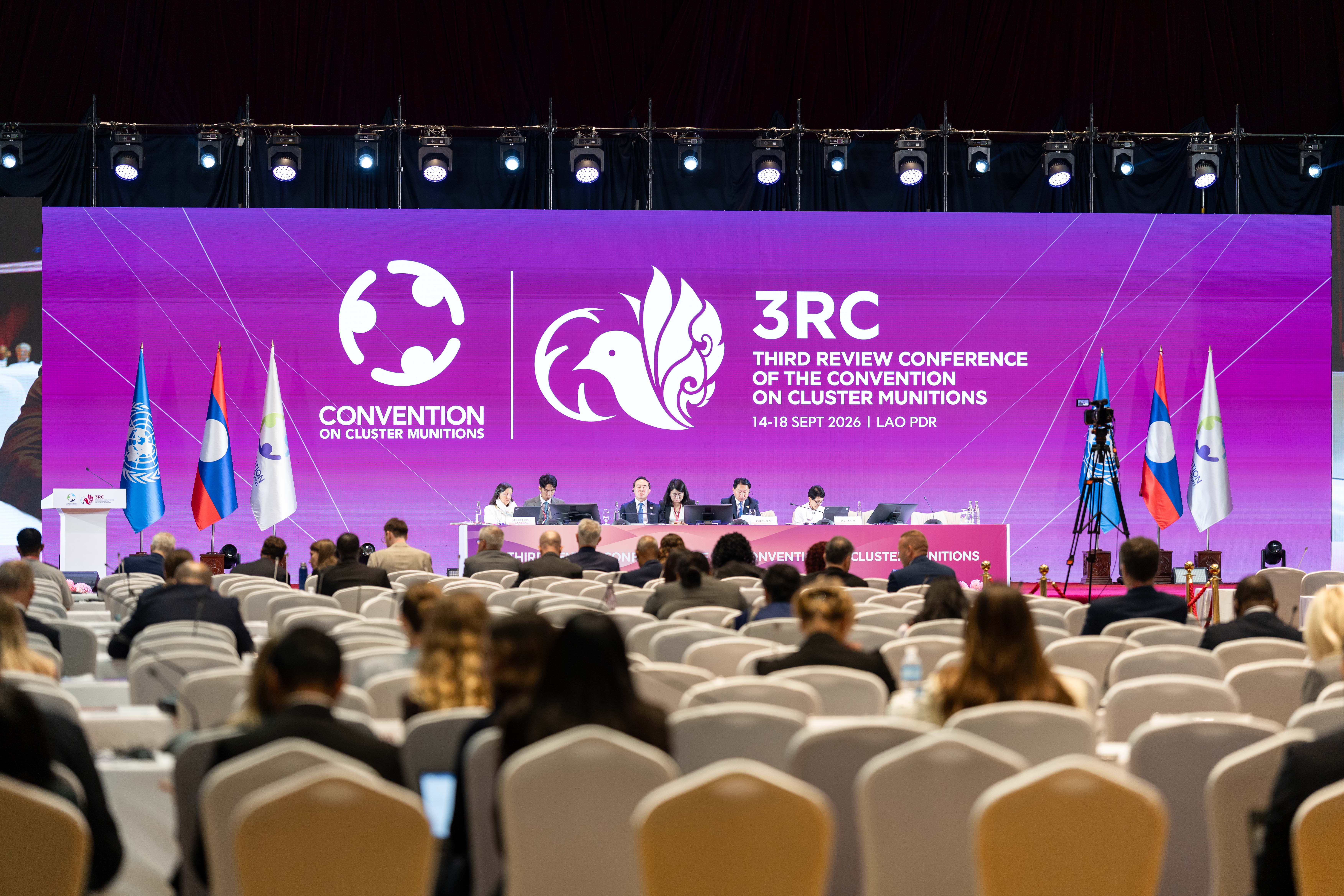
The Conference brings together states, international organisations, civil society and campaigners to take stock of progress, address ongoing challenges and strengthen efforts to end the suffering caused by these weapons. Discussions will focus on priorities including the continued use of cluster munitions, clearance of contaminated land, assistance for survivors and affected communities, risk education, and the need for sustainable funding for mine action.
Landmines, cluster munitions, aerial bombs and other explosive remnants recovered from clearance sites across Cambodia are being preserved at the Techo Peace Museum as physical evidence of the country’s wartime legacy and as lasting lessons for future generations about the value of peace.
🇰🇭 Cambodia strongly condemns use of cluster munitions at global conference against cluster munitions
Cambodia has strongly condemned the use of cluster munitions and reaffirmed its commitment to the humanitarian objectives of the Convention on Cluster Munitions, Senior Minister Ly Thuch said at the Third Review Conference in Vientiane, Laos, yesterday.
🇺🇦 Ukraine: An agency for the clearance of waterways has been established in Ukraine
A new consortium brings together Nibulon, the Admiral Makarov National University of Shipbuilding, International Business Club and West-East to develop Ukraine’s capacity for humanitarian waterway demining. The partnership will focus on technology, research, specialist training and standards, supporting safer navigation and the restoration of Ukraine’s shipping and economy.
🇻🇳 Việt Nam backs efforts to prevent use of cluster munitions, anti-personnel mines
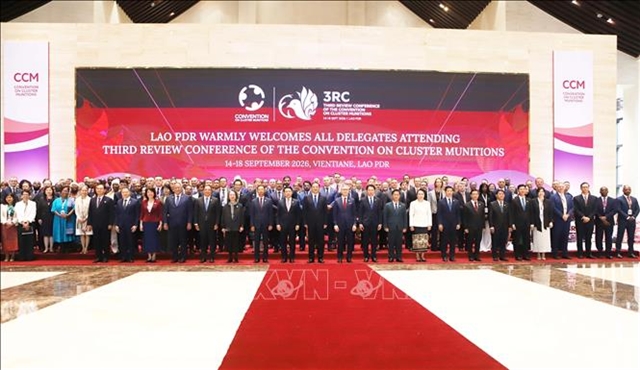
Việt Nam supports the humanitarian goals of international conventions banning cluster munitions and anti-personnel mines as well as efforts to prevent their indiscriminate use, a Vietnamese official said at the Third Review Conference of the Convention on Cluster Munitions in Vientiane on Monday.
5. Stockpile Destruction, Demolition, WAM and Disarmament
6. Research, Innovation, Technology and Market Trends
🇽🇰 Kosovo: The Hobo R-Evolve Heavy Robot has Arrived at MAT Kosovo
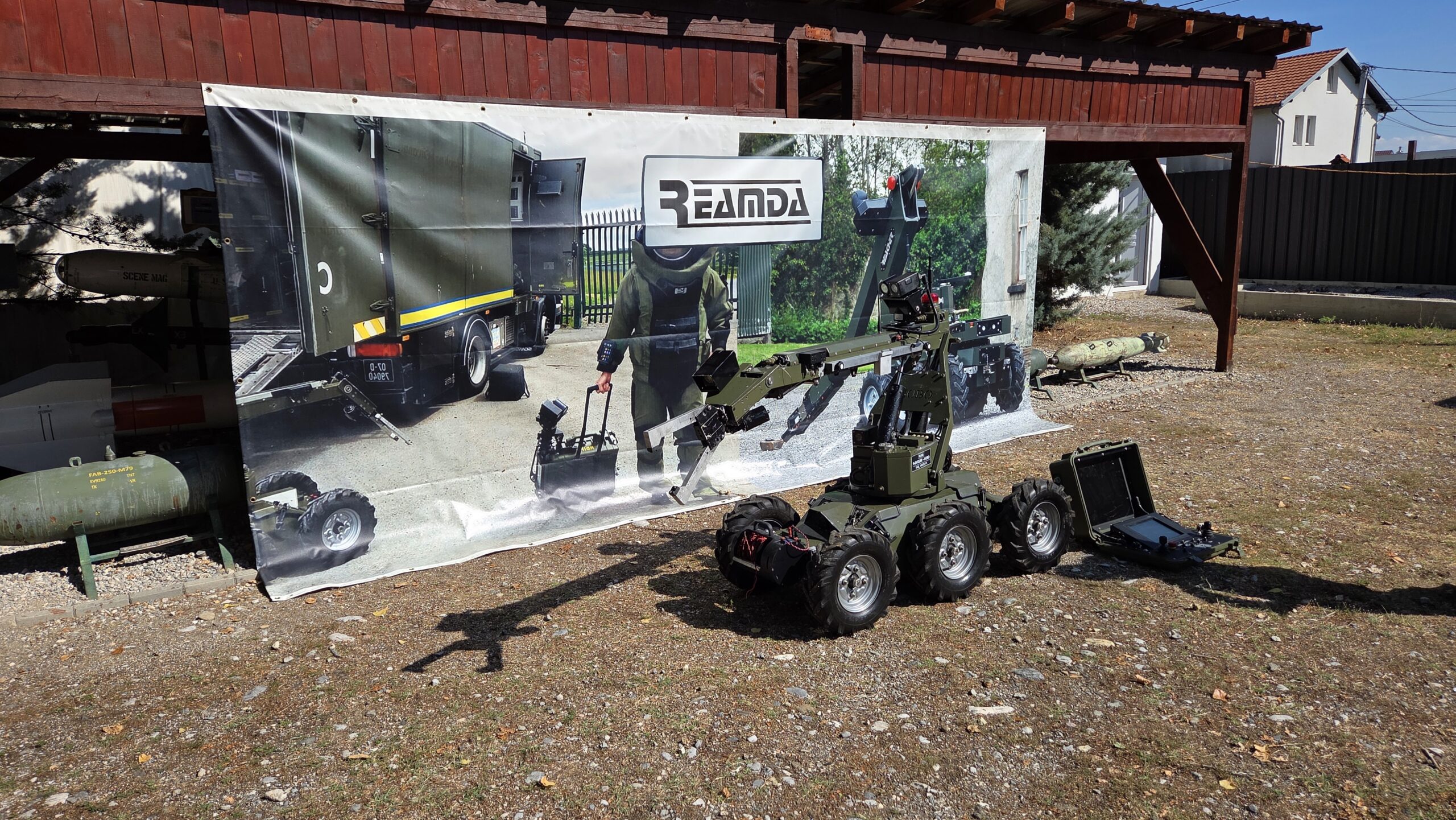
MAT Kosovo has added the Hobo R-Evolve heavy EOD/IEDD robot to its training centre in Peja. Following specialist training for three staff members, the platform will support IMAS IEDD and other specialist courses. Its capabilities include a six-degree-of-freedom manipulator, long-range communications and potential integration of X-ray, disruptor and CBRN systems.
🇬🇧 United Kingdom: Greater Manchester pupils put engineering skills to the test in Manchester Minesweeper challenge

Secondary school pupils from across Greater Manchester have designed, built and competed with their own mine-detecting robots in The University of Manchester's annual Manchester Minesweeper competition, sponsored by the Institute of Measurement Control (InstMC) Central Northwest Section.
The Marine Corps trialled using an Unmanned Surface Vessel as part of its Littoral Explosive Ordnance Neutralization System last month. LEON enables explosive ordnance disposal teams operating in littoral environments to confirm hazards and obstacles from very shallow water to the beach zone. LEON consists of five increments of capabilities: a Remotely Operated Vehicle , diver equipment, an Unmanned Underwater Vehicle, an Unmanned Surface Vehicle and an Amphibious Unmanned Ground Vehicle..
🌍 New study challenges claims of ‘safer’ cluster munitions
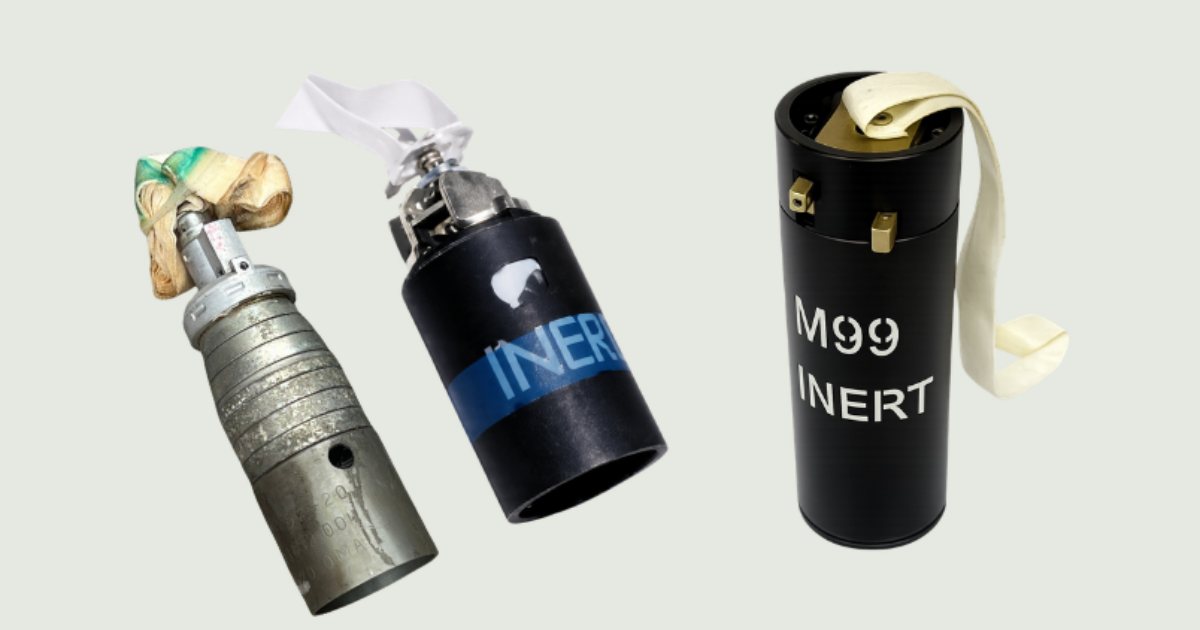
A new independent technical study commissioned by Norwegian People’s Aid finds no clear evidence that technological developments have overcome the fundamental humanitarian problems associated with cluster munitions. The findings were presented on 16 September at the Third Review Conference of the Convention on Cluster Munitions in Vientiane, Lao PDR.
🌊 Closing the Navy’s find, fix, and finish kill chain with remote mine hunting
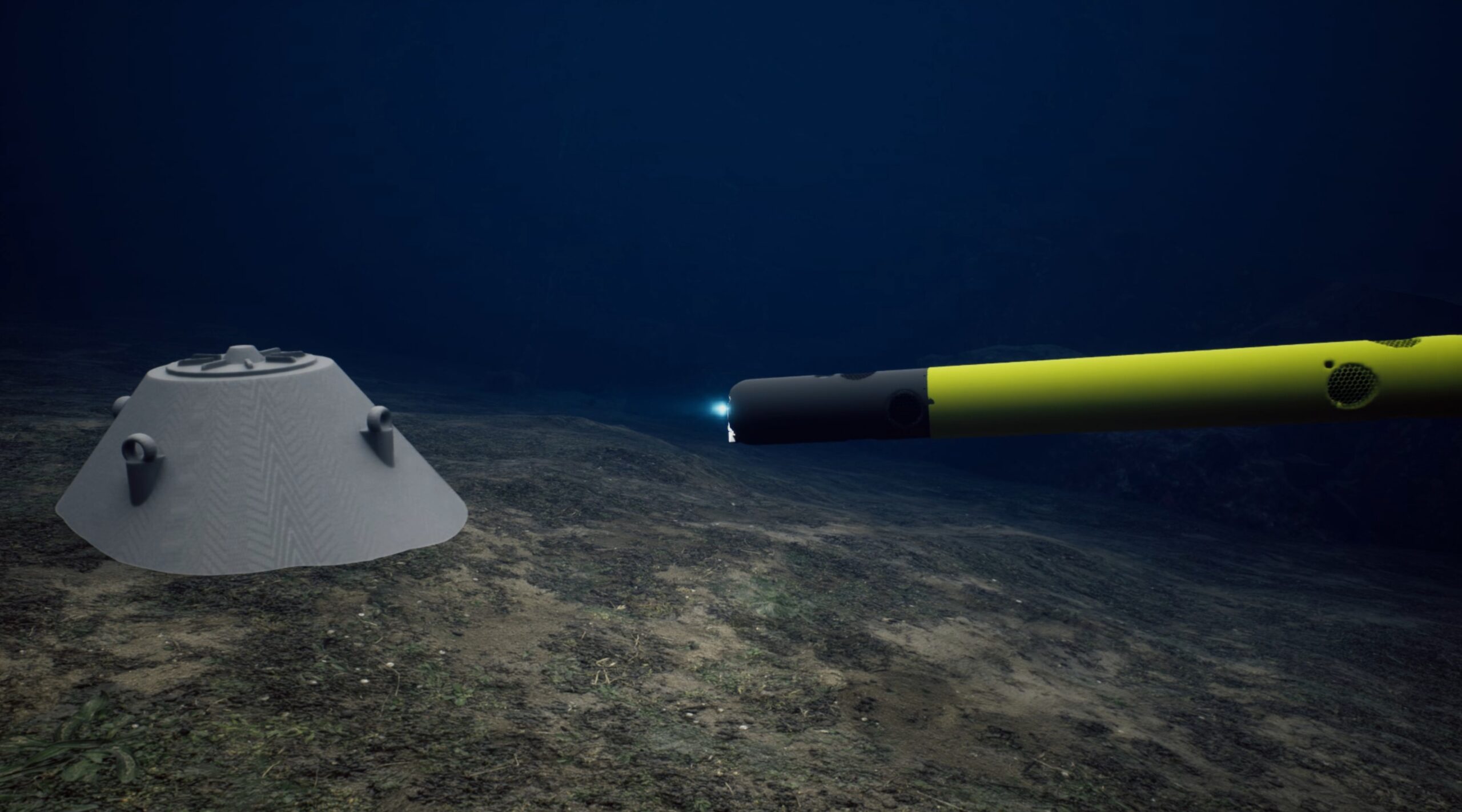
Naval mines remain one of the cheapest ways for an adversary to disrupt global commerce, restrict military movement, and turn strategic waterways into global flash points. Clearing them can take weeks or months and expose sailors and ships to both the minefield and enemy fire. To discuss how unmanned vessels, advanced sonar, artificial intelligence, and remote effectors will accelerate that mission, Breaking Defense spoke with Mark Bock, vice president for strategy and business development at Advanced Acoustic Concepts (AAC), a Thales company.
7. Mine Action Assistance, Funding and Cooperation
🇦🇫 Afghanistan inks 2 agreements to clear mines, explosive war remnants
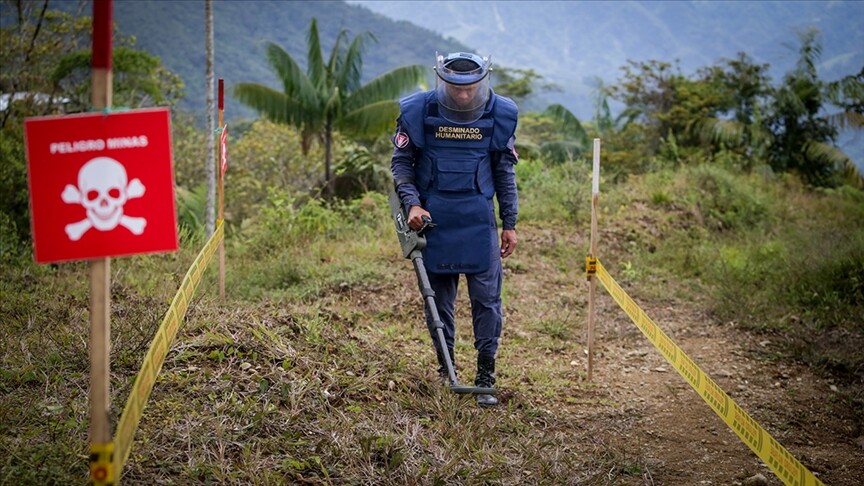
Afghanistan has inked two pacts with an international demining organization to clear mines and explosive remnants of war across the country, an official statement said on Thursday. The memorandums of understanding with a combined value of $4.1 million were signed between the Afghanistan National Disaster Management Authority (ANDMA) and the Danish Refugee Council's Mine Action Program, said a statement from the Afghan authority.
🇦🇿 🇬🇧 Azerbaijan, UK explore future cooperation in humanitarian demining
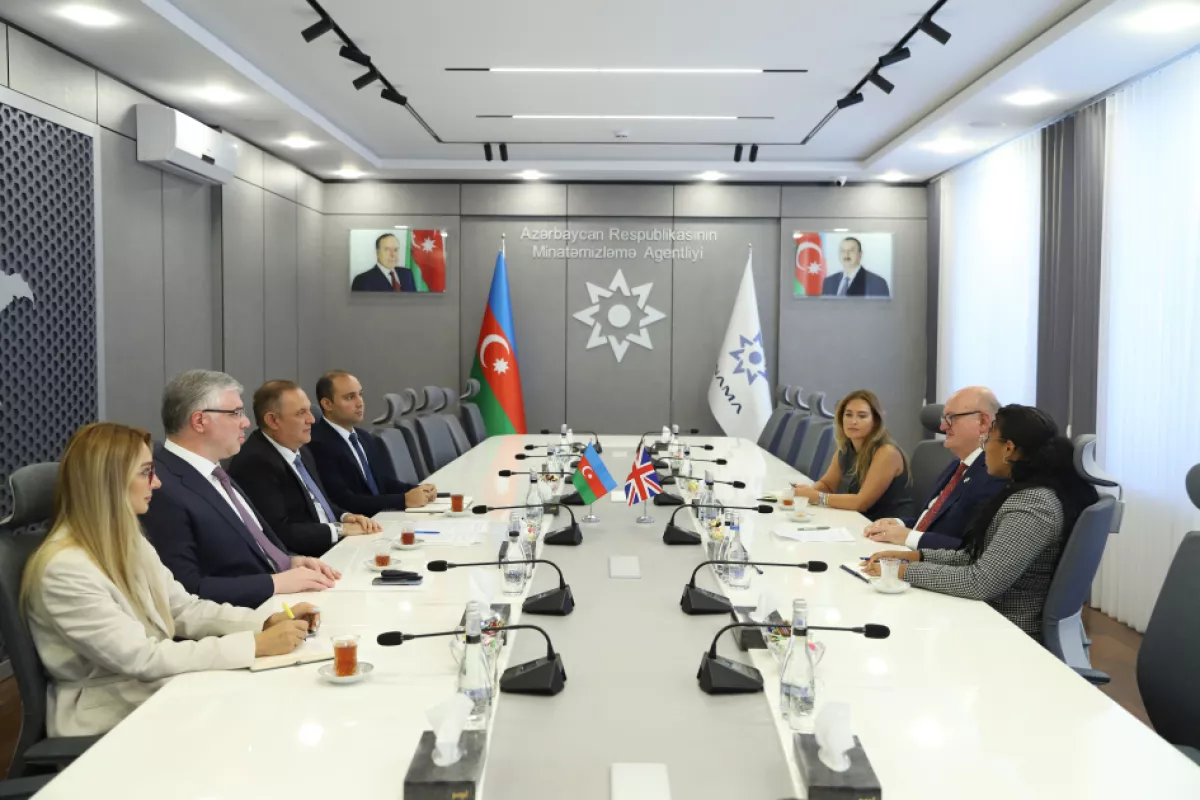
Shamil Rzayev, First Deputy Chairman of the Board of Azerbaijan's Mine Action Agency (ANAMA), met with Duncan Norman, the newly appointed Ambassador Extraordinary and Plenipotentiary of the United Kingdom of Great Britain and Northern Ireland to Azerbaijan. The sides exchanged views on cooperation in humanitarian mine clearance, as well as current priorities and future projects in the field.
Vugar Suleymanov, Chairman of the Board of Azerbaijan’s Mine Action Agency (ANAMA), met with Lu Mei, Chinese Ambassador to the country. The meeting stressed the importance of international cooperation in the field of humanitarian demining, also discussing prospects for cooperation between the two countries in this area. Vugar Suleymanov expressed his gratitude to China for the financial and technical support provided to Azerbaijan’s demining operations.
Cambodian Mine Action Centre (CMAC) Director-General Heng Ratana has highlighted Japan’s longstanding support for Cambodia’s mine action sector, including assistance to strengthen the country’s capacity to clear landmines and explosive remnants of war (ERW). Read more here.
🇵🇭 🇺🇦 Philippines: Ukraine Ready to Share Robotic Demining Expertise With PH, ASEAN

Ukraine is ready to share its growing experience in robotic mine clearance with the Philippines and other Southeast Asian countries as it develops unmanned systems to detect and clear mines and unexploded ordnance. Col. Alex Waski, a Ukrainian Defense Ministry official responsible for demining operations, said Ukraine has a close relationship with the Philippine armed forces and has exchanged experience on demining.
🇸🇾 🇺🇦 Syria and Ukraine sign demining agreement to support recovery and development

Syria and Ukraine signed a high-level humanitarian cooperation agreement on Sunday at the Ministry of Emergency and Disaster Management in Damascus to enhance demining operations, technical surveying, and sustainable agricultural recovery. The agreement was signed by Syrian Civil Defense Director Mounir Mustafa and Ukrainian Deputy Minister of Economy and Environment Ihor Bezkaravainyi. It aims to leverage Ukraine’s expertise in handling landmine contamination and unexploded ordnance to protect agricultural sectors and food security.
A meeting with representatives of Tetra Tech was held at the Mine Action Office of the State Emergency Service of Ukraine (SESU). During the event, international partners handed over modern technical assistance, including personal protective equipment, individual and group humanitarian demining kits, tactical first aid kits, and other supplies.
🇹🇭 🇺🇸 U.S. Marines and Thailand Mine Action Center participate in Deployed for Training Bilateral EOD Exercise
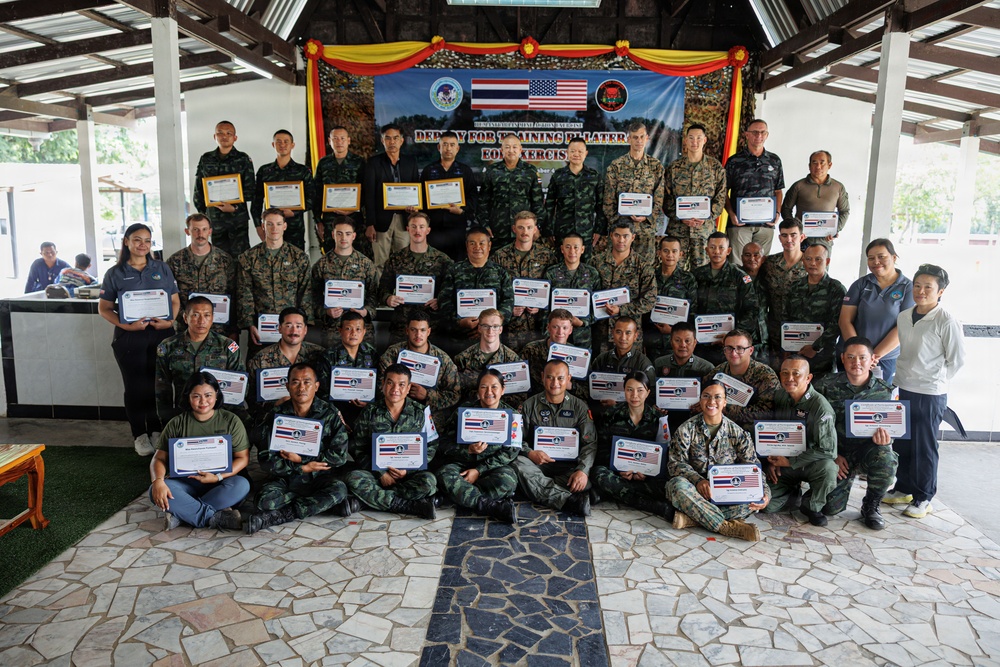
U.S. Marines with 3rd Explosive Ordnance Disposal and members of Thailand Mine Action Center, 9th Engineer Support Battalion, Combat Logistics Regiment 37, 3rd Marine Logistics Group, conducted an exercise that allowed Marines and members of TMAC to strengthen partner-nation relationships by exchanging subject matter expertise, conducting ordnance exploitation of foreign ordnance and large-scale demolition.
8. Other News
Aleks Zittle, US Chargé d’Affaires, visited APOPO’s mine action operations in Siem Reap, witnessing firsthand the dedicated work of demining teams and the innovative technology being used to help make Cambodia safer.
🇺🇦 Ukraine: Of Course, You Can! How a campaign in wartime Ukraine helped women see new possibilities and act on them

UN Women highlights how wartime Ukraine is opening traditionally male-dominated professions, including humanitarian demining, to women. The campaign challenges perceptions of who can work in mine action, supporting women’s entry into operational roles as deminers and leaders. In 2025, 26 women received training to lead mine-action activities, while HALO Trust female staff now undertake manual and mechanical clearance.
A photography exhibition about women working in humanitarian demining took place in Mykolaiv. The exhibition featured female deminers who, before starting work in this field, had held various professions — ranging from accountants and designers to veterinary nurses. The exhibition was organised by DanChurchAid and Norwegian Church Aid (DCA-NCA) to showcase the work of women in demining and to draw attention to the role of women in the rehabilitation of areas contaminated by explosive ordnance.
🎥 Video
Looking for things to do in Vientiane? Visit MAG's Visitor Information Centre and discover an important part of Laos' history.
📅 Upcoming Events, Courses & Trainings
There are a number of interesting events for the mine action sector in the coming months, and some of the deadlines are approaching quickly.
Felix Connect is a dedicated networking event designed to bring together supporters, partners, and friends of Felix Fund - the bomb disposal charity. It’s a relaxed, welcoming space to connect, network, or simply catch up with familiar faces from across the EOD, Search, defence, and charity communities. The event will be held on 28 September in London. Learn more here.
The Mine Action: Innovation, Sustainability, and Global Partnerships speaker series is structured to address landmine and explosive remnants of war (ERW) challenges through a strictly humanitarian, civilian-protection-oriented framework, with clearly defined ethical, legal, and operational boundaries between humanitarian and military applications of technology. Dates are: FEB 19 | MAR 19 | APR 16 | MAY 21 | JUN 18 | JUL 16 | AUG 20 | SEP 17 | OCT 15 | NOV 19 | DEC 17. Time: 12:00 PM - 1:00 PM ET. Location: Virtual (Zoom Webinar). Register here.
🔔 Always Stay in the Know – Never Miss an Update
This newsletter is subscribed to by over 3600+ dedicated readers on LinkedIn. To join this community of mine action professionals and supporters, go ahead and subscribe to the Mine Action Weekly newsletter. You can find all editions up to February 2026 on LinkedIn, and from March 2026 onwards here on Mine Action News.
Please reach out to me if there are any mine action news, journal articles, events, or updates that you would like to suggest for the next edition of Mine Action Weekly. You can find (and follow / connect with) me here. See you next Monday!


