Obstacles to Localisation: Audited Financial Statements
There are many obstacles to localisation in the humanitarian sector, from lacking overhead payments for national NGOs (NNGOs) or even requirements for partner contributions, to donor unwillingness to permit equipment purchases. However, there is one barrier that has proven particularly prohibitive to the growth of NNGOs: To merely be considered for funding, many international and institutional donors require implementing partners to provide audited financial accounts for at least three financial years.
For young NNGOs in the global south, financial reporting requirements such as this are often beyond onerous, for several reasons:
Financial Constraints: Local NGOs often operate on limited budgets and simply do not have the resources or funding to conduct formal audits, which can be a significant cost factor. Moreover, charging audit costs to donors is often not permitted on smaller projects.
Funding status: In the early stages of their development, local NGOs are often implementing partners on sub-grants from international NGOs. As such, their international partners often hold the budget and fulfil the audit requirements, leaving local NGOs without audited accounts.
Manpower: Smaller NNGOs may not have dedicated, large accounting or financial departments capable of maintaining the level of financial reporting required for third party audits.
Technical Knowledge: Local NGOs often lack the technical accounting expertise and understanding of the specific regulatory and legal requirements needed to prepare financial statements that comply with international donor demands, making it difficult to even begin the process.
Administrative Burden: The time and effort required to prepare for an audit can divert valuable resources away from the NNGO's core humanitarian activities.
Local Context: The financial practices and reporting standards in the global south may differ from what international donors are accustomed to, leading to misunderstandings or the perception of financial mismanagement even when none exists.
Stringent financial requirements are often based on standards and practices common in the global north, without consideration for the different operating environments in the global south. Such requirements act as a significant barrier for newer, smaller (local) NGOs that have not been in operation or received direct funding for long enough to meet the financial reporting criteria. This often means that only larger, more established (international) NGOs can qualify for funding, perpetuating a cycle of inequality and impeding localisation within the humanitarian field.
Naturally, financial compliance is necessary to ensure that funds are used as intended, and to build trust between donors and humanitarian actors. However, to achieve meaningful and sustainable localisation, the humanitarian sector, including international donors, needs to come up with ways to bridge this gap between financial compliance requirements and local realities.
One way to address this mismatch between donor requirements and NNGO constraints could be to embed experienced finance staff from established international NGOs as on-the-job mentors who support local finance staff in developing accounting systems compliant with donor requirements, provide donor-NNGO liaison and act as de facto third party auditors. Including such mentorship partnerships into projects would enhance donor trust, reduce risks for both NNGOs and donors, and ultimately make localisation more sustainable.

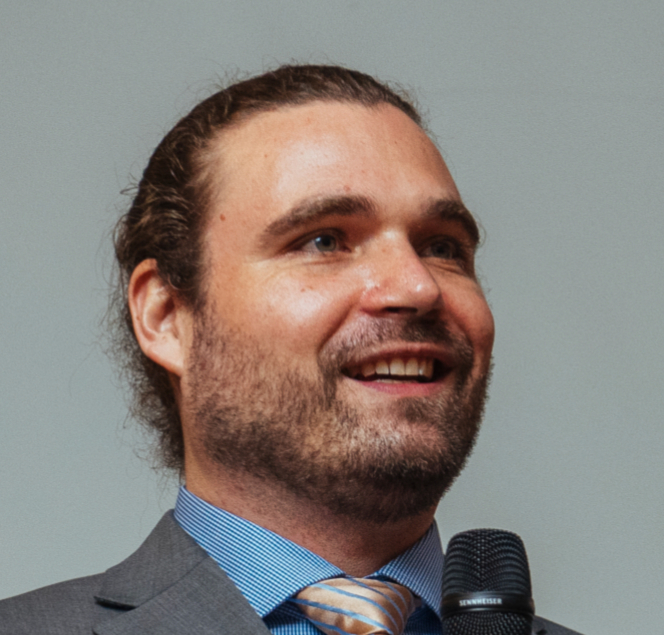
Markus Schindler is Co-Founder of Mine Action News and Editor of the Mine Action Weekly newsletter. Aside from spreading mine action news, Markus is Regional Programme Manager at Fondation suisse de déminage (FSD) in Ukraine, where he is leading a large mine action programme. His HMA experience spans 12 years in various roles spread across multiple countries, including Iraq, Afghanistan, Tajikistan, and the Philippines. Markus holds a Master’s Degree in Strategic Studies from University College Cork, a Master’s Degree in Social Science and Ethics from Ruhr University Bochum, and a Bachelor’s Degree in Philosophy from the University of Regensburg.