Mine Action Weekly, 17 - 23 August 2026

This week, Azerbaijan reports nearly 1,700 hectares cleared in a single week, while Syria’s expanding clearance efforts confront widespread contamination and the urgent return of displaced communities. New programmes launch in Sudan, funding pressures threaten operations in Cambodia, and Ukraine advances donor coordination and AI-powered demining. Meanwhile, wildfires and heavy rains expose how explosive hazards persist far beyond active conflict zones.

Disclaimers:
This newsletter features news reports and articles from a variety of sources. Mention of these resources does not indicate agreement with or endorsement of the opinions of others. I do not claim responsibility or credit for these works, and do not vouch for the information contained in them.
This newsletter is created and managed in a personal capacity, independent of my professional affiliation with Fondation suisse de déminage (FSD).
🗞️ Weekly News Roundup
The weekly news roundup showcases a low-down of the top mine action news and insights from the past seven days.
1. EO Contamination, Clearance & Land Release
🇦🇿 Azerbaijan: ANAMA clears nearly 1,700 hectares, neutralises 132 mines in a week
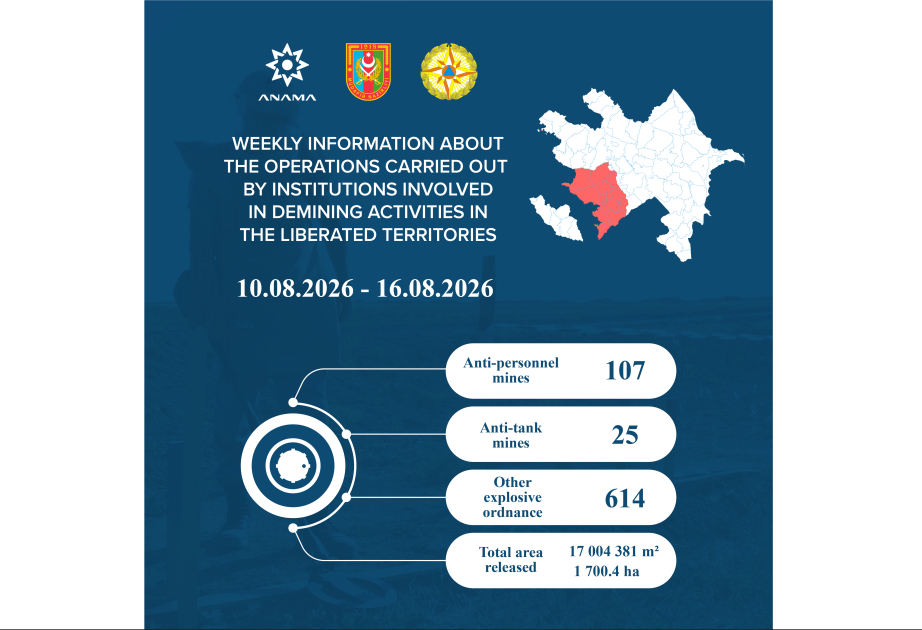
ANAMA reports that mine-clearing operations detected and neutralised 107 anti-personnel mines, 25 anti-tank mines and 614 unexploded ordnance items between August 10 and 16, clearing 1,700.4 hectares.
🇦🇿 Azerbaijan: How many mines have been found in the lands liberated until today?

From November 10, 2020, to August 20, 2026, an area of 295,864 hectares has been cleared, and a total of 258,956 mines and other explosive remnants of war (ERW) have been discovered and neutralised. Among them, 192,037 are ERW, 42,910 are anti-personnel mines, and 24,009 are anti-tank mines.
🇧🇦 Bosnia and Herzegovina: Bihac Seeks Helicopters as Fire Burns in Minefield

A wildfire on Plesevica mountain above Bihać is burning inside a minefield, preventing firefighters from approaching the affected area. BHMAC and deminers instructed crews to remain outside suspected hazardous areas, while authorities sought military helicopters to support firefighting. The incident highlights how legacy mine contamination continues to constrain emergency response decades after the conflict.
CMAA says Cambodia’s mine action sector overall remains strong despite funding difficulties specific to Cambodian Self Help Demining (CSHD), whose 37 staff are a small share of the sector’s roughly 5,700-strong workforce. Landmine Relief Fund president Bill Morse, who supports CSHD, warned the group could stop work by September for lack of donors, saying “when [donors] pull their money away… people will die here.” About 557 square kilometres of mine-affected land remain to reach Cambodia’s 2030 clearance target.
🇨🇩 DR Congo: UNMAS destroys explosive remnants of war in Bule, Ituri
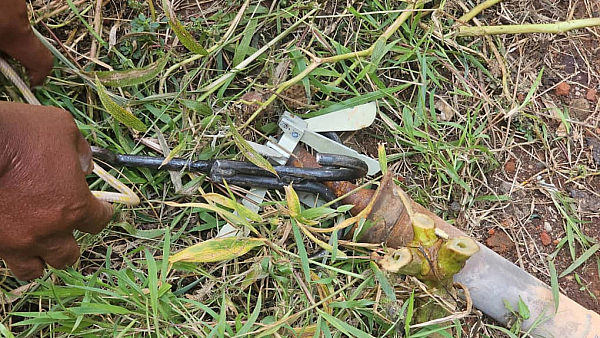
UNMAS, under MONUSCO, destroyed explosive devices discovered by residents returning to Bule’s commercial centre after nearly nine months of displacement. The team also ran safety-awareness sessions; residents and local authorities are calling for broader clearance operations across the town of more than 50,000 people.
🇮🇶 Iraq: IKMAA Clears 14 Million Square Meters of Land During KRG’s Ninth Cabinet
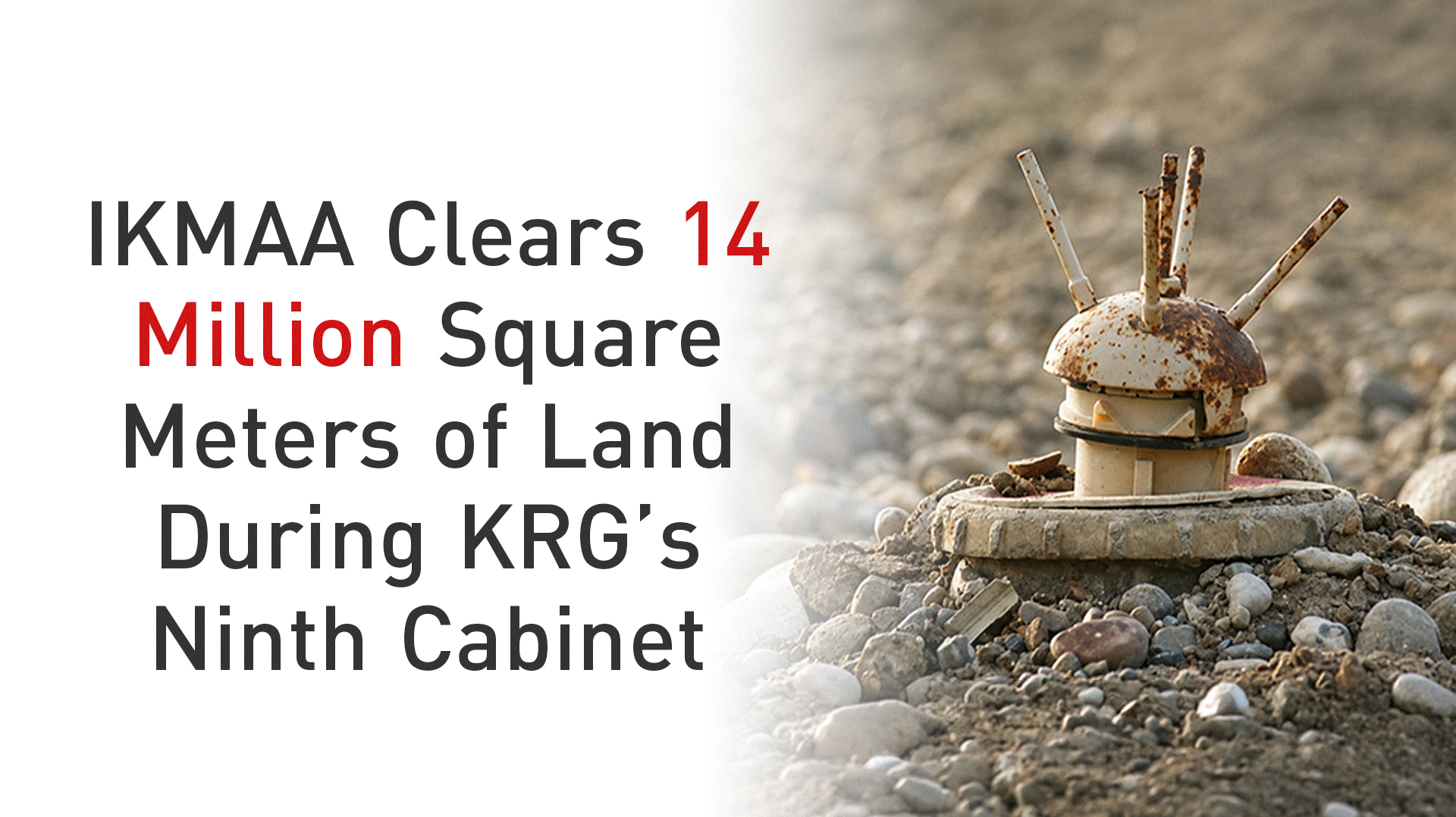
Jabar Mustafa, head of the Iraqi Kurdistan Mine Action Agency (IKMAA), said on Wednesday that mine clearance teams have cleared 14 million square meters of land across the Kurdistan Region during the Kurdistan Regional Government’s (KRG) Ninth Cabinet’s term, covering 316 minefields. More than 180,000 mines and various types of explosive ordnance had been removed and disposed of during the period.
🇮🇶 Iraq: Mine clearance targets 120K m2 in Kurdistan’s Duhok
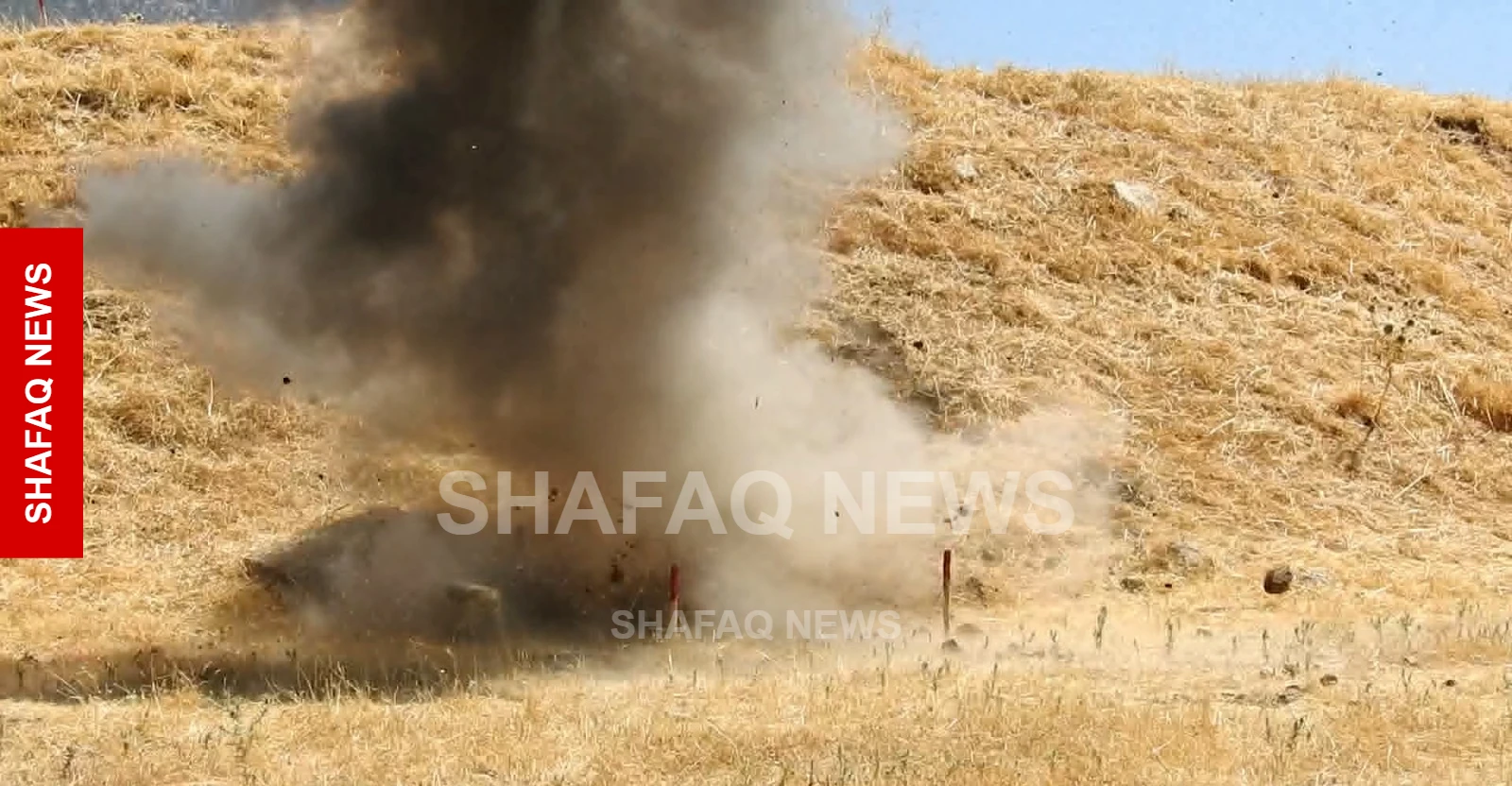
Regional reporting indicates mine clearance operations in Iraqi Kurdistan’s Duhok governorate are targeting 120,000 square metres of contaminated land, part of ongoing regional demining efforts.
🇲🇲 Myanmar: Inside Myanmar’s civil war and its deadly landmine crisis
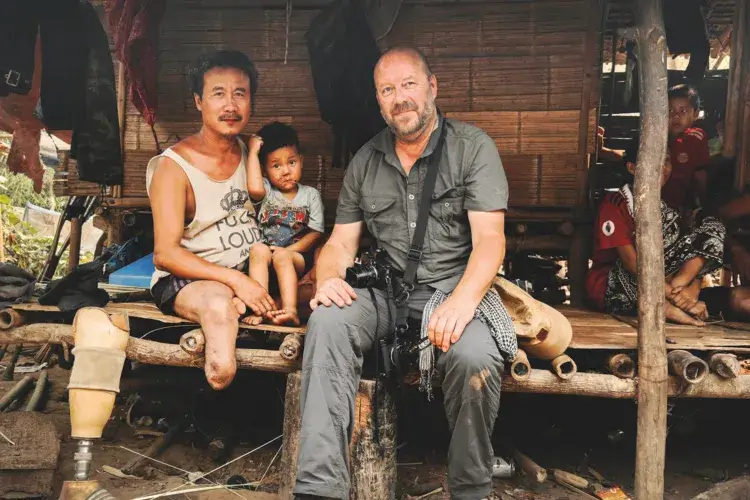
Myanmar is now considered the world’s most heavily landmine-contaminated country, with more than 3.5 million people displaced by the ongoing conflict. Landmines and other explosive ordnance continue to cause civilian casualties and prevent displaced communities from safely returning home, particularly in conflict-affected areas such as Karenni State.
🇰🇷 South Korea: Heavy rains raise threat of drifting landmines near North Korean border
Heavy rain across the Korean Peninsula has prompted authorities in areas bordering North Korea to warn residents and visitors of landmines that may have been washed downstream, particularly along rivers and other waterways.
🇸🇩 Sudan: MAG launches new humanitarian mine action programme in Sudan
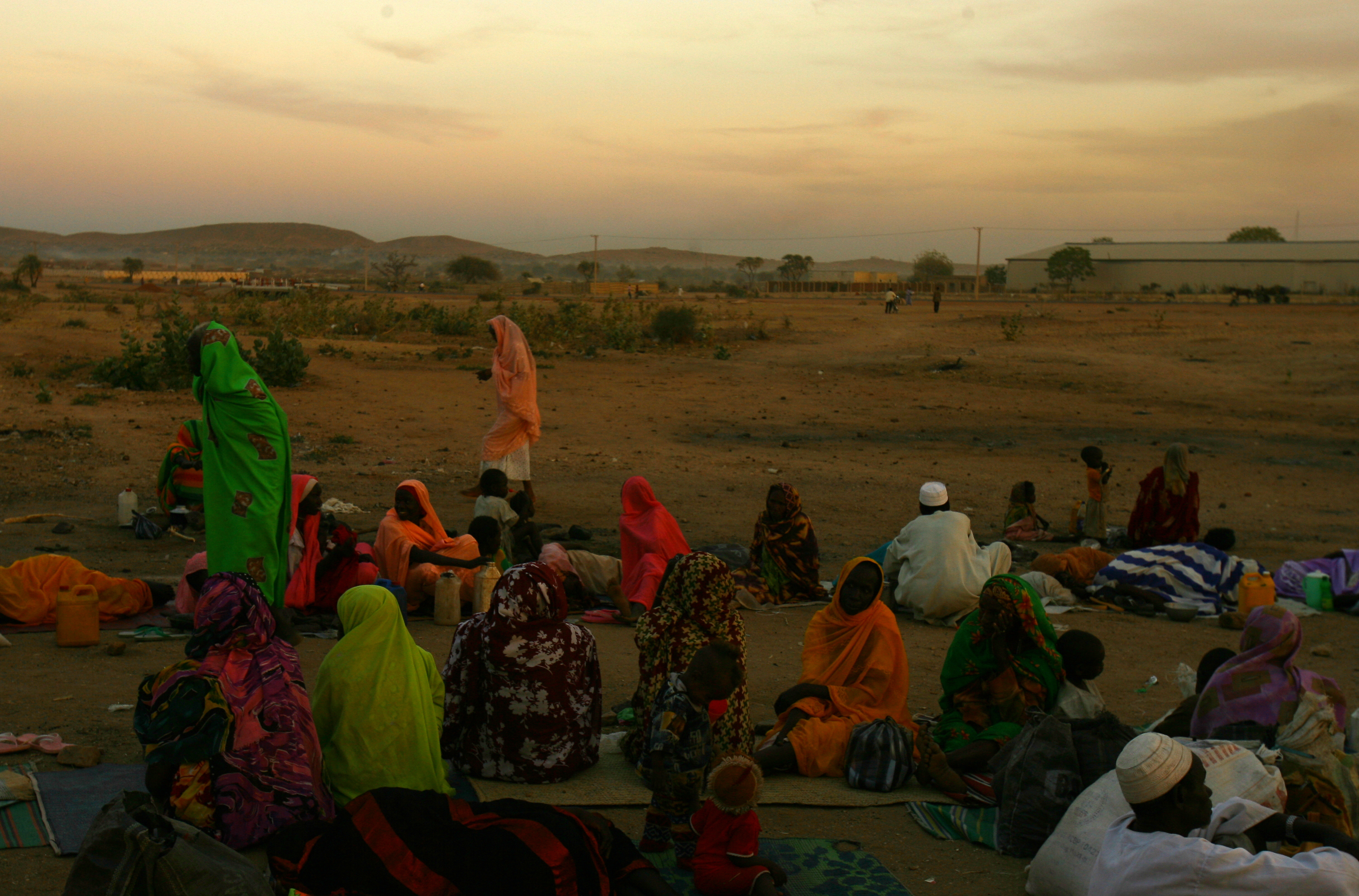
MAG has launched a new mine action programme in Sudan, where explosive contamination is compounding the world’s largest displacement crisis. Operations begin around Khartoum with land survey, clearance, and risk education alongside a national NGO partner, with possible expansion into Al Gezira, Blue Nile, and North Kordofan states.
🇸🇾 Syria: The HALO Trust trains Syria’s first national manual demining teams
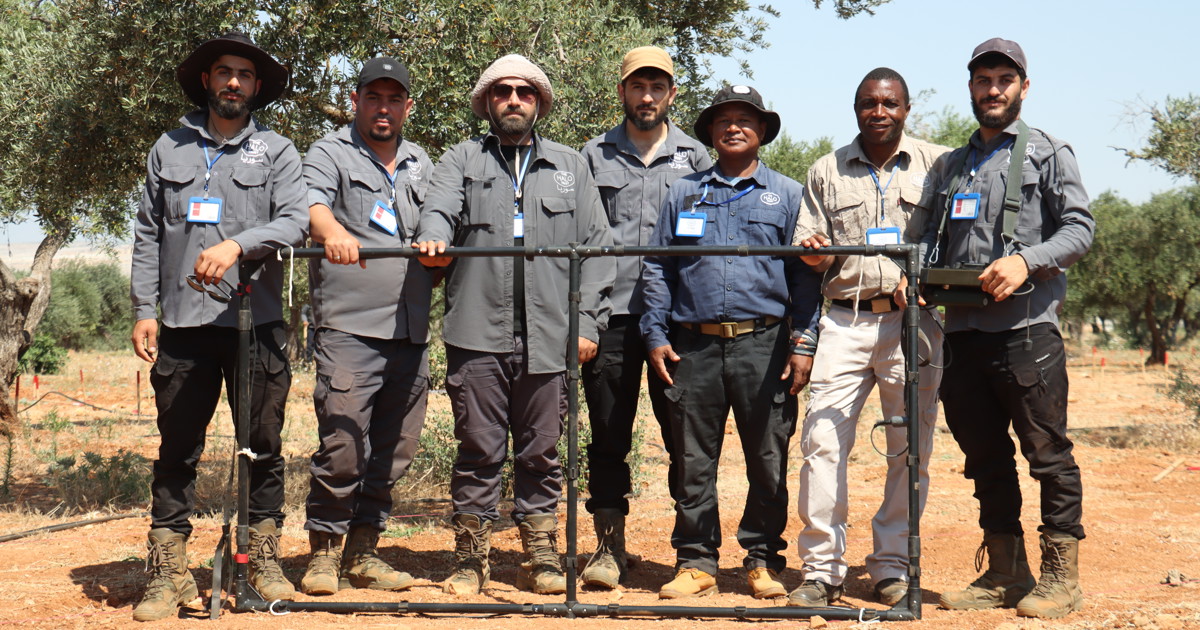
The HALO Trust is training Syria’s first national manual demining teams in Idlib province, deploying ten international deminers with 227 combined years of experience over a six-month capacity-building programme. Explosive contamination has killed or injured 2,442 people in Syria since the fall of the Assad regime.
🇸🇾 Syria: Returning Residents Face Explosive Hazards in War-Ravaged Damascus Neighbourhoods
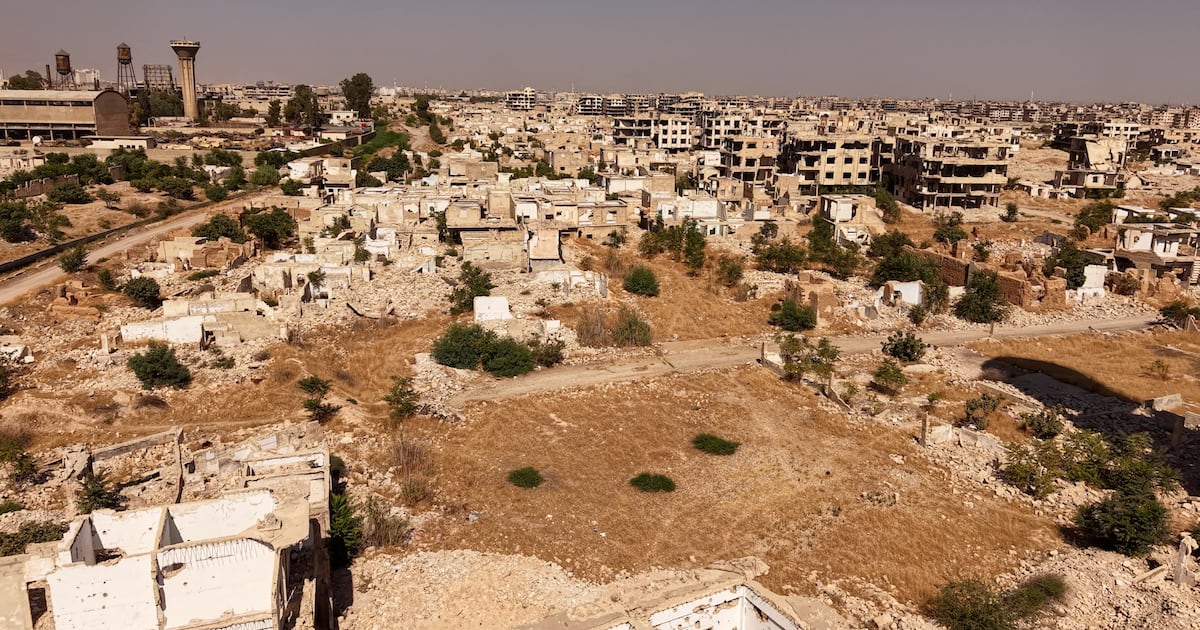
Residents returning to Jobar, Damascus, are facing widespread unexploded ordnance amid the remains of heavily shelled neighbourhoods. The HALO Trust warns that unexploded bombs, collapsing buildings and underground tunnels continue to make the area unsafe. At least 800 people have reportedly been killed and 2,300 injured by mines and unexploded devices across Syria since December 2024, with children accounting for a significant share of casualties.
🇸🇾 Syria: Mine clearance in Sere Kaniye faces field obstacles

Mine clearance operations in the countryside of Sere Kaniye face several field challenges, most notably the widespread presence of landmines and explosive remnants of war, the presence of military positions, and limited support. These obstacles are hindering efforts to clear the area and open roads for the return of displaced people. The Hasakah Mine Clearance Centre said the obstacles make it impossible to set a date for completing clearance operations.
🇸🇾 Syria: Mine clearance begins on Tal al-Ward–Aniq al-Hawa road ahead of IDPs' return

Al-Wisal Organization has begun clearing mines and demining the Tal al-Ward–Aniq al-Hawa road, in preparation for reopening it to facilitate the return of displaced residents to villages located between the western countryside of Zirkan and the eastern countryside of Serê Kaniyê.
🇸🇾 Syria: Deraa’s Fields Remain Contaminated with Explosives from Civil War
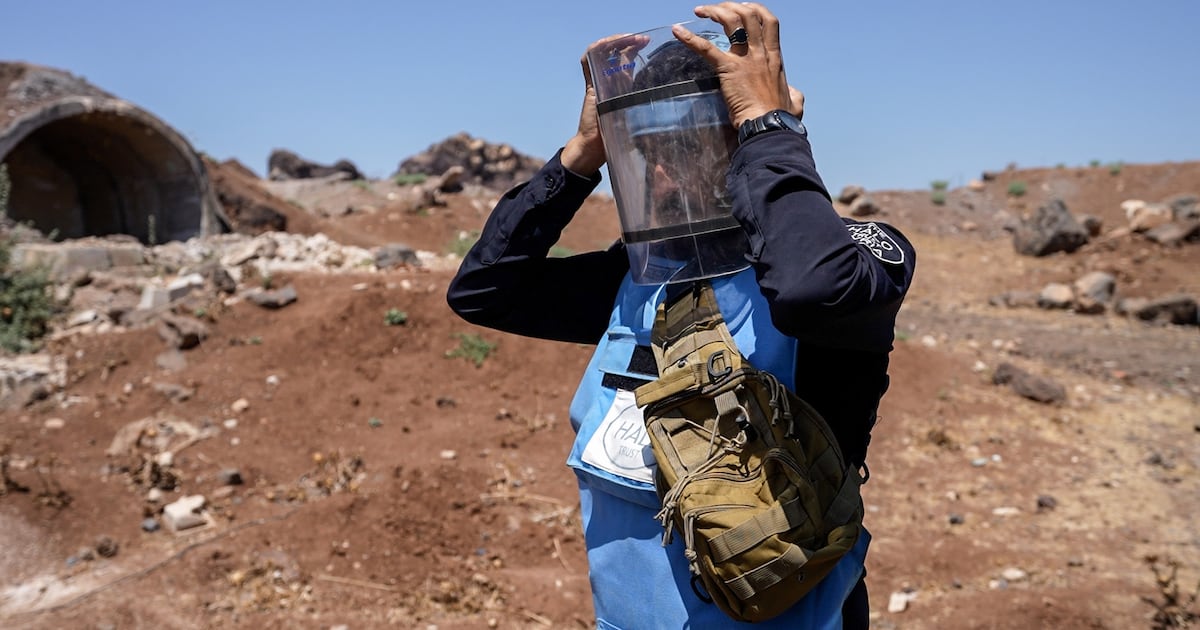
The HALO Trust is clearing anti-personnel and anti-tank mines, unexploded missiles and improvised devices around Deraa, where more than 800 people have reportedly been killed by unexploded munitions since December 2024, nearly a third of them children. Clearance teams use community interviews, historical maps and drone imagery to identify hazardous areas, while funding uncertainty threatens long-term operations.
🇸🇾 Syria: Shepherds are often the first victims of landmines in Syria

In rural Deir Ezzor, grazing areas remain heavily contaminated with landmines and other explosive ordnance, placing shepherds and livestock-dependent communities at particular risk. Humanity & Inclusion (HI) reports that seven of 11 explosive-ordnance incidents recorded over one week occurred in grazing areas, while risk education helps communities recognise hazards and adopt safer behaviour.
🇾🇪 Yemen: Project Masam clears 587,506 landmines and explosive threats in Yemen
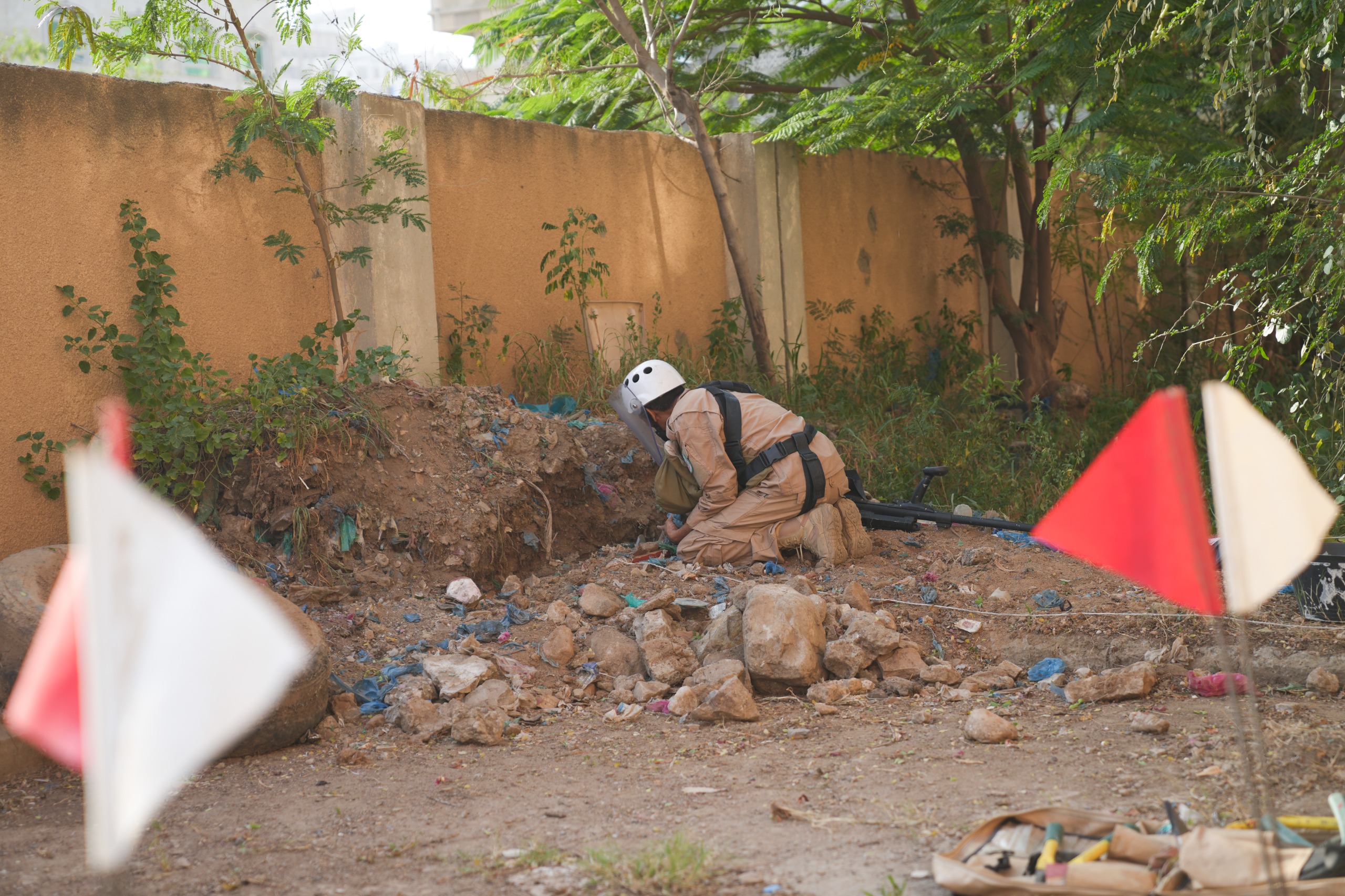
Project Masam reports cumulative clearance in Yemen has now reached 587,506 landmines and other explosive threats, with 9,280 cleared in August alone. The update comes as the programme continues combined clearance and risk-education operations across multiple governorates.
🇾🇪 Yemen: People trapped by explosive ordnance in Yemen
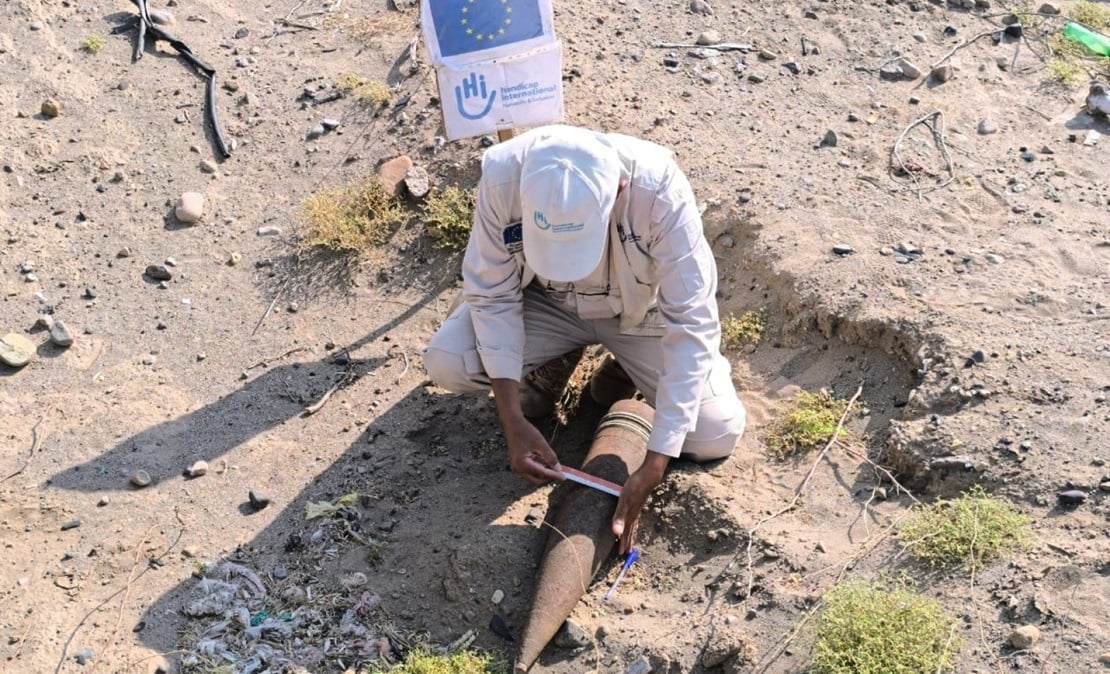
Since August 2025, Humanity & Inclusion has cleared 58 sites and made safe 119 pieces of explosive ordnance — mortars, rockets, and air bombs among them — along Yemen's heavily contaminated west coast. HI reports that explosive ordnance contamination continues to trap civilians in affected parts of Yemen, limiting freedom of movement and access to services and livelihoods.
Landmines and improvised explosive devices planted by the Iran-backed Houthi militia in several parts of Yemen are not only killing and injuring civilians but also causing significant losses to livestock, a vital source of food, income and household capital for thousands of rural families.
🌍 European Wildfires Reveal a Hidden Danger: Buried Bombs and Mines from WWI and WWII
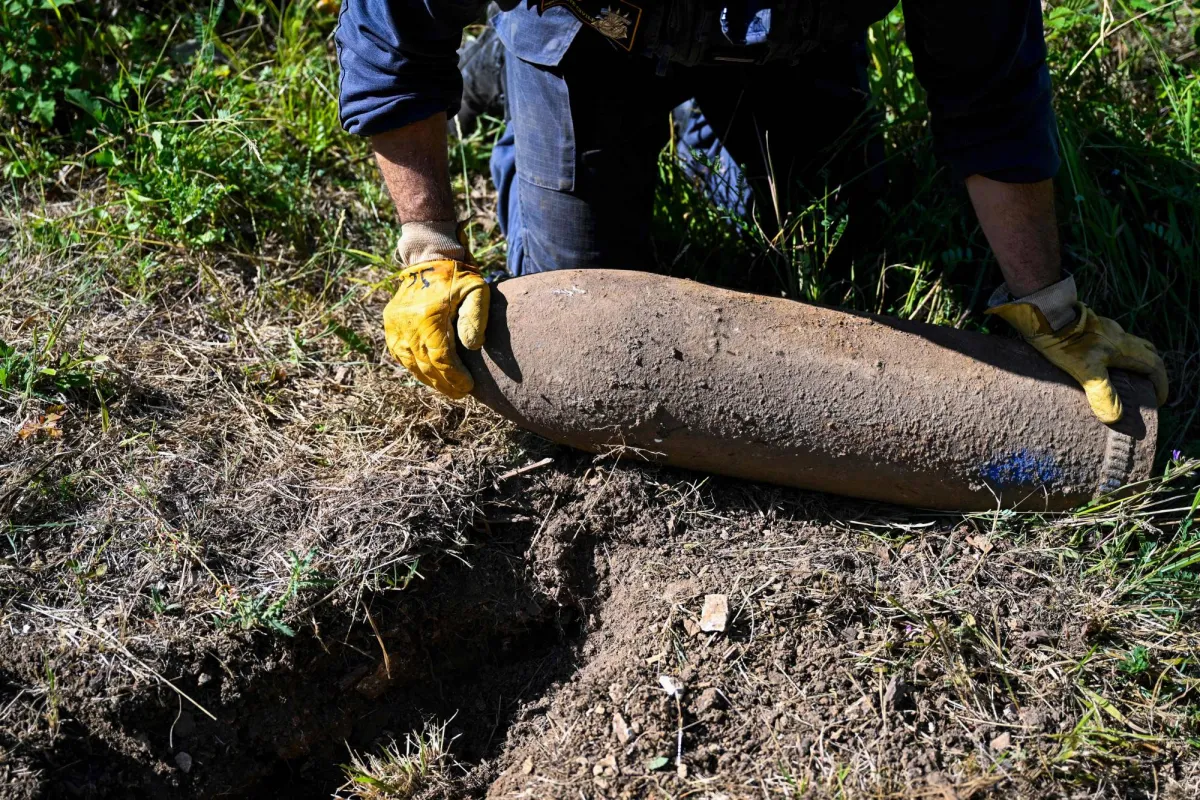
The wildfires burning across Europe this summer have exposed a potentially deadly threat lurking beneath the blackened landscape: rusty bombs and mines from World War I and II that threaten crews responding to the flames.
Other EO Finds from Around the Globe:
🇦🇫 Afghanistan: 500-Kilo Bomb Safely Defused in Afghanistan’s Samangan Province
🇦🇿 Azerbaijan: Unexploded ordnance discovered in Aghdam cemetery
🇧🇬 Bulgaria: Soldiers Destroy Unexploded Ordnance Found on Danube
🇳🇬 Nigeria: Zamfara Police Defuse Landmine Threat On Kaura Namoda–Moriki Road
🇬🇧 United Kingdom: Controlled explosion of historic unexploded ordnance in a field in Bury
🇺🇸 United States: Unexploded Projectiles Found At Rock Harbor
2. Explosive Ordnance Risk Education (EORE)
🇸🇸 South Sudan: From Capacity to Action: NMAA Teams Reach Communities at Risk
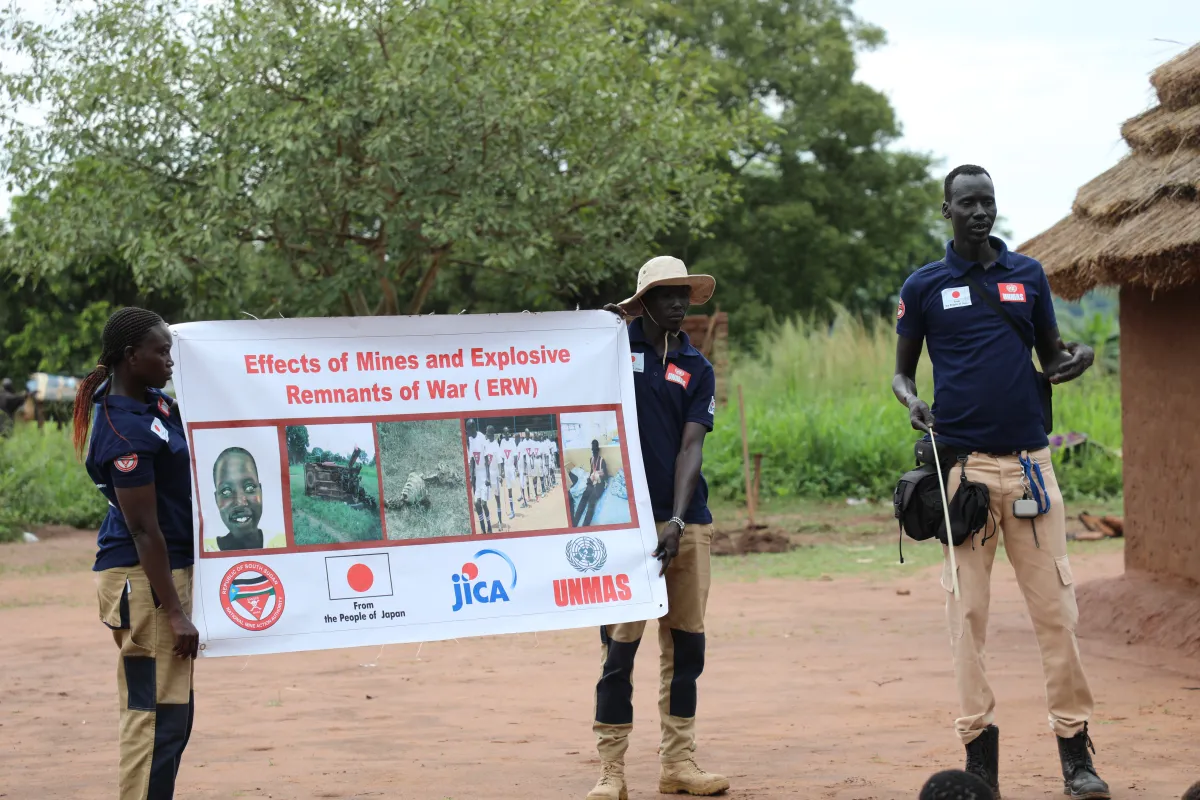
UNMAS reports that six South Sudanese National Mine Action Authority survey and risk-education teams, trained with Japanese government and JICA funding, have conducted 414 non-technical surveys and reached over 11,000 people with explosive ordnance safety messaging.
🇾🇪 Yemen: Project Masam warns civilians of new explosive hazards amid renewed fighting in Yemen
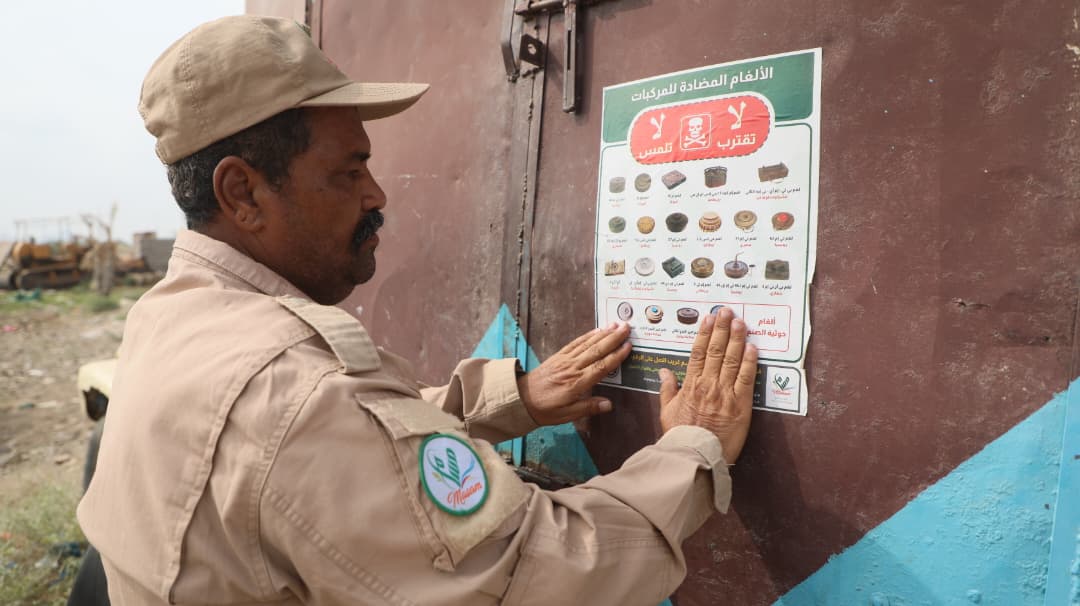
Project Masam has issued a renewed safety warning to civilians following an increase in hostilities in several parts of Yemen, highlighting the risk that recent fighting may leave behind new unexploded ordnance (UXO) and other explosive hazards. The warning follows renewed missile and drone attacks, artillery fire and clashes across several parts of Yemen. Many of these areas are already affected by extensive explosive contamination from previous phases of the conflict.
3. Accidents, Survivors, Victim Assistance
🇦🇿 Azerbaijan: 436 mine casualties recorded since 2020, ANAMA says

In an interview marking International Humanitarian Aid Day, ANAMA chairman Vugar Suleymanov stated that 271 mine incidents have caused 436 casualties (73 deaths, 363 injuries) in Azerbaijan’s liberated territories since November 2020, out of an estimated 1 million-plus mines believed buried across 11,667 square kilometres of contaminated land in Karabakh and East Zangezur.
🇨🇴 Colombia: Elacides, a mine survivor who became a role model in his community

Humanity & Inclusion profiles Elacides, a 29-year-old landmine survivor in Colombia who has become a role model in his community, working to spread a message of hope and inclusion.
🇸🇾 Syria: Prosthetics and Rehabilitation Support Survivors of Explosive Violence
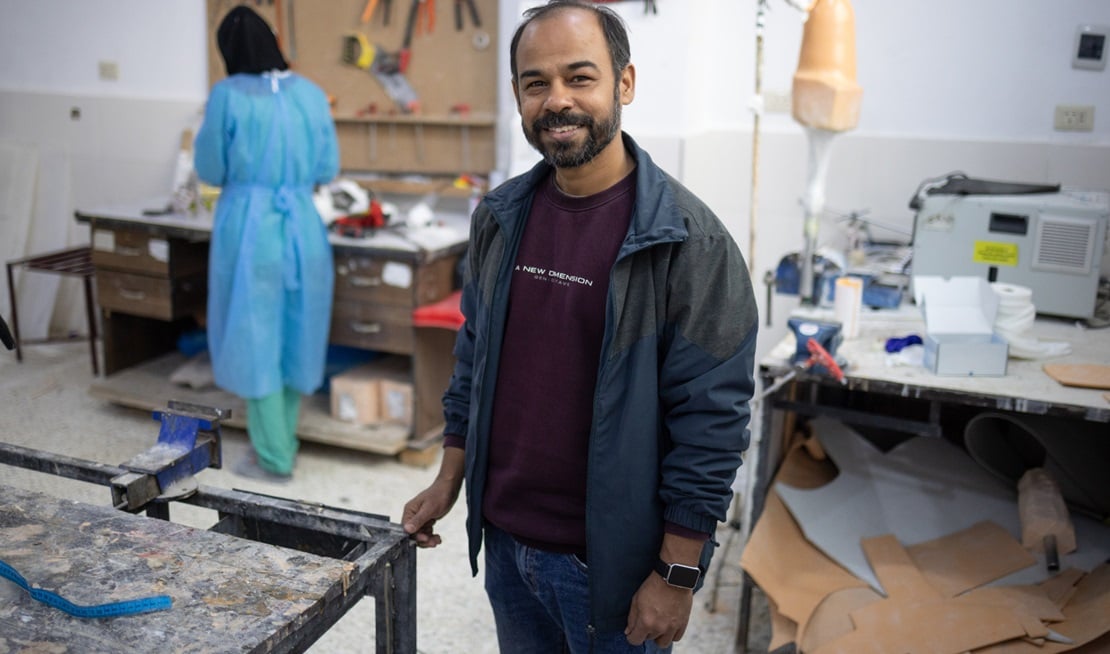
Humanity & Inclusion (HI) provides prosthetic and rehabilitation services in Raqqa, supporting people living with disabilities resulting from conflict and other conditions. Over one week, HI’s prosthetics and orthotics team worked with around 20 patients, providing fittings, gait training, repairs and pain management while addressing barriers including travel costs, limited technology and difficult clinical conditions.
🇹🇯 Tajikistan: OSCE, TNMAC boost support for mine survivors
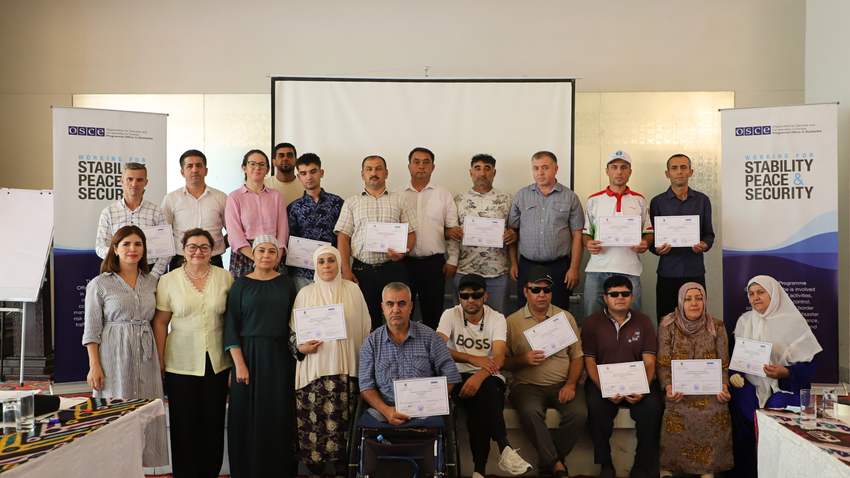
A four-day workshop in Dushanbe (August 11–14), organised by the OSCE Programme Office with Tajikistan’s National Mine Action Center, brought together 16 mine/ERW survivors for peer-to-peer psychosocial support and legal-rights training, prioritising vulnerable survivors from remote areas. The activity supports Tajikistan’s commitments under the Mine Ban Convention and the Siem Reap-Angkor Action Plan.
Other EO Accidents from Around the Globe:
🇦🇿 Azerbaijan: Landmine blast injures one in Azerbaijan’s Khojavend district
🇮🇱 Israel: Six Thai workers injured by unexploded ordnance near Metula
🇵🇰 Pakistan: Nine hurt in 3 separate landmine explosions in Pak's Khyber Pakhtunkhwa
🇸🇾 Syria: Two people injured while removing the rubble of house in southern Idlib countryside
🇸🇾 Syria: Five killed and 19 injured including children in one week in Syria
🇸🇾 Syria: Three children and two of them suffered amputated limps injured in landmine explosion
🇸🇾 Syria: Explosion of cluster bomb kills child in Al-Quneitra countryside
🇸🇾 Syria: Landmine explosion | Four civilians injured in northern Deir Ezzor
🇸🇾 Syria: 2 people injured in landmine explosion in Idlib countryside
🇸🇾 Syria: Five children injured in landmine explosion in Til Temir
4. Advocacy, Policy, Conventions, Strategies and Standards
🇰🇭 Cambodia: Four ministries sign MOUs linking mine clearance with environmental protection

Cambodia’s Environment Ministry, CMAA, the Ministry of Water Resources and Meteorology, and the Ministry of Cults and Religions signed three memorandums of understanding on August 20, linking mine and ERW clearance in protected natural areas with conservation, water-resource management and religious-sector environmental initiatives. CMAA’s Ly Thuch called it a potential model for other conflict-affected countries.
🇺🇦 Ukraine: Demining Costs Also Count Against Russia: Damage Register Opens New Claims Category

Ukraine’s Register of Damage has opened category B5, “Demining and Clearance of Unexploded Ordnance,” allowing state and local bodies to record demining-related expenditure for eventual compensation claims against Russia through the Council of Europe’s international claims commission, which 39 states and the EU have joined.
🌍 UN Seeks Senior Global Leadership for Mine Action and Police
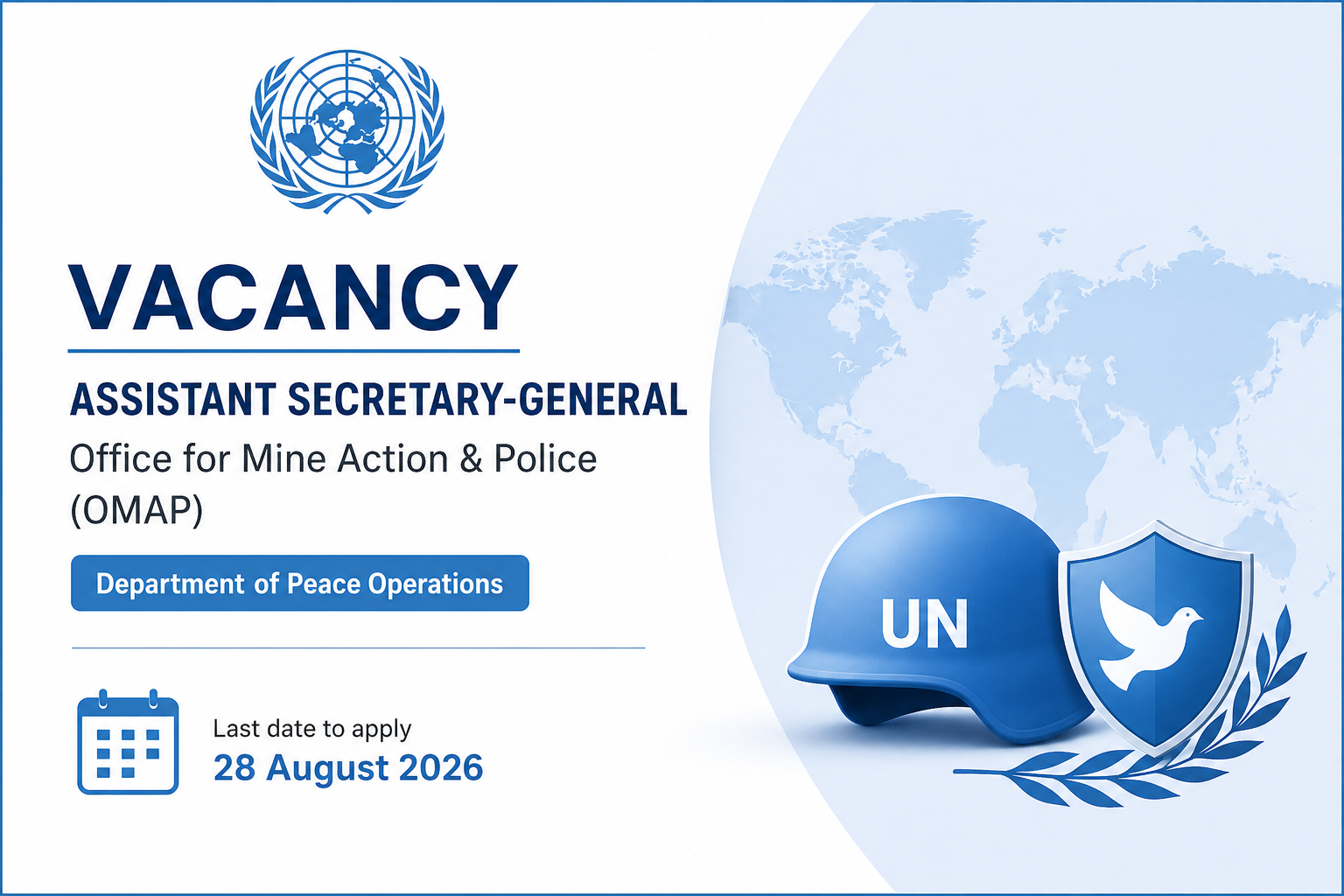
The UN has opened nominations for Assistant Secretary-General of the Office for Mine Action and Police (OMAP), which oversees both UNMAS and the UN Police Division, reporting to the Under-Secretary-General for Peace Operations. Nominations close August 28, 2026.
5. Stockpile Destruction, Demolition, WAM and Disarmament
6. Research, Innovation, Technology and Market Trends
Russia has tested a laser-equipped Kurier unmanned ground vehicle designed to remotely neutralise mines, grenades and other explosive ordnance. The system uses a laser to burn through an item’s casing and ignite its contents without conventional detonation. The manufacturer says the technology could reduce EOD personnel’s exposure to explosive hazards, although operational effectiveness remains to be independently demonstrated.
🇺🇦 Ukraine: A shadow market for demining has emerged in Ukraine

Absent sufficient formal capacity, an estimated 50–70% of agricultural demining in Ukraine in 2023–24 was done informally through unregulated “black” and “grey” market operators, including farmers improvising mine-clearing rollers on tractors, even as a government programme now covers full costs for only a small share of affected farmland.
Safe Pro Group has been awarded a $180,000 US Department of State subcontract to supply AI-powered explosive threat-detection and mapping software supporting demining operations in Ukraine, according to company and wire-service reporting not yet independently verified through a primary government source.
🇬🇧 United Kingdom: Drones to hunt for unexploded Second World War bombs exposed by wildfire

The National Trust is to carry out a drone survey of the fire-damaged Dunwich Heath amid fears that the inferno has exposed unexploded bombs from the Second World War. The conservation charity is warning people to stay away from the “dangerous” area, with all public rights of access currently suspended.
🇺🇸 United States: Marines Field Underwater Robots to Hunt Explosives Before Amphibious Operations
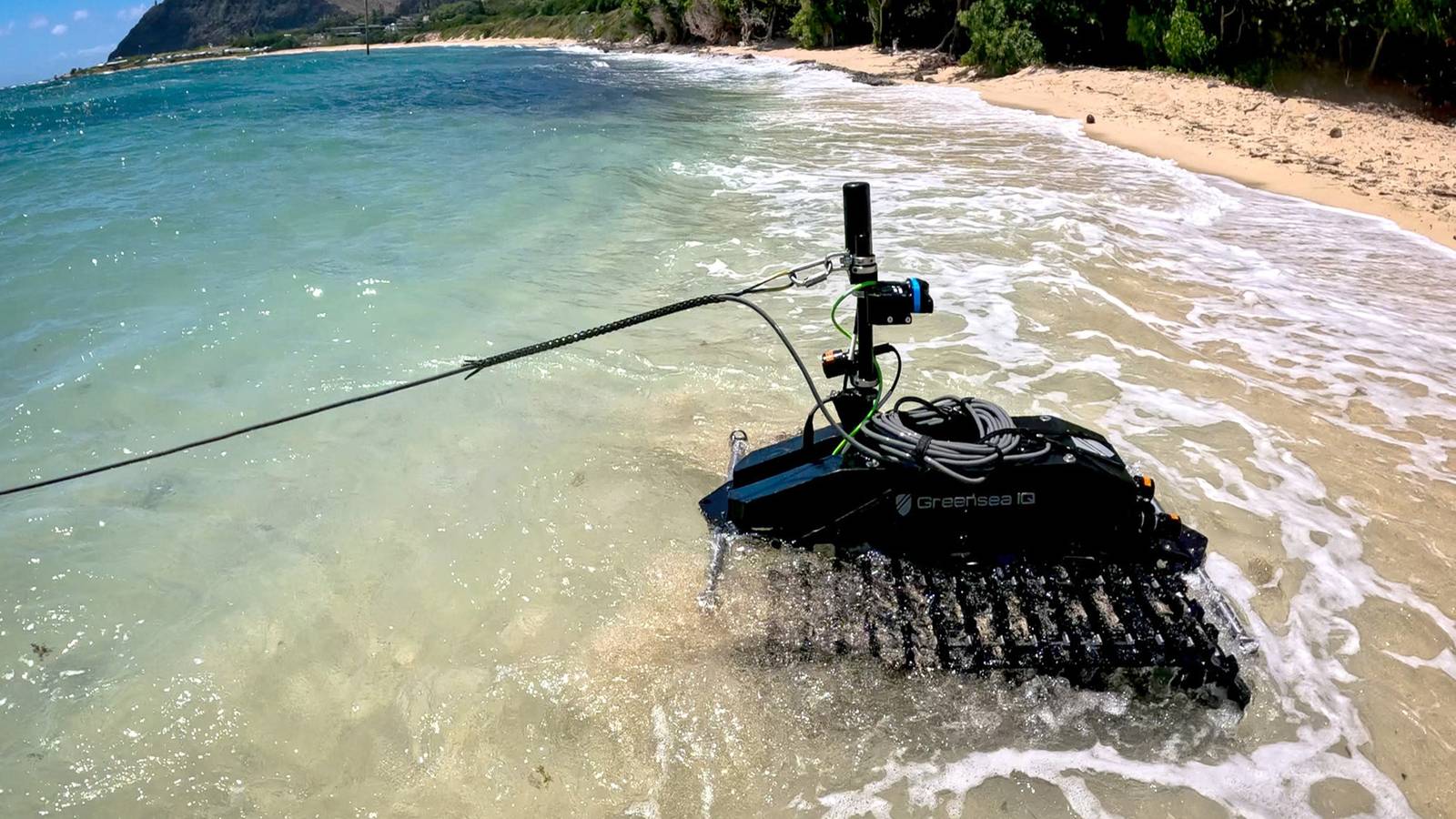
The U.S. Marine Corps is deploying unmanned underwater systems to detect and identify mines and other explosive hazards ahead of amphibious operations. The technology is intended to reduce the exposure of personnel to underwater threats while providing commanders with improved information about hazards in the littoral environment.
7. Mine Action Assistance, Funding and Cooperation
Azerbaijan’s president publicly thanked the United Kingdom for its continued assistance with landmine clearance, underscoring an ongoing bilateral partnership supporting Azerbaijan’s demining programme.
🇰🇭 🇱🇦 🇻🇳 Cambodia, Laos & Vietnam: Donor fatigue undermines Southeast Asian demining programmes
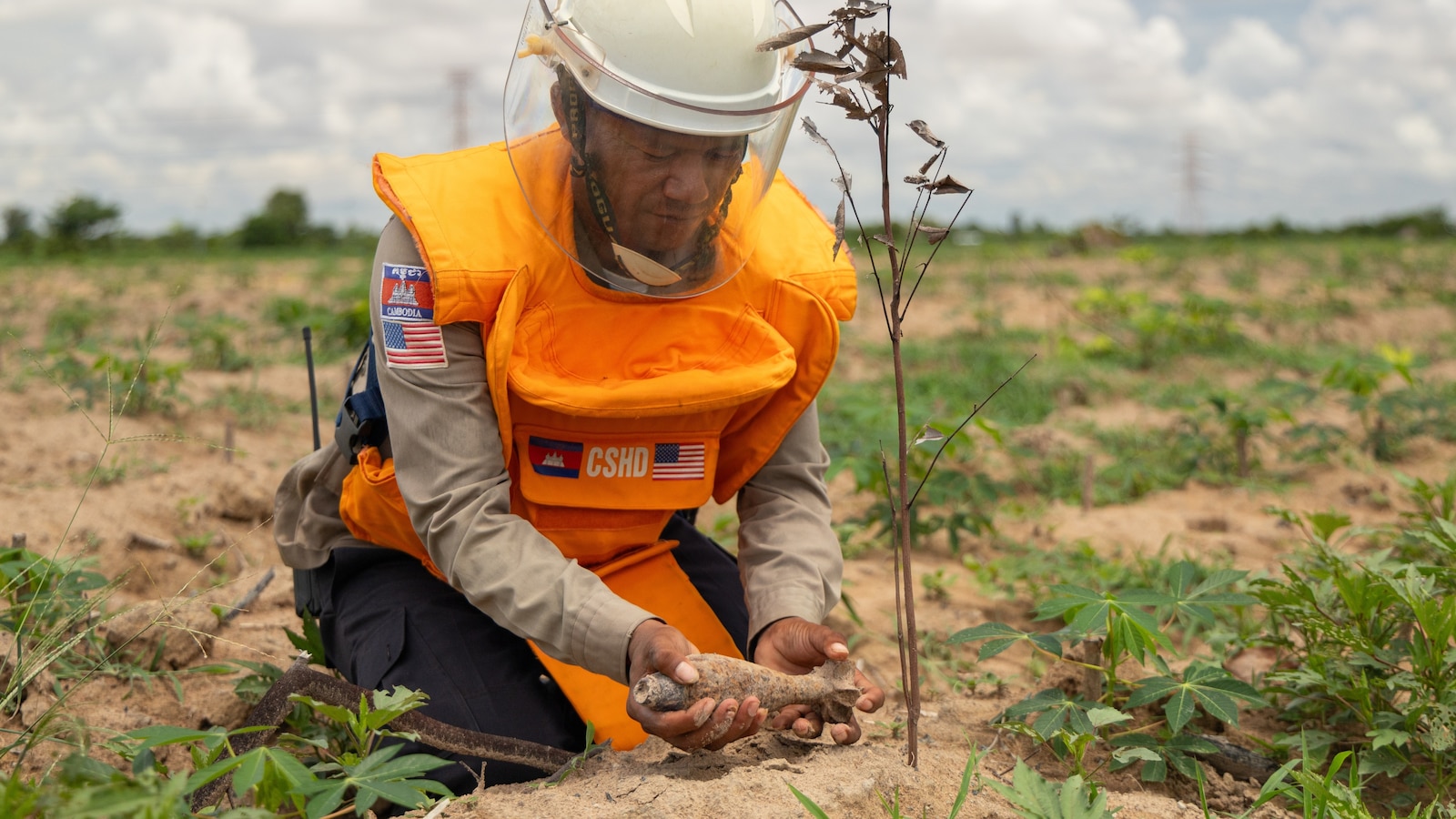
Donor fatigue is undermining humanitarian demining across Cambodia, Laos, and Vietnam as funding shifts toward active conflicts in Ukraine, Gaza, and Sudan. Landmine Monitor data cited puts 2020-2024 demining funding at $4.3 billion, with Southeast Asian programmes struggling despite roughly 90,000 regional deaths since the wars ended.
The Cambodian Mine Action and Victim Assistance Authority (CMAA) and the United Nations Development Programme (UNDP) agreed to accelerate landmine clearance and boost victim assistance under the Clearing for Results Phase V project. The two parties convened for a mid-year board meeting in Phnom Penh on Tuesday. Attendees included development partners from Australia, Italy, Luxembourg, and New Zealand, as well as representatives from the Ministry of Economy and Finance.
🇸🇾 Syria and UNICEF discuss mine action and disaster response cooperation

Syria’s Deputy Minister of Emergency and Disaster Management met UNICEF’s Deputy Representative for Programmes in Damascus on August 17 to discuss strengthening coordination on mine action, disaster-risk reduction, rapid emergency response and child safety in schools.
Ukraine’s Ministry of Economy is building a digital “Donor Platform” to increase transparency in mine-action funding, letting donors track project needs, funding and results and avoid duplicate requests. Pilot launch is planned by March 2027; international partners’ financial commitments for 2022-2030 already exceed $1.6 billion, 56.9% of it for clearance and ERW disposal.
8. Other News
Three African giant pouched rats, trained by APOPO, have joined a California zoo to demonstrate their specialised scent-detection abilities. Known as HeroRATs, the animals can detect explosives and are too light to trigger pressure-activated mines. Their deployment in humanitarian mine action demonstrates how animal detection can complement conventional clearance methods.
🎥 Videos
After 3 years of conflict, Khartoum is littered with explosive ordnance. As families return home, UNMAS is clearing dangerous items, delivering risk education, and helping communities move freely again.
This World Humanitarian Day, the HALO Trust celebrates its experts from around the HALO world who have come together on the frontline of Syria’s recovery.
Last June, FSD put in place a curious labyrinth on Lake Geneva’s docks: imagined to represent the uncertainty created by remnants of war, it puts in broad daylight the causes mine action organisations across the globe defend and act for.
📅 Upcoming Events, Courses & Trainings
There are a number of interesting events for the mine action sector in the coming months, and some of the deadlines are approaching quickly.
Join the public PhD defence of Henrique Garbino on 4 September 2026, from 13:00–17:00, at Sverigesalen, Swedish Defence University, Stockholm. Henrique will defend his dissertation, Unearthing Restraint: The Use and Non-Use of Landmines by Armed Groups, which examines why armed groups sometimes choose to limit violence. Drawing on research from Colombia and the Philippines, the thesis offers new insights into the dynamics of restraint in armed conflict and the factors that shape landmine use and non-use. The event is open to the public. Learn more here.
Felix Connect is a dedicated networking event designed to bring together supporters, partners, and friends of Felix Fund - the bomb disposal charity. It’s a relaxed, welcoming space to connect, network, or simply catch up with familiar faces from across the EOD, Search, defence, and charity communities. The event will be held on 28 September in London. Learn more here.
The Mine Action: Innovation, Sustainability, and Global Partnerships speaker series is structured to address landmine and explosive remnants of war (ERW) challenges through a strictly humanitarian, civilian-protection-oriented framework, with clearly defined ethical, legal, and operational boundaries between humanitarian and military applications of technology. Dates are: FEB 19 | MAR 19 | APR 16 | MAY 21 | JUN 18 | JUL 16 | AUG 20 | SEP 17 | OCT 15 | NOV 19 | DEC 17. Time: 12:00 PM - 1:00 PM ET. Location: Virtual (Zoom Webinar). Register here.
🔔 Always Stay in the Know – Never Miss an Update
This newsletter is subscribed to by over 3600+ dedicated readers on LinkedIn. To join this community of mine action professionals and supporters, go ahead and subscribe to the Mine Action Weekly newsletter. You can find all editions up to February 2026 on LinkedIn, and from March 2026 onwards here on Mine Action News.
Please reach out to me if there are any mine action news, journal articles, events, or updates that you would like to suggest for the next edition of Mine Action Weekly. You can find (and follow / connect with) me here. See you next Monday!


